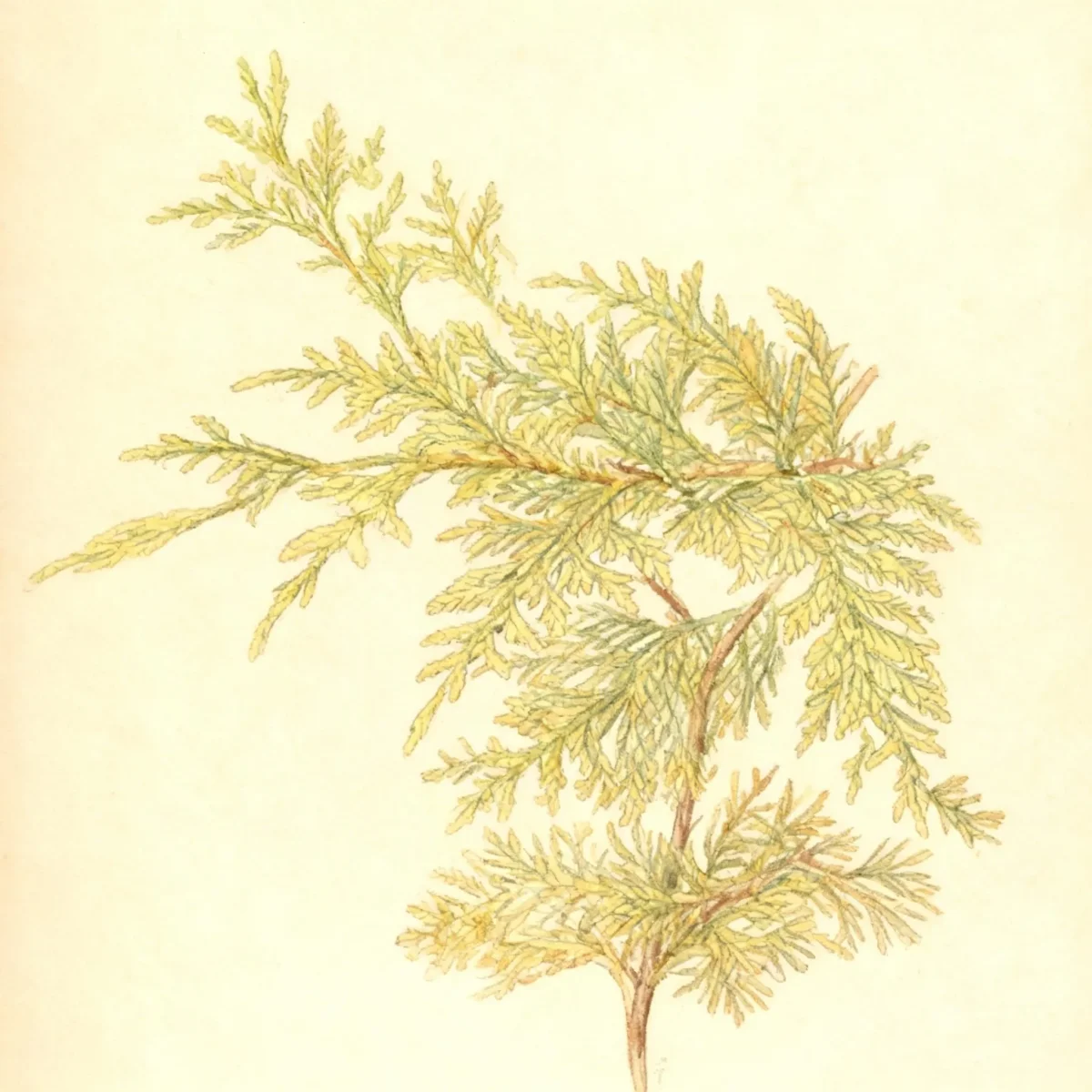
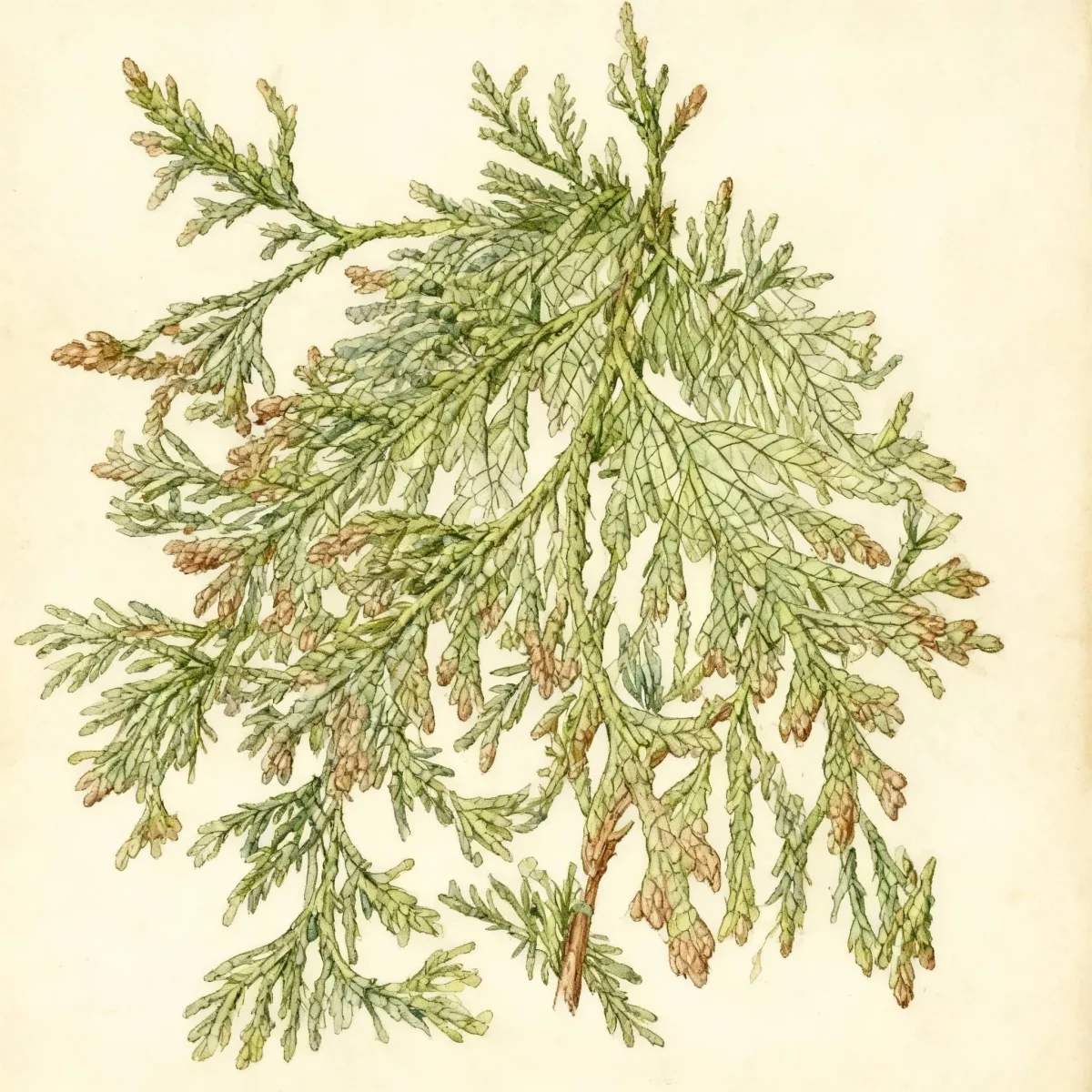
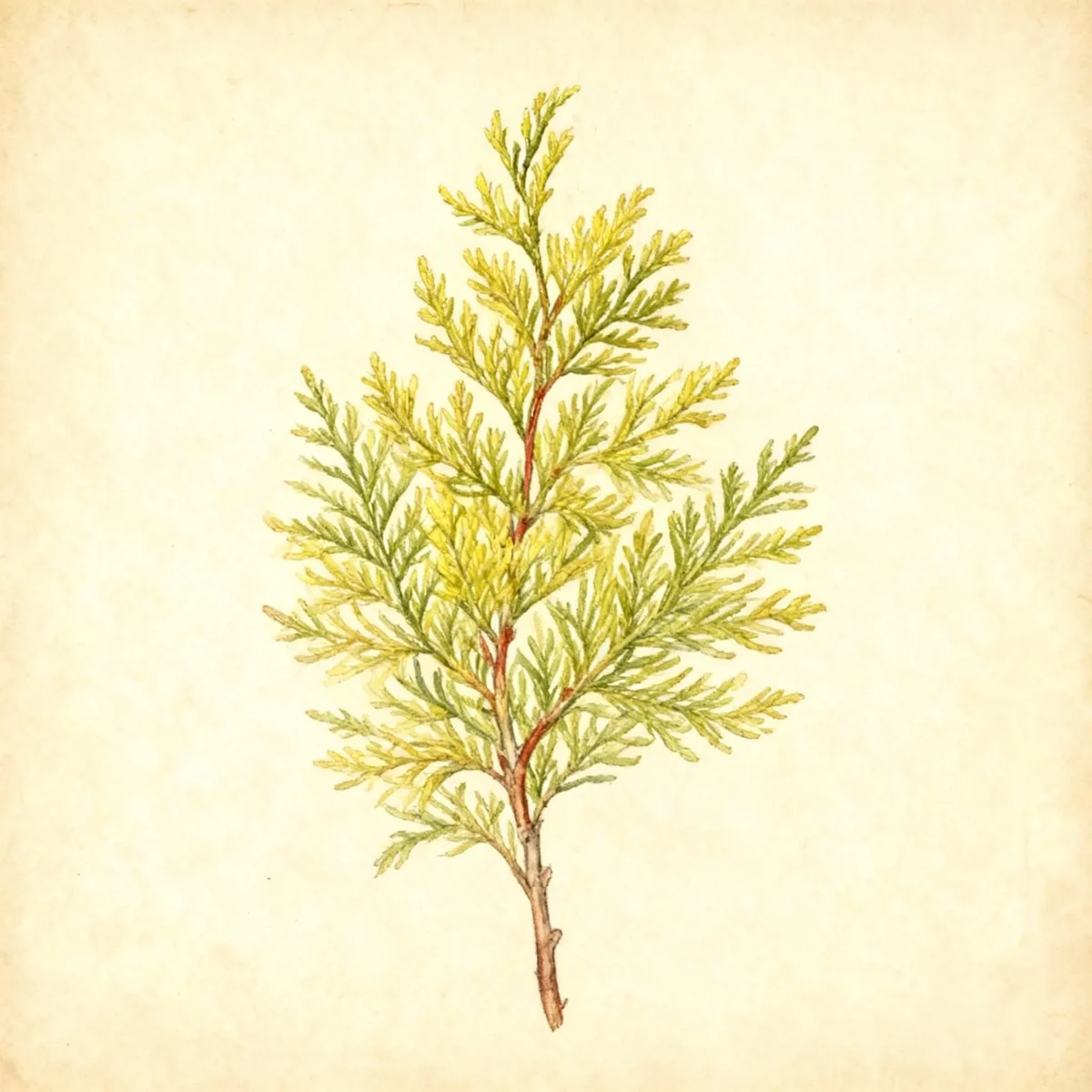
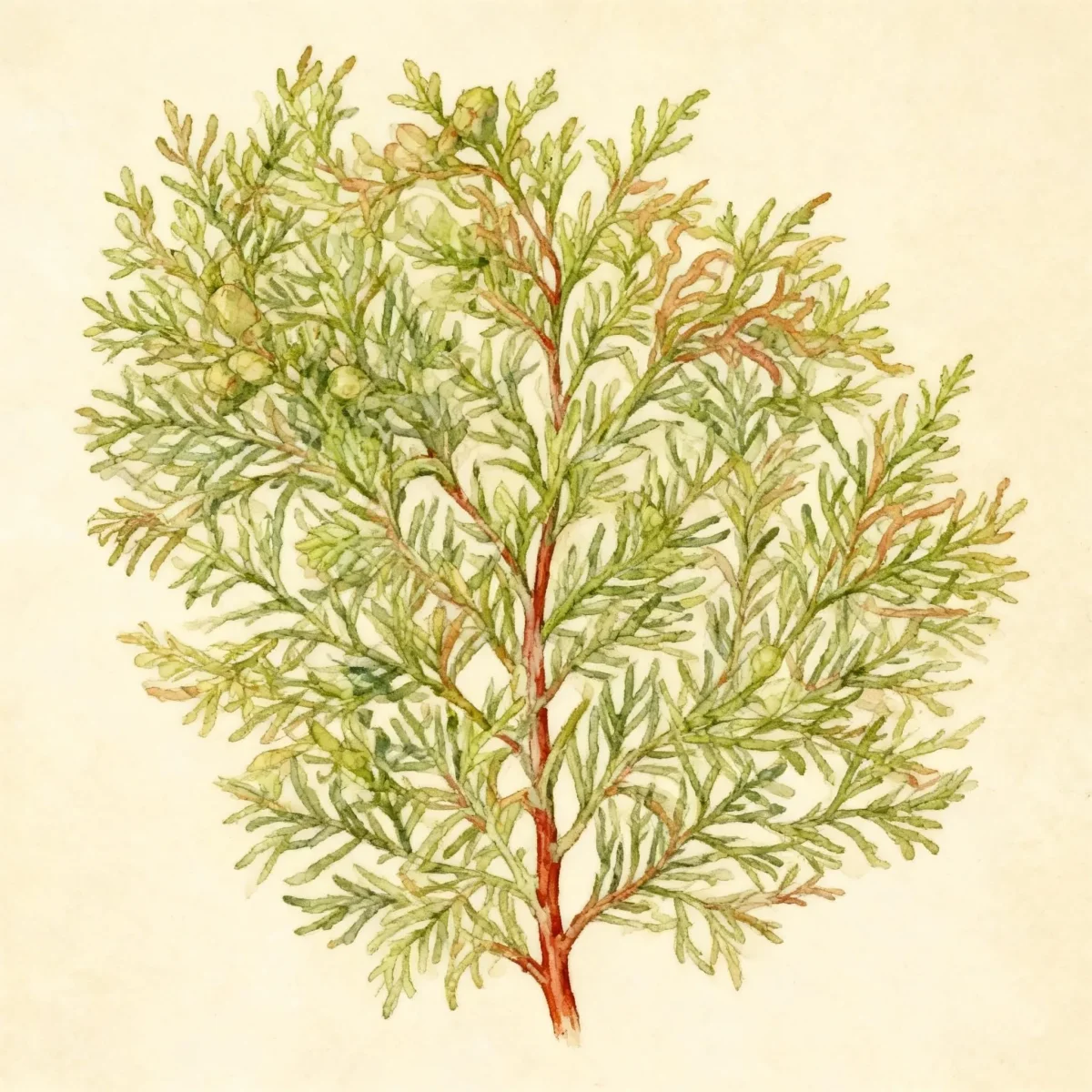
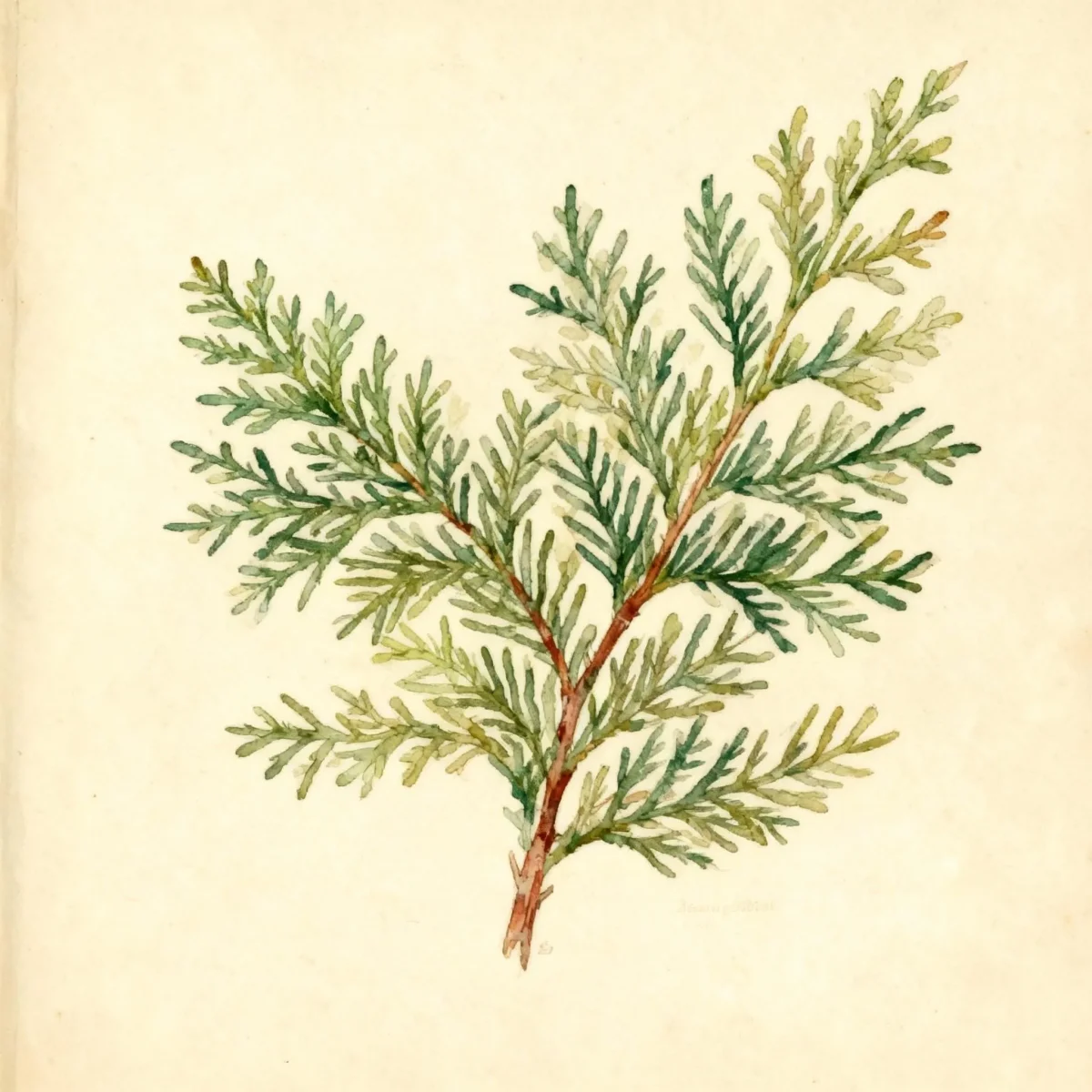
Nootka cypress (Xanthocyparis nootkatensis)
Discover Xanthocyparis nootkatensis, the majestic Nootka cypress, known for its slow growth, longevity, and unique drooping foliage in zones 4-7.
Scroll down to discover growing tips, care requirements, companion plants, and more
Complete Plant Information
Overview
The Nootka cypress, scientifically cataloged as Xanthocyparis nootkatensis, is a magnificent, slow-growing conifer native to the Pacific Northwest. Prized for its long lifespan—often exceeding 1000 years in ideal conditions—this tree offers a distinctly elegant, drooping habit that contrasts with many upright conifers. It is often referred to by its common names, including Alaska cedar and yellow cypress.
This evergreen conifer brings exceptional textural interest to the landscape with its appealing spray of scale-like, bluish-green foliage. While it can achieve monumental heights in its native habitat, Xanthocyparis nootkatensis typically remains a more manageable specimen in cultivated environments. It requires consistent medium moisture to thrive, reflecting its origins in moist bottomlands and ravines.
For gardeners seeking structure and historical significance, the Nootka cypress is a superb choice, though it demands specific climate and moisture conditions for optimum health, especially in warmer zones. Its enduring nature makes it a powerful foundation piece, providing year-round visual interest.
Fast Facts
- Plant Family: Cupressaceae
- Plant Type: Needled evergreen
- Native Range: Western North America
- Hardiness Zones: USDA Zones 4-7
- Size at Maturity:
- Height: 40-90 ft
- Spread: 15-25 ft
- Bloom Time: Non-flowering
- Bloom Description: Non-flowering
- Sun Exposure: Full sun to part shade
- Water Needs: Medium
- Maintenance Level: Medium
How to Grow
The best time to establish Xanthocyparis nootkatensis is during the cooler, wetter parts of the year, allowing the roots to settle before summer stress. Plant this Nootka cypress in well-drained soils that retain consistent moisture. While it tolerates full sun in the cooler northern reaches of its range, gardeners in the southern region (Zone 7) should site their plant where it receives afternoon part shade to prevent scorching or stress.
Watering should be managed to keep the soil consistently medium in moisture; drought stress is poorly tolerated. For the very best performance, ensure the environment mimics its habitat: cool summers, high humidity, and fertile, damp soil. Fertilization is generally unnecessary unless the soil is exceptionally poor, as moderate maintenance is preferred for this naturalized species.
Pruning for Xanthocyparis nootkatensis is minimal; natural form is usually its greatest attribute. Focus on removing dead or damaged wood, typically in late winter or early spring before new growth begins. Be aware that plants in areas with harsh, drying winter winds may require temporary burlap protection when young.
Landscape Uses
The native species of Nootka cypress is majestic but massive, often reserved for large estates or park-like settings where its 90-foot potential is not a concern. However, cultivars, such as the popular weeping form (‘Pendula’), offer a compact alternative suitable for smaller landscapes or as a dramatic vertical accent. Its color and texture make it an excellent specimen tree.
Use the Nootka cypress where its contrast is needed against broader-leaved deciduous trees or lighter green evergreens. It pairs well with plants that share its preference for moist, cool conditions, such as Rhododendrons or Western Hemlock. Avoid placing Xanthocyparis nootkatensis in dry, hot locations, as this will compromise its visual appeal and health.
Due to its unique, slightly mournful, drooping silhouette, it serves well as a singular focal point near water features or entryways, drawing the eye upward while maintaining a graceful presence throughout the year.
Standout Features
Noteworthy Characteristics
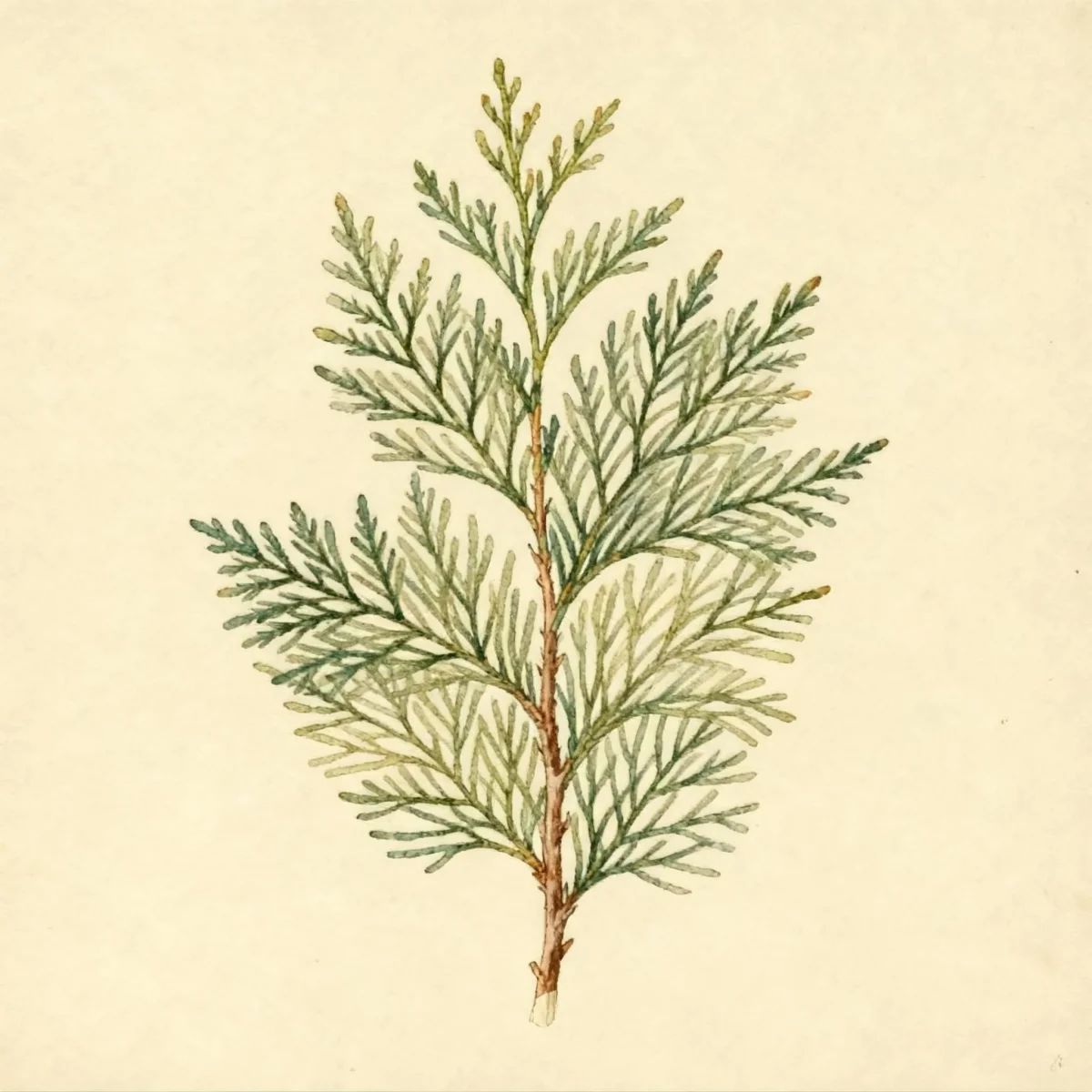
Xanthocyparis nootkatensis is commonly called Nootka cypress, Alaska-cedar or yellow cypress. It is native to moist soils in bottomlands, along streams and in ravines along the Pacific Coast from southeastern Alaska to northern California. It is an evergreen conifer that will grow slowly to as much as 60-90’ tall in the wild and live for 1000+ years. Drooping sprays of small, scale-like, bluish-green leaves characterize this species. Botanically, this species has seen placement in several genera, including Cupressus and Chamaecyparis, though Xanthocyparis is currently used here.
Tolerances
- Some susceptibility to juniper blight
- Susceptible to root rot in poorly draining soils
- Susceptible to certain insect pests such as bagworms and juniper scale
Potential Problems
Generally, the Nootka cypress enjoys a clean bill of health concerning serious diseases or pests, which is a significant advantage for low-maintenance gardening. However, gardeners should remain vigilant for common conifer issues. Susceptibility to juniper blight is noted, meaning good air circulation is essential, especially in humid climates.
Pay close attention to signs of root rot, which occurs when the required medium moisture level turns into soggy, waterlogged conditions. Overwatering is the primary non-environmental threat to Xanthocyparis nootkatensis. Monitor for minor pests like bagworms, juniper scale, and red spider mite, treating them promptly with appropriate horticultural oils or targeted insecticides if infestations become problematic.
Environmental stress, particularly prolonged heat or humidity outside its native cool coastal climate, can weaken plants, making them more vulnerable. For instance, gardeners in areas like the St. Louis region may find this species struggles because environmental conditions do not favor the typical growth habits of most Pacific Coast conifers.
Frequently Asked Questions
What hardiness zones is Nootka cypress suitable for?
The Nootka cypress, Xanthocyparis nootkatensis, thrives best in USDA Hardiness Zones 4 through 7.
How large does Nootka cypress grow?
In the wild, this evergreen can reach heights of 40 to 90 feet, with a spread between 15 and 25 feet. In typical landscape settings, however, they often remain somewhat shorter.
What sun exposure does Nootka cypress need?
Xanthocyparis nootkatensis prefers full sun to light part shade. Ensure it receives ample light, especially in cooler northern zones, while appreciating afternoon shade benefits in warmer southern limits of its range.
When does Nootka cypress bloom?
This plant is a conifer and is naturally non-flowering; it produces small, rounded seed cones instead.
Conclusion
The stately Xanthocyparis nootkatensis, or Nootka cypress, offers exceptional year-round texture and remarkable longevity, making it a worthwhile investment in the landscape, provided basic cultural needs are met. Its drooping foliage provides a unique, sophisticated appeal unmatched by many other evergreens. Before planting, always confirm your local USDA zone compatibility and ensure you can provide the consistent moisture this magnificent West Coast native requires.
Companion Planting
Given its cultural requirements for medium moisture and well-drained soil, the Nootka cypress pairs naturally with other moisture-loving woodland plants native to the Pacific coast. Consider planting moisture-tolerant shrubs like certain varieties of Sarcococca (Sweet Box) or acid-loving flowering shrubs like Rhododendron along its perimeter. These pairings create a layered, cool, humid microclimate that benefits the cypress.
For groundcover solutions that manage soil moisture without becoming waterlogged, look toward mosses or dense plantings of ferns such as Western Sword Fern (Polystichum munitum), which share the preference for shaded, moist forest floors where the Xanthocyparis nootkatensis thrives. Avoid drought-tolerant Mediterranean plants that compete for fast drainage and warmth.
Design Ideas
The strong, often weeping silhouette of the Nootka cypress lends itself perfectly to specimen planting where focus is desired. In formal landscapes, a single, well-shaped specimen can anchor a corner or provide visual weight to a large lawn area. For more contemporary cold-climate designs, the striking blue-green foliage of Xanthocyparis nootkatensis offers superb contrast against deep green or golden conifers.
When incorporating the weeping cultivars, they can be used effectively near retaining walls or raised beds where their pendulous branches can cascade over the edge, softening hard architectural lines. Because this slow grower has substantial visual presence, use it deliberately to frame views or define boundaries rather than mass planting it extensively.