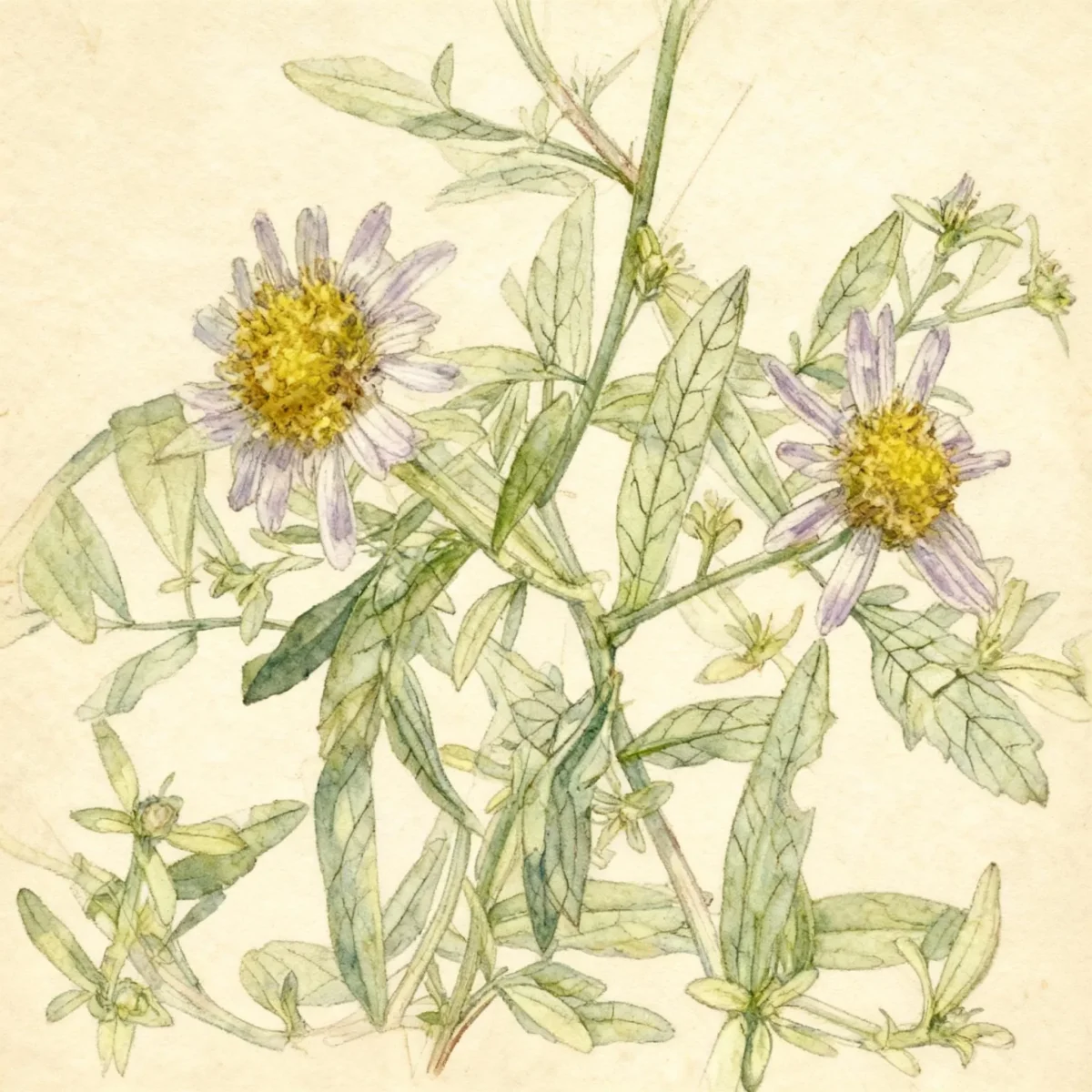
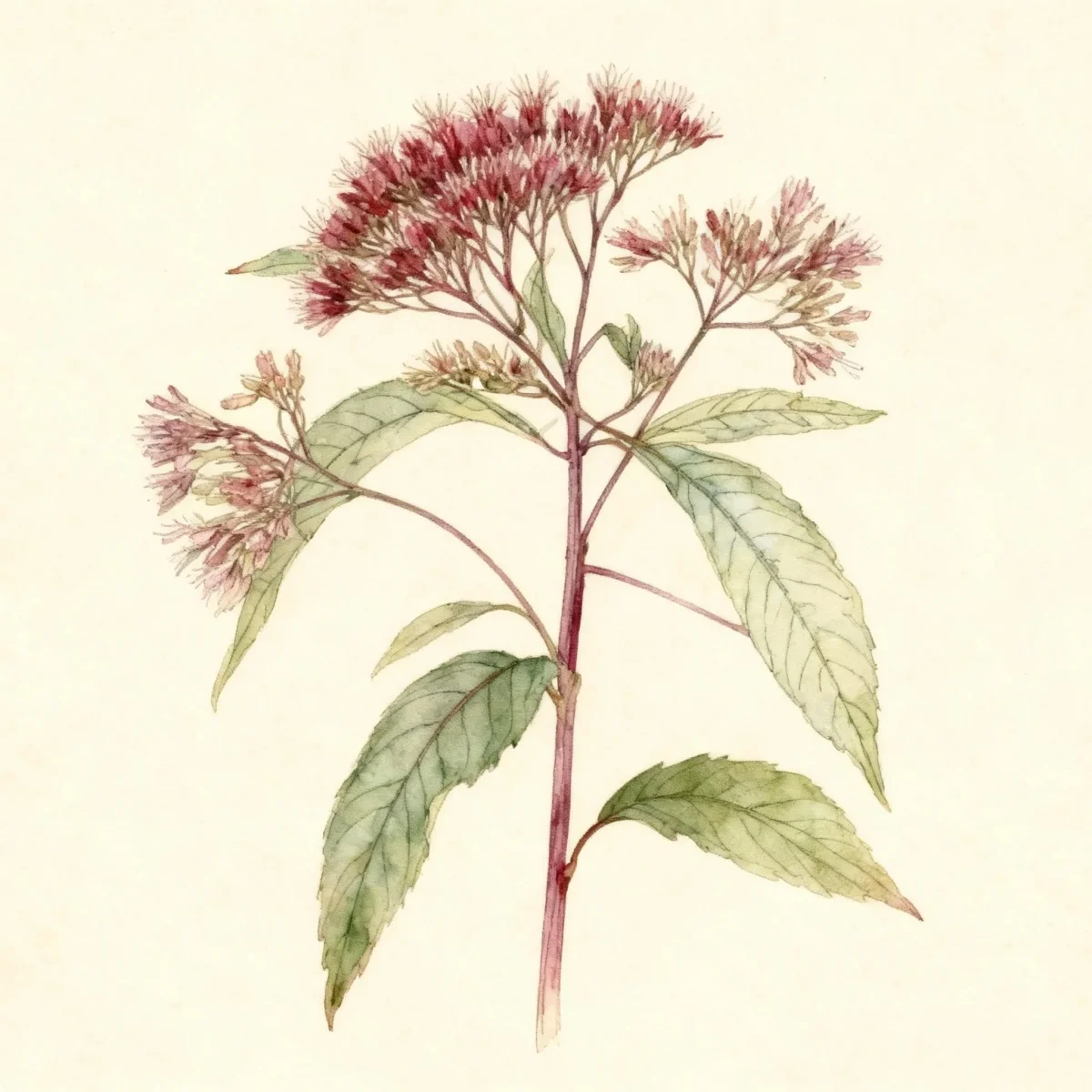
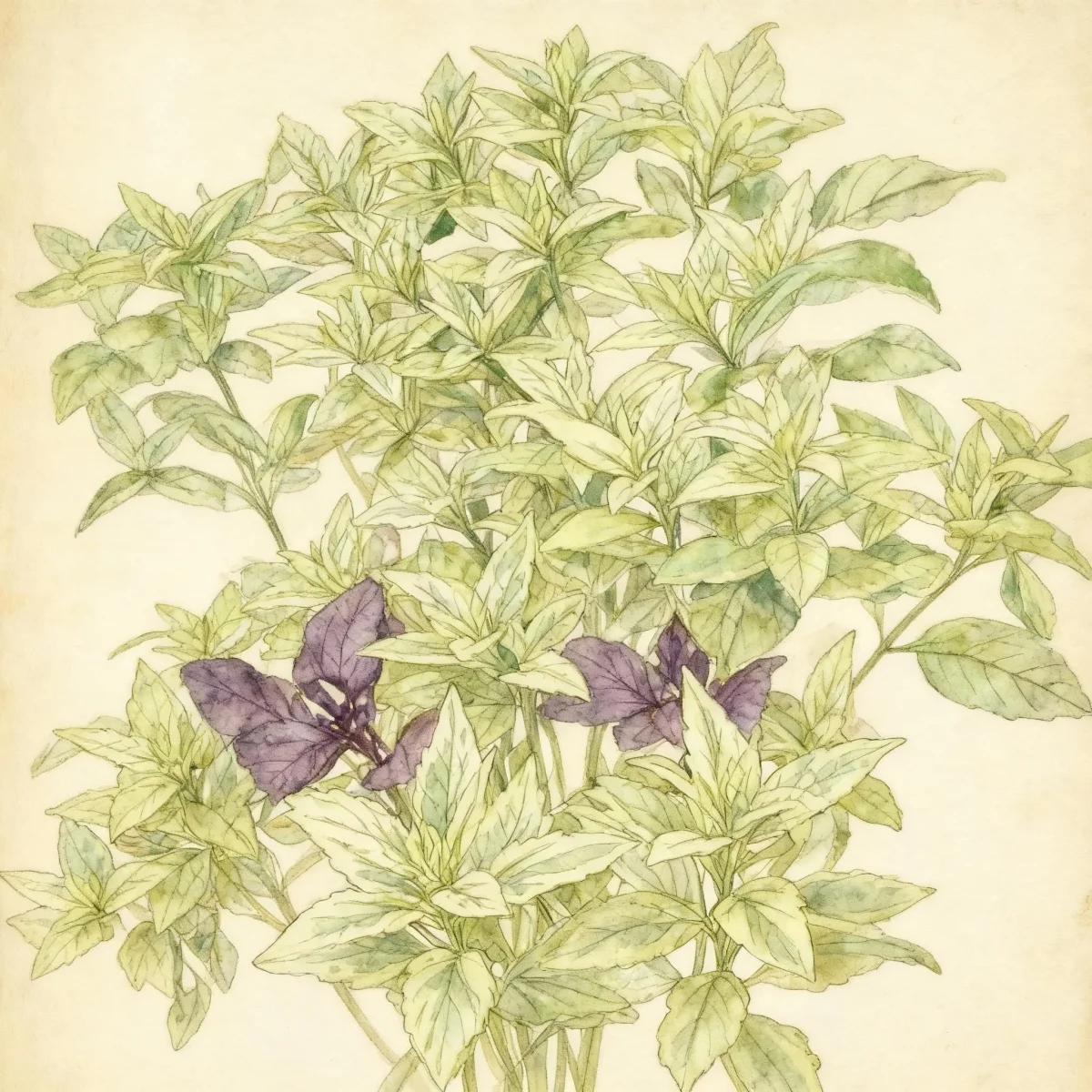
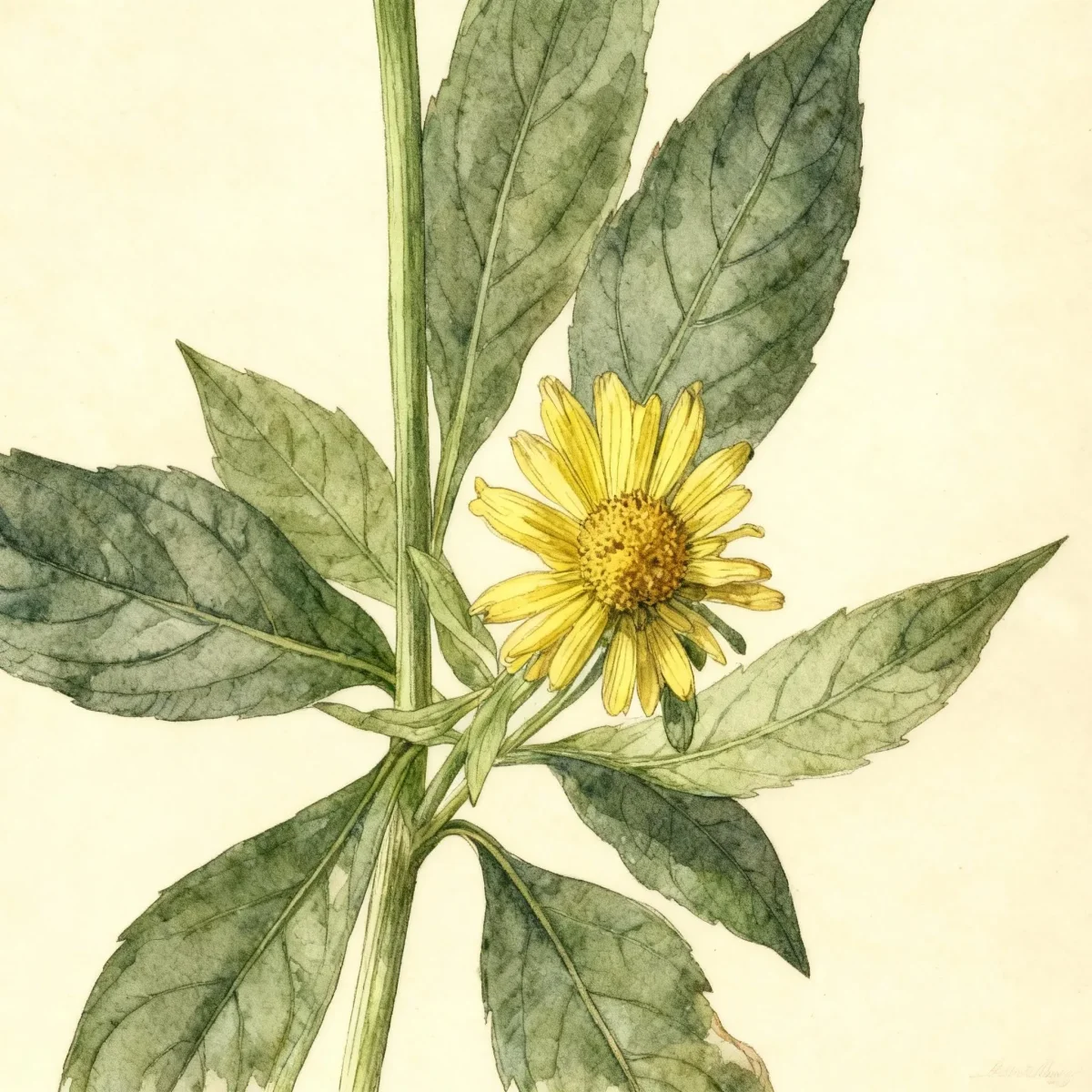
Hairy aster (Symphyotrichum pilosum)
Discover Hairy aster (Symphyotrichum pilosum), a low-maintenance perennial native to North America, blooming white in late summer.
Scroll down to discover growing tips, care requirements, companion plants, and more
Complete Plant Information
Overview
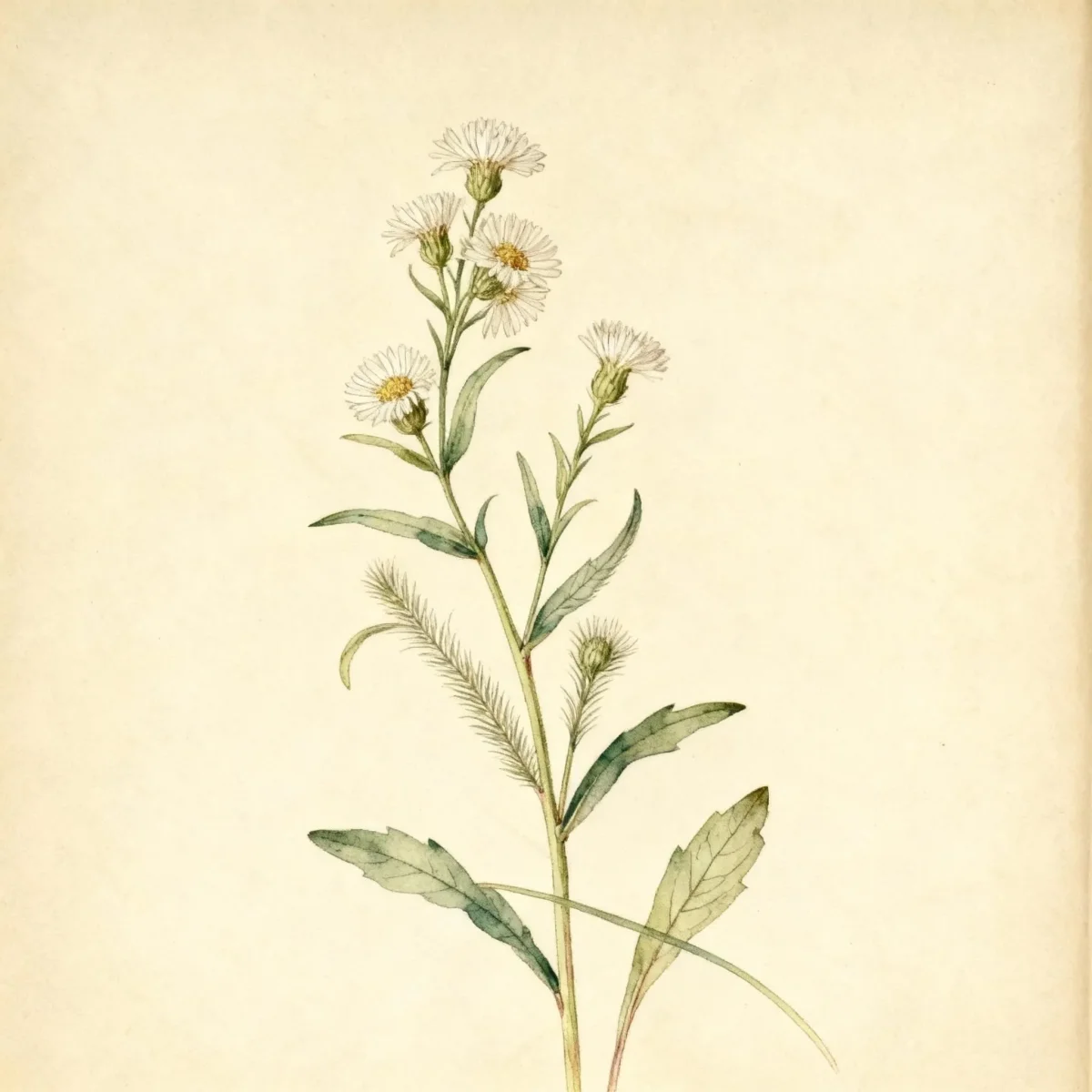
The Hairy aster, scientifically known as Symphyotrichum pilosum, is a valuable addition to the late-season garden, providing crucial late color when many other perennials are fading. Its common name derives from the distinctly hairy stems and leaves, which often give the plant a frosted appearance as autumn approaches. This robust herbaceous perennial thrives across North America, offering reliable performance in meadow, prairie, or cottage garden settings.
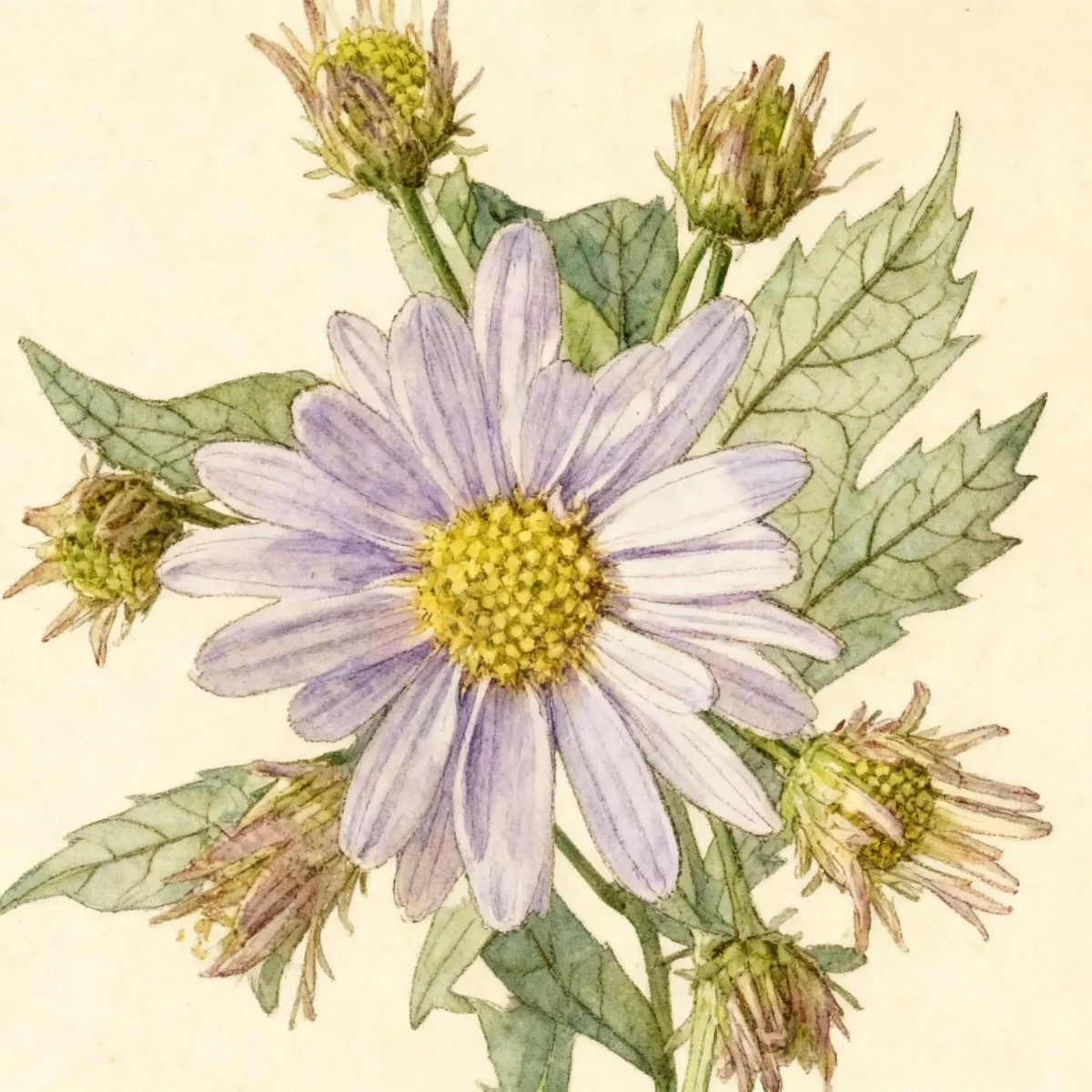
Symphyotrichum pilosum is cherished for its ability to establish easily and require minimal input once situated. Blooming profusely from August into October, it supplies masses of small, charming flowers featuring white ray petals surrounding pale yellow discs. This late bloom window is highly beneficial for supporting late-season pollinators.
This plant offers significant aesthetic value while remaining practical; it is adaptable to various moist, open habitats. Gardeners appreciate the low maintenance level associated with Symphyotrichum pilosum, making it an excellent choice for naturalizing large areas or filling background space in perennial borders where consistent moisture can be reliably provided.
Fast Facts
- Plant Family: Asteraceae
- Plant Type: Herbaceous perennial
- Native Range: North America
- Hardiness Zones: USDA Zones 4-8
- Size at Maturity:
- Height: 2-4 ft
- Spread: 2-4 ft
- Bloom Time: August to October
- Bloom Description: White rays and pale yellow center discs
- Sun Exposure: Full sun to part shade
- Water Needs: Medium
- Maintenance Level: Low
How to Grow
Planting the Hairy aster is best done in spring or fall in moist, well-drained soils. While Symphyotrichum pilosum performs well in full sun, especially in cooler climates, it benefits greatly from partial shade in regions experiencing intense summer heat exceeding 90 degrees F. The best growth is often observed in moist, semi-shaded woodland edges or open meadows.
Cultivation is straightforward; maintain medium moisture levels throughout the growing season. This species is generally low maintenance, but be aware that plants can spread readily through self-seeding, which contributes to its weedy reputation in some areas. If a shorter, more compact plant is desired, pinch back the stems in late spring or early summer before flower buds develop.
Symphyotrichum pilosum tolerates periodic flooding, making it suitable for slightly damp areas of the garden. No significant pest or disease issues are typically encountered, ensuring its easy care profile. Winter preparation is minimal; leave the spent stalks standing through winter for structural interest before cutting back in very early spring.
Landscape Uses
The suggested uses for Symphyotrichum pilosum highlight its naturalistic appeal, including use in borders, open woodland areas, prairies, and cottage gardens. Its moderate height (2-4 feet) makes it perfect for the middle to back of a border, where its late flowers can bring structure and light color. It is excellent when planted in masses or groups to create a sweeping, meadow-like effect.
Consider pairing Hairy aster with later-flowering native grasses or robust companions that can handle similar moisture profiles, such as certain goldenrods or taller coneflowers that have finished blooming. Its use in naturalized areas is highly recommended, allowing it to colonize gently without aggressive intervention.
For a cottage garden design, allow the Symphyotrichum pilosum to mingle freely with softer textured perennials. In prairie restoration projects, its adaptation to open fields and tolerance for disturbed ground makes it an indispensable, durable component.
Standout Features
Flower Qualities
- Showy
Noteworthy Characteristics
Symphyotrichum pilosum, commonly known as frost aster, is an herbaceous perennial noted for its extremely hairy stems and leaves, giving it a frosted appearance. Native to numerous open habitats across eastern North America, it produces flowers with 15-35 white rays surrounding pale yellow disc flowers that mature to reddish-purple. Wind effectively distributes the seeds via the attached tuft of white hairs, aiding its natural spread.
Tolerances
- Tolerates periodic flooding
Potential Problems
Generally, Hairy aster faces few serious insect or disease problems, contributing to its low maintenance rating. The primary management consideration involves plant structure; taller specimens may benefit from occasional staking or pinching to prevent flopping, particularly if grown in overly rich soil or heavy shade. Monitor self-seeding activity if you wish to constrain its spread within formal garden beds.
Frequently Asked Questions
What hardiness zones is Hairy aster suitable for?
Symphyotrichum pilosum is typically hardy and thrives in USDA Zones 4 through 8.
How large does Hairy aster grow?
This species generally reaches a mature height between 2 and 4 feet tall, with a comparable spread of 2 to 4 feet wide.
When does Hairy aster bloom?
Hairy aster provides excellent late-season interest, blooming consistently from August through October, highlighted by its white rays and pale yellow center discs.
What sun exposure does Hairy aster need?
Symphyotrichum pilosum prefers full sun to partial shade conditions for optimal health and flowering.
Conclusion
The dependable late-season display provided by Symphyotrichum pilosum ensures that the garden remains vibrant into the cooler months, making it a keystone species for fall interest. With its low maintenance requirements and adaptability, the Hairy aster proves highly valuable for both formal and naturalized plantings across its native range. Consult your local USDA zone to ensure proper site selection before planting this resilient member of the aster family this coming autumn.
Wildlife Benefits
The late bloom time of Symphyotrichum pilosum is critically important for native insect populations as they prepare for winter. As one of the final nectar sources available, the flowers attract a variety of late-season bees, butterflies, and moths. Planting them liberally supports biodiversity and provides essential sustenance during migration or overwintering preparations.
By allowing the seed heads to remain on the plant through winter, you also provide a valuable food source for seed-eating birds. The dry, persistent structure adds winter texture to the landscape and contributes to natural habitat complexity until significant spring cleanup occurs.
Propagation Tips
The most common method of natural multiplication for Symphyotrichum pilosum is through self-seeding, as the fruits are equipped with white hairs for wind dispersal. For intentional propagation, division of the clumps is easily achieved in early spring before new growth begins. Mature clumps can be divided every few years to maintain vigor and manage aggressive spread.
If collecting seed, harvest the dry material once the flowers have faded and the seed heads are brown. Distribute these seeds directly onto prepared soil surfaces in the fall (called cold stratification) or wait until spring for germination. Successful propagation relies on providing moist conditions during germination.