Aromatic aster (Symphyotrichum oblongifolium)
Discover Aromatic aster (Symphyotrichum oblongifolium), a hardy perennial blooming late season with blue-purple flowers. Tolerates dry, tough soils.
Scroll down to discover growing tips, care requirements, companion plants, and more
Complete Plant Information
Overview
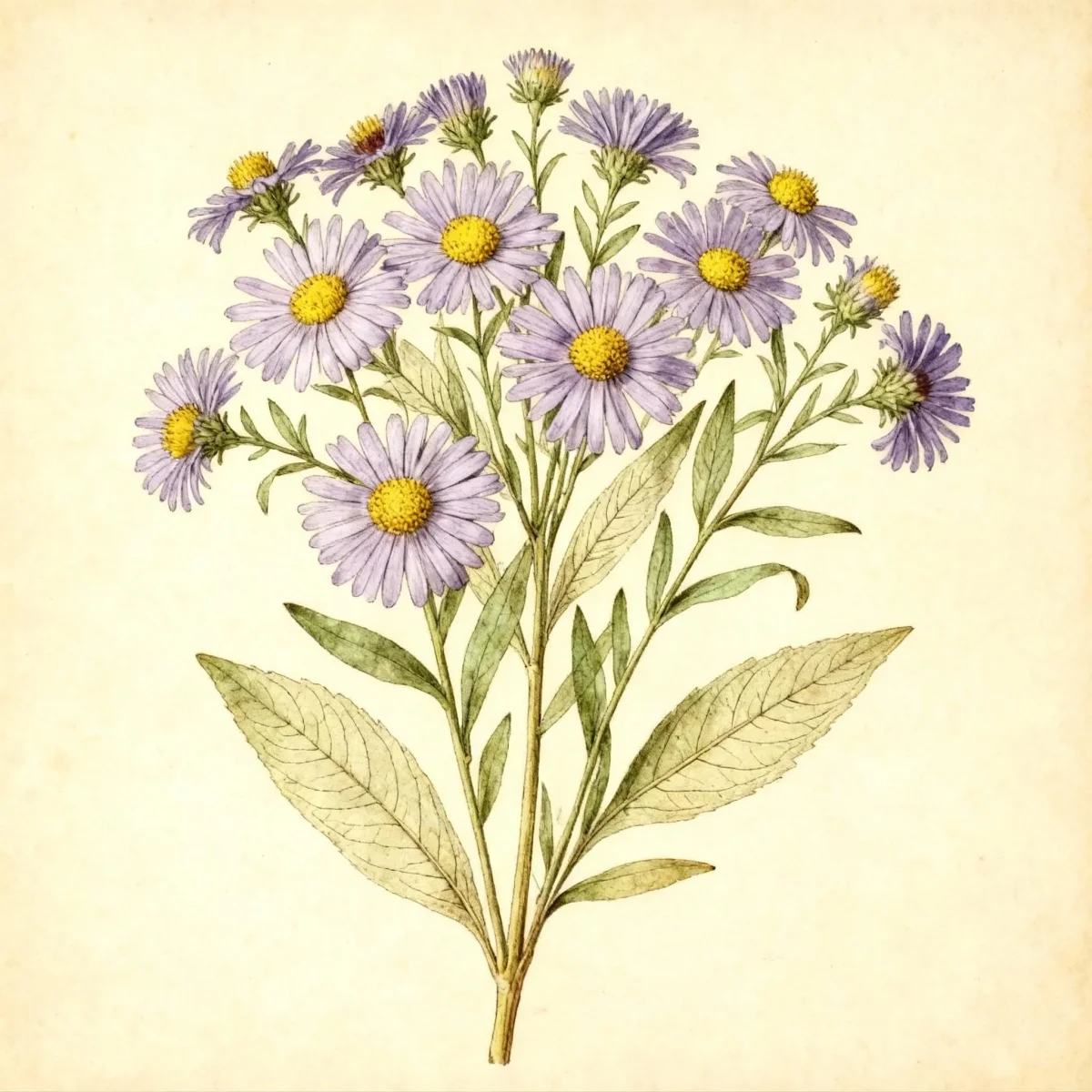
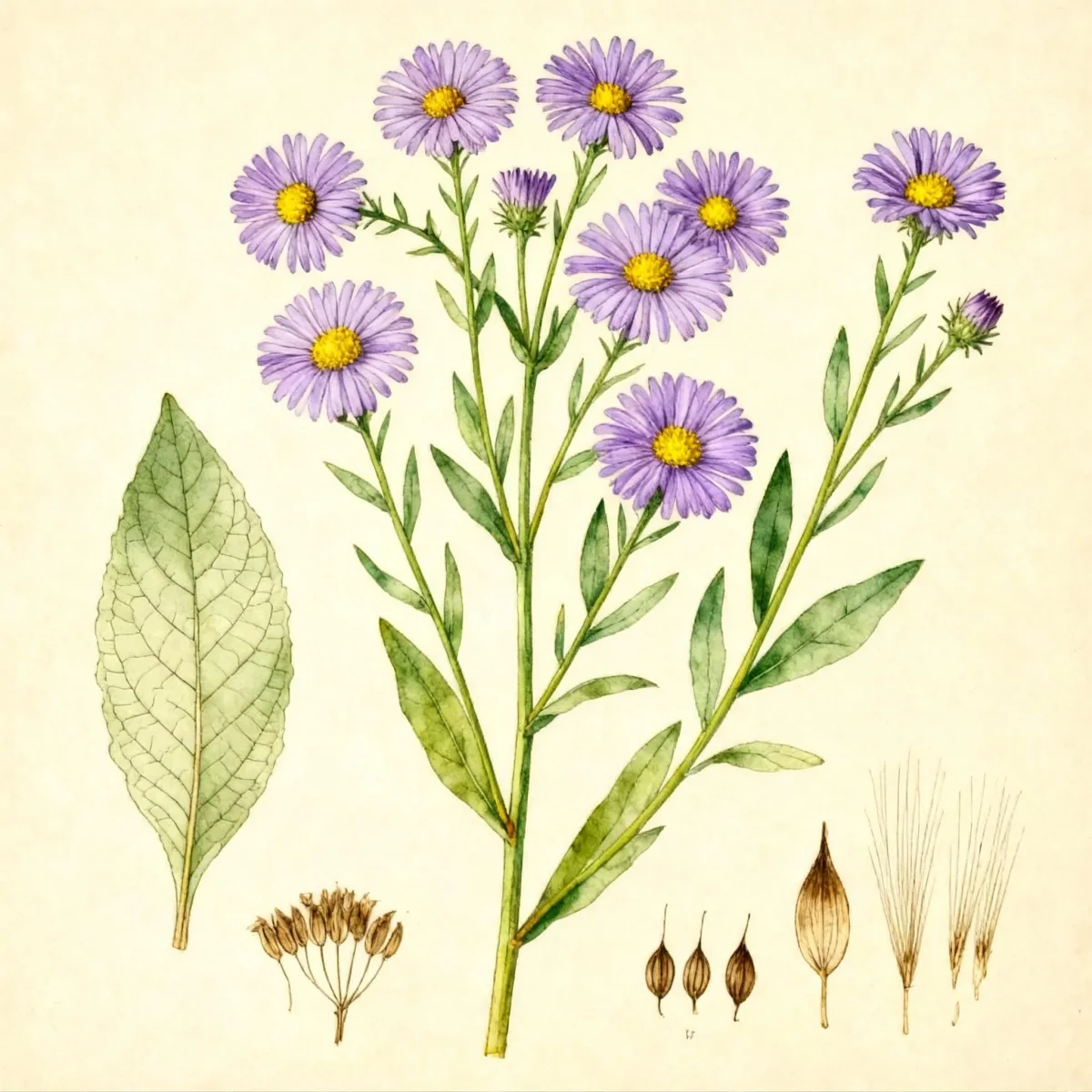
The Aromatic aster (Symphyotrichum oblongifolium) is a highly valued late-season bloomer, providing essential color when most other perennials have faded. This bushy, stiff perennial features sprays of charming, daisy-like flowers in shades of violet-blue that persist well into late fall. Its compact nature, typically reaching 1 to 3 feet high, makes it an excellent addition to structural fall gardens.
As a native to the prairies and open, dry slopes of the Northeastern and central United States, Symphyotrichum oblongifolium thrives in challenging environments where other plants might struggle. Its crushed foliage emits a noticeable fragrance, lending itself perfectly to the common name, Aromatic aster. This plant is not only beautiful but crucial, serving as a reliable late-season nectar source for migrating butterflies.
Cultivating this species is straightforward, as the Aromatic aster easily adapts to dryer conditions and poor soils, including clay and sandy mixes. Gardeners seeking reliable, low-input color for the autumn season will find Symphyotrichum oblongifolium offers long-lasting beauty and consistent ecological support.
Fast Facts
- Plant Family: Asteraceae
- Plant Type: Herbaceous perennial
- Native Range: Northeastern and central United States
- Hardiness Zones: USDA Zones 3-8
- Size at Maturity:
- Height: 1-3 ft
- Spread: 1-3 ft
- Bloom Time: September to November
- Bloom Description: Blue, purple
- Sun Exposure: Full sun
- Water Needs: Dry to medium
- Maintenance Level: Medium
How to Grow
Plant Symphyotrichum oblongifolium in the spring or fall, ensuring it receives full sun exposure for the best flower production and strongest stems. This species exhibits remarkable adaptability regarding soil; it thrives in average, dry to medium, well-drained soil but readily accepts sandy or clay substrates. Proper drainage is key, although it generally tolerates poor soils better than rich organic matter.
While establishing, water regularly, maintaining conditions from dry to medium moisture levels. Once mature, the Aromatic aster is highly drought-tolerant due to its natural preference for limestone glades and dry slopes. Fertilization is usually unnecessary; rich soil can sometimes encourage floppiness. Allow the plant to establish its root system naturally.
Maintenance is generally low. As stems can sometimes splay under the weight of the late-season blooms, some gardeners choose to perform a light cutback or pinching in early summer to encourage a more compact, bushy habit. At the end of the season, leave the dried stems standing through winter for structure, cutting back to the ground when new growth appears in early spring. This consistent performer requires minimal fuss to deliver its signature fall display.
Landscape Uses
The robust structure and late bloom time of the Aromatic aster make it versatile across various garden designs. Its relatively uniform height (1-3 ft) suits it well for the middle of the border, providing a mass planting effect with clouds of blue-purple flowers leading into the colder months. It excels as ground cover in large, naturalized areas where drought tolerance is essential.
Consider integrating Symphyotrichum oblongifolium into native plant gardens or naturalistic settings, where it pairs beautifully with late-blooming grasses and other robust prairie natives. If using in woodland edges or open shade gardens (which it can tolerate, though blooms may be sparser), ensure the site still receives at least partial direct sunlight filtering through the canopy.
Due to its tolerance for clay soil and poor drainage, this aster is perfect for stabilizing slopes or filling in areas where richer, more demanding perennials struggle. The overall effect of mass planting Aromatic aster is a dynamic splash of cool color just before frost sets in.
Standout Features
Flower Qualities
- Showy
Noteworthy Characteristics
Symphyotrichum oblongifolium, commonly called aromatic aster, is a Missouri native plant that typically occurs on limestone glades, slopes, prairies and dry open ground. A bushy, stiff, compact, low-growing plant with hairy stems, it features small, daisy-like flowers (1” across) with violet blue rays and yellow center disks, boasting a long bloom period that lasts into late fall. The rigid, oblong, blue-green leaves are fragrant when crushed, justifying the common name, and the plant is highly attractive to butterflies.
Tolerances
- Drought
- Erosion
- Clay Soil
- Dry Soil
- Shallow-Rocky Soil
Potential Problems
Generally, the Aromatic aster demonstrates excellent resilience against serious insect or disease attacks, making Symphyotrichum oblongifolium a low-risk addition to the landscape. The primary potential issue noted is some susceptibility to powdery mildew, especially in areas with poor air circulation or high humidity. To minimize this fungal issue, ensure adequate spacing between plants and avoid overhead watering late in the day. Should the flower heads become too heavy late in the season, some minor support or staking might be necessary to prevent stems from splaying outward.
Frequently Asked Questions
What hardiness zones is Aromatic aster suitable for?
The Aromatic aster (Symphyotrichum oblongifolium) is sufficiently cold-hardy for USDA Zones 3 through 8.
How large does Aromatic aster grow?
This herbaceous perennial typically matures to a height between 1 and 3 feet tall, spreading equally between 1 and 3 feet wide.
When does Aromatic aster bloom?
You can expect beautiful late-season color from this variety as it blooms reliably from September right through November, displaying blue and purple flowers.
What sun exposure does Symphyotrichum oblongifolium need?
For optimal health and the most abundant bloom set, ensure your Symphyotrichum oblongifolium receives full sun exposure throughout the growing season.
Conclusion
The Symphyotrichum oblongifolium, or Aromatic aster, stands out as one of the most reliable and beneficial native plants available for late-season garden structure and wildlife support. Its tolerance for difficult, dry, and clay soils combined with its striking blue-purple fall flowers makes it an indispensable choice for sustainable landscaping. Before planting, confirm your locale falls within USDA Zones 3-8 and prepare a sunny spot to welcome this tough, fragrant beauty.
Companion Planting
Selecting companions that share the preference for full sun and dry to medium moisture conditions will ensure the long-term success of your Aromatic aster planting. Consider pairing it near native ornamental grasses, such as Little Bluestem (Schizachyrium scoparium), whose upright texture contrasts nicely with the aster’s bushy form. Drought-tolerant companions like Pin Cushion Flower (Scabiosa canadensis) or Coneflower (Echinacea purpurea) provide earlier summer color that overlaps nicely before the aster takes center stage in September. Avoid planting in rich, heavily amended beds, as this can negatively affect the natural constitution of Symphyotrichum oblongifolium.
Wildlife Benefits
The value of the Aromatic aster to local ecosystems cannot be overstated, particularly because its bloom time coincides with peak migratory periods for pollinators. The dense clusters of small, daisy-like flowers provide a crucial late-season buffet of nectar for various butterfly species, including Monarchs and Clouded Sulphurs. Furthermore, the plant’s seed heads, left standing over winter, provide essential winter food and cover for small seed-eating songbirds. Planting Symphyotrichum oblongifolium along the edge of a naturalized area or in a dedicated pollinator garden guarantees continuous support from late summer well into the dormant season.