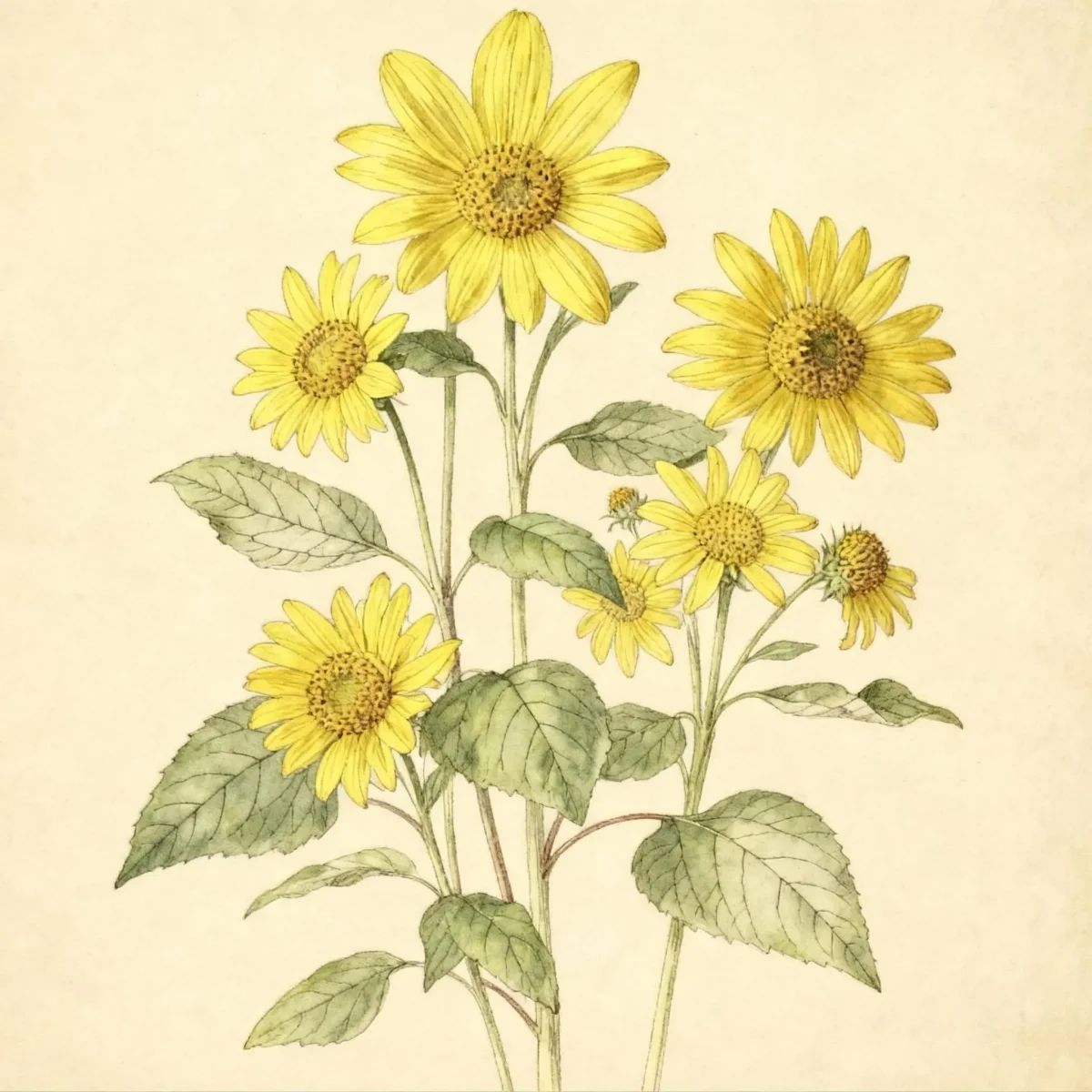
New England aster (Symphyotrichum novae-angliae)
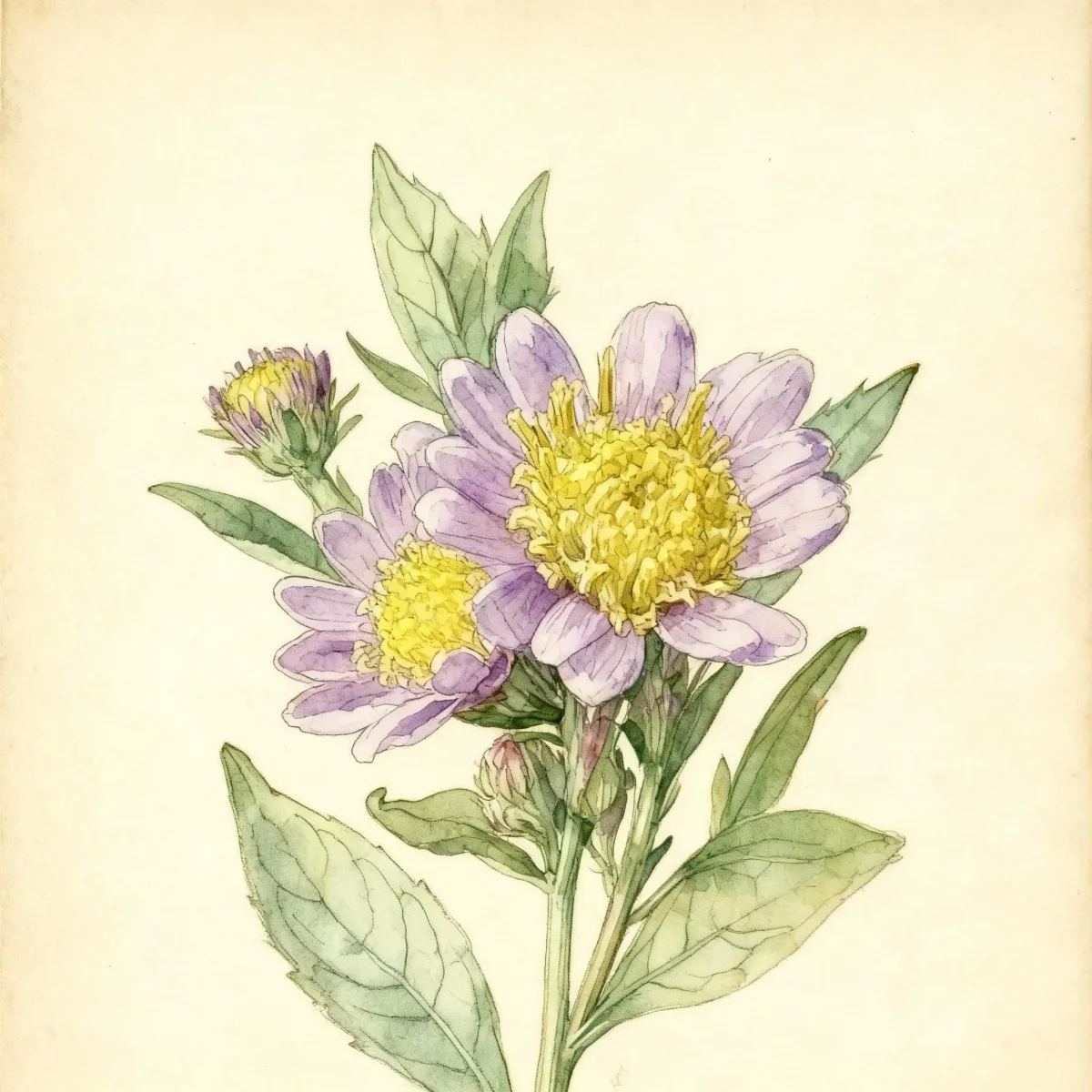
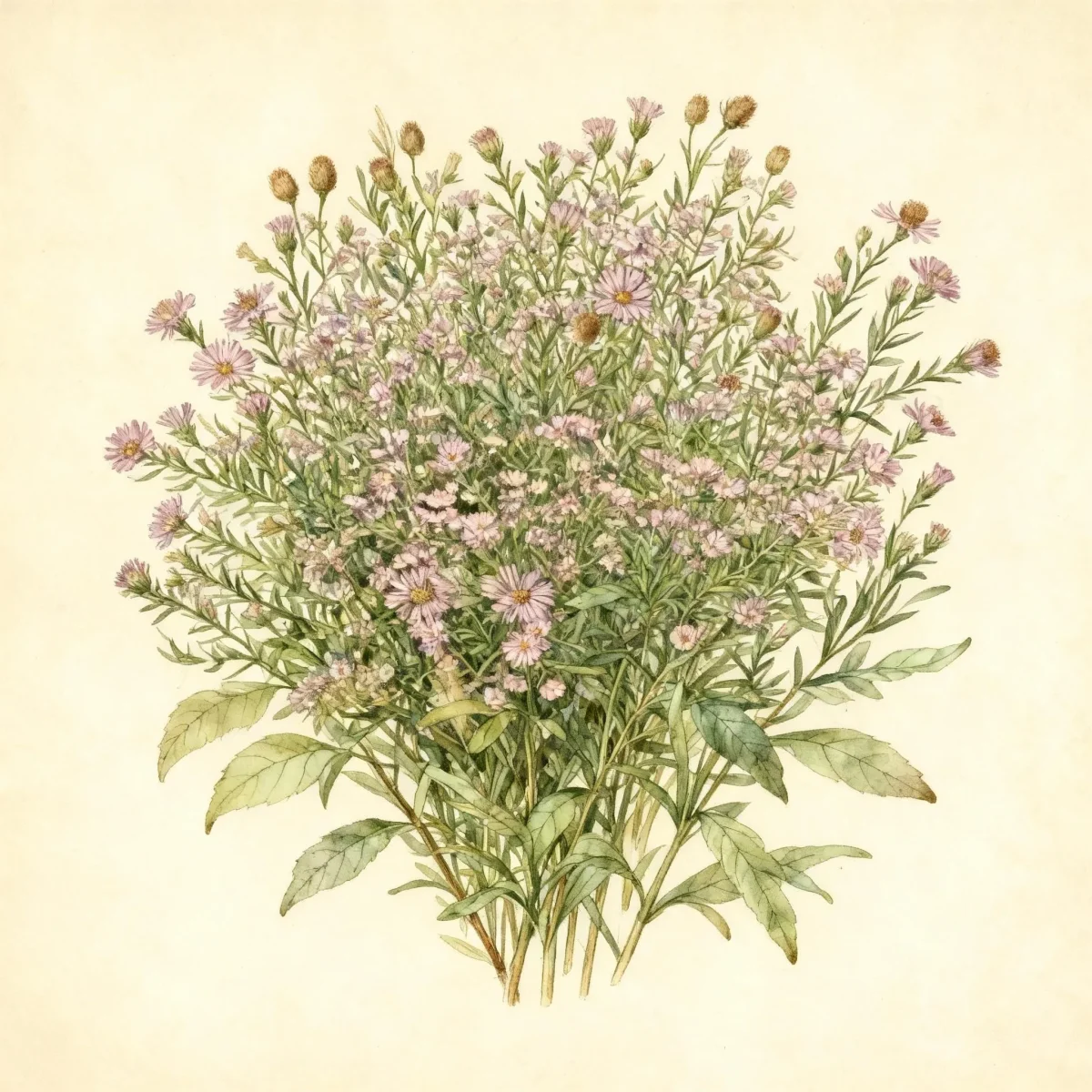
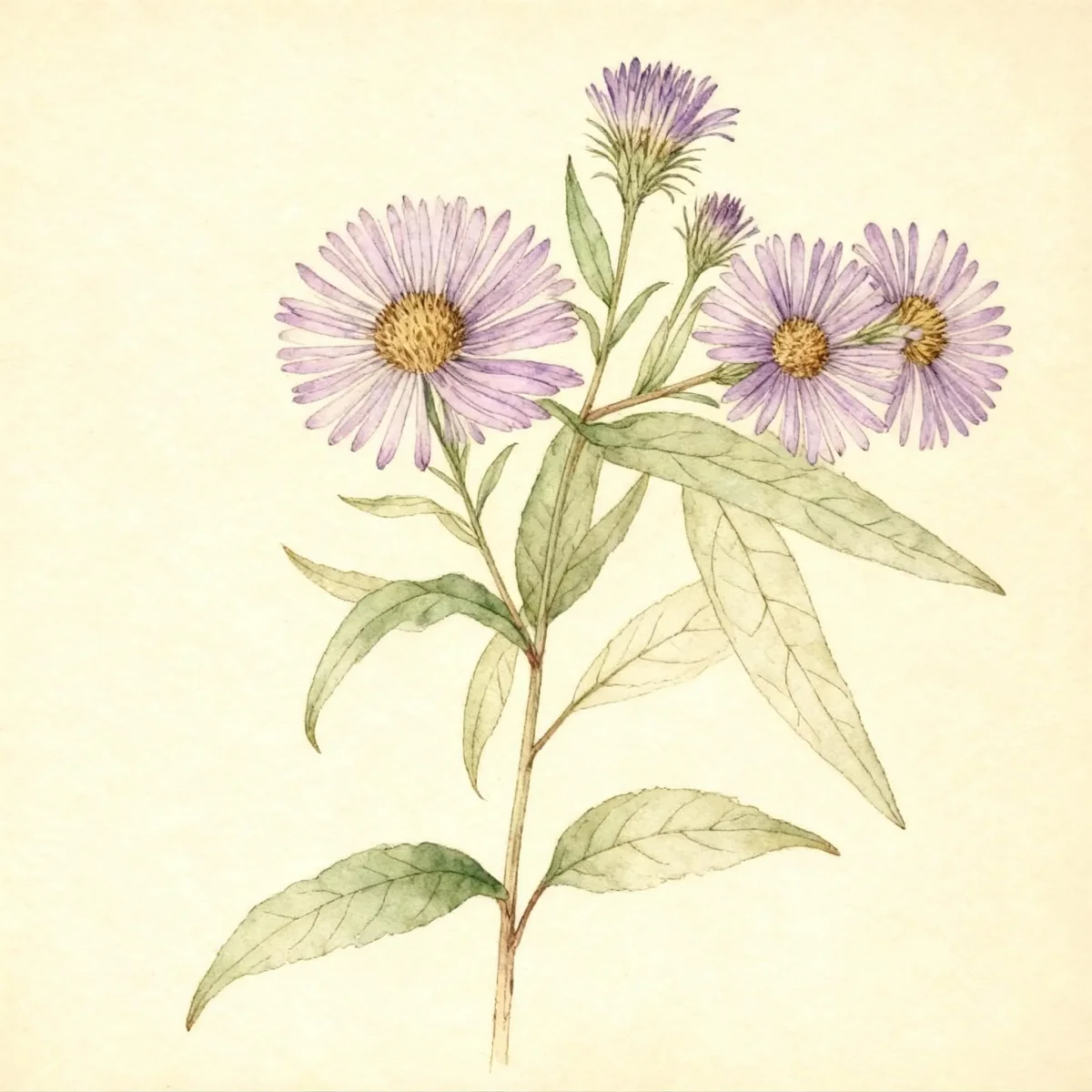
Symphyotrichum novae-angliae, the New England aster, provides intense late-season color with deep pink-purple daisy-like flowers suitable for cutting.
Scroll down to discover growing tips, care requirements, companion plants, and more
Complete Plant Information
Overview
Symphyotrichum novae-angliae, widely recognized as the New England aster, is one of the most valuable native perennials for late-season garden color. This stout, leafy plant produces a profuse bloom of daisy-like flowers, typically deep pink-purple, extending the vibrant landscape well into early fall when many other species are slowing down. Its robust, upright habit makes it a strong vertical accent in borders and meadows.
As a Missouri native found in moist prairies and stream banks, this perennial thrives in standard garden settings but particularly appreciates rich, moist soil. The flowers of the New England aster are highly attractive to late-season butterflies, offering crucial nectar sources before winter sets in. Properly managed, Symphyotrichum novae-angliae offers substantial visual impact and ecological support.
Cultivation is straightforward, provided its need for full sun and medium water is met. While resilient, gardeners should be mindful of air circulation and powdery mildew risk. For gardeners seeking reliable structure and bold color in the late summer landscape, the New England aster is an essential choice.
Fast Facts
- Plant Family: Asteraceae
- Plant Type: Herbaceous perennial
- Native Range: Eastern North America
- Hardiness Zones: USDA Zones 4-8
- Size at Maturity:
- Height: 3-6 ft
- Spread: 2-3 ft
- Bloom Time: August to September
- Bloom Description: Deep pink-purple
- Sun Exposure: Full sun
- Water Needs: Medium
- Maintenance Level: Medium
How to Grow
Plant Symphyotrichum novae-angliae in the spring or fall in a location that receives full sun exposure. While easily grown in average, well-drained soil, this species prefers soil that is medium in moisture and rich in organic matter. Ensure planting locations allow for good air circulation around the foliage to mitigate disease issues common to asters.
During the growing season, maintain medium water levels, ensuring the soil does not dry out completely, especially during the establishment phase or periods of extreme heat. Fertilizer is rarely needed if the soil is rich. The most important cultural practice for Symphyotrichum novae-angliae involves controlling its height. Pinching back the stems several times before mid-July promotes a bushier habit, reduces the need for staking, but may slightly delay the onset of flowering.
After the main bloom period concludes in September or October, plants may be cut back to the ground. This practice cleans up the foliage, which can sometimes become unsightly late in the season, and prevents unwanted self-seeding in the garden. Be prepared for potential pest or disease issues, especially in crowded or poorly draining areas.
Landscape Uses
The New England aster is perfectly suited for providing crucial structure and intense color contrast as summer fades into fall. Plant massed in drifts or groups along the middle or back of a perennial border to complement shorter autumn bloomers like sedum or ornamental grasses. Its height (3-6 ft) also makes it a stunning choice for naturalizing in native meadows or wildflower gardens where its natural, upright habit can shine.
Consider utilizing Symphyotrichum novae-angliae in rain gardens, as it handles moist, average soils well. Because asters are exceptional late-season magnets for pollinators, grouping them near seating areas maximizes wildlife viewing opportunities. They pair beautifully with warm-toned fall flowers like goldenrods or late-blooming sunflowers, creating a cohesive, harvest-time display.
Standout Features
Flower Qualities
- Showy
- Good Cut
Noteworthy Characteristics
Symphyotrichum novae-angliae, commonly called New England aster, is a Missouri native perennial which occurs in moist prairies, meadows, thickets, low valleys and stream banks (Steyermark) throughout the State. It is a stout, leafy plant typically growing 3-6’ tall with a robust, upright habit, featuring profuse blooms of daisy-like asters up to 1.5” across. The genus name references the Greek words for “coming together” and “hair” potentially referencing the flower anthers, while the specific epithet indicates its origin in New England.
Tolerances
- Clay Soil
Potential Problems
The primary concern for growers of the New England aster is foliar disease, specifically powdery mildew. This often appears as a white, dusty coating on the leaves, especially when air circulation is poor or humidity is high. To combat this, ensure adequate spacing between plants and prune lower branches if necessary to improve airflow. Aster wilt, a serious soilborne disease, can also affect plants, particularly if they are situated in poorly drained clay soils where the species might struggle. Taller specimens of Symphyotrichum novae-angliae may require staking if they become top-heavy from lush growth or heavy rains.
Frequently Asked Questions
What hardiness zones is New England aster suitable for?
Symphyotrichum novae-angliae is hardy and reliable in USDA Zones 4 through 8.
How large does New England aster grow?
This perennial typically reaches a mature height between 3 and 6 feet tall with a spread of 2 to 3 feet.
What sun exposure does Symphyotrichum novae-angliae need?
This plant requires full sun to produce its best late-season floral display.
When does New England aster bloom?
The vibrant bloom time for this species is late summer through early fall, spanning from August until September, featuring deep pink-purple flowers.
Conclusion
The New England aster stands out for its incredible ability to deliver brilliant color when the garden needs it most, serving as a vital late-season nectar source. By managing its height through summer pinching and ensuring good air movement, you can successfully grow robust Symphyotrichum novae-angliae. Check your local hardiness zone and plan to incorporate this essential native into your perennial designs for guaranteed autumn impact.
Wildlife Benefits
As a cornerstone native plant, the New England aster is a powerhouse for supporting local ecosystems in late summer. The flowers offer rich, accessible nectar essential for migrating monarch butterflies and numerous species of native bees needing energy reserves before winter dormancy. Planting this aster ensures your garden serves as a crucial refueling station on the migratory pathway.
Planting the New England aster within native wildflower mixes encourages biodiversity by providing superior late-season forage compared to many cultivated hybrids. Ensure you leave some seed heads intact over winter, as they can offer minor food sources for certain smaller birds before the first heavy snows arrive, adding an extra layer of seasonal interest.
Companion Planting
When designing fall borders, pair Symphyotrichum novae-angliae with plants that have contrasting textures and colors. Goldenrods (Solidago spp.) thrive under similar sun and soil conditions, and their yellow plumes create a classic, high-contrast pairing with the aster’s purple rays. Also consider using shorter, mounding plants like Sedum ‘Autumn Joy’ or Russian Sage (Perovskia atriplicifolia) near the front of the border to ground the taller aster foliage.
Good companions should not compete aggressively for moisture or sunlight. Plants that prefer similarly moist, rich soils, such as Joe Pye Weed (Eutrochium purpureum) or Ironweed (Vernonia fasciculata), make excellent partners when placed slightly behind the aster due to their similar height requirements. Avoid planting in areas that are consistently dry, as the aster prefers consistent moisture.