Indonesian wax ginger (Tapeinochilos ananassae)
Tapeinochilos ananassae, Indonesian wax ginger, features waxy, pineapple-like red blooms. A tropical perennial thriving in warm, humid, part-shade conditions.
Scroll down to discover growing tips, care requirements, companion plants, and more
Complete Plant Information
Overview
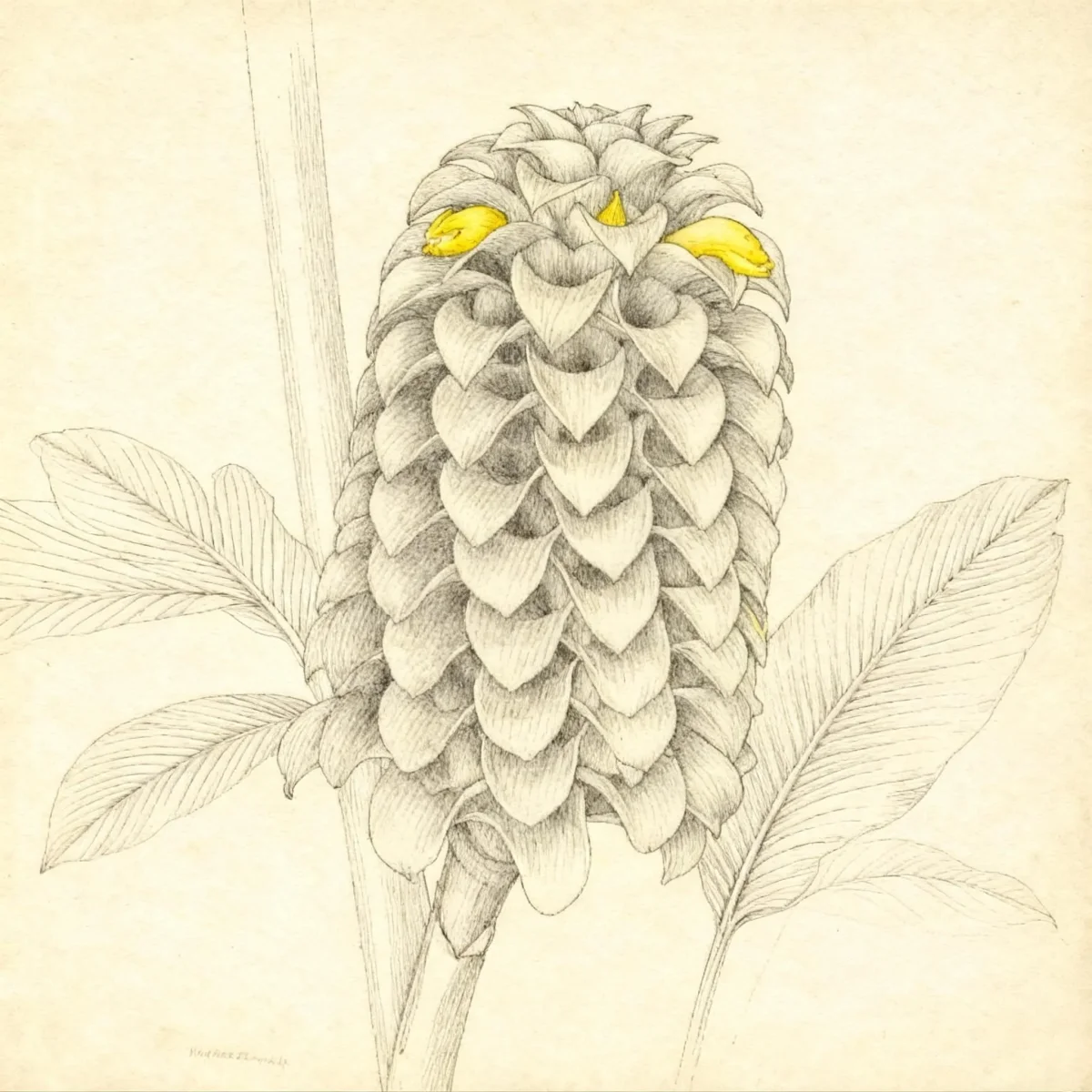
Tapeinochilos ananassae, commonly recognized as Indonesian wax ginger or pineapple ginger, offers spectacular tropical drama for warm climates. This plant is celebrated for its distinctive terminal inflorescences, which resemble waxy red pinecones contrasted with emerging yellow blossoms. As a tall, rhizomatous perennial, Tapeinochilos ananassae brings significant vertical interest to specialized garden settings.
Native to regions including Queensland and New Guinea, this ginger member thrives in consistently moist, humid conditions typical of tropical forests. While it is an imposing specimen plant, its primary value lies in the unique, long-lasting waxy bracts that define its seasonal display. Gardeners outside warm zones must treat this treasure as a protected container specimen.
The aesthetic impact of Tapeinochilos ananassae makes it highly sought after by collectors and greenhouse enthusiasts. Its thick, bamboo-like scapes rise dramatically, culminating in the fiery red flower heads. Understanding its tropical origins is key to successfully cultivating this stunning member of the spiral ginger family.
Fast Facts
- Plant Family: Costaceae
- Plant Type: Herbaceous perennial
- Native Range: Queensland, New Guinea, Moluccas
- Hardiness Zones: USDA Zones 10-11
- Size at Maturity:
- Height: 6-8 ft
- Spread: 5-7 ft
- Bloom Time: Seasonal bloomer
- Bloom Description: Yellow flowers in red bracts
- Sun Exposure: Part shade
- Water Needs: Medium
- Maintenance Level: Medium
How to Grow
For optimal growth, plant Indonesian wax ginger where the soil is organically rich, well-drained, and consistently moist. In its preferred USDA Zones 10-11, locate Tapeinochilos ananassae in established areas providing part shade, as it tolerates temperatures leaning toward full shade. Planting should occur when soil temperatures are reliably warm, mimicking its native tropical environment.
Watering should be frequent enough to maintain consistent soil moisture throughout the growing season; allow the top surface to approach dryness only slightly between waterings. Fertilization should support vigorous leaf and flower production, using a balanced fertilizer applied according to label directions for tropical perennials. Pruning is minimal, typically involving the removal of spent foliage or flower stalks as needed.
Temperatures below freezing are fatal to this tropical ginger, making winter protection crucial outside Zone 10. Containerized Tapeinochilos ananassae must be moved indoors before night temperatures consistently drop below 50 degrees F; greenhouses provide an ideal overwintering location. Ensure excellent drainage year-round, especially when growing in pots, as soggy soil leads to root issues.
Landscape Uses
While the plant is otherwise not particularly ornamental outside of its bloom period, the spectacular flowers of Tapeinochilos ananassae warrant cultivation wherever possible. It excels when grown as a dedicated greenhouse specimen, allowing year-round cultivation in cooler climates. This focus ensures the plant receives the high humidity and consistent warmth it demands.
In tropical and semi-tropical landscapes (Zones 10-11), Indonesian wax ginger can be utilized as a statement plant in protected areas or specialized understory plantings. Its height allows it to serve as a backdrop plant in exotic borders, contrasting its bold vertical lines with lower-growing, shade-tolerant tropicals. The spectacular terminal inflorescence demands attention when in bloom.
Standout Features
Flower Qualities
- Showy
Noteworthy Characteristics
The genus name comes from Greek meaning low lip, referencing the flower’s short labellum structure. The specific epithet, ananassae, refers to the genus name of the pineapple (Ananas), due to the resemblance of the flower structure. The waxy, terminal, deep red inflorescences of Tapeinochilos ananassae can reach 8–12 inches tall, with small yellow flowers emerging from between the bracts, resembling an upside-down pineapple.
Tolerances
- No known serious insect or disease problems
Potential Problems
Gardeners should be highly aware of the plant’s intolerance to cold. The greatest potential problem when growing Tapeinochilos ananassae centers on temperature management; any frost exposure will severely damage or kill this tropical specimen. Furthermore, while pests are rarely a major concern, ensuring excellent air circulation is vital, especially when growing indoors or in humid greenhouses, to prevent fungal issues. Promptly address any signs of root rot by improving drainage immediately.
Frequently Asked Questions
What hardiness zones is Indonesian wax ginger suitable for?
Tapeinochilos ananassae is winter hardy only in USDA Zones 10 through 11.
How large does Tapeinochilos ananassae grow?
This herbaceous perennial typically reaches heights between 6 and 8 feet, spreading 5 to 7 feet wide.
What sun exposure does Tapeinochilos ananassae need?
This plant prefers conditions of part shade, although it can tolerate close to full shade in its native humid environment.
When does Indonesian wax ginger bloom?
Tapeinochilos ananassae is a seasonal bloomer, showcasing its distinct yellow flowers emerging from red bracts during its active season.
Conclusion
The dramatic, waxy floral display makes the Indonesian wax ginger a unique addition to any appropriately warm garden or greenhouse collection. Successfully growing Tapeinochilos ananassae relies heavily on avoiding temperature stress and maintaining consistent moisture levels. Check your local USDA hardiness zone compatibility before planning to establish this stunning tropical giant.
Companion Planting
When siting Tapeinochilos ananassae, select companions that share its preference for part shade and consistently moist, rich soil. Consider pairing it with other large foliage plants from the ginger family (Zingiberaceae or Costaceae) to create a dense, lush tropical tapestry. Plants like calatheas, ferns, or bird-of-paradise offer good textural contrasts beneath the tall, leafless scapes of the pineapple ginger.
Container Growing
For most gardeners, successful cultivation of Tapeinochilos ananassae means growing it in large containers that allow for easy movement indoors before cold weather arrives. Use a very light, well-draining potting mix amended with ample organic matter to simulate the forest floor environment. Ensure the container is large enough to accommodate its significant mature spread of 5 to 7 feet and its height, which can approach 8 feet.