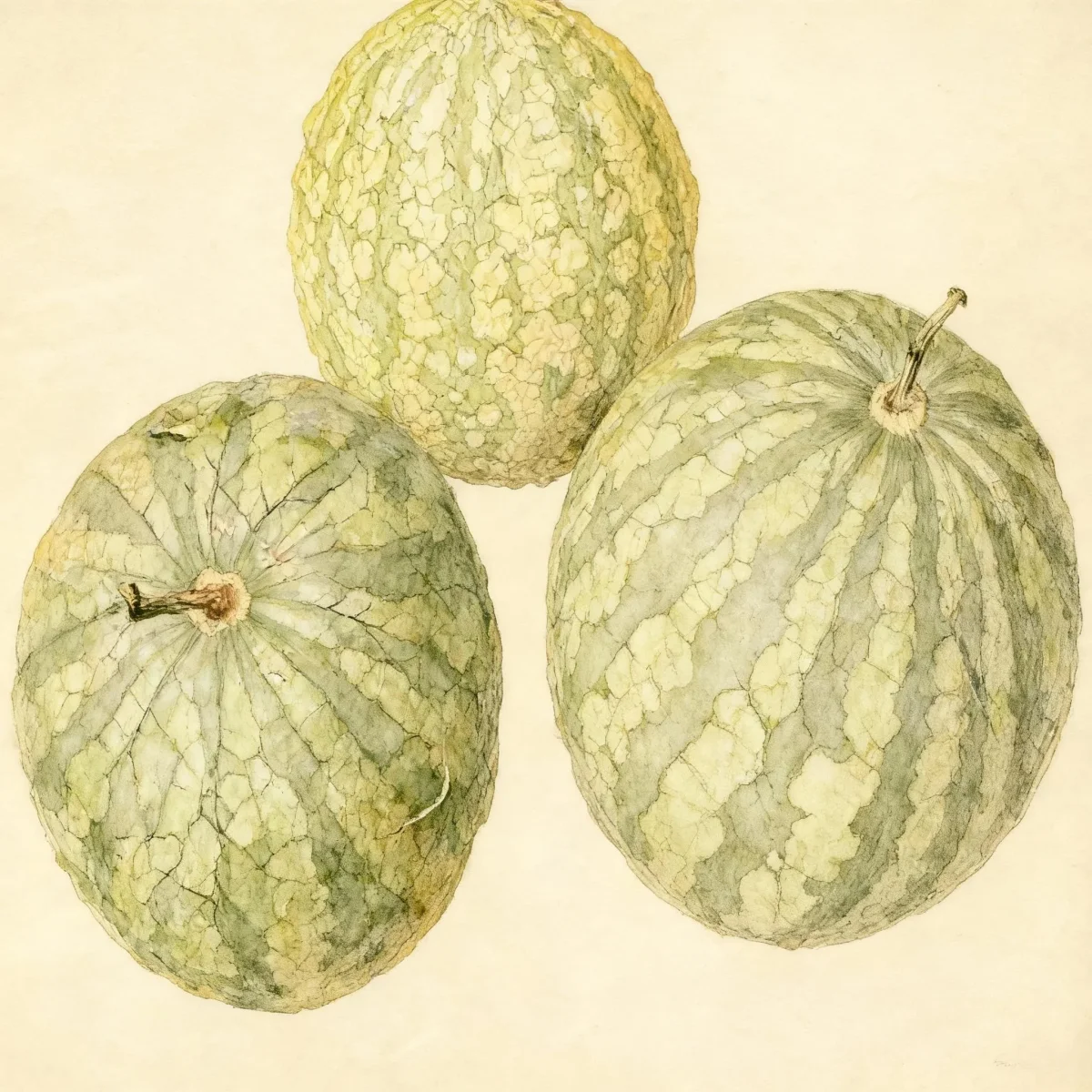
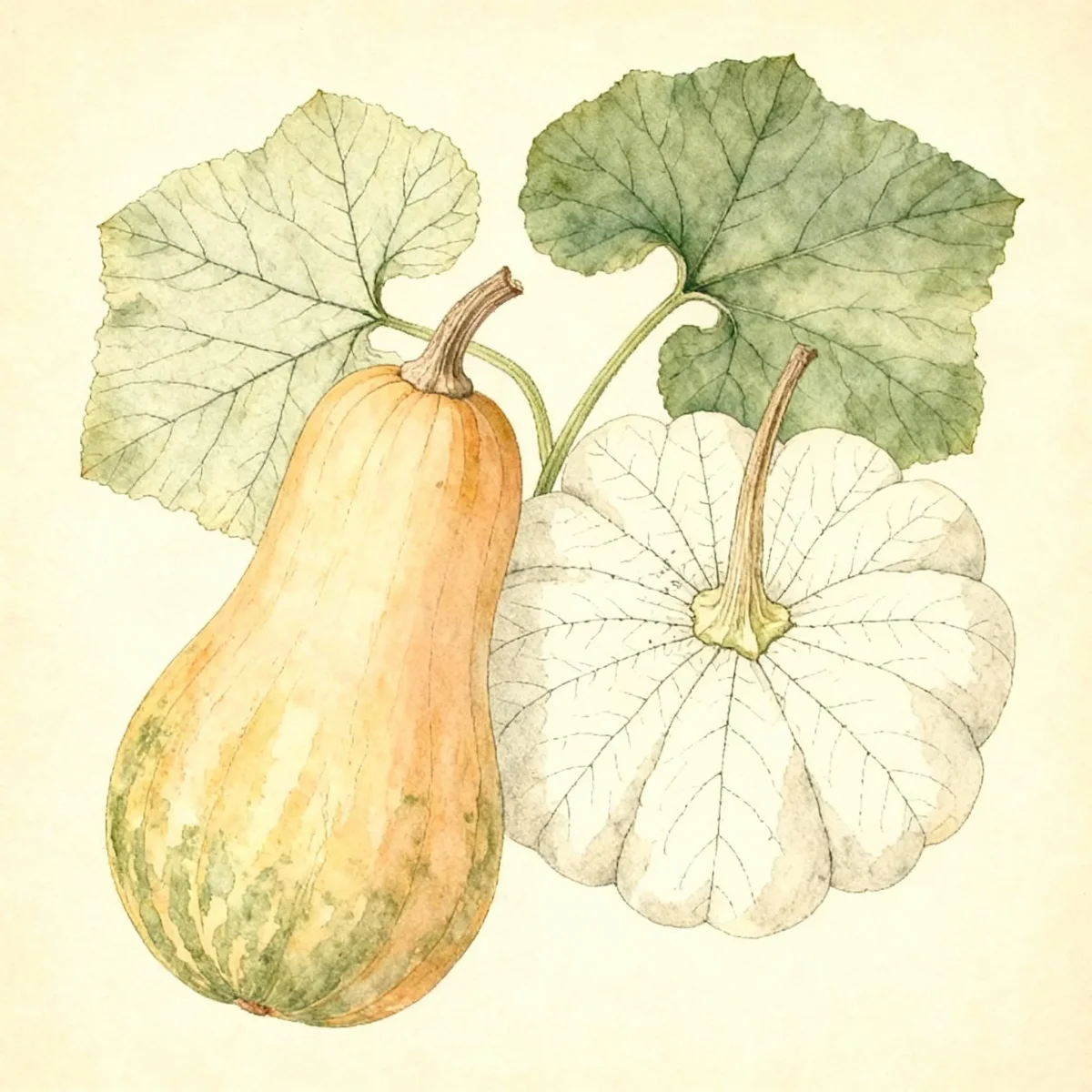
Melon (Cucumis melo var. flexuosus)
Grow the unique Cucumis melo var. flexuosus, or Serpent melon, an edible annual vine yielding long, cucumber-like fruit.
Scroll down to discover growing tips, care requirements, companion plants, and more

Complete Plant Information
Overview
The Cucumis melo var. flexuosus, commonly known as the Serpent melon or Armenian cucumber, offers gardeners a highly unique harvest unlike typical sweet melons. Botanically classified under Cucumis melo, this variety is specifically grown for its long, slender fruits that strongly resemble cucumbers both in texture and culinary use. This frost-tender annual vine requires significant heat to thrive, making it a staple warm-season crop where consistent high temperatures prevail.
The Melon family includes this fascinating variation, which has historically been cultivated for centuries, originating in regions like Armenia. Gardeners value Cucumis melo var. Flexuosus for being easily integrated into vegetable patches, particularly when provided with vertical support. Growing this distinct member of the Cucumis melo group allows for fresh consumption of fruit that looks exotic but tastes familiar.
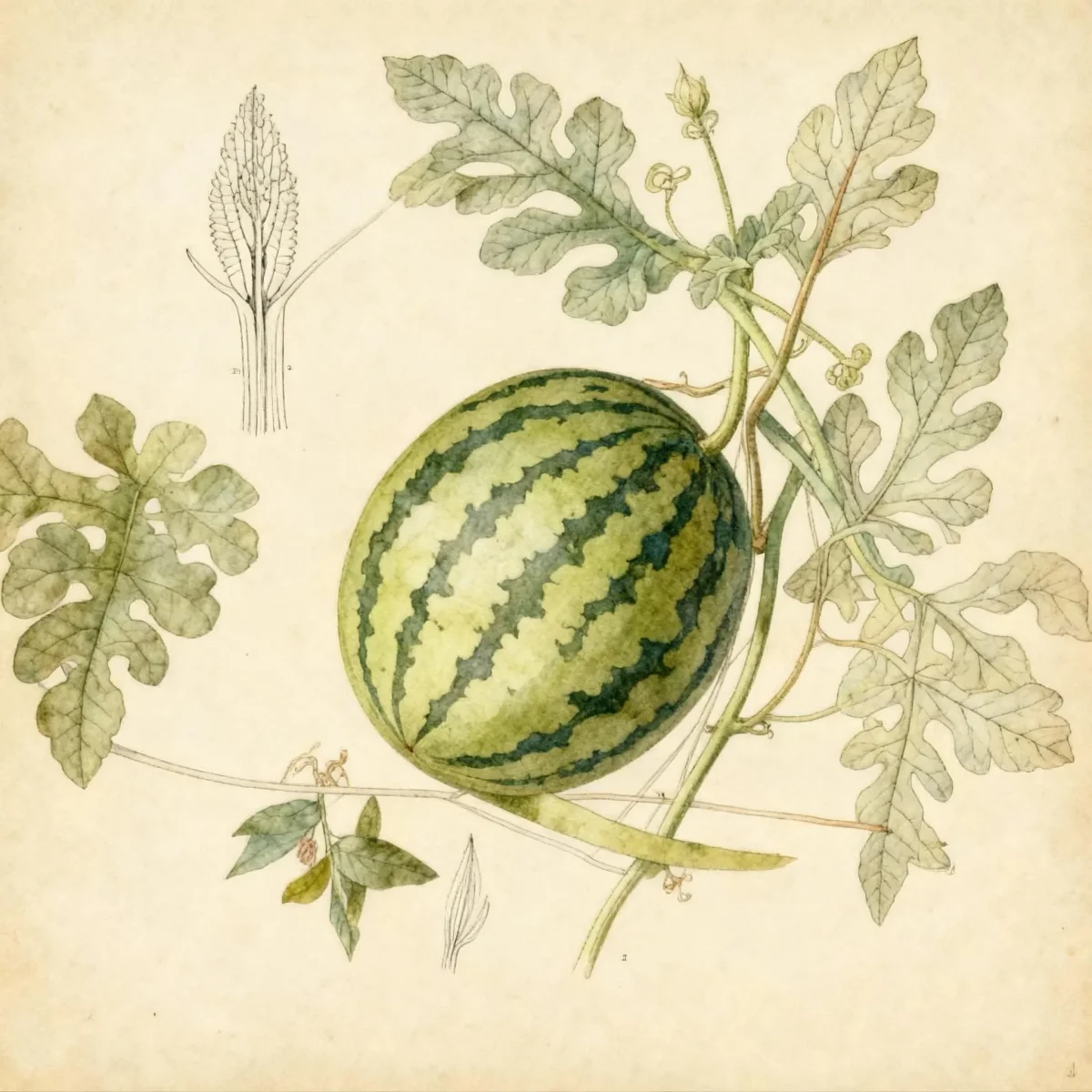
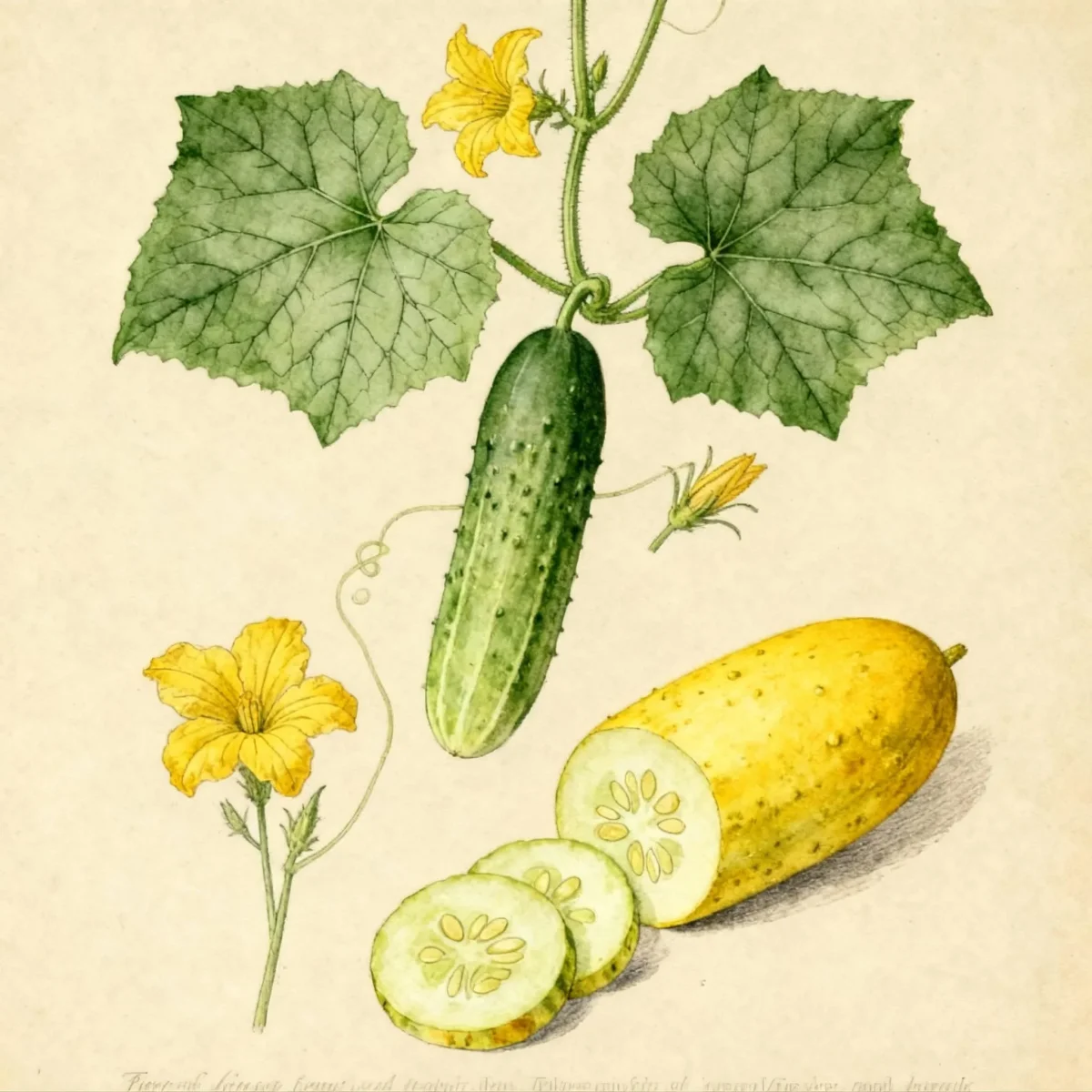
This vigorous climber produces small yellow flowers before developing its characteristic fruit, which can reach impressive lengths if left unharvested. Successful cultivation of Cucumis melo var. flexuosus depends heavily on providing optimal soil conditions and consistent moisture throughout the hot growing season. Plan your planting schedule around the last spring frost date to ensure a productive season for this heirloom vegetable.
Fast Facts
- Plant Family: Cucurbitaceae
- Plant Type: Annual
- Native Range: India, Pakistan
- Hardiness Zones: USDA Zones 2-11
- Size at Maturity:
- Height: 6-9 ft
- Spread: 1-3 ft
- Bloom Time: Seasonal bloomer
- Bloom Description: Yellow
- Sun Exposure: Full sun
- Water Needs: Medium
- Maintenance Level: Medium
How to Grow
Planting Cucumis melo var. flexuosus requires attention to soil preparation and frost avoidance. Seeds should be started indoors 4 to 6 weeks before the last expected spring frost, or sown directly outdoors once all danger of frost has passed and the weather is reliably hot. This Melon thrives in loose, fertile, organically rich, well-drained soils that are slightly acidic. Placing the seeds or transplants in full sun is mandatory for robust growth and fruit production.
Consistent and even moisture is absolutely essential for healthy vine development and fruit quality. Avoid fluctuations in watering, which can stress the plant. The plant appreciates high summer daytime heat coupled with warm nights. Maintenance is medium; while fertilizing is generally not heavily required if the soil is rich, consistent monitoring for pests is necessary.
Vertical gardening is highly recommended for Cucumis melo var. Flexuosus. Growing the vines on a trellis is beneficial because the long, slender fruits tend to grow straighter without awkward curvature when they can hang freely. Fruits are best utilized when harvested young, typically when about 12 inches long and 1 inch in diameter; allow them to mature further, and the flesh becomes excessively tough.
Landscape Uses
As a vigorous annual, Cucumis melo var. flexuosus excels when utilized in edible landscapes or mixed vegetable borders. Due to its climbing habit, it is perfectly suited for covering trellises, arbors, or fences, adding strong vertical texture to the garden. Where space is limited, growing the Serpent melon vertically saves significant ground space compared to letting it sprawl.
The elongated fruits offer a novel ingredient in the kitchen, moving beyond typical garden crops of Cucumis sativus. Harvested fruits can be incorporated raw into salads, used for pickling, or stir-fried, providing a versatile vegetable source throughout the warm months. This interesting member of the Melon genus adds both aesthetic interest and heavy yields when given proper support.
Standout Features
Flower Qualities
- Showy
Fruit Qualities
- Showy
- Edible
Noteworthy Characteristics
The Cucumis melo, commonly called musk melon or cantaloupe, is a scrambling annual vine known for its hairy stems and rough texture. This specific variety, Var. Flexuosus, is often recognized as the Armenian cucumber or snake melon, grown for its edible, long, and slender cucumber-like fruits. It originated in Western Asia, dating back to cultivation in the 1400s, and though botanically a muskmelon, its preference is for culinary use much like a common cucumber.
Tolerances
There are no specific listed tolerances that fit the required formatting.
Potential Problems
Gardeners growing Cucumis melo var. flexuosus must remain vigilant against common cucurbit pests and diseases. Cucumber beetles are a primary concern, as they feed voraciously on foliage and are vectors for various plant diseases. Aphids and damaging spider mites can also infest the vines, requiring prompt treatment, often with insecticidal soaps or strong water sprays.
Fungal and bacterial issues can plague this Melon when conditions are overly humid or watering is poor. Watch for wilt, downy mildew, powdery mildew, anthracnose, stem blight, scab, and leaf spot throughout the growing season. Maintaining good air circulation, using vertical supports, and ensuring consistent moisture at the soil line rather than overhead can mitigate many of these common cultural diseases.
Frequently Asked Questions
What hardiness zones is Melon suitable for?
The Cucumis melo var. flexuosus is hardy in USDA Zones 2 through 11, though it is grown as an annual and requires warm conditions to produce fruit.
How large does Melon grow?
This vigorous vine typically reaches heights between 6 to 9 feet tall, with a relatively narrow spread generally remaining between 1 and 3 feet wide, especially when grown vertically.
What sun exposure does Melon need?
Successful cultivation of this Melon variety requires full sun exposure to maximize heat and energy for fruit development.
When does Melon bloom?
This plant is noted as a seasonal bloomer, producing small, distinct yellow flowers throughout the warm growing period.
Conclusion
The Cucumis melo var. flexuosus provides an exciting variation on the standard melon, offering a crisp, cucumber-like harvest with unique visual appeal. Integrating the Serpent melon into your vegetable garden ensures you benefit from its edible, versatile fruit throughout hot summers when managed correctly. Before planting, verify your local growing season is warm enough, and make sure to plan for immediate staking or trellising to encourage the best fruit shape for this fascinating Melon.
Companion Planting Recommendations
Selecting good neighbors is essential for maximizing the health and yield of Cucumis melo var. flexuosus. Since it requires full sun and consistent water, pair it with other heavy feeders that share similar cultural needs, such as corn or beans planted nearby (using a traditional three sisters approach, adjusted for the vine’s size). Avoid planting it close to potatoes or strong herbs that might compete too aggressively for nutrients or sunlight near the base of the vine.
Good aromatic companions, such as marigolds or nasturtiums, can help deter some of the common insect pressures, notably cucumber beetles, which pose a threat to the foliage of this Melon. Ensure that any companion planting choice allows for adequate air circulation around the base of the Cucumis melo var. Flexuosus vines to help minimize the risk of fungal diseases like powdery mildew.
Seasonal Care Calendar
Early spring should be dedicated to soil enrichment, ensuring the fertile, well-drained medium is ready before direct sowing or transplanting after the final frost. Once established in late spring and early summer, focus primarily on consistent, deep watering to support the vine’s rapid growth and fruit set; avoid letting the soil dry out completely.
Mid to late summer is the crucial harvesting window for Cucumis melo var. flexuosus. Pick fruits when they are still tender (around 12 inches long) to ensure the best flavor and texture, as older fruits become tough. In late summer/early fall, inspect foliage daily for early signs of mildew or pest outbreaks, treating immediately to extend the productive harvest period until the first unexpected frost threatens the annual vine.