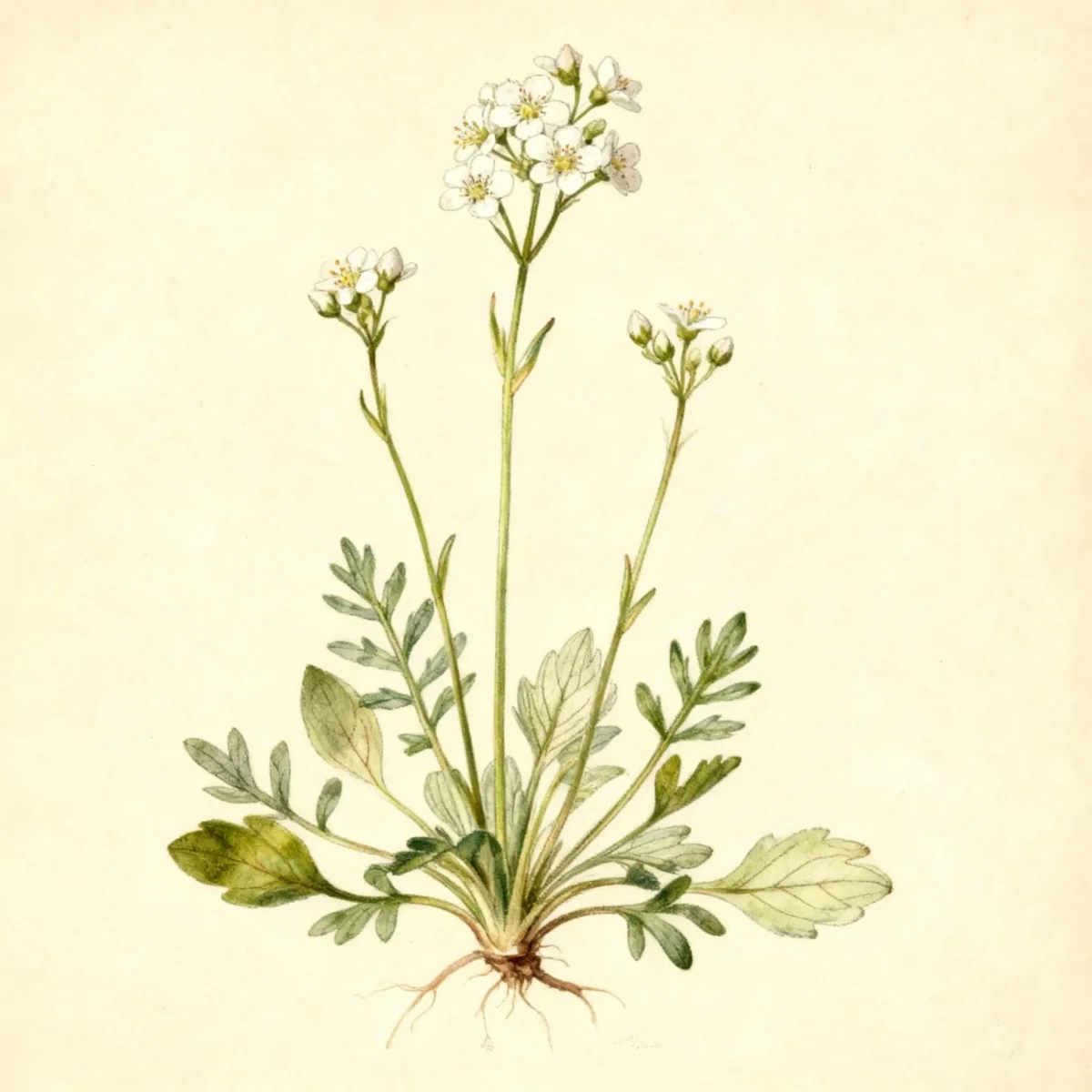
Lifelong saxifrage (Saxifraga paniculata subsp. paniculata)
Lifelong saxifrage (Saxifraga paniculata subsp. paniculata) offers delicate white-to-yellow blooms in summer. Hardy in Zones 2-6, this perennial excels in rock gardens.
Scroll down to discover growing tips, care requirements, companion plants, and more
Complete Plant Information
Overview
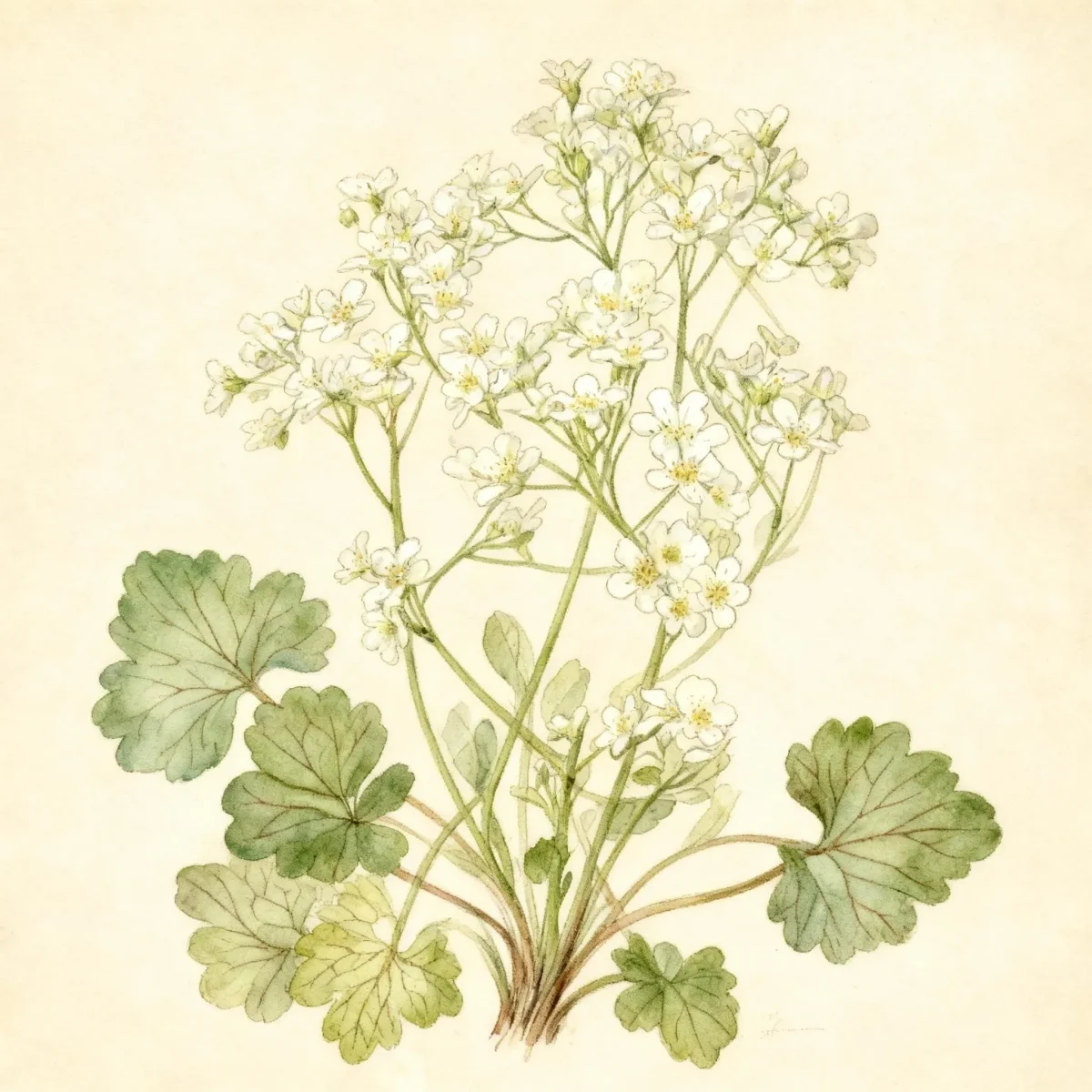
The Lifelong saxifrage, scientifically known as Saxifraga paniculata subsp. paniculata, is a valuable alpine and rock garden plant prized for its ability to thrive in challenging, rocky environments. This stoloniferous perennial forms attractive basal rosettes adorned with silvery-margined leaves, creating year-round texture even before its summer bloom display. Its adaptability and tough nature contribute to its common name, Lifelong saxifrage.
Flowering from June through August, Saxifraga paniculata subsp. Paniculata sends up airy panicles bearing flowers that range from white and creamy to pink or yellow hues. This species is native across cold regions of Europe, the Caucasus, and North America, indicating its suitability for cooler climates. Gardeners value this plant for filling crevices and softening hardscape elements in naturalized settings.
While hardy in cool zones, gardeners must accommodate its preference for cool summers. Providing well-drained, gritty soil and consistent moisture during establishment will ensure healthy growth. Established patches of Saxifraga paniculata subsp. paniculata offer low-maintenance groundcover, gradually expanding via new rosettes.
Fast Facts
- Plant Family: Saxifragaceae
- Plant Type: Herbaceous perennial
- Native Range: Europe, Caucasus, North America
- Hardiness Zones: USDA Zones 2-6
- Size at Maturity:
- Height: 0.5-1 ft
- Spread: 0.25-0.5 ft
- Bloom Time: June to August
- Bloom Description: White to pink to yellow
- Sun Exposure: Part shade
- Water Needs: Medium
- Maintenance Level: Medium
How to Grow
The best time to establish Saxifraga paniculata subsp. paniculata is when the plant is dormant or newly emerging in spring. Choose a location that offers part shade, ideally protecting it from intense afternoon sun, which can stress the plant, especially in warmer reaches of its range. Success hinges upon excellent drainage; prefer moist, gritty soils that mimic its native rocky ledge habitat.
Water new plantings regularly to establish a strong root system. Once established, the Lifelong saxifrage exhibits good drought tolerance, though supplemental watering during extended dry spells is beneficial. Avoid over-fertilizing, as this can lead to floppy growth habit and reduce flowering quality.
Managing growth is key; new rosettes emerge from stolon tips, allowing the plant to slowly form small colonies. In hot, humid summers common south of USDA Zone 6, plants may thin out in the center, requiring division or rejuvenation. Thinning overcrowded centers prevents moisture retention that can lead to rot.
These hardy plants generally require little specific winter preparation, thriving in cold conditions. In spring, remove any spent foliage debris to keep the basal rosettes clean and ready for new growth. Remember that Saxifraga paniculata subsp. paniculata can be notoriously difficult in climates experiencing consistently hot, humid summers.
Landscape Uses
Saxifraga paniculata subsp. paniculata excels when used in classic alpine designs, particularly rock gardens where its texture and habit complement stone structures. It is an excellent choice for ground cover in cool, shady areas or situations where it can naturally cascade over stones or sprawl into crevices, effectively using the rock fissures that give the genus its name.
Consider pairing the Lifelong saxifrage with other acid-tolerant, low-growing, shade-tolerant plants. Good companions include creeping sedums (in cooler spots), small ferns, or other low-growing perennial collections suited for shaded borders. Its texture contrasts nicely with fine-leaved groundcovers.
Due to its compact size and spreading nature, this species is perfect for edging borders or naturalizing across gently sloping, well-drained woodland edges that receive dappled light. Its ability to naturalize means it creates a living tapestry over time, maintaining ground coverage effectively throughout the season.
Standout Features
Flower Qualities
- Showy
Noteworthy Characteristics
Saxifraga paniculata is a circumboreal species that is native to rocky ledges and crevices in Europe, eastern Asia and North America south to New England and the Great Lakes. It is a stoloniferous perennial that typically forms a spreading basal rosette (to 6” tall) of flat, leathery, finely-serrate, oblong to obovate leaves (each to 1.5” long) with silvery encrustations on the margins. Flowers (each to 1/2” diameter) bloom in elongated clusters atop upright stems rising well above the rosette to 12” tall. Flower color is variable, ranging from white to creamy white to pink to yellow sometimes with purple spotting. Flowers bloom mid-June to August. Plants of this species are divided into three subspecies: S. Paniculata subsp. Paniculata (central Europe), S. Paniculata subsp. Cartilaginea (Causcasus) and S. Paniculata subsp. Laestadii (Norway, Iceland and North America).Genus name comes from the Latin words saxum meaning rock and frangere meaning to break in reference to habit of some Saxifrage plants to take up residence in the fissures of rocks resulting over time in a further eroding or crumbling (breaking away) of the rock.Specific epithet means with flowers in panicles.
Tolerances
- Drought
Potential Problems
This species is generally robust, showing no serious insect or disease problems when grown in its preferred environment. The primary issue encountered by gardeners is physiological stress related to climate incompatibility. If planted in hot, humid summers south of Zone 6, the plant may struggle, thin out, or even die due to excessive heat and standing moisture around the crown. Ensure exceptional drainage and airflow to mitigate common cultivation issues associated with overly rich or wet soil conditions.
Frequently Asked Questions
What hardiness zones is Lifelong saxifrage suitable for?
Saxifraga paniculata subsp. paniculata is suitable for robust growth in USDA Zones 2 through 6.
How large does Lifelong saxifrage grow?
This perennial typically reaches a height between 0.5 and 1 foot tall, with a spread ranging from 0.25 to 0.5 feet wide as it forms small colonies.
What sun exposure does Saxifraga paniculata subsp. Paniculata need?
This plant requires part shade conditions and especially benefits from protection against harsh afternoon sun, though it can handle morning sun exposure.
When does Lifelong saxifrage bloom?
The flowers of Saxifraga paniculata subsp. paniculata appear from June to August, displaying colors that range from white to pink to yellow.
Conclusion
The Saxifraga paniculata subsp. paniculata, or Lifelong saxifrage, provides essential texture and charming, airy blooms perfect for rockeries and cool, shady groundcover applications. Its hardiness makes it a reliable choice for gardeners in cooler northern climates who appreciate low-maintenance perennials adapted to gritty soil. Before planting, confirm that your location provides the necessary cool summer temperatures and sharp drainage this specialized rock dweller requires.
Propagation Tips
Propagation of the Lifelong saxifrage is efficiently achieved through its stoloniferous habit. New rosettes readily form at the ends of the stolons or directly at the base of the main plant. To propagate, gently sever these young offsets once they have developed a small set of leaves and establish them immediately in gritty, separate pots to root. This method allows you to quickly increase your stock of Saxifraga paniculata subsp. paniculata.
Companion Planting
When placing Saxifraga paniculata subsp. Paniculata, consider companions that share its fondness for well-drained, gritty soil and tolerance for partial shade. Suitable neighbors include many small bulbs that finish flowering early, allowing the saxifrage rosettes to shine afterward. Look toward low-growing alpine thymes or small species of Trollius grown in slightly moister pockets nearby, ensuring excellent drainage remains the priority across the entire planting area.