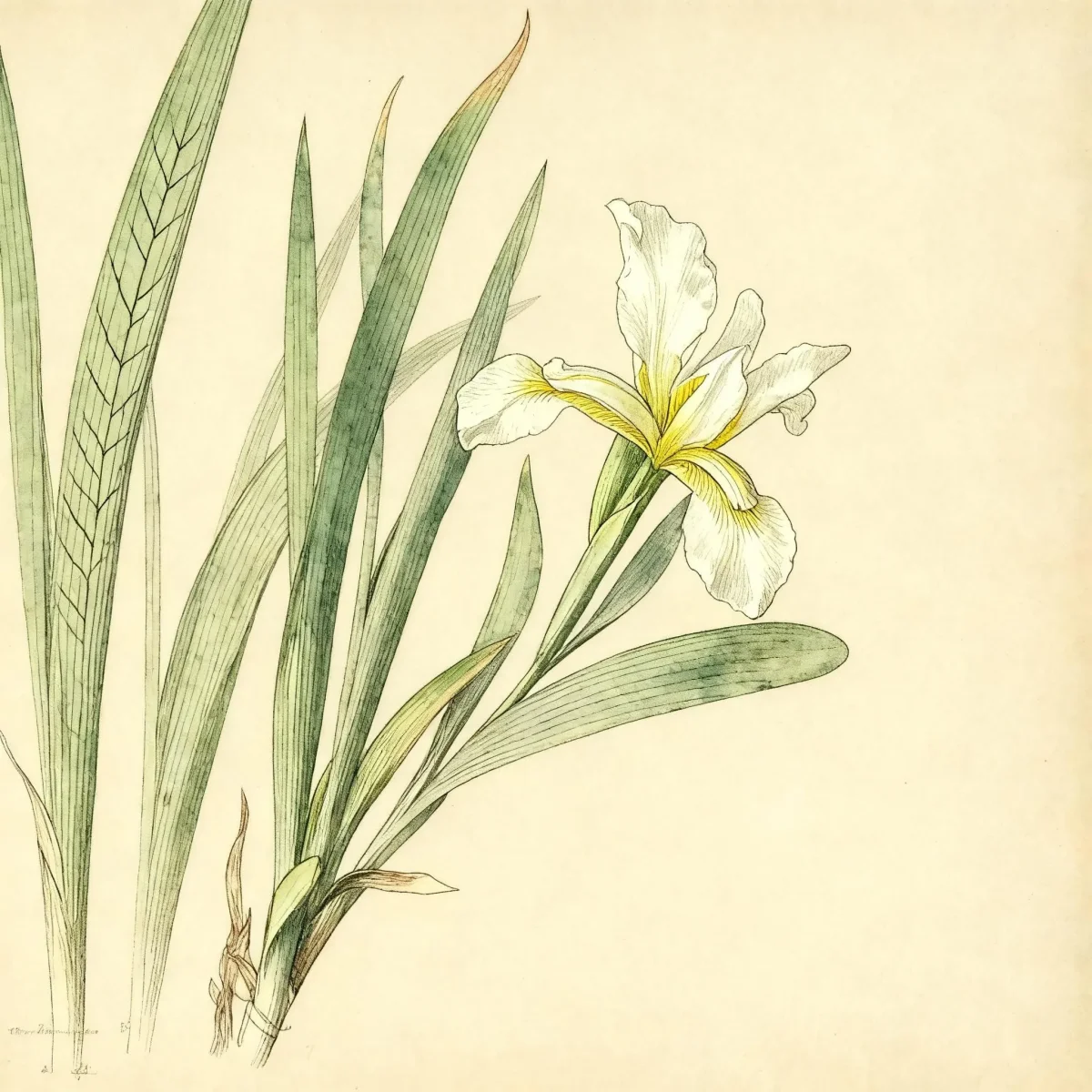
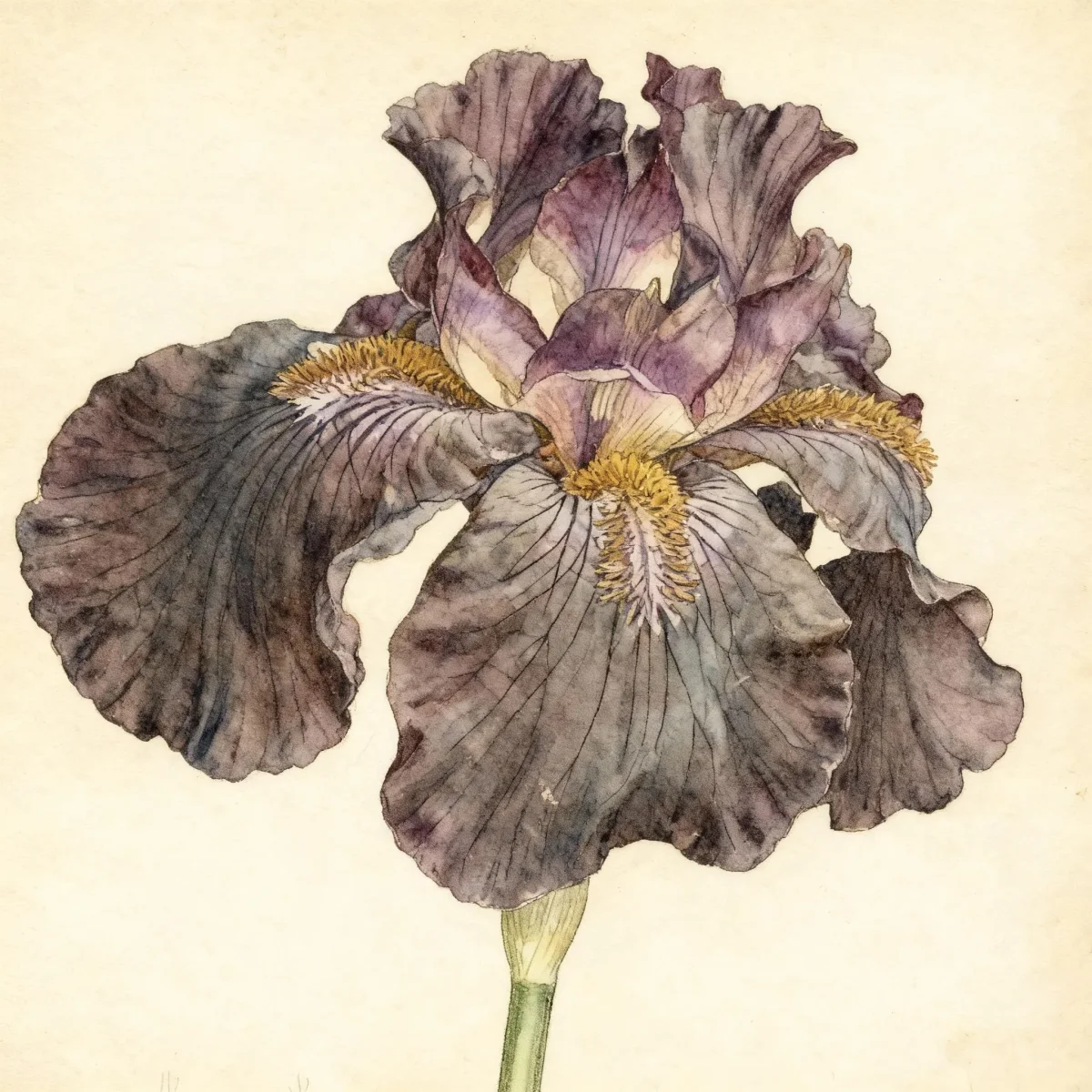
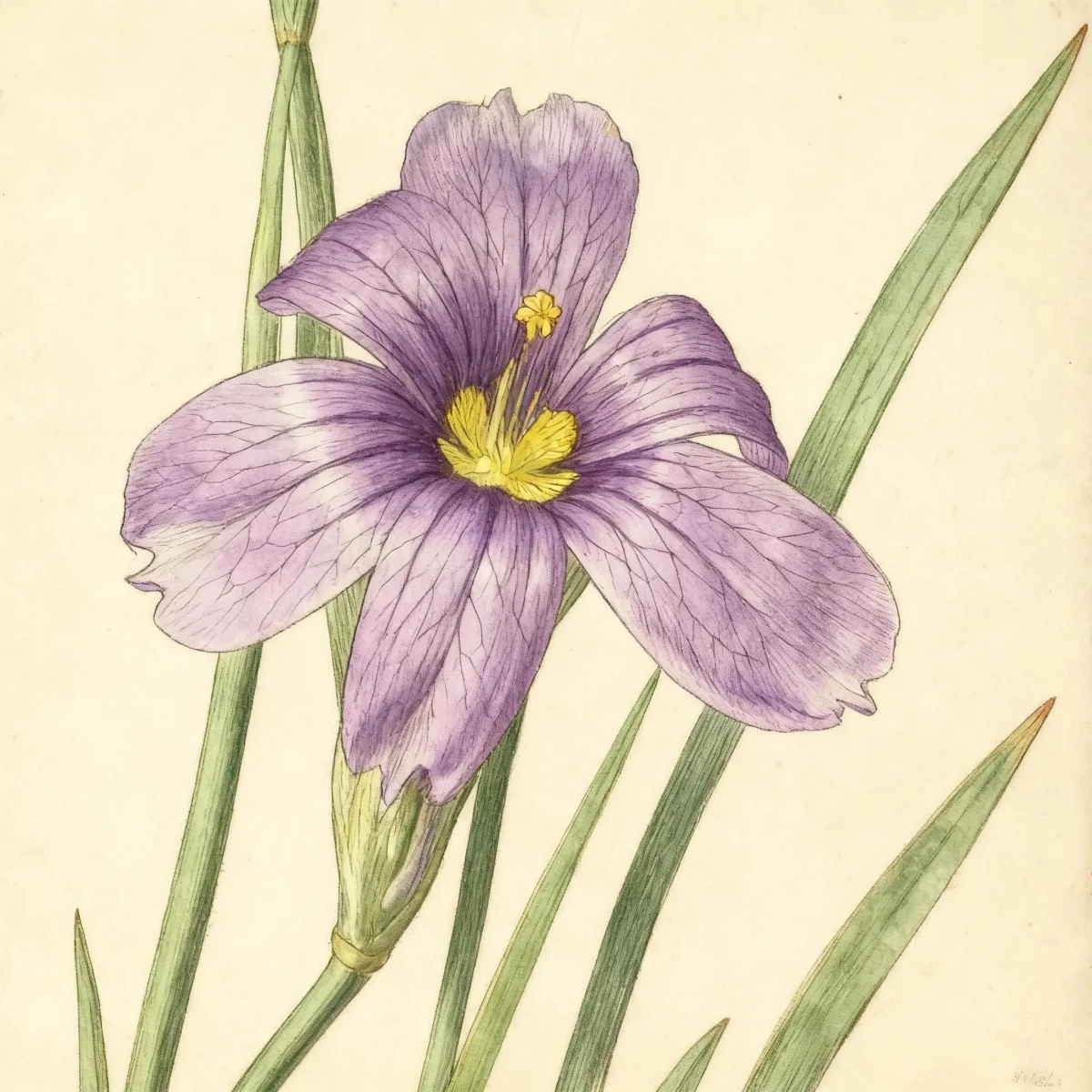
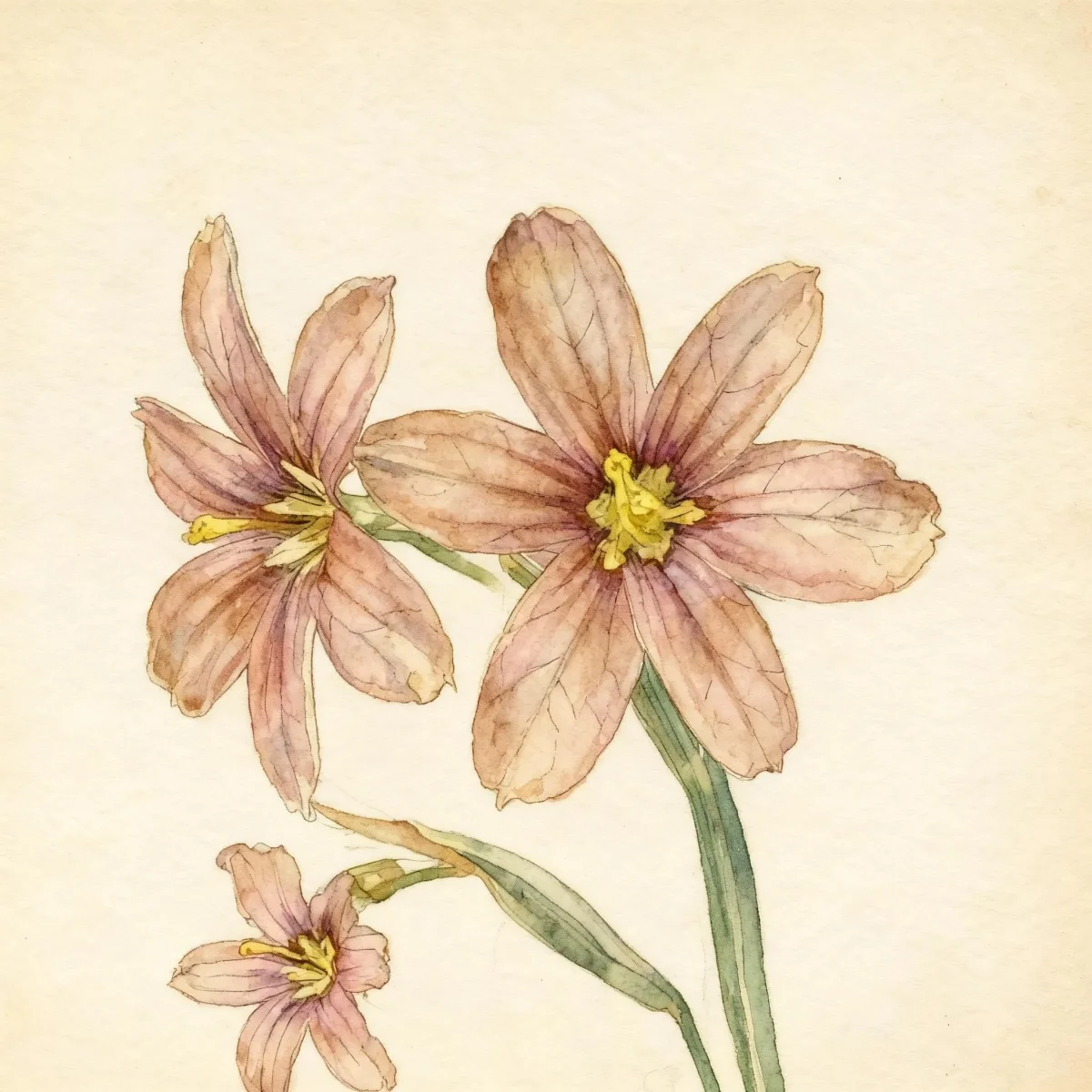
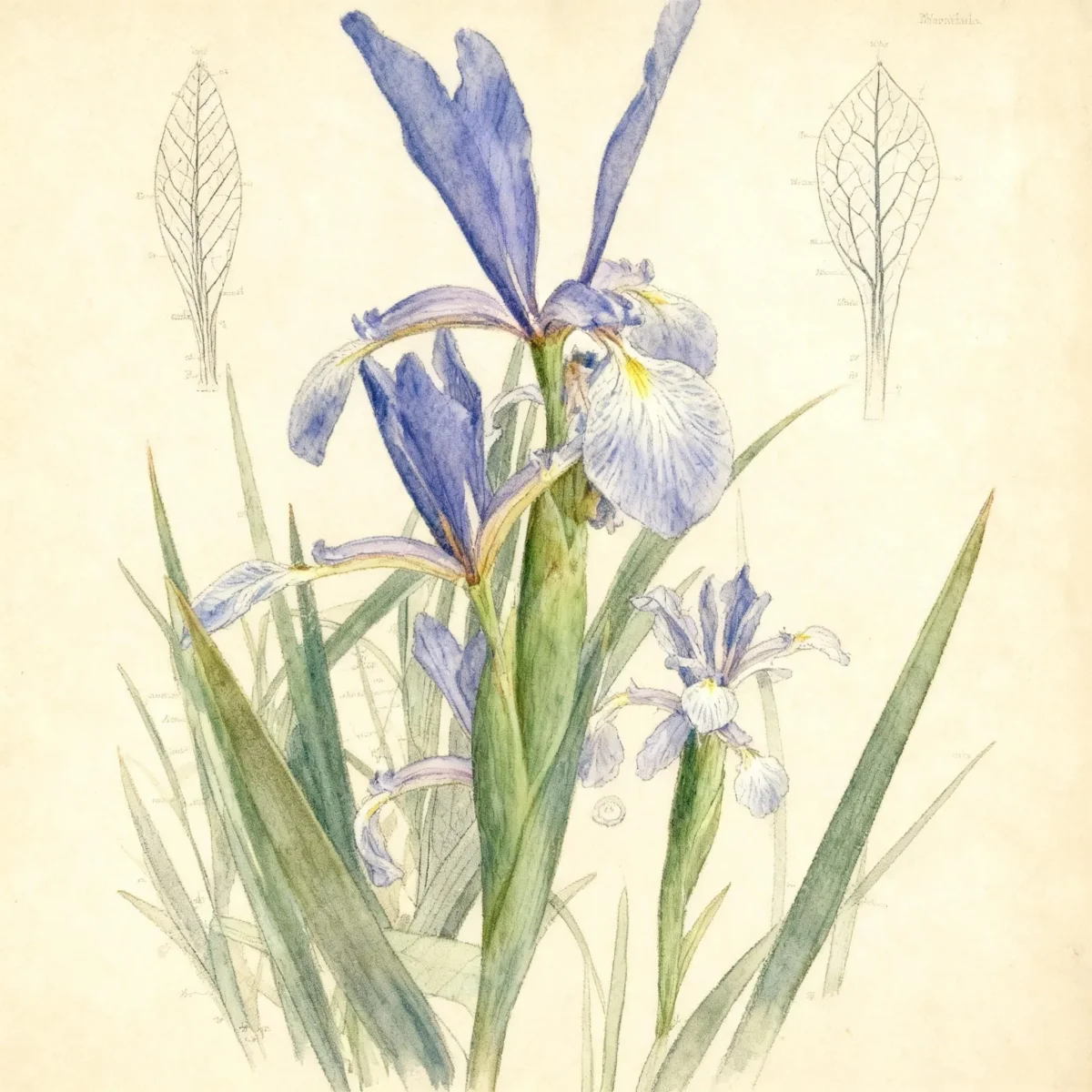
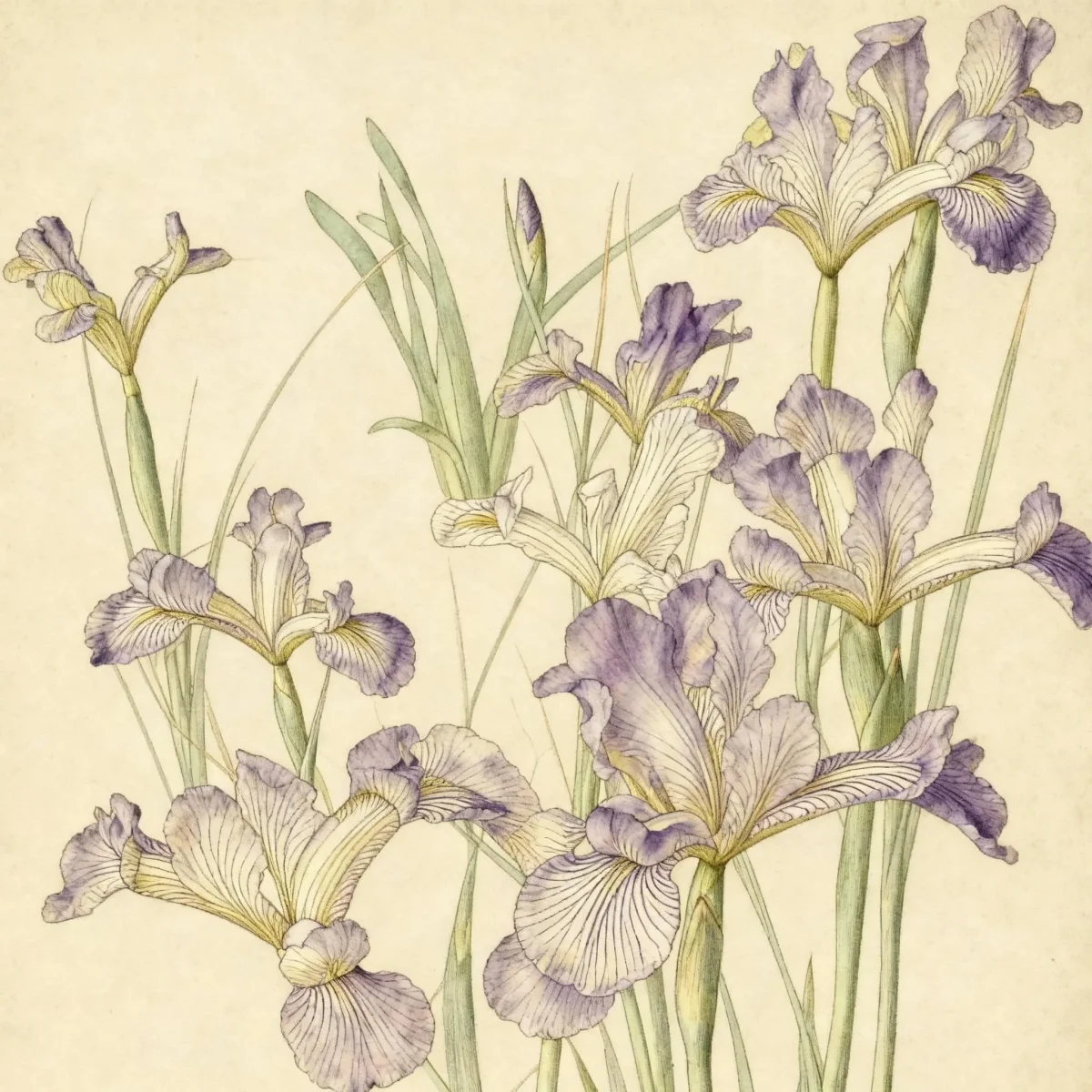
Species iris (Iris spuria subsp. carthaliniae)
Iris spuria subsp. carthaliniae, a Species iris, offers sky blue blooms from May-July. This reliable perennial requires full sun and medium water in Zones 5-9.
Scroll down to discover growing tips, care requirements, companion plants, and more
Complete Plant Information
Overview
The Species iris, specifically Iris spuria subsp. carthaliniae, provides striking vertical structure and beautiful color to the late spring garden. Native to the Caucasus region, this tall, rhizomatous, beardless iris is prized for its slender stature and delicate, sky blue flowers which appear from May through July. Gardeners value this plant for its reliable performance when planted in its preferred conditions.
As a member of the iris family, Iris spuria subsp. Carthaliniae is a stately herbaceous perennial reaching heights between two and five feet. It forms attractive clumps with narrow, linear leaves that provide good texture even when not in bloom. While it is one of the taller irises, its upright habit makes it an excellent choice for the middle to back of the border where it can stand above shorter perennial masses.
Successful cultivation of this Species iris relies on mimicking its native habitat: rich, well-drained soil and abundant sunlight. While Iris spuria subsp. carthaliniae can tolerate light shade, achieving the best flowering and disease resistance requires full sun exposure. Gardeners should note that many spurias move into summer dormancy, requiring less water once blooming ceases, a vital consideration for summer garden planning.
Fast Facts
- Plant Family: Iridaceae
- Plant Type: Herbaceous perennial
- Native Range: Caucasus
- Hardiness Zones: USDA Zones 5-9
- Size at Maturity:
- Height: 2-5 ft
- Spread: 2-3 ft
- Bloom Time: May to July
- Bloom Description: Sky blue
- Sun Exposure: Full sun
- Water Needs: Medium
- Maintenance Level: Medium
How to Grow
Iris spuria subsp. carthaliniae thrives in rich, well-composted, humusy soil that remains reliably moist during the active growing season. Ensure the soil is neutral to slightly alkaline and, critically, well-drained. Plant the thick, branched rhizomes shallowly, about two inches deep, spacing them roughly 24 inches apart during the ideal planting window of mid to late summer (July through early September). Good drainage is paramount to prevent serious issues like bacterial soft rot.
Provide consistent moisture while the plant is actively growing and blooming. Once the flowering period ends and warmer weather prompts summer dormancy, reduce watering significantly, as excess moisture during this period can lead to rhizome rot. Fertilize regularly in the spring before the bloom season begins, but avoid high-nitrogen applications. When tending to the plant, skip overhead watering and avoid using mulch, which can trap excessive moisture around the base of the rhizomes.
Routine care involves deadheading spent individual flowers and removing the entire flowering stem down to the ground once the bloom cycle is complete. Do not let foliage die back naturally; remove it in the fall after the first hard frost to improve sanitation. If the clumps become overcrowded, which typically happens every three to four years, plan to divide the rhizomes immediately following flowering success. For gardeners dealing with heavy clay, amending the soil with gypsum, coarse sand, and organic matter, or choosing raised beds, is highly recommended for this Species iris.
Landscape Uses
This tall, graceful plant is well-suited for positioning at the back of sunny beds and borders, providing vertical accents among lower-growing perennials. The airy structure of the Iris spuria subsp. carthaliniae works beautifully with mid-summer bloomers, creating a dynamic succession of color throughout the season. Because they naturalize well into large clumps, they can be used effectively in informal drifts within a mixed perennial landscape.
The robust height of this Species iris, reaching up to five feet in ideal conditions, makes it an excellent architectural element. Consider planting it near pond edges, provided the soil remains moist but extremely well-draining, as stated in the cultural requirements. Its upright foliage also offers a strong, vertical contrast to mounding shrubs or rounded hostas placed in front.
Standout Features
Flower Qualities
- Showy
Noteworthy Characteristics
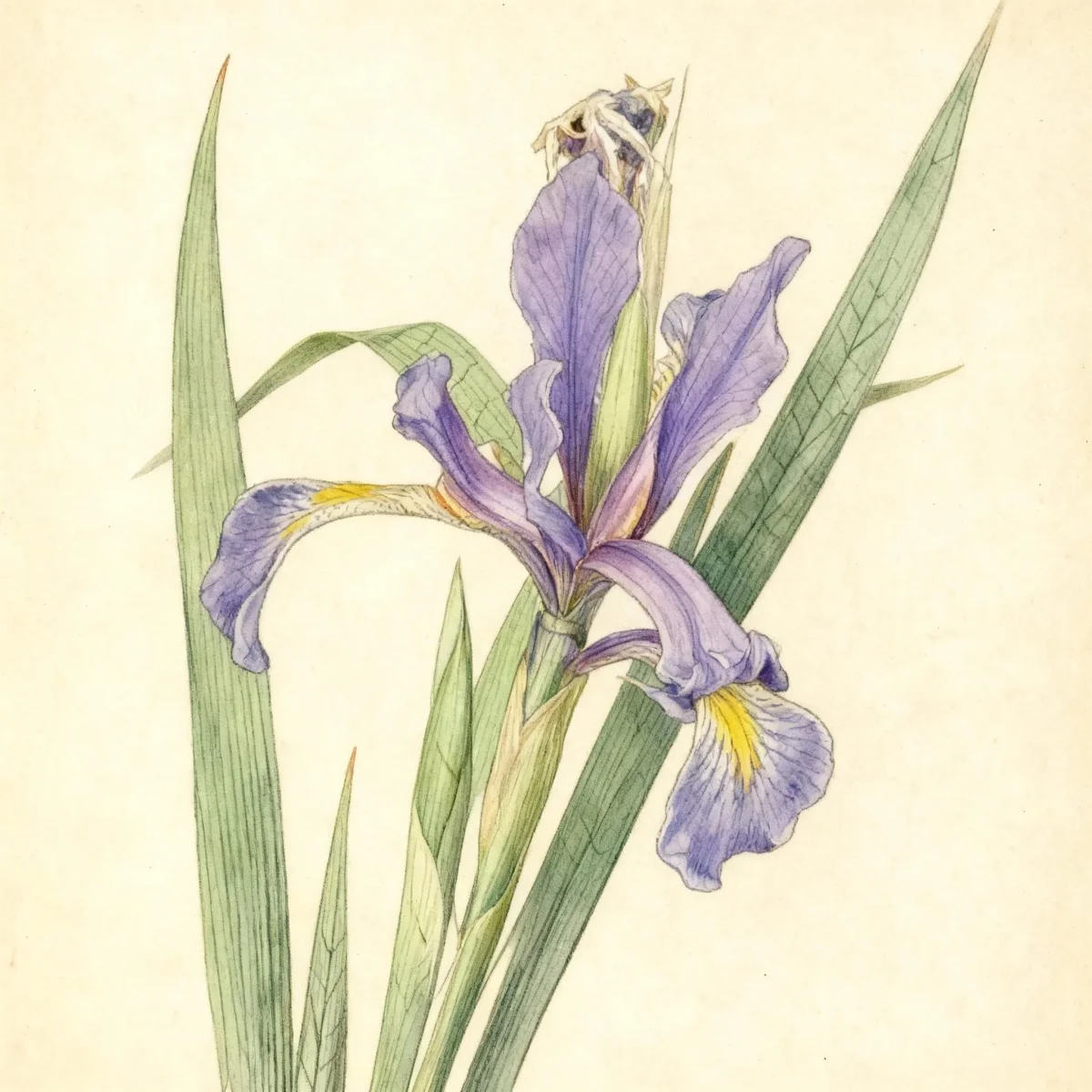
Iris spuria subsp. carthaliniae is a rhizomatous, beardless iris known for its impressive height, often reaching three to five feet tall. Its flowers typically bloom sky blue, often exhibiting deeper veining across the petals, which stand out beautifully against its narrow, linear leaves. This variety is particularly well-suited for use at the back of perennial borders or near water features, embodying the classic beauty for which the genus Iris is named.
Tolerances
No data available.
Potential Problems
A primary concern for all irises, including this Species iris, is the iris borer, which tunnels into the foliage and rhizomes. Other insect threats include slugs, snails, and various moths. More critically, Iris spuria subsp. carthaliniae is susceptible to serious fungal and bacterial diseases such as bacterial soft rot, crown rot, and rhizome rot if drainage is poor.
Managing pests and diseases hinges on excellent sanitation. Always promptly remove and destroy any foliage or rhizomes showing signs of borer damage or disease mottling. An annual clean-up of all garden debris in the fall, particularly after the first frost, prevents overwintering pests and fungal spores.
Several factors lead to disappointing performance or a failure to bloom. Ensure rhizomes are not planted too deeply (only 2 inches down), that the plant receives adequate sunlight, and that it has not become severely overcrowded, necessitating division every few years. Avoid high fertilization schedules, as excessive nutrients can inhibit flower production in this Iris.
Frequently Asked Questions
What hardiness zones is Species iris suitable for?
Iris spuria subsp. carthaliniae is adaptable to cultivation across USDA Zones 5 through 9.
How large does Species iris grow?
This herbaceous perennial typically achieves a height between 2 and 5 feet, with a relatively slim spread of 2 to 3 feet.
What sun exposure does Species iris need?
For the best flowering performance and strongest disease resistance, Iris spuria subsp. carthaliniae requires full sun, although it will tolerate light shade.
When does Species iris bloom?
You can expect the beautiful sky blue blooms of this Species iris to appear reliably from May to July.
Conclusion
The Iris spuria subsp. carthaliniae brings sought-after vertical stature and vibrant, rich blue color to late-season borders. This reliably handsome Species iris combines easy cultural needs—primarily excellent drainage and full sun—with the elegance characteristic of the genus. Before planting, ensure your site offers the necessary drainage proficiency, and schedule your planting for mid to late summer for best establishment.
Companion Planting
Selecting companions for Iris spuria subsp. carthaliniae should focus on plants that appreciate similar soil moisture levels during the spring growing season but can tolerate drier conditions during the summer dormancy period. Good partners for the back of the border include tall, drought-tolerant perennials like Russian Sage (Perovskia atriplicifolia) or sturdy ornamental grasses that emerge later. Companions should also offer summer color, stepping in once the blue blooms of the iris have faded, as the iris foliage may begin to look tired or die back during hot, dry spells.
Avoid planting aggressive spreaders directly next to the rhizomes, as these irises prefer not to be cramped. Instead, use low-growing, mounding plants like Catmint (Nepeta) along the front edge to soften the transition to the soil line while still allowing full sun exposure to reach the rhizomes, aiding in rot prevention.
Seasonal Care Calendar
Spring preparation is crucial for a stellar bloom display from your Iris spuria subsp. carthaliniae. Focus on consistent watering leading up to bloom time and apply a balanced, slow-release fertilizer early in the spring growth phase to support flower production. Avoid any overhead watering during this period to keep the crowns dry.
Summer care centers on observant dormancy management. Once flowering is complete in July, drastically reduce watering unless prolonged drought occurs outside the normal growing window. If division is necessary, aim to dig and separate the rhizomes immediately after the bloom cycle finishes, transplanting them quickly so they have time to establish before winter cold sets in.
Fall cleanup is a mandated practice for keeping this Species iris healthy. After the foliage has been killed by frost, remove and destroy all spent leaves and debris from the bed. This practice interrupts the life cycle of the iris borer and prevents fungal diseases from overwintering near the susceptible rhizomes.