Stachys officinalis subsp. officinalis (Stachys officinalis subsp. officinalis)
Low-maintenance perennial Stachys officinalis subsp. officinalis offers showy, deep pink blooms from July to September in zones 5-9.
Scroll down to discover growing tips, care requirements, companion plants, and more
Complete Plant Information
Overview
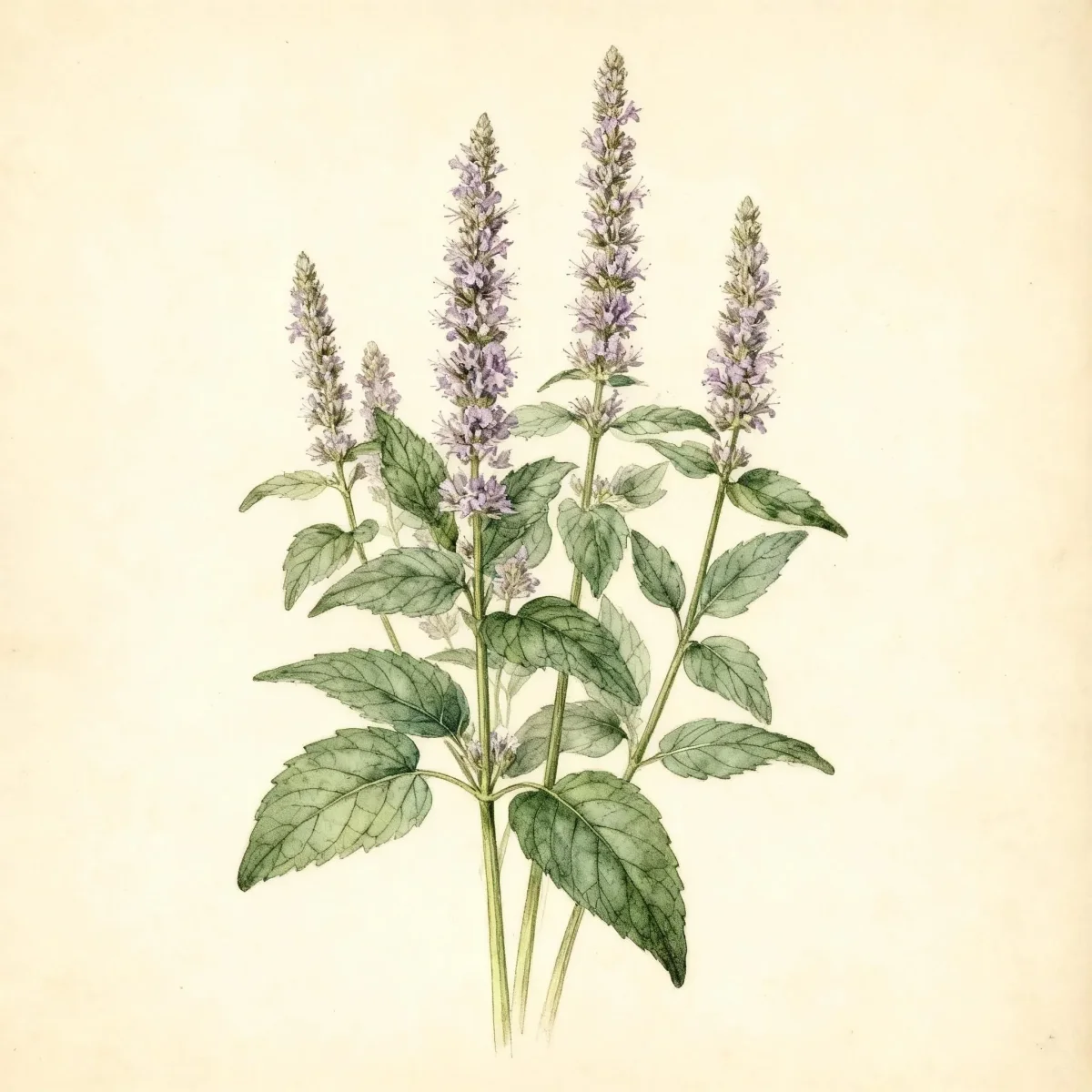
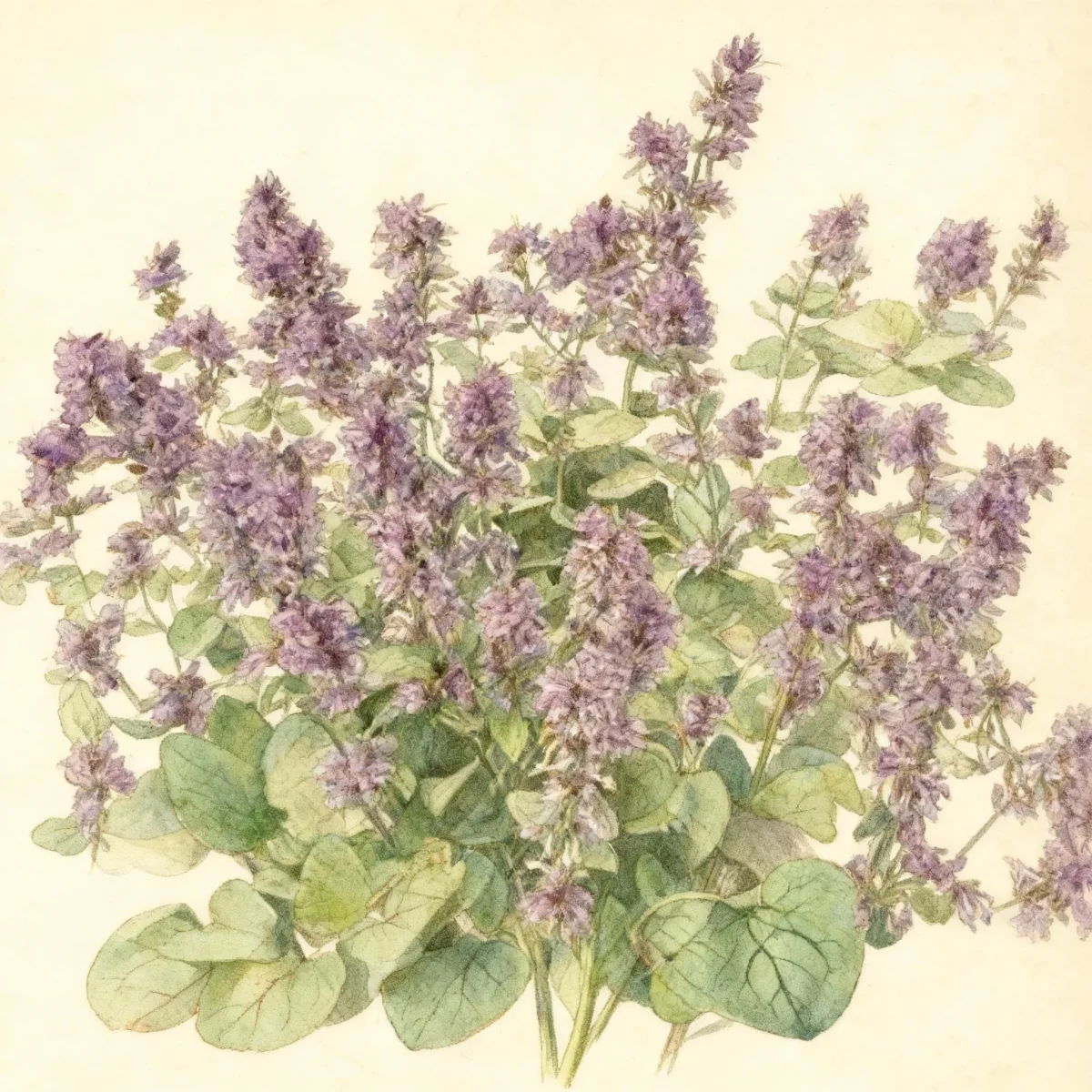
The Stachys officinalis subsp. Officinalis, often recognized as Betonica officinalis, is a valuable herbaceous perennial highly esteemed for its reliable late-season floral display. Unlike its fuzzier relatives, this species focuses its energy on producing vivid flower spikes, making Stachys officinalis subsp. officinalis a stunning addition to late summer borders. This plant forms attractive basal clumps of dark green foliage, providing reliable structure even before the primary blooming period arrives.
Hardy and easy to manage, Stachys officinalis subsp. officinalis thrives in full sun conditions within USDA zones 5 through 9. Gardeners appreciate its low maintenance needs and its tolerance for deer browsing, which keeps it looking pristine in informal plantings. Its spreading habit via creeping stems allows it to naturalize gracefully over time, creating dense, colorful ground cover effects.
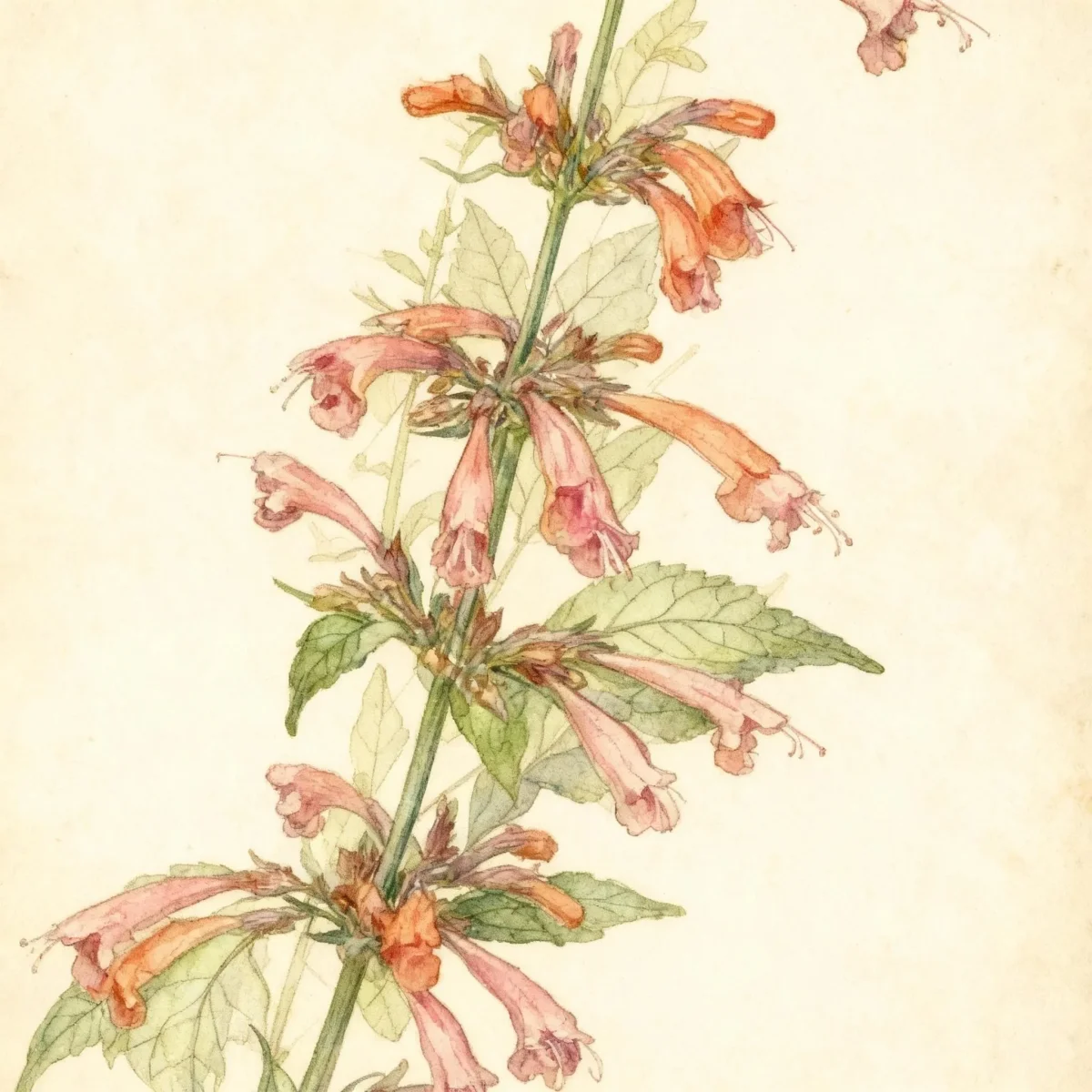
Primarily grown for its visual impact, the deep pink flowers of Stachys officinalis subsp. Officinalis provide excellent contrast against typical mid-summer blooms. Its versatility allows it to function equally well in formal cottage gardens or more relaxed, naturalized settings, offering consistent performance with minimal intervention from the gardener.
Fast Facts
- Plant Family: Lamiaceae
- Plant Type: Herbaceous perennial
- Native Range: Northern Africa, southern Europe, western temperate Asia
- Hardiness Zones: USDA Zones 5-9
- Size at Maturity:
- Height: 1.5-2 ft
- Spread: 1-1.5 ft
- Bloom Time: July to September
- Bloom Description: Deep pink
- Sun Exposure: Full sun
- Water Needs: Medium
- Maintenance Level: Low
How to Grow
Plant Stachys officinalis subsp. officinalis in spring or fall once danger of hard frost has passed. It performs best when situated in average, medium, well-drained soils. While it prefers full sun, offering this perennial light afternoon shade can be beneficial if you garden in exceptionally hot and humid climates, helping to prevent potential scorch.
Maintain evenly moist soil conditions, especially when the plant is newly established. Although established thickets show some drought tolerance, consistent watering during dry spells ensures the best foliage quality and robust flowering. Fertilization is typically unnecessary; rich soils can lead to floppy growth rather than compact vigor.
Maintenance for this reliable variety is generally low. Deadheading is highly recommended: cut back the flowering stalks immediately after the initial flush of deep pink flowers fades. This simple action often encourages the plant to put forth another round of blooms later in the season.
As the plant spreads slowly via rooting stolons, anticipate needing to thin or edge the clumps every few years to keep it confined to its designated area. When using Stachys officinalis subsp. Officinalis as a ground cover, space plants initially 12 to 18 inches apart to allow room for this natural colonization.
Landscape Uses
The reliable structure and late-season color of Stachys officinalis subsp. officinalis make it an excellent choice for borders where consistent performance is required. Its deep pink flower spikes draw the eye upward, creating vertical interest that complements shorter annuals or mounding perennials around its base. It is particularly well-suited for classic cottage gardens, where its somewhat wild habit looks perfectly in place next to roses or ornamental grasses.
Consider using Stachys officinalis subsp. Officinalis in informal, naturalized areas where its slow spread can be allowed to create drifts of color. It functions well as an interesting, slightly textural edging plant along pathways where its foliage can be appreciated up close. Due to its deer resistance, it is ideal for perimeter plantings that might otherwise attract unwanted attention.
When selecting companions, pair the Stachys with plants that enjoy similar sun and medium water needs. Good neighbors include varieties of Salvia, softer ornamental grasses, or silvery-leaved plants that contrast nicely with the rich, dark green basal foliage of the Stachys.
Standout Features
Flower Qualities
- Showy
- Good Cut
Noteworthy Characteristics
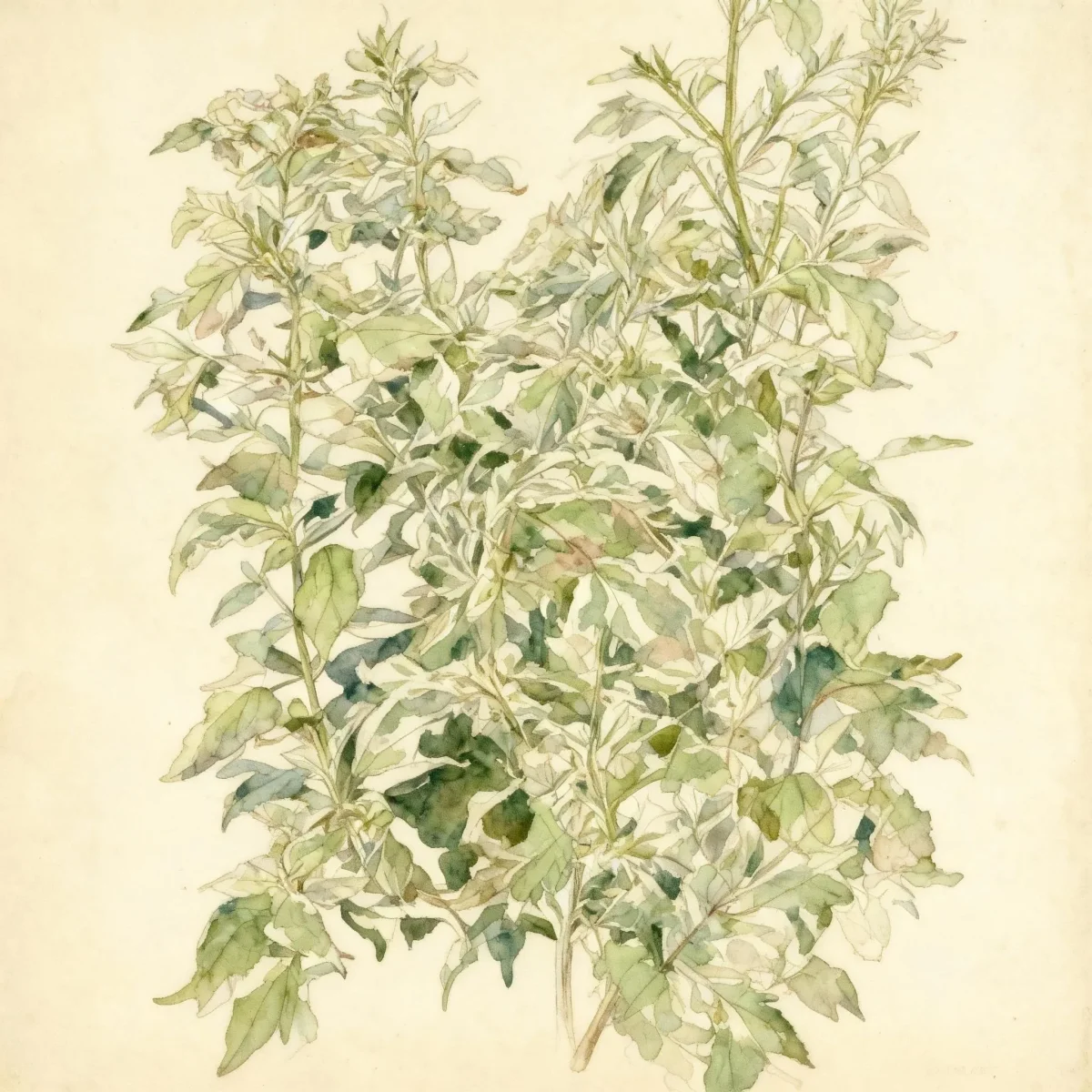
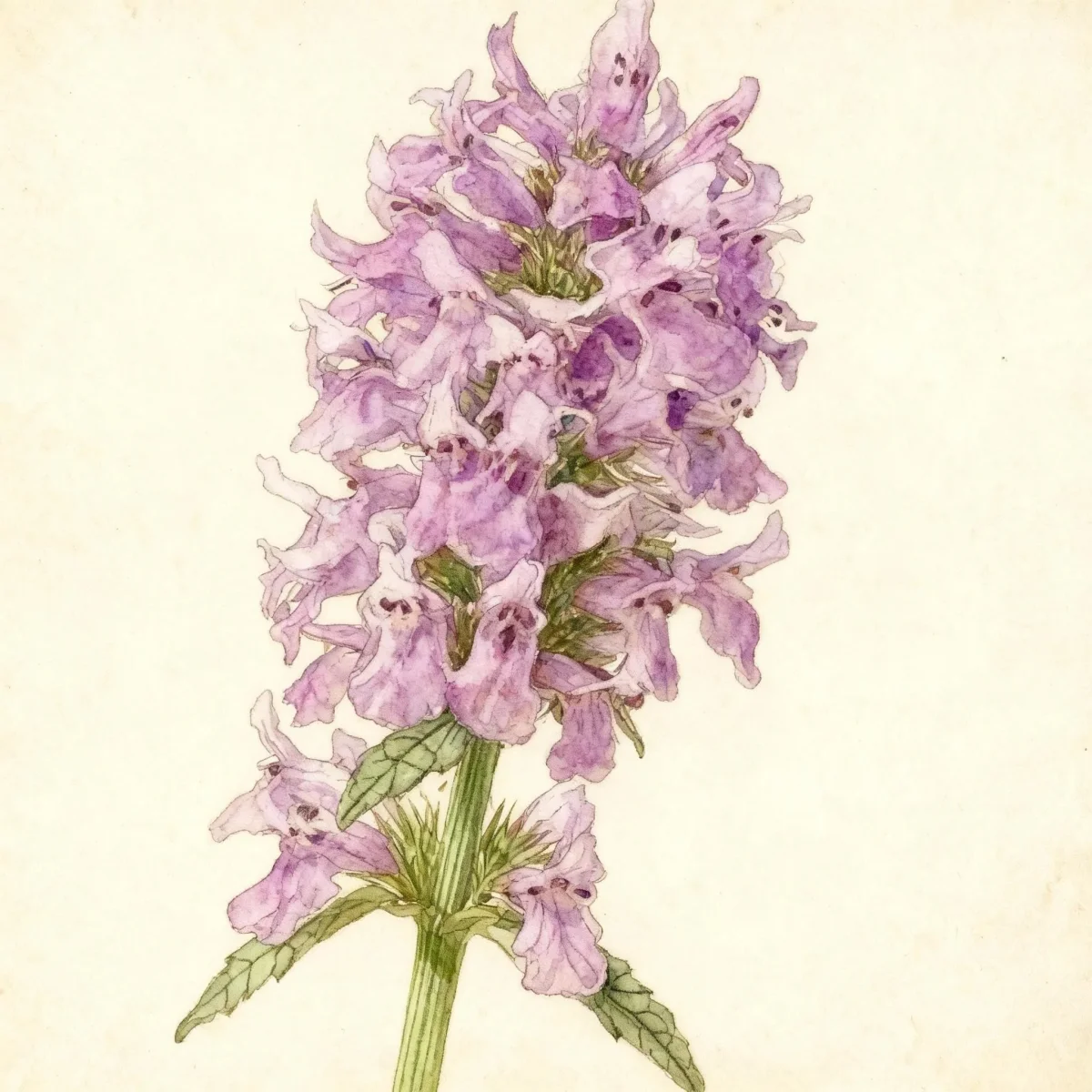
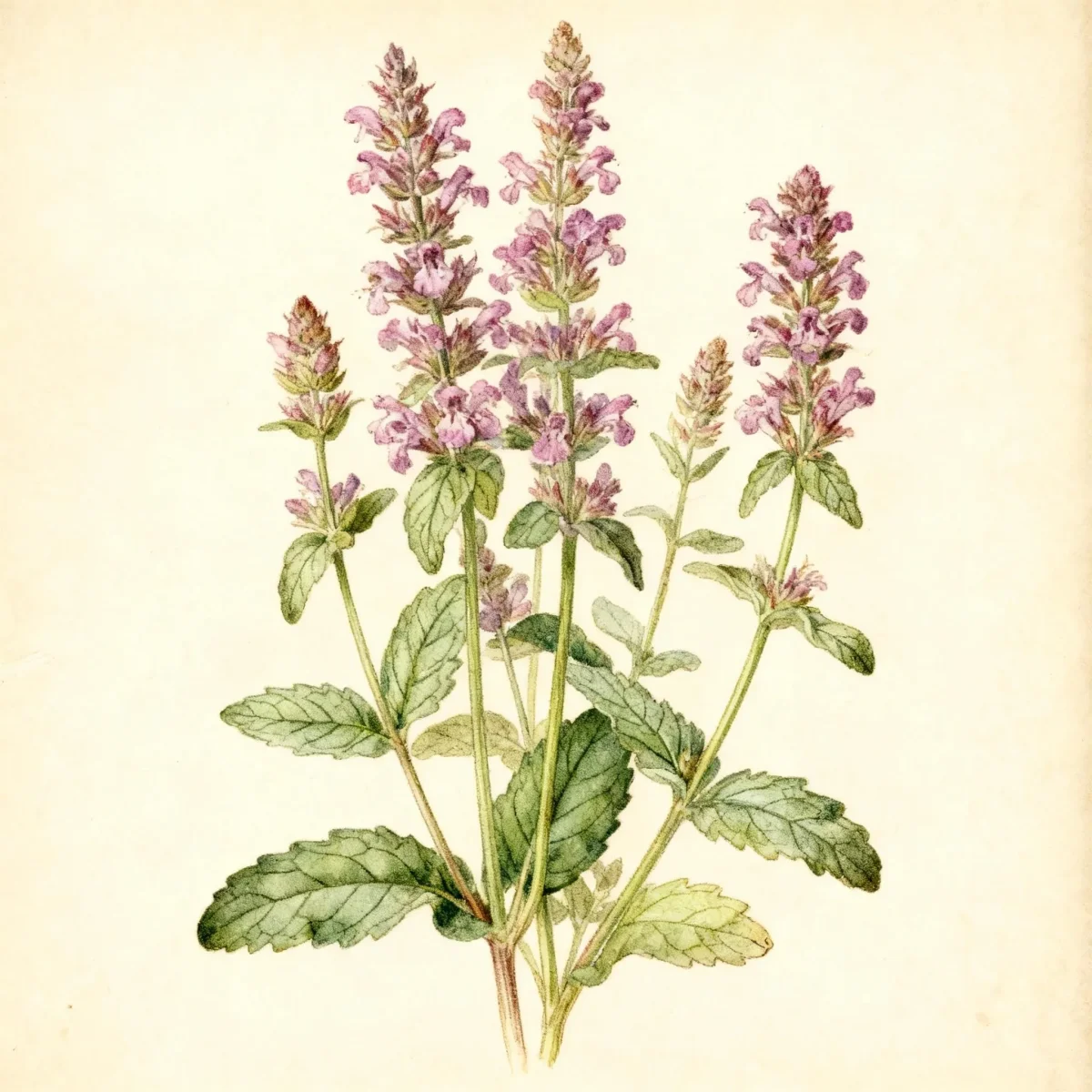
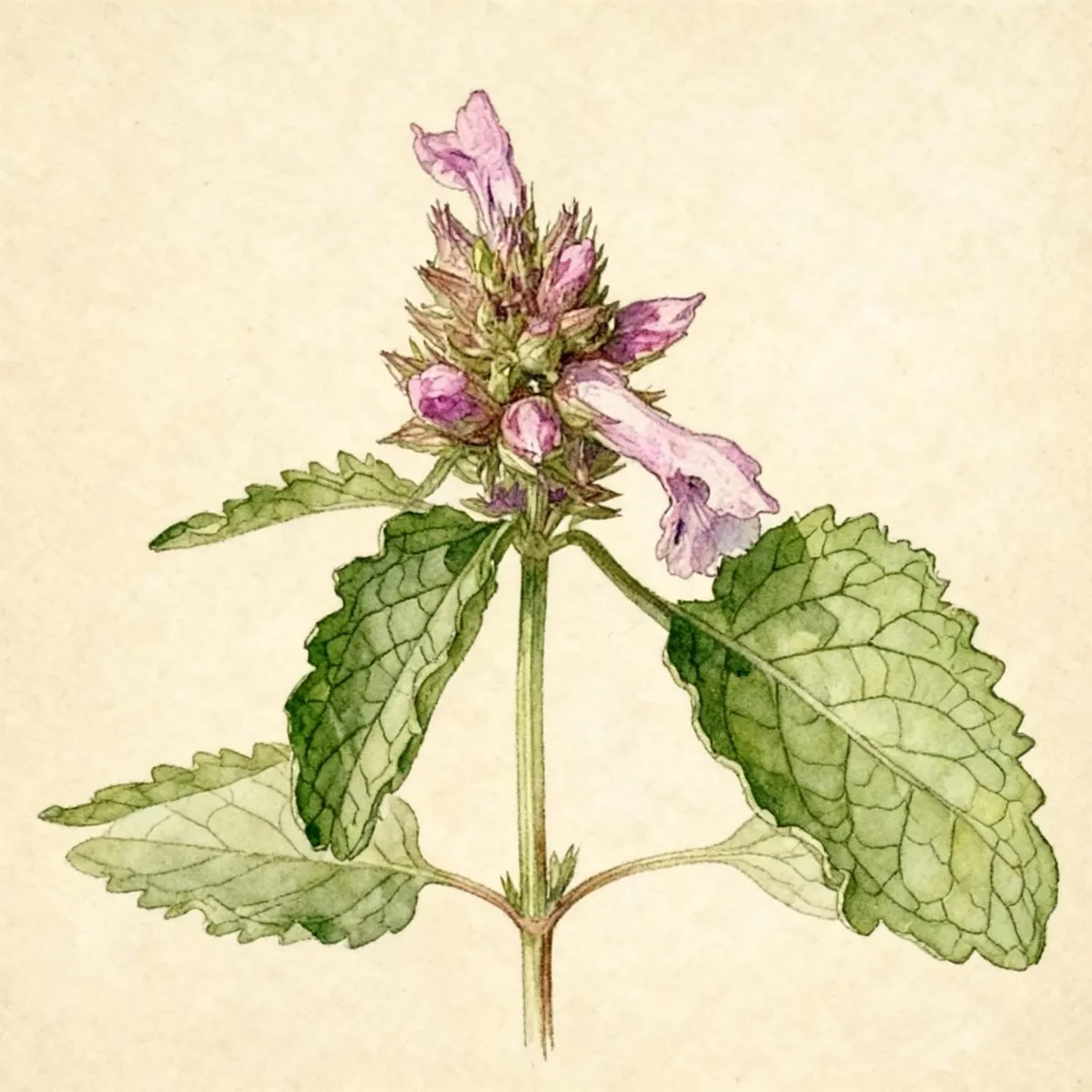
Stachys officinalis is native to Europe and Asia. It is a glabrous to densely-hairy perennial that is noted for its late spring floral display. Wrinkled, scallop-edged, ovate to oblong, petiolate, dark green leaves (to 5” long) form a basal clump to 9-12” tall. Upright flowering stems rise to 12” above the foliage clump in late spring to early summer, each stem topped by a spike of reddish-purple (less frequently pink or white), two-lipped, tubular flowers. Synonymous with Stachys betonica and Betonica officinalis.
Tolerances
- Deer
- Black Walnut
Potential Problems
Gardeners will find that Stachys officinalis subsp. Officinalis generally avoids serious insect or disease issues, making its low maintenance profile very attractive. The primary pests encountered are generally soft-bodied invertebrates. Snails and slugs can occasionally visit, especially in damp or shaded locations, where they may nibble on the tender basal foliage.
Management of snails and slugs involves simple cultural control methods. Ensure good airflow around the plants and avoid overhead watering late in the evening, which keeps foliage damp. If infestations are severe, use slug bait pellets or place protective rings of sharp diatomaceous earth around young plants.
Frequently Asked Questions
What hardiness zones is Stachys officinalis subsp. officinalis suitable for?
Stachys officinalis subsp. Officinalis thrives successfully across USDA Zones 5 through 9, offering reliability across a broad range of climates.
How large does Stachys officinalis subsp. officinalis grow?
This perennial typically reaches a height between 1.5 and 2 feet, spreading outwards to a width of 1 to 1.5 feet as it matures.
When does Stachys officinalis subsp. officinalis bloom?
It produces its desirable deep pink blooms reliably throughout the primary summer months, typically flowering from July straight through to September.
What sun exposure does Stachys officinalis subsp. officinalis need?
This plant requires full sun exposure for the best performance, although it can tolerate a small amount of light afternoon shade in very hot locations.
Conclusion
The ease of care, combined with the spectacular summer interest provided by its flowers, makes Stachys officinalis subsp. Officinalis a steadfast choice for perennial borders. Its deep pink spikes add color late in the season when many other plants are beginning to fade. Evaluate your site conditions against the USDA Zones 5-9 range and plan to plant this wonderful species during springtime for immediate seasonal benefit.
Companion Planting
When designing a perennial bed featuring Stachys officinalis subsp. Officinalis, focus on companions that provide textural contrast while sharing similar cultural needs for medium water and full sun. Plants with fine, airy foliage, such as Ornamental Grasses (e.g., Calamagrostis or Panicum cultivars), pair beautifully with the solid, clumping leaves of the Stachys. Placing white or yellow daisies nearby will enhance the vibrancy of the deep pink flower spikes.
For a classic interpretation of its heritage, incorporate it with other traditional cottage garden mainstays like Lavender or Achillea (Yarrow). These companions often attract similar beneficial insects and handle the occasional drying out established Stachys can endure. Avoid overly aggressive spreading companions that might choke out the basal clump of the Stachys over time.
Seasonal Care Calendar
Spring cleanup is minimal for Stachys officinalis subsp. Officinalis; simply remove any lingering dead foliage from the previous year once new green growth begins to emerge from the crown. Focus watering efforts on establishing consistent moisture during its first season to promote a strong root system that supports the creeping stems.
During the peak bloom in mid-to-late summer, deadheading the faded flower stalks is the most critical task. Cutting spent spikes cleanly encourages secondary blooming, extending your period of deep pink color well into September. If the plant flops or spreads too aggressively, this is also the best time for division, which rejuvenates the clumps.
As autumn approaches, especially in the northern reaches of its range (Zone 5), you can leave the foliage intact over winter for added protection. Minimal fuss is needed once the ground freezes; this low-maintenance perennial is prepared to emerge again robustly the following spring, provided its soil drains adequately.