Common witch hazel (Hamamelis virginiana 'Little Suzie')
Hamamelis virginiana 'Little Suzie' offers compact size and late fall/early winter yellow blooms. Low maintenance Common witch hazel for all gardens.
Scroll down to discover growing tips, care requirements, companion plants, and more
Complete Plant Information
Overview
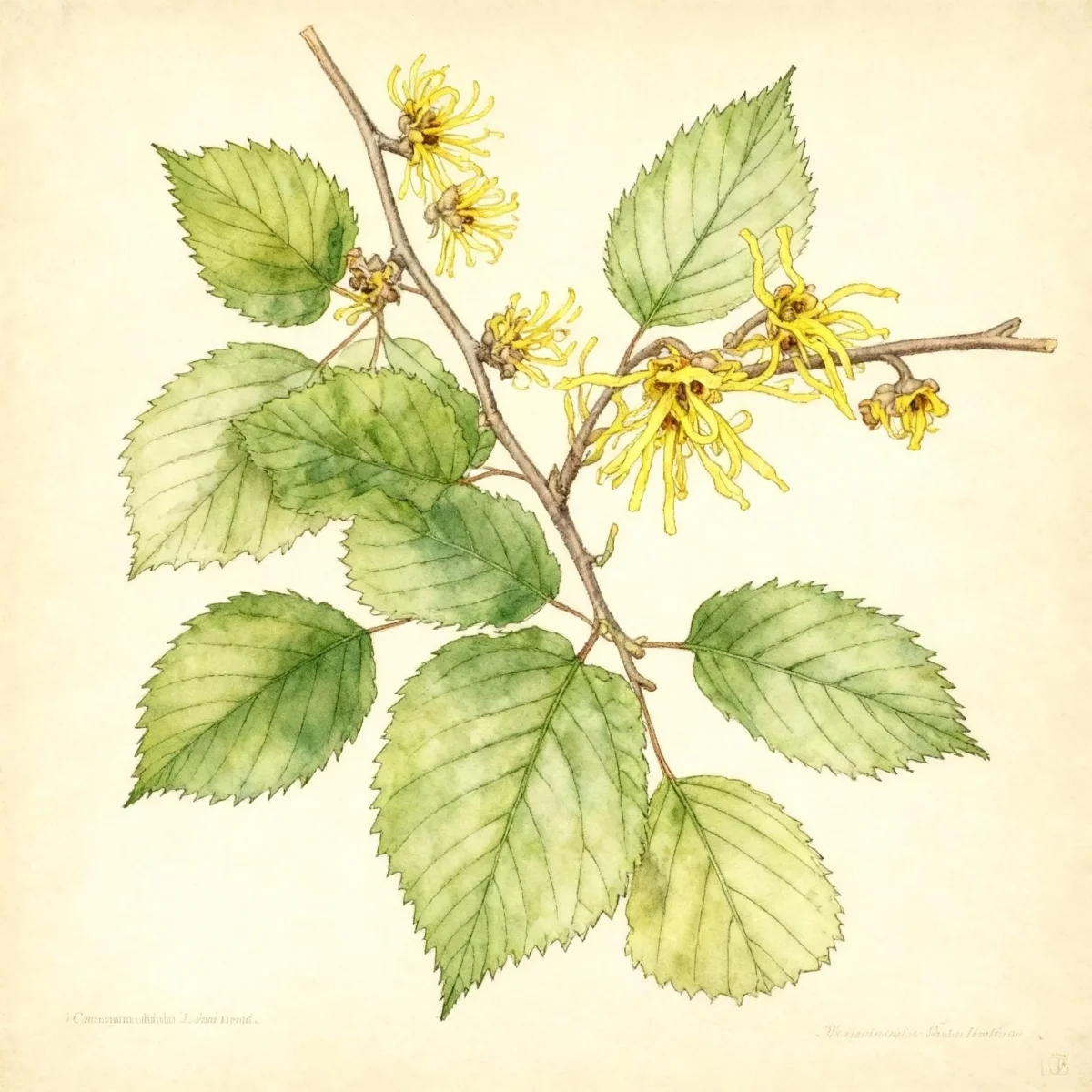
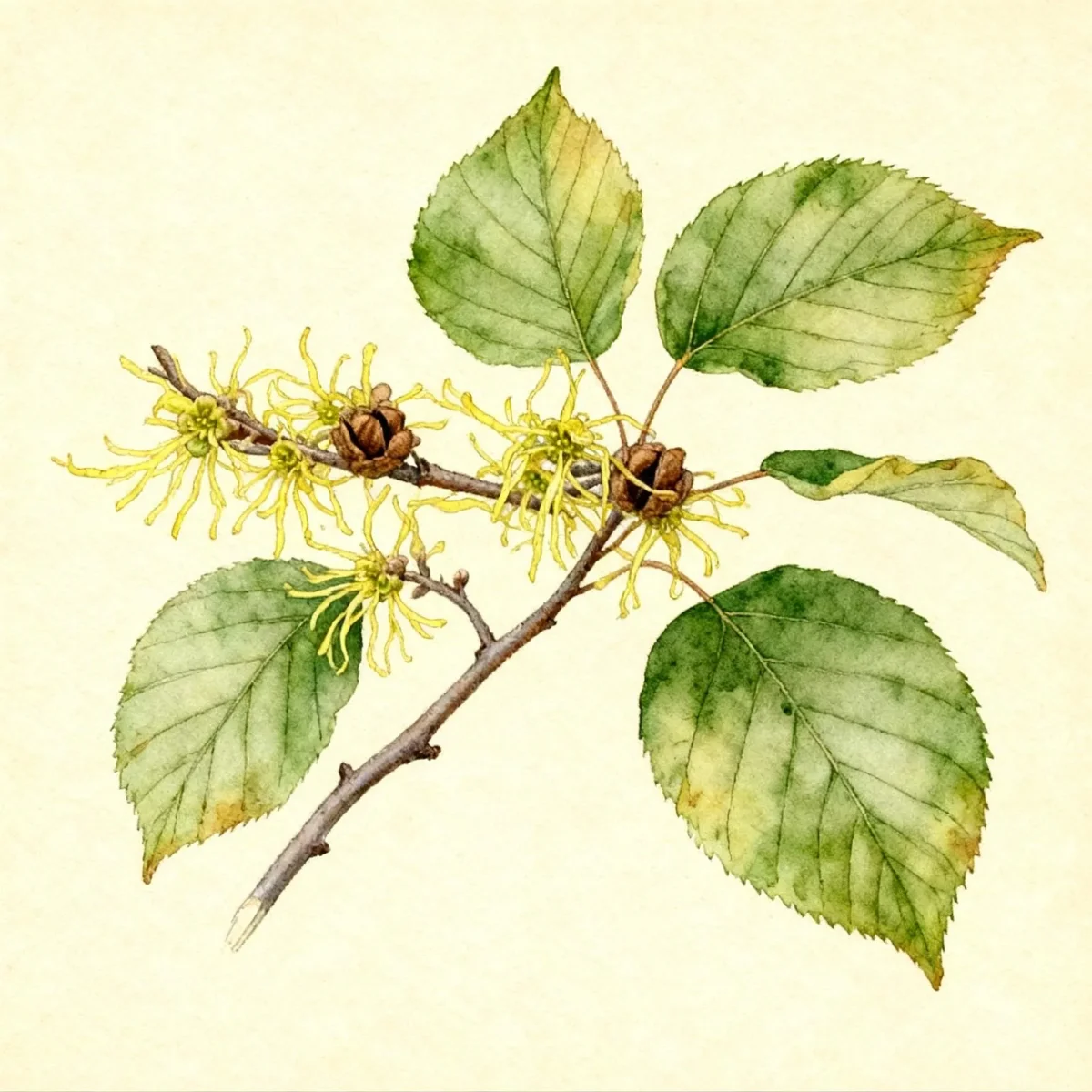
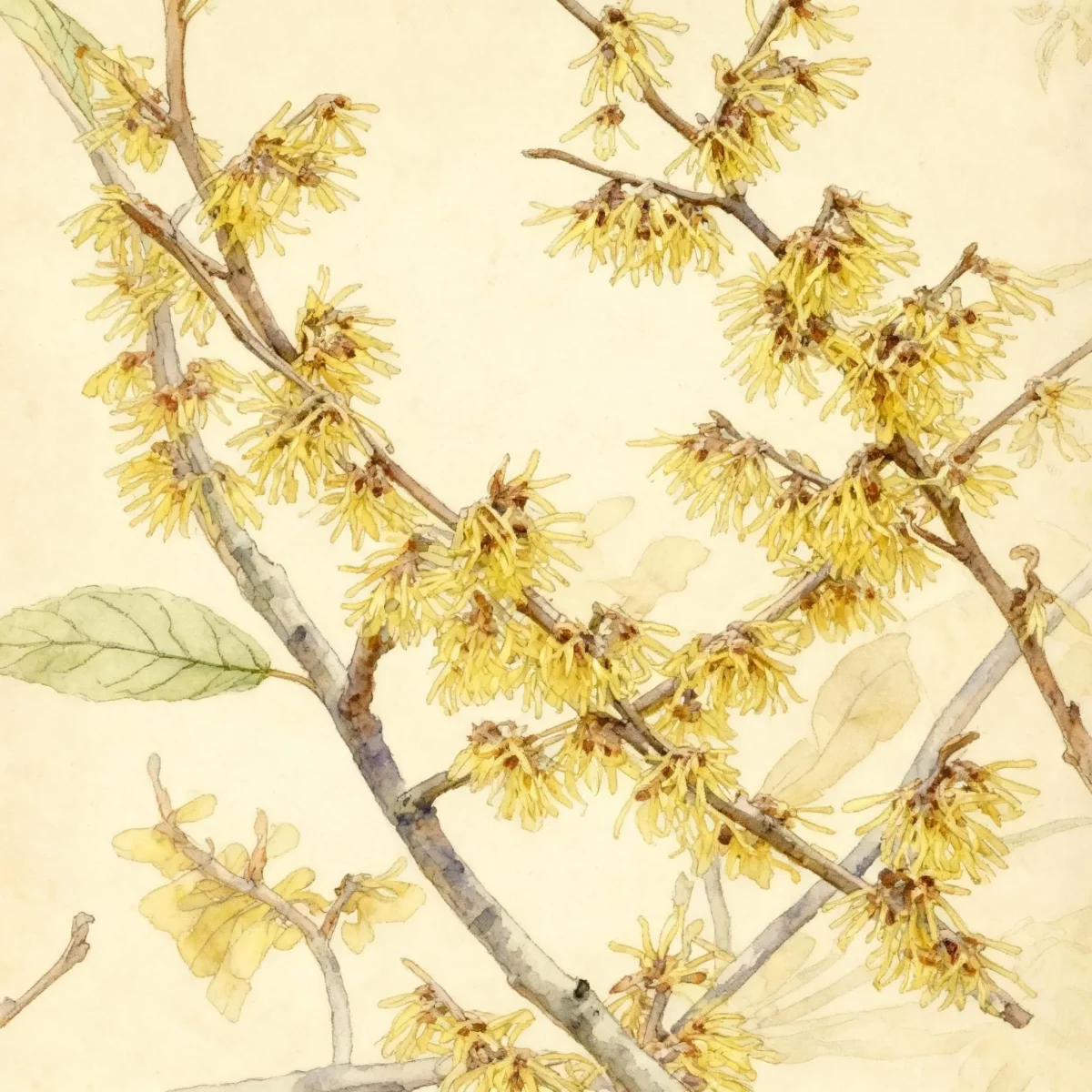
Hamamelis virginiana ‘Little Suzie’ is a highly valued cultivar of the Common witch hazel, prized for bringing welcomed bursts of color late in the season when most plants are fading. This compact deciduous shrub delivers clusters of crinkly, intensely fragrant, soft yellow flowers along the branches from late fall into early winter. Unlike many larger specimens, Hamamelis virginiana ‘Little Suzie’ maintains a neat, manageable size perfect for smaller landscapes or defined borders.
As the last native flowering plants to bloom in many regions, this variety offers crucial late-season interest, frequently showing blooms after the leaves have already turned butter yellow. Its low-maintenance needs combined with its tolerance for challenging soils make it a reliable anchor plant. Gardeners appreciate the unique spectacle of a woody plant producing both vibrant blooms and noticeable fall color.
This specific introduction, ‘Little Suzie,’ was selected for its deliberately smaller stature, ensuring the gardener receives all the benefits of the Common witch hazel without the towering size of the typical species. Consider this refined cultivar for dependable late-season structure and fragrance.
Fast Facts
- Plant Family: Hamamelidaceae
- Plant Type: Deciduous shrub
- Hardiness Zones: USDA Zones 3-8
- Size at Maturity:
- Height: 4-5 ft
- Spread: 4-5 ft
- Bloom Time: October to December
- Bloom Description: Yellow
- Sun Exposure: Full sun to part shade
- Water Needs: Medium
- Maintenance Level: Low
How to Grow
The best time to plant Hamamelis virginiana ‘Little Suzie’ is in the fall or early spring, ensuring the root system has time to establish before extreme weather. Aim for a location receiving full sun for the best flowering performance, though it tolerates part shade. This shrub thrives in average, medium moisture, well-drained soils, but it also exhibits excellent adaptability, preferring moist, organically rich, slightly acidic conditions.
Watering should be consistent, especially during dry spells in the first couple of years, as medium water needs should be met for optimal establishment. Little pruning is required for this naturally dense cultivar. If pruning is necessary—perhaps to maintain its compact form or remove broken branches—do so in early spring before new growth begins.
A key care consideration for all witch hazels is managing potential colonial spread; promptly remove any suckers appearing outside the desired perimeter to maintain the defined shape of your Hamamelis virginiana ‘Little Suzie.’ It tolerates the challenge of heavy clay soils well, adding to its practical value in diverse garden situations.
Landscape Uses
The reliable, compact size of Hamamelis virginiana ‘Little Suzie’ makes it exceptionally versatile in landscape design. It performs superbly when massed together to create an informal hedge, providing structural interest and late-season color where deciduous screens are needed. Furthermore, its tolerance makes it a candidate for naturalizing in woodland edges or stream banks, emulating its native habitat.
For designed spaces, utilize this Common witch hazel in shrub borders, where its yellow flowers contrast beautifully with evergreen foundations planted behind it. It is also an excellent inclusion for rain gardens due to its ability to utilize medium moisture levels and its deep root structure which aids in erosion control. Planting it near walkways ensures garden visitors can easily appreciate the delicate, spicy fragrance of the unusual winter blooms.
Standout Features
Flower Qualities
- Showy
- Fragrant
Noteworthy Characteristics
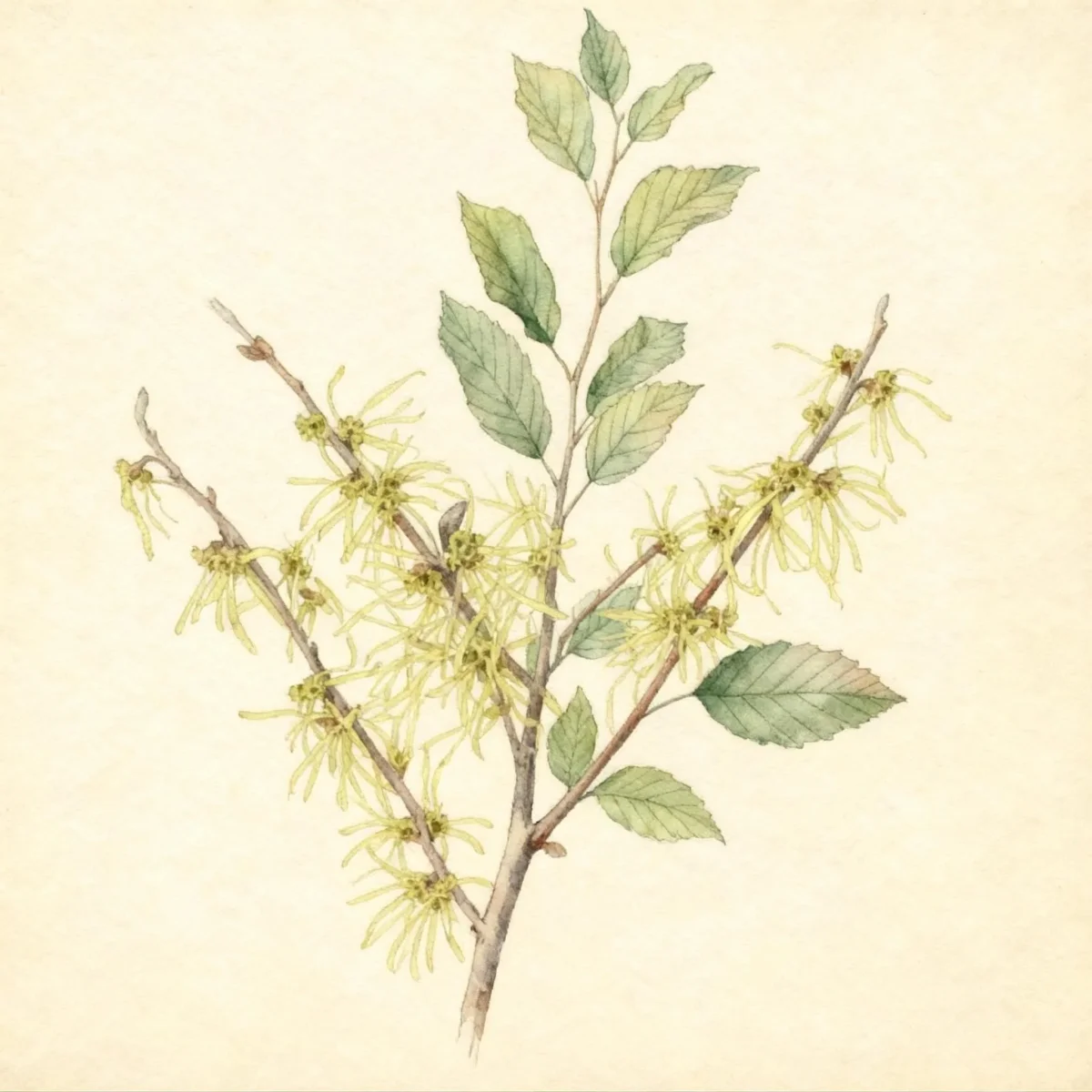
Hamamelis virginiana, known as common witch hazel, is a fall-blooming, deciduous shrub or small tree native to eastern North American woodlands. ‘Little Suzie’ was specifically selected for its compact size, growing only 4 to 5 ft tall and wide, and flowers prolifically at an early age with branches densely covered in fragrant soft yellow flowers in late fall to early winter. Its oval leaves turn a lovely butter yellow color in the fall, providing visual appeal just before or concurrently with the unique blooming period.
Tolerances
- Deer
- Erosion
- Clay Soil
Potential Problems
Insect issues affecting Hamamelis virginiana ‘Little Suzie’ are usually minor and rarely necessitate chemical intervention. Look out for caterpillars or Japanese beetles that might chew on the foliage during the primary growing months. Other occasional pests include gall aphids, scale insects, leafrollers, and leafminers, which generally cause more cosmetic damage than actual harm to the plant’s health.
Potential diseases are usually limited to powdery mildew, especially in areas with poor air circulation, and occasional leaf spots. Managing these issues involves ensuring proper spacing for good airflow and keeping the plant healthy overall by meeting its medium water needs. Because maintenance is characteristically low, most gardeners can simply monitor for significant infestations and remove affected leaves by hand.
Frequently Asked Questions
What hardiness zones is Common witch hazel suitable for?
Hamamelis virginiana ‘Little Suzie’ thrives across a wide range, suitable for USDA Zones 3 through 8.
How large does Hamamelis virginiana ‘Little Suzie’ grow?
This compact cultivar is intentionally smaller than the species, typically reaching a height and spread between 4 to 5 feet at maturity.
What sun exposure does Common witch hazel need?
For the best display of its signature yellow flowers, Hamamelis virginiana ‘Little Suzie’ requires full sun, though it will adapt to a location receiving part shade.
When does Common witch hazel bloom?
This beautiful shrub flowers quite late in the season, blooming reliably from October right through December.
Conclusion
The compact Hamamelis virginiana ‘Little Suzie’ offers an unparalleled four-season interest, delivering fragrance and yellow flowers when few other shrubs perform. Its resilience, especially concerning clay soil and deer pressure, makes this Common witch hazel an expert choice for reliable, low-maintenance gardening. Check your local hardiness zone suitability and plan to plant this exceptional shrub in the fall or early spring to maximize its establishment success.
Companion Planting
When designing borders utilizing Hamamelis virginiana ‘Little Suzie,’ consider pairing it with plants that offer contrasting textures or blooms during the late fall and winter months. Evergreens like Dwarf Mugo Pine or certain upright hollies provide a deep green backdrop that makes the pale yellow flowers of the witch hazel pop. Since the witch hazel prefers moist, acidic soil, companion plants such as Azaleas, Rhododendrons, or native ferns that share these cultural needs will create a harmonious planting scheme. Avoid planting high-nitrogen feeders too closely, as this can sometimes encourage excessive vegetative growth over flowering.
Seasonal Care Calendar
For success with your Hamamelis virginiana ‘Little Suzie,’ structure your routine around its unique bloom time. In early spring, after the danger of hard frost but before major leafing begins, inspect the plant for any winter injury or dead wood and make any necessary pruning adjustments. Throughout the summer, ensure consistent medium watering, especially if rainfall is scarce, mulching well to retain soil moisture and moderate soil temperature. Fall is the time to admire its leaf color change to butter yellow, followed immediately by the anticipated slow emergence of its winter flowers. Minimal winter preparation is usually needed in its hardy zones, other than ensuring it is adequately watered before the ground freezes hard.