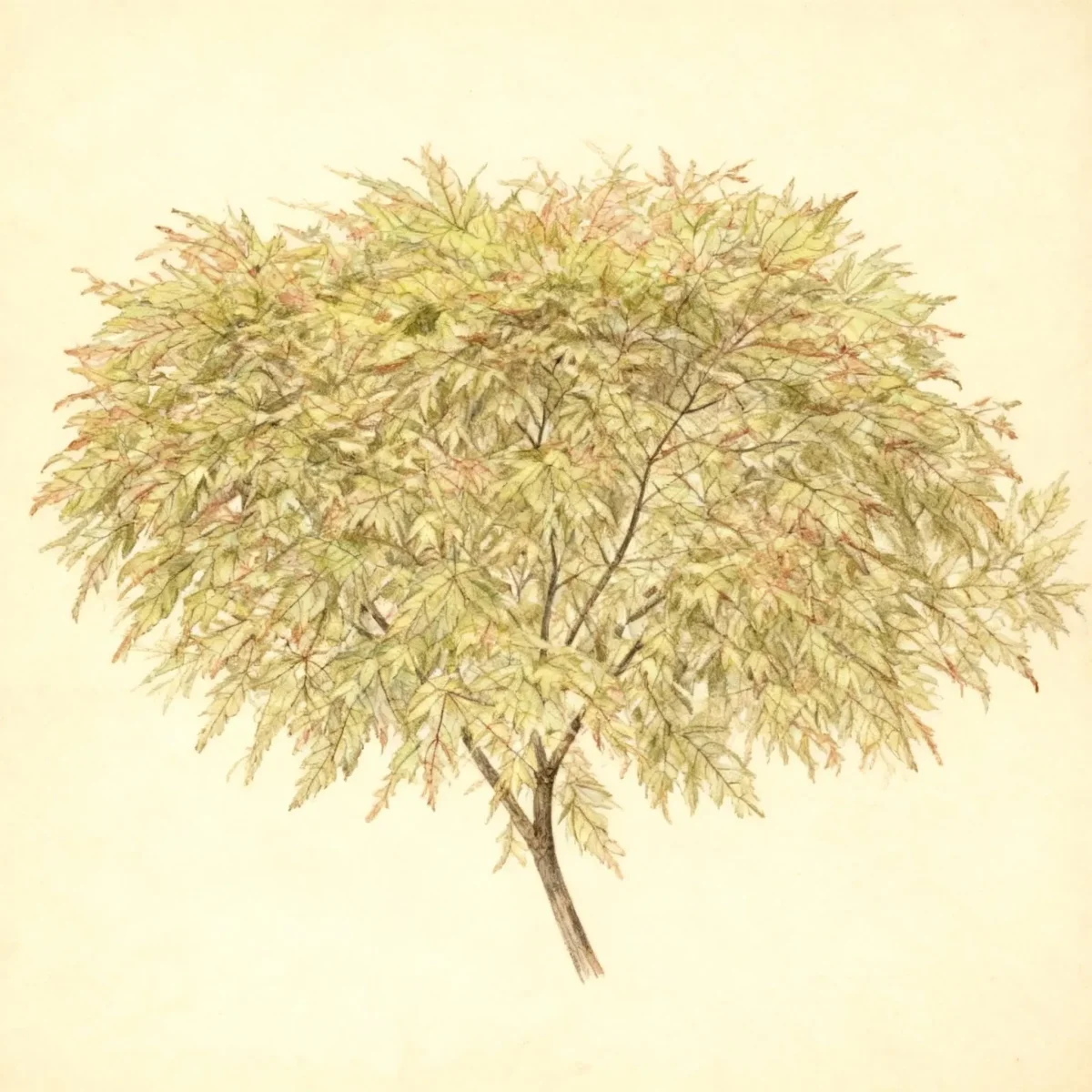
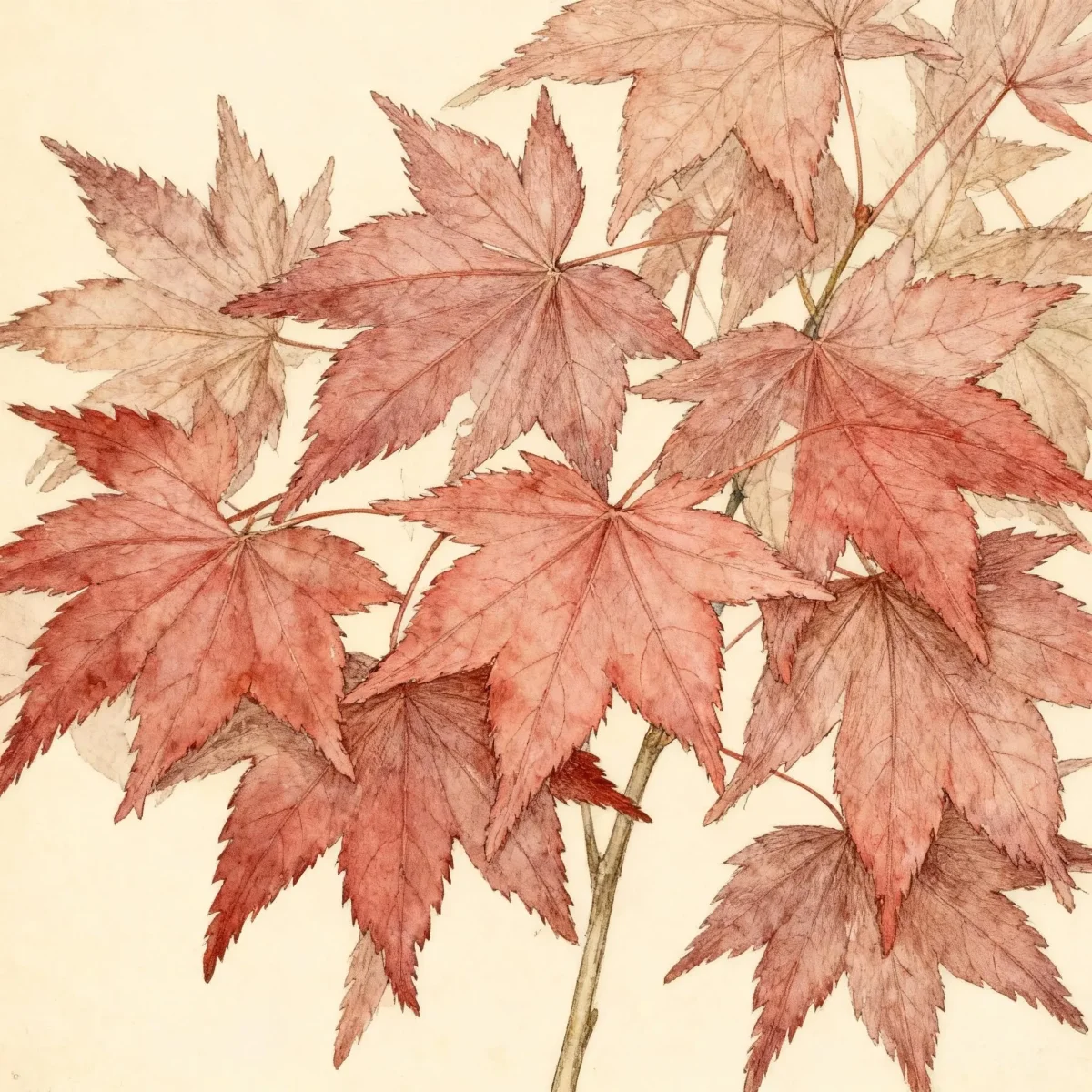
Ohio buckeye (Aesculus glabra 'Nana')
Aesculus glabra 'Nana' is a compact Ohio buckeye shrub, perfect for rain gardens, providing showy, fragrant spring blooms.
Scroll down to discover growing tips, care requirements, companion plants, and more
Complete Plant Information
Overview
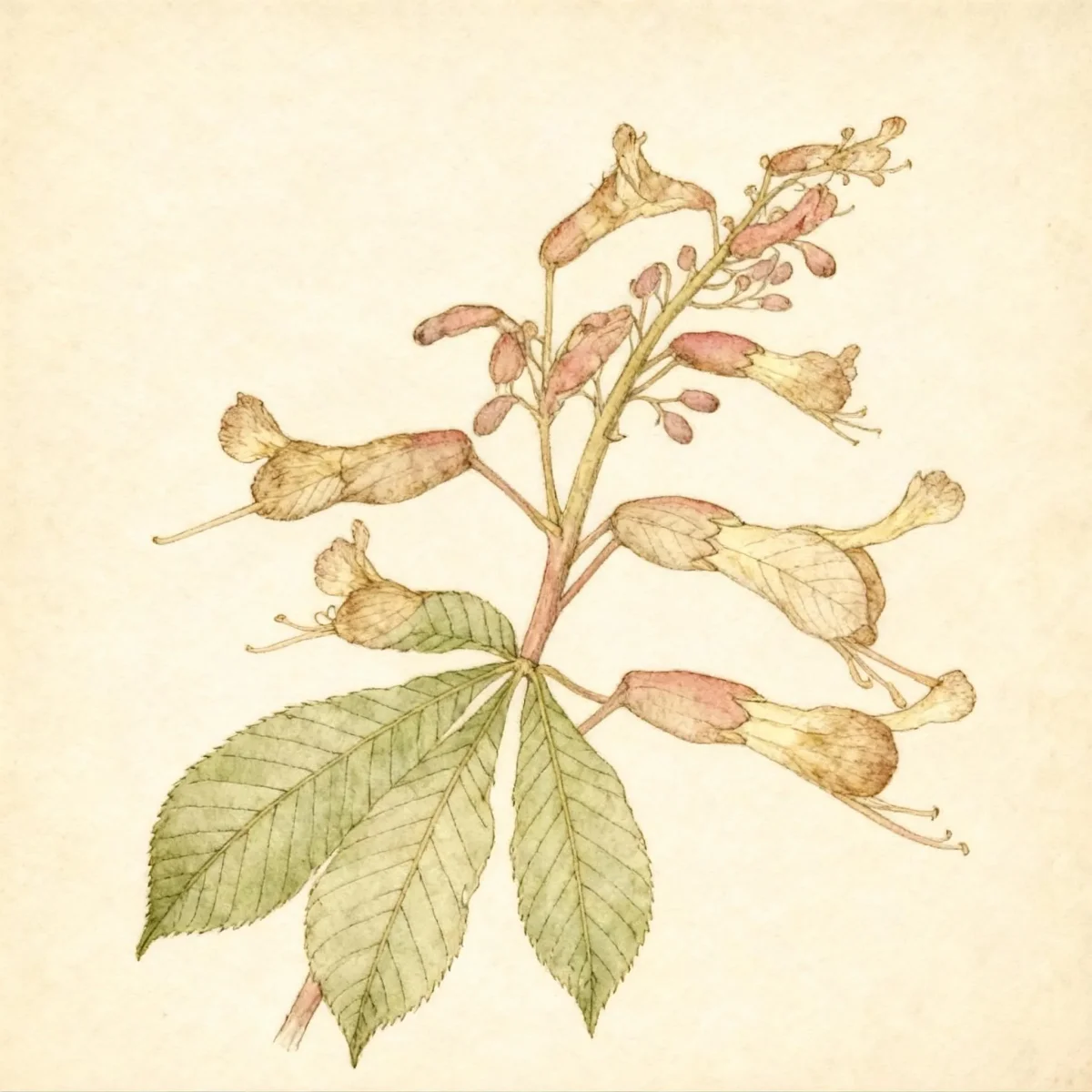
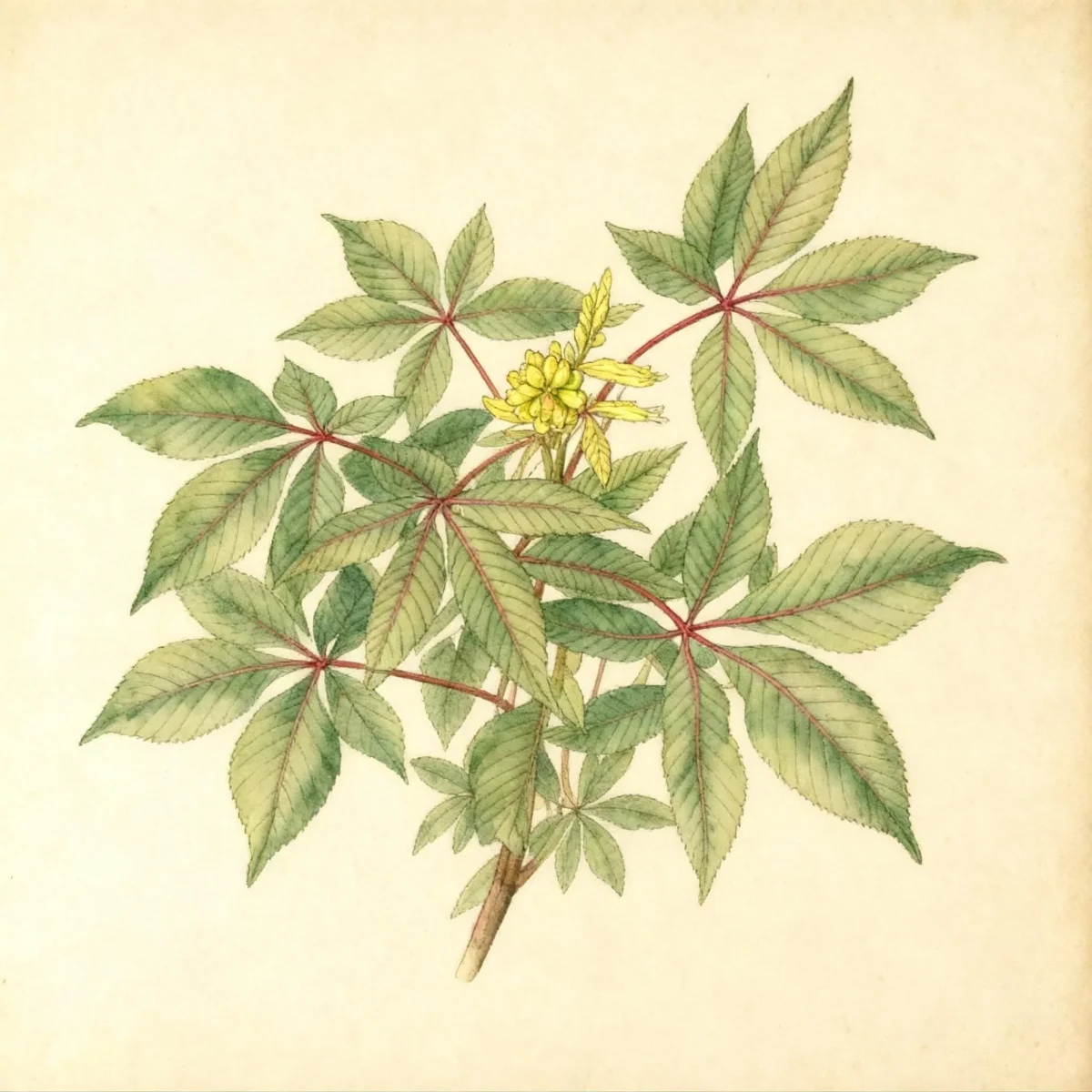
The Aesculus glabra ‘Nana’, commonly known as the dwarf Ohio buckeye, offers the striking presence of its larger tree cousin in a convenient, manageable shrub size. This cultivar is highly valued for its compact, rounded form, reaching only 4 to 6 feet tall, making it an excellent specimen for smaller landscapes requiring structure. Gardeners appreciate the bright green, palmately compound leaves that emerge beautifully in spring, providing excellent summer texture.
This deciduous shrub delivers a multi-season interest, starting with its showy, fragrant greenish-yellow flowers in mid-spring. Following the bloom, the familiar buckeye fruit appears, encased in a spiny husk, adding further visual appeal before the foliage transforms into shades of yellow, orange, and red in the fall. The Aesculus glabra ‘Nana’ successfully brings native structure to controlled settings.
While generally robust, gardeners should be mindful of its moderate care requirements, particularly regarding potential leaf diseases. Successfully grown, this Ohio buckeye cultivar fulfills roles in rain gardens or as structural elements where its 4 to 6-foot stature creates a defined focal point.
Fast Facts
- Plant Family: Sapindaceae
- Plant Type: Deciduous shrub
- Hardiness Zones: USDA Zones 5-9
- Size at Maturity:
- Height: 4-6 ft
- Spread: 4-6 ft
- Bloom Time: April to May
- Bloom Description: Greenish-yellow
- Sun Exposure: Full sun to part shade
- Water Needs: Medium
- Maintenance Level: Medium
How to Grow
Planting the Aesculus glabra ‘Nana’ is best accomplished in spring or fall, allowing the root system time to establish before summer heat sets in. Choose a location that receives full sun or tolerates light afternoon shade. Successful cultivation hinges on well-drained soil; this Ohio buckeye cultivar dislikes consistently waterlogged conditions, even when used in a rain garden setting, as excellent drainage prevents root suffocation.
Once established, the Aesculus glabra ‘Nana’ requires only medium water, meaning regular deep watering during initial establishment and during extended dry periods. Fertilization is usually unnecessary if the soil is reasonably fertile. Pruning should focus on shaping or removing dead or damaged wood; avoid heavy pruning, as this can encourage disease susceptibility.
A critical aspect of care involves managing potential foliar issues that commonly affect the species. Proactive cultural care, such as ensuring good air circulation, can mitigate some risks. In late fall, rake up and dispose of fallen leaves promptly to reduce fungal spores overwintering on the ground beneath the shrub.
Landscape Uses
The unique attribute of the Aesculus glabra ‘Nana’ is its ability to offer the visual weight of a buckeye tree in a compact shrub form, ideally suited for integration into rain gardens due to its moderate water needs. Its dense, rounded habit makes it excellent for structuring perennial borders or softening structural corners in the landscape without overtaking the space.
Because of its height (4 to 6 ft) and spread (4 to 6 ft), this dwarf Ohio buckeye functions excellently as a specimen plant where smaller scale is needed, or as a naturalistic backdrop for lower-growing flowering plants that appreciate filtered light. Consider pairing it with shrubs that offer deep green foliage through summer to contrast the palmate leaves of the Aesculus glabra ‘Nana’.
This adaptable shrub is recommended specifically in landscapes where the severity of leaf blotch is less of a concern, allowing gardeners to fully appreciate its dense structure and seasonal color shifts, particularly the bright orange fall hue.
Standout Features
Flower Qualities
- Showy
- Fragrant
Fruit Qualities
- Showy
Noteworthy Characteristics
The Aesculus glabra ‘Nana’ is a rare dwarf form of the Ohio buckeye, specifically noted for growing only 4 to 6 feet tall and wide. While maintaining the typical palmately compound leaves of the species, this cultivar often displays bright fall coloration, turning yellow to red-brown, usually reaching a pumpkin orange shade, though it tends to defoliate early in the fall season.
Tolerances
- Rabbit
Potential Problems
Leaf blotch represents a significant potential problem for the Ohio buckeye and its cultivars, manifesting as dark spots on the leaves. Powdery mildew and anthracnose are also frequent fungal threats, particularly in humid conditions or when air circulation is poor. To manage these issues, ensure the planting site has adequate airflow and promptly remove infected debris.
Insect pests to monitor include bagworms, Japanese beetles, and borers, which can cause structural damage or aesthetic decline. Additionally, this species can suffer from leaf scorch, characterized by brown, crispy edges, especially when subjected to drought stress or high winds during hot weather. Consistent, deep watering during summer limits scorch potential.
Frequently Asked Questions
What hardiness zones is Ohio buckeye (Aesculus glabra ‘Nana’) suitable for?
The Ohio buckeye is reliably hardy in USDA Zones 5 through 9, offering flexibility across a wide range of climates.
How large does Aesculus glabra ‘Nana’ grow?
This dwarf cultivar maintains a manageable size, typically reaching heights and spreads between 4 and 6 feet at maturity.
When does Aesculus glabra ‘Nana’ bloom?
Bloom time for the Aesculus glabra ‘Nana’ occurs in mid-spring, specifically from April to May, presenting clusters of greenish-yellow flowers.
What sun exposure does Ohio buckeye need?
This Ohio buckeye performs well in sites receiving full sun or partial shade, offering flexibility in landscape planning.
Conclusion
The Aesculus glabra ‘Nana’ is an invaluable addition for gardeners seeking a durable, compact structure with native appeal, offering fragrant spring flowers and attractive fall foliage. By understanding its needs regarding drainage and monitoring for foliar diseases, you can successfully establish this dwarf Ohio buckeye in your space. Check your local hardiness zone compatibility and plan your planting during the cooler, recommended seasons to ensure the best establishment for your Aesculus glabra ‘Nana’.
Companion Planting
When integrating the Aesculus glabra ‘Nana’ into a layered garden design, selecting appropriate companions helps manage moisture and contrast foliage textures. Since this shrub prefers medium water and good drainage, pair it with plants that share similar needs rather than moisture-loving bog plants. Consider using low-mounding perennials like Hostas (in shadier spots) or Heuchera to provide ground cover beneath the canopy without competing aggressively for root space.
For sunny locations within a rain garden scheme, robust, drought-tolerant prairie natives that handle sun but prefer occasional moisture, such as certain Rudbeckia or Echinacea varieties, can complement the texture of the buckeye leaves. The upright habit of the shrub provides vertical interest, while the lower mounds help define the edge of the planting area.
Seasonal Care Calendar
Spring preparation involves a light grooming session to remove any remaining winter debris and inspect the emerging leaves for early signs of fungal activity; employ good sanitation practices by removing old foliage immediately. Summer care centers almost entirely on ensuring consistent, deep watering during dry spells, especially when the Ohio buckeye is young or situated in full sun. During late summer or early fall, monitor for pest signs like Japanese beetles, applying targeted treatments if necessary to protect the remaining foliage.