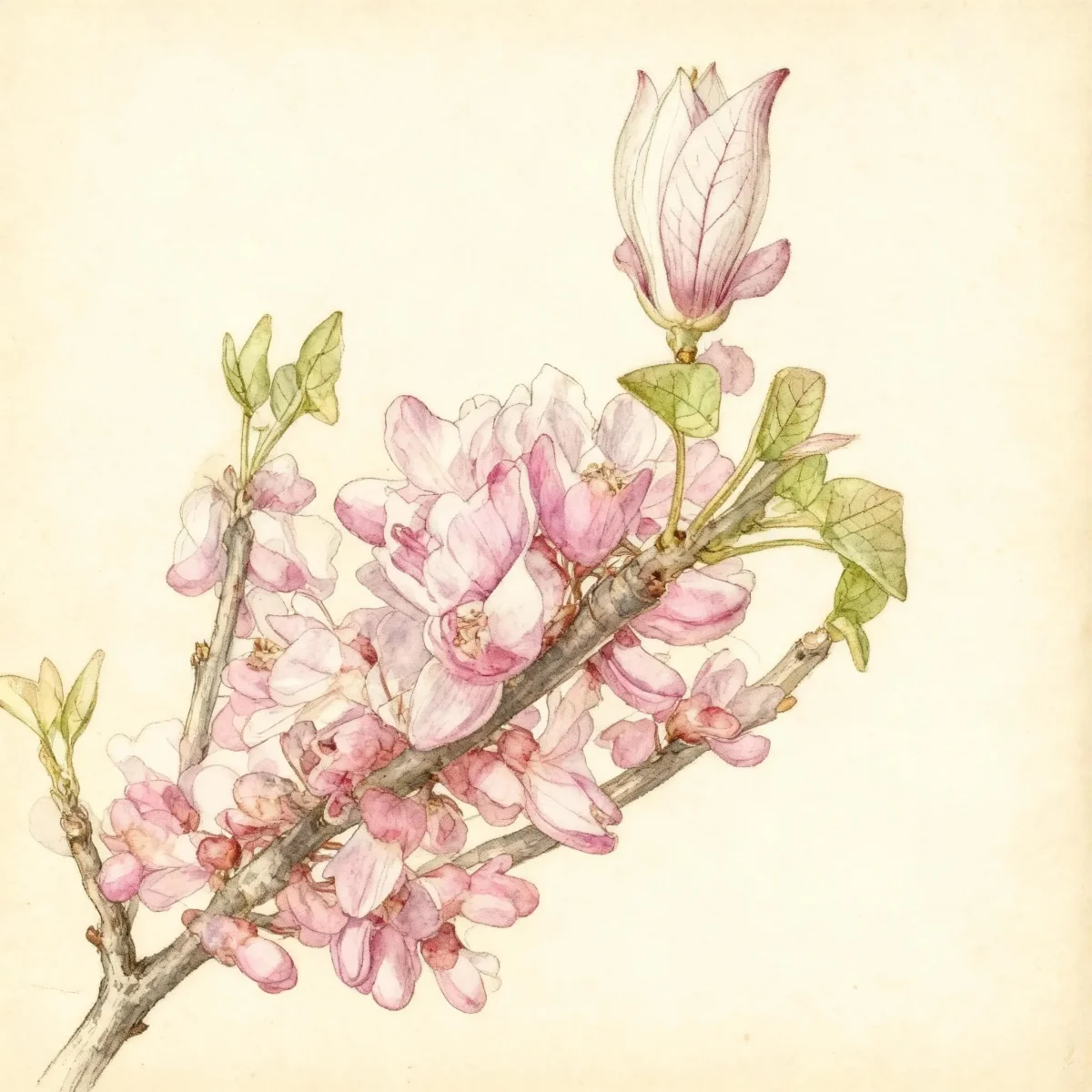
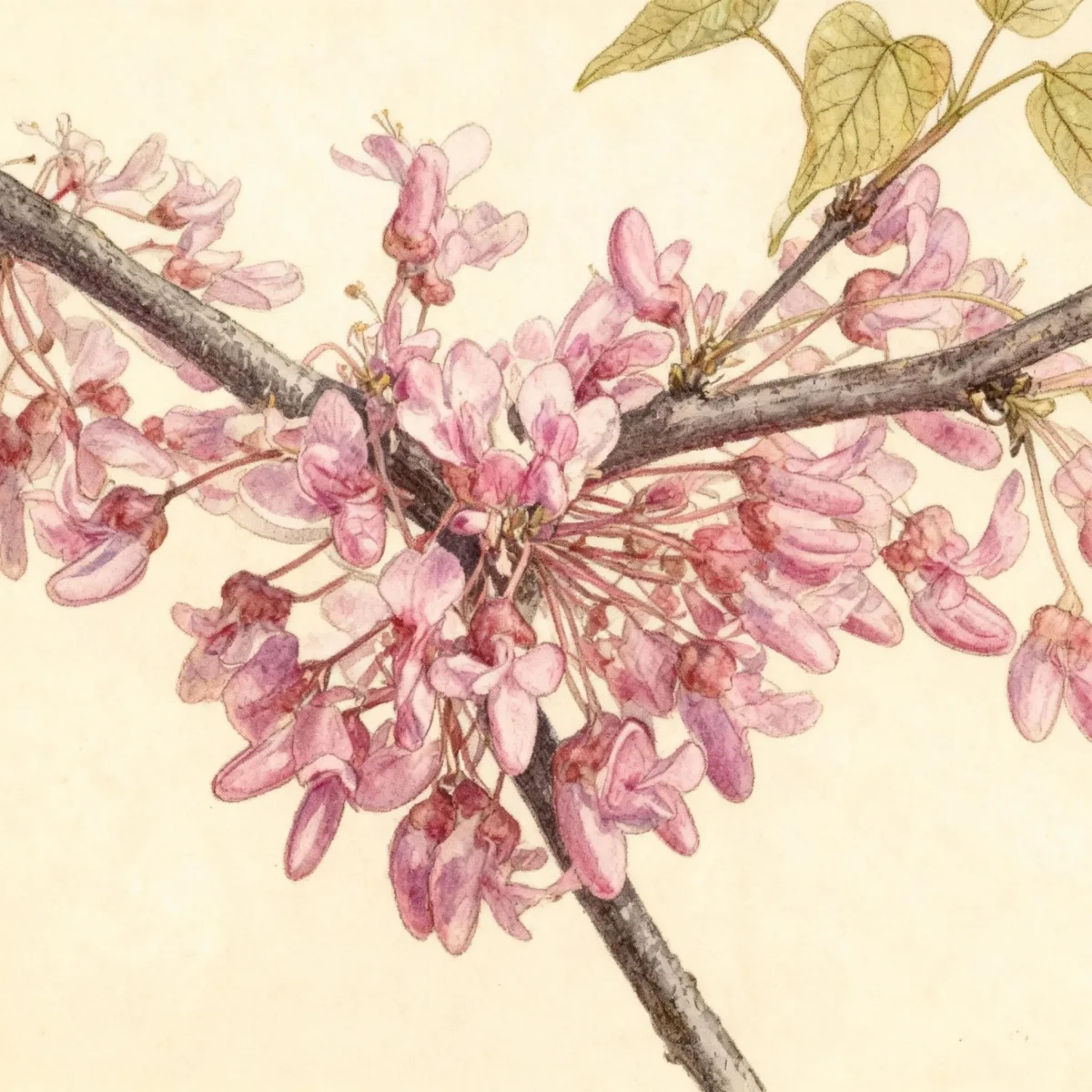
Mimosa (Albizia julibrissin 'Summer Chocolate')
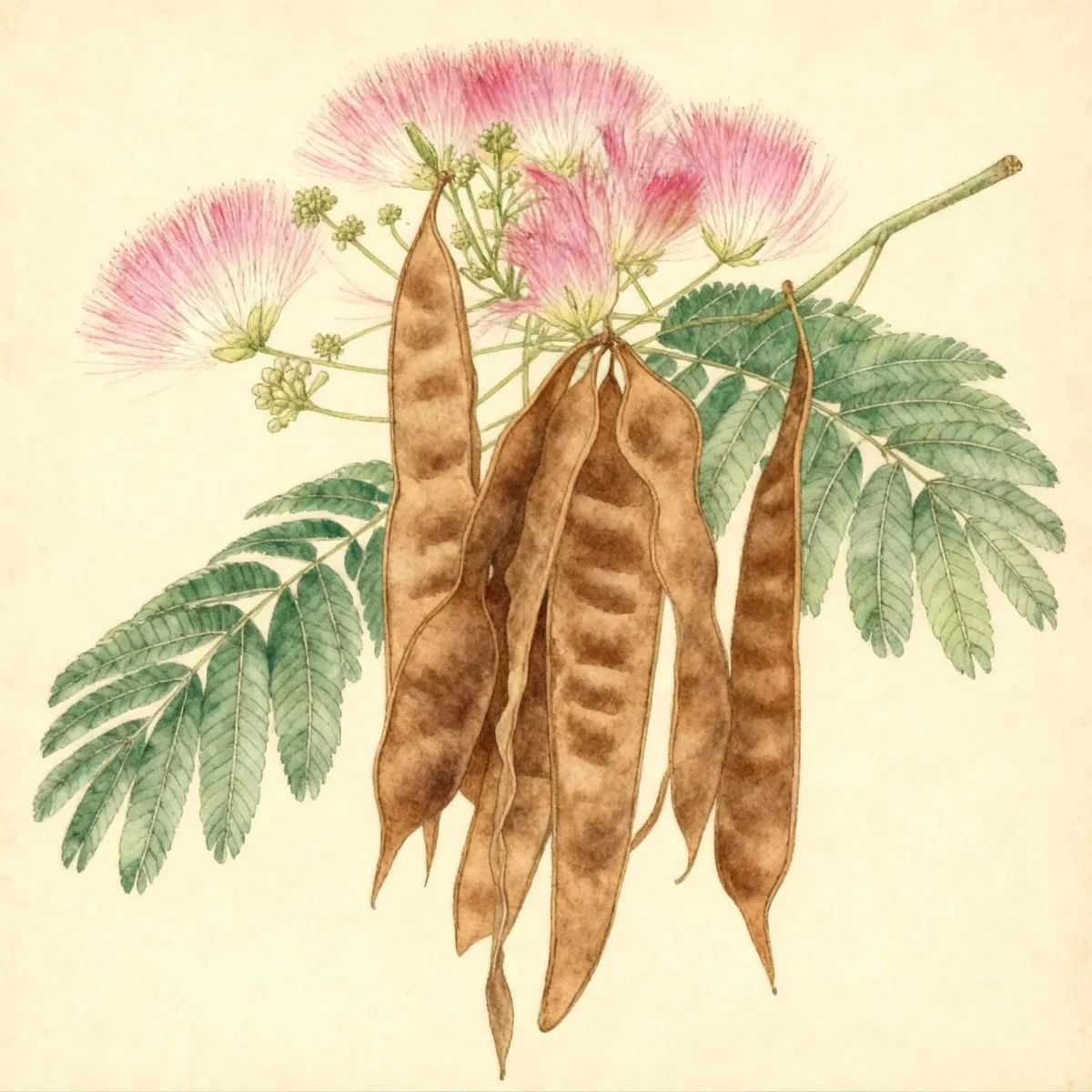
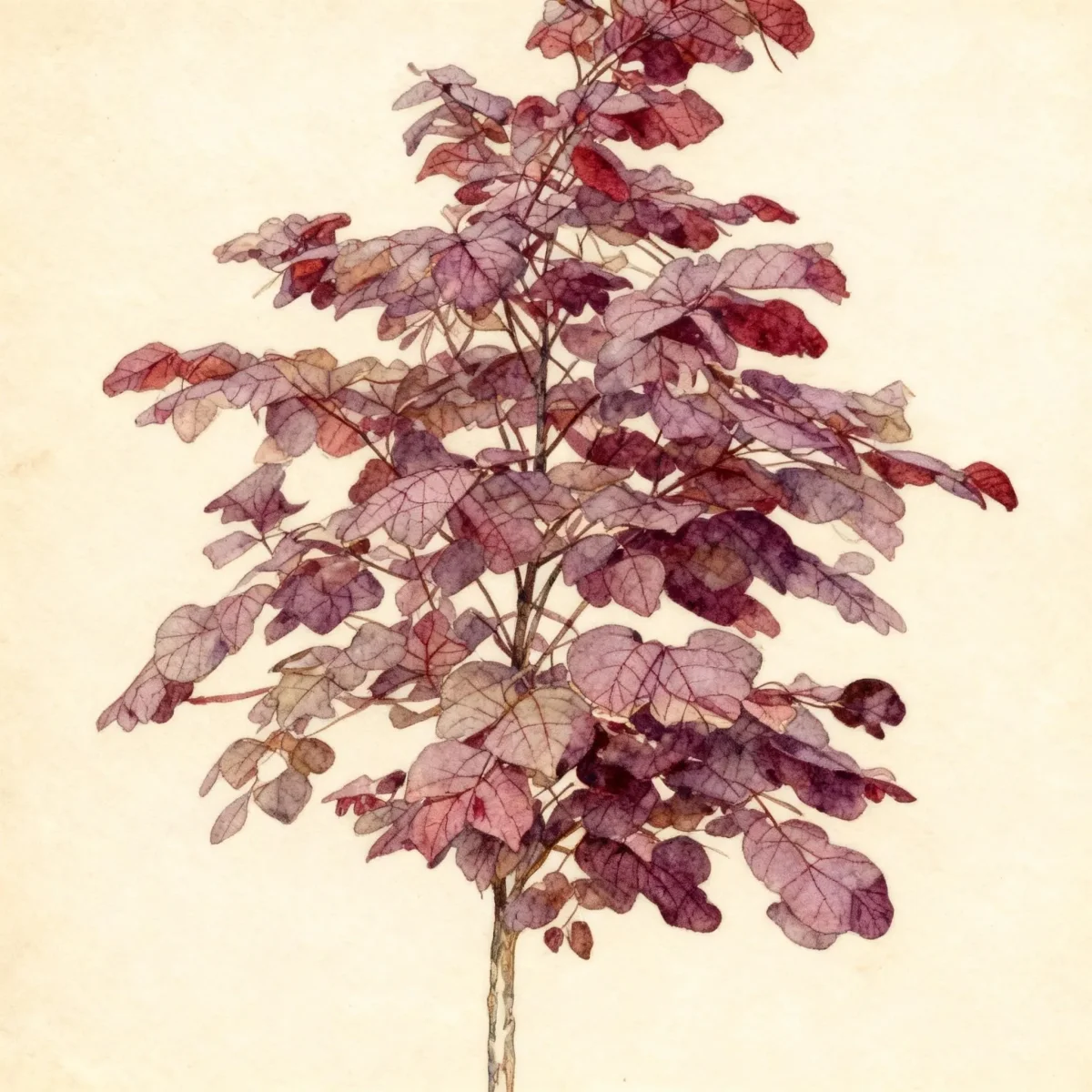
Albizia julibrissin 'Summer Chocolate' is a striking Mimosa tree featuring deep burgundy foliage and fragrant pink blooms.
Scroll down to discover growing tips, care requirements, companion plants, and more
Complete Plant Information
Overview
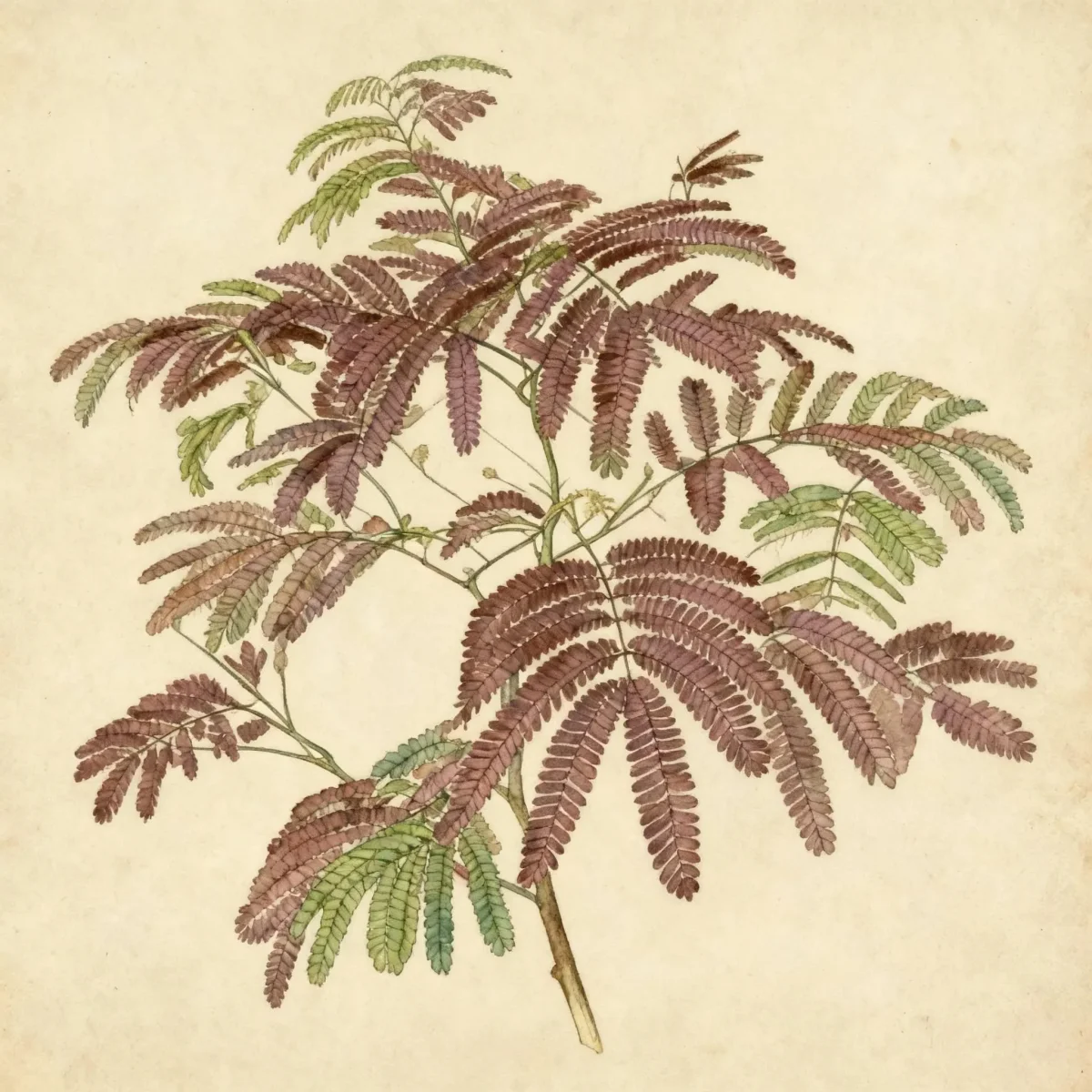
The Albizia julibrissin ‘Summer Chocolate’ is a visually dramatic cultivar prized for its unique, deep burgundy mature foliage, contrasting beautifully with its standard pink and white Mimosa flowers. As a fast-growing, deciduous tree, it quickly establishes an airy, umbrella-like crown, providing dappled shade during the hot summer months. Gardeners select this specific Mimosa for its strong ornamental impact, even though it requires high maintenance due to potential pest and disease issues.
This Silk Tree, native to Asia, thrives in heat and tolerates diverse soil conditions, making it a noteworthy choice for warmer climates within its established hardiness range. While it is celebrated for its long bloom period spanning June and July, prospective growers must consider its potential for invasiveness and susceptibility to certain problems, like wilt. The distinct, fern-like leaves of Albizia julibrissin ‘Summer Chocolate’ ensure season-long visual interest before they drop without providing autumn color.
Fast Facts
- Plant Family: Fabaceae
- Plant Type: Tree
- Hardiness Zones: USDA Zones 6-9
- Size at Maturity:
- Height: 20-40 ft
- Spread: 20-50 ft
- Bloom Time: June to July
- Bloom Description: Pink
- Sun Exposure: Full sun to part shade
- Water Needs: Medium
- Maintenance Level: High
How to Grow
Planting the Albizia julibrissin ‘Summer Chocolate’ is best done in spring after the last frost, ensuring it receives full sun for the best flowering display, though it can tolerate light shade. This tree prefers average, medium moisture, well-drained soils, though it is remarkably adaptable and tolerates alkaline conditions and even poor soils. While it thrives in high summer heat, ensure regular watering during dry spells for the best establishment and growth, though established trees tolerate drought well.
Care revolves around monitoring for common issues; high maintenance is required due to susceptibility to mimosa web worm and potential wilt disease. Since the tree has somewhat weak wooded limbs, strategic pruning may be necessary to mitigate damage risks from strong winds or ice accumulation. Despite being drought-tolerant once established, supplemental watering during prolonged heat ensures the health required to produce those signature fluffy pink blooms throughout summer. Be aware that dropping leaves, spent flowers, and persistent seed pods necessitate regular clean-up if situated near patios or driveways.
Landscape Uses
The primary role of Albizia julibrissin ‘Summer Chocolate’ is as a spectacular flowering tree, ideal for use as a lawn accent where its unique profile can be fully appreciated. Due to its broad, spreading crown, it works well as a specimen tree in medium to large yards, offering high visual appeal near borders or open green spaces. While often considered an inferior landscape choice in areas prone to wilt, it excels in poor or alkaline soils where other ornamental trees might struggle. Use its dramatic, dark foliage to contrast highly with brighter green shrubs or groundcovers.
Standout Features
Flower Qualities
- Showy
- Fragrant
Noteworthy Characteristics
Albizia julibrissin, commonly called mimosa or silk tree, is a fast-growing, small to medium sized, deciduous tree that typically grows in a vase shape to 20-40’ tall with a spreading, often umbrella-like crown. It is noted for its bipinnate compound dark green leaves that give a feather-like appearance, contrasted in this cultivar by deep burgundy mature foliage. Fluffy, pink, powder puff flowerheads cover the tree with a long summer bloom, while its sensitive leaflets fold up when touched or at night.
Tolerances
- Deer
- Drought
Potential Problems
The most pressing concerns for growers of the Mimosa involve pests and diseases, notably wilt, which is becoming a serious issue across many regions. Furthermore, this species is prone to attack by the mimosa web worm, requiring diligence in inspection and management throughout the growing season. Albizia julibrissin ‘Summer Chocolate’ is also a prolific self-seeder, potentially leading to numerous unwanted seedlings popping up across the landscape. Addressing weak wood through appropriate pruning helps protect the tree from structural damage during severe weather events.
Frequently Asked Questions
What hardiness zones is Mimosa suitable for?
The Albizia julibrissin ‘Summer Chocolate’ is reliably grown in USDA Hardiness Zones 6 through 9.
How large does Albizia julibrissin ‘Summer Chocolate’ grow?
This ornamental tree typically reaches heights between 20 to 40 feet, with a comparable spread of 20 to 50 feet.
What sun exposure does Mimosa need?
For optimal flowering, the Silk Tree requires full sun, although it can successfully grow in partial shade conditions.
When does Mimosa bloom?
You can expect the showy, pink blooms of this tree to appear consistently from June through July.
Conclusion
The eye-catching deep burgundy foliage combined with the persistent, fragrant pink flowers makes the Albizia julibrissin ‘Summer Chocolate’ a compelling specimen tree where its maintenance needs can be managed. This unique Mimosa offers substantial summertime color and architectural interest in appropriate settings. Before integrating this beautiful tree into your yard, verify that your area falls within Zones 6-9 and plan for regular vigilance regarding pests and cleanup.
Wildlife Benefits
The fluffy, powder-puff flowers of the Mimosa are highly attractive to beneficial insects, particularly bees, making it an excellent choice for supporting local pollinator populations during mid-summer. While the flowers are excellent for wildlife, the flat, bean-like seed pods that persist into winter can also offer minor winter interest, though they contribute to the overall cleanup required for this high-maintenance plant. Planting this Silk Tree where these natural interactions can be observed enhances the garden ecosystem.
Companion Planting
Given that Albizia julibrissin ‘Summer Chocolate’ thrives in full sun but appreciates rich, well-drained soil, pairing it with plants that share similar low-water needs once established is recommended. Consider anchoring the base of the tree with drought-tolerant perennials such as Coneflower (Echinacea) or various ornamental grasses that enjoy bright light. Avoiding planting near sensitive areas is crucial, especially concerning moisture requirements, as this tree tolerates drought but benefits from consistent watering during establishment periods.