Common sage (Salvia officinalis 'Nana')
Dwarf Common sage, Salvia officinalis 'Nana', offers compact, fragrant foliage and lavender-blue blooms. Hardy in Zones 4-8.
Scroll down to discover growing tips, care requirements, companion plants, and more
Complete Plant Information
Overview
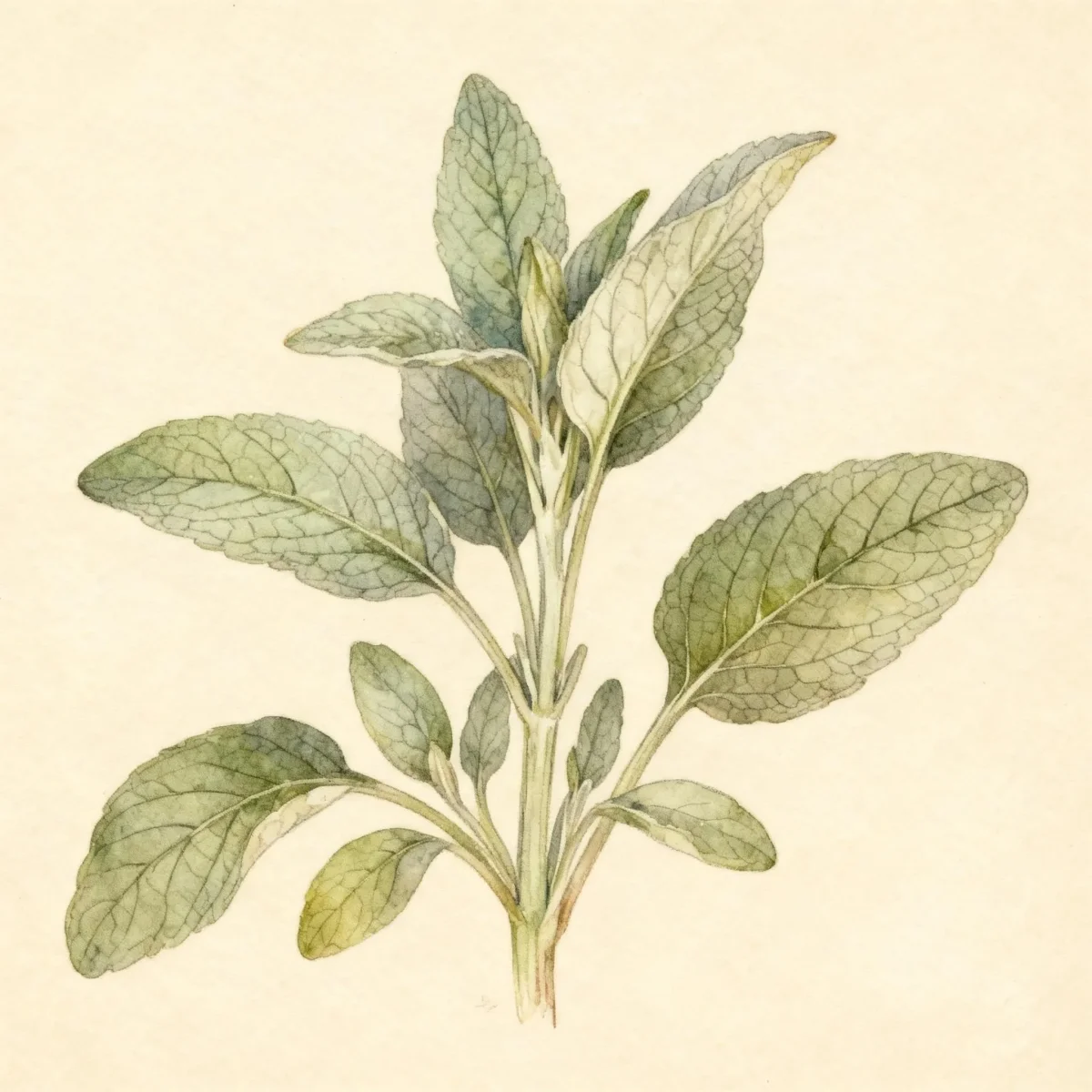
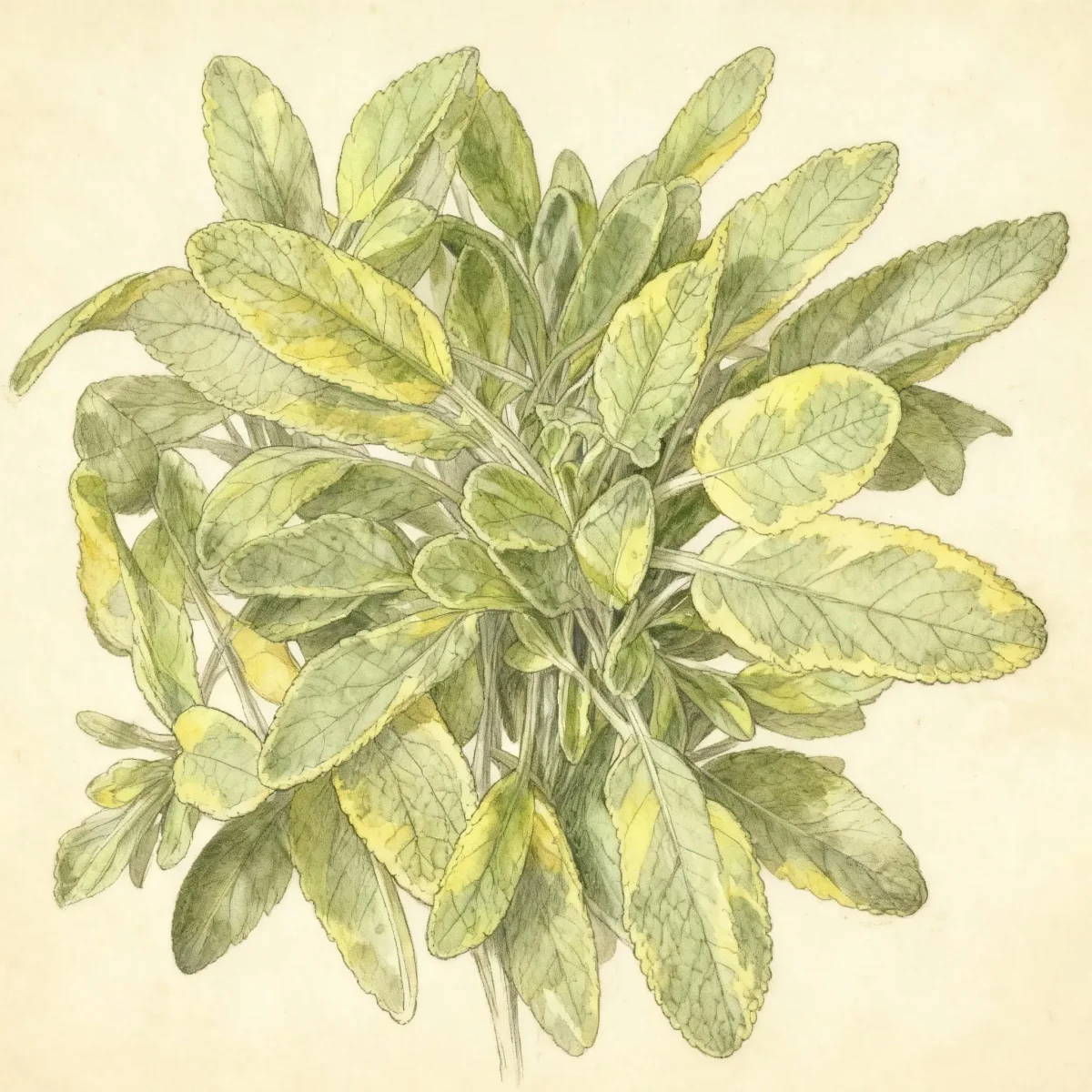
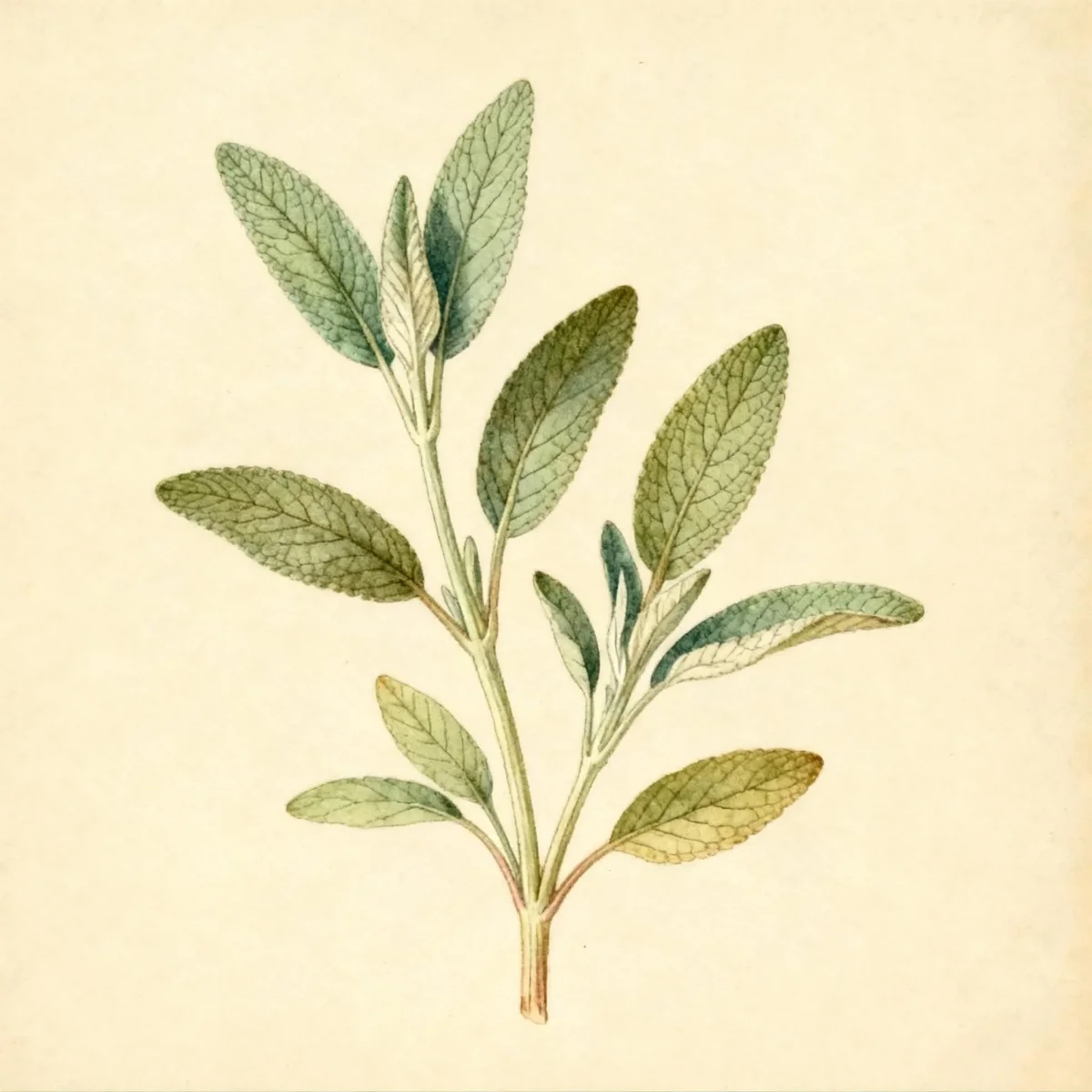
Salvia officinalis ‘Nana’, commonly known as dwarf Common sage, is a highly valuable addition to any culinary or ornamental garden. This semi-shrubby perennial offers deeply aromatic, grayish-green leaves packed into a much shorter stature than its larger cousins, making it perfect for small spaces. Gardeners appreciate the compact habit of Salvia officinalis ‘Nana’ combined with its attractive display of lavender-blue flowers in early summer.
The fragrance and flavor of the leaves are its primary draw, being historically recognized for medicinal and culinary uses as familiar culinary sage. Aesthetically, this cultivar brings texture and structure, attracting bees and butterflies with its persistent blooms. It is an indispensable herb that thrives under low-water conditions once established.
Being a dwarf variety of Common sage, Salvia officinalis ‘Nana’ achieves a manageable 1 to 1.5 feet in height and spread. Providing full sun exposure ensures the densest foliage and best flavor profile for this long-lived perennial herb.
Fast Facts
- Plant Family: Lamiaceae
- Plant Type: Herbaceous perennial
- Hardiness Zones: USDA Zones 4-8
- Size at Maturity:
- Height: 1-1.5 ft
- Spread: 1-1.5 ft
- Bloom Time: June
- Bloom Description: Lavender-blue
- Sun Exposure: Full sun
- Water Needs: Dry to medium
- Maintenance Level: Medium
How to Grow
Planting Common sage is best done in spring after the danger of frost has passed, selecting a location that receives full sun daily for optimal growth. This herb demands well-drained soil; success hinges on avoiding perpetually moist or wet conditions, which are fatal to root health. Average soil fertility is sufficient, making it adaptable to many garden settings.
Care for established Salvia officinalis ‘Nana’ requires infrequent deep watering, as it prefers dry to medium soil moisture. Overwatering is the most common mistake. Fertilization is rarely necessary; excessive nitrogen promotes leafy growth at the expense of potent flavor and can cause legginess.
Prune lightly after the first flush of flowering to encourage fresh growth and maintain the compact shape of Salvia officinalis ‘Nana’. In late winter or early spring, trim back woody stems moderately. Protection in harsher winter zones (Zone 4) might involve mulching heavily around the base after the ground freezes.
Landscape Uses
Dwarf Common sage, Salvia officinalis ‘Nana’, excels in formal or informal herb gardens, offering neat structure where larger sages become unruly. Its compact size also makes it an excellent choice for mixing with other low-water perennials in rock gardens or along sunny borders, providing year-round silvery-green accents.
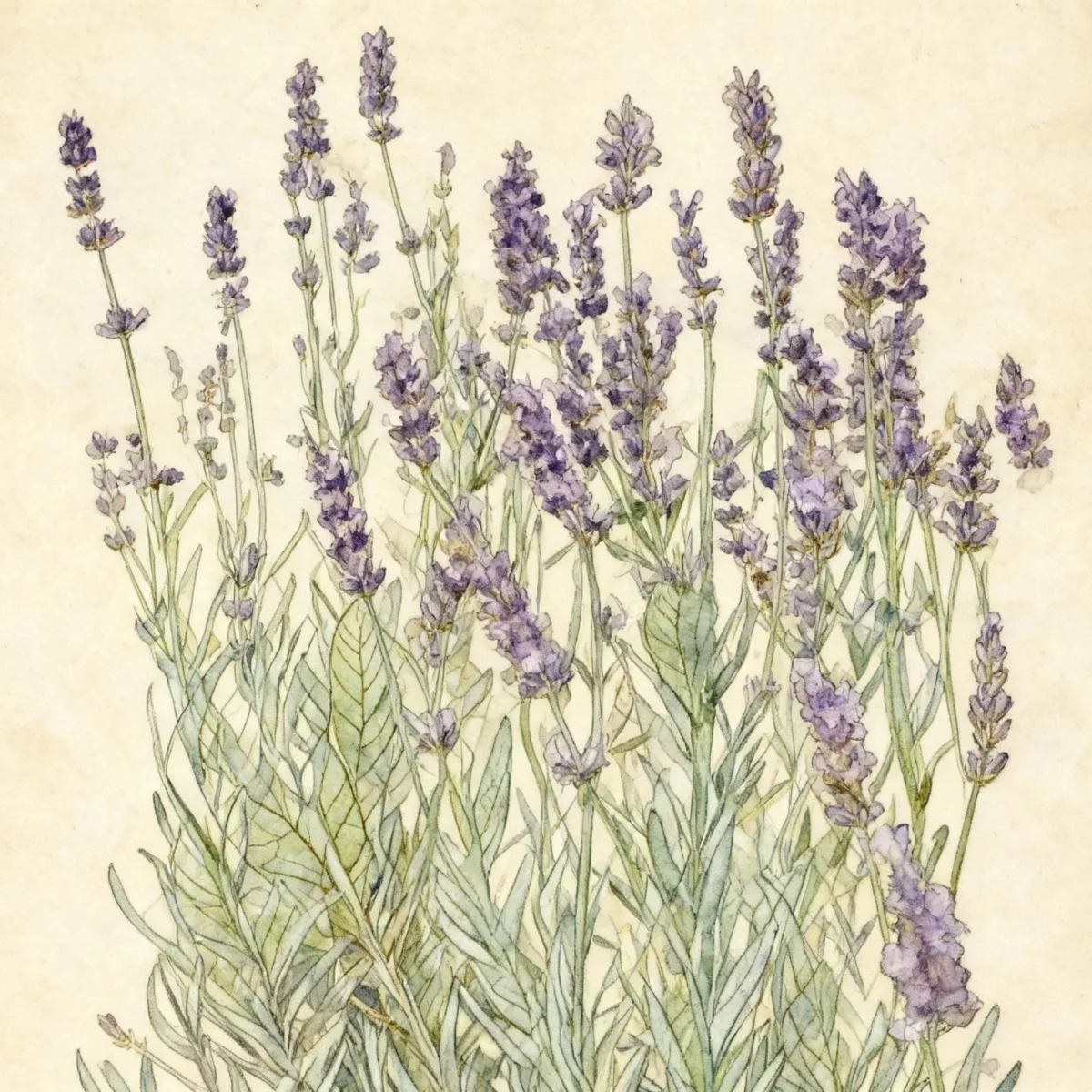
Due to its drought tolerance and preference for lean soil, it pairs exceptionally well with Mediterranean herbs like Thyme, Lavender, and upright Rosemary. When used in vegetable gardens or as an annual feature plant, its dense form contrasts beautifully against leafy greens or softer flowering annuals. The aromatic foliage gives the plant significant ornamental value beyond its culinary function.
Standout Features
Flower Qualities
- Showy
Noteworthy Characteristics
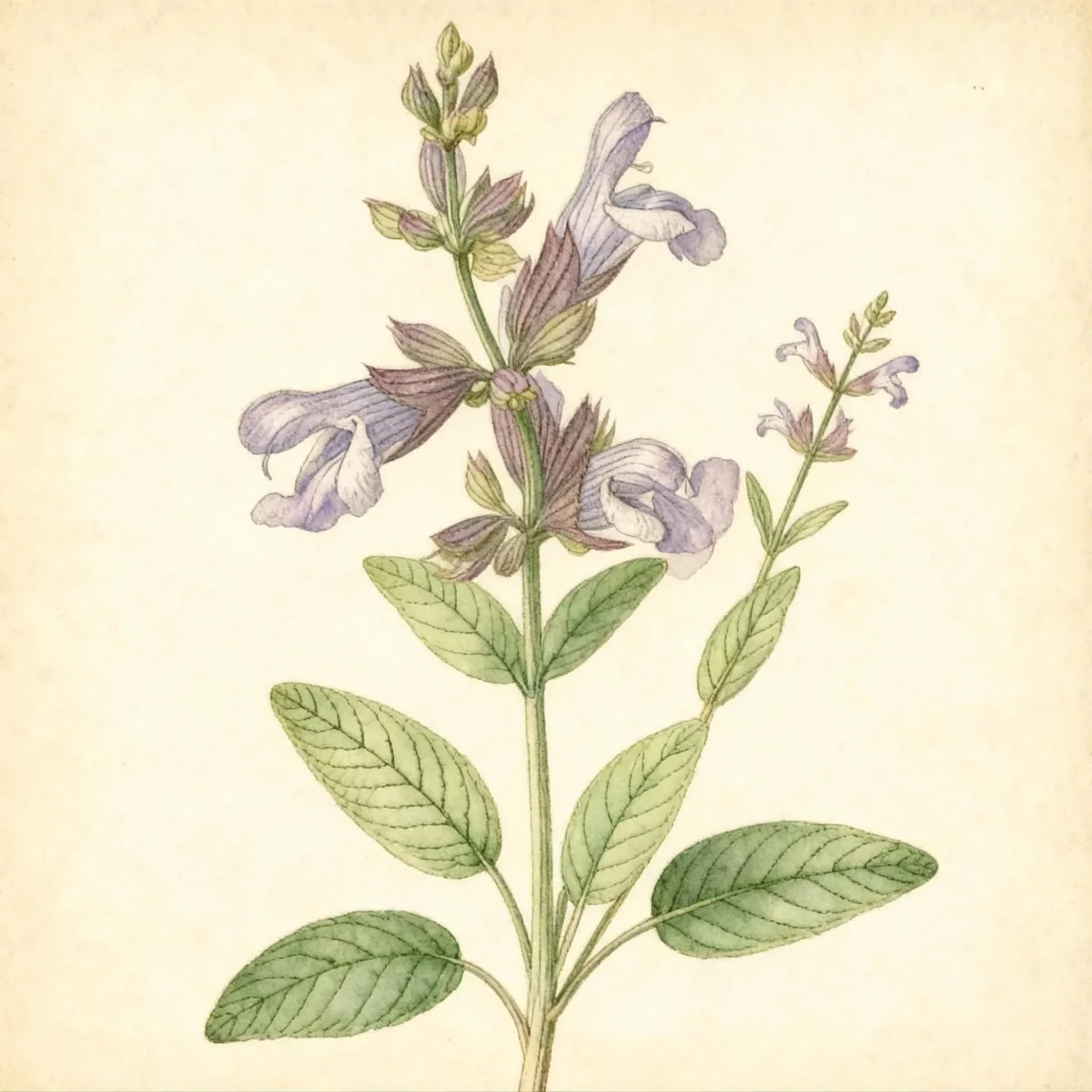
The species, Salvia officinalis, is the familiar culinary sage, but the ‘Nana’ cultivar distinguishes itself with a short, compact habit perfect for smaller spaces. It features flavorful leaves that are typically smaller and narrower than the standard species. This dwarf sage produces fragrant, lavender-blue flowers accented with purple streaks, rising above the dense foliage on spikes throughout the blooming season.
Tolerances
- Deer
- Drought
- Dry Soil
- Shallow-Rocky Soil
Potential Problems
Salvia officinalis ‘Nana’ generally resists serious insect or disease issues when sited correctly. The primary threat comes from overly wet or consistently moist soils, which quickly lead to root rot, a fatal condition for this drought-tolerant herb. Taller sage plants sometimes sprawl, potentially requiring support in highly ornamental settings, though the dwarf ‘Nana’ is less prone to this issue. Ensuring excellent drainage is the single most effective management strategy for preventing problems.
Frequently Asked Questions
What hardiness zones is Common sage suitable for?
Salvia officinalis ‘Nana’ is hardy across USDA Zones 4 through 8, offering wide adaptability for many North American gardeners.
How large does Salvia officinalis ‘Nana’ grow?
This dwarf variety reaches a mature height and spread typically between 1 and 1.5 feet tall and wide.
What sun exposure does Common sage need?
For the best growth and strongest aromatic qualities in Salvia officinalis ‘Nana’, full sun exposure is required, though very light shade is tolerated.
When does Salvia officinalis ‘Nana’ bloom?
This variety typically blooms in June, producing characteristic lavender-blue flowers.
Conclusion
Salvia officinalis ‘Nana’ provides invaluable compact form and potent culinary flavor in a manageable package, making it a garden keystone for both cooks and landscape designers. Utilize this dwarf Common sage where excellent drainage and full sun are guaranteed conditions for success. Check your local hardiness zone compatibility before planting this season to enjoy its aromatic benefits for years to come.
Companion Planting
Selecting appropriate neighbors helps Salvia officinalis ‘Nana’ thrive by mirroring its cultural needs. Plants that prefer lean soils and full sun are ideal partners. Consider pairing this dwarf sage with Lavender or Santolina, as they share similar dry soil requirements, preventing competition for water in a way that moisture-loving annuals would create.
The textural contrast is also highly beneficial in design. Plant the finely textured, silvery foliage of Common sage next to plants with broad, dark leaves, such as dark-leafed Basil or certain Heuchera varieties (if watering can be controlled), creating visual drama in the herb patch.
Wildlife Benefits
Salvia officinalis ‘Nana’ serves as an excellent beacon for beneficial pollinators, particularly bees, drawn in by the nectar-rich, two-lipped blossoms. While it is a culinary herb, its status in the Mint family (Lamiaceae) grants it high value in pollinator gardens.
The aromatic nature of the foliage typically deters common garden pests like deer, who dislike the strong scent, offering a natural layer of protection in mixed plantings. This dual benefit—supporting pollinators while resisting herbivores—makes Salvia officinalis ‘Nana’ a highly practical and responsible gardening choice.