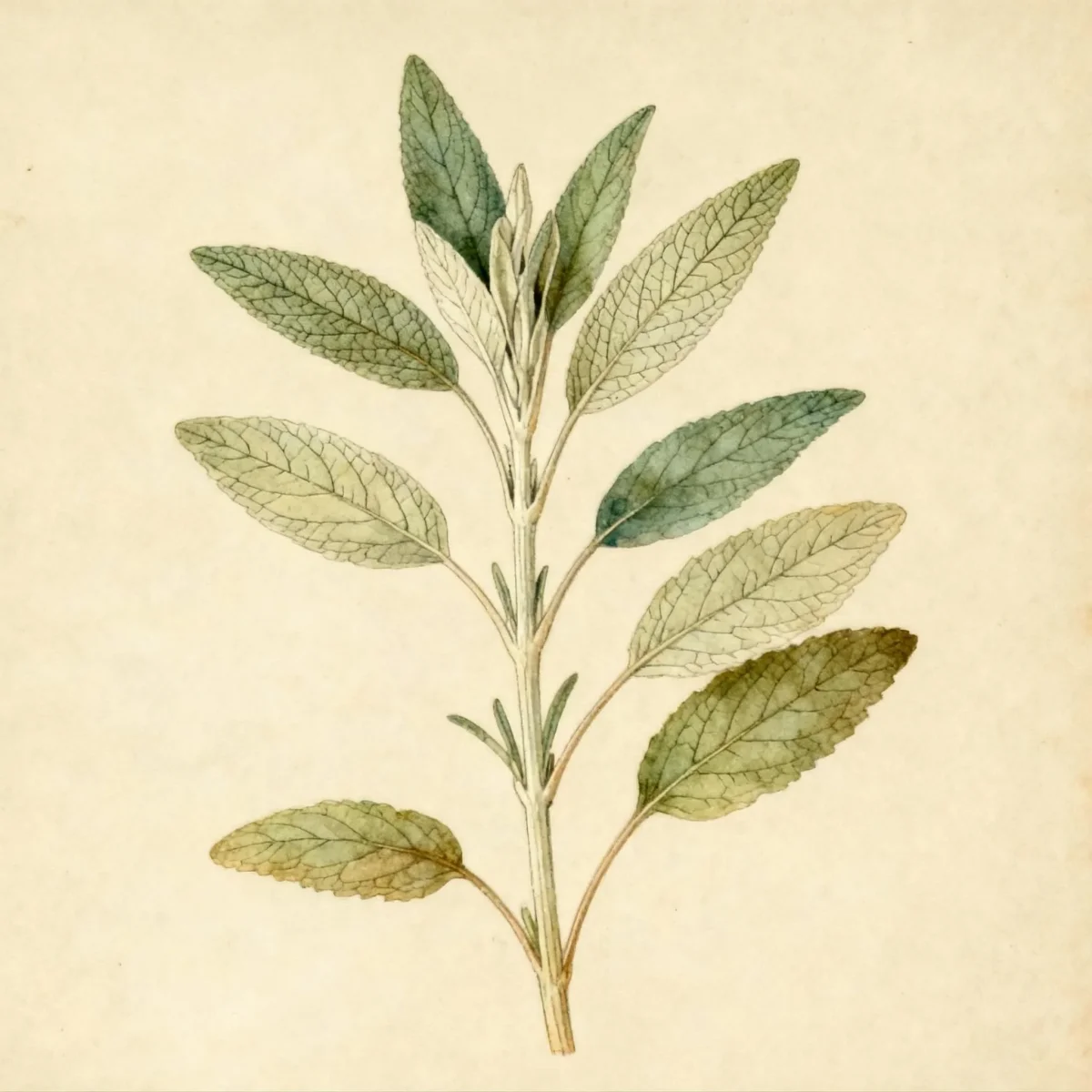
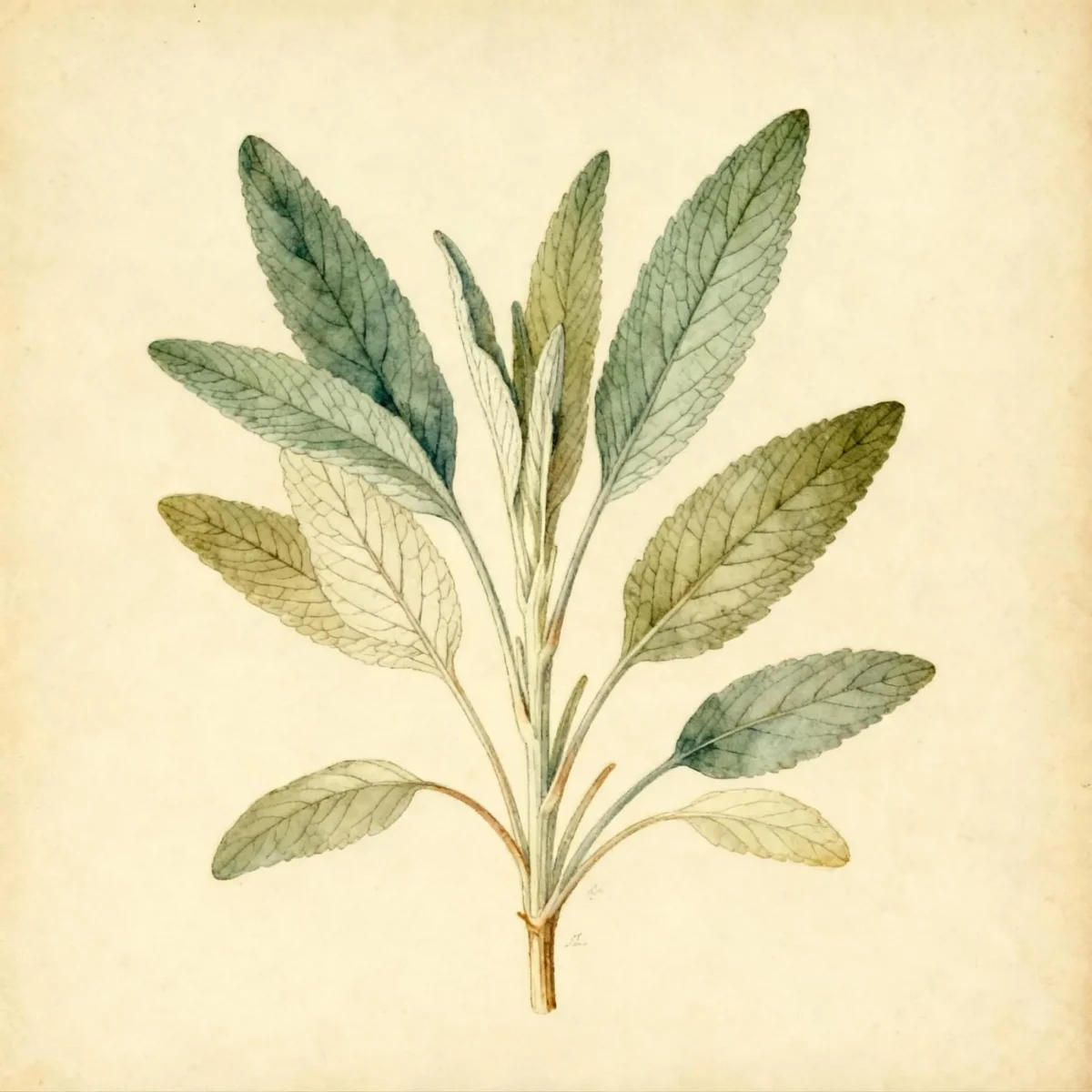
Russian sage (Perovskia atriplicifolia 'Lisslitt' LACEY BLUE)
Discover Perovskia atriplicifolia 'Lisslitt' LACEY BLUE, a compact Russian sage prized for its lavender-blue blooms and drought tolerance.
Scroll down to discover growing tips, care requirements, companion plants, and more
Complete Plant Information
Overview
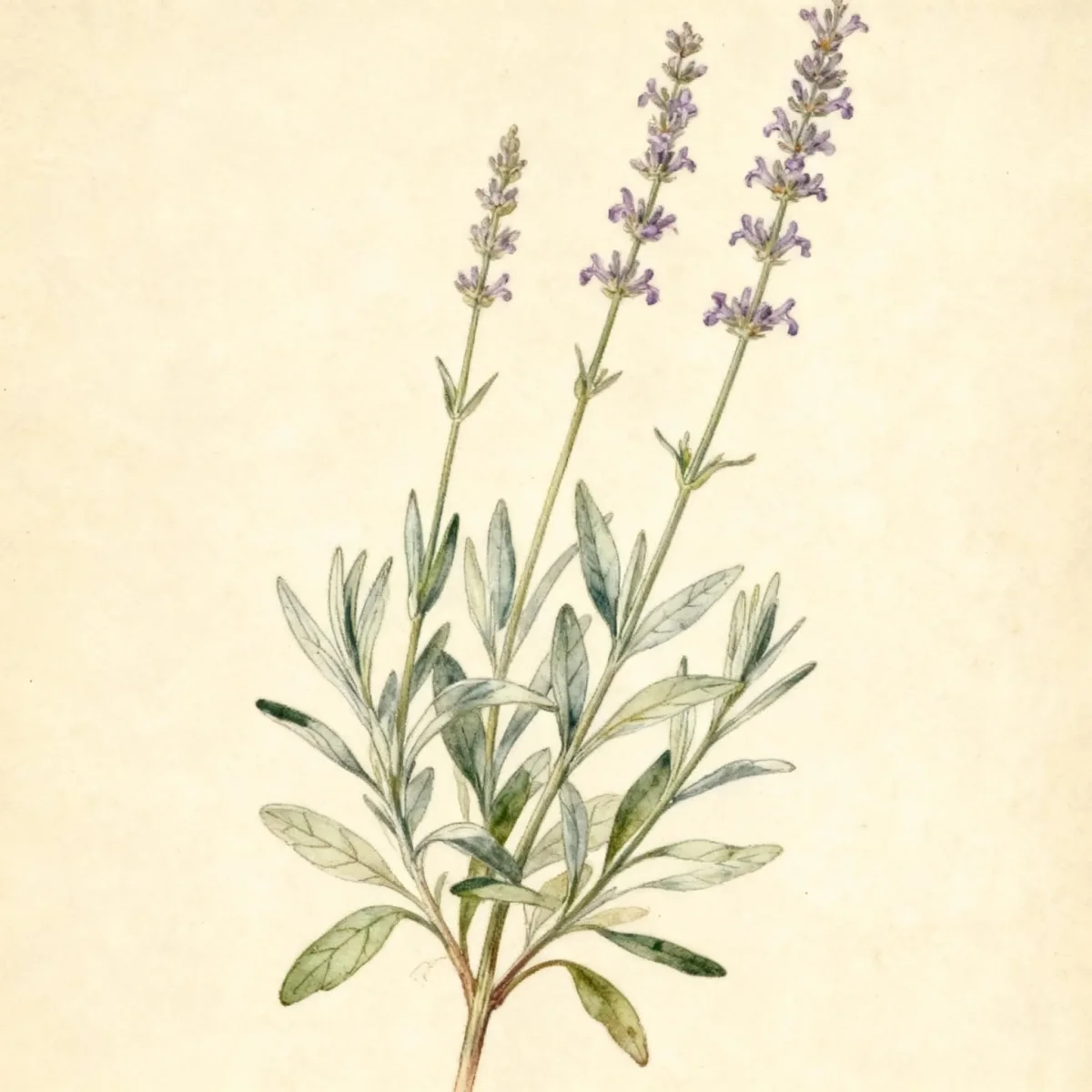
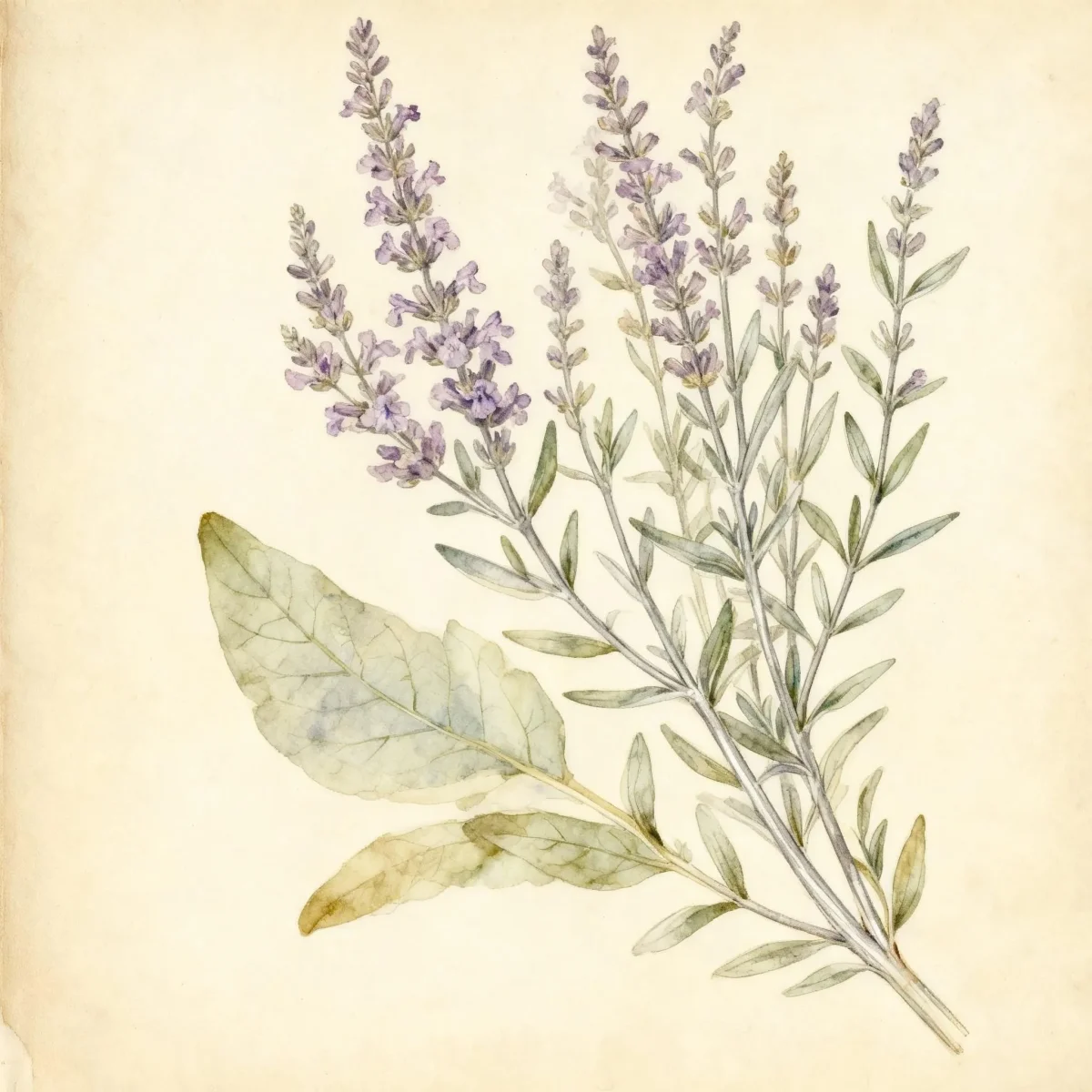
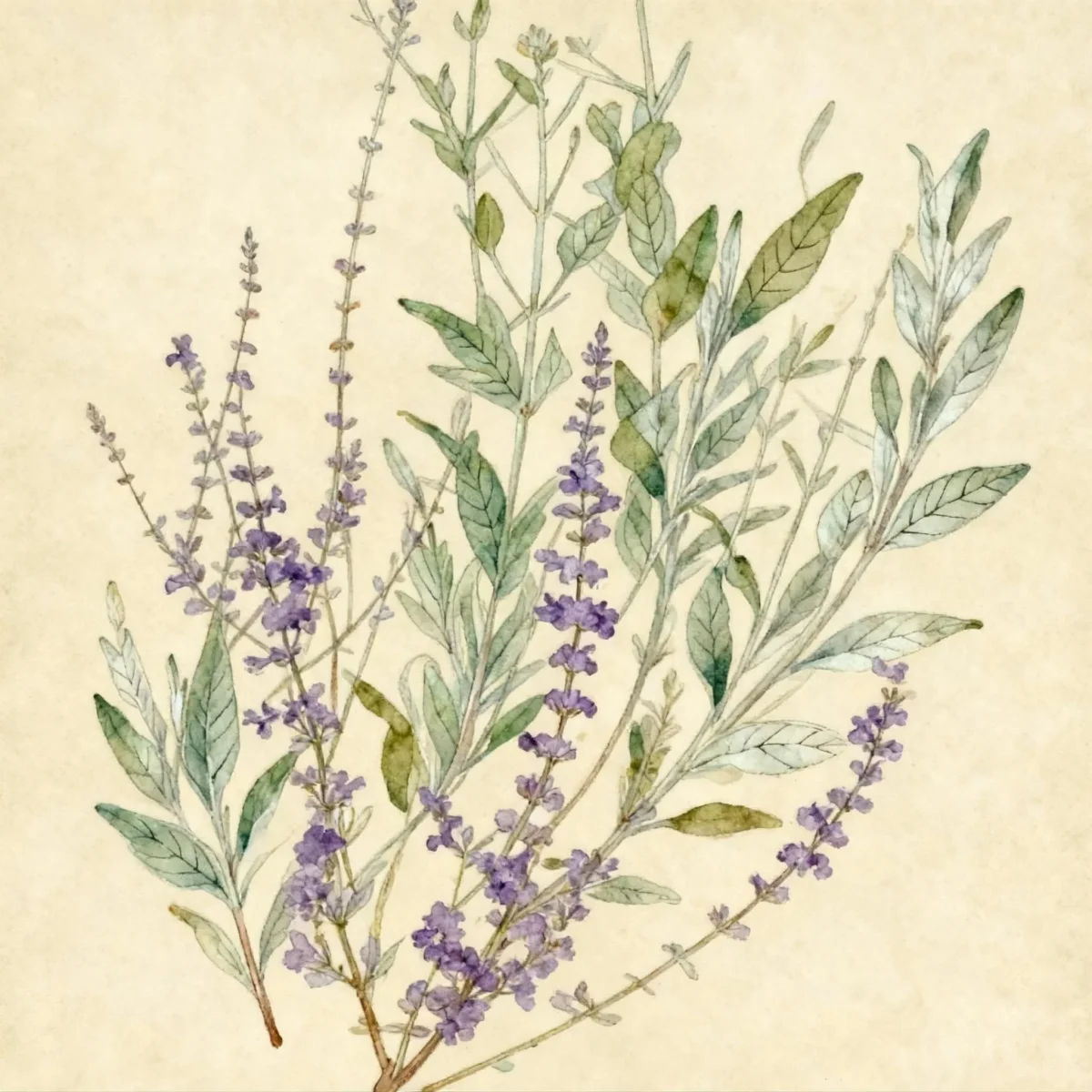
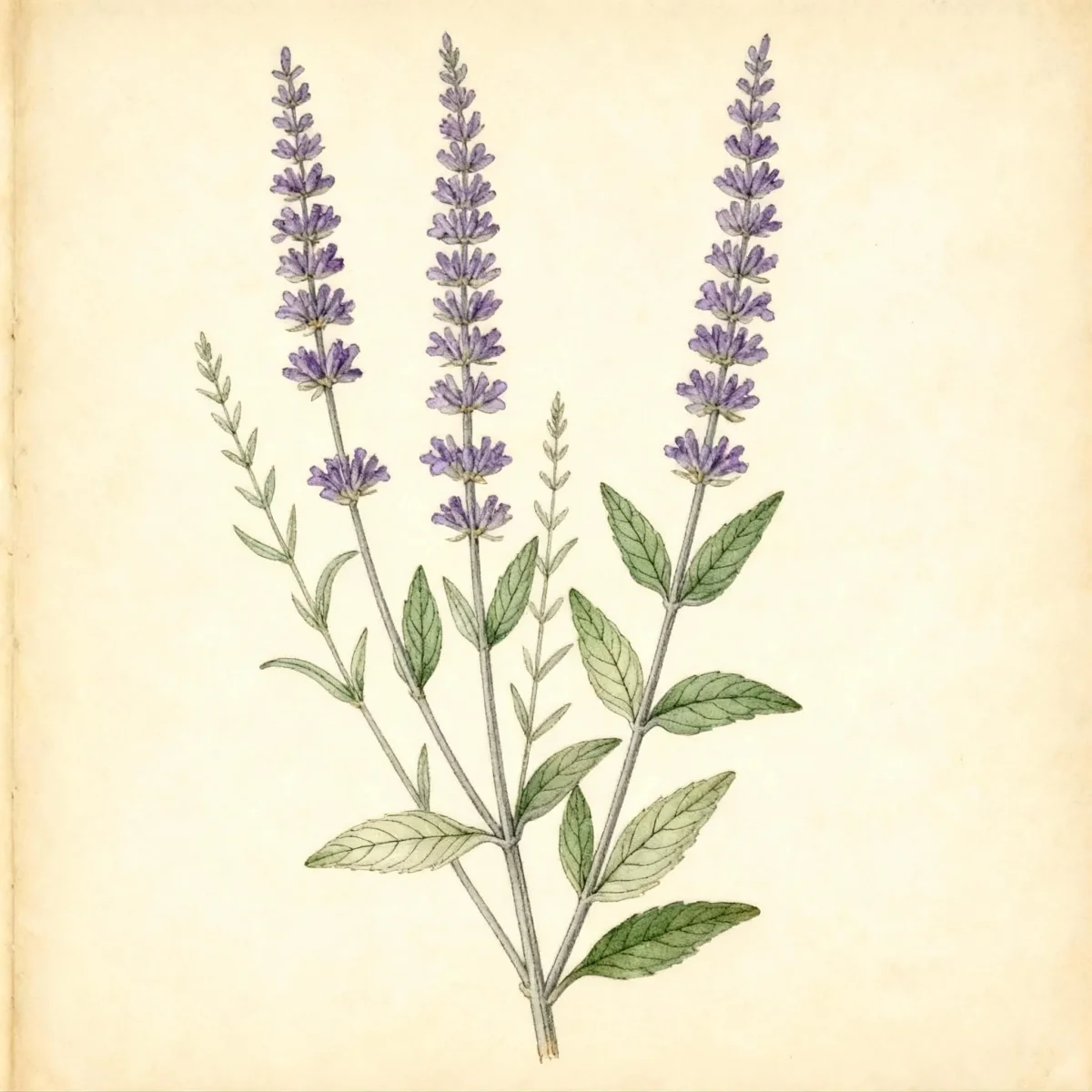
The cultivar Perovskia atriplicifolia ‘Lisslitt’ LACEY BLUE offers gardeners a refined version of the beloved Russian sage, boasting a highly desirable compact and bushy habit. This woody-based perennial stands out due to its late-season display of abundant lavender-blue flowers set against finely-dissected, aromatic, gray-green foliage, making it an excellent structural plant for sunny borders. Given its exceptional drought tolerance once established, this cultivar of Russian sage is perfect for low-water landscapes where low maintenance is key.
Perovskia atriplicifolia ‘Lisslitt’ LACEY BLUE is bred specifically for tidiness, reaching a manageable height and spread ideal for smaller garden spaces compared to the species form. Its stiff, upright spikes maintain excellent structure throughout the summer, providing essential vertical interest as many spring bloomers fade. Gardeners value this plant for its reliable performance in full sun conditions, delivering season-long color without excessive fuss.
This specific selection, marketed as LACEY BLUE, enhances the traditional appeal of Russian sage with its manageable size, ensuring that its silvery tones and bright blooms integrate seamlessly into mixed perennial plantings. Its robust nature means it thrives almost anywhere it receives adequate drainage and intense sunlight, proving itself a sturdy backbone for hot, dry garden areas.
Fast Facts
- Plant Family: Lamiaceae
- Plant Type: Herbaceous perennial
- Hardiness Zones: USDA Zones 5-9
- Size at Maturity:
- Height: 1.5-2 ft
- Spread: 1.5-2 ft
- Bloom Time: June to frost
- Bloom Description: Lavender-blue
- Sun Exposure: Full sun
- Water Needs: Dry to medium
- Maintenance Level: Low
How to Grow
For optimal performance of Perovskia atriplicifolia ‘Lisslitt’ LACEY BLUE, ensure planting occurs in a location receiving consistent, blazing full sun; insufficient light is the leading cause of floppy stems. This plant vastly prefers average, dry to medium soils, but sharp soil drainage is non-negotiable. Avoid wet, poorly drained heavy clay environments, even though this Russian sage shows good tolerance for clay soils.
Watering requirements are minimal once established, as the plant possesses excellent drought tolerance, mirroring its native habitat needs. Fertilization is rarely necessary; richness in the soil often encourages weaker, floppier growth. Focus your routine care on pruning: cut the stems back almost to the ground in late winter or very early spring just as you see the first signs of new growth emerging from the base.
Early spring cleanup allows the shrubby structure of Russian sage to regrow cleanly for the season. Never hesitate to trim back stems if they begin to sprawl mid-summer, though the ‘Lisslitt’ selection resists this tendency better than other varieties. Good air circulation, achieved through proper spacing and its sun requirement, further supports the health of this hardy perennial.
Landscape Uses
Perovskia atriplicifolia ‘Lisslitt’ LACEY BLUE excels where a medium-height, heat-tolerant accent is needed. Its silvery-gray foliage and upright habit make it an ideal choice for mass plantings in borders, providing soft texture that visually recedes slightly, allowing brighter colors near it to pop. Use it as a specimen plant in xeriscaping or rock gardens, capitalizing on its need for dry conditions.
This Russian sage provides excellent transitional color. Its long season of lavender-blue bloom offers fantastic contrast against hot pinks (like Phlox or Mallow) or vibrant yellows (such as Rudbeckia or Coreopsis) later in the summer. Plant it toward the middle or back of the perennial border, relying on its rigid structure to provide year-round form.
Standout Features
Flower Qualities
- Showy
Noteworthy Characteristics
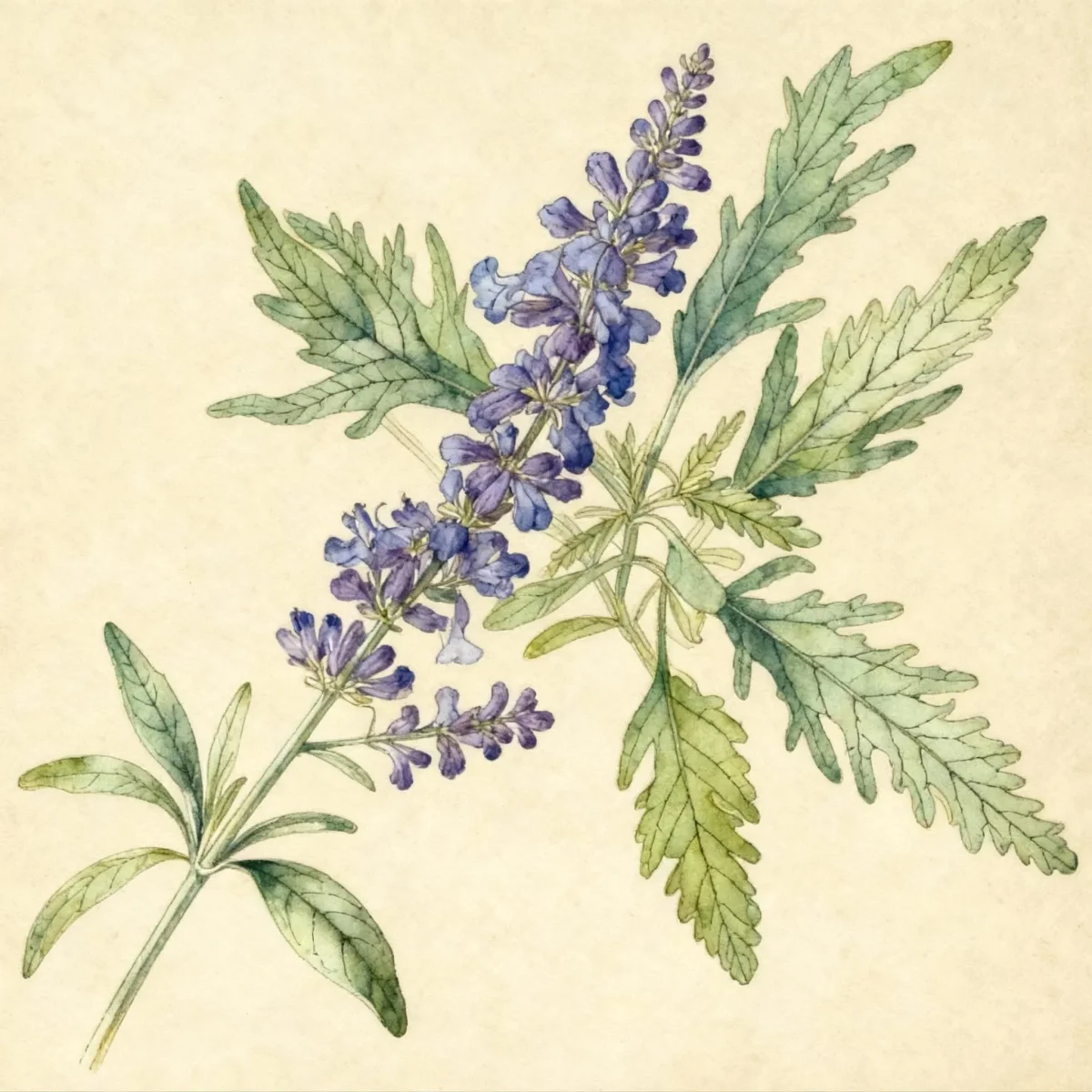
Perovskia atriplicifolia, commonly called Russian sage, is a woody-based perennial of the mint family which typically grows 2-4’ (less frequently to 5’) tall and features finely-dissected, aromatic (when crushed), gray-green leaves on stiff, upright, square stems and whorls of two-lipped, tubular, light blue flowers tiered in branched, terminal panicles (12-15” high). The named cultivar ‘Lisslitt’, commonly sold under the trade name LACEY BLUE, was bred for a noticeably compact bushy habit, growing reliably to about 1.5 to 2 ft. In height and spread, showcasing large lavender-blue flowers on stiff upright spikes. Its finely dissected silver-green leaves emit a spicy scent, adding another sensory dimension to the summer and fall garden tapestry.
Tolerances
- Rabbit
- Deer
- Drought
- Clay Soil
- Dry Soil
- Air Pollution
Potential Problems
This plant generally exhibits low susceptibility to serious insect or disease issues, making maintenance simple. The primary issue gardeners face with Russian sage is structural weakness; plants tend to sprawl or flop over noticeably as the summer heat peaks, especially if they receive too much water or shade. Prevent flopping by strictly adhering to the full sun requirement and ensuring sharp soil drainage. If flopping occurs despite best efforts, plan for a mid-season shearing (cut back by about one-third) to encourage a tidier, later flush of rigid growth.
Frequently Asked Questions
What hardiness zones is Russian sage suitable for?
Perovskia atriplicifolia ‘Lisslitt’ LACEY BLUE is reliably hardy across USDA Zones 5-9.
How large does Perovskia atriplicifolia ‘Lisslitt’ LACEY BLUE grow?
This compact cultivar typically matures to a height and spread between 1.5 and 2 feet.
What sun exposure does Russian sage need?
This perennial requires full sun exposure to maintain its stiff, upright habit and achieve its best lavender-blue bloom display.
When does Perovskia atriplicifolia ‘Lisslitt’ LACEY BLUE bloom?
It provides a long blooming period for the landscape, generally starting in June and continuing through the first frosts of late autumn.
Conclusion
The inclusion of Perovskia atriplicifolia ‘Lisslitt’ LACEY BLUE delivers low-maintenance architectural structure and long-lasting, cool-toned color to the hottest, driest parts of your garden. Its compact nature makes this Russian sage an indispensable staple for modern, sustainable landscape designs. Before planting, confirm your site offers excellent drainage and commits to full sun to ensure this beautiful perennial stays compact and vibrant all season.
Companion Planting
When designing borders utilizing the heat and drought tolerance of Perovskia atriplicifolia ‘Lisslitt’ LACEY BLUE, pair it with plants that share similar xeriscape virtues. Consider using coneflowers (Echinacea) or black-eyed Susans (Rudbeckia) whose robust, upright stems and yellow blooms provide a classic, high-contrast visual against the silvery foliage and blue spikes of the Russian sage. Other excellent companions include ornamental grasses that thrive in dry conditions, such as Blue Fescue or Calamagrostis, which echo the plant’s airy texture.
Seasonal Care Calendar
For optimal results with this low-maintenance perennial, focus your efforts seasonally. In early spring, as soon as you see new sprouts (often when temperatures consistently warm), execute your heavy prune, cutting the entire mass back to about 4 to 6 inches above the ground; this hard cut stimulates the desirable compact habit of LACEY BLUE. During the summer months, resist the urge to water unless a severe drought persists for weeks, as moisture encourages flopping. In the fall, allow the seed heads to remain, as their structure adds winter interest, and only cut back stems once they die back completely or new growth appears the following spring.