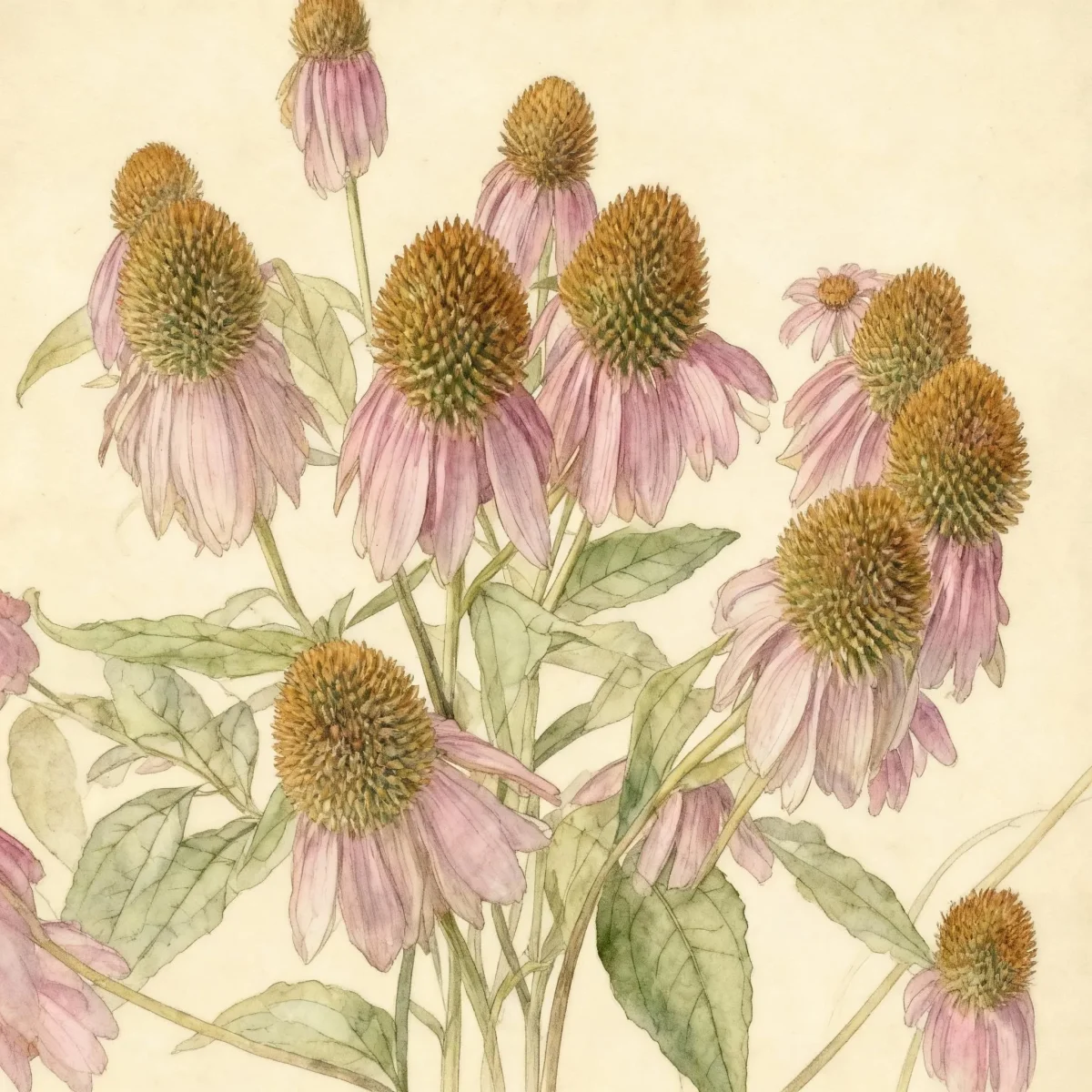
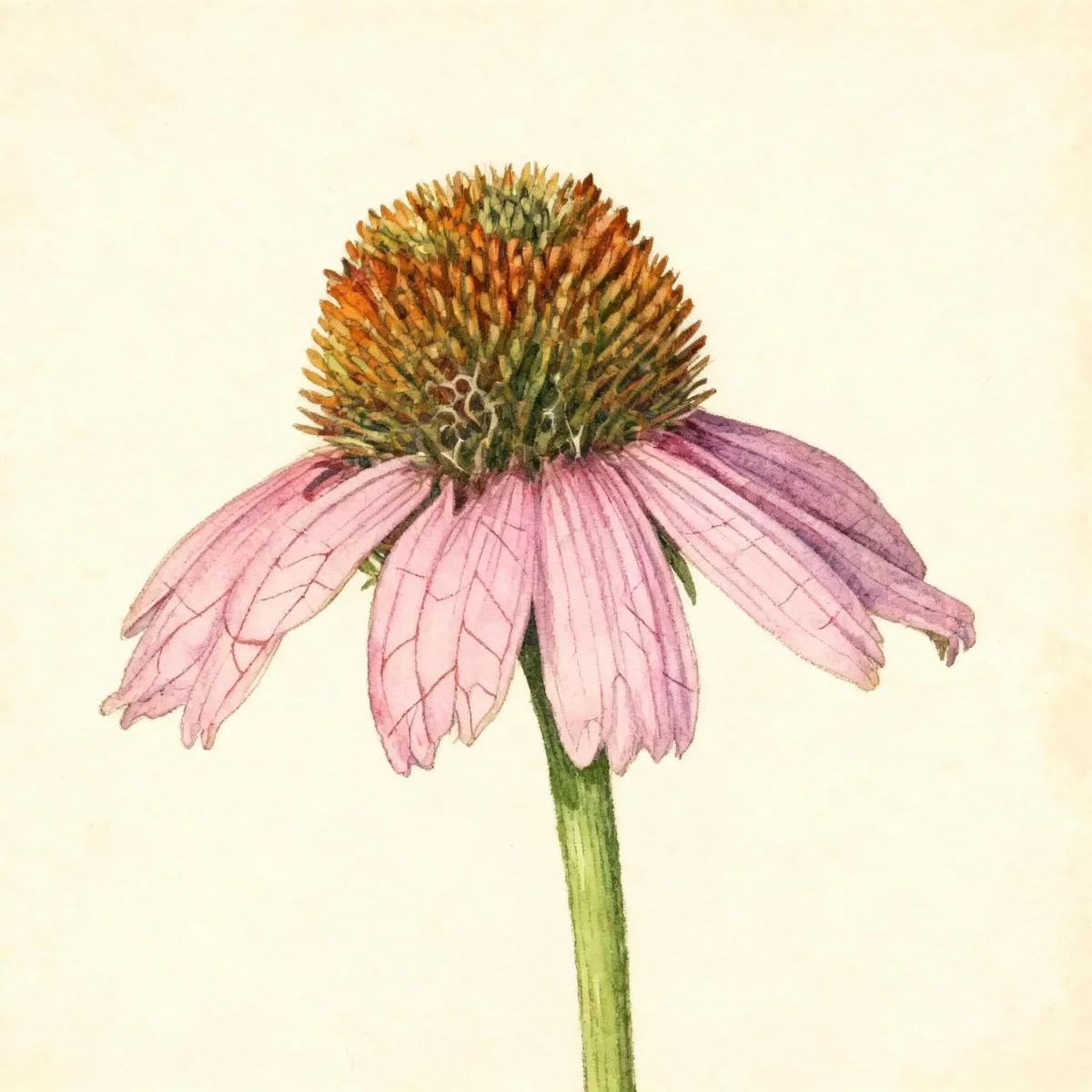
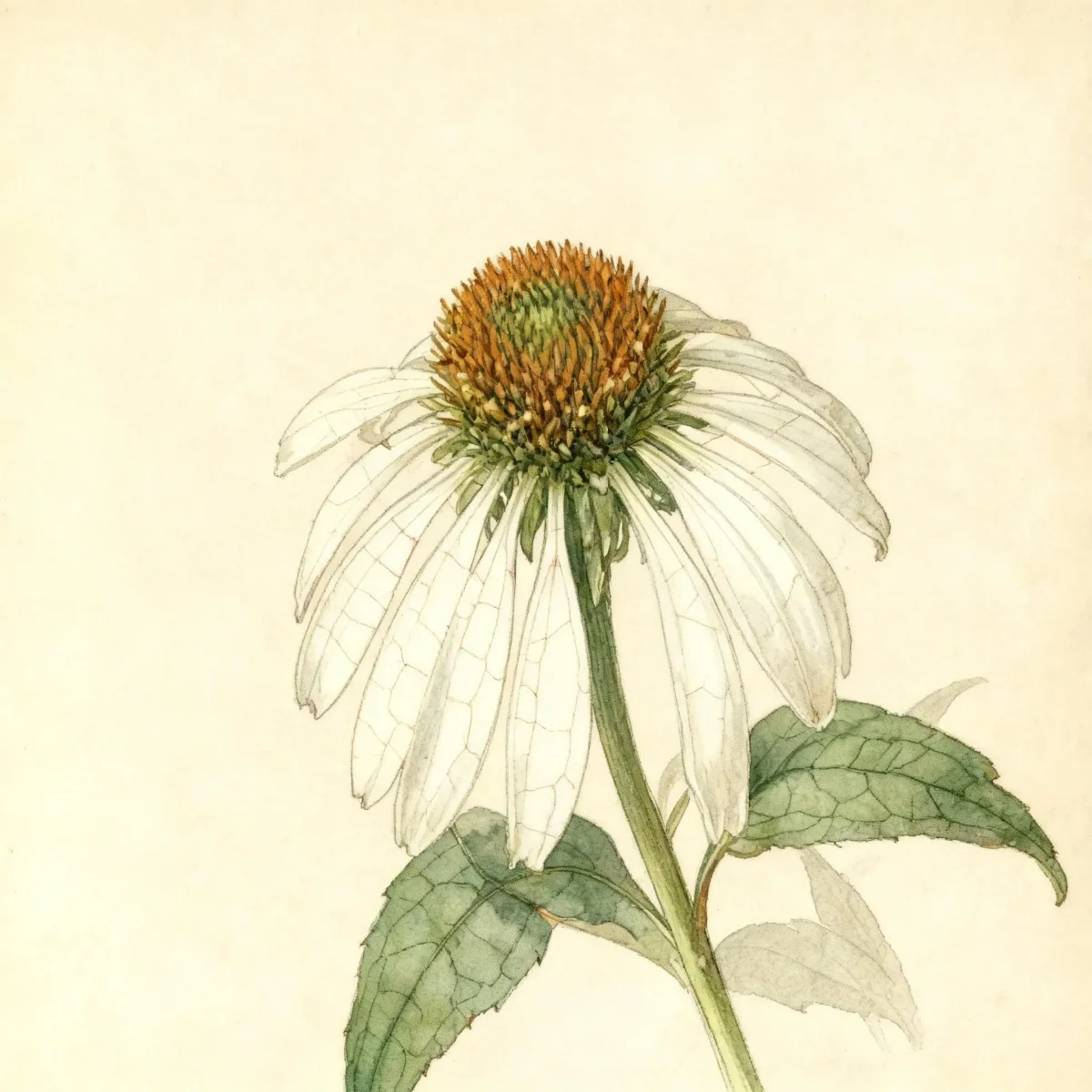
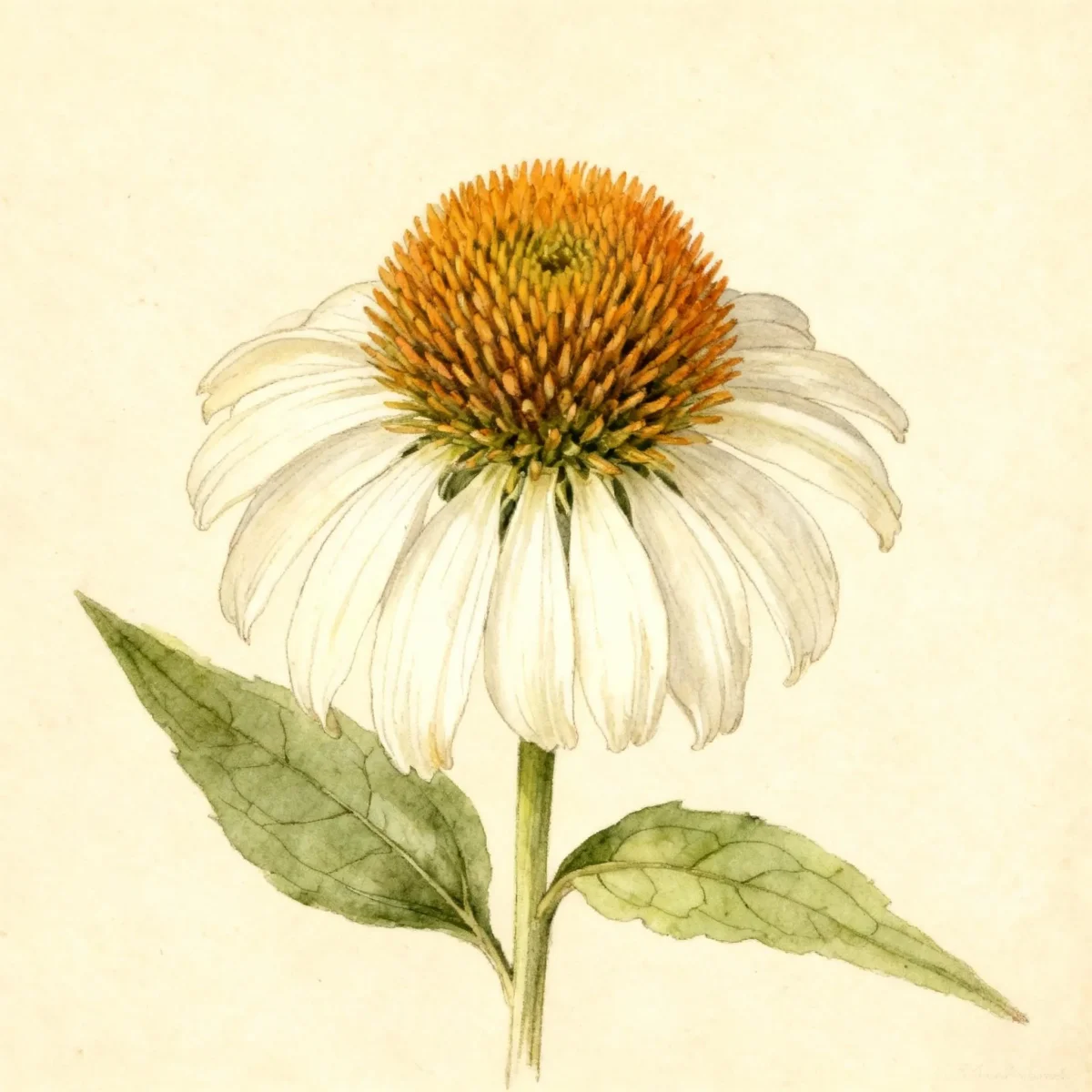
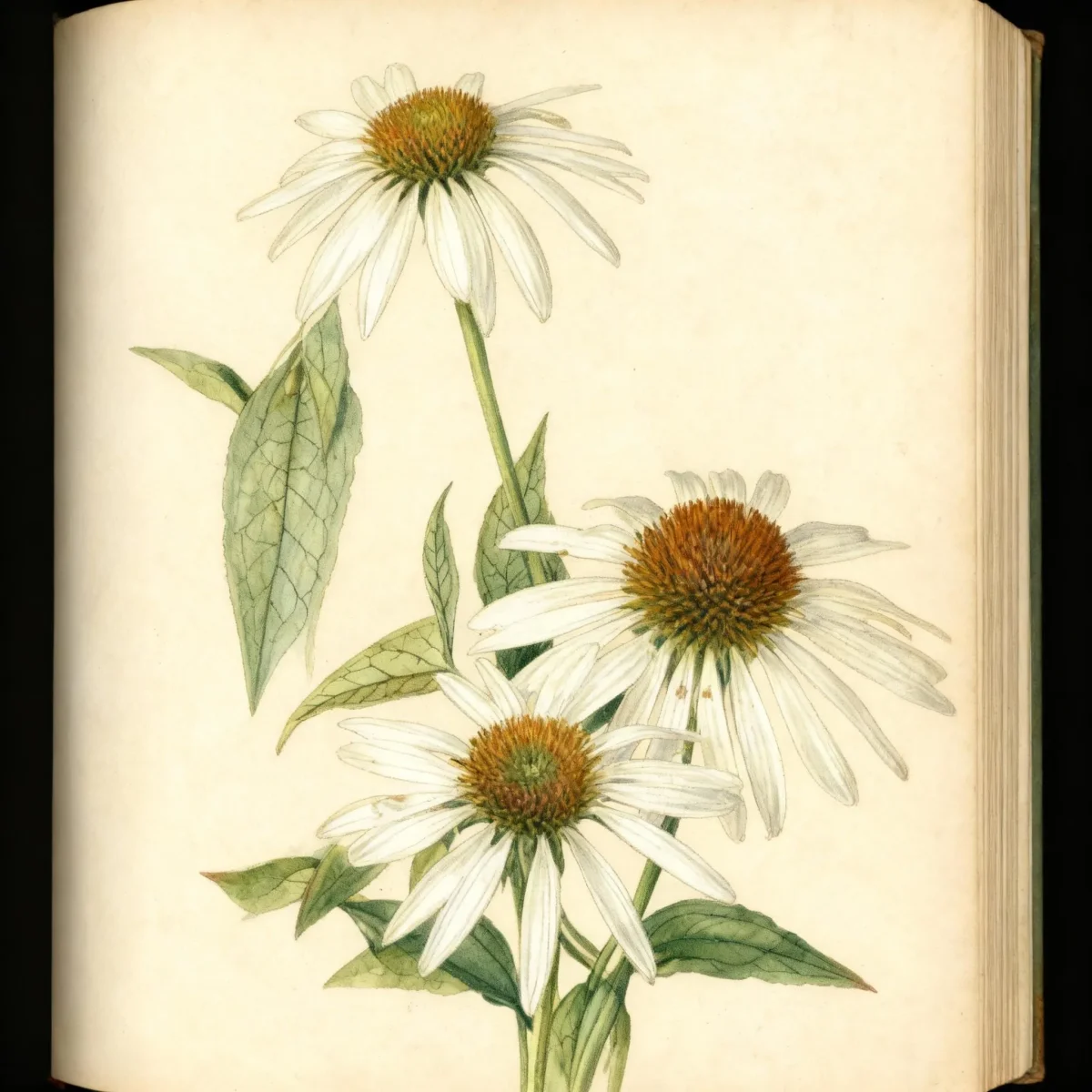
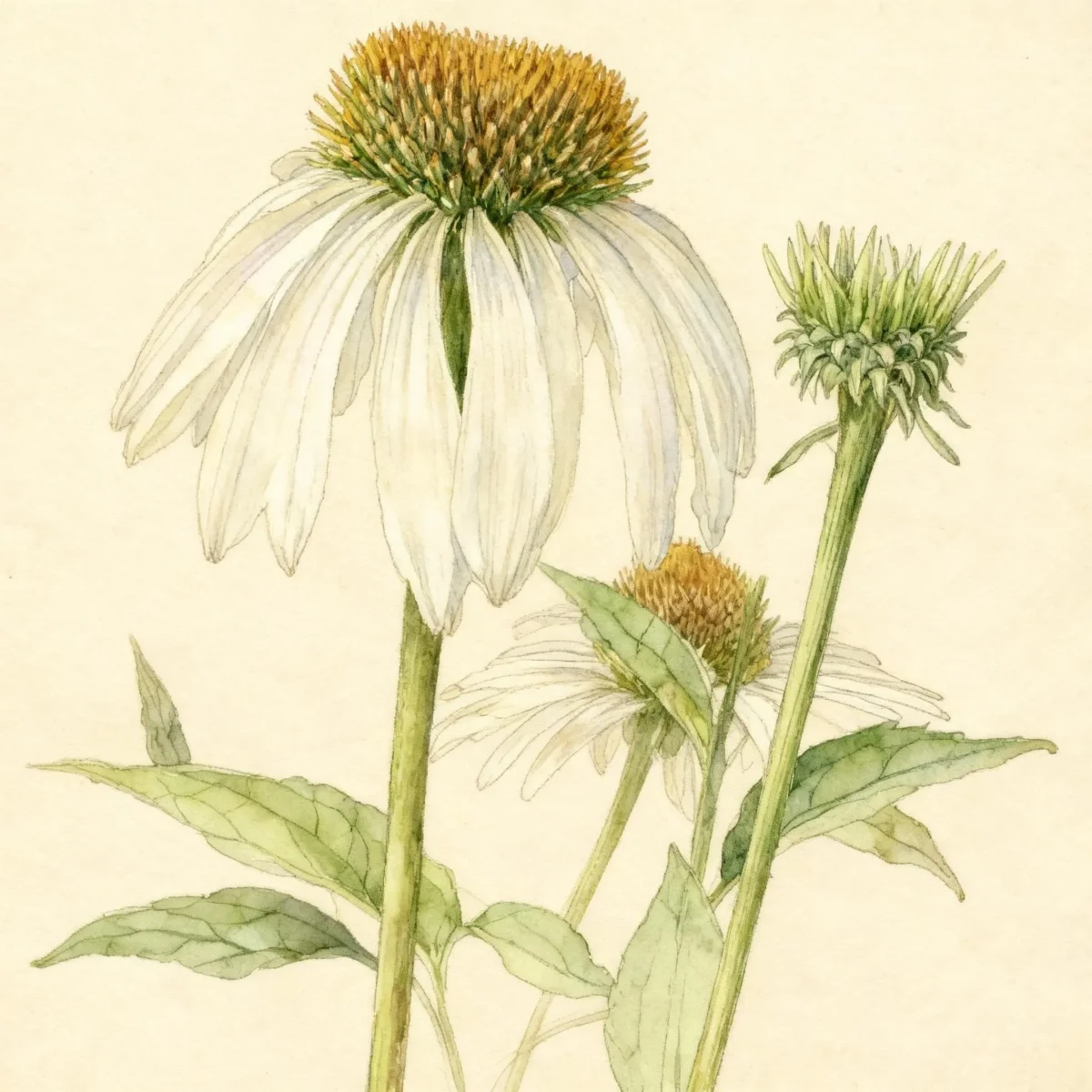
Purple coneflower (Echinacea 'Balscblum' DOUBLE SCOOP BUBBLE GUM)
Spectacular Echinacea 'Balscblum' DOUBLE SCOOP BUBBLE GUM Purple coneflower features deep pink centers and light pink rays. Low maintenance and drought tolerant.
Scroll down to discover growing tips, care requirements, companion plants, and more
Complete Plant Information
Overview
Echinacea ‘Balscblum’ DOUBLE SCOOP BUBBLE GUM, a striking cultivar of the popular Purple coneflower, brings exceptional double blooms to the summer garden. This variety is celebrated for its sturdy, upright habit and exceptionally large, bubble gum pink coneflowers, offering continuous color from early summer through late summer. As a resilient herbaceous perennial, it thrives across a wide range of conditions typical of the eastern and central North American native landscape.
This specific selection, part of the DOUBLE SCOOP series, features dramatic composite blooms, making it an excellent focal point or mass planting throughout the season. Gardeners value the Purple coneflower genus for its adaptability and low input requirements, particularly its tolerance toward poor soil and dry conditions once established. While the large double blooms offer supreme aesthetic appeal, note that they may not be as beneficial to pollinators as single-flowered types.
The enduring beauty of Echinacea ‘Balscblum’ DOUBLE SCOOP BUBBLE GUM extends beyond its flowering period, as the upright dead stems provide winter interest. If left standing, the dried cones may attract seed-eating birds like goldfinches. Incorporating plants like this robust Purple coneflower ensures reliable, long-season performance with minimal fuss.
Fast Facts
- Plant Family: Asteraceae
- Plant Type: Herbaceous perennial
- Hardiness Zones: USDA Zones 3-8
- Size at Maturity:
- Height: 2-2.5 ft
- Spread: 1-1.5 ft
- Bloom Time: June to August
- Bloom Description: Deep pink center with lighter pink rays
- Sun Exposure: Full sun to part shade
- Water Needs: Dry to medium
- Maintenance Level: Low
How to Grow
For optimal flowering, plant Echinacea ‘Balscblum’ DOUBLE SCOOP BUBBLE GUM in a location receiving full sun, though it tolerates light afternoon shade. This adaptable plant thrives in average soils, provided the area has well-drained characteristics. It handles drought, humidity, and even clay or poor soils remarkably well once established, cementing its reputation as a tough garden staple.
Watering should be monitored to ensure dry to medium moisture levels; established plants are highly drought tolerant and rarely require supplemental irrigation except during extreme heatwaves. Fertilizing is generally unnecessary, as rich soils can sometimes lead to floppier stems, undermining the natural columnar habit of this cultivar.
Deadheading the spent flower heads is technically not essential for encouraging rebloom, as this Purple coneflower will continue flowering across the season regardless. However, prompt removal of faded blooms significantly improves the overall appearance and encourages sporadic flowering continuing into later summer. If you wish to leave the heads for winter interest or bird feeding, cut back foliage in early spring before new growth emerges; otherwise, divide overcrowded clumps every four years.
Landscape Uses
The strong vertical structure and vibrant blooms of Echinacea ‘Balscblum’ DOUBLE SCOOP BUBBLE GUM make it indispensable for mixed perennial borders, where its height (up to 2.5 feet) establishes a supportive backdrop. It also performs beautifully when massed together, creating drifts of bubblegum pink that anchor sunny garden spaces. For areas where moisture retention can be variable, plant this Purple coneflower in rock gardens or dry, open woodland fringe areas, leveraging its strong drought tolerance.
Due to its substantial aesthetic appeal as a cut flower, integrate it near vegetable or cutting gardens for easy harvesting. When placed near the border edge, its robust texture and color act as an eye-catching accent against softer, lower-growing companions that prefer similar sunny, well-drained conditions.
Standout Features
Flower Qualities
- Showy
- Fragrant
- Good Cut
- Good Dried
Noteworthy Characteristics
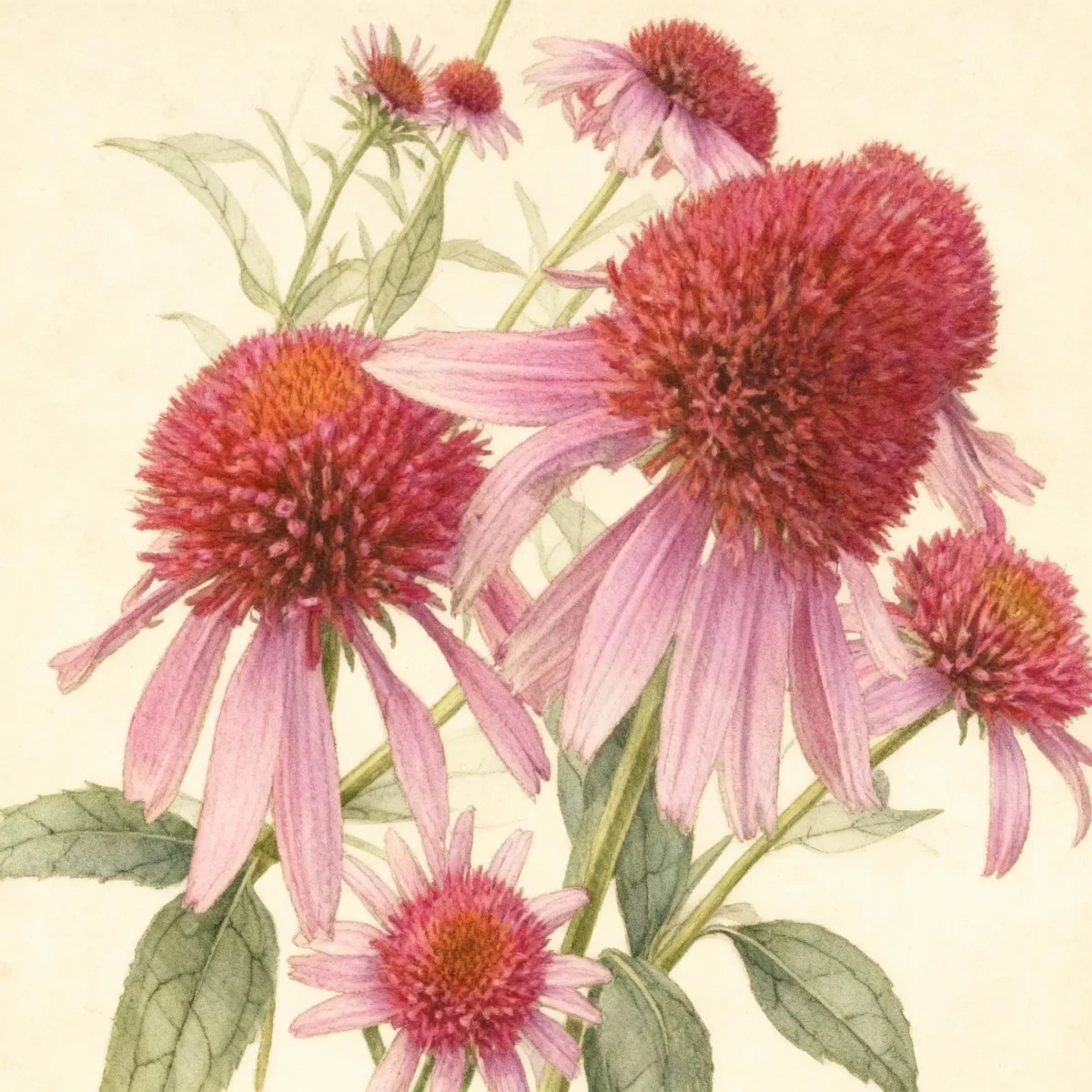
Echinacea ‘Balscblum’ DOUBLE SCOOP BUBBLE GUM is specifically bred for its magnificent double flowers, which reach up to 4 inches in diameter and feature an abundance of tiny, spirally-arranged baby pink disk florets surrounded by deep pink rays. The genus name, Echinacea, references the spiny center cone resembling a hedgehog or sea urchin. While attractive in the garden, note that these complex double blooms may be less palatable or useable by wildlife compared to single-cone varieties.
Tolerances
- Deer
- Drought
- Clay Soil
- Dry Soil
- Shallow-Rocky Soil
Potential Problems
All coneflowers are susceptible to aster yellows, a serious disease that distorts growth and flower appearance. Control vectors like leafhoppers or plant certified disease-free stock. Fungal and bacterial leaf spots commonly affect the foliage, especially in overly humid or crowded conditions; ensure good air circulation by adhering to proper spacing guidelines. Gardeners should also monitor for piercing-sucking pests like erythroid mites and Japanese beetles, treating infestations promptly as necessary to protect the foliage and blooms of your Purple coneflower.
Frequently Asked Questions
What hardiness zones is Echinacea ‘Balscblum’ DOUBLE SCOOP BUBBLE GUM suitable for?
This robust Purple coneflower is hardy in USDA Zones 3 through 8, offering reliable perennial performance across a wide geographic area.
How large does Echinacea ‘Balscblum’ DOUBLE SCOOP BUBBLE GUM grow?
At maturity, this columnar cultivar typically reaches a height between 2 and 2.5 feet, with a spread ranging from 1 to 1.5 feet wide.
What sun exposure does Purple coneflower need?
This plant performs best in full sun but can tolerate part shade; full sun exposure generally yields the most prolific blooms for Echinacea ‘Balscblum’ DOUBLE SCOOP BUBBLE GUM.
When does Purple coneflower bloom?
The main bloom time for this variety is generally from June through August, featuring its characteristic deep pink center with contrasting lighter pink rays.
Conclusion
The Echinacea ‘Balscblum’ DOUBLE SCOOP BUBBLE GUM is an outstanding choice for gardeners seeking vibrant, low-maintenance color that stands tall through the heat of summer. Its drought tolerance and ability to thrive in less-than-ideal soil make it a reliable performer, delivering unique, showy double blooms. Before planting, confirm USDA Zone compatibility and site your Purple coneflower where it will receive ample sunlight for the best results.
Companion Planting
When selecting companions for Echinacea ‘Balscblum’ DOUBLE SCOOP BUBBLE GUM, focus on plants that share similar preferences for full sun and dry to medium moisture, ensuring no competition for water stunts the coneflowers. Excellent partners include ornamental grasses like Panicum virgatum (Switchgrass) for textural contrast, or other full-sun natives such as Rudbeckia (Black-eyed Susan) or Salvia nemorosa cultivars. Grouping these drought-tolerant perennials together creates cohesive, low-water perennial beds that naturally resist pest issues common in overly lush plantings.
Wildlife Benefits
While the densely packed double center of Echinacea ‘Balscblum’ DOUBLE SCOOP BUBBLE GUM limits nectar and pollen availability compared to single coneflowers, the genus Echinacea as a whole is highly valuable to garden ecosystems. The initial blooms still attract various butterflies and beneficial insect pollinators throughout the summer months. Furthermore, if seed heads are allowed to mature and remain standing through fall and winter, they provide a crucial winter food source for seed-eating birds, particularly goldfinches, adding dynamic interest to the dormant landscape.