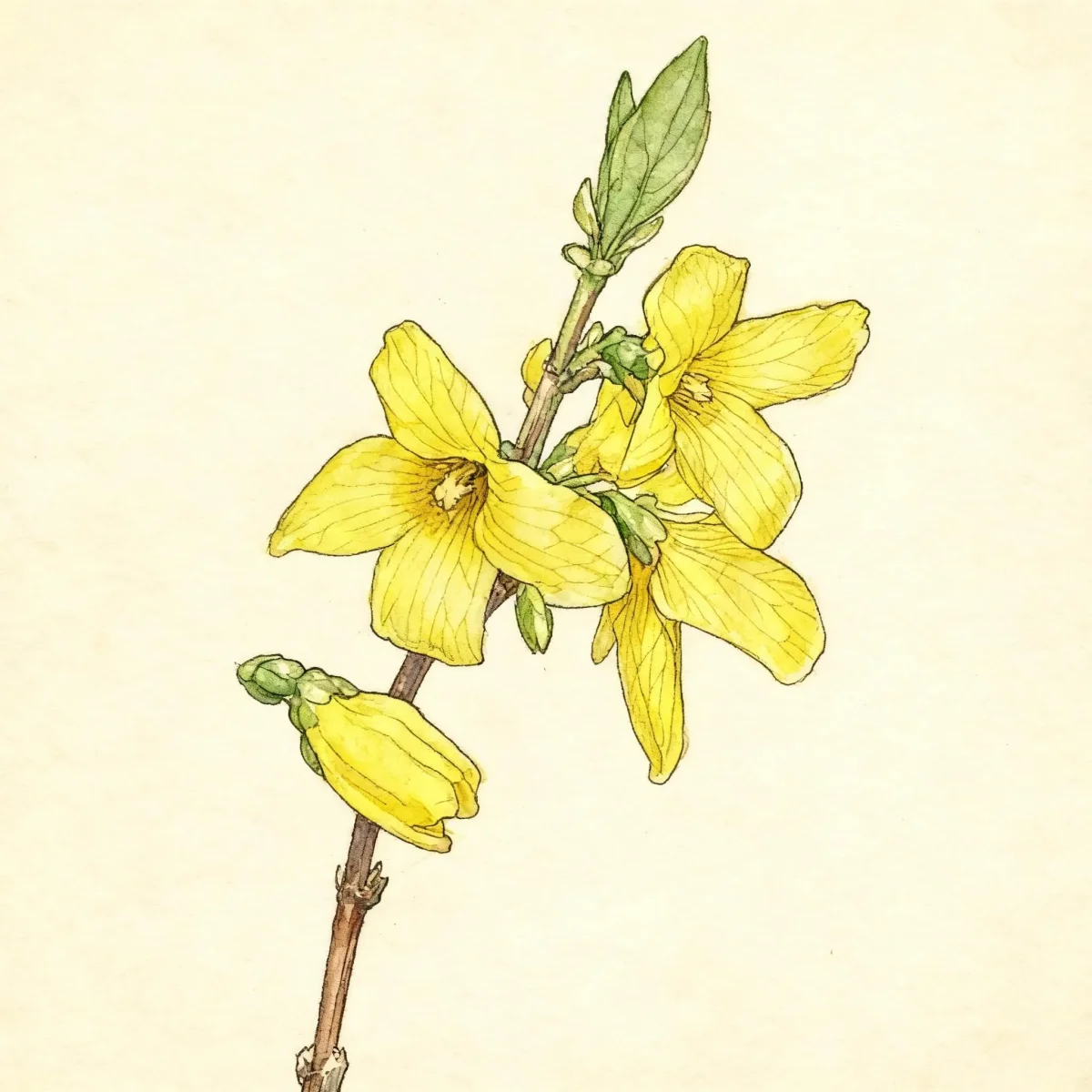
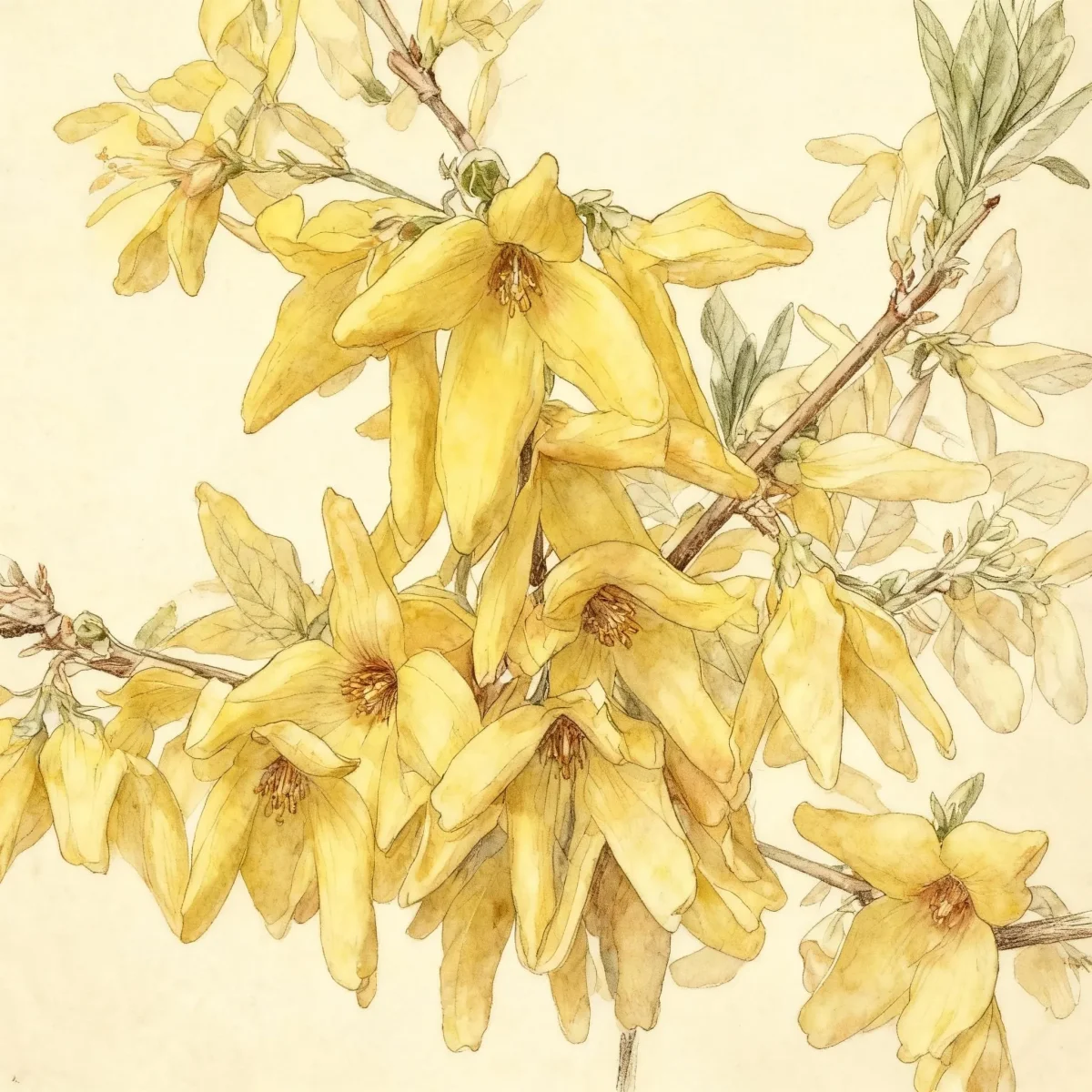
Chinese fringe tree (Chionanthus retusus 'Tokyo Tower')
The columnar Chionanthus retusus 'Tokyo Tower' (Chinese fringe tree) offers abundant, fragrant white flowers in late spring, ideal for narrow spaces.
Scroll down to discover growing tips, care requirements, companion plants, and more

Complete Plant Information
Overview
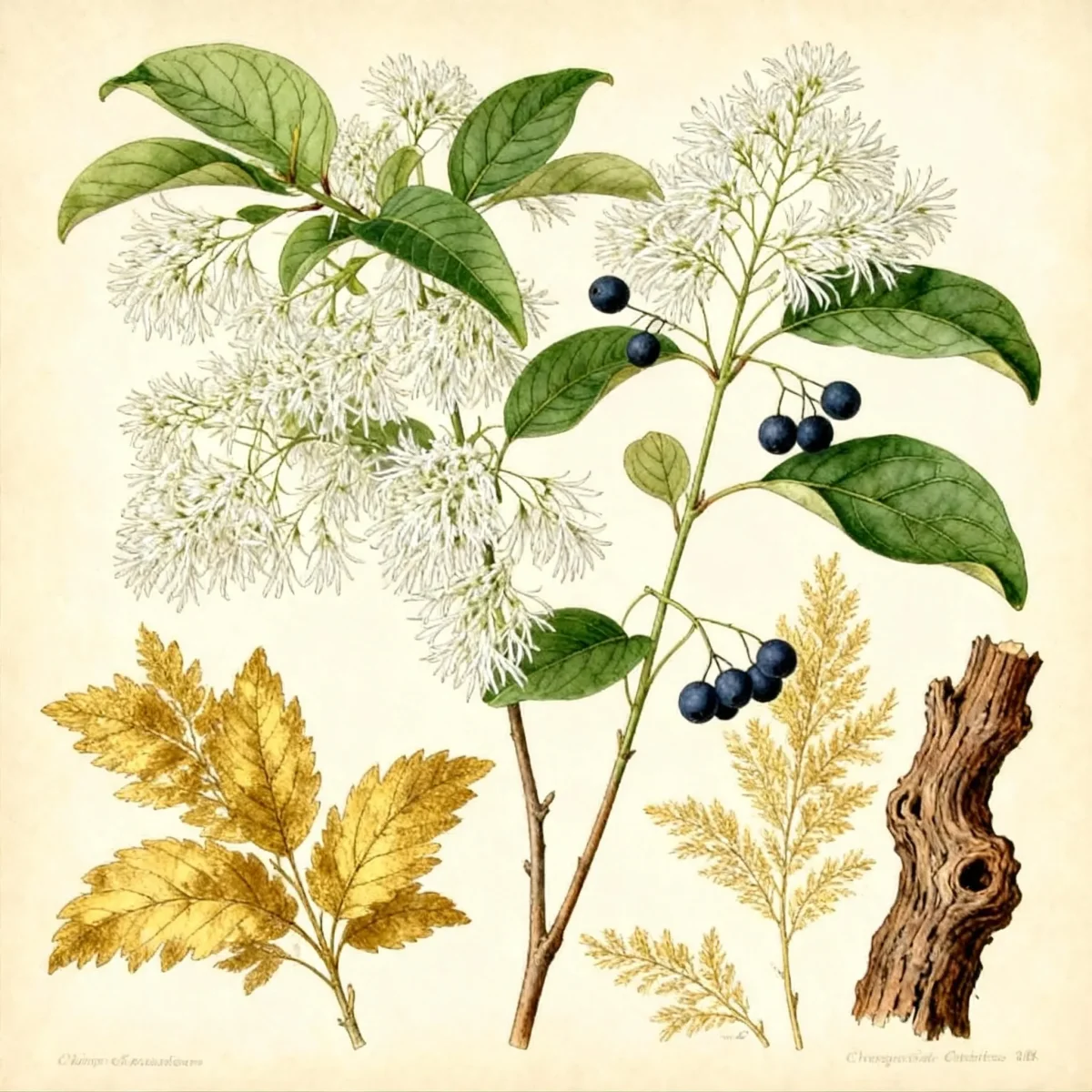
The Chionanthus retusus ‘Tokyo Tower’, a distinctive cultivar of the Chinese fringe tree, presents a truly elegant display for the landscape. This variety is highly valued for its intensely upright, narrow habit, making it perfect for spaces where traditional fringe trees might seem too broad. Its profuse bloom of pure white, fringe-like flowers in late spring provides significant aesthetic impact.
Native to East Asia, the Chinese fringe tree offers multiple seasons of interest, from its fragrant flowers to its attractive exfoliating bark and reliable yellow fall color. This cultivar retains the desirable traits of the species, including low maintenance needs and tolerance for urban pollution, while offering superior structural appeal.
As a small tree or large shrub, Chionanthus retusus ‘Tokyo Tower’ brings vertical interest to foundations, small yards, or mixed borders. Gardeners seeking structure paired with spectacular, mildly fragrant spring blossoms will find the Chionanthus retusus ‘Tokyo Tower’ an exceptional specimen choice.
Fast Facts
- Plant Family: Oleaceae
- Plant Type: Tree
- Hardiness Zones: USDA Zones 6-9
- Size at Maturity:
- Height: 12-15 ft
- Spread: 4-6 ft
- Bloom Time: May to June
- Bloom Description: White
- Sun Exposure: Full sun to part shade
- Water Needs: Medium
- Maintenance Level: Low
How to Grow
Plant the Chinese fringe tree during the dormant season—late fall or early spring—to allow roots time to establish before summer heat. Choose a location that receives full sun, as this maximizes flower production, though it tolerates part shade. The ideal soil is average, medium moisture, well-drained, and preferably deep, moist, fertile, and slightly acidic.
Once established, the Chinese fringe tree requires medium water, especially during dry spells, as it is intolerant of prolonged dry conditions. Pruning is seldom needed; only remove crossing or damaged branches as necessary. The plant adapts well to urban environments and shows good tolerance to air pollution.
Due to its preference for consistent moisture, consider planting near perennial streams or incorporating rich organic matter into the planting hole. This low-maintenance tree requires little attention outside of proper initial site selection and watering needs during its first few years.
Landscape Uses
The unique, columnar structure of Chionanthus retusus ‘Tokyo Tower’ makes it an invaluable architectural element in formal or compact garden designs. It excels as a specimen tree near entrances or along narrow sightlines where vertical emphasis is desired. Its use as a Flowering Tree is well-justified by its spectacular spring display.
This tree also performs admirably in rain gardens or near natural water features, given its need for medium moisture. Consider placing it near patios or walkways to fully appreciate the lovely fragrance produced by its white flowers in May and June. The structure of Chionanthus retusus ‘Tokyo Tower’ contrasts nicely with broad-leafed evergreens used for winter screening.
Standout Features
Flower Qualities
- Showy
- Fragrant
Fruit Qualities
- Showy
Noteworthy Characteristics
The Chinese fringe tree is noted for its profuse spring bloom of fragrant white flowers, appearing slightly earlier than the native U.S. species. The cultivar Chionanthus retusus ‘Tokyo Tower’ exhibits a strongly upright branching habit, growing 12 to 15 ft tall by 4 to 6 ft wide, accented by tan and gold exfoliating bark. Its leathery foliage turns bright yellow in the fall, providing excellent seasonal transition.
Tolerances
- Tolerant of air pollution
Potential Problems
The Chinese fringe tree generally suffers from very few serious insect or disease issues, contributing to its low maintenance profile. However, gardeners should remain vigilant for potential minor issues such as scale, borers, or mites. Fungal problems like leaf spots or powdery mildew can occur, especially in areas with high humidity and poor air circulation. Ensure optimal growing conditions—avoiding prolonged drought and ensuring good air movement—will help prevent most common tree diseases.
Frequently Asked Questions
What hardiness zones is Chinese fringe tree suitable for?
The Chionanthus retusus ‘Tokyo Tower’ is successfully grown in the USDA Hardiness Zones 6 through 9.
How large does Chionanthus retusus ‘Tokyo Tower’ grow?
This upright variety typically reaches a mature height between 12 and 15 feet tall, with a narrower spread of only 4 to 6 feet wide.
What sun exposure does Chinese fringe tree need?
For the best flowering performance, full sun exposure is recommended, although the Chinese fringe tree will tolerate partial shade.
When does Chionanthus retusus ‘Tokyo Tower’ bloom?
This spectacular small tree produces its white, fragrant blossoms from May into June.
Conclusion
The narrow, ascending form of Chionanthus retusus ‘Tokyo Tower’ provides an excellent solution for adding structural beauty and fragrant spring color to tight urban spaces or mixed borders. Its reliable performance and low demands ensure that the stunning blooms of the Chinese fringe tree are accessible to most dedicated gardeners. Before planting, verify that your site offers medium moisture and at least partial sun exposure to ensure decades of healthy growth.
Wildlife Benefits
The fruit produced by the Chinese fringe tree serves as an important food source for local bird populations during the late summer and fall. Once the female plants are fertilized, they mature olive-like drupes that ripen to a dark bluish-black, attracting various species. Planting this tree supports local biodiversity in addition to enhancing the garden’s aesthetic appeal.
Companion Planting
Because the Chionanthus retusus ‘Tokyo Tower’ thrives in deep, moist, fertile, and slightly acidic soils, pair it with other woodland-edge plants that share similar cultural requirements. Azaleas, Rhododendrons, and Japanese Maples are excellent companions, as they appreciate the filtered light offered by the fringe tree in the heat of summer, as well as similar acidic soil pH. Grouping these plants also helps maintain consistent soil moisture levels.