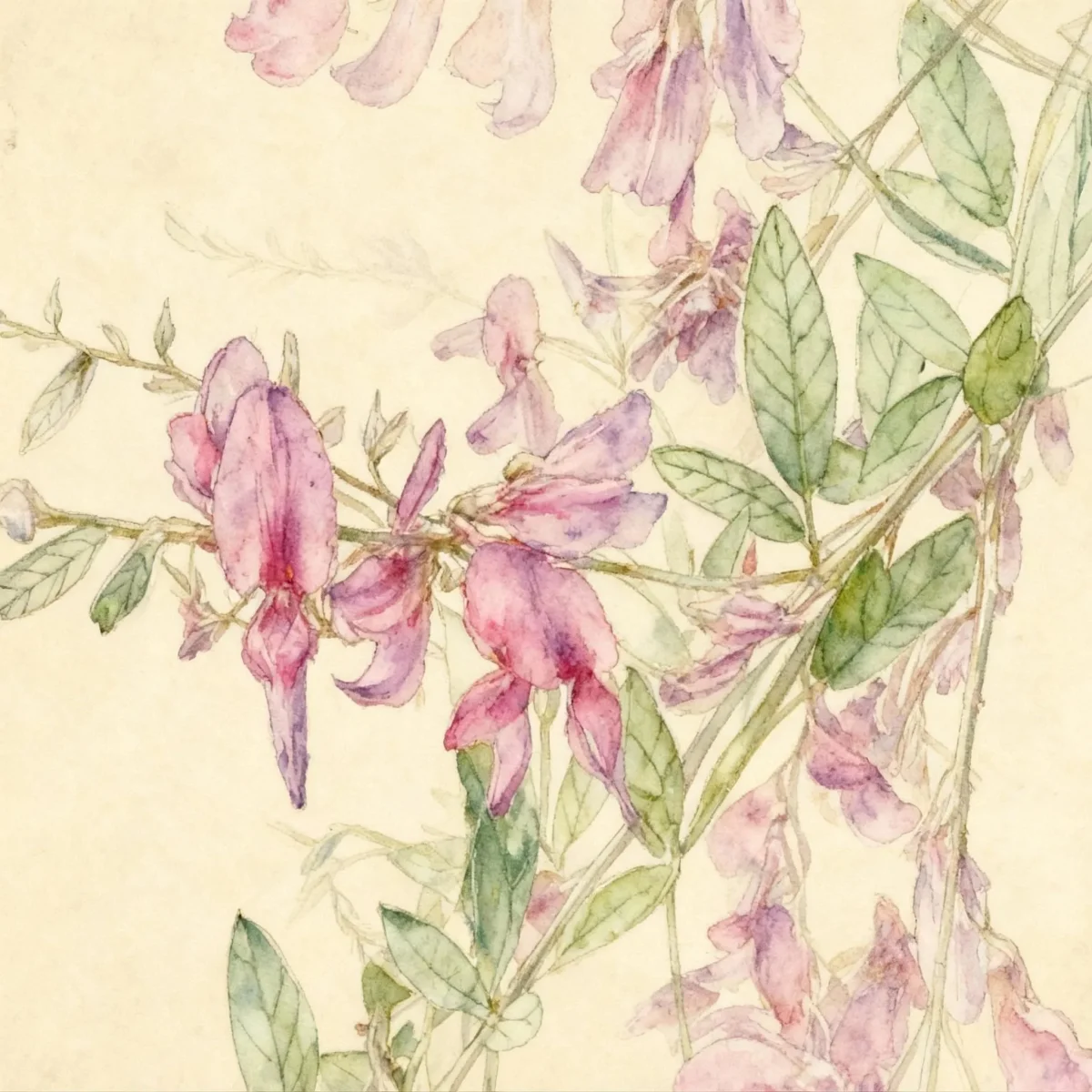
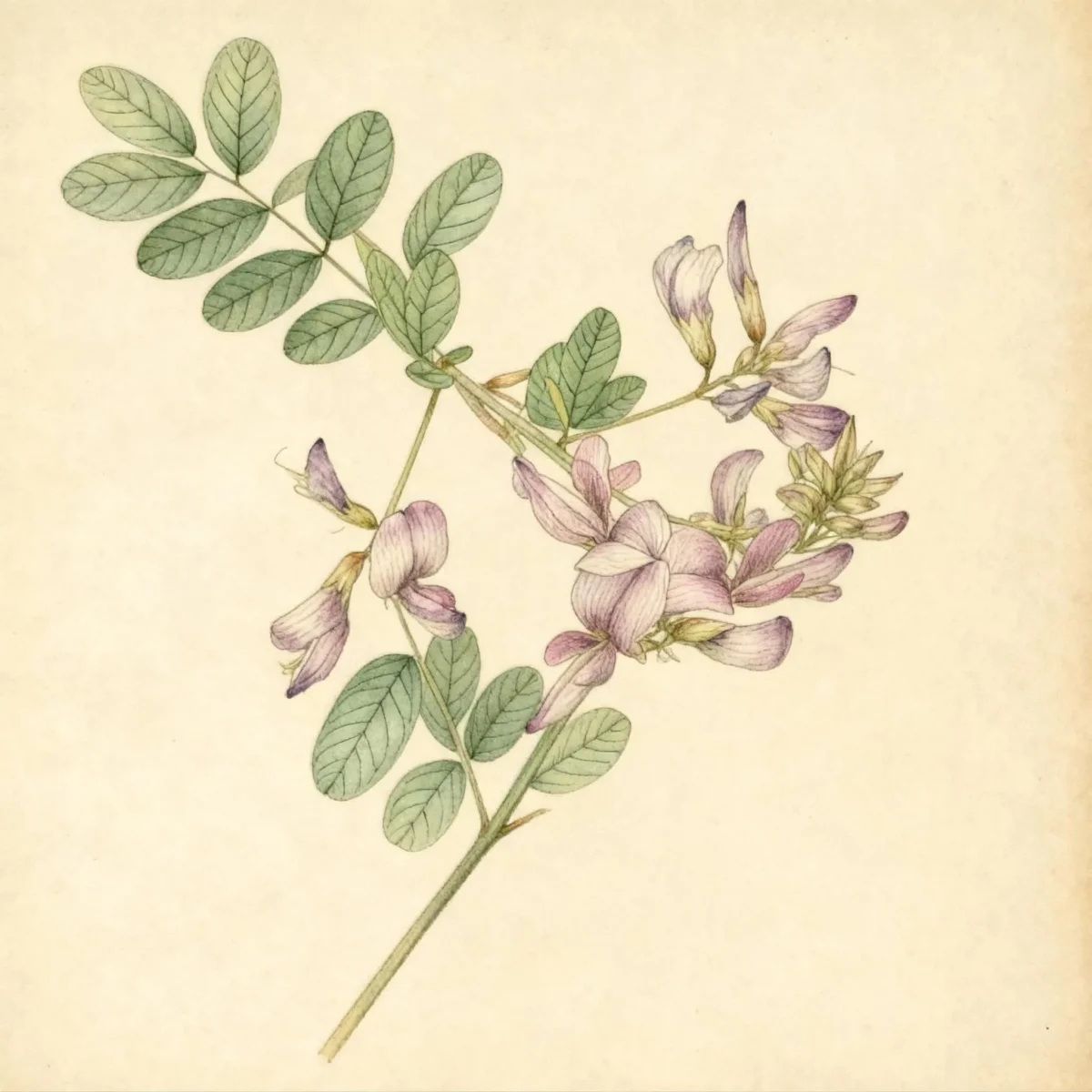
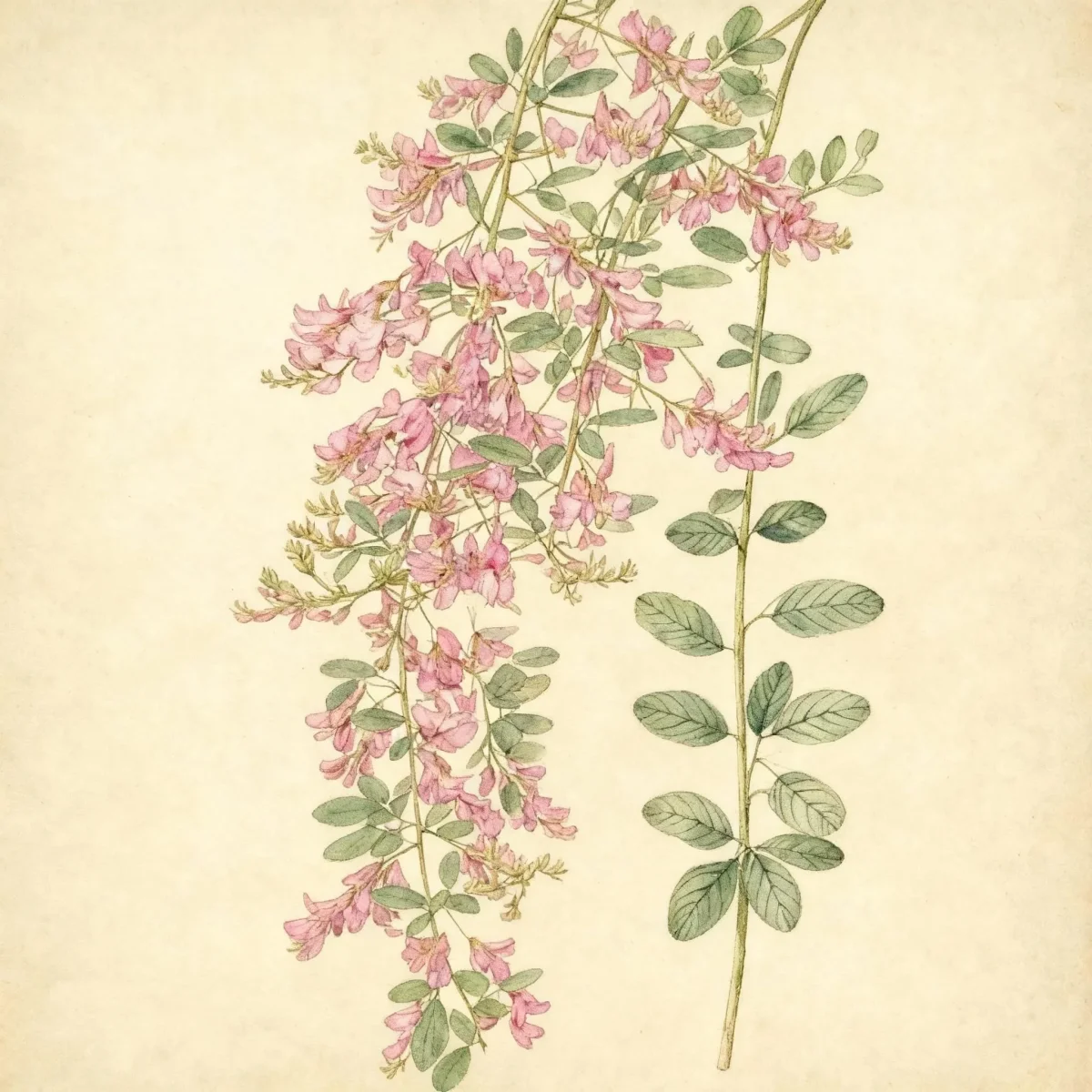
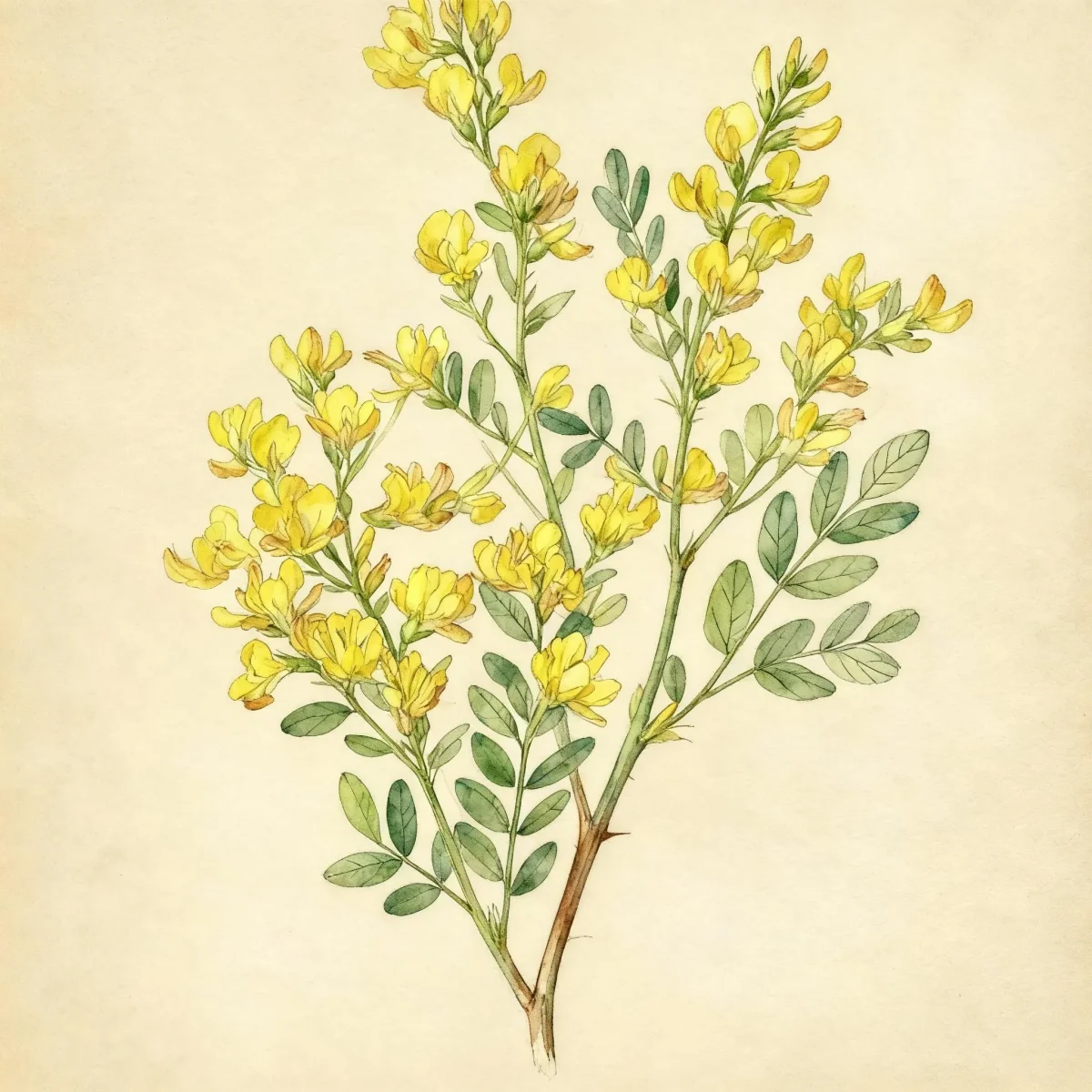
Bush clover (Lespedeza thunbergii 'Samidare')
Lespedeza thunbergii 'Samidare' offers spectacular late-season color as Bush clover. This deciduous shrub thrives in zones 4-8.
Scroll down to discover growing tips, care requirements, companion plants, and more
Complete Plant Information
Overview
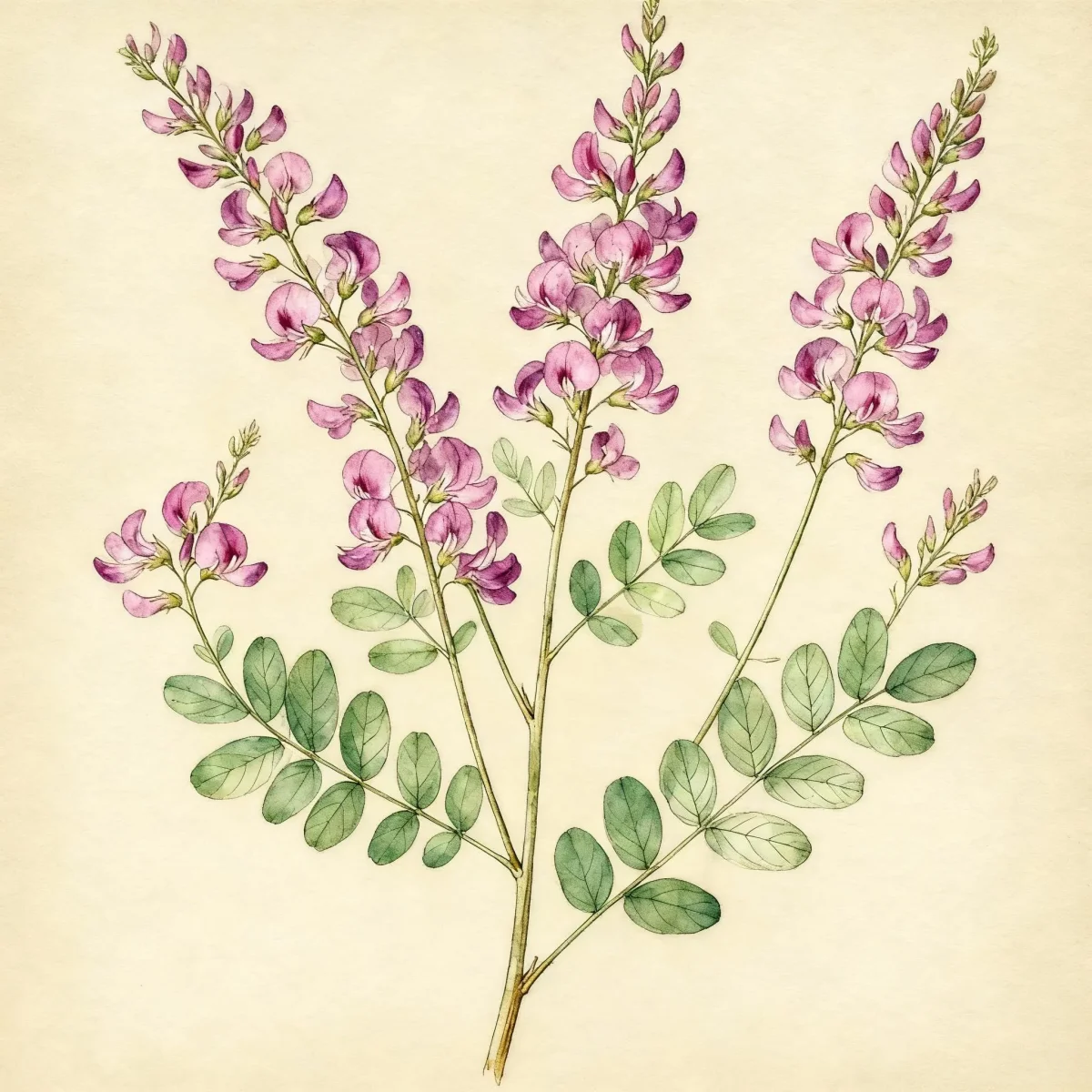
Lespedeza thunbergii ‘Samidare’ is highly valued by gardeners for its dramatic, late-season display of vibrant pink flowers, earning it the common name Bush clover. This deciduous shrub forms an attractive, arching, fountain-like silhouette that offers structure to the garden when many summer bloomers begin to fade. It is a rewarding specimen plant that provides excellent visual contrast as it matures to 4 to 5 feet tall.
This cultivar, ‘Samidare’, is noted for its bright fuchsia pink, pea-like blooms cascading along arching stems from midsummer into fall. While the woody stems can die back in colder winters, the plant reliably rejuvenates from the roots, making it easy to maintain its fresh appearance each year. Successful cultivation of Lespedeza thunbergii ‘Samidare’ relies on providing sufficient sunlight and ensuring excellent soil drainage.
Beyond its ornamental value, this Bush clover is adaptable, performing well even in infertile or sandy soils and offering good drought tolerance once established. It brings textural interest and crucial late-season color to sunny perennial or shrub borders, solidifying its status as a reliable performer through early autumn.
Fast Facts
- Plant Family: Fabaceae
- Plant Type: Deciduous shrub
- Hardiness Zones: USDA Zones 4-8
- Size at Maturity:
- Height: 4-5 ft
- Spread: 5-6 ft
- Bloom Time: August to September
- Bloom Description: Pink
- Sun Exposure: Full sun to part shade
- Water Needs: Medium
- Maintenance Level: Medium
How to Grow
For optimal flowering and habit, plant Lespedeza thunbergii ‘Samidare’ in full sun, though it tolerates light afternoon shade. This shrub thrives in average, medium-moisture soils, but good drainage is absolutely essential to prevent root issues. Plant during the spring, ensuring it has enough space to develop its natural 5 to 6-foot spread.
Watering requirements are medium; supply consistent moisture until the plant is fully established. Once established, this Bush clover demonstrates respectable drought tolerance, reducing the need for supplemental irrigation during dry spells. Avoid the temptation to over-fertilize, as excessive richness can promote floppy, weak growth rather than sturdy flowering stems.
Pruning is the most critical maintenance task for Lespedeza thunbergii ‘Samidare’. Since it blooms exclusively on new wood, prune it back hard in late winter or very early spring before new growth begins. Many gardeners simply cut the entire plant down to the ground level each year for a clean slate. Be aware that while the roots are hardy to Zone 6, top growth often dies back significantly in severe winters, necessitating this annual hard pruning.
These established plants will naturally spread via reseeding or by prostrate stems rooting where they touch the ground, allowing the Bush clover to gently naturalize within the garden bed over time.
Landscape Uses
Lespedeza thunbergii ‘Samidare’ excels as a spectacular fall-blooming specimen, drawing attention to sunny spots in the landscape late in the season. Its fountain-like habit makes it perfect for softening edges or spilling gracefully over retaining walls, adding a vertical element that contrasts nicely with mounding perennials. Consider incorporating it into mixed shrub borders where its late color can extend the season.
For dynamic cottage gardens, this Bush clover offers height and texture, pairing beautifully with late-blooming perennials such as asters, sedums, or ornamental grasses that share similar sun and moisture requirements. On slopes or hillsides, its root structure helps with erosion control while providing seasonal appeal.
Its airy, cascading structure prevents it from overwhelming smaller plants, making it an excellent choice for layering in front of evergreens or evergreen foundation plantings that benefit from a veil of pink color in September.
Standout Features
Flower Qualities
- Showy
Noteworthy Characteristics
Lespedeza thunbergii, commonly called bush clover, is a deciduous, semi-woody shrub with an arching, fountain-like habit. When cut to the ground in late winter to early spring, it responds by producing rapid annual growth to 3- 6’ tall and as wide during the following growing season. It features alternate, trifoliate, bluish-green leaves (leaflets to 1-2” long) and drooping racemes (to 6” long) of rosy-purple, pea-like flowers which are grouped into loose, pendulous flower panicles (to 2’ long). ‘Samidare’ specifically has bright fuchsia pink, pea flower-like blooms on long arching stems from midsummer into fall, growing 4 to 5 ft. Tall and 5 to 6 ft. Wide.
Tolerances
- Drought
- Erosion
Potential Problems
This plant is generally free from significant gardening concerns, exhibiting no serious insect or disease problems under appropriate growing conditions. Gardeners should remain vigilant regarding cultural requirements, as poor drainage is the primary factor leading to plant decline rather than pest infestation. Ensuring the soil drains well will keep this Lespedeza thunbergii ‘Samidare’ problem-free.
Frequently Asked Questions
What hardiness zones is Bush clover suitable for?
Lespedeza thunbergii ‘Samidare’ is reliably hardy in USDA Zones 4 through 8.
How large does Bush clover grow?
This cultivar typically reaches a height between 4 and 5 feet, with a spread ranging from 5 to 6 feet wide.
When does Lespedeza thunbergii ‘Samidare’ bloom?
You can expect vibrant pink blooms primarily during August and September, providing excellent late-summer interest.
What sun exposure does Lespedeza thunbergii ‘Samidare’ need?
For the most prolific flowering, full sun exposure is best, although it can tolerate part shade locations.
Conclusion
The Lespedeza thunbergii ‘Samidare’ offers reliable, late-season color with its cascading pink flowers, making it an indispensable addition to the fall garden palette. Its easy care, adaptive nature in poor soils, and attractive fountain shape distinguish this favorite Bush clover. Before planting, confirm your location falls within USDA Zones 4-8 and ensure your chosen site has the excellent drainage this semi-woody shrub demands.
Companion Planting
When integrating Lespedeza thunbergii ‘Samidare’ into your landscape design, seek companions that appreciate full sun and medium-to-dry conditions once established. Grasses like Miscanthus or Calamagrostis provide upright vertical contrast to the weeping habit of the Bush clover. For late-season color, pair it with robust late-season bloomers such as tall Sedum varieties (like ‘Autumn Joy’) or hardy hardy Aster cultivars.
Ensure any neighboring perennials do not require frequent, heavy watering, as the long-term drought tolerance of this shrub means it dislikes consistently wet feet. By grouping plants with similar water needs, you simplify maintenance and guarantee the health and vigor of your entire planting area.
Seasonal Care Calendar
Late Winter to Early Spring is the critical time for aesthetic shaping. Cut the entire woody structure of the Lespedeza thunbergii ‘Samidare’ down to about 3-6 inches above the ground immediately before new growth emerges. This hard prune encourages the strong, flowering stems needed for the late-season show.
Summer maintenance is minimal, focusing primarily on observation. Water deeply during extended dry periods, especially if the plant is newly installed, though established specimens are quite self-sufficient. Resist the urge to deadhead the pea-like flowers, as they are part of the plant’s appeal as it matures into fall.
Fall is when this Bush clover is at its peak. Enjoy the blush of pink blooms until the first hard frost blackens the foliage. After dormancy sets in later in the season, you can wait until late winter for your annual clean-up pruning, allowing the structure to remain for winter interest if desired.