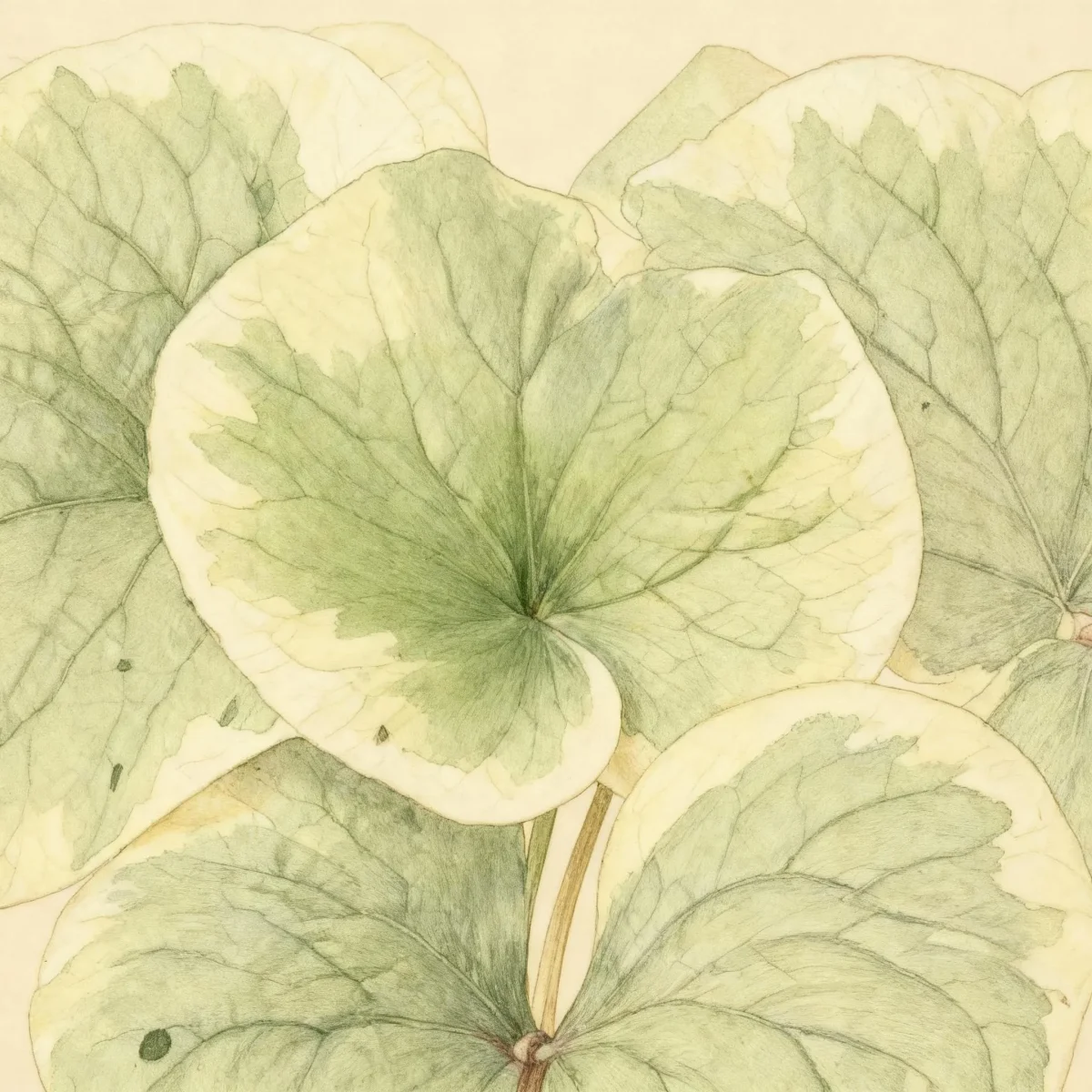
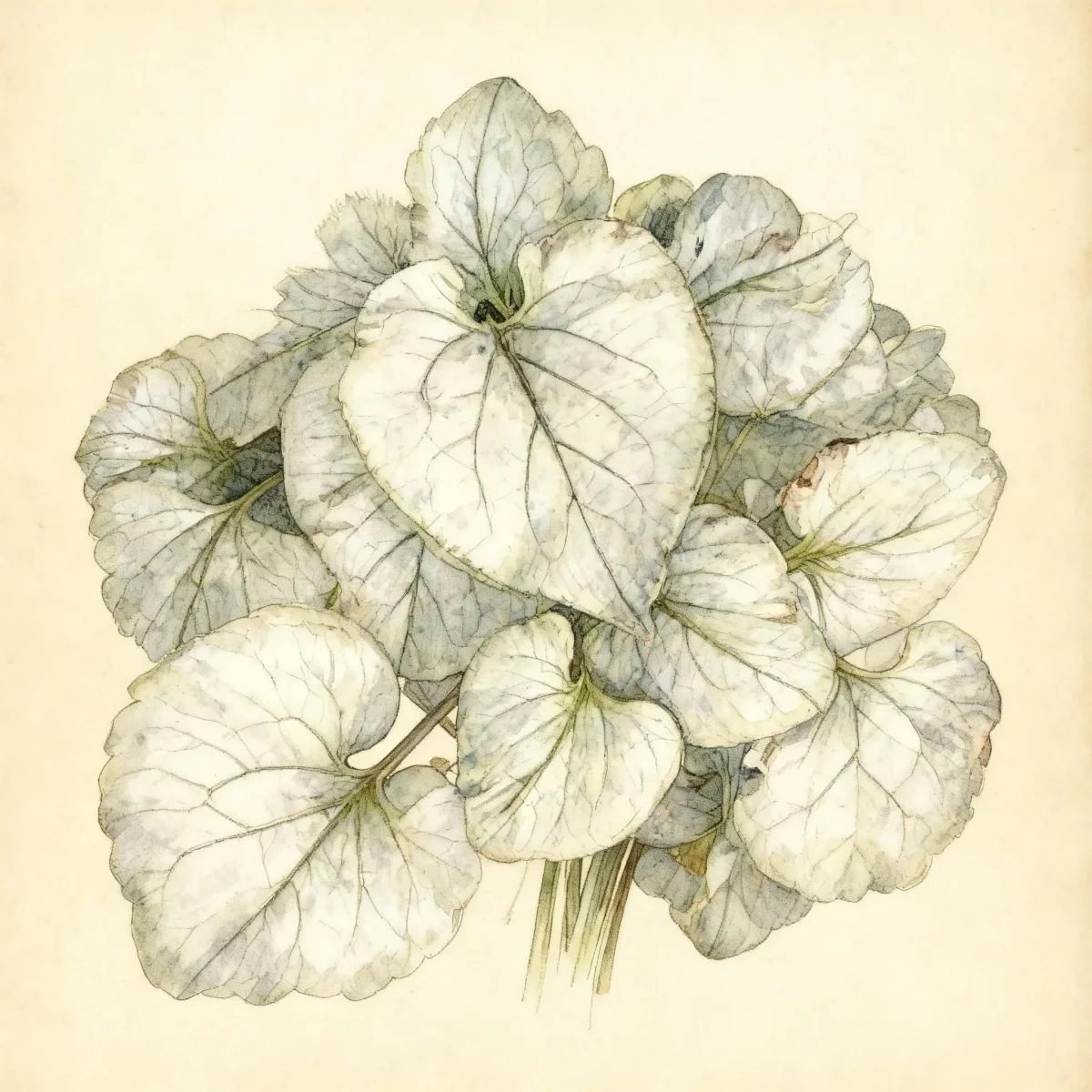
Siberian bugloss (Brunnera macrophylla 'Sea Heart')
Brunnera macrophylla 'Sea Heart', or Siberian bugloss, features stunning silver-mottled foliage and sky-blue spring flowers. A low-maintenance perennial well-suited for shade.
Scroll down to discover growing tips, care requirements, companion plants, and more
Complete Plant Information
Overview
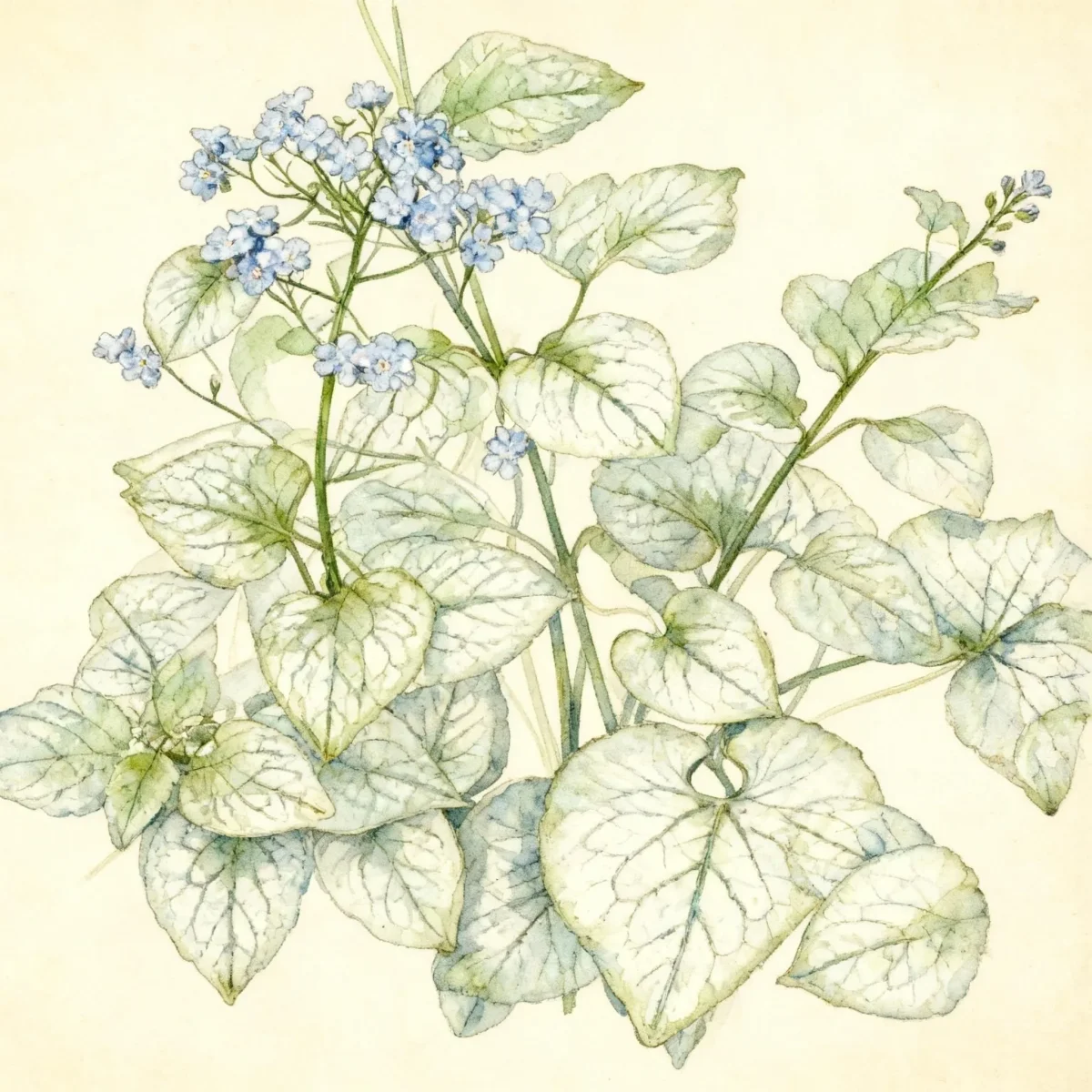
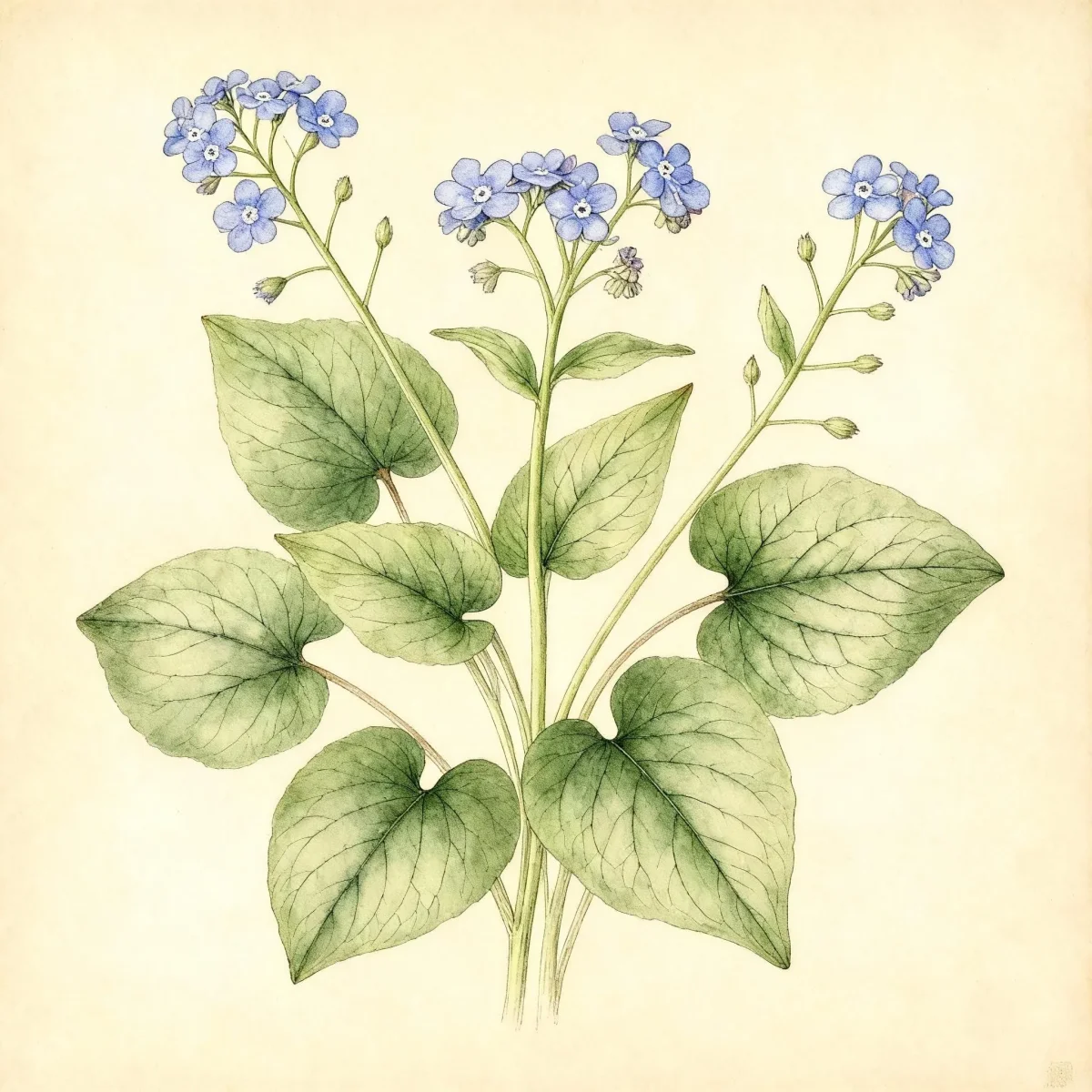
Brunnera macrophylla ‘Sea Heart’ is highly valued by gardeners for its exceptional foliage display that brightens deep shade conditions throughout the growing season. This cultivar of Siberian bugloss showcases large, heart-shaped leaves elegantly mottled with silver between green veins, offering year-round interest even when not in bloom. Small, delicate blue flowers reminiscent of forget-me-nots appear densely above the mounds of foliage in spring, providing early color.
As a rhizomatous, clump-forming herbaceous perennial, Brunnera macrophylla ‘Sea Heart’ slowly spreads to form an effective ground cover, making it an excellent choice for mass planting in woodland settings. It combines attractive blooms with resilient, ornamental leaves, creating a sophisticated texture contrast in shaded borders. Gardeners appreciate the low maintenance required by this hardy plant.
Specifically selected for its vigorous growth and attractive leaf pattern, ‘Sea Heart’ adds reliable structure to difficult shady areas. Utilizing this Siberian bugloss ensures you introduce reliable color and form that thrives where many other perennials struggle. Ensure you site this variety properly to maximize foliage quality and enjoy the ephemeral spring blue show.
Fast Facts
- Plant Family: Boraginaceae
- Plant Type: Herbaceous perennial
- Hardiness Zones: USDA Zones 3-9
- Size at Maturity:
- Height: 0.5-1 ft
- Spread: 1-2 ft
- Bloom Time: April to May
- Bloom Description: Blue fading to pink or lavender
- Sun Exposure: Part shade
- Water Needs: Medium
- Maintenance Level: Low
How to Grow
Plant Brunnera macrophylla ‘Sea Heart’ in the spring or fall when soil temperatures are moderate. Choose a location offering part shade; while its leaves are more sun-tolerant than some relatives, intense afternoon sun, especially in hot climates, can cause scorching. The ideal environment is well-drained soil enriched heavily with organic matter, as this Siberian bugloss species prefers consistently moist, rich conditions.
Water moderately to maintain even soil moisture, especially during dry spells. While Brunnera macrophylla ‘Sea Heart’ is more tolerant of brief dryness than some counterparts, consistently dry soil is detrimental, particularly in hotter zones (USDA 7-9) where performance suffers. Fertilization is often unnecessary if the soil is organically rich; otherwise, a spring top-dressing of compost will suffice. There is virtually no pruning required beyond removing any dead foliage in early spring before new growth begins.
These plants perform best and maintain their vigor in cool summer regions. In hotter, humid spots, be prepared for the foliage to look tired by late summer, as the plant dislikes intense heat. Clumps spread gradually via creeping rhizomes, forming dense colonies ideal for suppressing weeds over time, making them excellent naturalizing choices.
Landscape Uses
Brunnera macrophylla ‘Sea Heart’ excels when used as a textural element throughout shaded landscapes. Its low, mounding habit makes it superb utilized as a ground cover or for mass planting beneath mature trees where turf struggles. It works wonderfully defining the edges of woodland gardens or softening the banks along streams or ponds where moisture retention is naturally high.
For more formal designs, use this cultivar in groups or as specimen plants to highlight pathways or entryways leading into shady areas. The striking foliage texture pairs exceptionally well with plants offering contrasting leaf shape or color, such as hostas with deep green or yellow margins, or ferns that provide an airy counterpoint. Containers are also an option, though consistent watering is necessary to mimic its preferred naturally moist soil.
When allowing plantings to naturalize, be mindful that seedlings, particularly of variegated forms, may not reproduce true to type, meaning you might lose some of the desirable silver mottling present in the parent Brunnera macrophylla ‘Sea Heart’.
Standout Features
Flower Qualities
- Showy
Noteworthy Characteristics
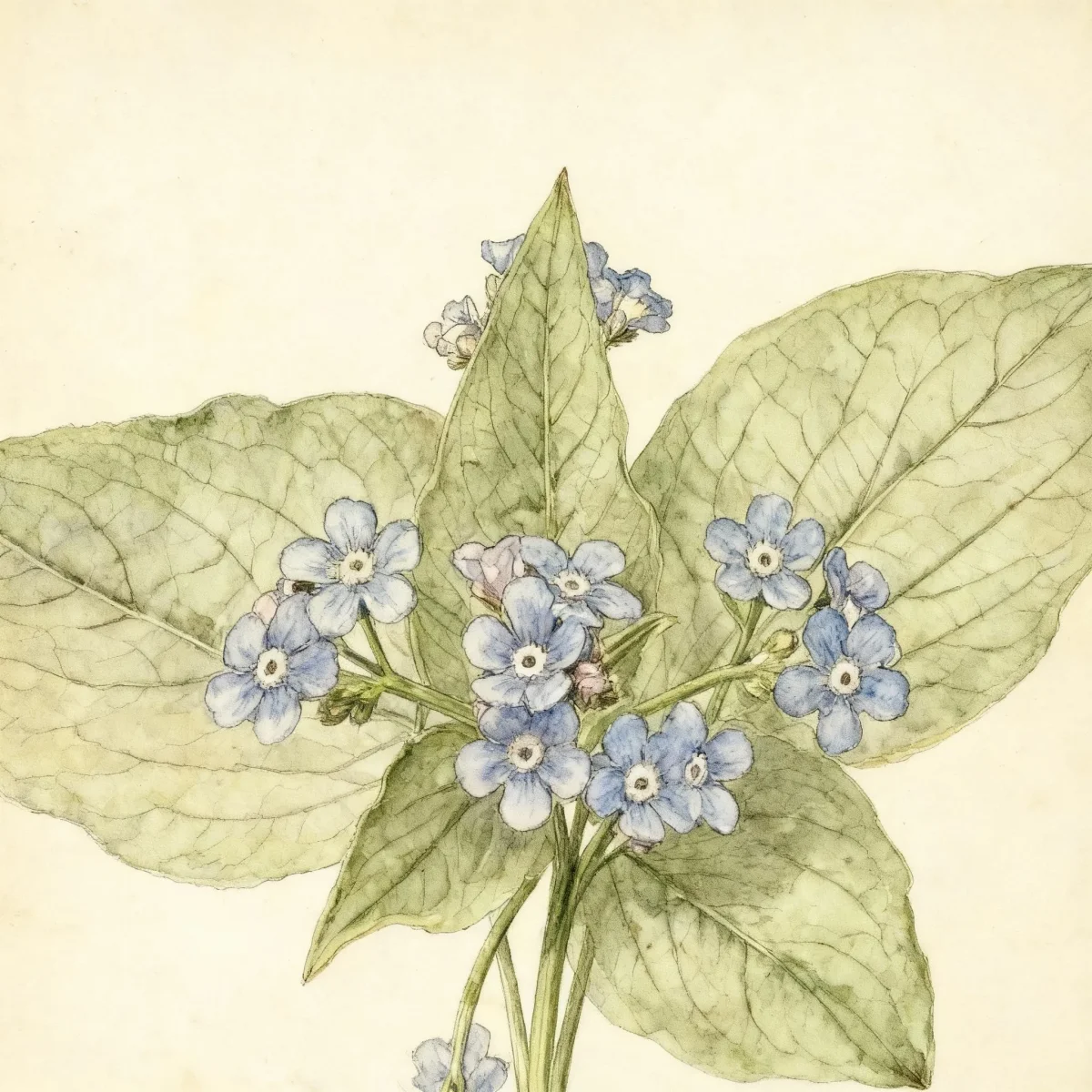
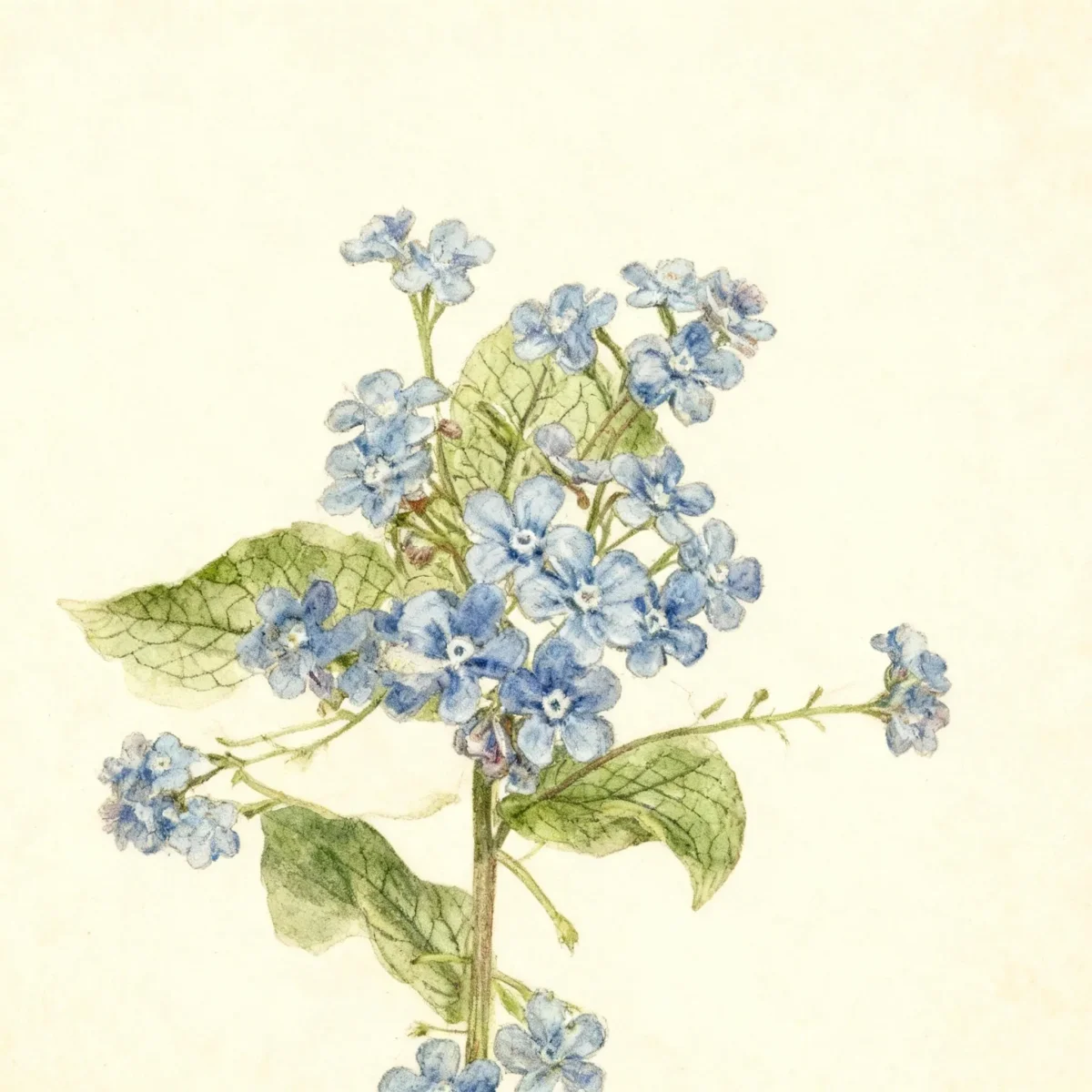
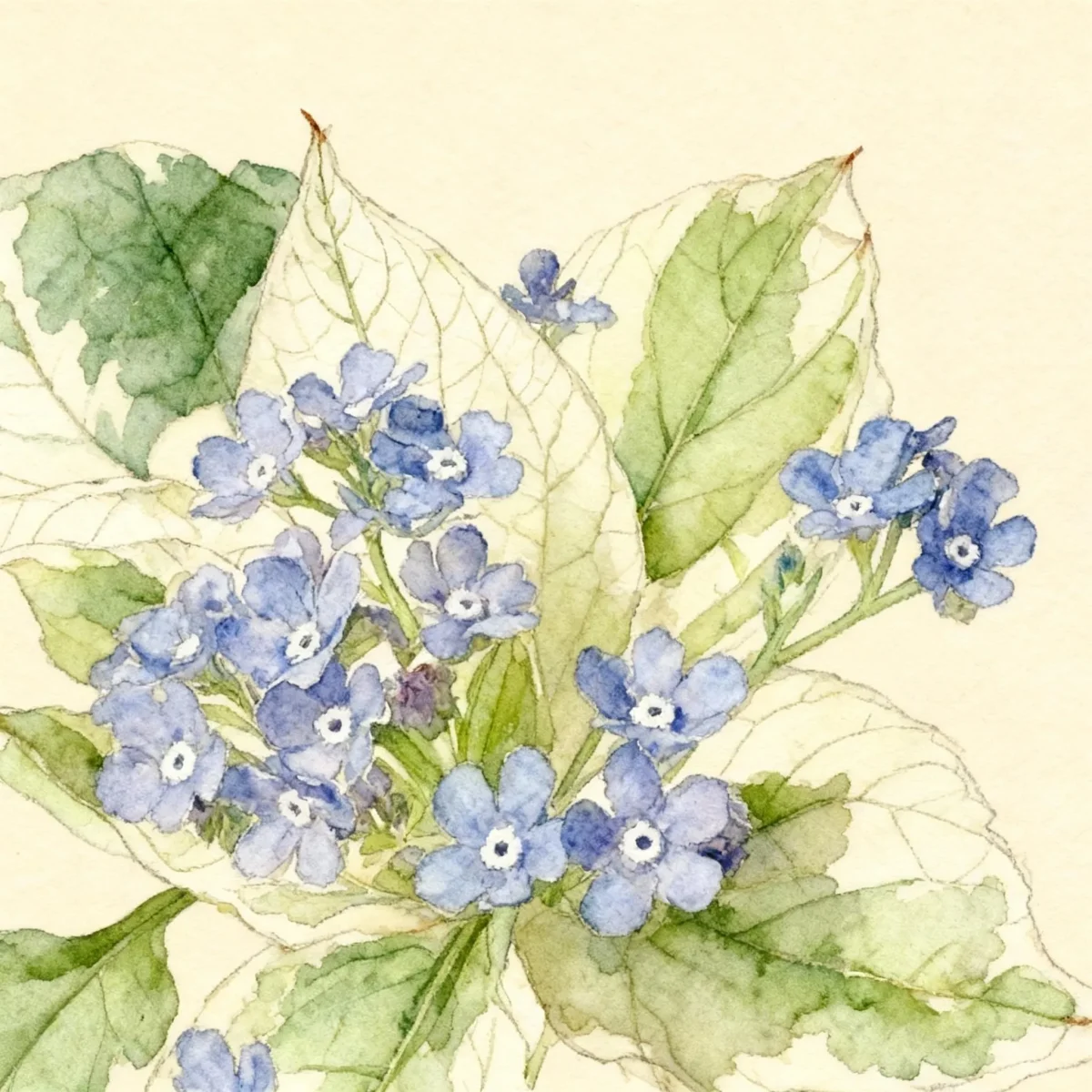
Brunnera macrophylla, commonly called Siberian bugloss, is prized for its heart-shaped, dark green, basal foliage, though ‘Sea Heart’ features distinctive silver mottling between the green veins. In spring, small, blue, forget-me-not-like flowers appear on airy racemes slightly above the leaves, opening sky blue and subtly fading to pink or lavender, creating a beautiful two-tone effect. Discovered in 2010, this cultivar exhibits leaves that are notably sun tolerant and resistant to scorch compared to other varieties.
Tolerances
- Rabbit
Potential Problems
Brunnera macrophylla ‘Sea Heart’ generally remains free from serious insect or disease complications, contributing to its low-maintenance profile. The most common occasional pests encountered are slugs and snails, which may target young, tender foliage, particularly in damp, sheltered locations. Rabbits typically leave this Siberian bugloss alone. To manage slugs and snails, employ cultural controls like keeping the area tidy or utilizing baiting methods early in the season when new growth emerges.
Frequently Asked Questions
What hardiness zones is Siberian bugloss suitable for?
Brunnera macrophylla ‘Sea Heart’ is hardy across a wide range, thriving in USDA Zones 3 through 9.
How large does Brunnera macrophylla ‘Sea Heart’ grow?
This plant reaches a modest height between 0.5 to 1 foot tall, spreading slowly to occupy an area 1 to 2 feet wide at maturity.
What sun exposure does Siberian bugloss need?
Brunnera macrophylla ‘Sea Heart’ performs best when provided with part shade, though its named characteristic includes better sun tolerance than many shade perennials.
When does Brunnera macrophylla ‘Sea Heart’ bloom?
The charming blue blooms appear relatively early in the season, typically from April to May, presenting flowers that shift color from blue fading to pink or lavender.
Conclusion
The distinctive, silver-mottled foliage combined with charming early spring blooms secures Brunnera macrophylla ‘Sea Heart’ as a staple for shade gardens. Its low maintenance and reliable spreading habit make this Siberian bugloss clone an invaluable textural anchor. Check your local projected minimum winter temperatures to confirm compatibility within USDA Zones 3-9 before planning your purchase and incorporation into your woodland plantings.
Companion Planting in Shade
Successful shade gardening relies on layering textures that complement the broad leaf form of Siberian bugloss. Consider pairing Brunnera macrophylla ‘Sea Heart’ with plants that offer fine, airy textures, such as different varieties of Hellebores (Lenten Rose) or delicate bleeding hearts (Dicentra). For color contrast, look toward Hostas with strong yellow or lime-green variegation, as this bright foliage plays beautifully against the cool silver and blue tones of the ‘Sea Heart’ leaves.
Seasonal Care Calendar
Spring is the prime time to amend the soil around your Brunnera macrophylla ‘Sea Heart’ with fresh compost to support robust leaf development as flowering concludes. During summer, focus on consistent, medium watering, especially if you are gardening in the warmer end of its range (Zones 7-9), to prevent wilting or scorch. In the fall, the plant will begin to look tired; you can simply leave the dead foliage in place to insulate the rhizomes over winter, or clean it up after the first hard frost.