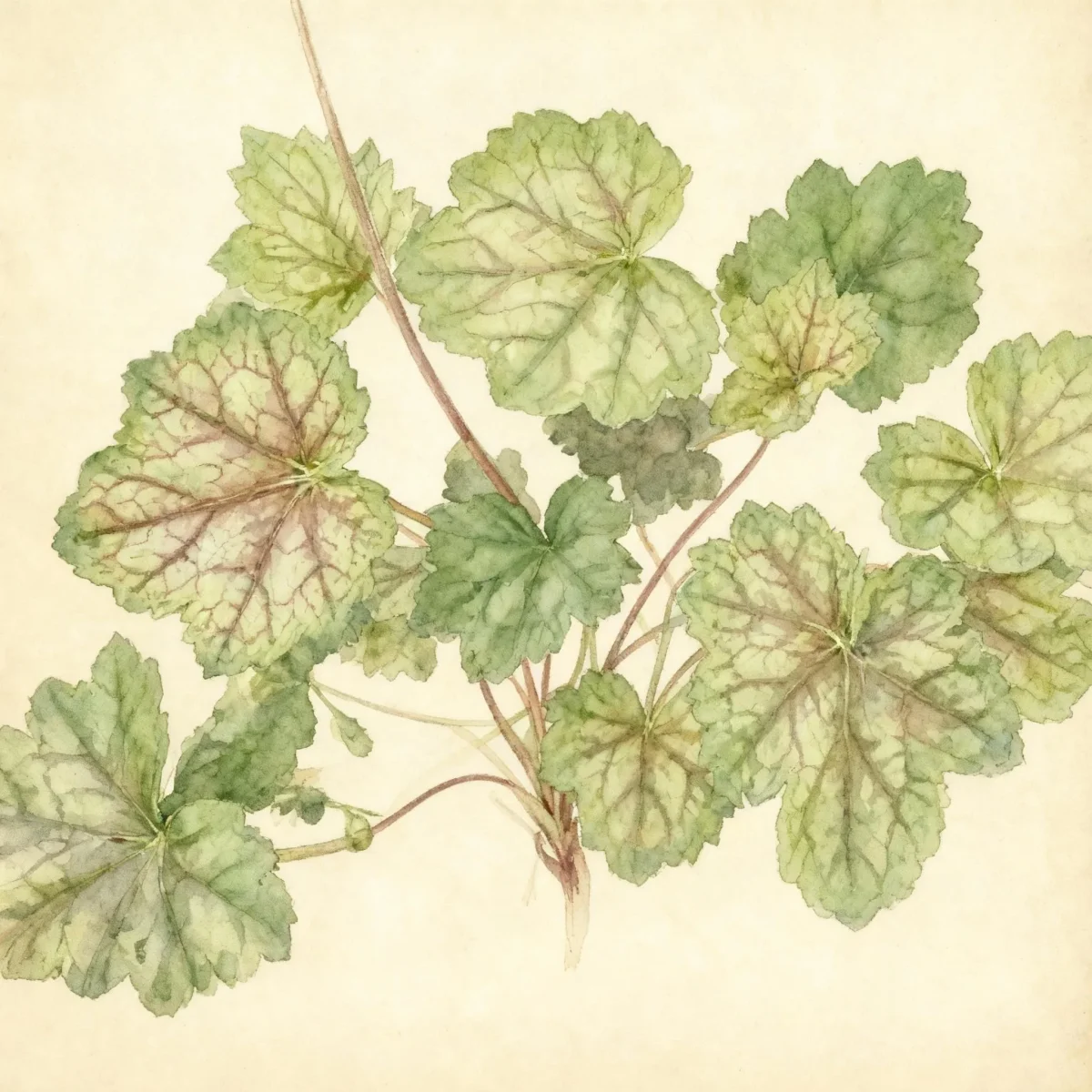
Coral bells (Heuchera 'Circus')
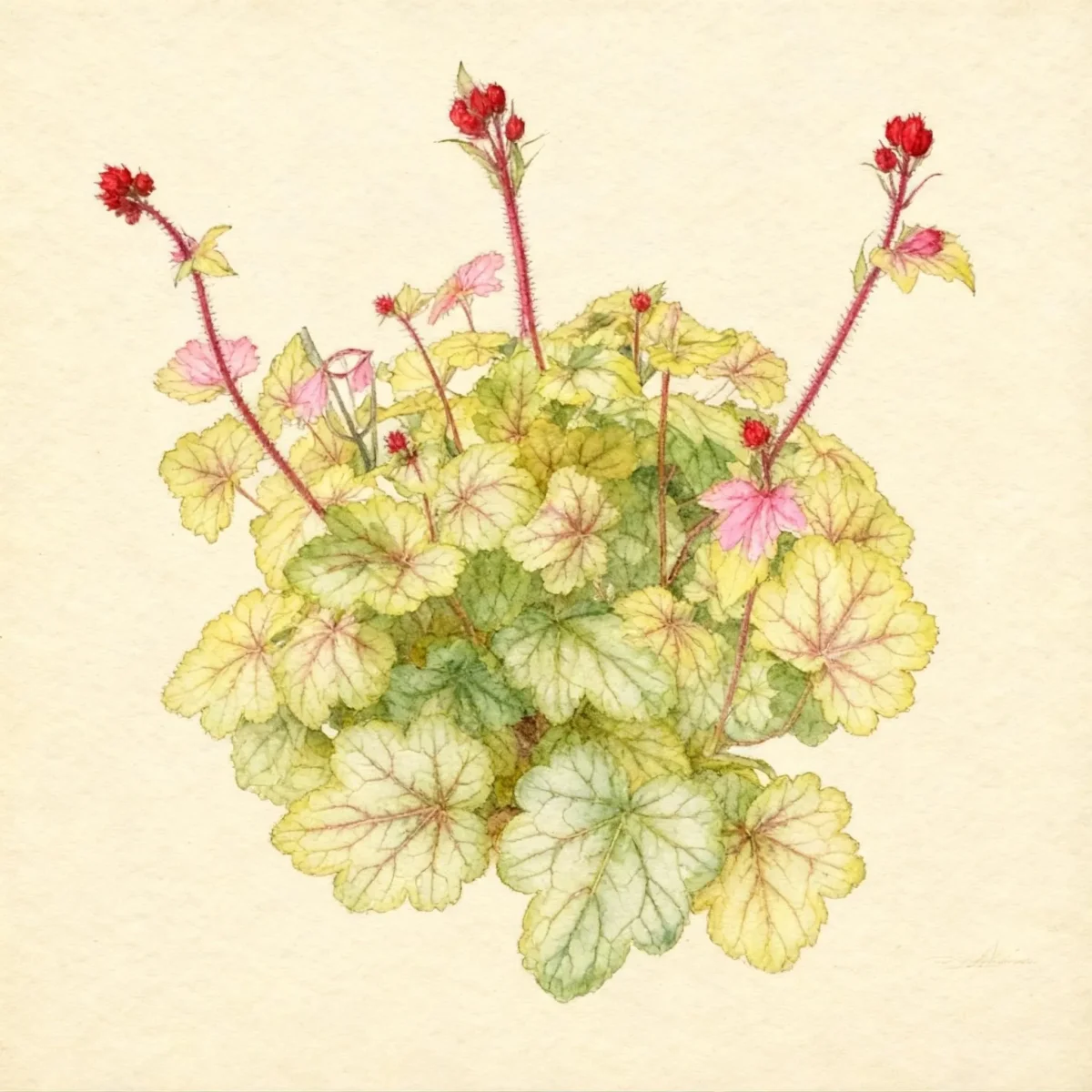
Heuchera 'Circus' (Coral bells) offers dynamic, uniquely colored foliage that shifts from peach to chartreuse to pink, blooming with deep pink flowers.
Scroll down to discover growing tips, care requirements, companion plants, and more
Complete Plant Information
Overview
Heuchera ‘Circus’, a vibrant cultivar of Coral bells, is highly valued by gardeners for its spectacular, ever-changing foliage display. This specific hybrid provides season-long color interest, moving through warm tones that few other perennials can match. It creates a dense, attractive mound that serves as excellent structural color in mixed plantings.
This herbaceous perennial thrives under conditions that mimic its woodland heritage, though its exact needs depend on its unique parentage. Understanding the ideal soil and light for your Heuchera ‘Circus’ is key to maximizing its color intensity and overall vigor throughout the growing season.
As a North American native genus, Coral bells offer reliable performance across a wide range of climates. Heuchera ‘Circus’ provides substantial aesthetic returns for a manageable level of care, making it a staple in contemporary garden design.
Fast Facts
- Plant Family: Saxifragaceae
- Plant Type: Herbaceous perennial
- Hardiness Zones: USDA Zones 4-9
- Size at Maturity:
- Height: 1-2 ft
- Spread: 1-1.5 ft
- Bloom Time: June to July
- Bloom Description: Deep pink to red
- Sun Exposure: Full sun to part shade
- Water Needs: Medium
- Maintenance Level: Medium
How to Grow
Planting Heuchera ‘Circus’ is best done in spring or fall. These Coral bells perform best in organically rich, humusy, medium moisture soils that drain exceptionally well. While they generally appreciate part shade, especially in hotter climates, some hybrids handle full sun, particularly in northern regions, provided moisture is consistently maintained.
Consistent watering is vital, especially if the plant receives significant afternoon sun, as drying soils can quickly lead to foliage scorch and decline. Avoid planting where water pools, as poor drainage compromises root health. Fertilization is rarely necessary if the original soil was well-amended; aim to keep the planting areas rich in organic matter.
Remove the spent flower stems to encourage any sporadic re-blooming. In cold winter zones, apply a layer of compost mulch after the ground freezes to insulate the roots and prevent damaging frost heave. Clumps of Heuchera ‘Circus’ should be divided every three to four years in the spring to maintain vigor and prevent overcrowding.
Landscape Uses
Heuchera ‘Circus’ is highly versatile, excelling when massed together for blocks of color or planted in smaller, strategic groups throughout the landscape. Their manageable size makes them perfect for defining the edges of walkways and paths, where their colorful foliage is clearly visible year-round in warmer zones. They are superb additions to rock gardens, where their mounding habit contrasts nicely with upright or spiky textures.
Consider pairing Coral bells with plants that appreciate similar well-drained soil and intermediate moisture. Hostas, ferns, and early-blooming spring bulbs like Daffodils create excellent textural complements to the lobed leaves of Heuchera ‘Circus’. In borders, they act as excellent mid-layer fillers, providing continuous interest long after early spring bloomers fade.
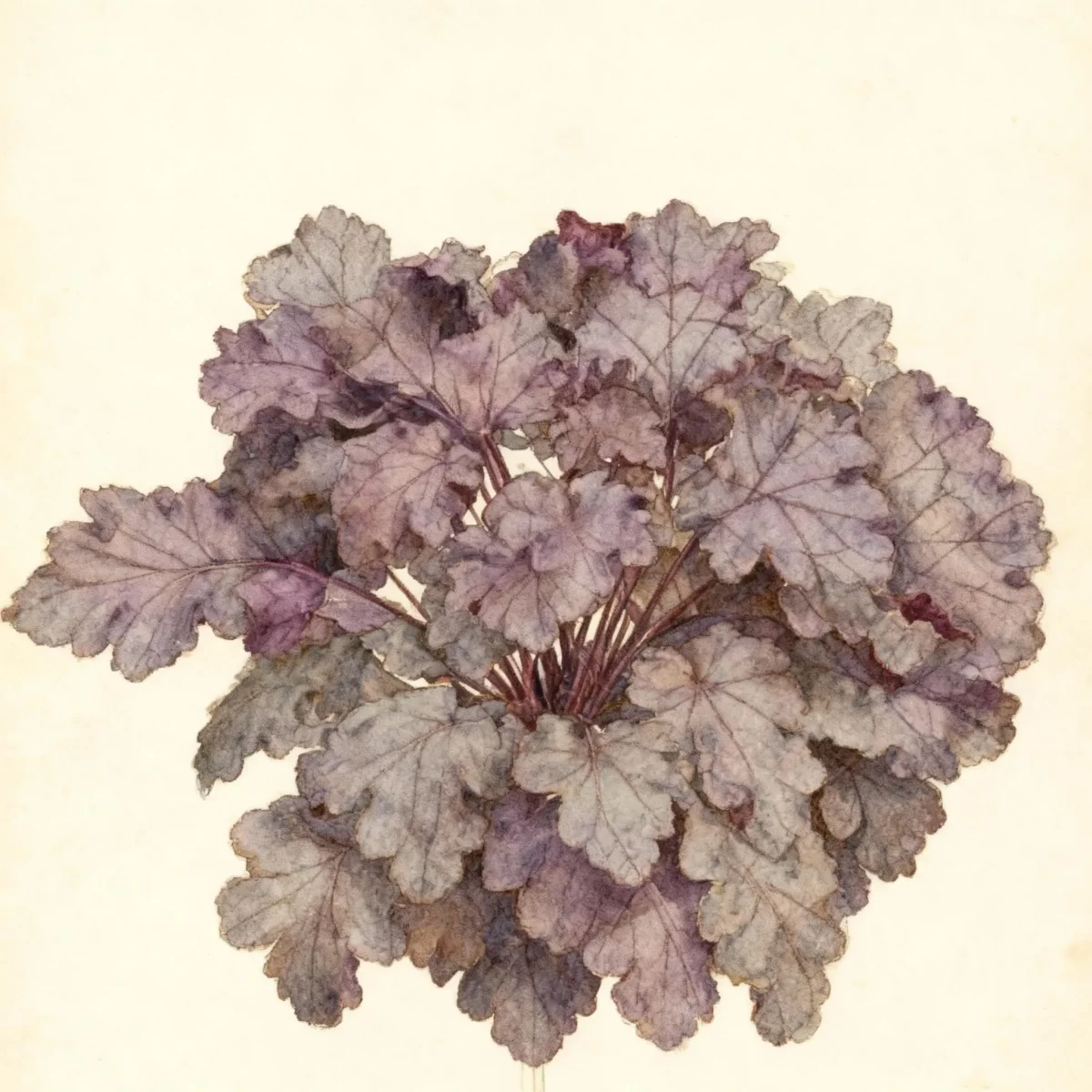
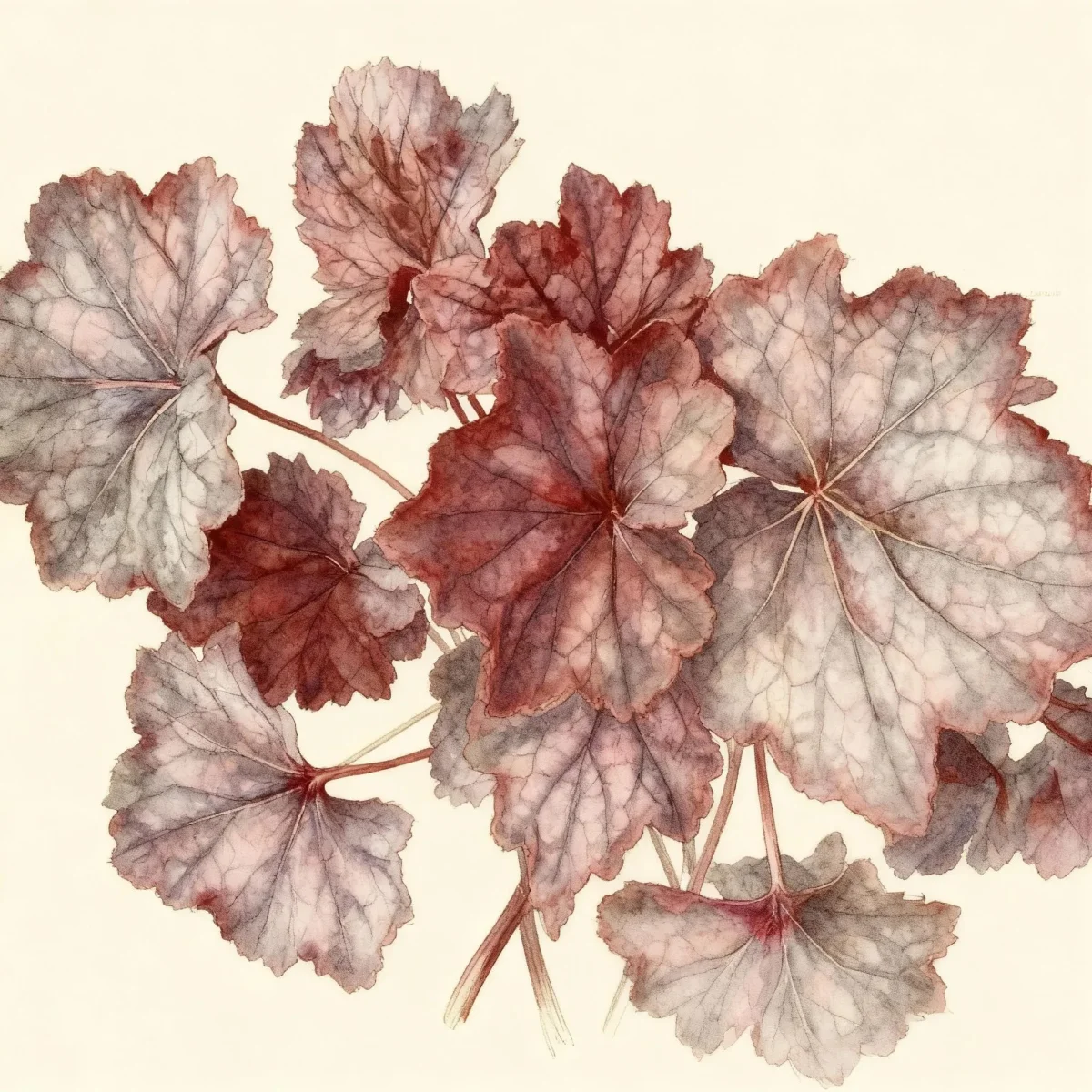
The foliage of this cultivar provides significant structure during the off-season. For dynamic seasonal changes, plant them where their spring peach tones, summer chartreuse, and fall pink hues can be viewed in succession against evergreen backdrops or dark mulch.
Standout Features
Flower Qualities
- Showy
Noteworthy Characteristics
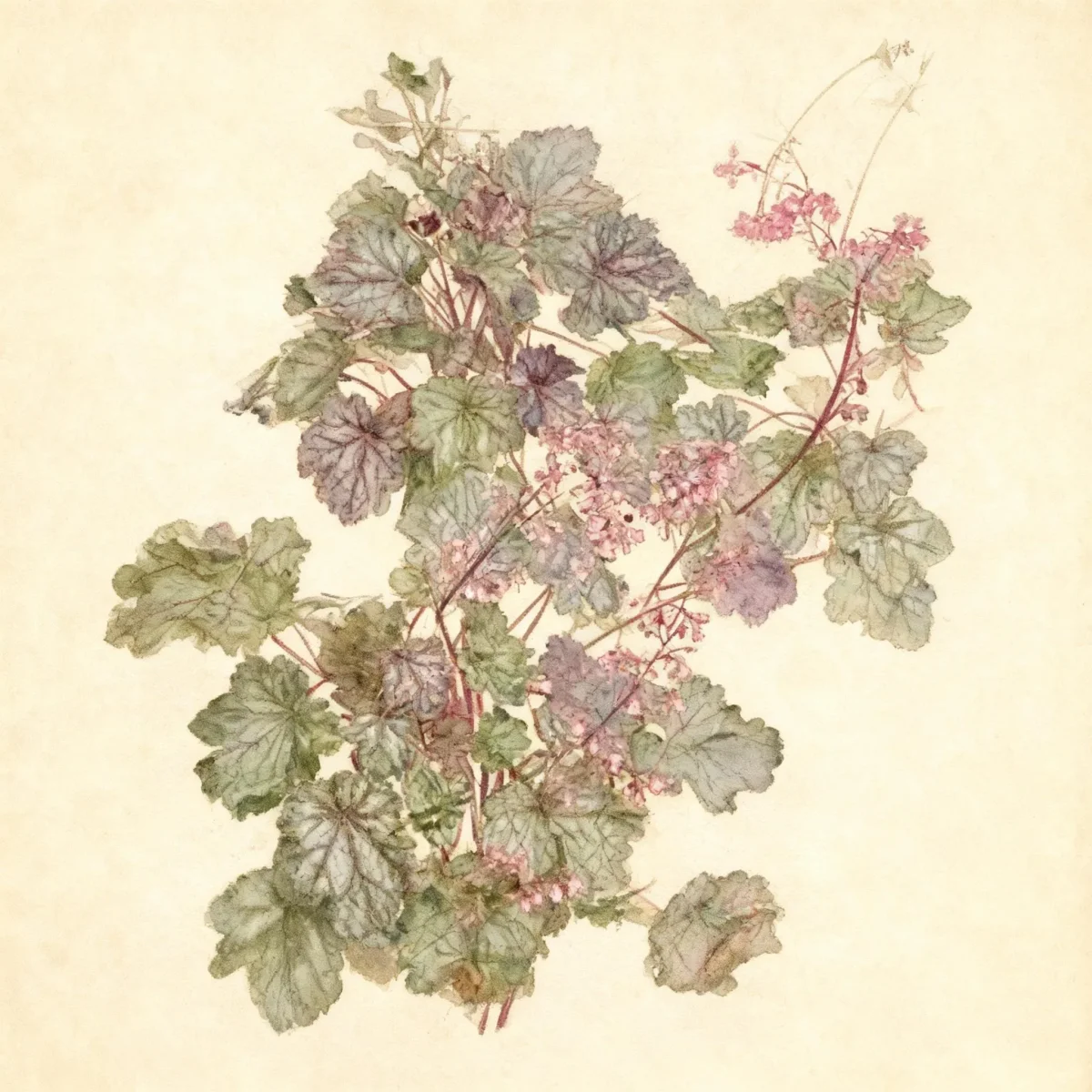
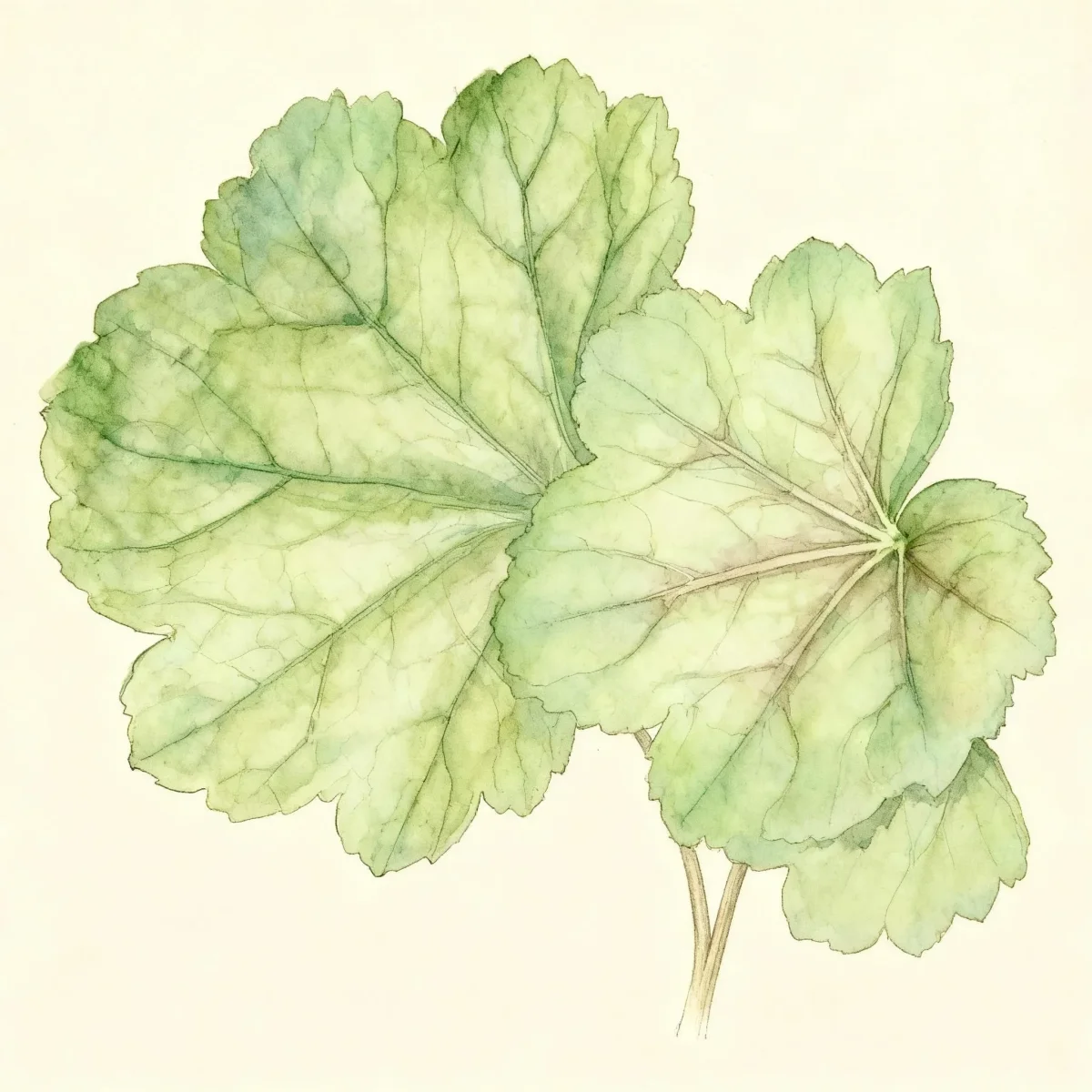
Heuchera, commonly called coral bells or alumroot, is a genus of semi-evergreen herbaceous perennials native to North America, thriving in diverse habitats from rocky cliffs to woodlands. The cultivar ‘Circus’ exhibits lobed leaves that emerge pale green and peach, transition to chartreuse with red veins in summer, and turn pink as temperatures drop. Tiny, deep pink to red, bell-shaped flowers appear on dark red scapes rising up to 2 feet tall in late spring to early summer.
Tolerances
No specific tolerances were listed for this entry.
Potential Problems
Frost heaving is a common concern, particularly when winter temperatures fluctuate rapidly, potentially pushing roots above the soil line. Prevent this by applying a compost mulch only after the soil has frozen solid in autumn. Potential disease issues include fungal problems like powdery mildew and rust, alongside bacterial leaf spot.
For insect management, watch for weevils or foliar nematodes, though Heuchera is generally a tough perennial. Proper cultural care—especially ensuring excellent drainage and avoiding overly wet, humid conditions—is the best preventative measure against most common diseases and pests affecting Coral bells.
Frequently Asked Questions
What hardiness zones is Coral bells suitable for?
Heuchera ‘Circus’ is reliably hardy in USDA Zones 4 through 9. Ensure protection if you are planting near the edges of this range.
How large does Heuchera ‘Circus’ grow?
This cultivar typically forms a foliage mound between 1 and 2 feet in height, with a comparable spread of 1 to 1.5 feet.
What sun exposure does Heuchera ‘Circus’ need?
This plant performs well in full sun to part shade. In hotter climates, providing afternoon shade helps prevent leaf scorch, especially in full sun exposure.
When does Heuchera ‘Circus’ bloom?
The tiny, bell-shaped flowers of Coral bells bloom from June into July, displaying lovely deep pink to red coloration.
Conclusion
Heuchera ‘Circus’ is an exceptional choice for adding year-round texture and breathtaking seasonal foliage shifts to any garden setting. The unique color transitions displayed by this cultivar of Coral bells ensure season-long visual appeal. Before planting, confirm your local USDA zone compatibility and prepare a well-draining, rich planting medium for the best results.
Companion Planting
Selecting companions based on shared cultural needs benefits Heuchera ‘Circus’. Plants that thrive in part shade and require consistently medium moisture create a lush understory effect. Consider using low-growing hostas, especially blue-leaved varieties that contrast well with the warm tones of the Coral bells foliage.
For borders or woodland edges, groundcovers like Lamium or Pulmonaria pair effectively, maintaining that rich, humusy soil structure favored by Heuchera. Their varied textures—smooth, broad leaves versus the lobed foliage of Heuchera ‘Circus’—add depth to perennial beds.
Propagation Tips
Hybrids like Heuchera ‘Circus’ are best propagated via division, as seed germination often results in unpredictable traits. To divide, lift the clump in the spring just as new growth begins. Gently tease the root ball apart, ensuring each new section retains viable roots and a few healthy leaf nodes.
Replant the divided sections immediately into enriched soil at the same depth they were previously growing. This rejuvenation process is recommended every three to four years to keep the clumps fresh and floriferous, maximizing the unique leaf colors of Heuchera ‘Circus’.