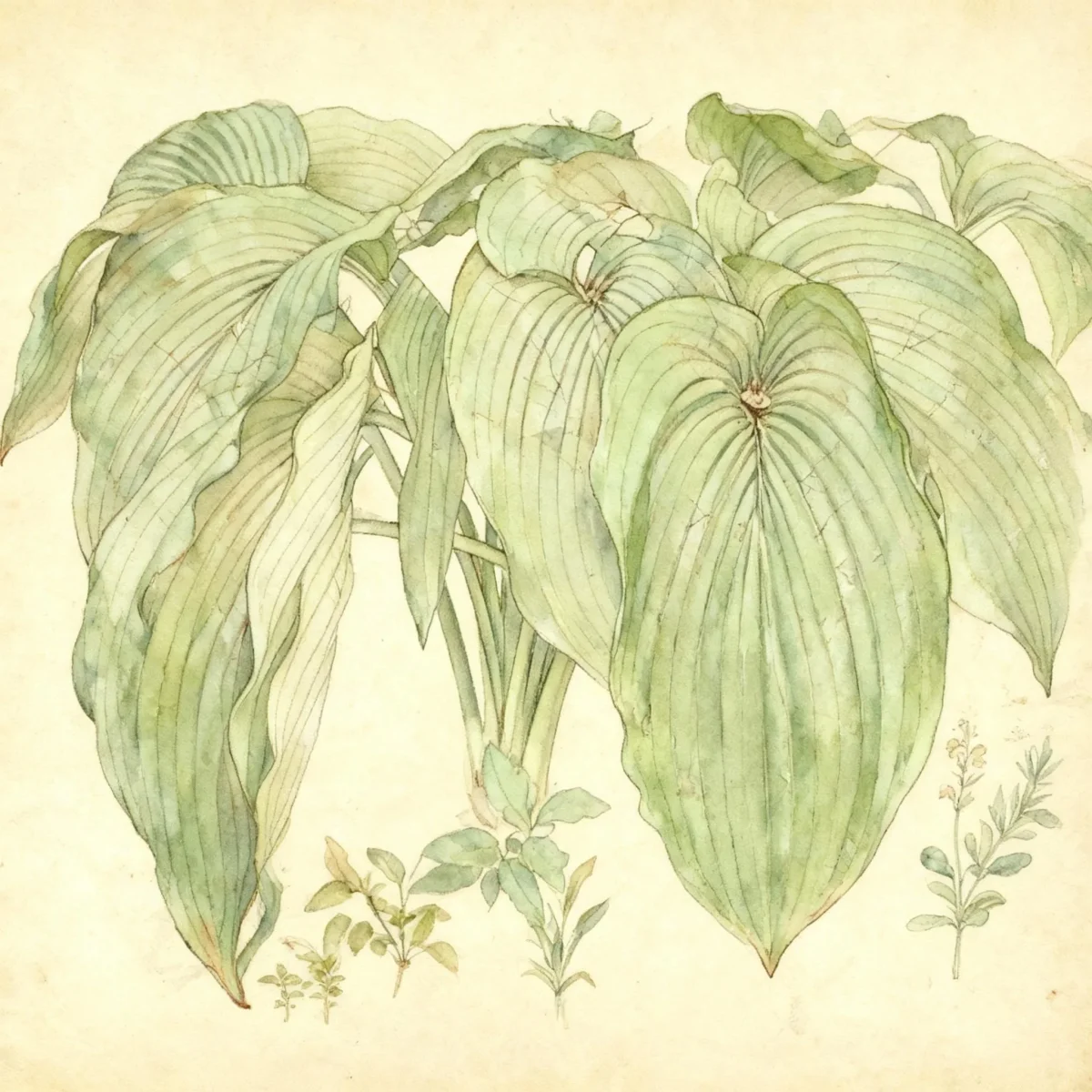
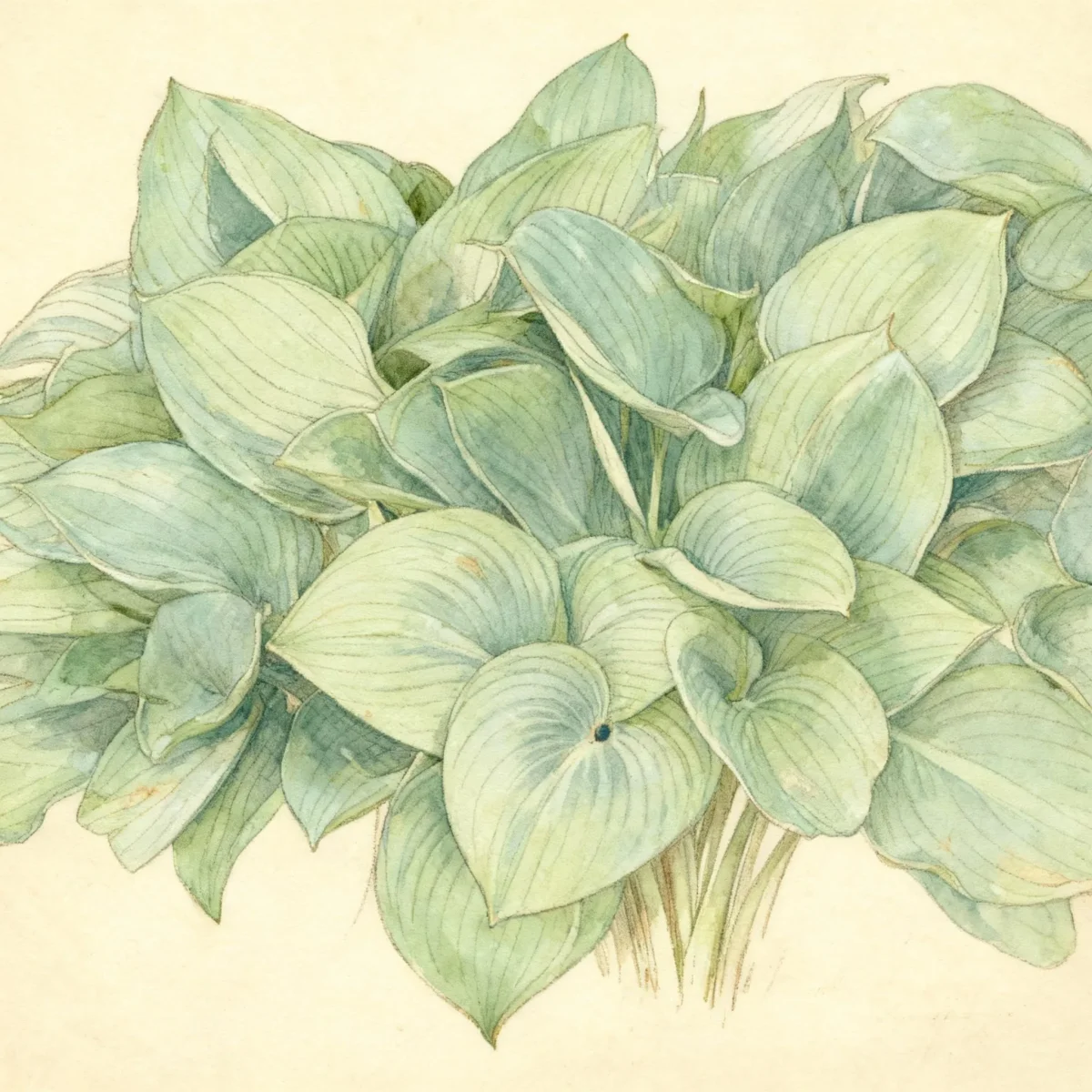
Hosta (Hosta 'Wolverine')
Hosta 'Wolverine' brings fast growth and glossy blue-green foliage with a wide golden margin, perfect for shady borders.
Scroll down to discover growing tips, care requirements, companion plants, and more
Complete Plant Information
Overview
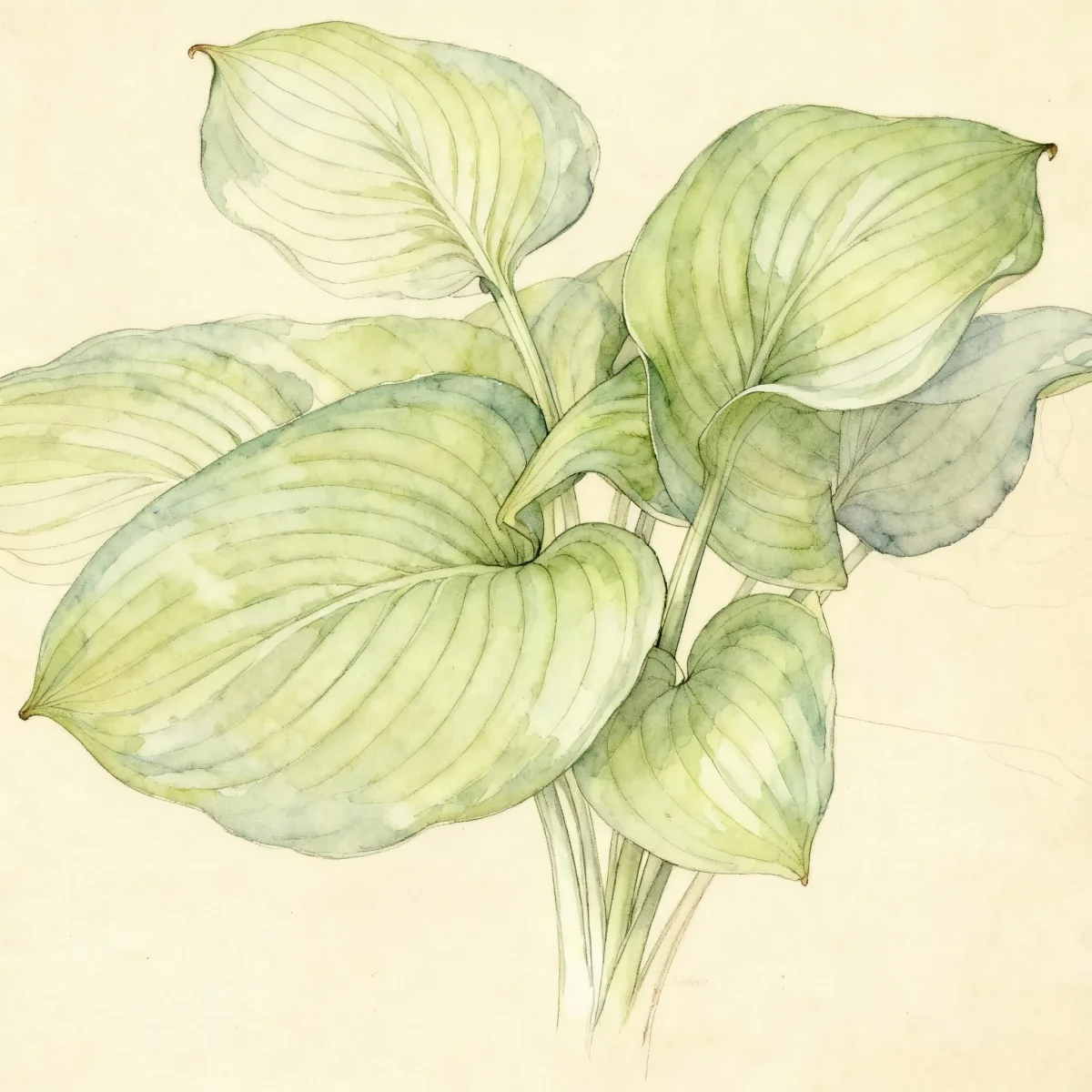
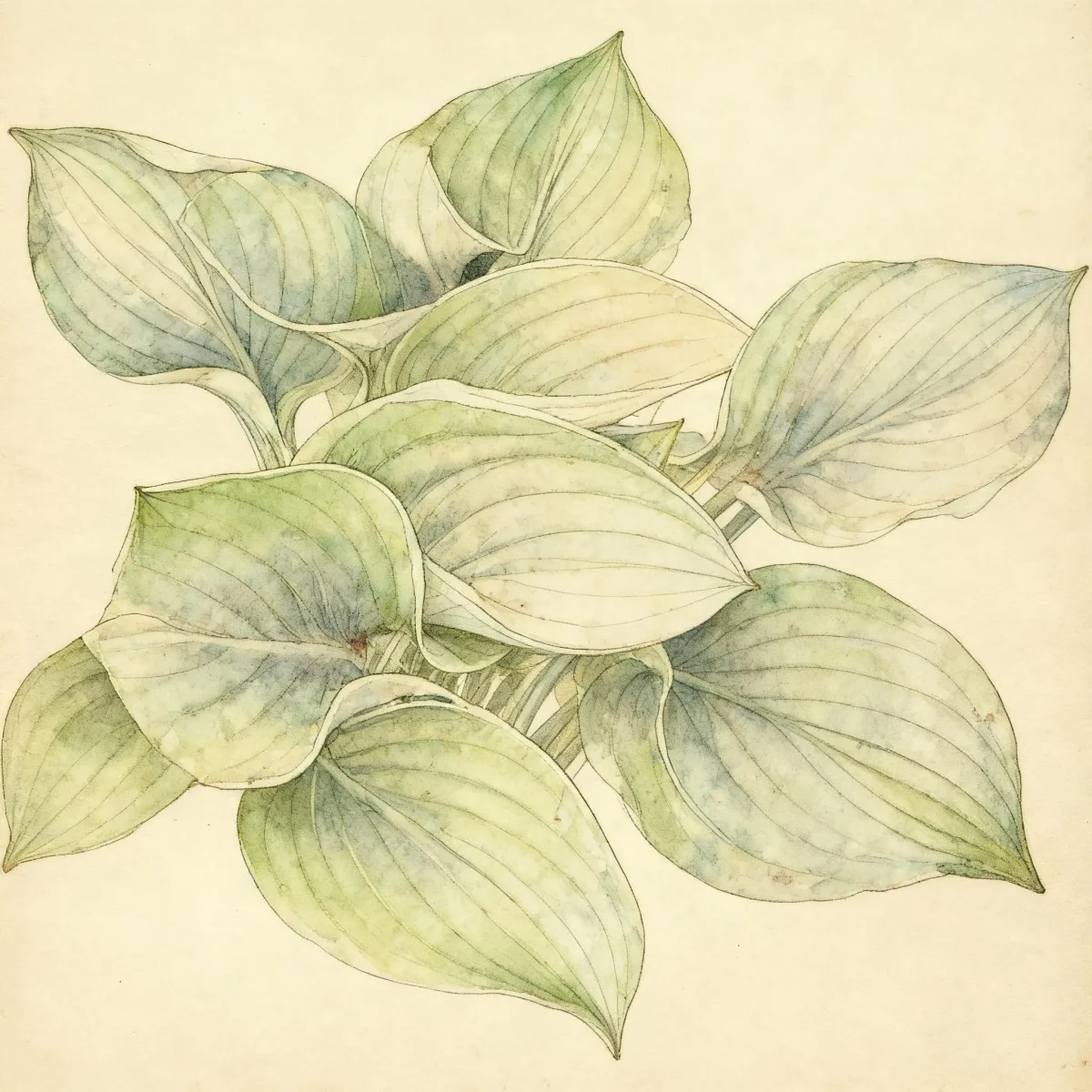
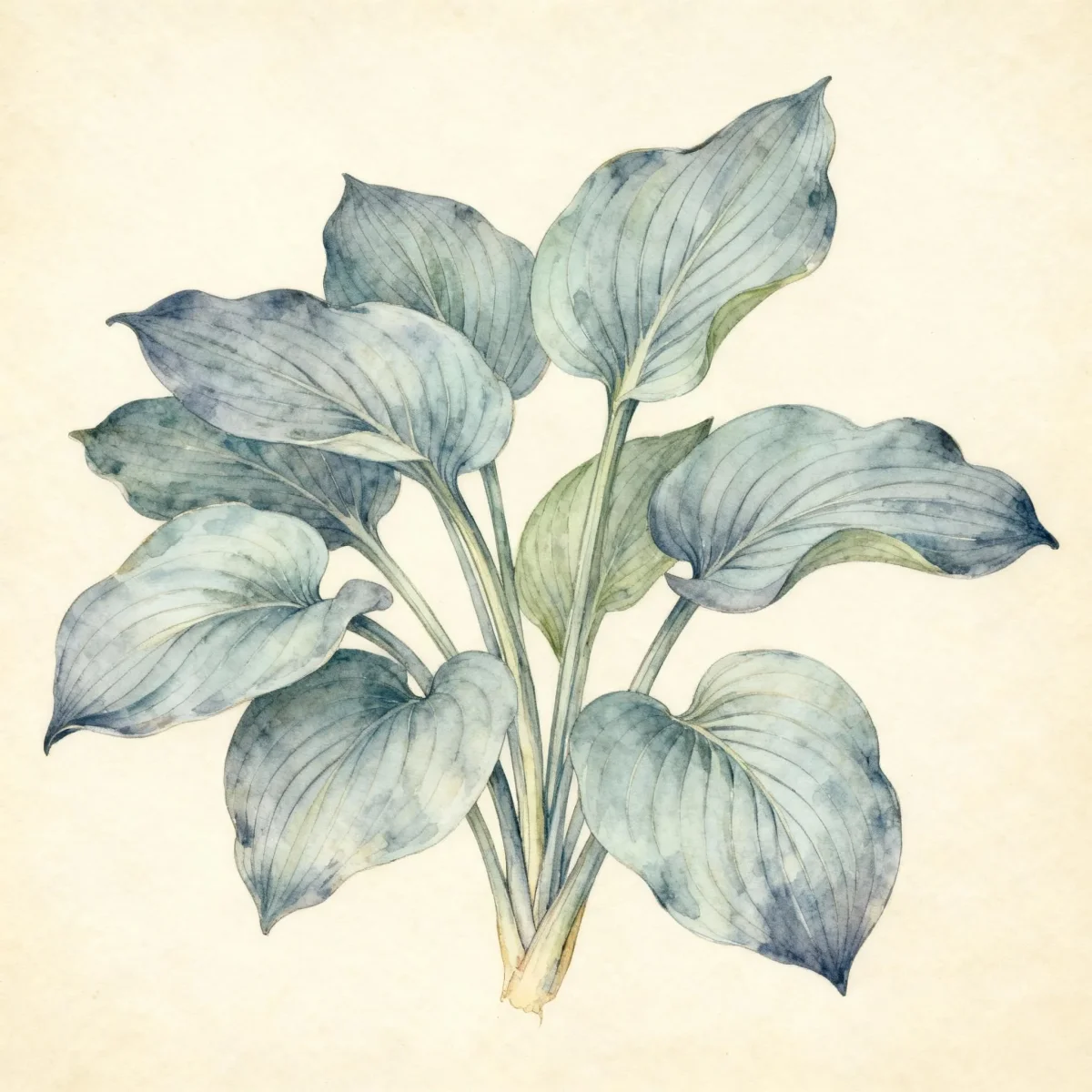
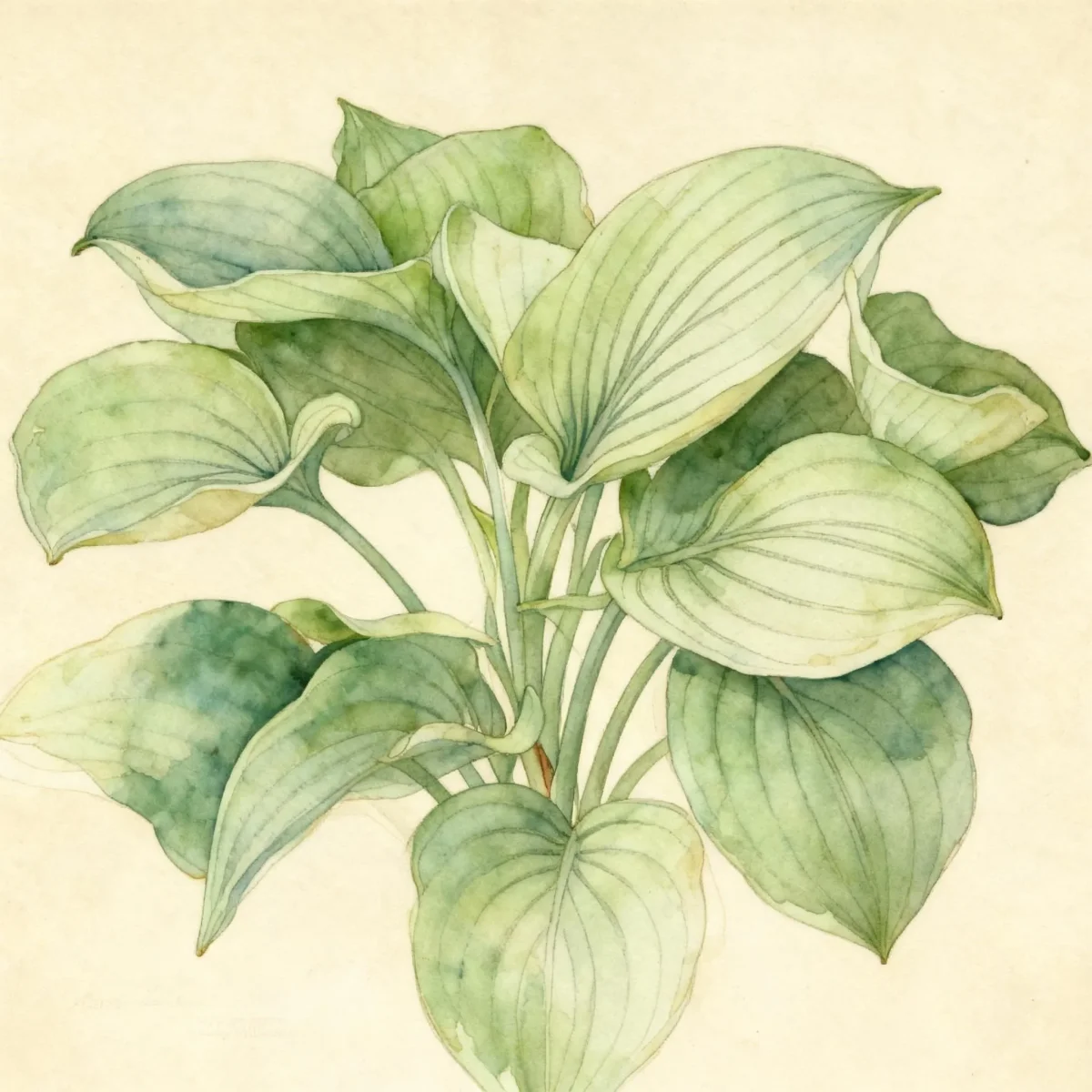
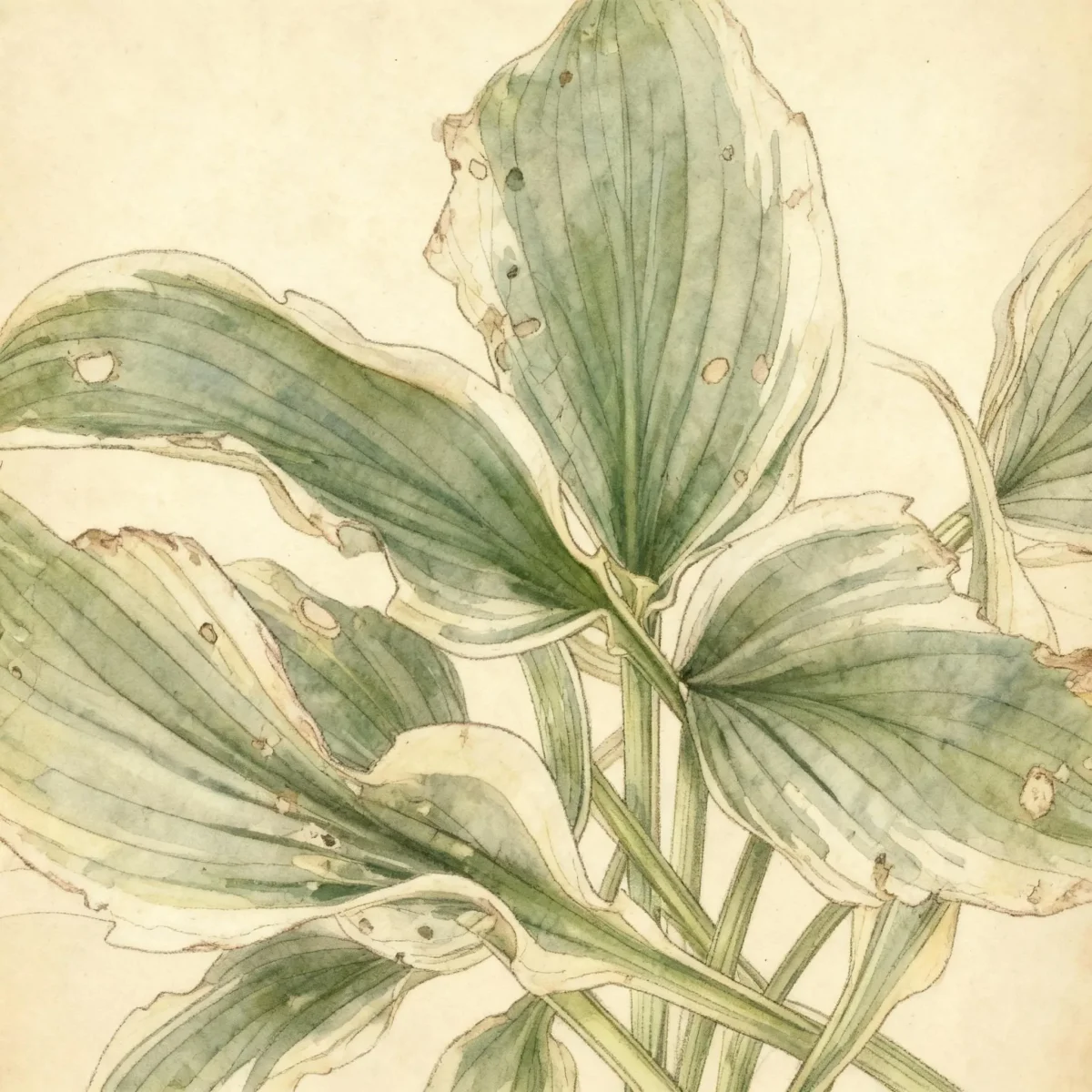
Hosta ‘Wolverine’ is a standout herbaceous perennial prized by gardeners primarily for its dramatically ornamental foliage, though it also produces attractive lavender blooms in mid-summer. This specific Hosta cultivar is known for its robust growth rate, quickly forming a cascading mound 1 to 1.5 feet high and up to 3 feet wide. Its principal appeal lies in the 10-inch long, lance-shaped, shiny blue-green leaves dramatically offset by a wide, rippled, golden margin.
As a member of the Hosta genus, ‘Wolverine’ thrives in the consistent moisture and dappled light typical of woodland settings. This variety is highly valued for providing structure and excellent color contrast in deep shade where many other flowering plants struggle. Its low maintenance requirements make Hosta ‘Wolverine’ an exceptional foundation plant for long-established shade gardens.
The accolades received, including the Eunice Fisher Distinguished Merit Hosta Award, confirm the superior performance of this reliable shade perennial. For gardeners seeking dependable impact beneath deciduous trees or north-facing exposures, Hosta offers reliable, year-after-year visual appeal.
Fast Facts
- Plant Family: Asparagaceae
- Plant Type: Herbaceous perennial
- Hardiness Zones: USDA Zones 3-8
- Size at Maturity:
- Height: 1-1.5 ft
- Spread: 2.5-3 ft
- Bloom Time: July to August
- Bloom Description: Lavender
- Sun Exposure: Part shade to full shade
- Water Needs: Medium
- Maintenance Level: Low
How to Grow
The Hosta ‘Wolverine’ is best established in spring or early autumn when temperatures are moderate, allowing roots to settle before temperature extremes hit. Successful cultivation emphasizes evenly moist, organically rich, well-drained soils. While this Hosta variety performs admirably in deep shade, optimal leaf quality and full size are achieved when morning sun or lightly dappled light conditions are present.
Consistency in watering is crucial for maximizing the size and quality of the foliage clump. Although established hostas, especially those with typically thicker leaves, gain some tolerance for dry shade, never permit the soil to fully dry out. Application of water should be directed straight to the soil beneath the leaves to minimize moisture retention on the foliage, which can sometimes encourage issues.
Maintenance for Hosta ‘Wolverine’ is intentionally low. Divide established clumps as needed, ideally in the early spring before the new leaves emerge, as this is when the crown is easiest to separate. Ensure the planting location is sheltered from strong winds, which can damage the broad leaves.
Landscape Uses
Hostas, including the striking Hosta ‘Wolverine,’ are the undisputed workhorses of the shade garden. While the lavender flowers add seasonal interest, the primary function of this plant is providing evergreen-like texture and vibrant color where light is scarce. ‘Wolverine’ works exceptionally well massed together, creating drifts of contrasting color, or used as a reliable background plant bordering woodland paths.
Due to its medium size and mounding habit, Hosta ‘Wolverine’ defines borders beautifully, separating sun-loving perennials from the deep shade areas. Consider pairing its golden-edged leaves with deep green, fine-textured ferns or plants with silver or white foliage, such as Astilbe or certain varieties of Tiarella, to enhance the contrast within your shaded tapestry.
Standout Features
Flower Qualities
- Showy
Noteworthy Characteristics
Hosta is a genus primarily celebrated for its ornamental foliage, featuring dense, basal leaves in myriad shapes and colors rising from a rhizomatous crown. Cultivar ‘Wolverine’, developed by Dr. James Wilkins and registered in 1995, exhibits shiny, blue-green leaves defined by a broad, rippled, golden margin. This medium-sized Hosta has a very fast growth rate, forming a desirable mound with a cascading habit, and it was honored with the American Hosta Society Benedict Garden Performance Award of Merit in 2011.
Tolerances
- Heavy Shade
- Black Walnut
Potential Problems
The primary antagonists of all Hosta varieties, including Hosta ‘Wolverine’, are slugs and snails. These common pests feed aggressively on the foliage, resulting in noticeable jagged holes that quickly spoil the plant’s appearance. Proactive management is essential; apply regular slug bait or use physical barriers early in the season before significant damage occurs.
Foliar nematodes are another concern, causing unsightly interveinal browning on the leaves. Less common issues include leaf spots and crown rot, usually signaling overwatering or poor drainage. Furthermore, keep an eye out for deer and rabbits, both recorded as frequent consumers of hosta leaves, necessitating protective measures in vulnerable gardens.
Frequently Asked Questions
What hardiness zones is Hosta ‘Wolverine’ suitable for?
Hosta ‘Wolverine’ is reliably hardy across USDA Zones 3 through 8.
How large does Hosta ‘Wolverine’ grow?
This Hosta cultivar typically reaches a mature height between 1 and 1.5 feet tall, spreading across a width of 2.5 to 3 feet.
What sun exposure does Hosta ‘Wolverine’ need?
Hosta ‘Wolverine’ prefers part shade to full shade conditions, thriving best where it receives some protection, such as morning sun.
When does Hosta bloom?
The flowers on Hosta ‘Wolverine’ appear from July to August and are a pleasing lavender color.
Conclusion
The Hosta ‘Wolverine’ provides exceptional value to the shade gardener through its rapid multiplication and stunning bicolored foliage that maintains excellent contrast year after year. This robust Hosta cultivar is low-maintenance, making it an easy anchor for complex woodland designs. Before planting, confirm your site provides the appropriate USDA zone rating and consistent moisture to ensure your Hosta ‘Wolverine’ reaches its full spectacular potential.
Companion Planting in Shade
Choosing companions that share the cultural needs of Hosta ‘Wolverine’—namely moisture retention and shade tolerance—will result in a thriving mixed border. Shade gardens benefit from layering different textures to keep the visual interest high, even when blooms are scarce. Consider incorporating plants like Japanese Forest Grass (Hakonechloa macra) for its arching, fine texture that contrasts nicely with the broad leaves of the hosta.
Hellebores (Helleborus spp.) are excellent partners, as many bloom earlier in the spring before the Hosta emerges fully, providing sequential interest. For mid-summer color that complements the cool tones of this Hosta, deadheading spring ephemeral flowers and underplanting with woodland phlox or Lungwort (Pulmonaria) offers soft color saturation beneath the foliage canopy.
Seasonal Care Calendar for Hosta
Spring is the critical time for preparing your Hosta ‘Wolverine’. As soon as the soil is workable, amend the soil with compost to boost organic matter and fertility, ensuring the best growth for the coming season. This is also the ideal window for any required division of older clumps.
During the summer growing season, focus exclusively on consistent water management. If rainfall is insufficient, supplement water, aiming it directly at the base of the plant rather than overhead. Monitor actively for slug and snail damage, applying controls preemptively to protect the pristine foliage of your Hosta.
As autumn approaches, the leaves of Hosta ‘Wolverine’ will naturally senesce. While cleaning up dead foliage prevents pests from overwintering, you can leave spent stems standing briefly to offer winter interest. There is usually no specialized winter protection needed for this variety in zones 3-8 once the perennial has gone dormant.