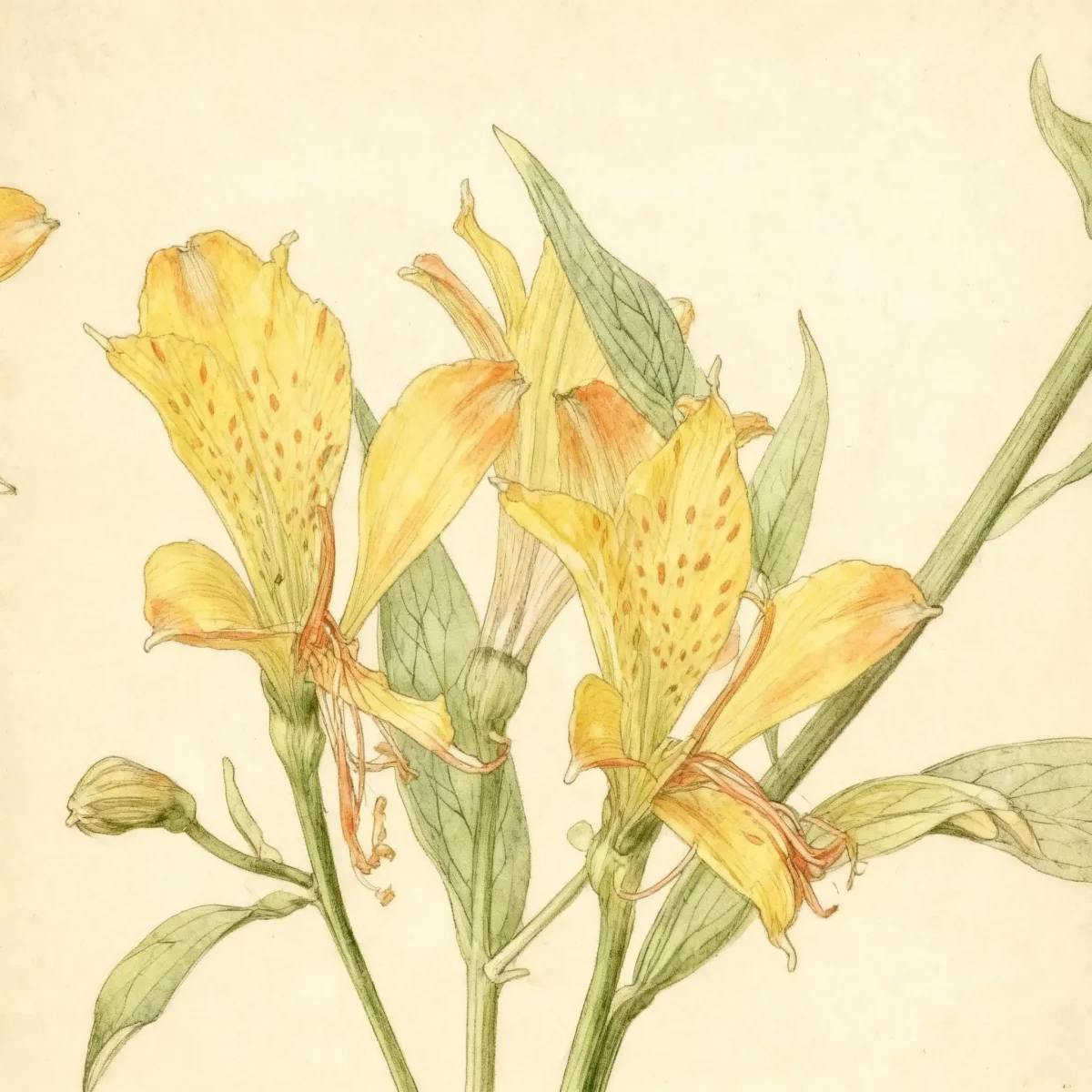
Lily of the Incas (Alstroemeria 'The Third Harmonic')
Grow Alstroemeria 'The Third Harmonic' for striking summer color blending yellow to peach orange blooms. A reliable Lily of the Incas.
Scroll down to discover growing tips, care requirements, companion plants, and more
Complete Plant Information
Overview
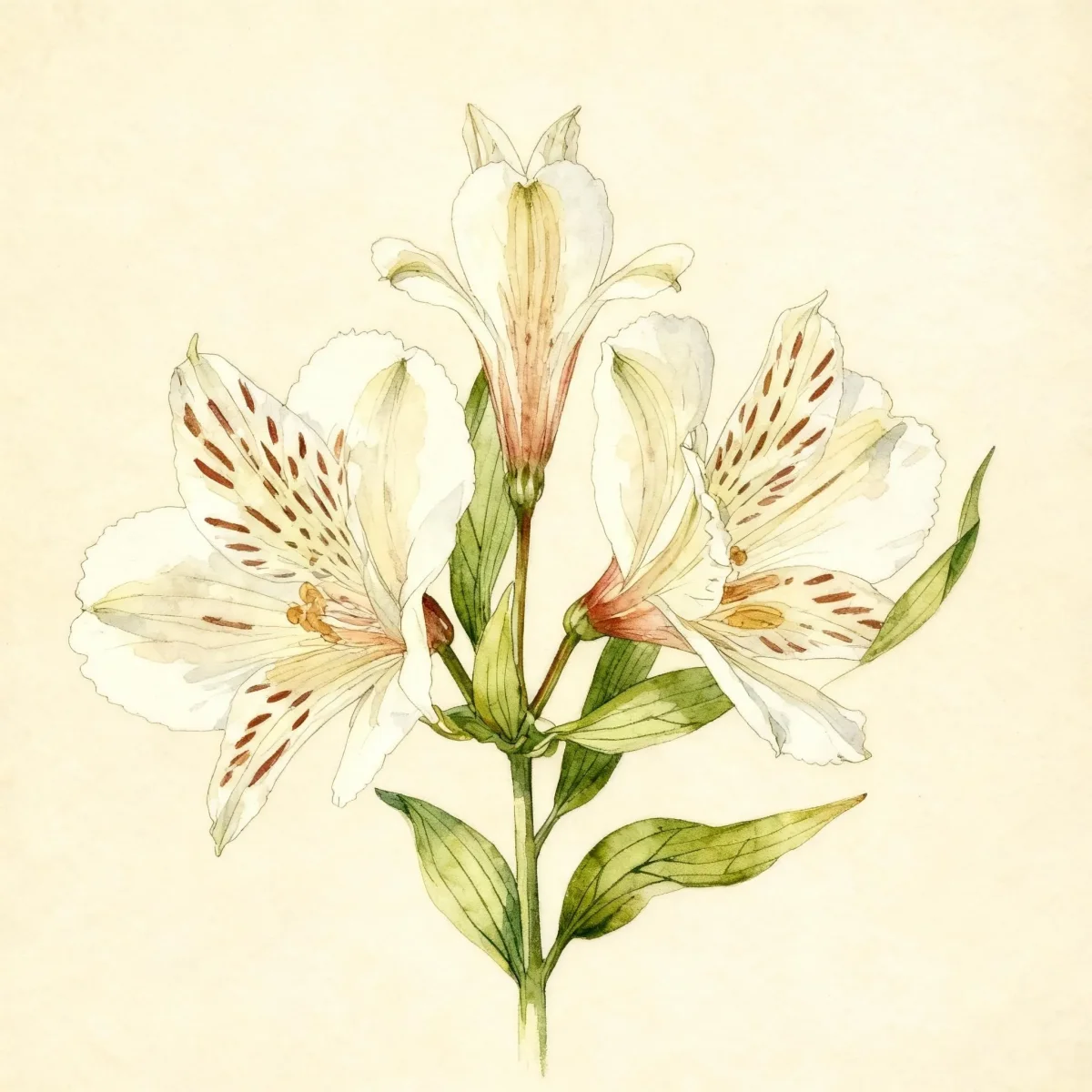
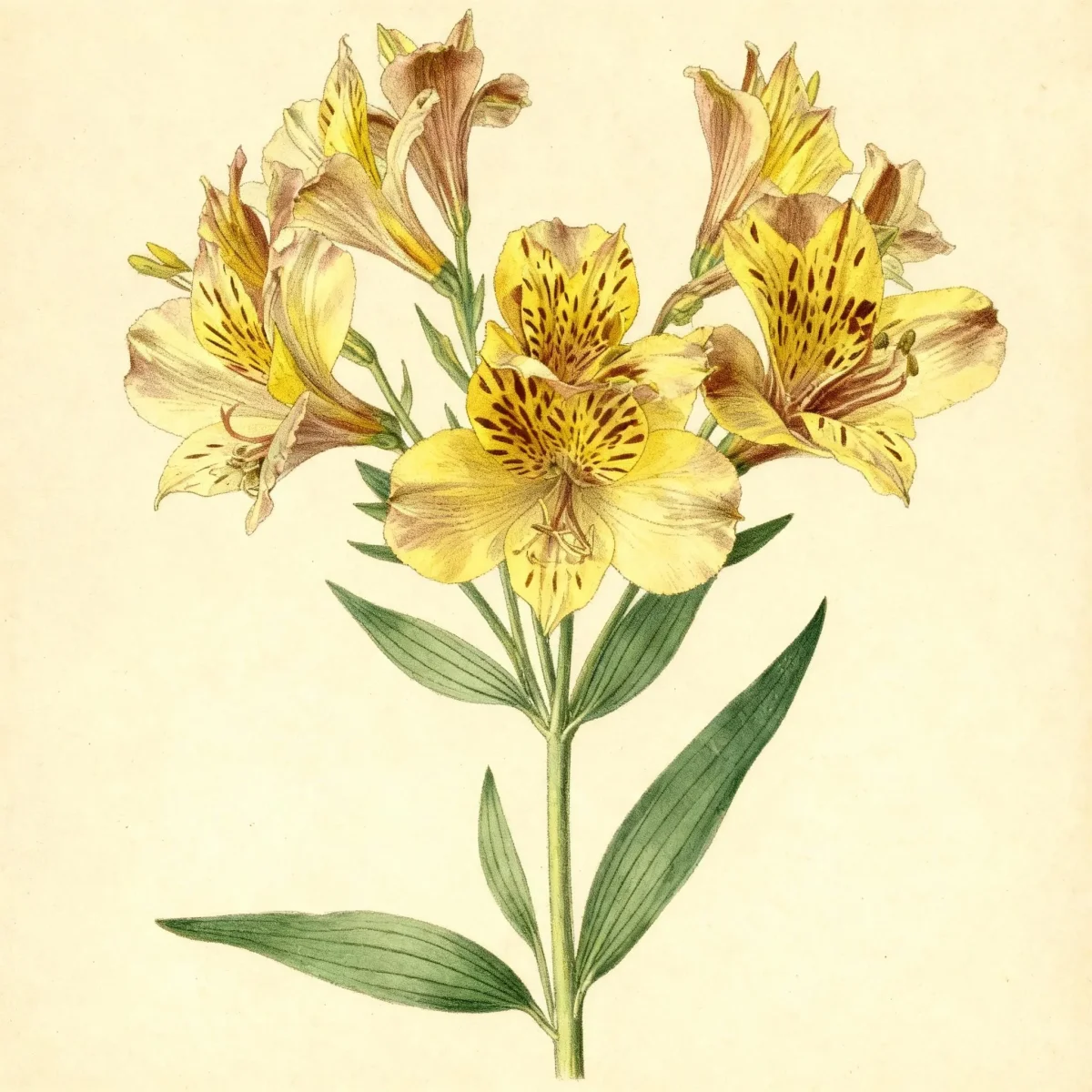
Alstroemeria ‘The Third Harmonic’ is a fantastic choice for gardeners seeking long-lasting, vibrant color from mid-summer well into autumn. Known widely as the Lily of the Incas, this hybrid produces funnel-shaped, lily-like flowers that begin as speckled yellow and mature into beautiful peach orange tones. It grows robustly on sturdy upright stems, forming bushy clumps that reach heights up to four feet.
This Peruvian lily hybrid thrives in conditions ranging from full sun to light afternoon shade, preferring consistent moisture for best performance. While highly valued for its excellent qualities as a commercial cut flower due to its vase life, Alstroemeria ‘The Third Harmonic’ brings comparable joy to the home garden. Cultivating this specific Lily of the Incas variety ensures continuous visual interest where it is hardy.
Gardeners should note that consistent care ensures prolific flowering throughout the season. Understanding the needs of Alstroemeria ‘The Third Harmonic’, particularly regarding soil drainage and winter protection, is key to enjoying this exotic beauty year after year.
Fast Facts
- Plant Family: Alstroemeriaceae
- Plant Type: Bulb
- Hardiness Zones: USDA Zones 8-10
- Size at Maturity:
- Height: 2-4 ft
- Spread: 2-3 ft
- Bloom Time: June to September
- Bloom Description: Yellow maturing to peach orange
- Sun Exposure: Full sun to part shade
- Water Needs: Medium
- Maintenance Level: Medium
How to Grow
Plant Alstroemeria ‘The Third Harmonic’ in the spring after the danger of hard frost has passed. Ideal locations provide organically rich, loose, and well-drained soil. This plant thrives in full sun but appreciates a touch of early afternoon shade if located in very hot summer climates to prevent leaf scorch.
Maintain medium water needs by ensuring consistent and even moisture, especially if you are aiming for continuous flowering throughout the growing season. While adaptable, Alstroemeria ‘The Third Harmonic’ dislikes drying out completely; check soil moisture regularly. Fertilizing can support robust growth but is generally not strictly required if the soil is rich.
Be prepared to offer modest support; taller flowering stems of this Lily of the Incas may occasionally require staking to maintain an upright presentation. In Zones 8-10, the plants are winter hardy to temperatures around 15-20°F, particularly if protected with mulch in sheltered spots.
If growing in colder winter regions, the brittle tubers must be carefully dug up in the fall. Store the roots dormant in slightly damp potting soil in a cool, dark location, or bring potted Alstroemeria indoors to a sunny window with modest watering until spring reintroduction.
Landscape Uses
The dramatic height and vibrant coloration of Alstroemeria ‘The Third Harmonic’ make it a standout feature in several landscape settings. It excels when placed toward the middle or back of perennial borders where its strong stems can provide vertical accents among shorter companion plants.
As a premier cut flower garden specimen, planting a dedicated section ensures a steady supply for indoor enjoyment. Furthermore, its lush, bushy habit allows it to anchor cottage garden designs, blending seamlessly with classic summer bloomers. Ensure good air circulation around the clumps to support overall plant health.
Standout Features
Flower Qualities
- Showy
Noteworthy Characteristics
The genus Alstroemeria is native primarily to South America, giving us beloved flowers often called Peruvian lily. ‘The Third Harmonic’ is specifically noted for producing funnel-shaped, lily-like flowers that transit from yellow, speckled with black flecks, into deep peach orange later in their development. This sterile hybrid sits atop strong stems, offering reliable summer blooms excellent enough for professional floristry.
Tolerances
Potential Problems
Slugs and snails are known to occasionally feed on the foliage of the Lily of the Incas, so monitoring vulnerable new growth is wise. Gardeners should also remain watchful for potential infestations of spider mites, especially during hot, dry spells. Implement physical barriers or appropriate organic controls early if pests are observed damaging the leaves of your Alstroemeria ‘The Third Harmonic’.
Frequently Asked Questions
What hardiness zones is Alstroemeria ‘The Third Harmonic’ suitable for?
This plant is generally winter hardy in USDA Zones 8 through 10, though it may survive slightly colder temperatures if site protection is provided.
How large does Lily of the Incas grow?
Alstroemeria ‘The Third Harmonic’ typically reaches a height between 2 to 4 feet and spreads moderately, requiring a space of about 2 to 3 feet wide.
What sun exposure does Alstroemeria ‘The Third Harmonic’ need?
It performs best in areas receiving full sun, though it benefits greatly from some protection from the harshest afternoon sun in very warm locations.
When does Lily of the Incas bloom?
The prolific blooming season for this variety usually spans from June through September, displaying flowers that transition from yellow to peach orange.
Conclusion
Alstroemeria ‘The Third Harmonic’ provides exceptional, season-long color in the garden and cuts beautifully for indoor display. Its unique color shift from yellow to peach orange makes this Lily of the Incas a highly sought-after feature plant. Before planting, confirm that your local climate falls within USDA Zones 8-10 or plan for winter tuber lifting.
Companion Planting
Choosing effective companions is easy when matching the needs of Alstroemeria ‘The Third Harmonic’. Plants that enjoy similar well-drained, fertile soils and medium moisture levels will thrive alongside it. Consider pairing the summer color surge of this Lily of the Incas with plants that offer textural contrast when the Alstroemeria is resting, such as ornamental grasses which appreciate full sun.
For a classic cottage garden aesthetic, use complementing forms like Geraniums or shorter Salvias near the base. Conversely, taller, airy companions like tall ornamental grasses can visually soften the upright lines of the Alstroemeria stems, creating a layered, abundant look across the border.
Seasonal Care Calendar
Spring is the time for cleanup and preparation; if you lifted tubers, replant them once frost danger is past. Ensure soil amendments are incorporated to boost fertility before active growth begins. Focus heavily on consistent watering as temperatures rise into early summer to encourage continuous flower production from your Alstroemeria ‘The Third Harmonic’.
During the heat of mid-summer, deadheading spent blooms encourages more flowering stems to emerge. Monitor closely for potential spider mite activity under dry conditions. As autumn approaches, if you reside outside the recommended hardiness range, begin preparations to gently lift the brittle roots for winter storage indoors or apply heavy mulch for protection.