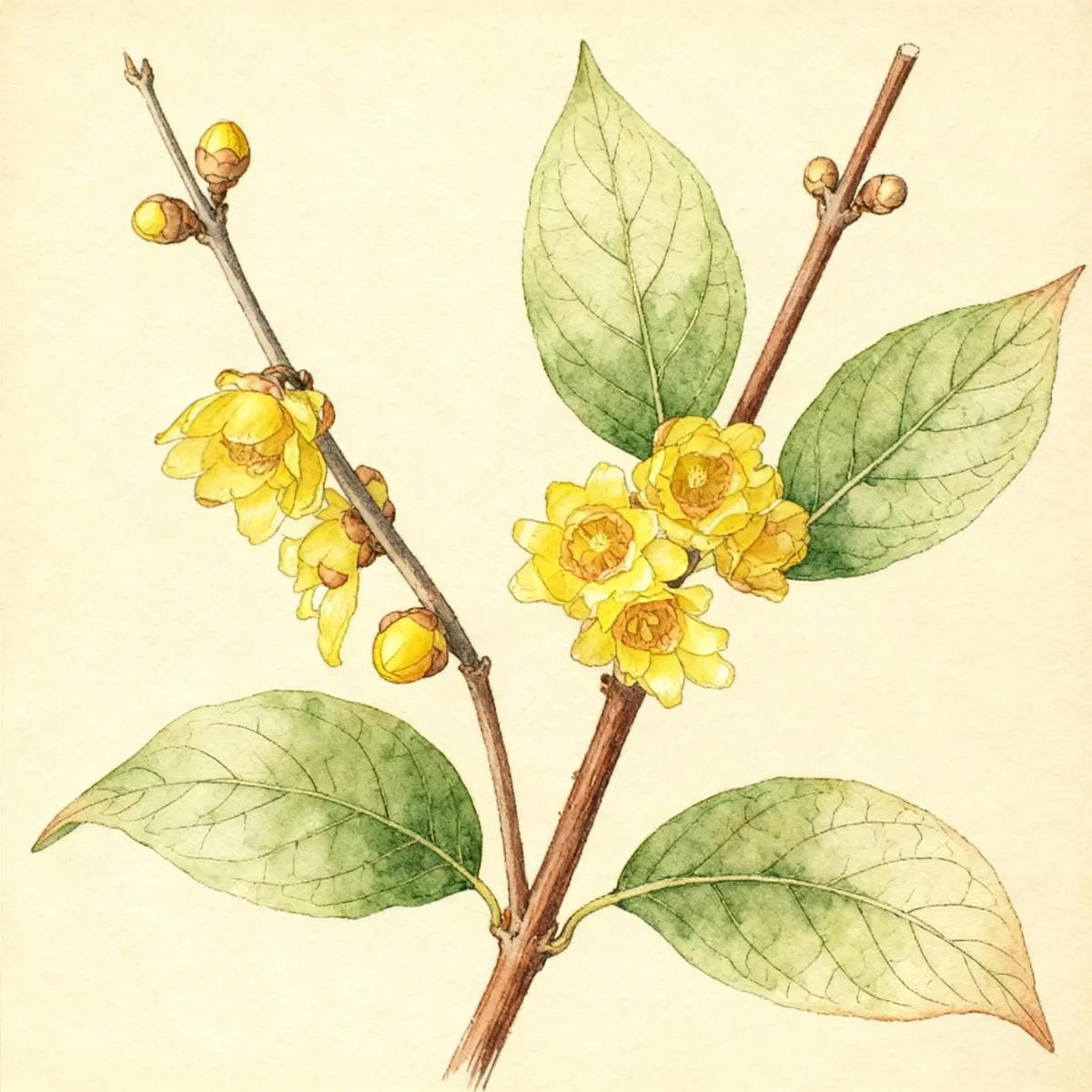
Paperbush (Edgeworthia chrysantha)
Discover Paperbush (Edgeworthia chrysantha), a unique deciduous shrub prized for its fragrant winter blooms and unusual texture.
Scroll down to discover growing tips, care requirements, companion plants, and more
Complete Plant Information
Overview
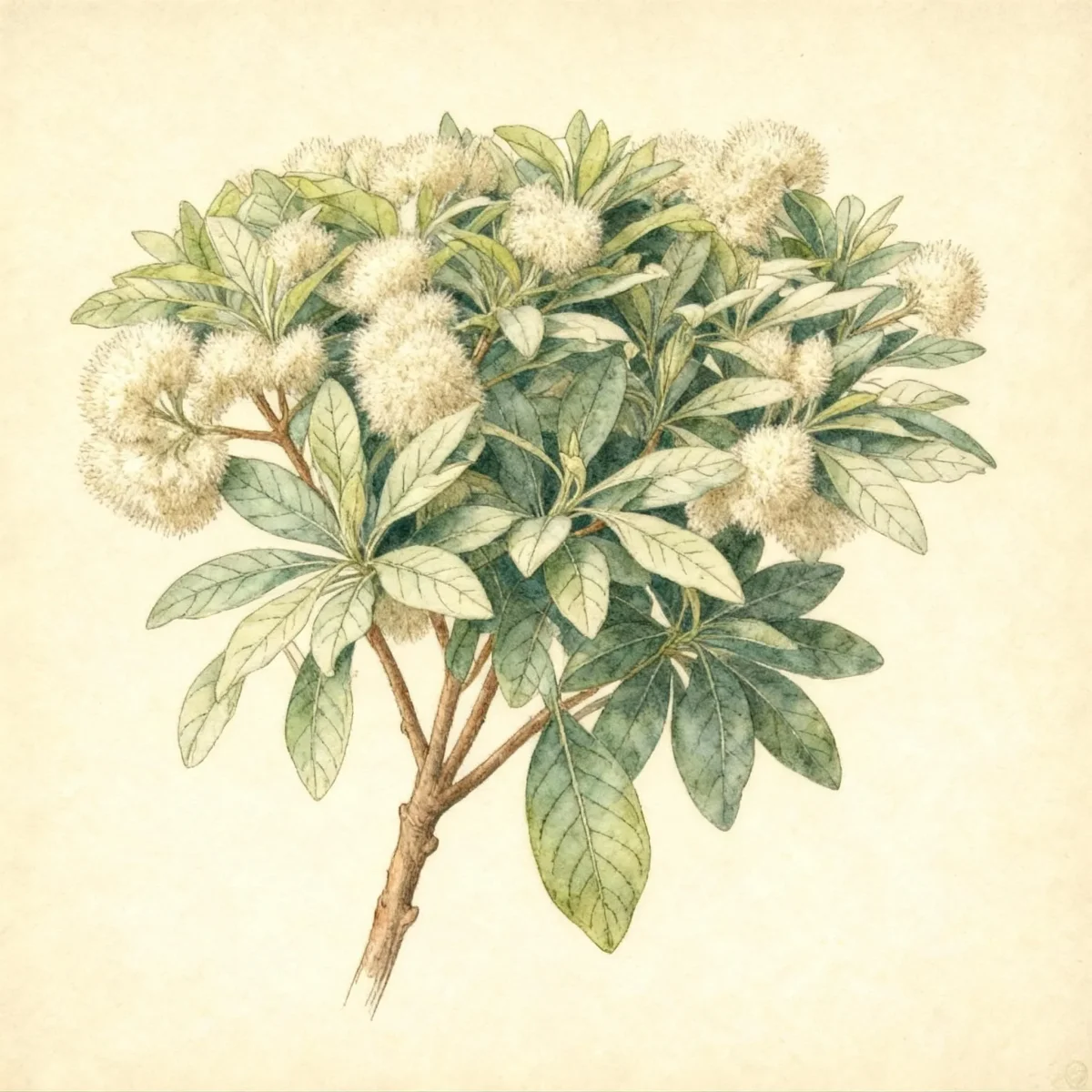
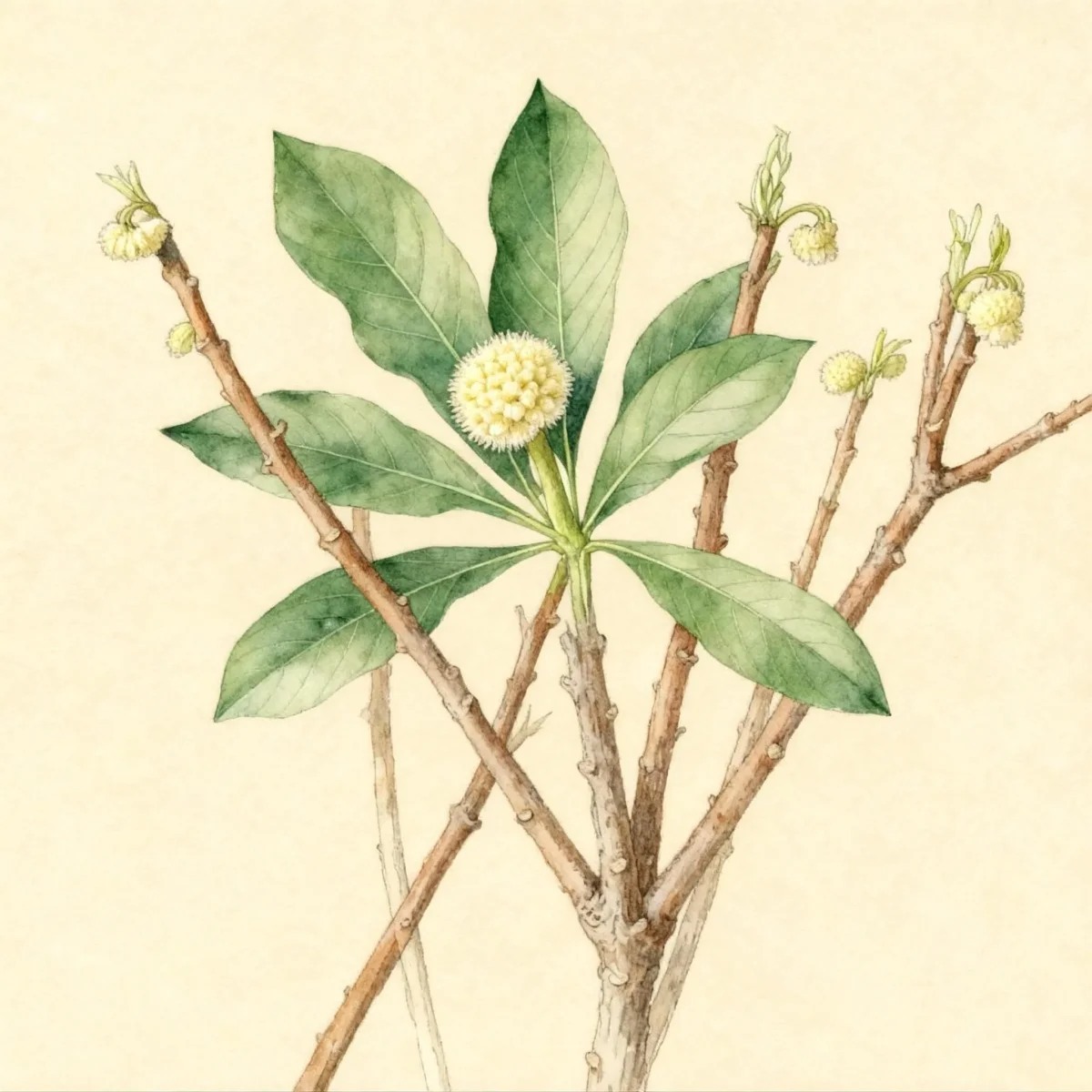
Edgeworthia chrysantha, commonly known as Paperbush, offers an exceptional display during the late winter months when few other woody plants are active. This deciduous shrub is highly valued for its honey-scented, waxy yellow flowers that emerge directly from bare, silvery stems before the foliage develops. The structure of the branches, adorned with silvery buds, provides significant winter interest leading up to the bloom.
Native to woodland areas of China, Paperbush typically matures into a suckering shrub reaching 4 to 6 feet tall and wide, offering a subtle yet intriguing presence in the garden. While valued for its aesthetic qualities, the common name reflects the historical importance of its inner bark used in traditional paper manufacturing. Successfully cultivating Edgeworthia chrysantha requires placement that honors its woodland origins.
Gardeners seeking winter fragrance and structure should prioritize site selection for this desirable specimen. While it requires medium maintenance, understanding its specific needs regarding soil richness and afternoon shade ensures the health and longevity of this unique ornamental shrub.
Fast Facts
- Plant Family: Thymelaeaceae
- Plant Type: Deciduous shrub
- Native Range: China
- Hardiness Zones: USDA Zones 7-10
- Size at Maturity:
- Height: 4-6 ft
- Spread: 4-6 ft
- Bloom Time: February to April
- Bloom Description: Yellow
- Sun Exposure: Full sun to part shade
- Water Needs: Medium
- Maintenance Level: Medium
How to Grow
When planting Edgeworthia chrysantha, aim for the transition from late summer into early autumn, or early spring, ensuring the plant has time to establish roots before facing seasonal extremes. This shrub thrives in humus-rich, moist, yet impeccably well-drained soils. Proper drainage is critical to prevent root issues over time.
For optimal health, plant Edgeworthia chrysantha where it receives full sun or light part shade. Critically, it needs protection from the intense heat and drying effects of the hot afternoon sun, making dappled canopy placement ideal. Once established, maintain medium water, ensuring the soil stays consistently moist, especially during dry spells, as Paperbush shows intolerance to hot, dry summers.
Maintenance is generally straightforward for this medium-level care plant. Pruning is usually minimal, focusing only on removing suckers or dead wood immediately after flowering. Because the striking winter blooms form on old wood, defer heavy spring pruning until after the flowering period has concluded for the season.
Landscape Uses
The unique timing of its flowering makes Paperbush an excellent specimen plant for woodland gardens or shady border areas where its late winter color can be fully appreciated. Because it can sucker, consider planting it where these new growths can either be managed or flow naturally to create a soft thicket effect. Edgeworthia chrysantha offers structure to the garden structure during the dormant season.
Companion planting should focus on species that appreciate similar conditions: humus-rich soil, consistent moisture, and protection from harsh afternoon light. Hellebores (Helleborus), early spring bulbs, and woodland ferns create excellent underplantings that complement the Paperbush’s naturalized aesthetic. Its medium size also allows it to be situated towards the middle or back of a mixed border.
Designing a space around Paperbush should emphasize textural contrast during winter. Pair the smooth, silvery stems of blooming Edgeworthia chrysantha with evergreen shrubs or plants holding winter interest in their bark, such as certain maples or dogwoods, to maximize year-round appeal.
Standout Features
Flower Qualities
- Showy
Noteworthy Characteristics
Edgeworthia chrysantha, commonly called paperbush or edgeworthia, is a deciduous suckering shrub that typically grows to 4-6’ tall and as wide. It is native to woodland areas in the Himalayas and China. Tiny, apetalous, tubular, yellow flowers are compacted into dense, rounded, umbelliferous flower heads (up to 40 flowers per head). Flower buds begin to form in late summer each year, overwinter on the bare stems and burst into bloom from late February to early April before the new leaves emerge. The inner bark can be used to make quality paper as indicated by the common name of paperbush, which is why plants are widely cultivated in Japan for banknote production.
Tolerances
Potential Problems
Paperbush typically exhibits few concerns regarding pests or diseases, which is a major benefit for low-stress gardening. Gardeners should focus primarily on cultural issues rather than battling persistent infestations or infections. The main threats to Edgeworthia chrysantha are improper soil drainage and harsh environmental exposure.
The plant is intolerant of hot, dry summers; consequently, failure to provide adequate, consistent moisture in intense heat can stress the shrub, making it susceptible to leaf scorch or decline. Similarly, planting in full, exposed afternoon sun can lead to queimature (sunburn) on the foliage. Ensure soil is always moist but never waterlogged to maintain robust vitality.
Frequently Asked Questions
What hardiness zones is Paperbush suitable for?
Edgeworthia chrysantha is best suited for USDA Hardiness Zones 7 through 10.
How large does Paperbush grow?
This shrub generally reaches a mature height and spread between 4 and 6 feet.
What sun exposure does Edgeworthia chrysantha need?
It prefers a location receiving full sun to part shade, with crucial protection needed from the hot afternoon sun elements.
When does Edgeworthia chrysantha bloom?
Paperbush displays its fragrant, yellow flowers primarily from February through April, blooming before its leaves appear.
Conclusion
Edgeworthia chrysantha delivers rare, late-winter fragrance and unique structural beauty, making Paperbush a highly rewarding addition to sheltered garden spots. By ensuring humus-rich, well-drained soil and protection from the harshest afternoon sun, you can successfully cultivate this distinctive plant. Check your local hardiness zone compatibility and plan your planting time for the best results next blooming season.
Companion Planting
Choosing appropriate companions is key to ensuring Edgeworthia chrysantha thrives, as its cultural needs are specific. Look for evergreen groundcovers that thrive in similar moist, part-shaded conditions, providing visual interest beneath the shrub during times when Paperbush is dormant. Ferns and shade-loving sedges work well, carpeting the ground while helping to keep the soil cool and retain the necessary moisture around the roots.
Avoid planting companions that aggressively compete for surface moisture or nutrients, as the shrub benefits from evenly rich soil structure. Roses or Mediterranean herbs, for example, would likely suffer in the consistently moist, humus-heavy environment required by Edgeworthia chrysantha, making them unsuitable partners.
Focusing on woodland aesthetics complements the natural habitat of this shrub. Hostas, Japanese forest grass (Hakonechloa), and early spring bloomers like Trillium or bleeding hearts will create a layered, textural tapestry that harmonizes with the Paperbush’s subtle flowering display.
Propagation Tips
While Edgeworthia chrysantha is known for suckering, which offers a natural form of vegetative propagation, garden propagation can also be achieved through cuttings taken with some care. The optimal time to take semi-hardwood or hardwood cuttings is typically late summer or early fall, just as the plant begins to slow its summer growth.
Cuttings should be taken from healthy, non-flowering wood, usually 4 to 6 inches long, wounded lightly at the base, and treated with rooting hormone. Place these cuttings in a well-draining propagation mix, such as a 50/50 blend of peat and perlite, and keep them in a humid environment, ideally under intermittent mist or in a covered cold frame, to encourage root development.
Given that suckers occur naturally, dividing these offsets is often the easiest way to increase your stock of Paperbush. Wait until the suckers are reasonably well-established, say 18 inches tall, before carefully digging them up in early spring or fall, ensuring you retain as much of the root ball as possible to minimize transplant shock.