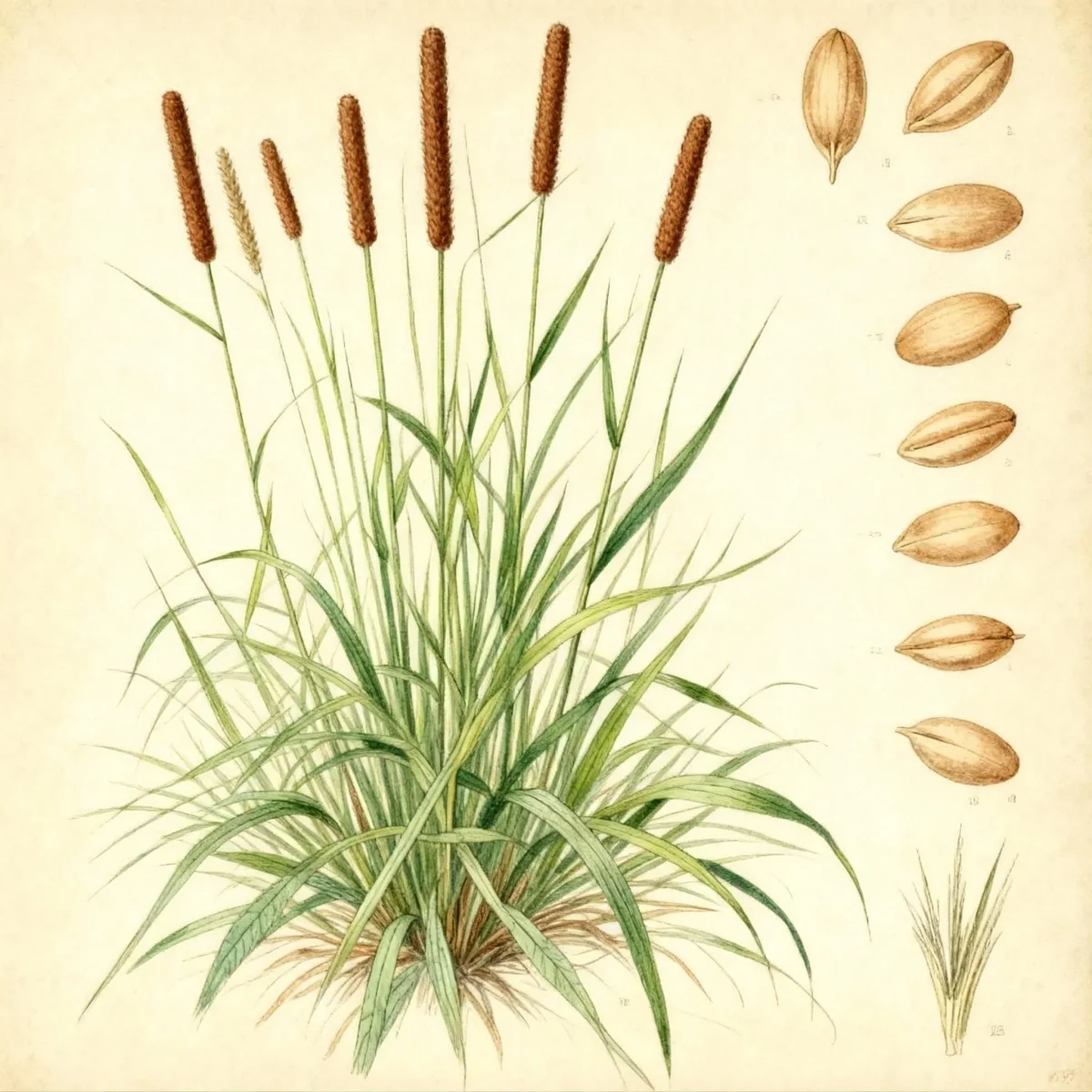
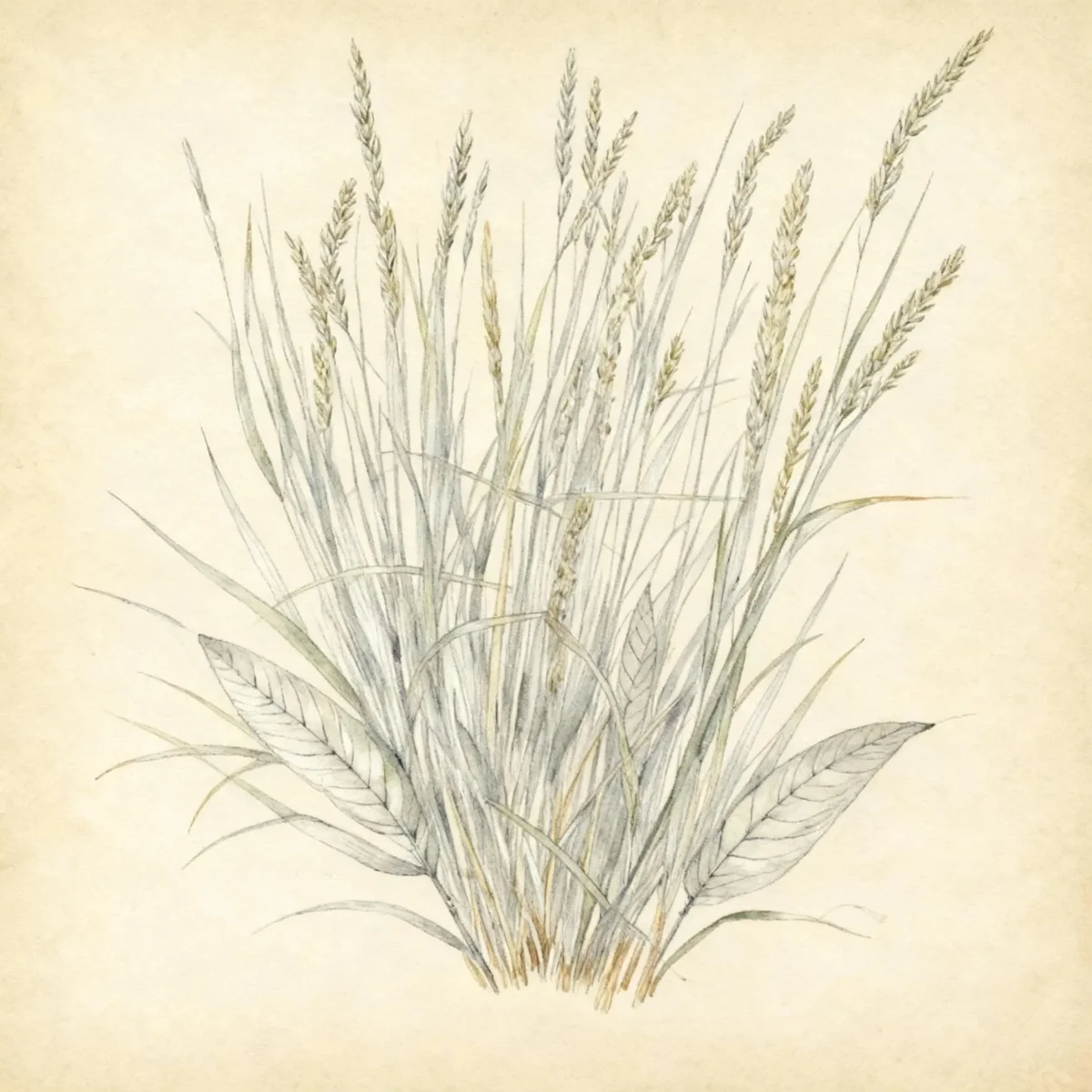
Panic grass (Panicum bulbosum)
Bulbous panic grass (Panicum bulbosum) is a clump-forming ornamental grass noted for its unique basal corms and airy, reddish-brown blooms.
Scroll down to discover growing tips, care requirements, companion plants, and more
Complete Plant Information
Overview
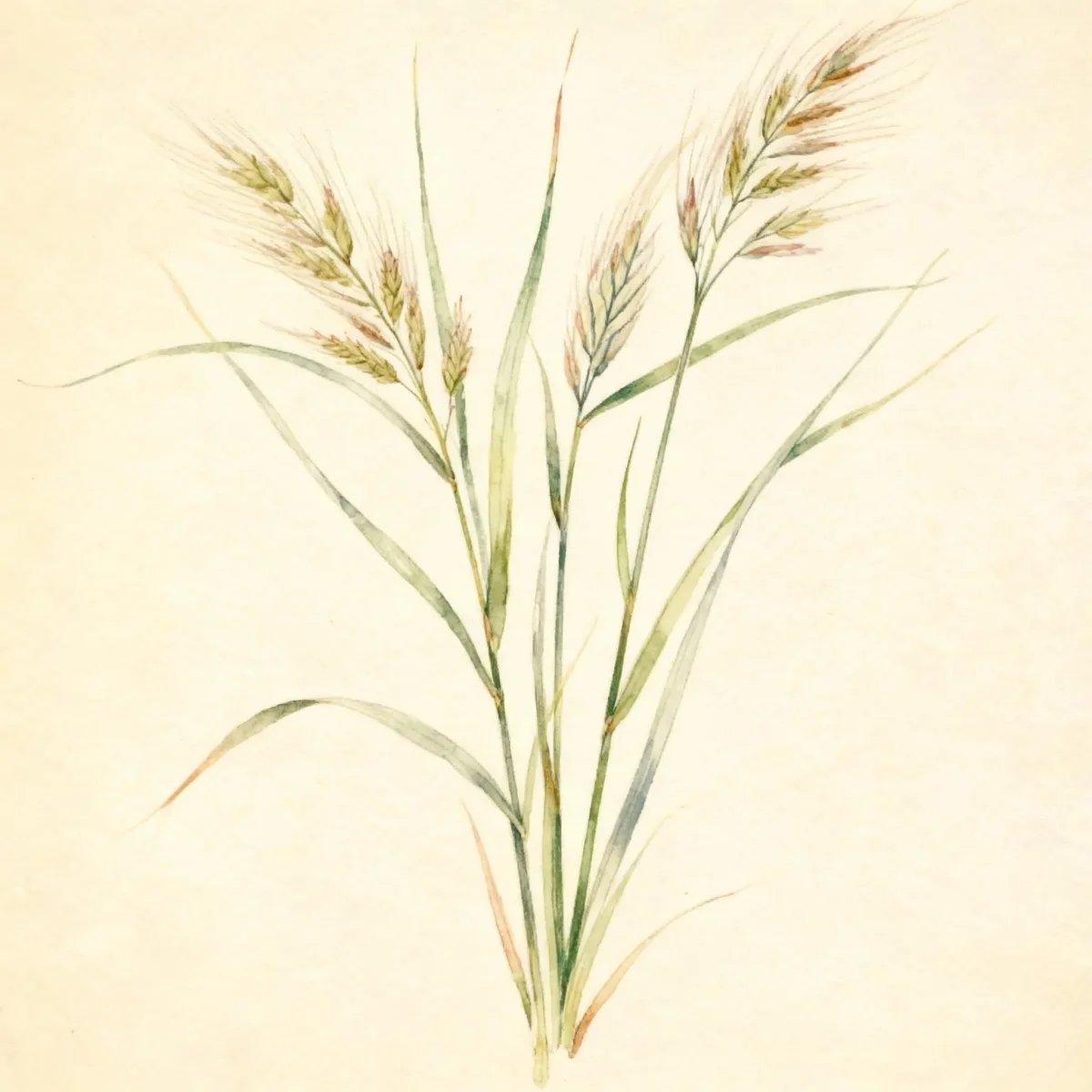
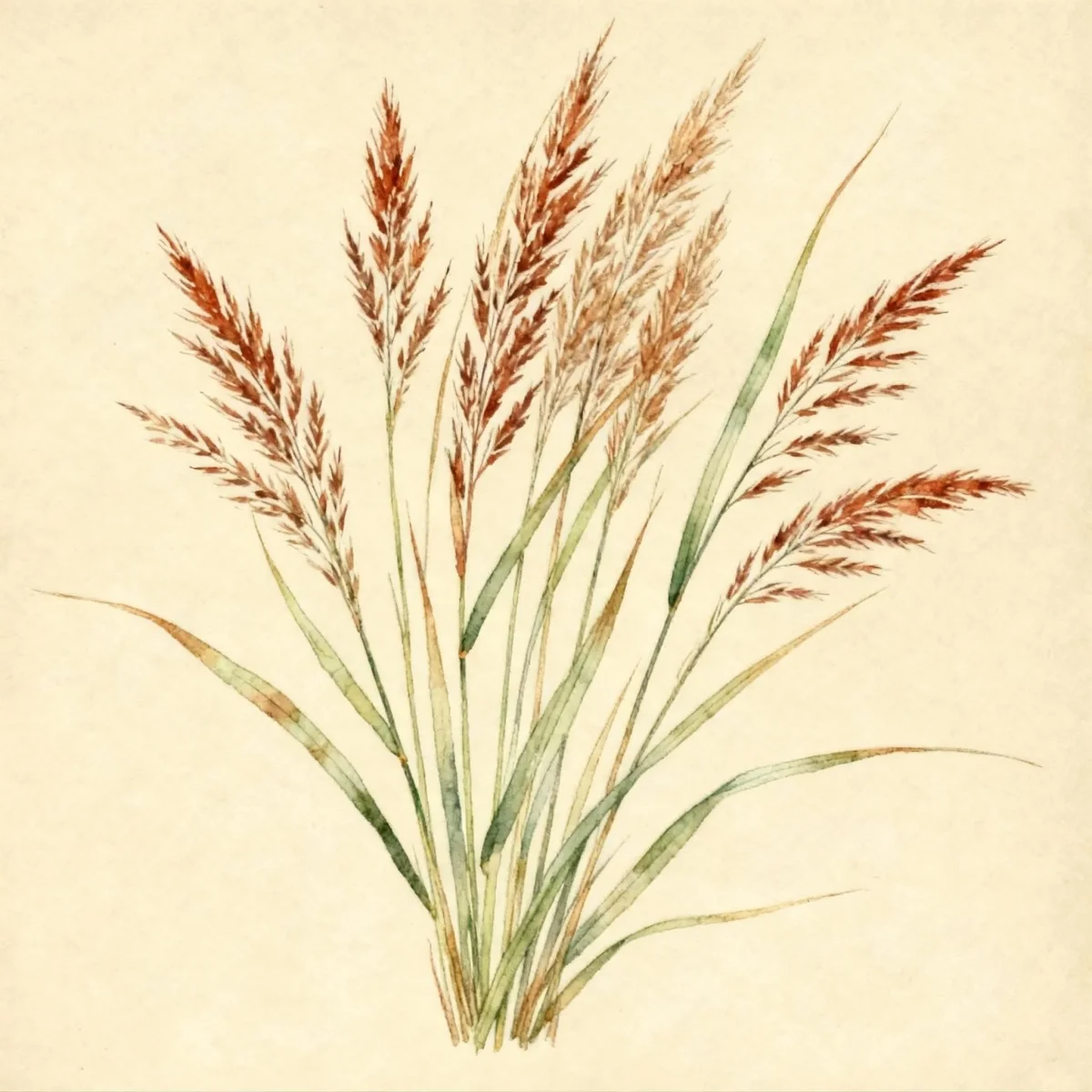
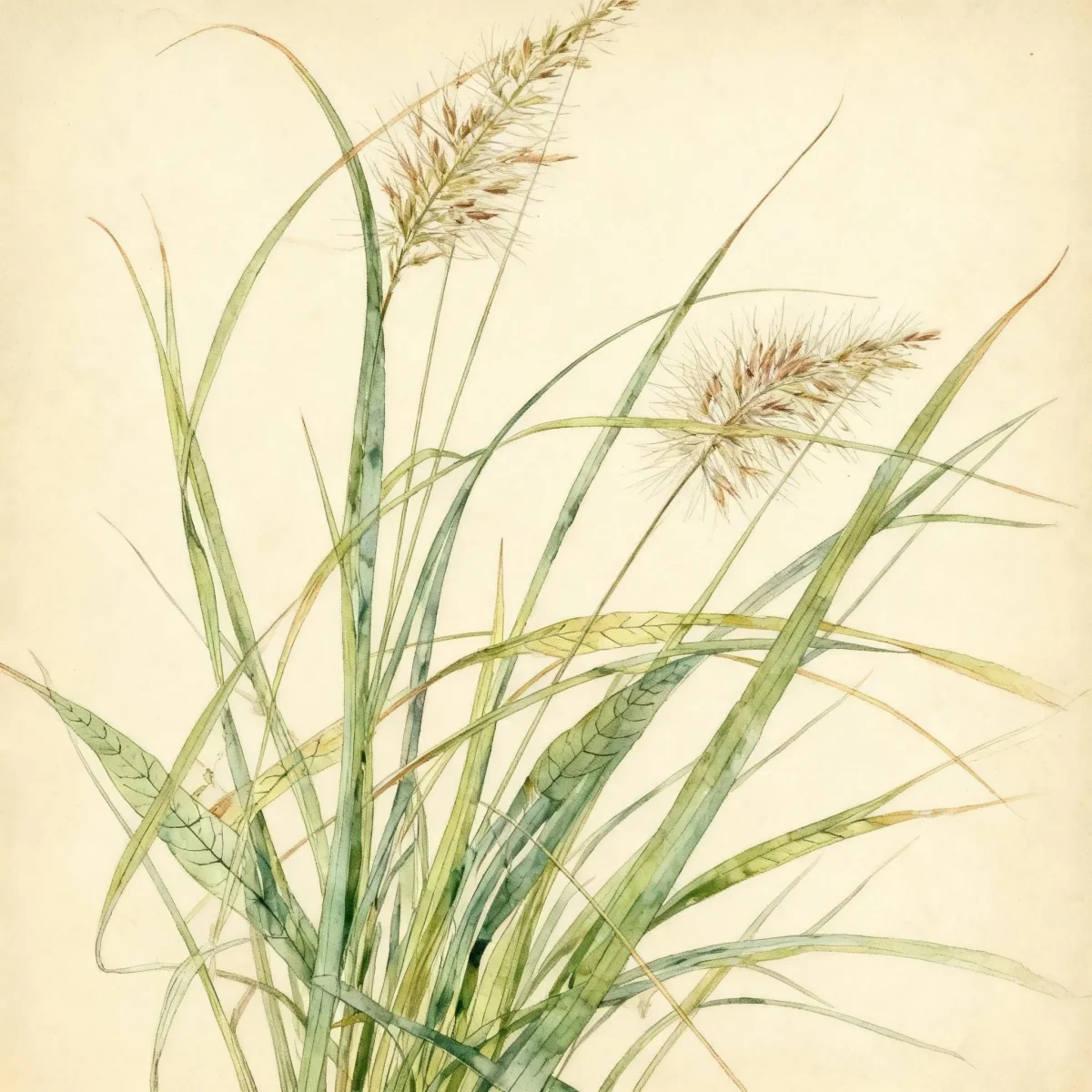
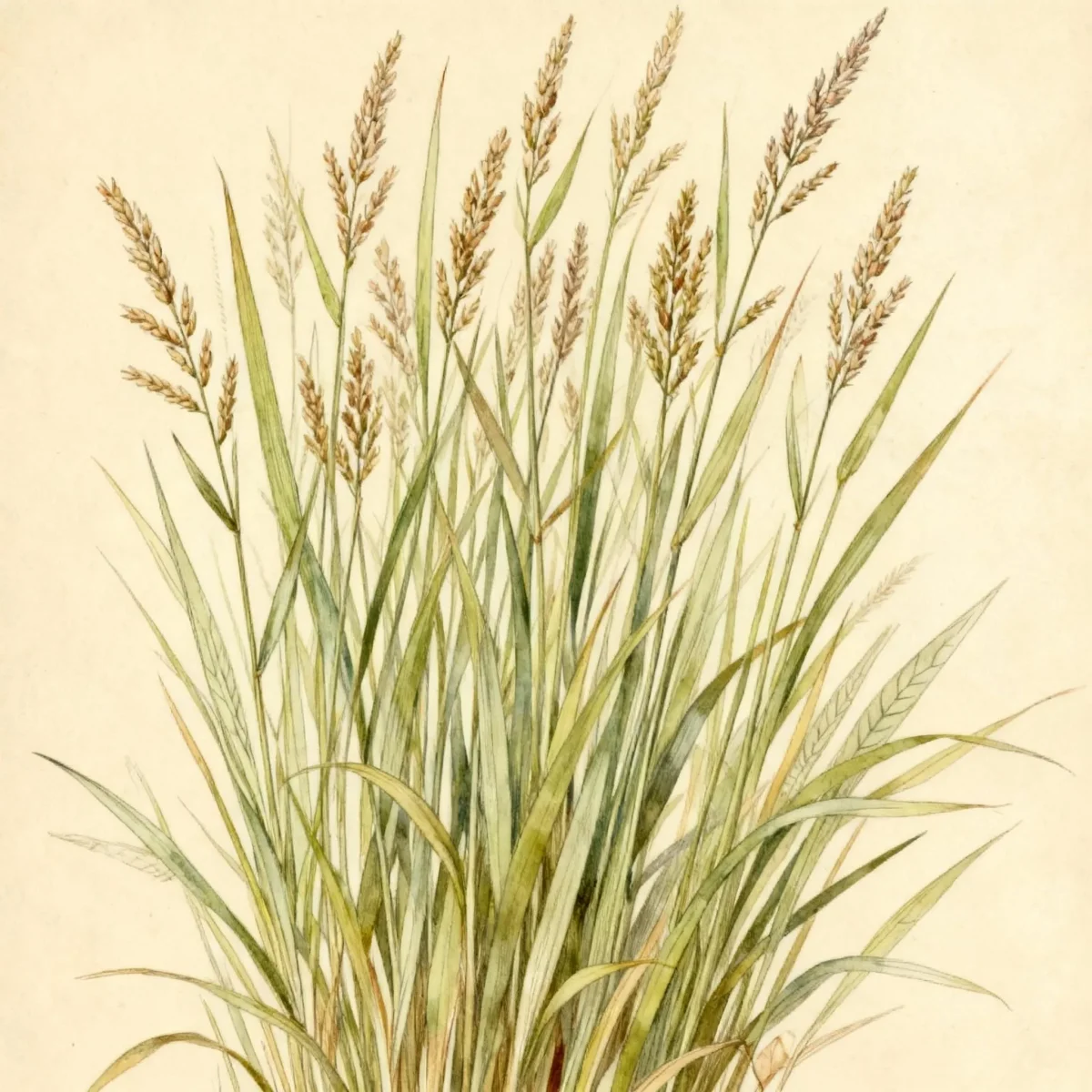
Panicum bulbosum, commonly known as Panic grass, offers unique architectural interest to the garden through its distinctive clump-forming habit. A particular feature is the erect culms which swell at the base, forming small ovoid corms resembling bulbs, hence its name. This vigorous grass is highly valued for its light gray-green foliage, which serves as an excellent backdrop for the airy, reddish-brown flower panicles that appear from mid-summer well into winter.
Culturally, this ornamental grass is robust and adaptable, thriving in full sun conditions where its flower color is deepest, though it can tolerate some part shade. Despite being native to diverse habitats ranging from wooded slopes to gravelly riverbanks, Panic grass maintains a relatively low maintenance requirement once established. Its ability to tolerate difficult soil conditions and drought makes Panicum bulbosum a reliable choice for naturalizing large areas or adding texture to native plant borders.
Gardeners appreciate this species not only for its visual appeal but also for its functionality; the blooms are excellent for fresh or dried arrangements. As Panicum bulbosum slowly spreads via rhizomes, it acts as a helpful stabilizer against erosion while contributing seasonal interest throughout the year.
Fast Facts
- Plant Family: Poaceae
- Plant Type: Ornamental grass
- Native Range: Southern North America, Centeral America, northern South America
- Hardiness Zones: USDA Zones 6-9
- Size at Maturity:
- Height: 2-4 ft
- Spread: 1.5-3 ft
- Bloom Time: July to February
- Bloom Description: Reddish-brown
- Sun Exposure: Full sun
- Water Needs: Dry to medium
- Maintenance Level: Low
How to Grow
Planting Panicum bulbosum is best done when the soil is workable in spring or fall. Locate it where it receives full sun for the best development of flower color, although it tolerates part shade. This species thrives in average, well-drained soils but demonstrates remarkable adaptability, handling both dry and moderately moist conditions, including sandy or clay varieties.
Care requirements are minimal, fitting its low maintenance rating. Water newly planted Panic grass consistently to encourage establishment; however, established clumps tolerate brief periods of drought exceptionally well. Fertilization is rarely necessary; overly rich soil can lead to floppiness, especially in shadier spots where the plant loses its preferred upright form.
Pruning should be done in late winter or early spring before new growth begins. Cut the faded foliage down to a few inches above the ground to make way for the vigorous new growth of the season. Remember that Panicum bulbosum will slowly naturalize by rhizomes, so place it where you have room for moderate expansion or plan to divide clumps every few years.
Landscape Uses
The versatility of Panic grass makes it suitable for numerous design roles. It excels when massed as an accent or screen, offering vertical structure from summer through winter. Because it is suggested for naturalizing, it integrates beautifully into wild gardens, prairies, and meadows, providing texture that mimics native grasslands.
For gardeners interested in sustainable practices, Panicum bulbosum is an excellent candidate for rain gardens where moisture levels can fluctuate, and it handles wet soil periods better than many xeriscapic options. Furthermore, its attractive seed plumes and colorful summer foliage make it a perfect fit for traditional perennial borders needing structural height from an ornamental grass.
When grouping this species, consider companion plants that appreciate similar sun exposure and moisture needs, such as coneflowers or various native asters, allowing the light gray-green foliage of the Panic grass to set off their blooms.
Standout Features
Flower Qualities
- Showy
- Good Cut
- Good Dried
Noteworthy Characteristics
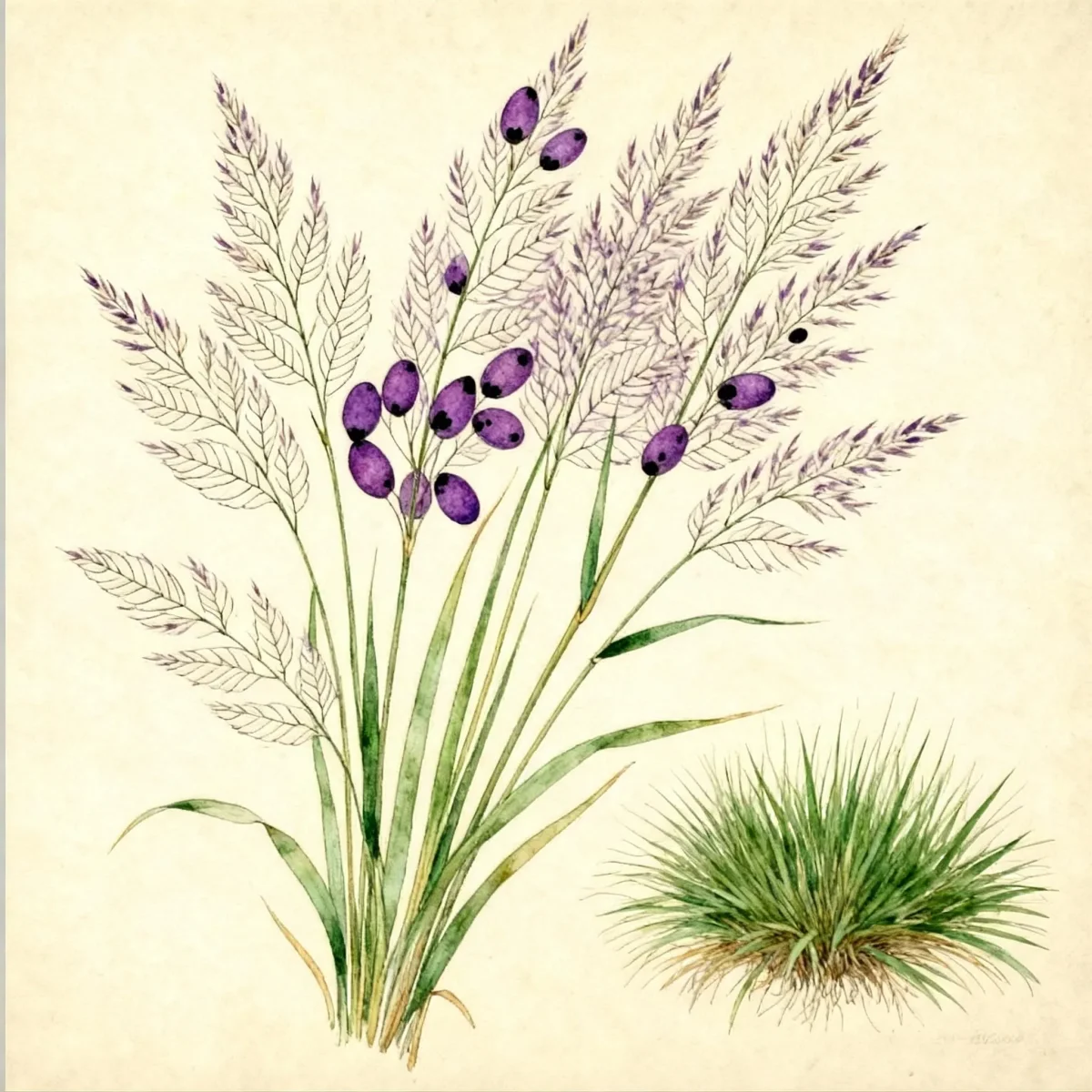
Panicum bulbosum, commonly called bulbous panic grass, is a clump-forming grass noted for its erect culms swollen at the base forming an ovoid corm. Foliage clumps are topped by loosely flowered pyramidal panicles which are purple in sun or green in shade, delivering an impressive cloud-like effect over the foliage. These flowering stems persist well into winter, providing crucial late-season interest and structure.
Tolerances
- Drought
- Erosion
- Dry Soil
- Wet Soil
- Black Walnut
- Air Pollution
Potential Problems
This species generally faces no serious insect or disease problems, making it highly reliable in most garden settings. Its natural vigor and wide adaptation minimize common cultural issues associated with less forgiving plants. If growth becomes too sparse or the plant starts to lean, the primary cause is often too much shade or excessively rich soil, which should be corrected by improving sunlight exposure or reducing supplemental nutrients.
Frequently Asked Questions
What hardiness zones is Panic grass suitable for?
Panicum bulbosum is suitable for USDA Zones 6 through 9, offering reliable perennial performance across these regions.
How large does Panicum bulbosum grow?
This ornamental grass typically reaches a height between 2 and 4 feet, with a spread ranging from 1.5 to 3 feet, forming a dense clump.
When does Panic grass bloom?
Bloom time for Panicum bulbosum occurs over an extended period, starting in July and continuing through February, displaying attractive reddish-brown coloration.
What sun exposure does Panicum bulbosum need?
This plant prefers full sun for optimal performance and the best bloom color; however, it can tolerate part shade, though it may become looser in form.
Conclusion
The low-maintenance nature combined with the unique basal corms and airy summer flowers ensures that Panicum bulbosum remains a distinguished choice for tough garden spots. From its utility in dry areas to its value as a fresh or dried floral element, Panic grass offers persistent year-round contributions. Be sure to check your local USDA zone compatibility before incorporating this distinctive grass into your landscape design this planting season.
Companion Planting
When selecting partners for Panicum bulbosum, focus on plants sharing a preference for full sun and adaptable soil, particularly those that benefit from the grass’s vertical accent. Native companion plants that thrive in the same range (Zones 6-9) and enjoy medium moisture often pair well, such as Rudbeckia (Coneflower) or several varieties of Aster. Massing this perennial grass near drought-tolerant shrubs can create textural contrast while ensuring all plantings share similar cultural needs, minimizing necessary intervention.
Design Ideas
Utilize the structural nature of this grass to soften hardscape elements. Planting Panicum bulbosum near the edge of a patio or walkway adds movement and texture without overwhelming the space, given its moderate spread of 1.5 to 3 feet. For contemporary or minimalist designs, a mass grouping of this ornamental grass offers serene, monochromatic interest, especially when lit by late afternoon sun. Ensure adequate air circulation, particularly in overly humid environments, even though Panicum bulbosum is generally disease resistant.