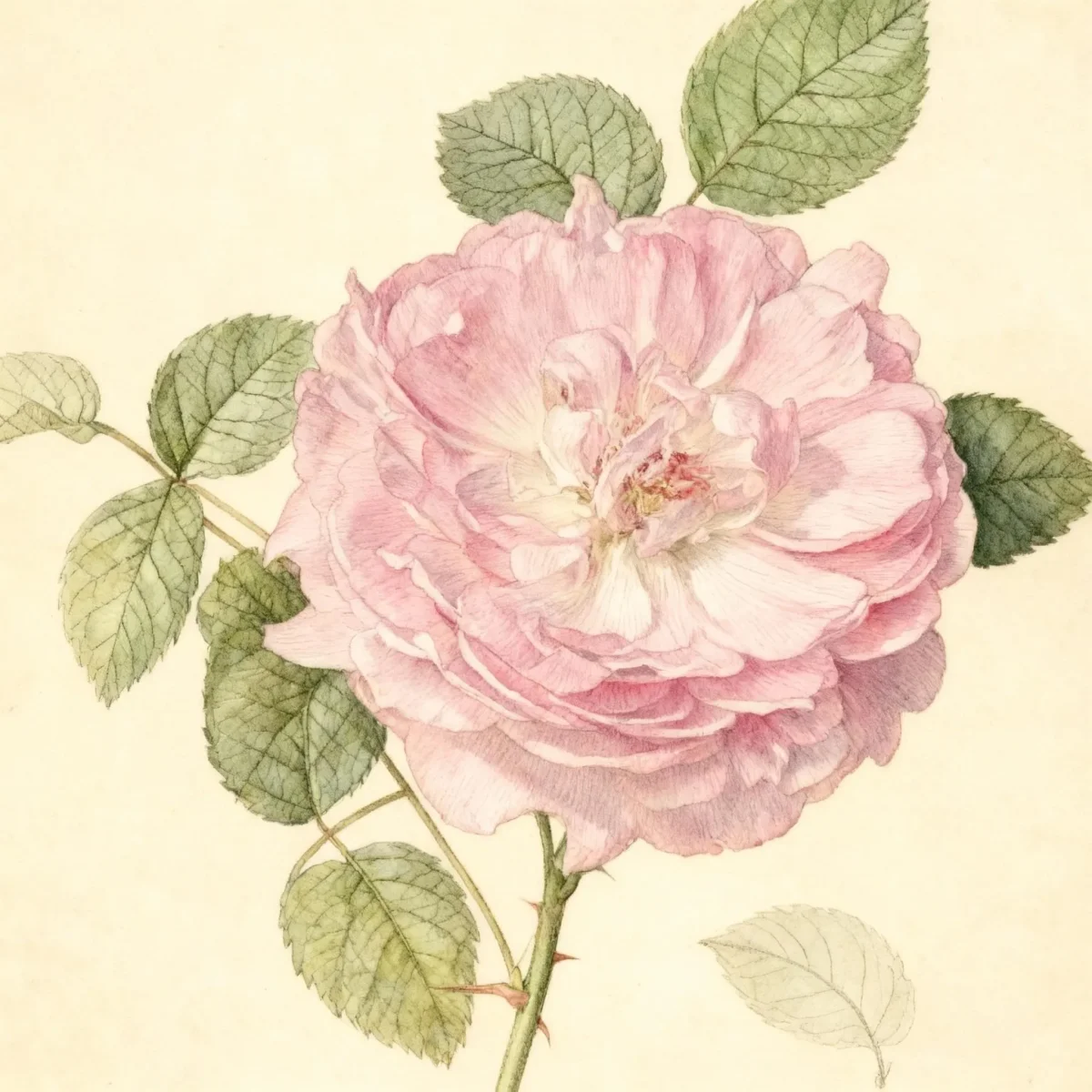
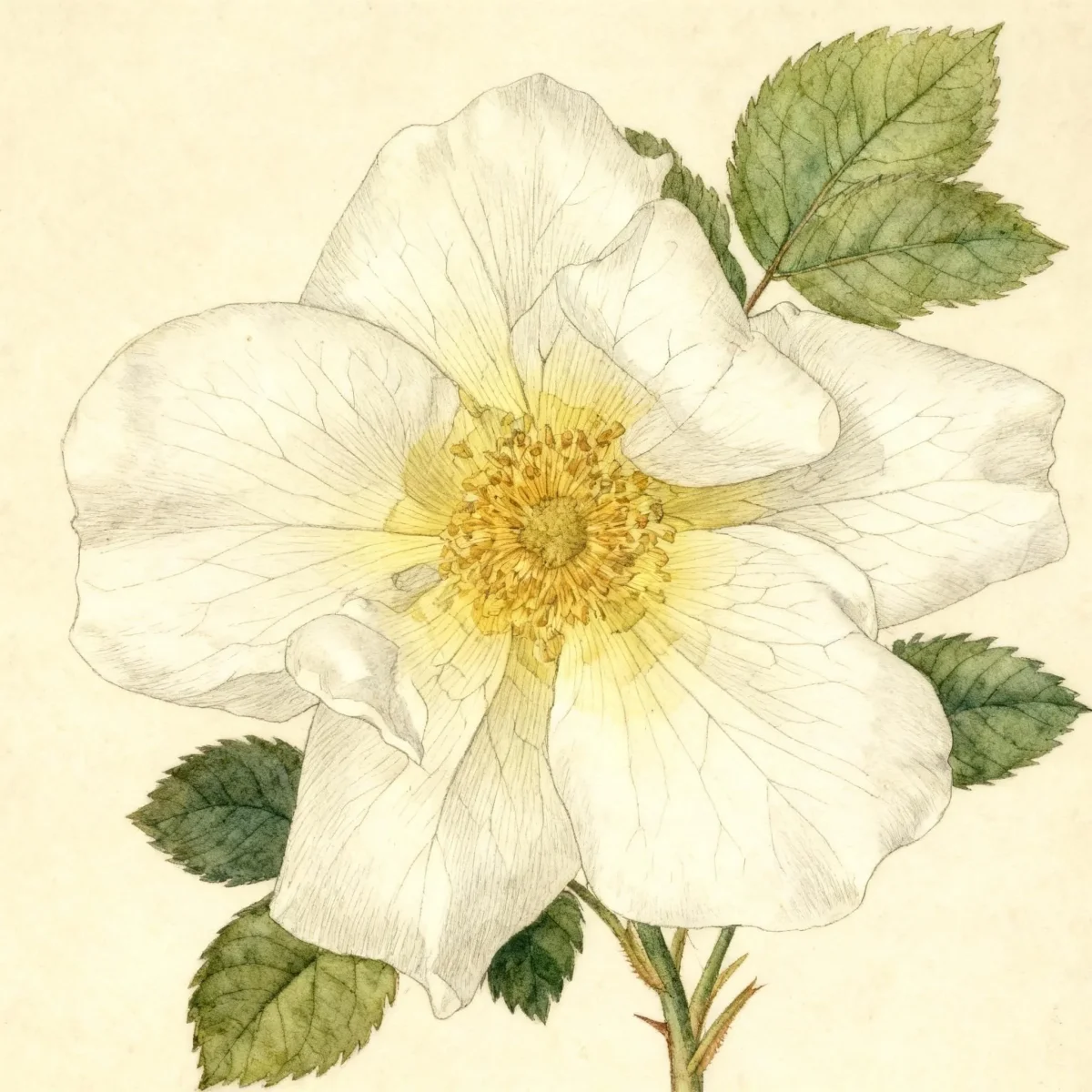
Nantucket serviceberry (Amelanchier nantucketensis)
Discover Amelanchier nantucketensis, the rare Nantucket serviceberry. This compact deciduous shrub offers white spring flowers and edible summer fruit.
Scroll down to discover growing tips, care requirements, companion plants, and more
Complete Plant Information
Overview
The Nantucket serviceberry (Amelanchier nantucketensis) is a compact, slender, low-growing deciduous shrub highly valued for its rarity and aesthetic appeal. As a member of the rose family, this species provides multiple seasonal highlights, beginning with beautiful white flowers in spring followed by edible berries in early summer. It spreads slowly via root stolons, creating dense, attractive colonies ideal for textured landscape areas.
This species is considered globally rare, primarily inhabiting sunny, dry, sandy habitats across the Atlantic coastal plain. For gardeners, Amelanchier nantucketensis offers excellent texture and reliable seasonal interest, often overlooked due to its limited commercial availability. It is a standout choice for native plant enthusiasts seeking resilience in challenging, dry soils.
Gardeners should appreciate its tidy form reaching 4 to 5 feet tall and wide, making it suitable for smaller borders or naturalized groupings. The orange-red fall color provides a final seasonal flourish before winter dormancy for this deserving Nantucket serviceberry.
Fast Facts
- Plant Family: Rosaceae
- Plant Type: Deciduous shrub
- Native Range: Northeastern North America
- Hardiness Zones: USDA Zones 3-6
- Size at Maturity:
- Height: 4-5 ft
- Spread: 4-5 ft
- Bloom Time: April to May
- Bloom Description: White
- Sun Exposure: Full sun
- Water Needs: Dry to medium
- Maintenance Level: Medium
How to Grow
The Nantucket serviceberry (Amelanchier nantucketensis) thrives when planted in the early spring or fall, allowing roots to establish before extreme weather hits. Ensure you site this shrub where it receives full sun exposure, as light is crucial for dense growth and flowering. The ideal growing medium is average, sandy, and well-drained, mimicking its native dry sandplain habitat.
Care is relatively manageable once established. While it prefers dry to medium moisture, avoid letting the soil desiccate entirely during prolonged dry spells, especially in its first few years. Fertilization is usually unnecessary in native soil conditions; overly rich soil can promote leggy growth.
Minimal pruning is required for Amelanchier nantucketensis. Perform any necessary shaping or removal of damaged wood in late winter. Focus on pruning out dead and weakened shoots before new spring growth begins to maintain the shrub’s compact structure.
Landscape Uses
Although difficult to acquire in commerce, finding a specimen of Nantucket serviceberry is rewarding for specific landscape roles. Its dense colony-forming habit makes it excellent for naturalizing plantings where it can spread gently without becoming overly aggressive. It works beautifully on slopes or in native plant areas where drier conditions prevail.
Consider using this shrub in mixed textural borders or woodland margins, provided the area receives adequate sunlight. Because the berries are highly attractive to birds, planting the Nantucket serviceberry near viewing areas enhances wildlife observation opportunities in your garden. This robust native fills a niche often lacking in ornamental shrubs: drought tolerance combined with seasonal flower and fruit display.
Standout Features
Flower Qualities
- Showy
Fruit Qualities
- Showy
- Edible
Noteworthy Characteristics
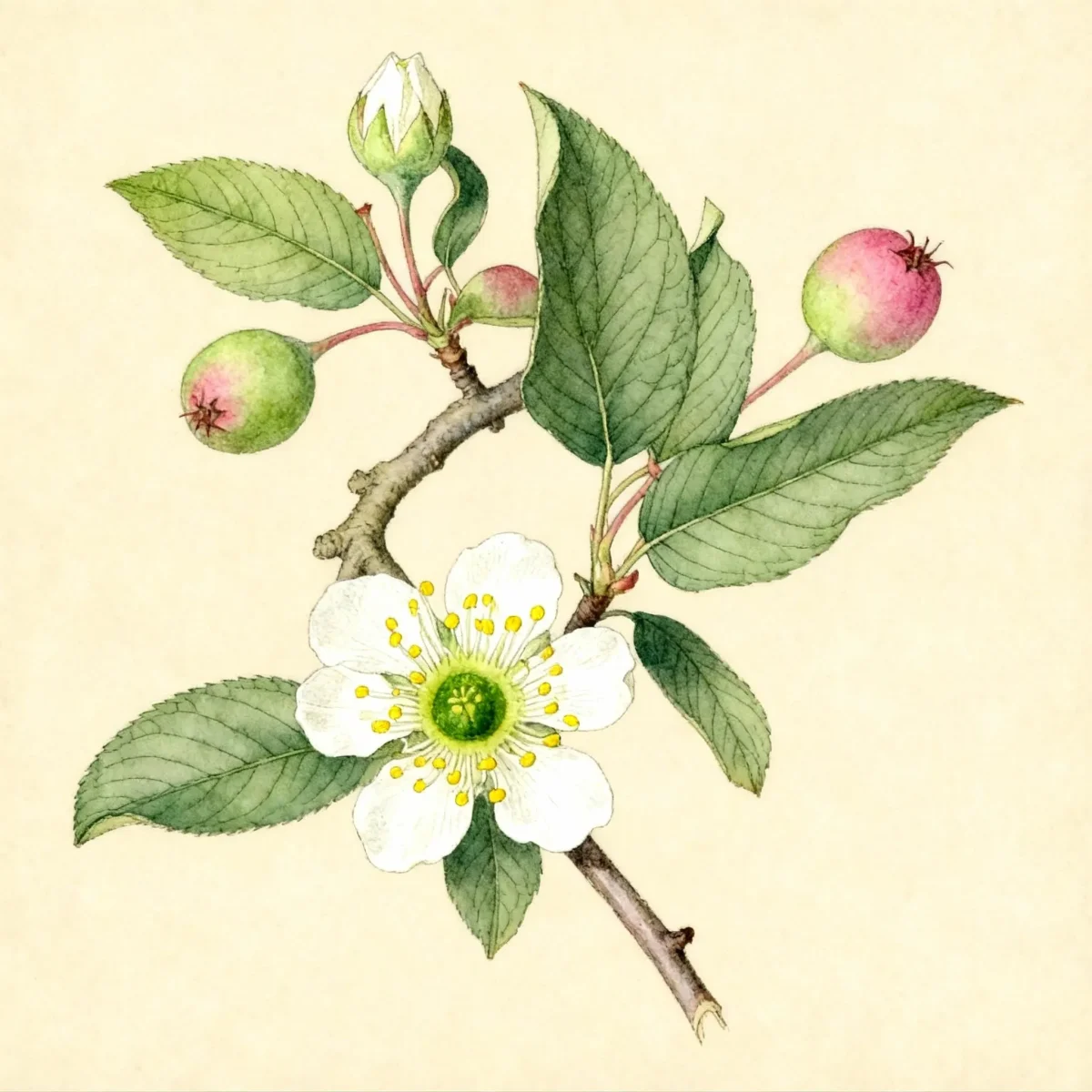
Amelanchier nantucketensis, commonly known as Nantucket juneberry or Nantucket shadbush, is recognized as a compact, slender, low-growing deciduous shrub that spreads via stolons to form colonies. It is distinguished by small, five-petaled white flowers blooming early, followed by edible dark blue to black berries, glossy green leaves, and brilliant orange-red fall color. This species is significantly rare and is a priority for conservation efforts, emphasizing its importance in native landscapes.
Tolerances
- Drought
- Dry Soil
Potential Problems
Generally, Amelanchier nantucketensis exhibits few major issues with insects or diseases, lending to its low-maintenance profile. Occasional fungal issues like rust, leaf spot, powdery mildew, and canker may appear under humid or crowded conditions. Ensuring good air circulation by providing ample space and ensuring the soil remains well-drained can mitigate most common disease pressures.
Frequently Asked Questions
What hardiness zones is Nantucket serviceberry suitable for?
The Nantucket serviceberry is adaptable across USDA Zones 3 to 6.
How large does Amelanchier nantucketensis grow?
This compact shrub typically matures to a height and spread of 4 to 5 feet.
What sun exposure does Amelanchier nantucketensis need?
This species requires full sun for optimal health and flowering.
When does Nantucket serviceberry bloom?
The shrub produces its white flowers between April and May.
Conclusion
The Nantucket serviceberry (Amelanchier nantucketensis) offers gardeners a rare glimpse into specialized Atlantic coastal flora, providing ornamental value through its delicate flowers and edible fruit. Its tolerance for dry soils makes it an exceptionally resilient choice for sunny, challenging sites. Before incorporating this species, verify USDA Zone compatibility and plan for spring or fall planting to maximize establishment success.
Wildlife Benefits
The fruits produced by Amelanchier nantucketensis are a significant resource for local wildlife. These fleshy berries ripen in June and July, providing an important early summer food source when many other fruits are not yet available. Birds, particularly songbirds, readily consume the berries, making this shrub an excellent addition to any bird garden design.
The structure of Nantucket serviceberry also offers valuable shelter. Its dense, low-growing habit, enhanced by spreading stolons, creates excellent cover for ground-nesting birds and small mammals seeking protection from predators.
Companion Planting
Given its preference for full sun and dry, sandy, well-drained soils, pair Amelanchier nantucketensis with other drought-tolerant native species suited to open habitats. Consider utilizing native grasses like Little Bluestem (Schizachyrium scoparium) or flowering perennials such as species of Coreopsis or Penstemon that share similar cultural needs. This grouping avoids over-watering the serviceberry while creating a naturalistic, low-input planting scheme reminiscent of coastal plains.