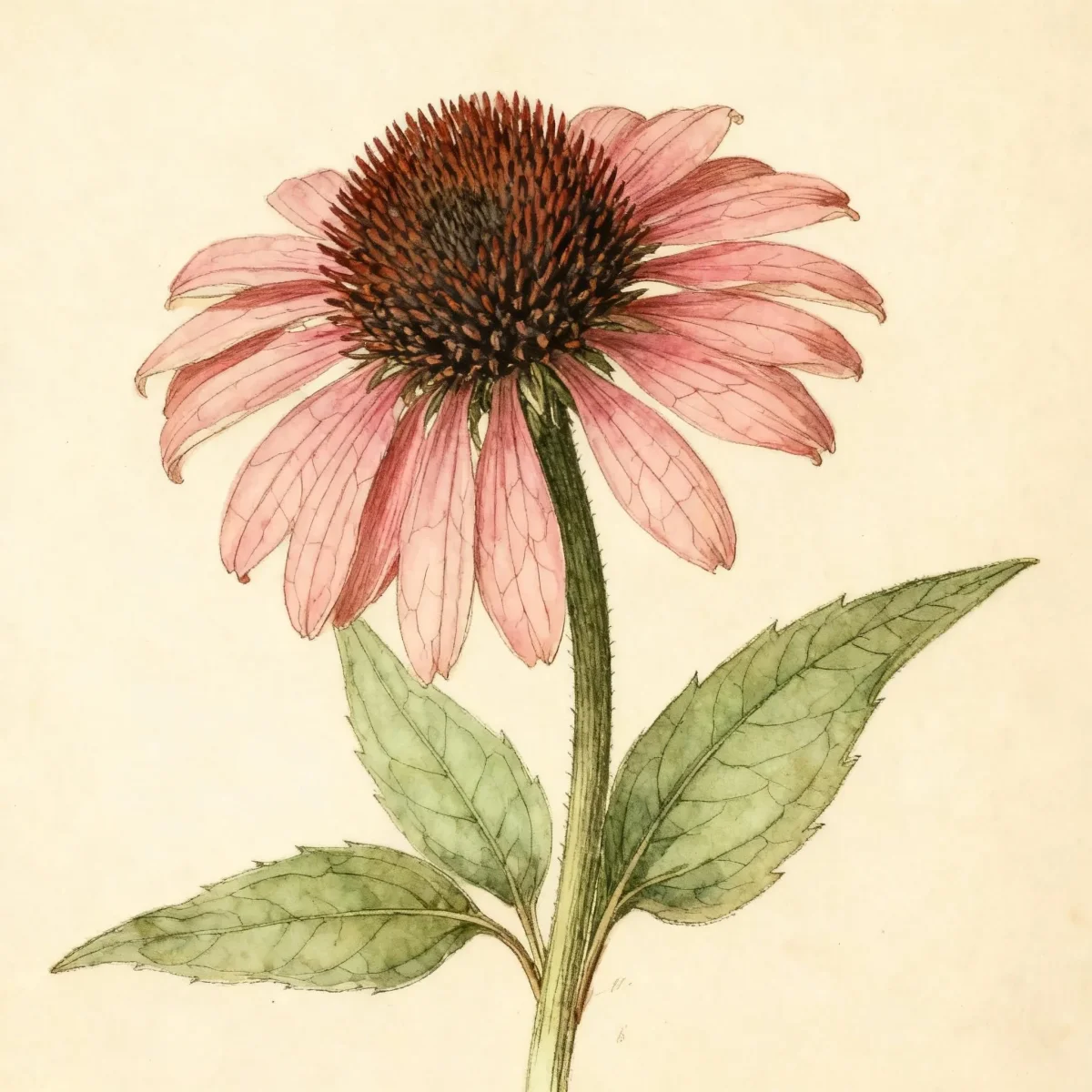
Coneflower (Echinacea purpurea 'Pas702917' POWWOW WILD BERRY)
Echinacea purpurea 'Pas702917' POWWOW WILD BERRY is a low-maintenance Coneflower boasting prolific deep rose-purple blooms and excellent drought tolerance.
Scroll down to discover growing tips, care requirements, companion plants, and more
Complete Plant Information
Overview
The Echinacea purpurea ‘Pas702917’ POWWOW WILD BERRY Coneflower is a visually stunning, resilient herbaceous perennial highly valued for its reliable, long-lasting summer color. This cultivar provides an abundance of deep rose-purple flowers, ensuring continuous interest from late spring well into autumn. As an adaptable plant, the Coneflower thrives even when conditions are challenging, making it a cornerstone for modern, low-input garden designs.
This variety develops sturdy, well-branched stems reaching 2 to 3 feet tall, perfect for adding vertical structure without requiring staking. Beyond its aesthetic appeal as a showy bloomer, Echinacea purpurea ‘Pas702917’ POWWOW WILD BERRY offers significant functional benefits, acting as a magnet for pollinators and providing excellent dried material for winter arrangements.
Gardeners appreciate the low maintenance associated with this tough Coneflower. It handles heat, humidity, and poorer soils admirably, provided there is adequate drainage. Its success in Zones 3 through 8 makes the Echinacea purpurea ‘Pas702917’ POWWOW WILD BERRY a widespread and rewarding addition to prairie plantings and perennial borders alike.
Fast Facts
- Plant Family: Asteraceae
- Plant Type: Herbaceous perennial
- Hardiness Zones: USDA Zones 3-8
- Size at Maturity:
- Height: 2-3 ft
- Spread: 1-1.5 ft
- Bloom Time: June to August
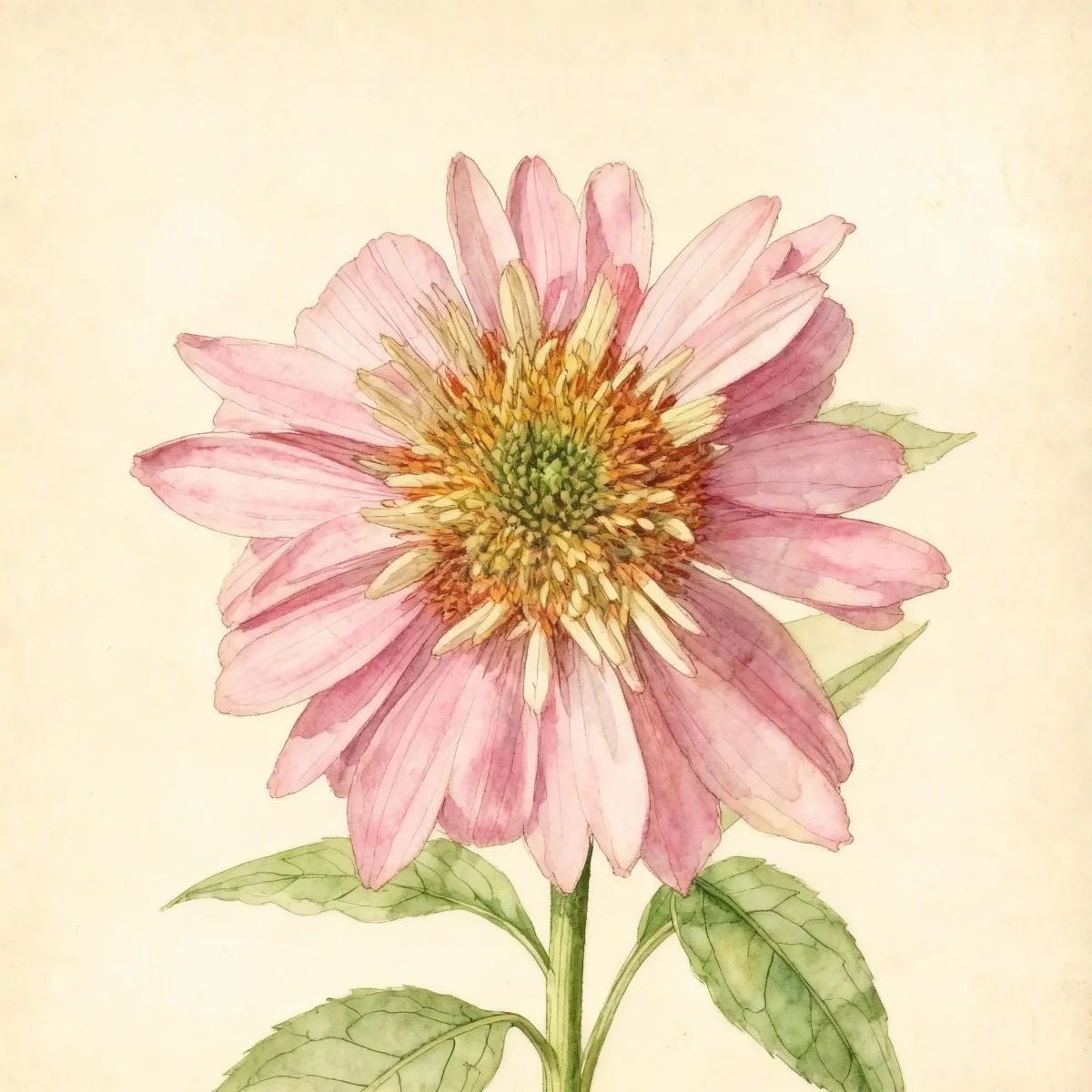
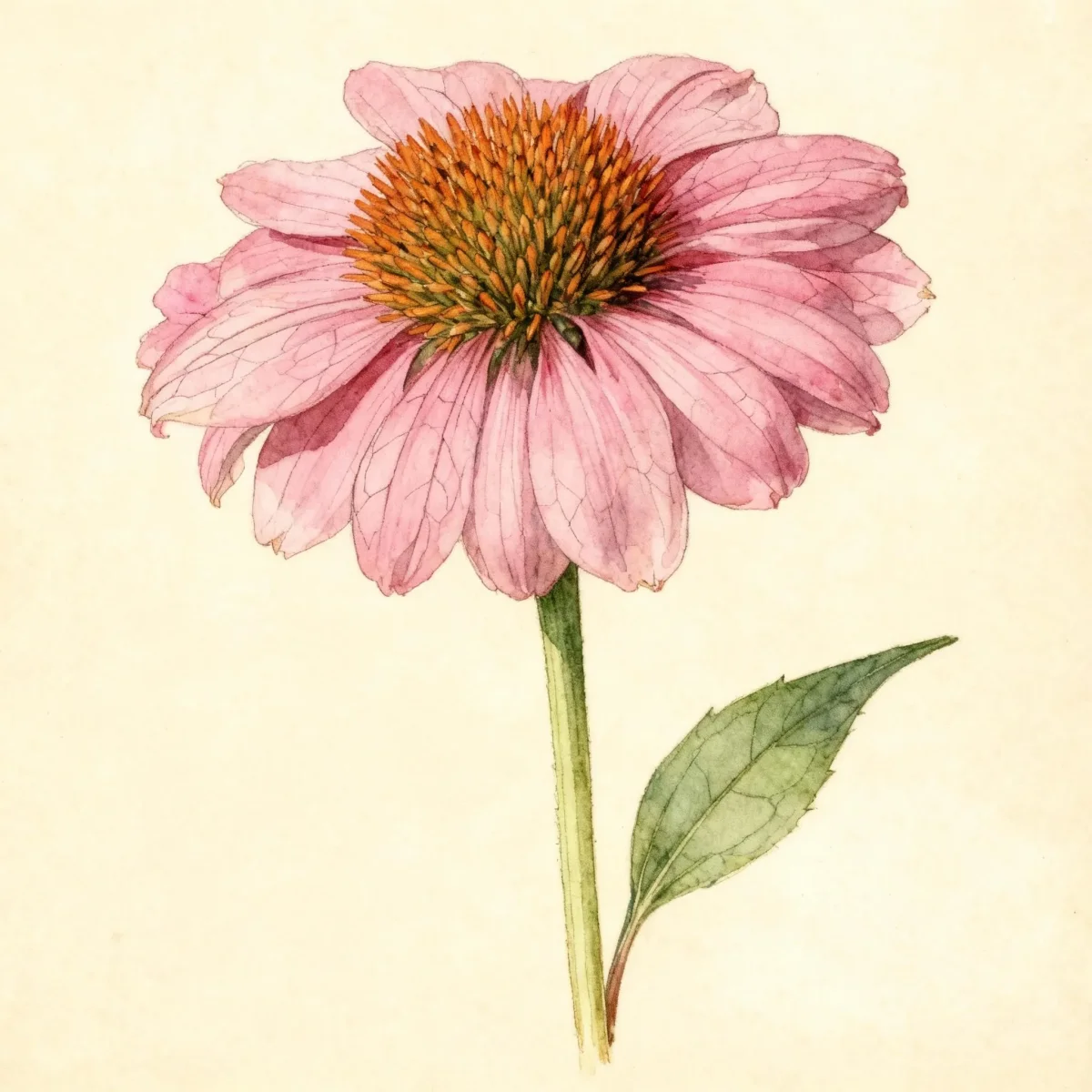
- Bloom Description: Rose-purple rays with orange-brown center cone
- Sun Exposure: Full sun to part shade
- Water Needs: Dry to medium
- Maintenance Level: Low
How to Grow
Planting should ideally occur in spring or early fall in a location that receives full sun for the best performance, although the Coneflower will tolerate part shade. The critical soil requirement is excellent drainage, as standing water can cause problems despite its tolerance for clay or dry soil types. This adaptable plant is surprisingly tolerant of drought once established, heat, and humidity.
Maintenance is generally low for Echinacea purpurea ‘Pas702917’ POWWOW WILD BERRY. While plants usually rebloom without deadheading, promptly removing spent flowers improves the overall appearance of the clump throughout the season. If the plant becomes overcrowded, typically every four years, divide the clump to maintain vigor.
Seed heads can be left standing through winter; the blackened cones are often visited by goldfinches seeking seeds. If you prefer a tidier look in fall, this pruning can wait until early spring cleanup. For gardeners starting this vivid purple coneflower from seed, germination is relatively quick, with flowers appearing in the first year about 20 weeks after sowing.
Landscape Uses
This excellent, long-blooming flower is versatile in landscape design, shining when massed in the front or middle of a perennial border, creating sweeping drifts of color. Its upright habit makes it a natural fit for native plant gardens, wildflower meadows, and naturalized areas where its rugged beauty can shine. It also performs well in the part shade areas of woodland gardens, brightening darker corners.
For striking seasonal contrast, mass these Coneflower plants alongside species that bloom at different times, such as peonies in spring or ornamental grasses in late summer. A time-honored pairing is massing the Echinacea purpurea ‘Pas702917’ POWWOW WILD BERRY with radiant Rudbeckia species, often referred to as black-eyed Susans, creating a quintessential late-summer meadow mix of purples and golds.
Standout Features
Flower Qualities
- Showy
- Good Cut
- Good Dried
Noteworthy Characteristics
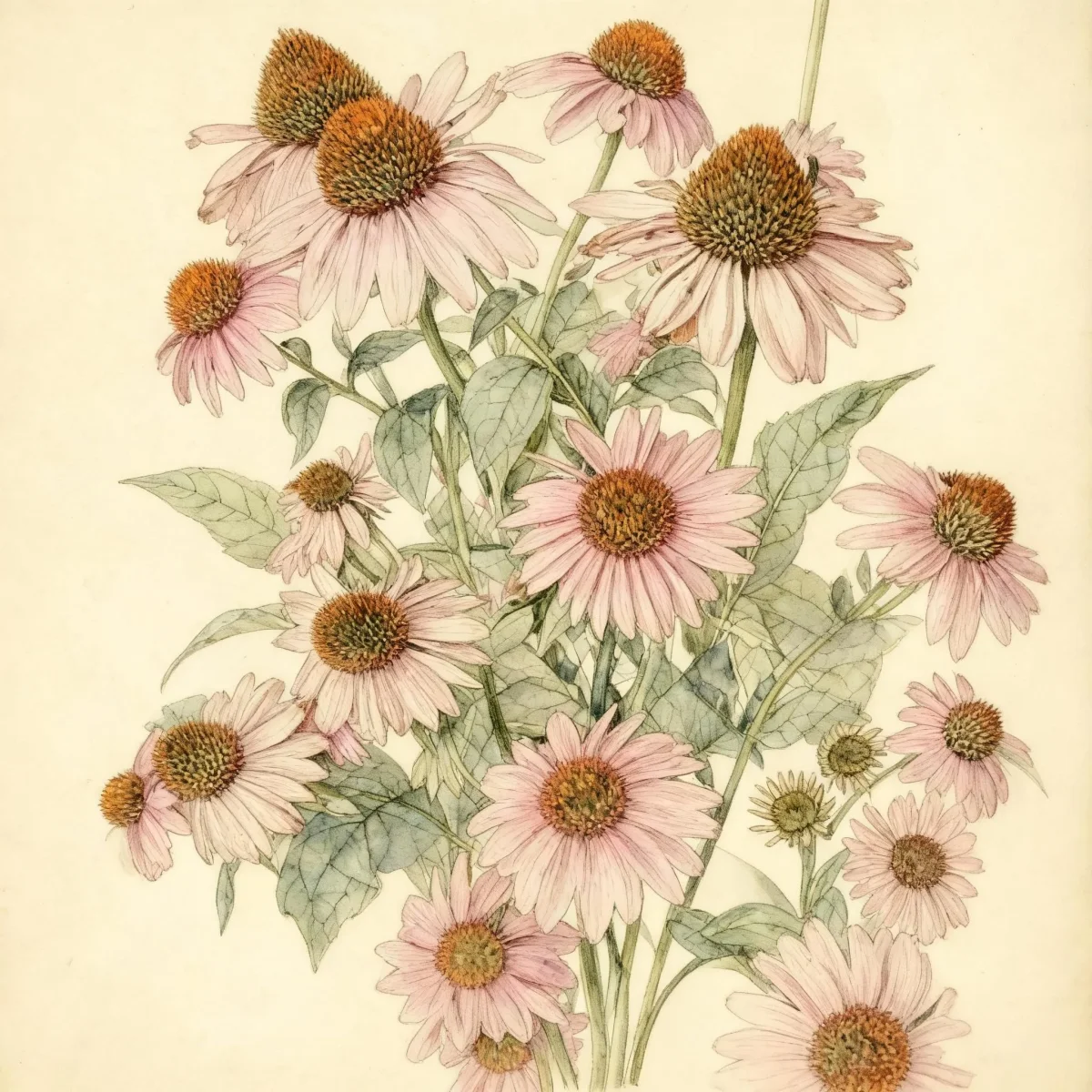
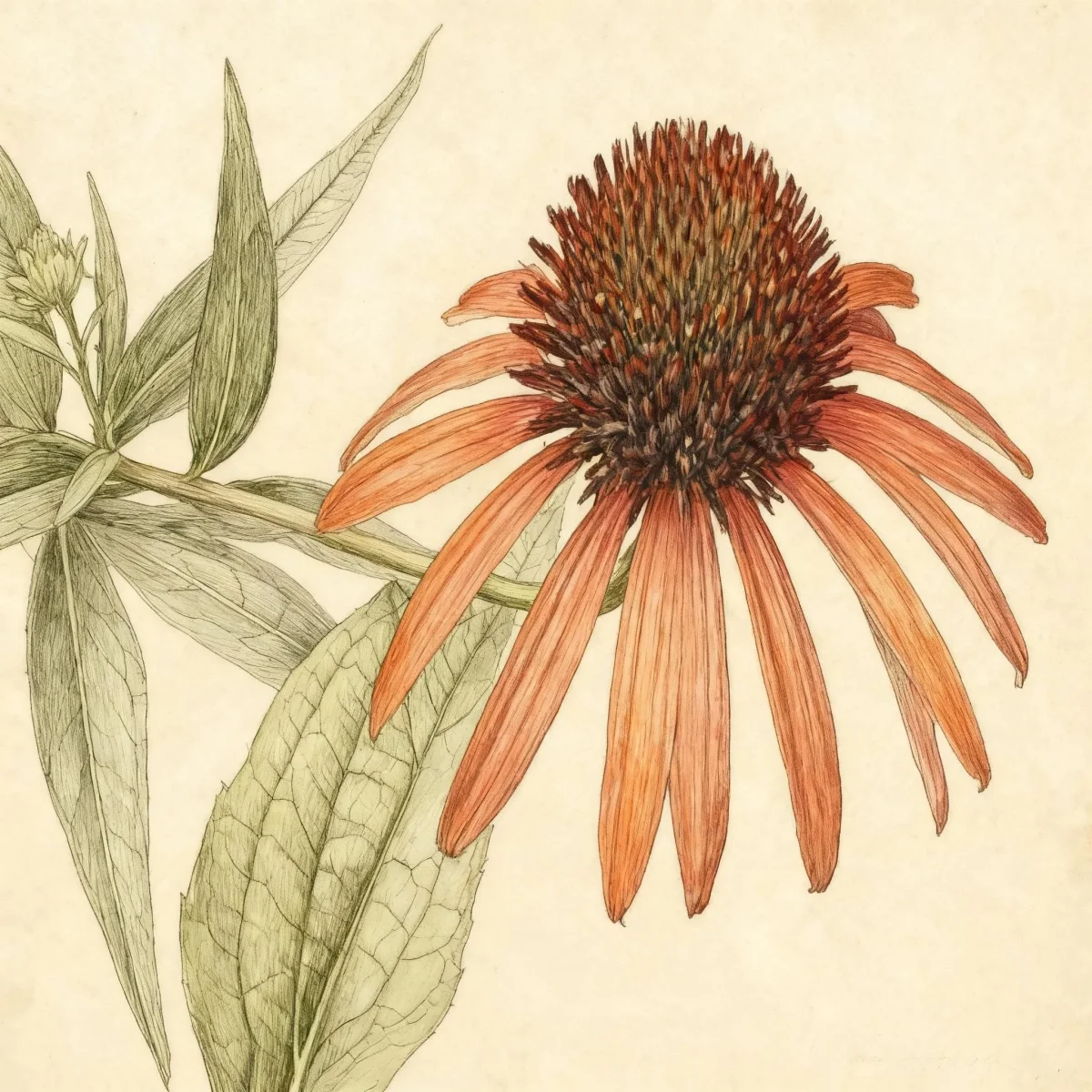
Echinacea purpurea, commonly called purple coneflower, is naturally coarse and rough-hairy, native to moist prairies and open woods in the central and southeastern United States. Showy daisy-like purple coneflowers bloom atop stiff stems clad with dark green leaves throughout summer. POWWOW WILD BERRY is a 2010 All-America Selection winner featuring large, deep rose-purple flowers in a floriferous bloom from late spring to late summer; each flower is characterized by downward-arching rays encircling a large orange-brown center cone.
Tolerances
- Deer
- Drought
- Clay Soil
- Dry Soil
- Shallow-Rocky Soil
Potential Problems
Japanese beetle feeding and potential leaf spot are occasional cosmetic issues for this Coneflower. A more serious concern is the plant’s susceptibility to aster yellows disease, which can cause distorted growth and discoloration. To mitigate potential issues, ensure excellent air circulation by spacing plants properly and avoid overhead irrigation late in the day.
Frequently Asked Questions
What hardiness zones is Coneflower suitable for?
Echinacea purpurea ‘Pas702917’ POWWOW WILD BERRY is highly adaptable and reliably hardy across USDA Zones 3 through 8.
How large does Echinacea purpurea ‘Pas702917’ POWWOW WILD BERRY grow?
This cultivar typically grows into an upright clump reaching 2 to 3 feet in height, with a spread between 1 and 1.5 feet wide on sturdy stems that rarely require support.
What sun exposure does Coneflower need?
For the most abundant and vibrant rose-purple blooms, this plant performs best when situated in full sun, though it will tolerate conditions categorized as part shade.
When does Coneflower bloom?
The primary bloom period for this prolific Coneflower is from June through August, offering vibrant rose-purple rays surrounding a prominent orange-brown center cone.
Conclusion
The Echinacea purpurea ‘Pas702917’ POWWOW WILD BERRY Coneflower remains an essential perennial for gardeners seeking low maintenance coupled with brilliant, dependable summer color. Its remarkable tolerance for difficult conditions, including dry periods and poor soil, secures its place in any resilient landscape plan. Check your local USDA hardiness zone compatibility, prepare an average, well-drained soil site, and enjoy the long blooming season provided by this AAS winner.
Companion Planting
When integrating this tough Coneflower into perennial borders, select companions that share similar sun and water requirements to ensure mutual success. Plants that thrive in full sun and tolerate dry summer conditions pair beautifully with the low water needs of the Echinacea purpurea ‘Pas702917’ POWWOW WILD BERRY.
Consider grouping it with other upright perennials that offer contrasting flower forms or bloom times. Silver Mound Artemisia provides a soft, cool contrast to the bold, deep rose-purple of the Coneflower. For summer color saturation, pair with Shasta Daisies or Russian Sage, creating layers of texture through the hottest months.
Wildlife Benefits
The prominent, spiny central cone of the Coneflower is more than just ornamental; it is a vital late-season food source for local wildlife. Once the ray petals drop, the dried cones remain erect, offering seeds that attract goldfinches and other seed-loving birds throughout winter.
This plant is also renowned for its role in supporting beneficial insect populations. The large, accessible flowers are highly effective at drawing in various bee species and butterflies throughout the blooming season. Planting Echinacea purpurea ‘PowWow Wild Berry’ contributes significantly to local biodiversity.