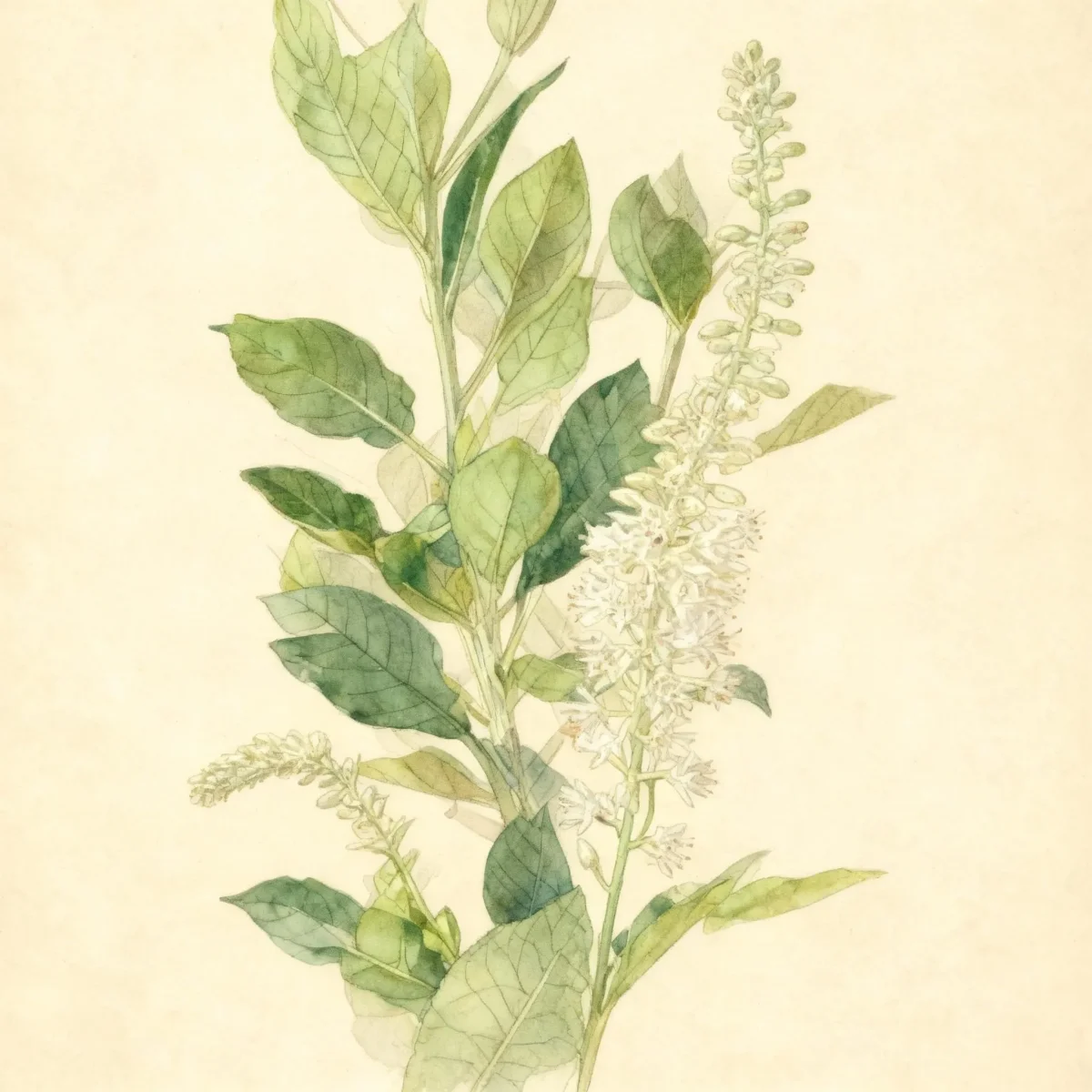
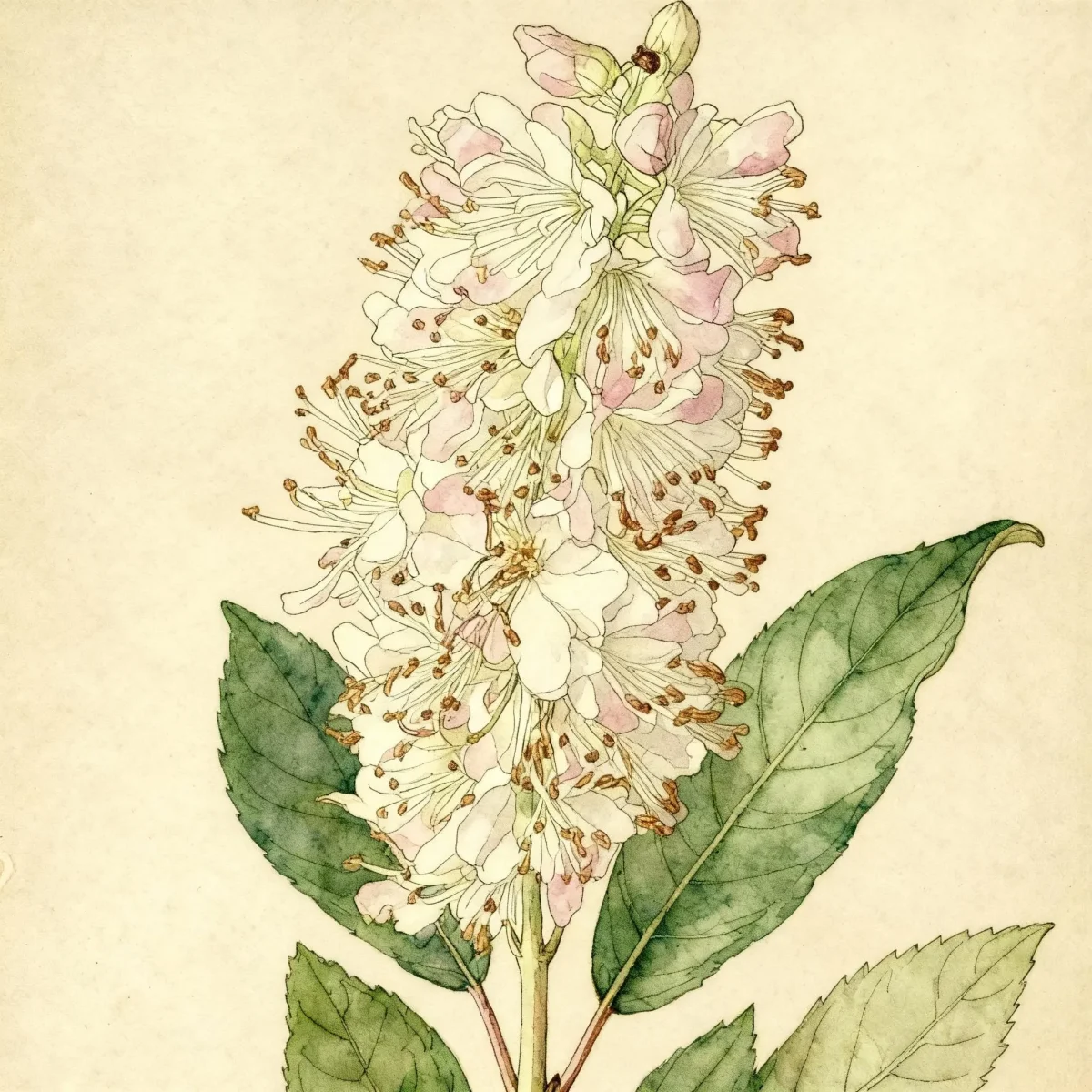
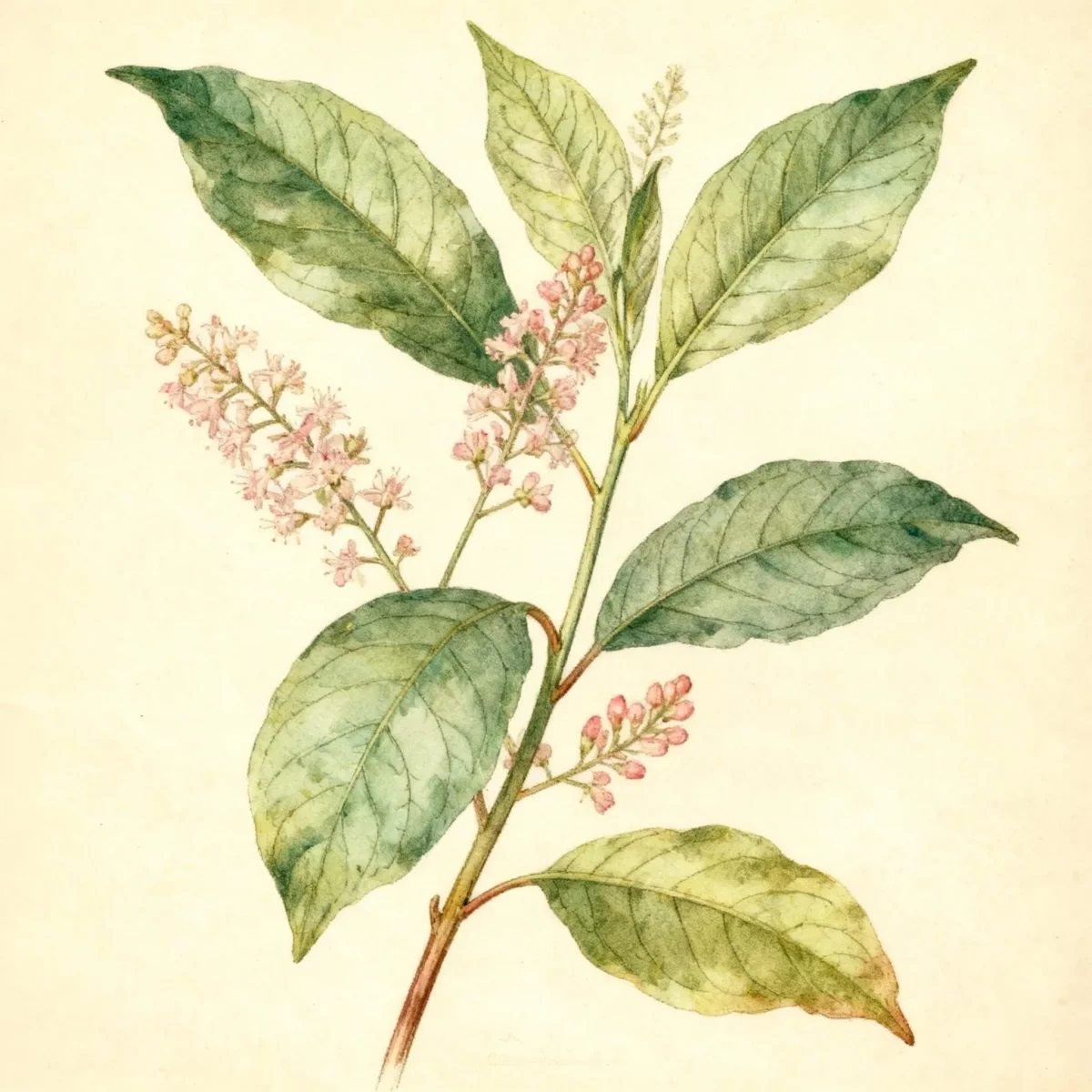
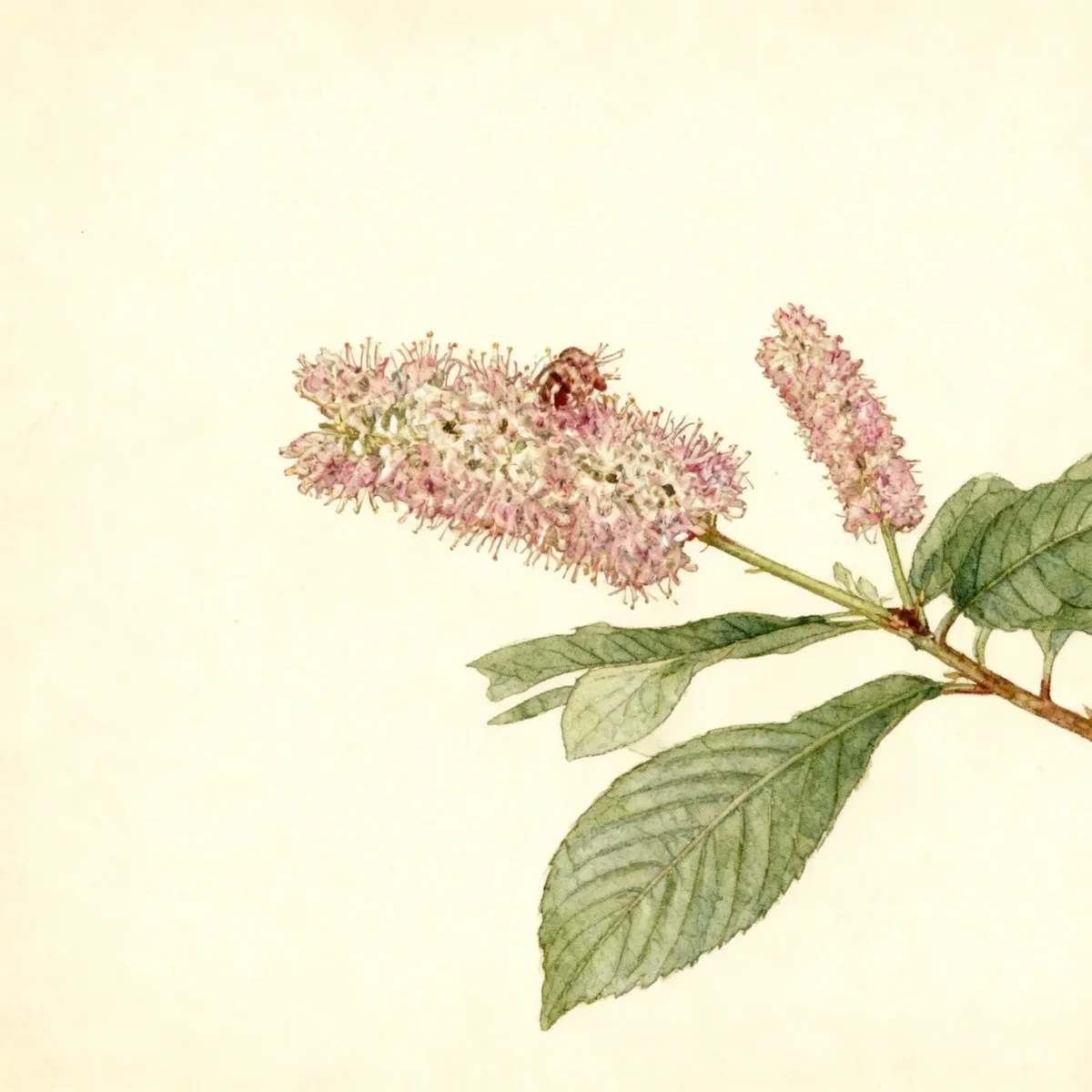
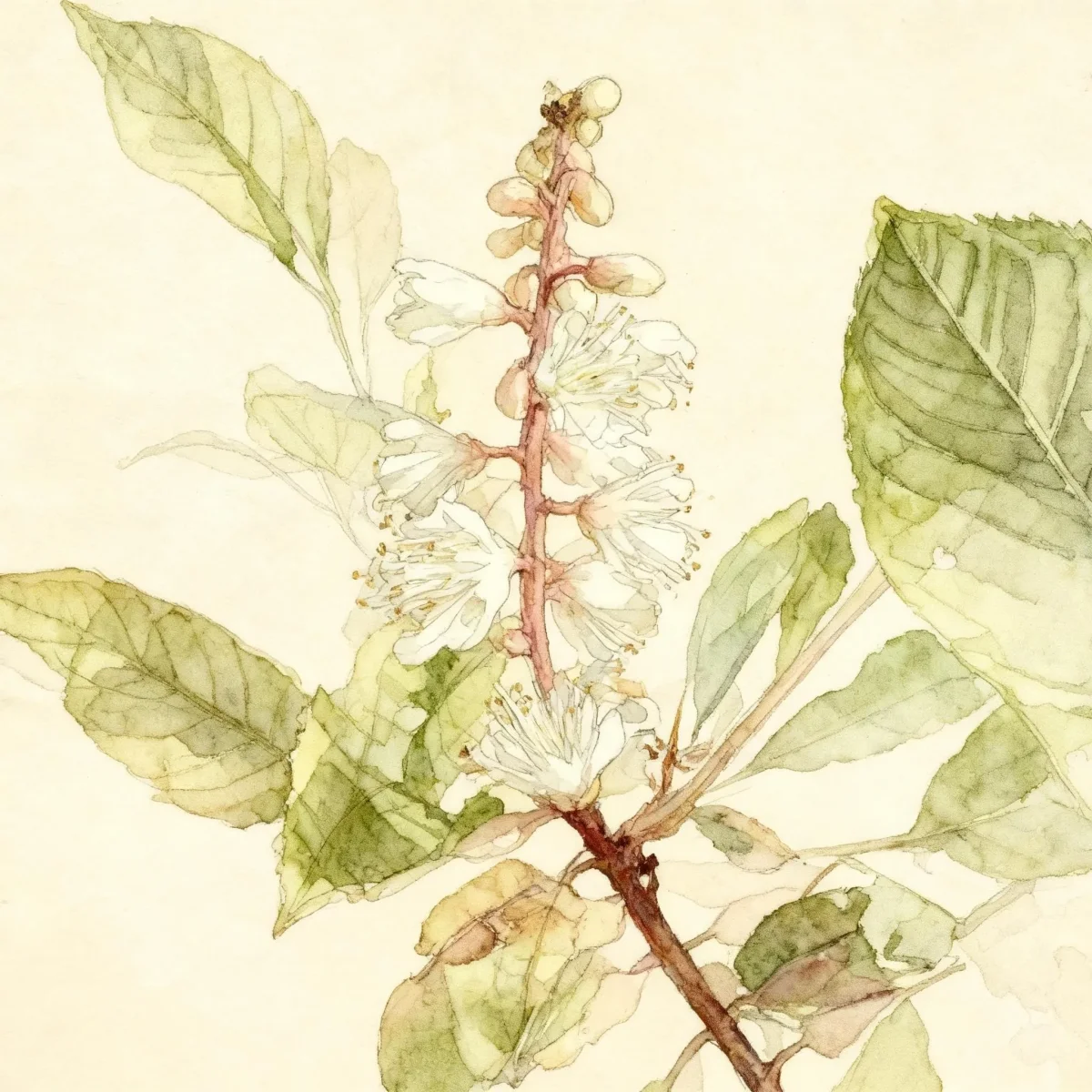
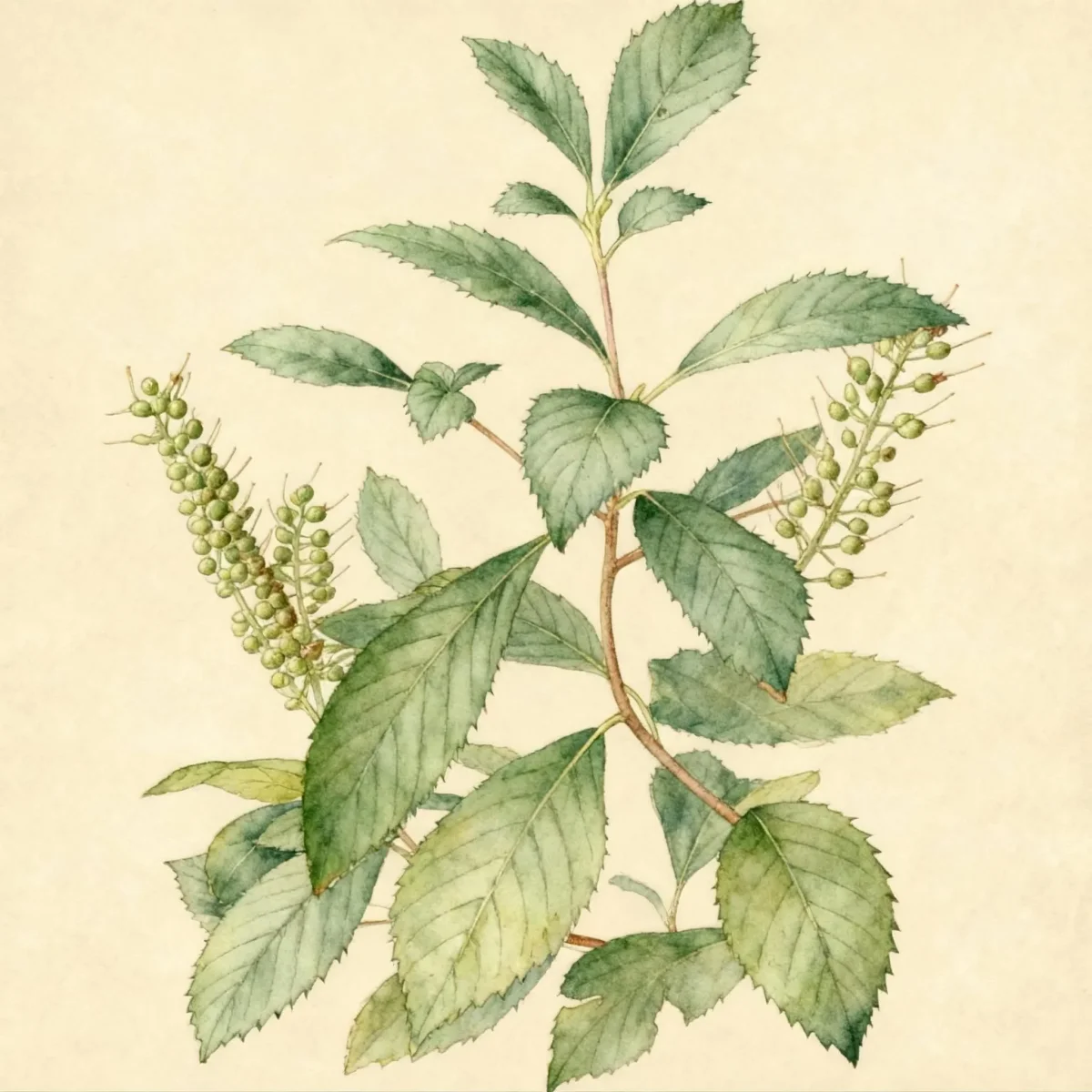
Sweet pepperbush (Clethra alnifolia 'Batsto Blush')
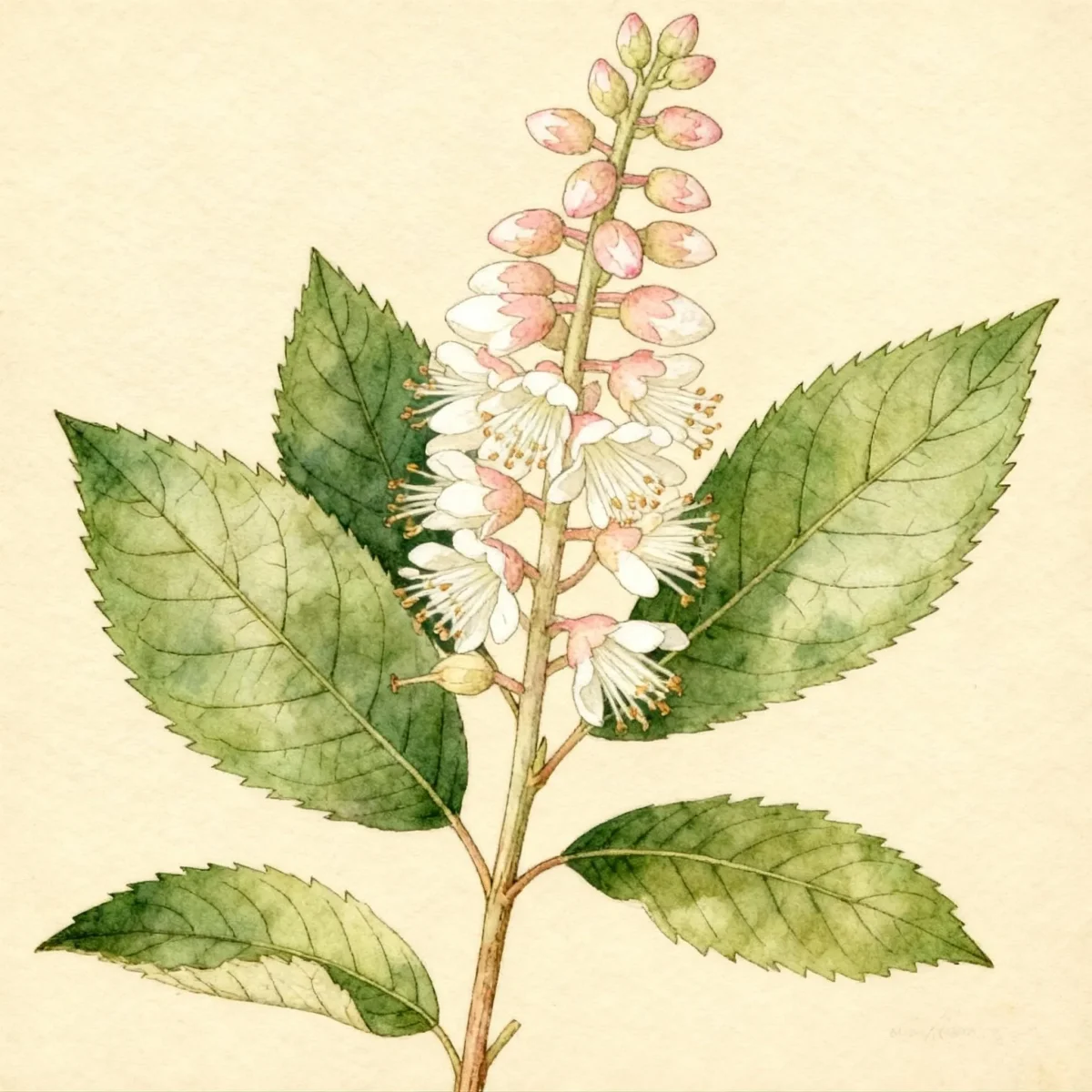
The deciduous Sweet pepperbush 'Batsto Blush' delights late season with fragrant, pale pink blooms. Hardy in zones 3-9; low maintenance.
Scroll down to discover growing tips, care requirements, companion plants, and more
Complete Plant Information
Overview
Clethra alnifolia ‘Batsto Blush’ is a uniquely valuable shrub, especially for gardeners seeking late-season interest when most other woody plants have finished flowering. This cultivar of Sweet pepperbush offers delicately fragrant, pale pink flower spikes that bring scent and color to the mid to late summer garden. It is known for its adaptability, thriving in tough, moist conditions where many other shrubs struggle.
This Deciduous shrub is celebrated for its low maintenance requirements combined with high performance in sun or partial shade. The glossy green foliage transitions into attractive golden-brown tones in the autumn, providing multi-season appeal. The fragrant late bloom ensures that pollinators, including butterflies and bees, receive vital nectar resources during slow periods.
As a suckering shrub, Clethra alnifolia ‘Batsto Blush’ can be used effectively for naturalizing large areas or shaping into a neat hedge. Its ability to tolerate shade and wet soil makes it a reliable workhorse for difficult landscape sites, ensuring beautiful returns year after year from this delightful Sweet pepperbush selection.
Fast Facts
- Plant Family: Clethraceae
- Plant Type: Deciduous shrub
- Hardiness Zones: USDA Zones 3-9
- Size at Maturity:
- Height: 3-4 ft
- Spread: 3-5 ft
- Bloom Time: July to August
- Bloom Description: Pale pink
- Sun Exposure: Full sun to part shade
- Water Needs: Medium to wet
- Maintenance Level: Low
How to Grow
Planting Clethra alnifolia ‘Batsto Blush’ is best done in spring or fall when soil moisture is typically ample. Ensure the location receives full sun to part shade; while it tolerates full shade, flowering will be reduced. This shrub performs best in consistently moist, acidic, sandy soils, but it is famously tolerant of clay soils and very wet conditions, making it excellent for rain gardens.
Watering should be consistent, especially during establishment, as these plants should not be allowed to dry out. Once established, supplemental irrigation may be needed if the site becomes excessively dry, although they naturally prefer damp footing. Fertilization is usually unnecessary if the soil is reasonably fertile and acidic.
Pruning is minimal for Clethra alnifolia ‘Batsto Blush’. If shaping is required for a formal hedge, prune lightly in late winter. A major cultural consideration is suckering; promptly remove any root suckers unless you are intentionally allowing the plant to naturalize and spread into a woodland mass. You can propagate this variety by cuttings.
Landscape Uses
The unique combination of late bloom time and tolerance for shade makes Sweet pepperbush an invaluable asset in mixed borders and woodland settings. Use it en masse for a stunning late-season fragrant display near patios or seating areas where the rich aroma can be fully appreciated. Its strong moisture needs make it perfectly suited for rain gardens, stream banks, or pond peripheries.
Clethra alnifolia ‘Batsto Blush’ functions exceptionally well as a compact component in a shrub border or when massed to create a soft, informal hedge. Because it blooms when few others do, consider pairing it with spring-blooming shrubs or broadleaf evergreens that provide structure during the winter months, ensuring year-round interest. Its relatively compact size also lends itself well to foundation plantings situated in moist areas.
The naturalizing habit means that when planted sparsely, this Sweet pepperbush can integrate seamlessly into wild gardens or cottage garden designs, lending a touch of refined fragrance to informal landscapes.
Standout Features
Flower Qualities
- Showy
- Fragrant
Noteworthy Characteristics
Clethra alnifolia, commonly called summersweet, is a deciduous shrub that is native to swampy woodlands, wet marshes, stream banks and seashores, often in sandy soils, along the coast from Maine to Florida and west to Texas. It is a rounded, suckering, densely-branched, deciduous shrub that typically grows to 3-6’ (less frequently to 8’) tall and is noted for producing a mid to late summer bloom of sweetly fragrant white flowers which appear in narrow, upright panicles (racemes to 2-6” long). The cultivar ‘Batsto Blush’ is reportedly a slow grower and produces pale pink to peachy colored flowers alongside good fall color. Flowers are highly attractive to butterflies and bees, offering crucial late-season foraging.
Tolerances
- Heavy Shade
- Erosion
- Clay Soil
- Wet Soil
Potential Problems
This variety exhibits generally excellent pest and disease resistance, making it a mainstay for organic gardeners. Serious insect or disease issues are rare for Clethra alnifolia ‘Batsto Blush’. However, in persistently dry conditions, spider mites may occasionally become a minor concern. To preempt this, ensure the soil remains consistently moist, adhering to the species’ requirement for medium to wet conditions, thereby minimizing environmental stress.
Frequently Asked Questions
What hardiness zones is Sweet pepperbush suitable for?
USDA zones 3 through 9 are suitable for growing Clethra alnifolia ‘Batsto Blush’. Ensure your site matches this range for best performance.
How large does Clethra alnifolia ‘Batsto Blush’ grow?
Mature heights typically fall between 3 to 4 feet tall, accompanied by a spread of 3 to 5 feet wide.
When does Sweet pepperbush bloom?
This shrub provides essential late-season color and fragrance, blooming reliably from July through August, featuring distinctive pale pink flowers.
What sun exposure does Sweet pepperbush need?
For optimal flowering, aim for full sun to part shade. While it tolerates heavy shade, its ornamental performance, especially bloom count, increases with more light.
Conclusion
The Sweet pepperbush cultivar ‘Batsto Blush’ is an exceptional choice for gardeners needing reliable structure, potent fragrance, and late-summer blooms in moist or shady conditions. Its low maintenance and high tolerance for challenging soils solidify the place of Clethra alnifolia ‘Batsto Blush’ in modern landscape planning. Before planting, confirm your soil pH is appropriately acidic, and plan to place it where its soft, pale pink flowers can be easily enjoyed during the height of summer.
Propagation Tips
For gardeners wishing to replicate the specific traits of ‘Batsto Blush,’ propagation must be handled carefully. As a named cultivar, seed propagation is unreliable due to genetic variation. The most effective method is vegetative propagation using cuttings taken from semi-hardwood stems, typically late in the growing season.
Be mindful of the suckering nature mentioned in its culture notes. While this allows for easy division of established clumps (a form of propagation), taking cuttings from nursery-purchased stock or properly rooted suckers ensures you maintain the desirable pale pink flower color unique to this specific clone.
Wildlife Benefits
The fragrant flowers of Clethra alnifolia ‘Batsto Blush’ serve as a vital late-season nectar source for local ecosystems. Unlike earlier flowering shrubs, this Sweet pepperbush remains attractive to beneficial insects well into the peak of summer when other food sources may be diminishing.
Its clustered flowers are particularly appealing to native bees and butterflies, offering them the necessary fuel immediately before fall preparation begins or migration. Planting it near patios maximizes the enjoyment for human observers watching pollinator activity.