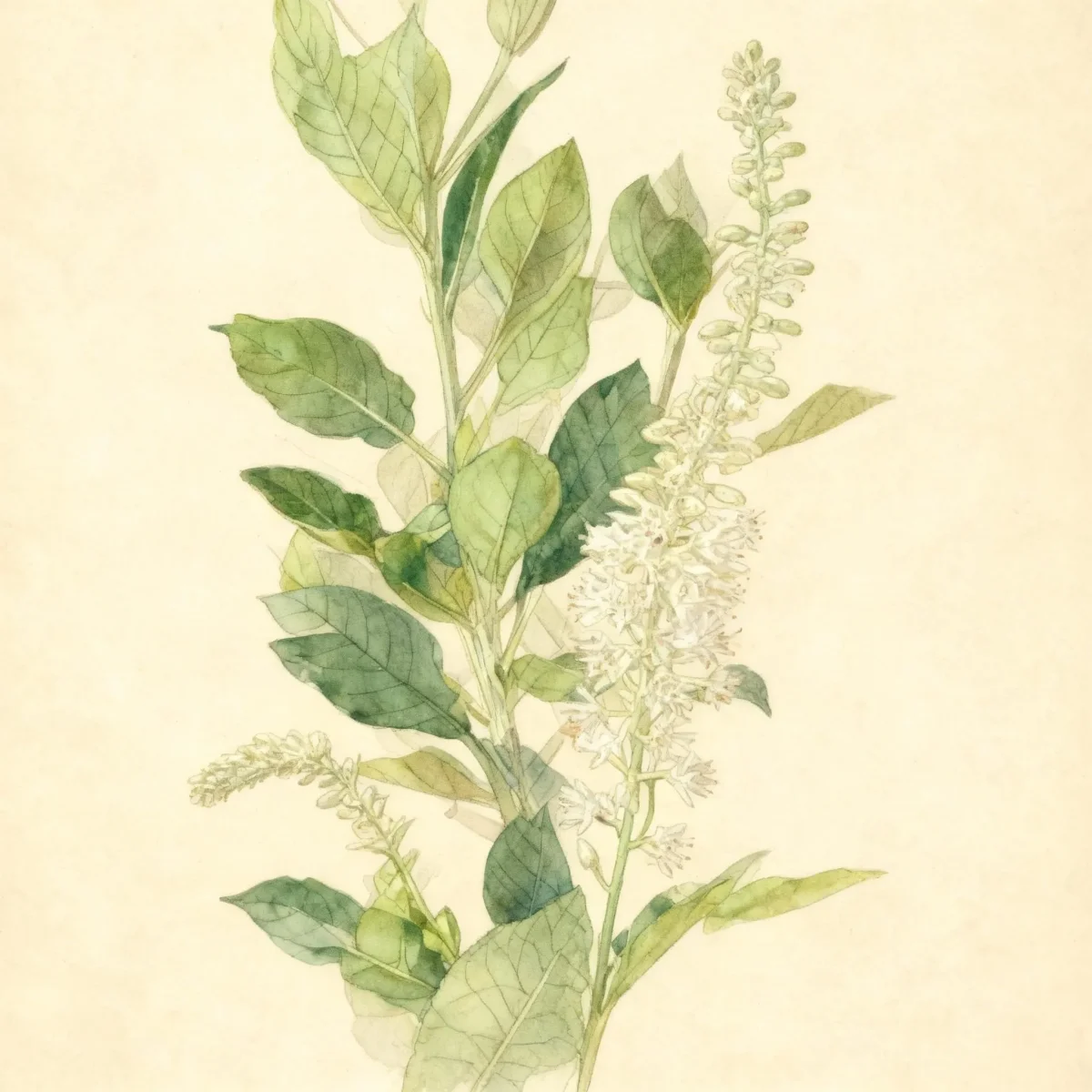
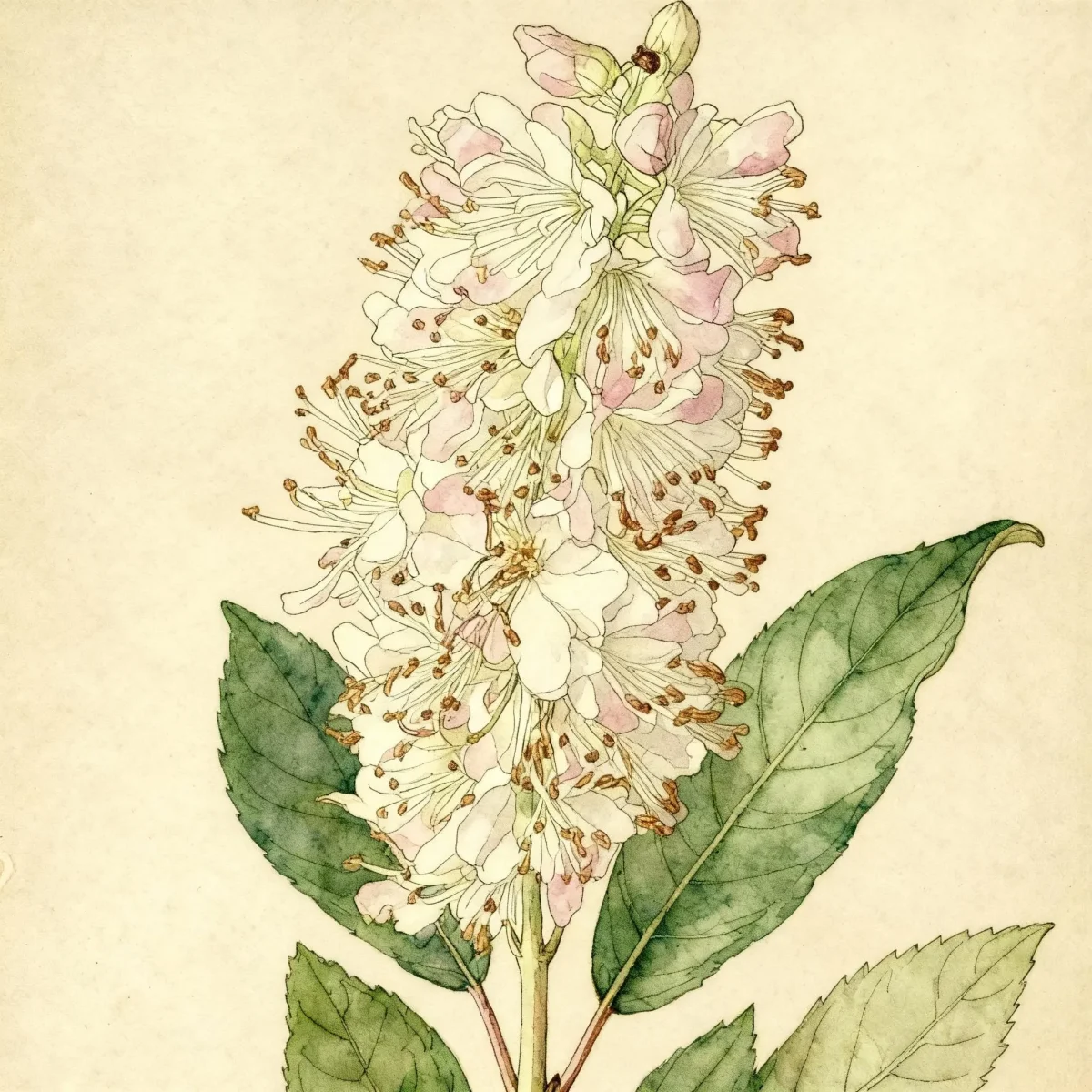
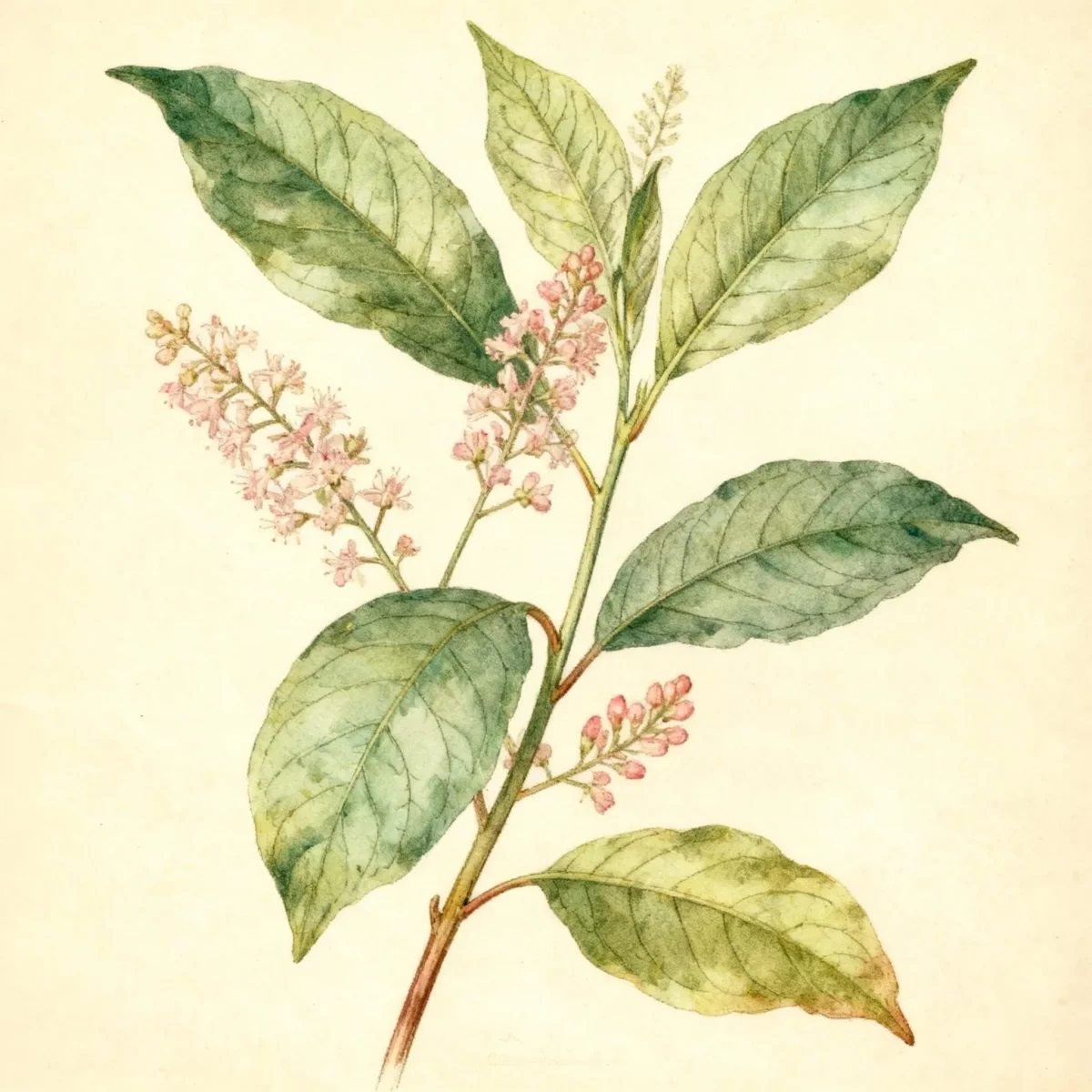
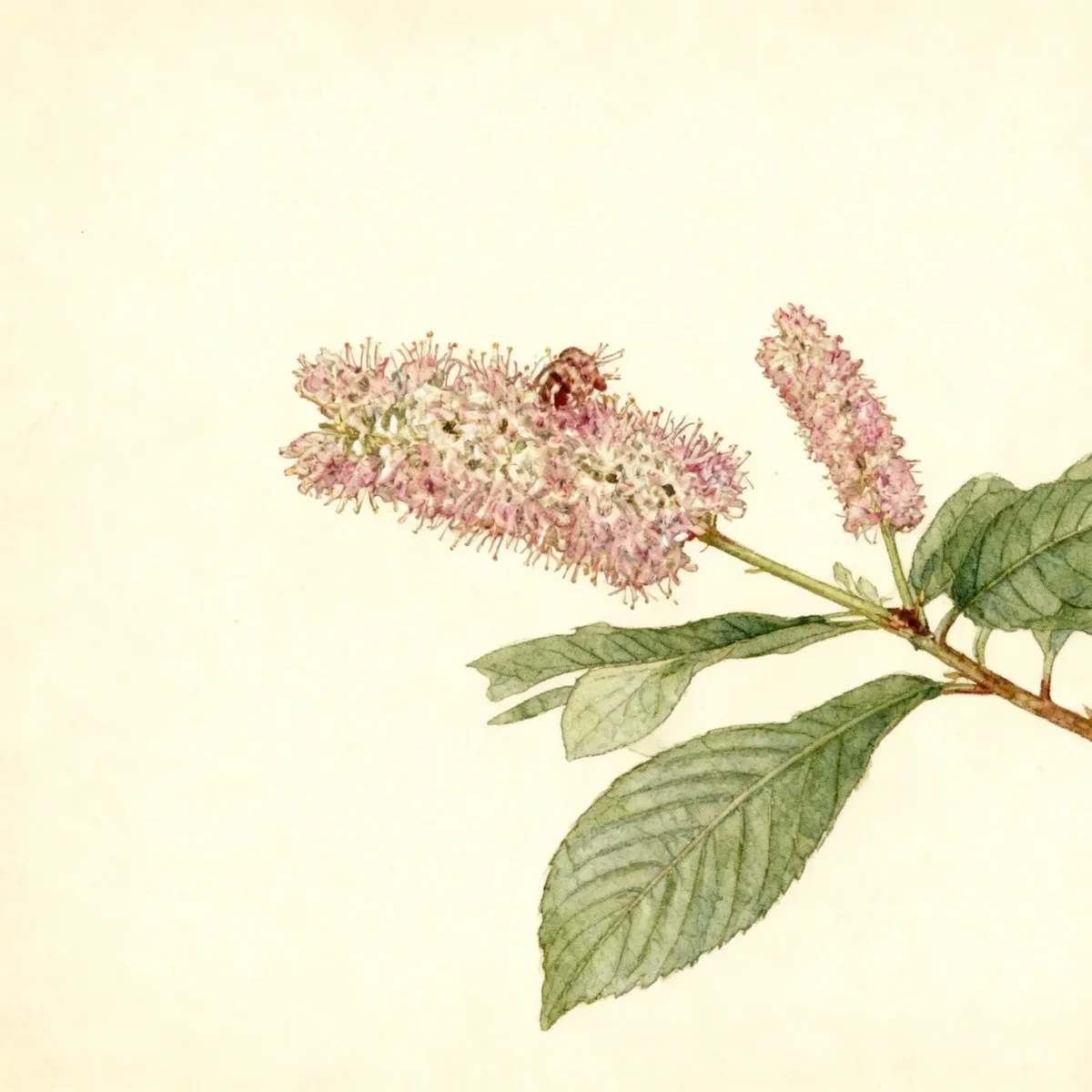
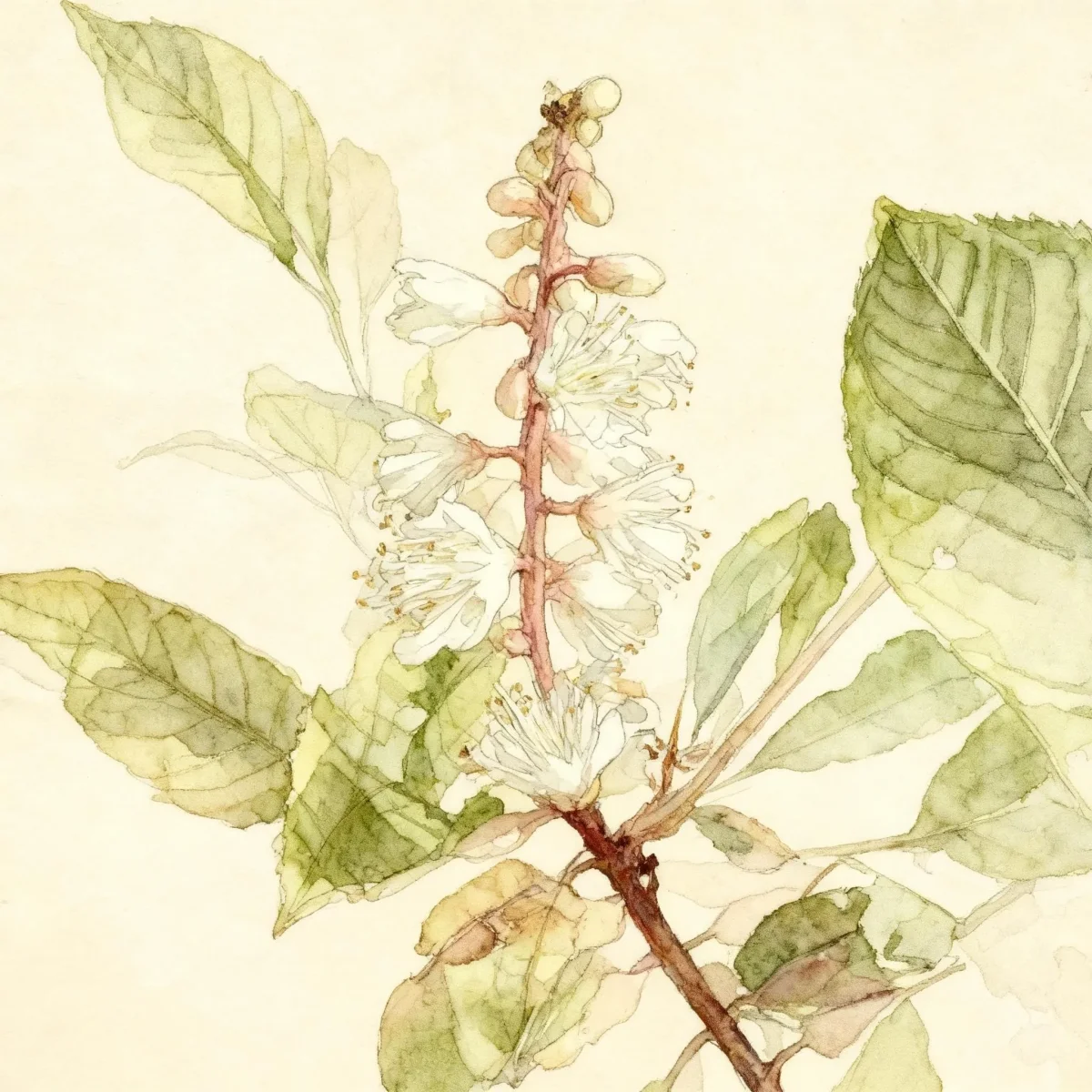
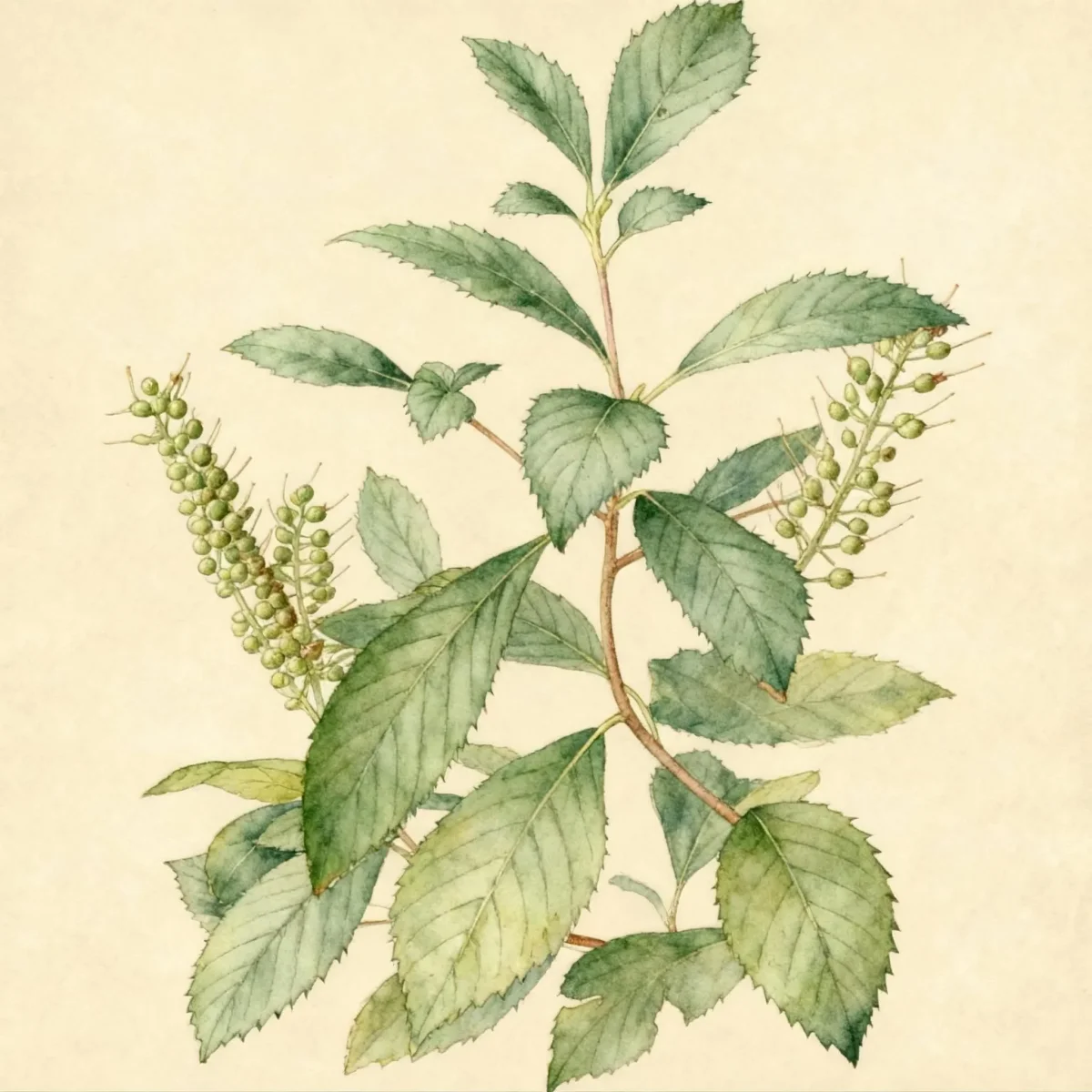
Sweet pepperbush (Clethra alnifolia 'Sotite' WHITE DOVE)
Dwarf Sweet pepperbush, Clethra alnifolia 'Sotite' WHITE DOVE, offers fragrant white blooms late summer. Perfect for moist, shady spots.
Scroll down to discover growing tips, care requirements, companion plants, and more
Complete Plant Information
Overview
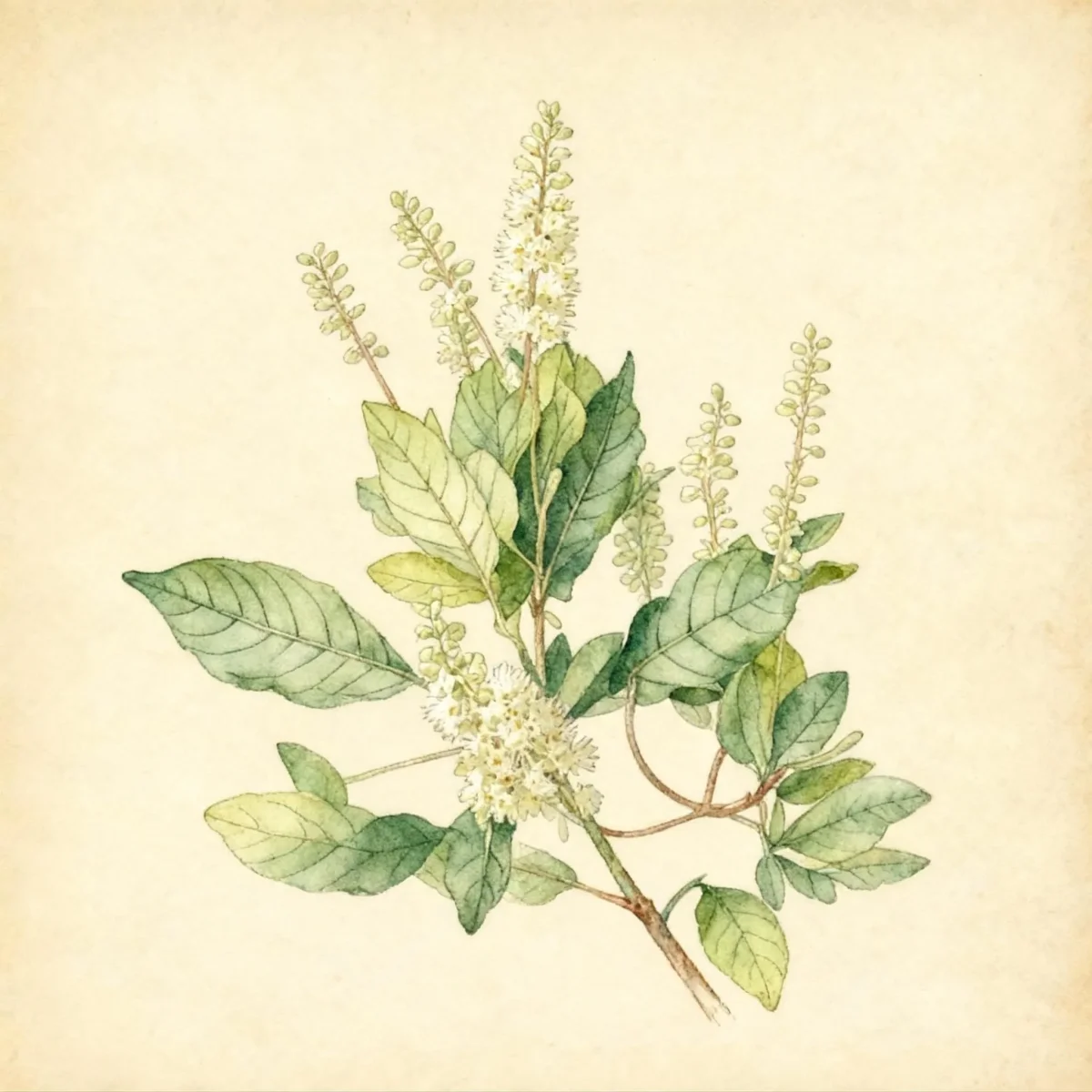
Clethra alnifolia ‘Sotite’ WHITE DOVE, commonly known as Sweet pepperbush, is a vital late-season bloomer cherished for its intensely fragrant white flowers. This dwarf cultivar provides all the desirable characteristics of the native summersweet in a more compact form suitable for smaller garden spaces or near patios where its perfume can be fully appreciated. Its late summer performance fills a critical gap in the garden’s floral display when many other shrubs have finished flowering.
This deciduous shrub is well-suited for challenging sites, thriving in moist to wet soils and handling everything from full sun to heavy shade. The foliage emerges bright yellow-green before deepening to dark green, offering attractive color texture before turning a lovely yellow in autumn. The presence of Clethra alnifolia ‘Sotite’ WHITE DOVE ensures excellent ecological value, heavily attracting native pollinators like bees and butterflies during the dog days of summer.
As a low-maintenance selection, this Sweet pepperbush offers excellent structural interest, making it a reliable choice for rain gardens, borders, and naturalized settings. Its tolerance for clay and wet conditions significantly increases its utility across diverse landscape challenges, providing reliable structure and scent with minimal fuss.
Fast Facts
- Plant Family: Clethraceae
- Plant Type: Deciduous shrub
- Hardiness Zones: USDA Zones 3-9
- Size at Maturity:
- Height: 2-3 ft
- Spread: 3-4 ft
- Bloom Time: July to August
- Bloom Description: White
- Sun Exposure: Full sun to part shade
- Water Needs: Medium to wet
- Maintenance Level: Low
How to Grow
The ideal time to establish Clethra alnifolia ‘Sotite’ WHITE DOVE is when dormant, either in early spring or late fall. This Sweet pepperbush performs best in consistently moist, acidic, sandy soils, though it is notably adaptable. While it tolerates full shade, flowering and density will be maximized with morning sun to part shade exposure. Do not allow the soil to dry out completely, especially when the plant is young, as it prefers medium to wet rooting conditions.
Maintenance is generally low for the Clethra alnifolia ‘Sotite’ WHITE DOVE. It handles clay soils well, which is a major benefit for hard-to-plant areas. If a more formal shape is required, prune lightly in late winter before new growth begins. Be aware that this shrub naturally suckers; if you prefer a tidy, discrete look, promptly remove any root suckers that appear outside the desired planting area.
Because this shrub naturally hails from swampy woodlands and stream banks, it is an excellent choice for managing difficult, moist soil areas. It requires no special winter protection in its hardy zones but monitoring for spider mites is beneficial during prolonged dry periods, even though it is generally pest-free.
Landscape Uses
The compact nature of Clethra alnifolia ‘Sotite’ WHITE DOVE makes it an outstanding backbone plant where space is limited. It shines when massed or grouped along foundation plantings or within shrub borders, providing reliable, fragrant bloom coverage in late summer. Due to its tolerance for wet soils, it is highly effective planted near pond peripheries or utilized as a key structural component in rain gardens where runoff management is needed.
Its late-season white flowers are magnets for beneficial insects, significantly enhancing the habitat value of any garden area. Consider planting this Sweet pepperbush near outdoor living spaces or patios to fully enjoy the heavy fragrance of the bloom. For a naturalized look, allow the shrub to spread via suckers in woodland or cottage garden settings.
Standout Features
Flower Qualities
- Showy
- Fragrant
Noteworthy Characteristics
Clethra alnifolia, commonly called summersweet, is a deciduous shrub native to swampy woodlands and wet marshes, noted for its mid to late summer bloom of sweetly fragrant white flowers appearing in narrow panicles. The glossy dark green leaves turn attractive shades of yellow to golden brown in the fall, and the flowers are highly attractive to butterflies and bees. The specific cultivar ‘Sotite’, sold as WHITE DOVE, forms a low, compact shrub growing only 2 to 3 ft tall with a 3 to 4 ft width, ensuring a neat appearance.
Tolerances
- Heavy Shade
- Erosion
- Clay Soil
- Wet Soil
Potential Problems
This variety of Sweet pepperbush generally experiences no serious insect or disease issues, making it highly valued for its reliability. However, gardeners should monitor for spider mites, which may become a concern primarily when the plant experiences stress from dry conditions. Ensure the soil remains adequately moist, particularly during peak summer heat, to prevent this minor issue and maintain vigorous growth.
Frequently Asked Questions
What hardiness zones is Sweet pepperbush suitable for?
Clethra alnifolia ‘Sotite’ WHITE DOVE is hardy and thrives across a wide range, typically suited for USDA Zones 3 through 9.
How large does Clethra alnifolia ‘Sotite’ WHITE DOVE grow?
This specific cultivar is valued for remaining compact, usually reaching a height between 2 and 3 feet, with a spread generally between 3 and 4 feet wide.
What sun exposure does Sweet pepperbush need?
This plant performs well in partial shade but can tolerate conditions ranging from full sun to heavy shade, though flowering is best with some daily sun provided.
When does Clethra alnifolia ‘Sotite’ WHITE DOVE bloom?
It offers its signature fragrant white bloom during the middle to late summer, specifically between July and August.
Conclusion
The Clethra alnifolia ‘Sotite’ WHITE DOVE stands out as a resilient, fragrant, and reliably blooming shrub perfect for addressing moist or shady corners of the landscape. Its late-season white flowers provide crucial late-summer interest for pollinators and gardeners alike. Ensure compatibility with USDA Zones 3-9 and prioritize consistent moisture to maximize the perfume and structure of your Sweet pepperbush.
Companion Planting in Moist Landscapes
When integrating Clethra alnifolia ‘Sotite’ WHITE DOVE into a moisture-loving garden, pair it with other plants that share its preference for wet or consistently damp soil. Consider planting species like Virginia Sweetspire (Itea virginica), which also offers excellent fall color, or various native ferns that thrive in the shaded, moist environment favored by this Sweet pepperbush. These companions will create a layered, textured woodland edge that maintains aesthetic appeal throughout the growing season.
Wildlife Benefits and Pollinator Support
The late-season fragrance of this shrub is specifically an adaptation to draw in late-season pollinators when resources become scarce. By planting Clethra alnifolia ‘Sotite’ WHITE DOVE, you are providing an essential nectar source for bees and butterflies preparing for migration or winter. The ensuing seed capsules also offer minor winter interest and potential, small food sources for birds, contributing significantly to local biodiversity in your garden ecosystem.