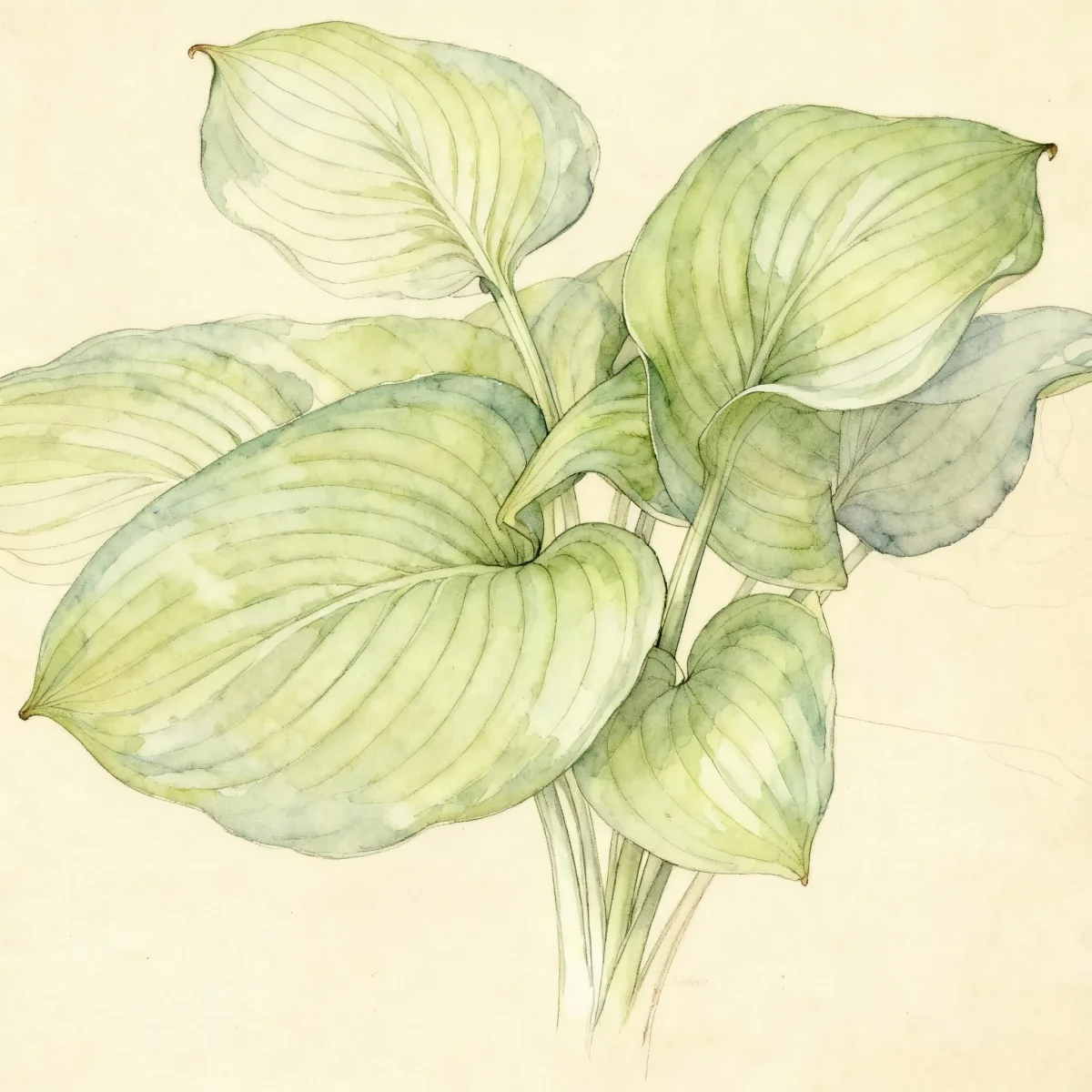
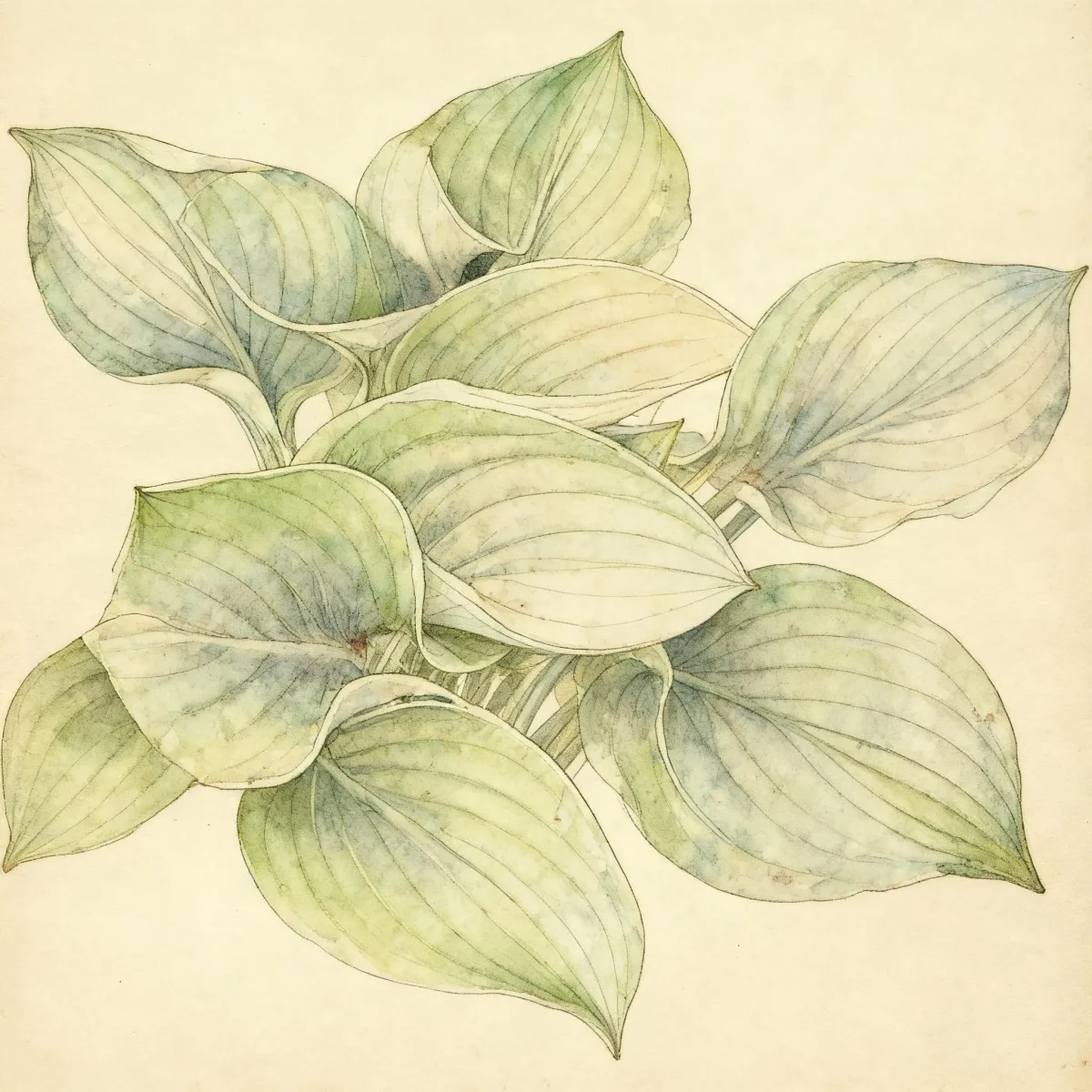
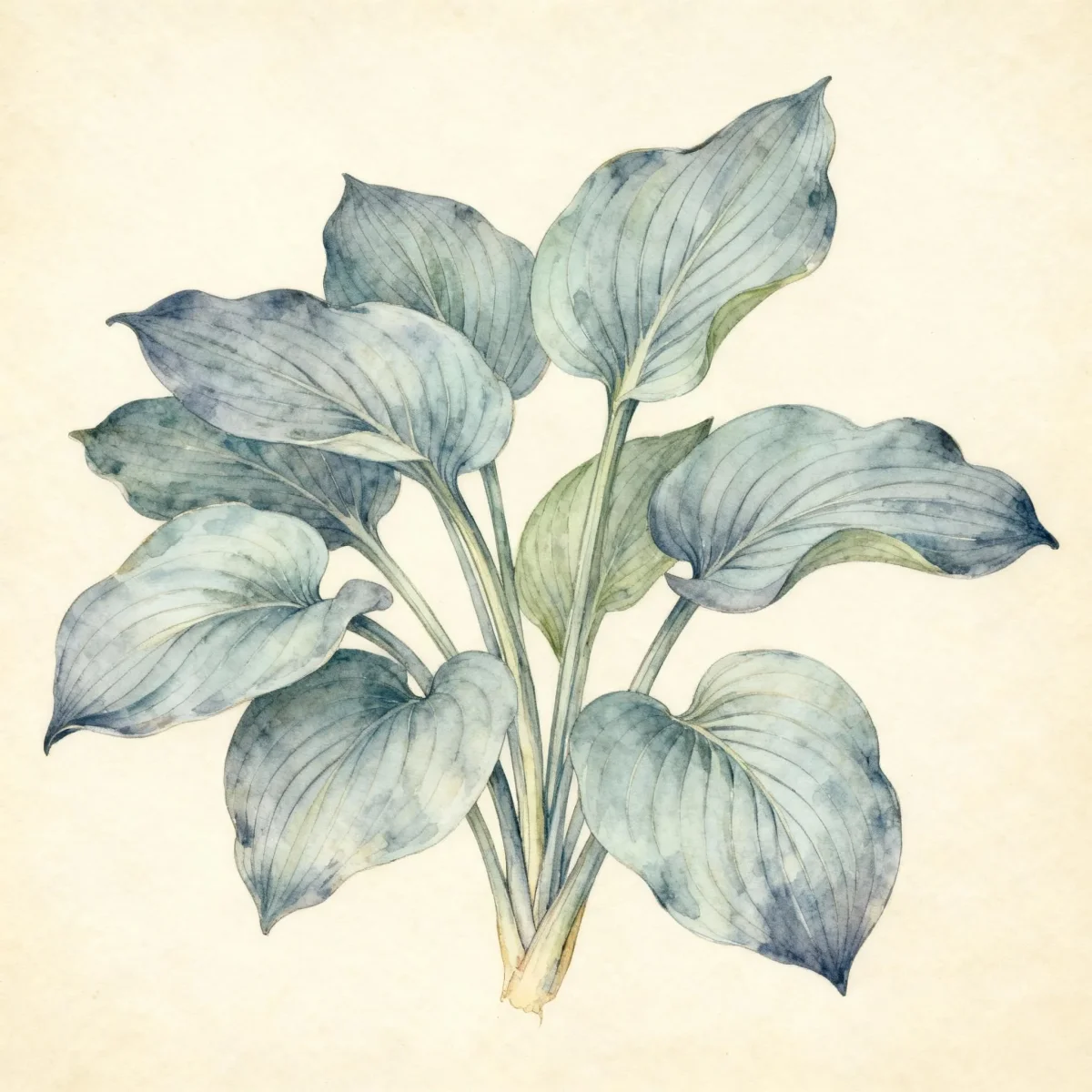
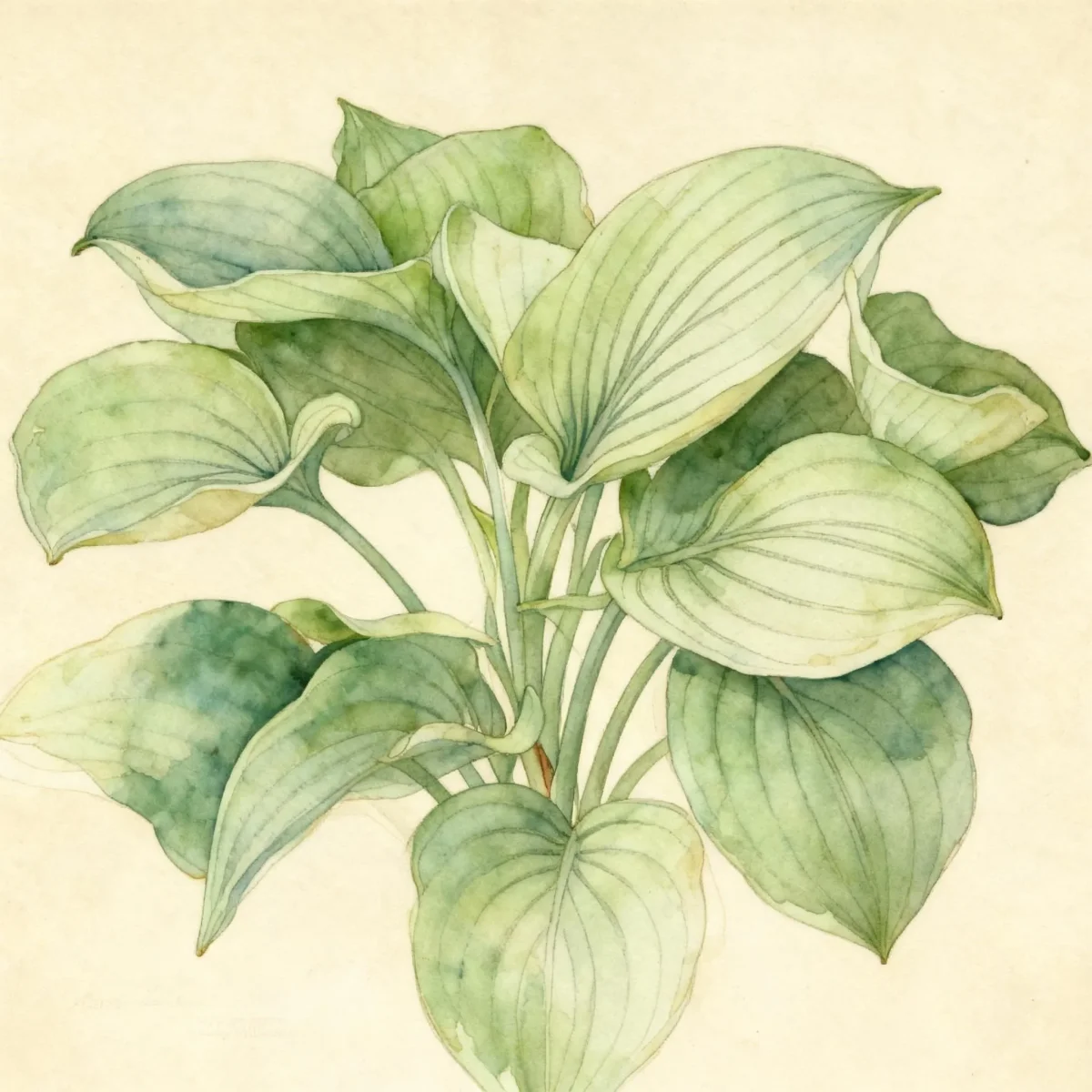
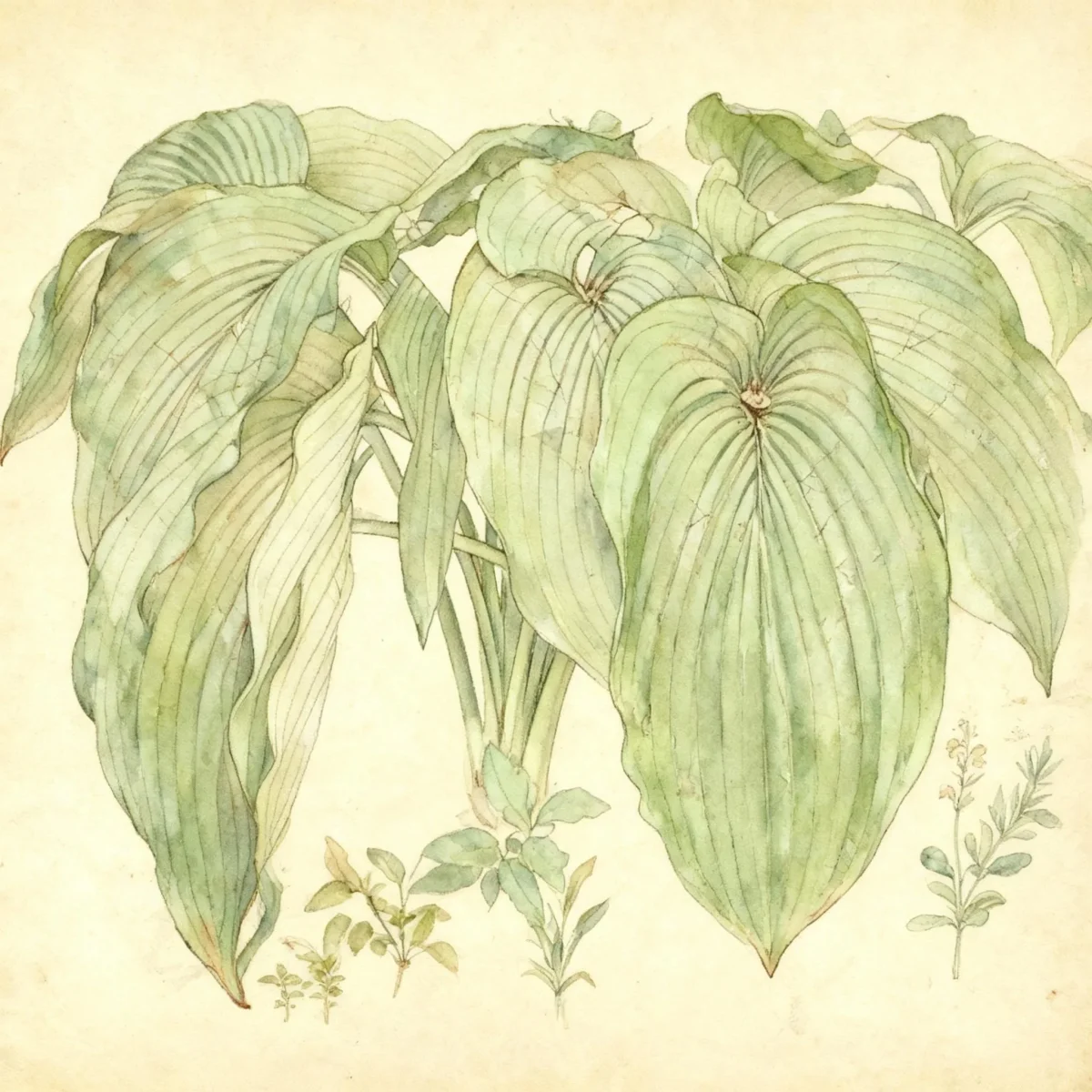
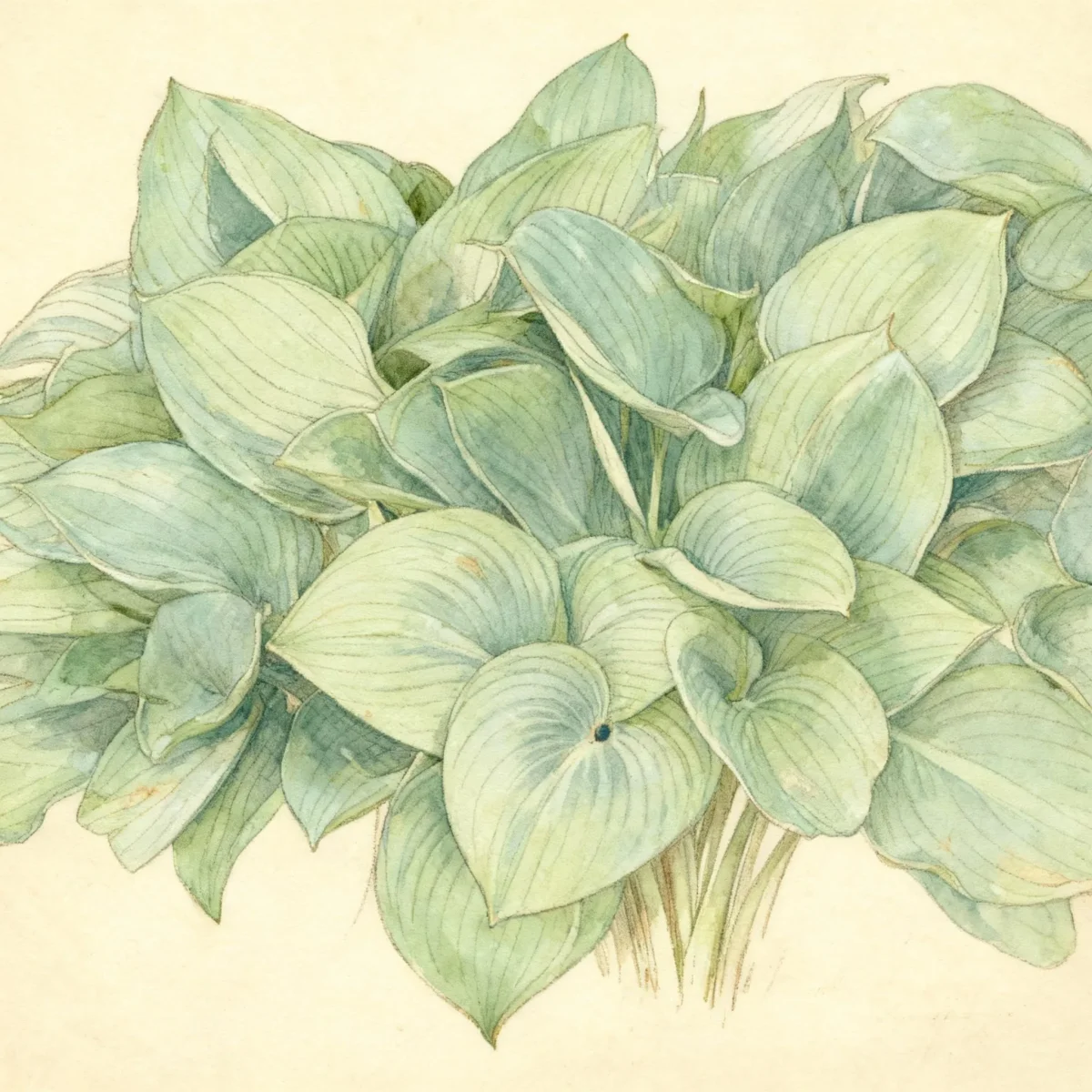
Hosta (Hosta 'Blue Ivory')
Hosta 'Blue Ivory' is a low-maintenance herbaceous perennial prized for its dense, heart-shaped foliage with blue centers and thick white margins.
Scroll down to discover growing tips, care requirements, companion plants, and more
Complete Plant Information
Overview
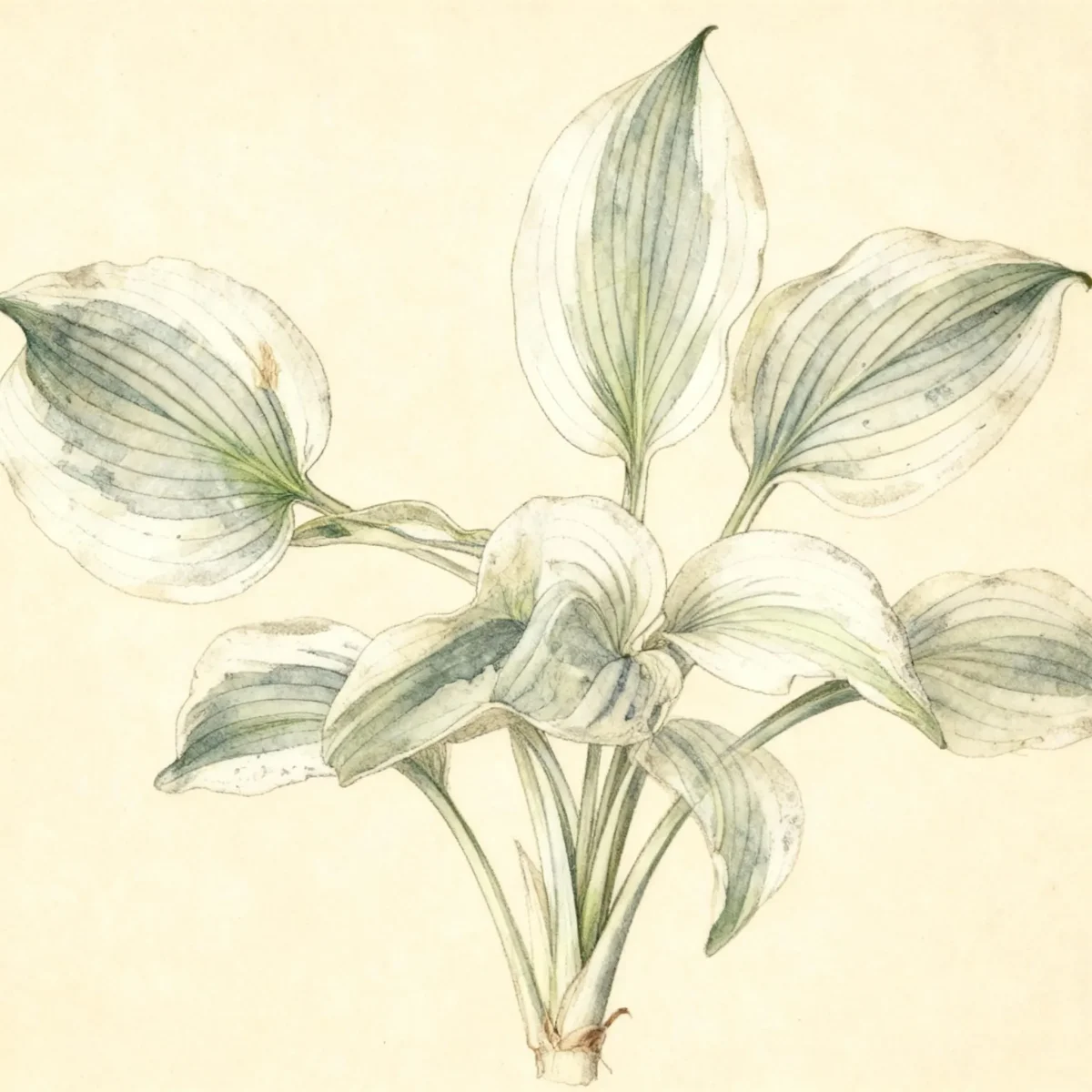
Hosta ‘Blue Ivory’ is a magnificent addition to any shaded garden space, primarily cultivated for its extraordinarily ornamental foliage. Discovered in 2003, this cultivar offers a striking blue-green center contrasted sharply by thick, creamy white margins, setting it apart from many other popular Hosta varieties. It forms a dense, rounded mound, reaching a modest height perfect for edging or mass plantings in dark corners.
As a hardy herbaceous perennial, Hosta ‘Blue Ivory’ provides reliable season-long interest with exceptionally low maintenance requirements once established. Its sturdy, thick leaves offer better resistance to common garden pests like slugs compared to thinner-leaved varieties. The plant also offers late-season appeal with sprays of lavender flowers, cementing its status as a shade garden superstar.
This Hosta variety thrives where many flowering plants struggle, transforming woodland margins and shady borders into lush, textured landscapes. Cultivating Hosta ‘Blue Ivory’ ensures structural interest throughout the growing season, offering consistent quality from early spring emergence until the first hard frost.
Fast Facts
- Plant Family: Asparagaceae
- Plant Type: Herbaceous perennial
- Hardiness Zones: USDA Zones 3-8
- Size at Maturity:
- Height: 1-2 ft
- Spread: 2-3 ft
- Bloom Time: July to August
- Bloom Description: Lavender
- Sun Exposure: Part shade to full shade
- Water Needs: Medium
- Maintenance Level: Low
How to Grow
Plant Hosta ‘Blue Ivory’ in spring or autumn, ensuring the soil is organically rich, well-drained, and consistently moist. While established plants tolerate some dry shade, consistent moisture is vital for achieving the full size and superior quality of the variegated foliage. Morning sun or dappled shade conditions encourage the best color contrast, though this Hosta handles heavy shade successfully.
Watering should be directed toward the soil beneath the dense leaves to prevent foliage spotting and ensure efficient uptake by the roots. Maintenance is generally minimal; Hostas are famous for being low-maintenance perennials. Divide clumps in early spring before the leaves unfurl or in the autumn if overcrowded or if propagation is desired.
Protecting Hosta ‘Blue Ivory’ from the wind is a good practice, as strong gusts can damage the large leaves. Gardeners should be prepared to actively manage slugs and snails, as these pests target the attractive foliage. Otherwise, little beyond general weeding is necessary to keep this clump-forming perennial looking pristine.
Landscape Uses
Hosta plants are the undisputed backbone of shade gardening, and Hosta ‘Blue Ivory’ excels due to its bright, contrasting margins. These perennials are highly effective when massed together to create a tapestry of texture or used as a stately edging plant along shaded walkways. Their strong vertical presence also makes them excellent background plants in deep woodland settings.
For a winning combination, pair Hosta ‘Blue Ivory’ with fine-textured ferns or vibrant hostas sporting solid green or yellow foliage to maximize the contrast. They integrate beautifully into woodland gardens alongside Astilbe or Solomon’s Seal. The year-round architectural structure provided by a well-placed Hosta specimen anchors any shady perennial border.
Standout Features
Flower Qualities
- Showy
Noteworthy Characteristics
Hosta is a genus of about 70 species of shade-loving, rhizomatous, clump-forming, herbaceous perennials which are native to open woodlands, woodland margins and glades in Japan, Korea, China and eastern Russia. ‘Blue Ivory’ was discovered in 2003 as a sport of Hosta ‘Halycon’; its heart-shaped leaves transition from having a blue center with a thick creamy white margin in spring, to a blue-green center with a brighter white margin by summer. The thick, slug-resistant foliage of Hosta ‘Blue Ivory’ may develop a greenish blush on the margin late in the season, topped by lavender flowers rising to two feet tall in mid-summer.
Tolerances
- Heavy Shade
- Black Walnut
Potential Problems
Slugs and snails are primary antagonists for Hosta ‘Blue Ivory’, readily chewing jagged holes in the leaves, which can rapidly ruin the plant’s aesthetic appeal if populations are not controlled. Monitor new growth closely; preventative treatments or physical barriers are recommended, especially in moist spring conditions. Foliar nematodes can cause interveinal browning, and while leaf spot and crown rot are less common, they indicate poor drainage or overly wet conditions. Immediately remove and destroy any plants showing signs of viruses like HVX to prevent spread across your Hosta collection.
Frequently Asked Questions
What hardiness zones is Hosta ‘Blue Ivory’ suitable for?
Hosta ‘Blue Ivory’ is hardy across a wide range of climates, thriving in USDA Zones 3 through 8.
How large does Hosta ‘Blue Ivory’ grow?
This cultivar typically reaches a mature height between 1 and 2 feet tall, spreading outwards to cover an area 2 to 3 feet wide.
What sun exposure does Hosta ‘Blue Ivory’ need?
This Hosta performs best in part shade, though it can tolerate full shade, which may slightly mute the leaf coloration intensity.
When does Hosta ‘Blue Ivory’ bloom?
The bloom time for Hosta ‘Blue Ivory’ is generally from July through August, producing lavender-colored, funnel-shaped flowers.
Conclusion
Hosta ‘Blue Ivory’ offers unparalleled foliage value for gardeners managing shady environments, combining slug-resistant leaves with a vibrant, contrasting color scheme. Its low maintenance nature ensures that enjoying this beautiful Hosta variety requires minimal ongoing effort. Before planting, confirm your area falls within USDA Zones 3-8 and plan for morning sun if possible to maximize the unique striping on this superb Hosta.
Companion Planting Ideas
When designing shaded vignettes, selecting companions that complement the mounding habit and variegated color of Hosta ‘Blue Ivory’ is key. Consider pairing it with plants offering contrasting textures, such as delicate woodland ferns that provide a light, airy backdrop to the thick Hosta leaves. Another excellent choice is plants with deeper, solid-colored foliage, like Japanese painted ferns or dark Heuchera, which will make the white margins of the Hosta truly pop.
Hostas are not heavy feeders, nor do they usually require intense moisture, allowing for a wide array of shade-tolerant partners. Good companions often include shade-loving groundcovers like Vinca minor, which can knit together the space between larger Hosta clumps. Providing consistent, filtered light is the main cultural requirement shared among its best planting partners.
Seasonal Care Calendar
Spring care begins as soon as the foliage starts to unfurl from the crown; this is the ideal time for dividing any overcrowded Hosta ‘Blue Ivory’ specimens. Ensure consistent medium watering begins early to support rapid leaf expansion throughout the season. In late spring and early summer, monitor diligently for slugs and snails, applying appropriate control measures to protect the emerging, tender leaves.
Summer is primarily a maintenance period focused on vigilance against pests and consistent moisture delivery directly to the soil. Deadheading the spent lavender flower scapes is optional but often done to redirect energy back to foliage production. As autumn approaches, the thick leaves of Hosta ‘Blue Ivory’ will begin to senesce; resist the urge to tidy up immediately, as this dying foliage helps insulate the crown for winter protection.
Wildlife Considerations
While Hostas are primarily grown for ornamental value, they do interact predictably with local wildlife populations. The thick leaves of Hosta ‘Blue Ivory’ offer a degree of resistance to some browsing herbivores, though rabbits and deer can still find them appetizing if other food sources are scarce. Gardeners should be prepared to protect young or isolated plants with netting or repellents if deer pressure is high in their area.
The lavender flowers produced by Hosta ‘Blue Ivory’ on tall scapes in mid-summer are attractive to late-season pollinators, particularly bees. Although Hosta flowers are not typically classified as primary pollinator magnets like true nectar flowers, they provide a necessary, reliable late-season nectar source in deep shade where few other blossoms are present.
Design & Containment
Hosta ‘Blue Ivory’ is well-suited for container culture, especially on shaded patios or deep porches where its striking margins can be appreciated up close. Use a high-quality, heavy potting mix that maintains adequate moisture without becoming waterlogged. Ensure containers have excellent drainage, as sitting water is a common cause of crown rot, a significant threat to containerized Hostas.
When using Hosta ‘Blue Ivory’ in pots, remember that containers dry out faster than in-ground soil, so the “Medium” water needs will likely trend toward frequent watering during summer heat waves. Grouping potted Hostas together can help create a microclimate that retains slightly higher humidity, benefiting the plant overall. In winter, move pots to a sheltered location or mulch heavily, as containerized roots are much more susceptible to freezing solid than those in the ground.