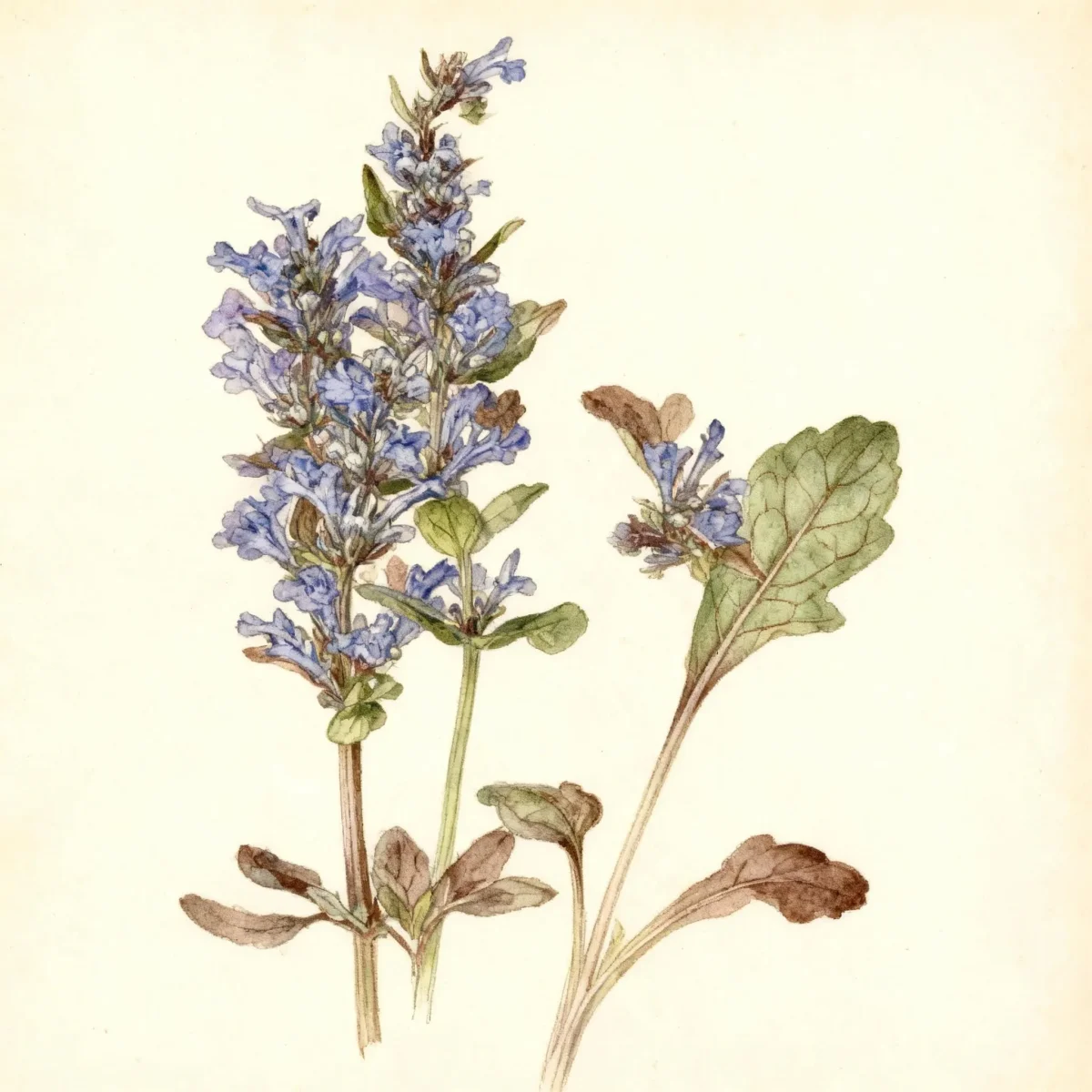
Blunt mountainmint (Pycnanthemum muticum)
Blunt mountainmint (Pycnanthemum muticum) is a low-maintenance, aromatic perennial native to the US, featuring showy pink flowers and fragrant foliage.
Scroll down to discover growing tips, care requirements, companion plants, and more
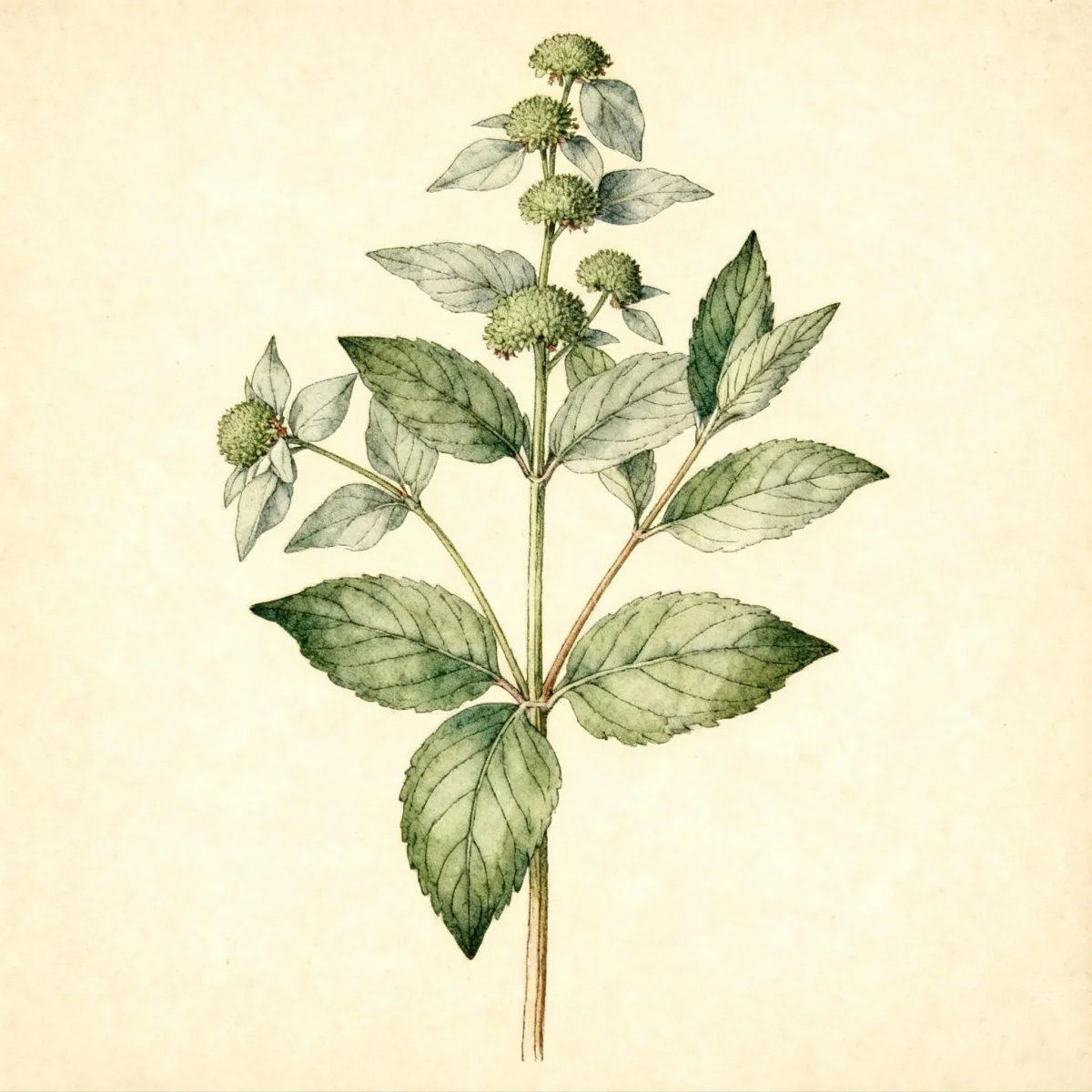
Complete Plant Information
Overview
Blunt mountainmint, or Pycnanthemum muticum, is a highly valued North American native prized for its dense foliage and unique late-season floral displays. This aromatic perennial forms attractive clumps, perfect for filling out naturalized areas with minimal effort. Its value lies not just in its aesthetics, which include silvery bracts surrounding the flowers, but also in its functional characteristics for wildlife and garden structure.
This specific mountain mint variety is a vigorous grower, often reaching between one and three feet tall and wide. While it spreads via rhizomes in ideal conditions, it is generally considered much less aggressively invasive than many other true mints. Growing Pycnanthemum muticum successfully hinges on providing adequate moisture and allowing it room to thrive in sunny to partly shaded locations.
The crushed leaves release a strong spearmint aroma, hinting at its medicinal and culinary heritage. Late-summer blooms attract significant butterfly and bee activity, making the Blunt mountainmint an excellent addition to ecologically focused gardens. Its relatively low maintenance requirements cement its place as a staple for creating lush, self-sustaining landscapes.
Fast Facts
- Plant Family: Lamiaceae
- Plant Type: Herbaceous perennial
- Native Range: United States
- Hardiness Zones: USDA Zones 4-8
- Size at Maturity:
- Height: 1-3 ft
- Spread: 1-3 ft
- Bloom Time: July to September
- Bloom Description: Pink
- Sun Exposure: Full sun to part shade
- Water Needs: Medium
- Maintenance Level: Low
How to Grow
Pycnanthemum muticum thrives when planted in spring or fall in locations that receive full sun to bright shade. This plant requires fertile soil that remains consistently moist but remains well-drained, though it tolerates medium moisture better than some of its Pycnanthemum relatives. While it handles part shade well, achieving the most prolific flowering often requires placement in full sun.
Watering should remain consistent, especially during establishment or prolonged dry spells, as Blunt mountainmint is less drought tolerant compared to other mountain mints. Fertilization is generally unnecessary if the soil is reasonably fertile. If you prefer to keep your Pycnanthemum muticum clump confined, routinely sever the rhizomes using a spade edge in the early spring before vigorous growth begins.
This perennial is easily propagated through division in the spring or by saving and sowing seeds. Due to its clumping, rhizomatous habit, division is an excellent way to manage patch size or increase stock. Ensure any divisions are replanted promptly into similarly ideal conditions to maintain the vigor of your Blunt mountainmint.
Landscape Uses
The primary strength of Pycnanthemum muticum is its ability to naturalize beautifully, forming drifts that mimic natural meadow environments. This makes it an outstanding choice for native plant gardens, cottage borders, or larger meadow installations where its late-summer flower power can be fully appreciated. When massed, the silvery bracts subtending the pink flowers create a striking, almost snow-dusted visual effect.
Use the strong vertical texture of this mountain mint to add structure to the middle or back of borders, balancing softer perennials. It performs admirably near edges where butterflies and bees frequent, turning functional spaces into wildlife sanctuaries. Though vigorous, it is not typically difficult to manage when providing its required medium moisture.
For herbaceous borders, pair the Blunt mountainmint with plants that appreciate similar moisture levels, such as Joe-Pye weed (Eutrochium) or asters (Symphyotrichum). Its aromatic foliage also lends interest in herb gardens, though ensure spacing allows for its eventual spread.
Standout Features
Flower Qualities
- Showy
Noteworthy Characteristics
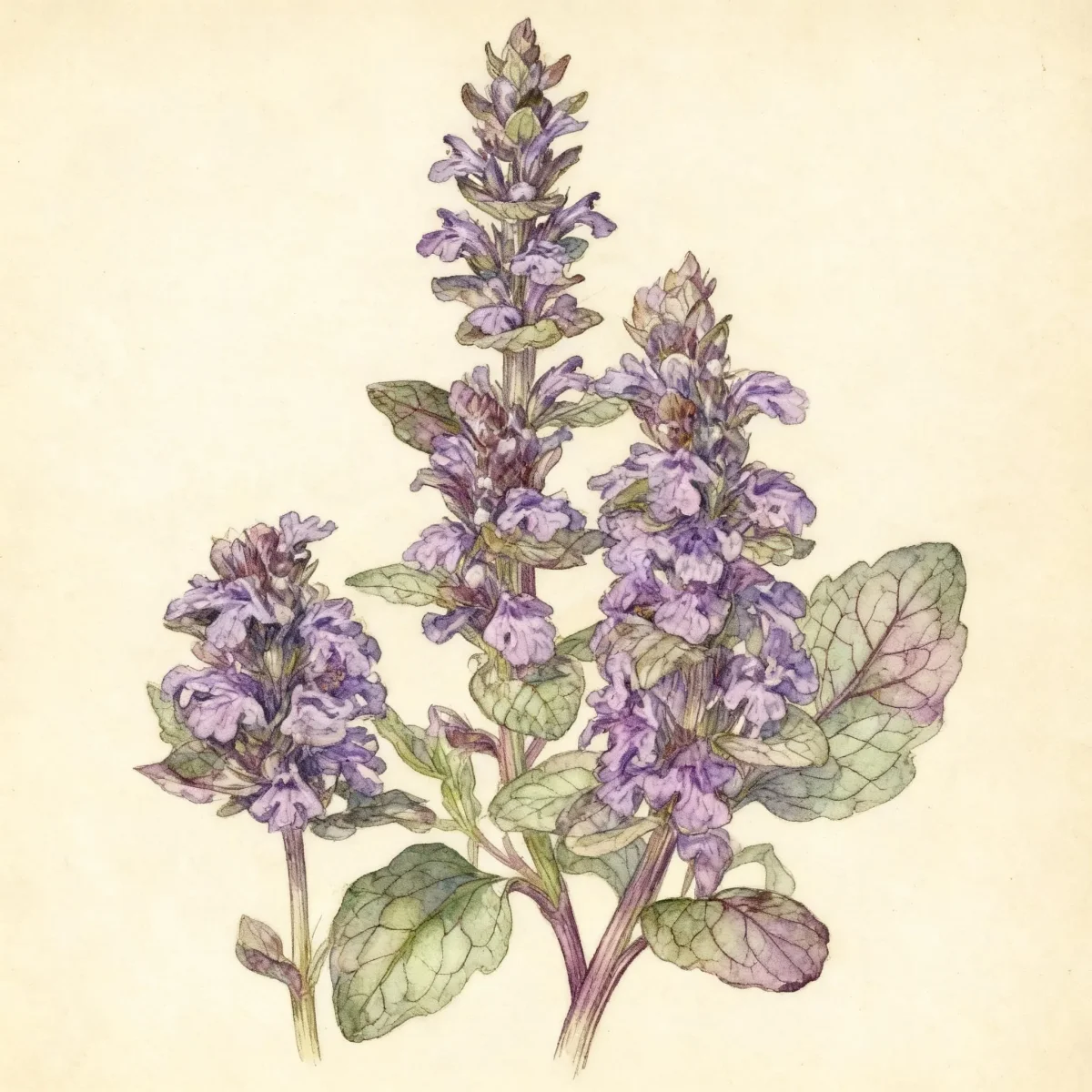
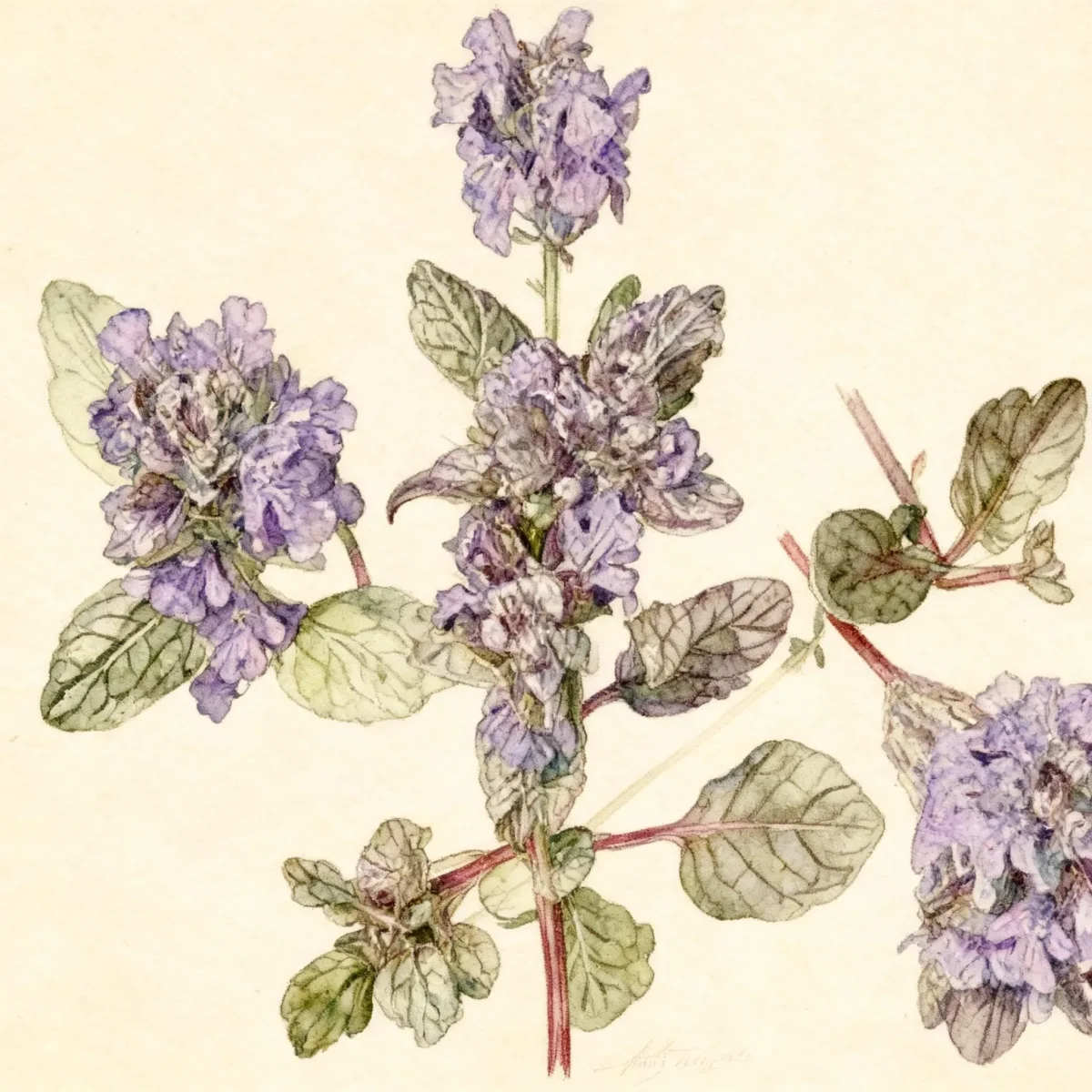
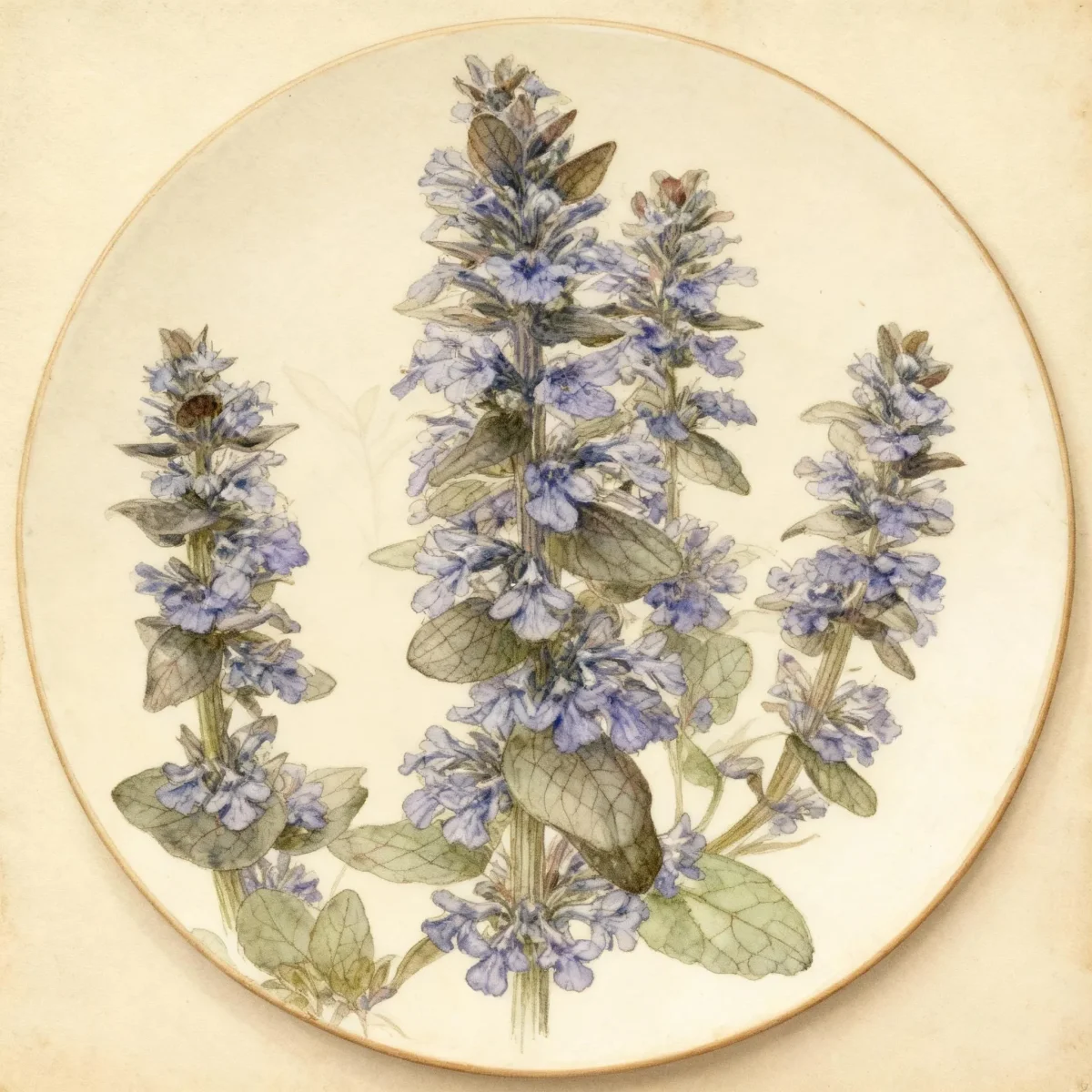
Pycnanthemum muticum, commonly known as clustered mountain mint, is celebrated for its densely packed, small pink flowers, often appearing in mid to late summer. A key ornamental highlight is the pair of showy, silvery, fringeless bracts that sit beneath the flower cluster, giving the entire planting a distinct white, frosted appearance. Furthermore, the dark green leaves emit a strong spearmint aroma when crushed, and historically, Native Americans utilized this plant for various natural remedies.
Tolerances
- Drought
Potential Problems
Pycnanthemum muticum is generally robust and avoids serious issues with pests or diseases under proper cultivation. The most common fungal issue gardeners might encounter is rust, particularly if the plant is situated in an area with poor air circulation or persistent high humidity without sufficient sun exposure.
If rust appears, improve air flow around the clumps by selectively pruning out some inner stems during spring maintenance. While Pycnanthemum muticum is vigorous, controlling spread by cutting back rhizomes in spring remains the best management strategy if you do not wish it to naturalize aggressively.
Frequently Asked Questions
What hardiness zones is Blunt mountainmint suitable for?
Blunt mountainmint (Pycnanthemum muticum) is reliably hardy across USDA Zones 4 through 8.
How large does Blunt mountainmint grow?
At maturity, this herbaceous perennial typically reaches a height between 1 and 3 feet, establishing a spread of 1 to 3 feet.
What sun exposure does Pycnanthemum muticum need?
Pycnanthemum muticum performs well in conditions ranging from full sun to part shade, although best flowering generally occurs in full sun.
When does Blunt mountainmint bloom?
The bloom time for this plant spans from July into September, featuring clusters of small, pink flowers.
Conclusion
Pycnanthemum muticum offers exceptional value to the landscape gardener through its late-season color, strong aromatic foliage, and vital support for pollinators. The unique silver bracts provide persistent ornamental appeal long after other summer bloomers fade. Before planting, confirm your site falls within USDA Zones 4-8 and plan for its medium water needs to ensure a resilient and attractive patch of Blunt mountainmint.
Companion Planting
Selecting companions for Pycnanthemum muticum should focus on species that thrive in medium soil moisture and can tolerate similar light conditions, whether full sun or bright shade. Look to other mid-to-late season bloomers that appreciate fertile ground, such as various species of Coneflowers (Echinacea) or native Asters (Symphyotrichum) that will bloom concurrently with or just after the mountain mint peaks.
Avoid planting adjacent to species demanding very dry, lean soils, as this creates conflicting watering requirements that stress the Pycnanthemum muticum. Grouping it with other moisture-loving natives like certain rushes or sedges can create a lush, cohesive look for lower meadow areas within your garden design.
Wildlife Benefits
The genus Pycnanthemum is renowned as an indispensable host and nectar source for local ecosystems, and Blunt mountainmint is no exception. The densely arranged, tubular pink flowers are perfectly shaped to attract a wide array of bees, benefiting crucial native pollinators.
Furthermore, the strong minty scent emitted by the foliage helps to deter potential herbivorous pests, maintaining a healthier profile for beneficial insects. Integrating this plant into butterfly gardens or native plant restoration projects provides reliable late-season forage when many early summer flowering resources have begun to wane.