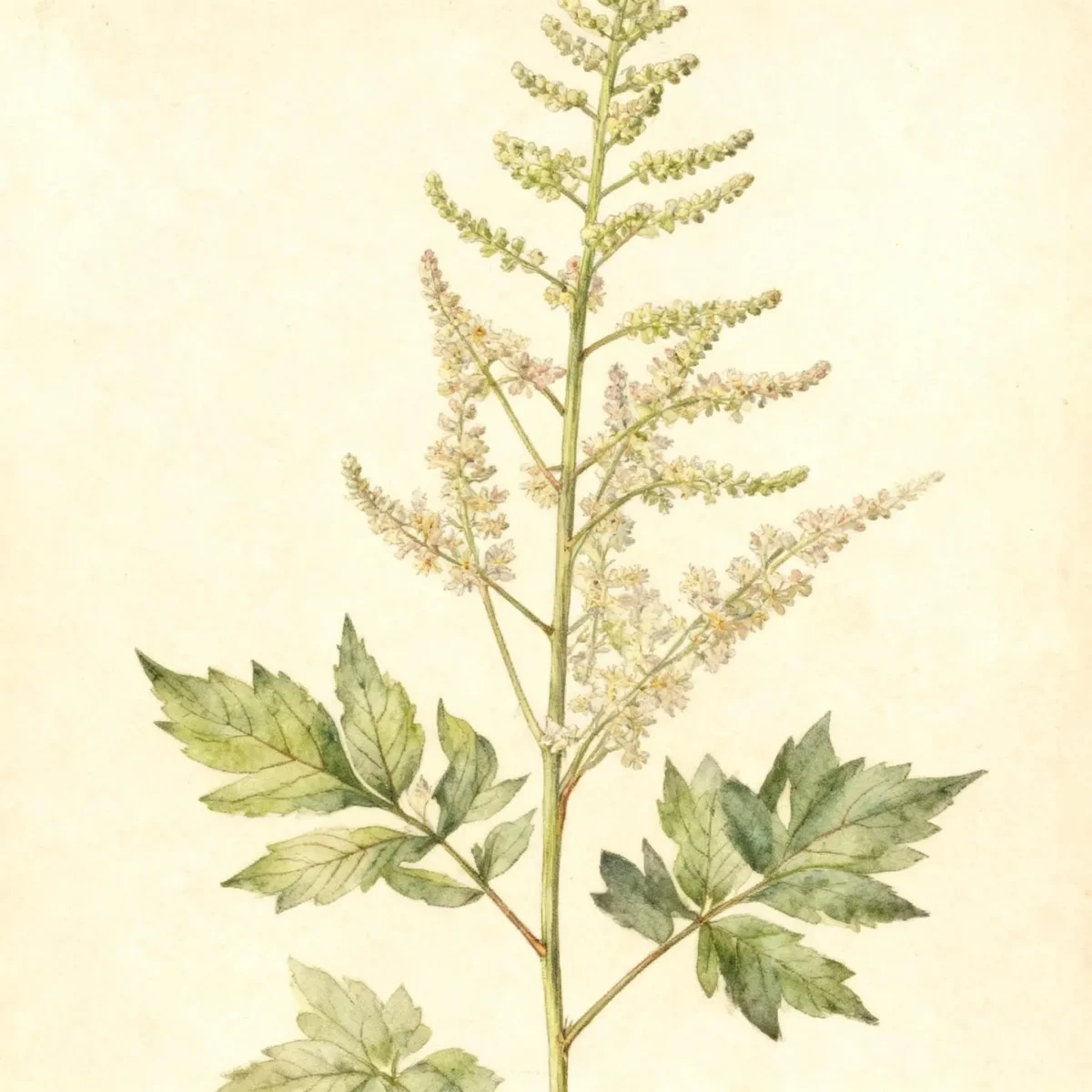
Astilbe (Astilbe 'Delft Lace')
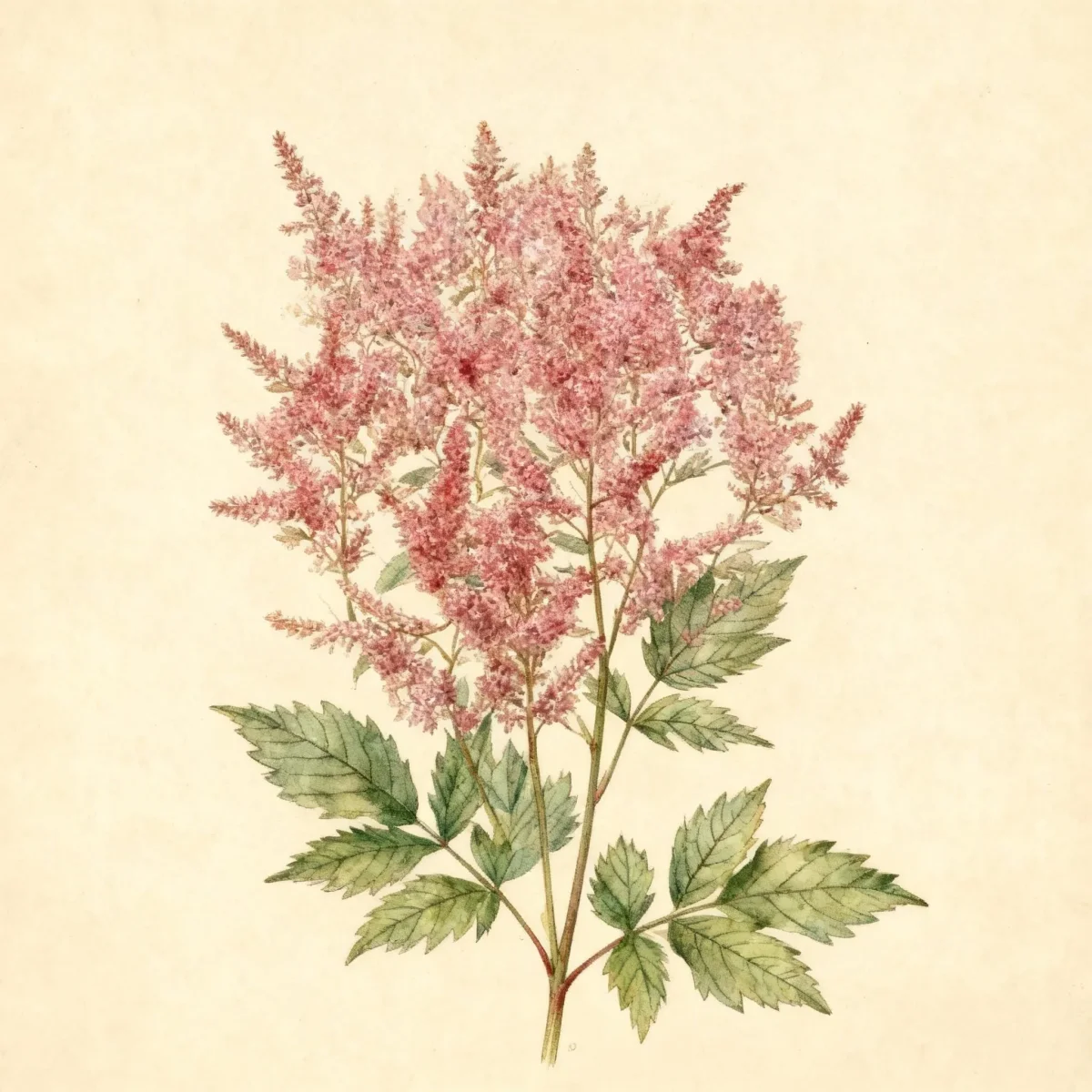
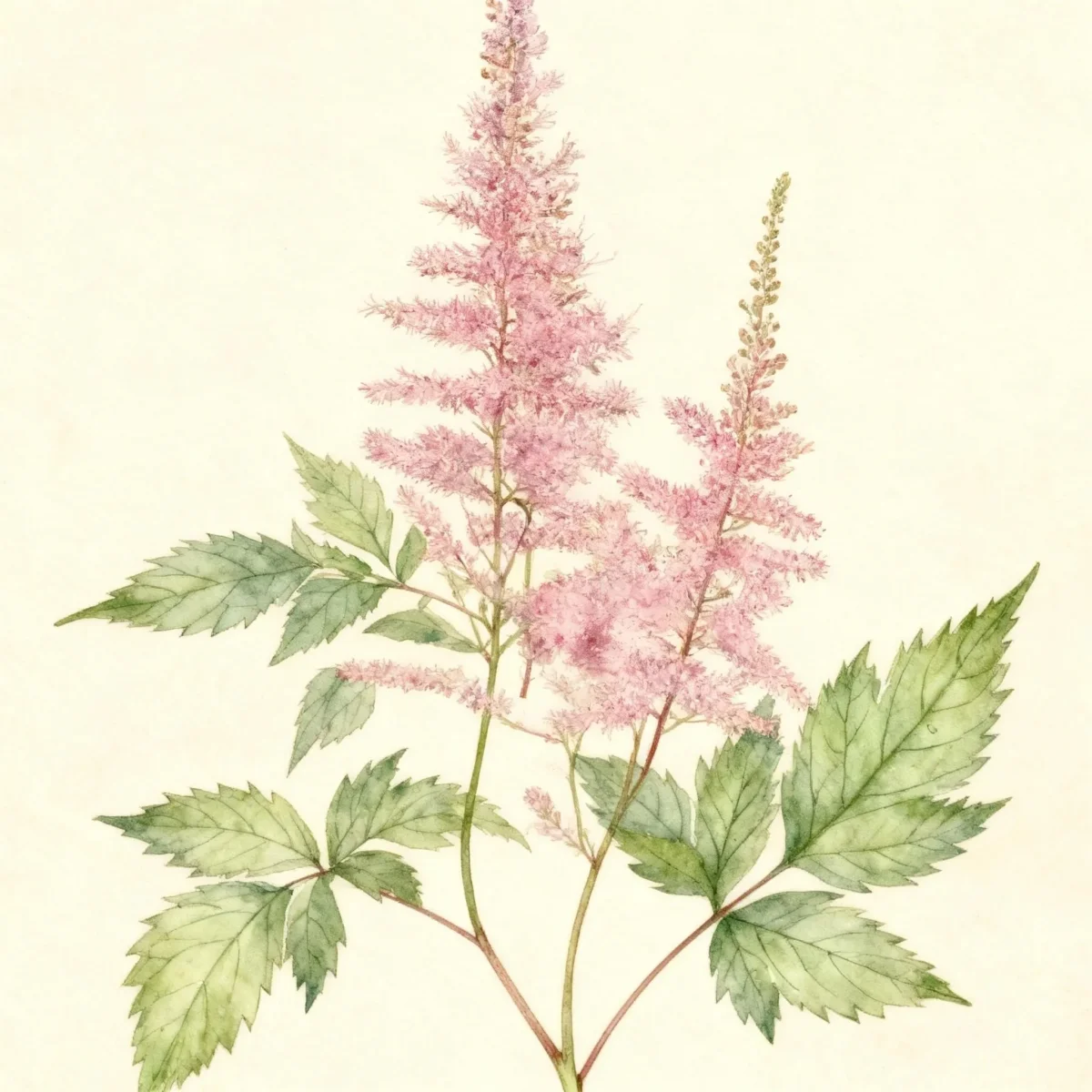
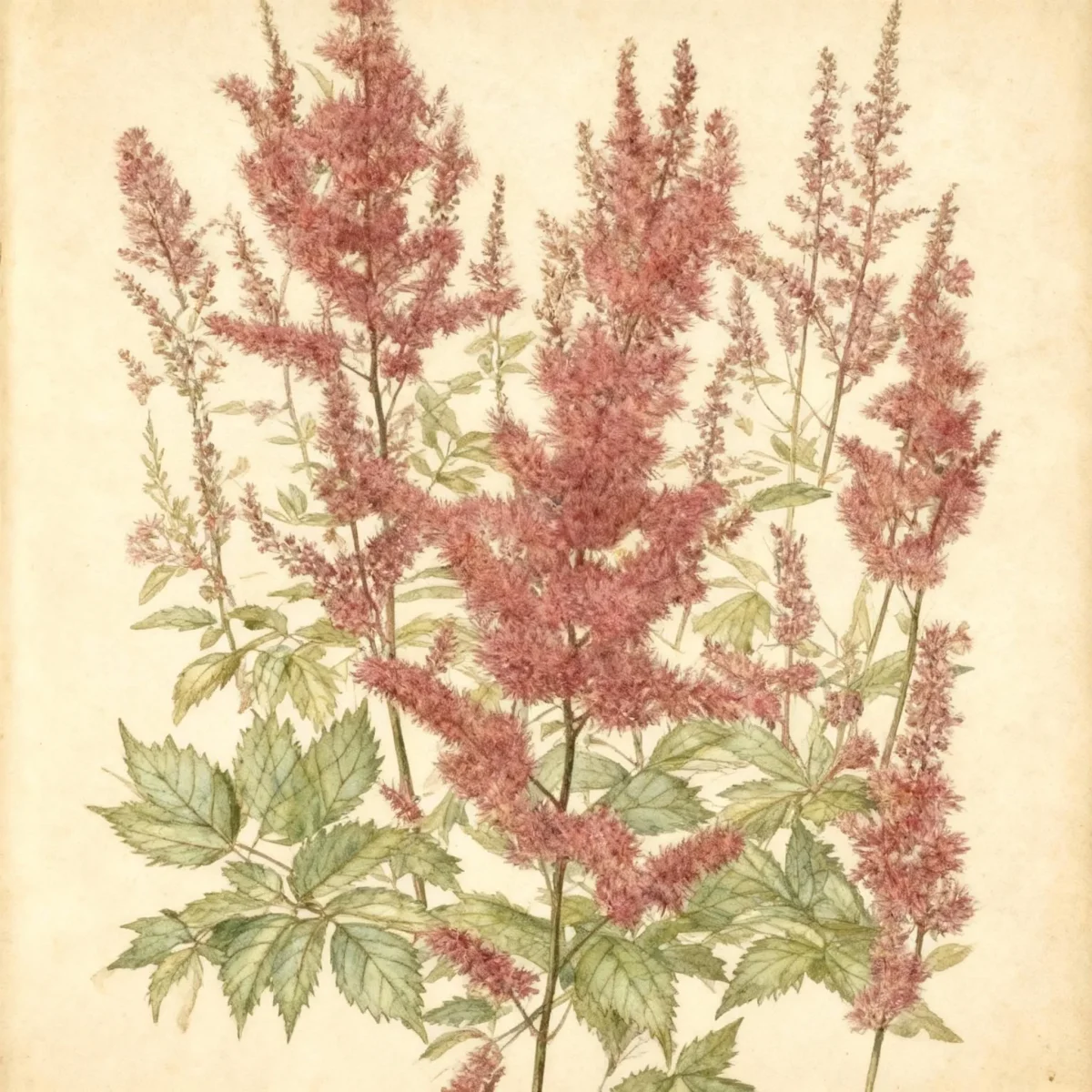
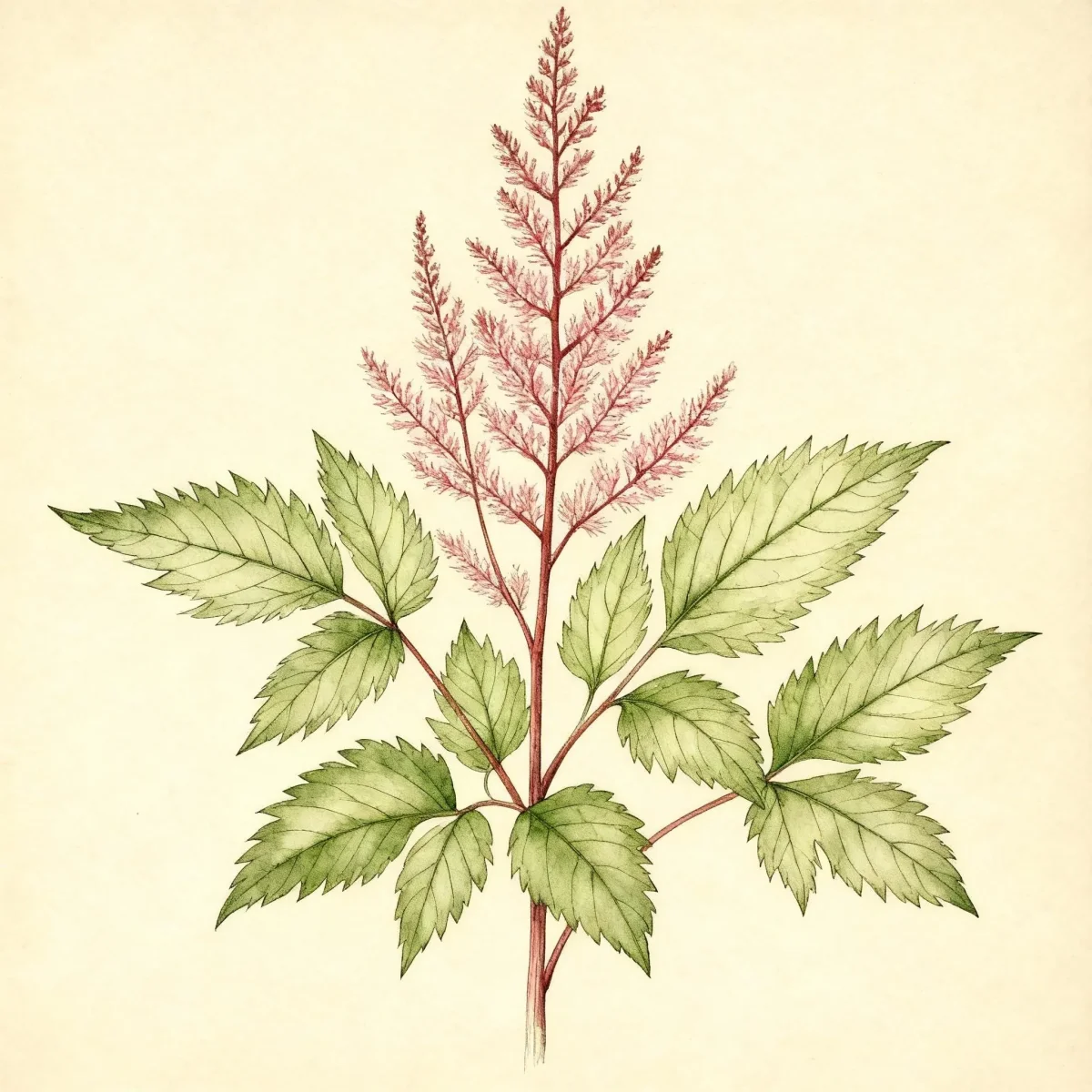
Astilbe 'Delft Lace' offers dense panicles of fragrant, deep pink flowers atop dark green, fern-like foliage, thriving in shade.
Scroll down to discover growing tips, care requirements, companion plants, and more
Complete Plant Information
Overview
Astilbe ‘Delft Lace’ provides essential texture and color for shaded gardens, distinguishing itself with its graceful, fern-like mounds of foliage accented by red tones. This cultivar is valued for the dense, plume-like panicles of fragrant, deep pink flowers it produces reliably during early to mid-summer, bringing vertical interest where many flowering plants struggle. As a clump-forming herbaceous perennial, Astilbe offers low maintenance requirements when its need for consistent moisture is met.
The Astilbe genus is composed of species native to eastern Asia and North America, all sharing plumes of tiny flowers rising above deeply cut leaves. Astilbe ‘Delft Lace’, specifically, features 1-foot-long terminal panicles held aloft on deep red stems, reaching heights up to 3 feet while spreading 1 to 2 feet wide. This variety brings reliable summer performance and texture to woodland settings, making it a staple for shaded borders.
Gardeners look to Astilbe for its durability in shady conditions and its excellent qualities as both a fresh cut flower and a valuable dried accent. Its ability to form attractive mounds ensures year-round structure, though consistent moisture is key to keeping the foliage pristine throughout the hottest parts of the season. Planting Astilbe ‘Delft Lace’ is an excellent strategy for brightening dim corners of the landscape.
Fast Facts
- Plant Family: Saxifragaceae
- Plant Type: Herbaceous perennial
- Hardiness Zones: USDA Zones 4-9
- Size at Maturity:
- Height: 2-3 ft
- Spread: 1-2 ft
- Bloom Time: June to July
- Bloom Description: Pink
- Sun Exposure: Part shade to full shade
- Water Needs: Medium
- Maintenance Level: Low
How to Grow
Planting Astilbe ‘Delft Lace’ is best done in the spring or fall, giving the plant time to establish roots before facing summer heat or winter cold. Successful cultivation hinges on location: choose an area receiving part shade or deep shade, ideally within woodland gardens or beneath high tree canopies. This plant thrives in average soils, provided they are well-drained, yet humusy and organically rich. A defining characteristic of the Astilbe genus is their intolerance for drying out; aim for consistently medium moisture.
Watering is critical for maintaining the attractive foliage of Astilbe. Soils must never be allowed to dry out completely, especially during the growing season. Applying a summer compost mulch will significantly aid in retaining the necessary soil moisture around the clump-forming base. Regarding feeding, enriching the soil with organic matter annually supports vigor, though Astilbe generally requires low maintenance.
Deadheading faded flower stalks is optional. While removing them improves the plant’s appearance if a neat, uniform look is preferred, many gardeners leave the dried seed heads standing for continued ornamental interest through winter. Clumps of Astilbe should be divided every three to four years when overcrowding occurs to maintain healthy growth and prolific flowering.
Landscape Uses
The refined texture and summer color of Astilbe make Astilbe ‘Delft Lace’ highly versatile in shaded landscape designs. Its upright plumes contrast beautifully with broad-leaved shade companions like Hosta or Ferns, creating complex layered interest. It excels when massed or grouped generously within woodland gardens, providing a bold sweep of pink color beneath the canopy.
Use this perennial near pond or stream banks where ambient moisture levels are naturally high, mirroring its cultural preference for moist soil. Astilbe also works effectively when tucked into shaded areas along border fronts or integrated into classic cottage garden schemes where dappled light prevails. Furthermore, the fine stems and airy bloom structure of Astilbe ‘Delft Lace’ make them exceptional candidates for fresh cut arrangements or drying for winter use.
Standout Features
Flower Qualities
- Showy
- Good Cut
- Good Dried
Noteworthy Characteristics
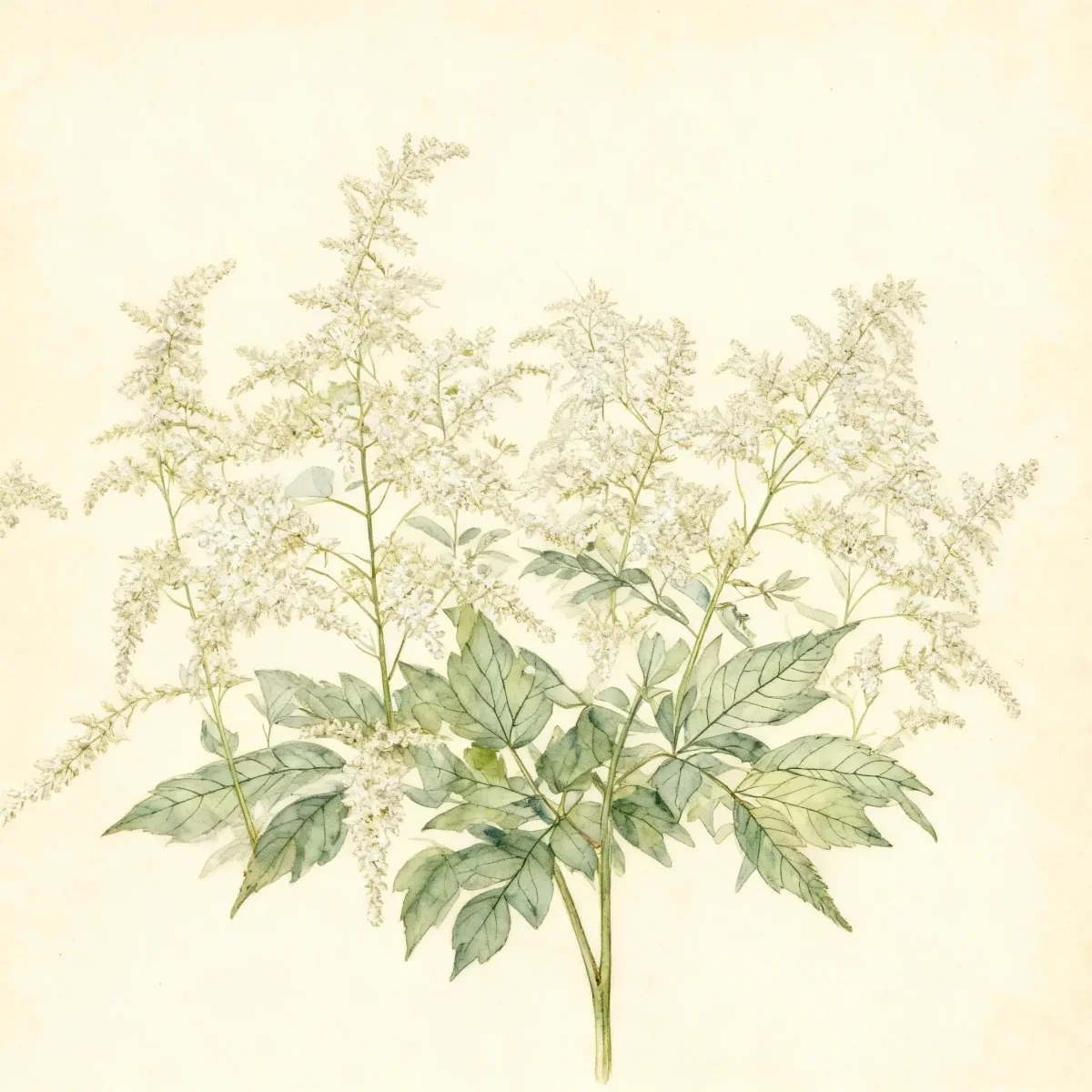
Astilbe is a genus of around 20 species of clump-forming, herbaceous perennials native to eastern Asia and eastern North America. Plants are characterized by graceful, fern-like mounds of mostly basal, 2-3 ternately compound leaves, usually with sharply-toothed leaflets, and tiny flowers densely packed into erect to arching, plume-like flower panicles rising above the foliage on slender, upright stems. ‘Delft Lace’ is a hybrid astilbe cultivar that features dark green foliage with red accents and dense panicles of fragrant, deep pink flowers, maturing up to 3’ tall on red stems from early to mid-summer.
Tolerances
- Rabbit
- Deer
- Heavy Shade
- Black Walnut
Potential Problems
The primary concern when growing Astilbe is managing moisture, as foliage decline—browning leaf tips—frequently occurs in hot summers compounded by drought if the soil dries out. Ensure consistent watering to prevent this aesthetic damage. Other potential cultural issues include occasional powdery mildew or wilt, often linked to poor air circulation or humidity stress.
Insect damage is generally minimal, though Japanese beetles may sometimes chew visible holes in the leaflets. Fortunately, deer and rabbits tend to avoid this plant entirely, making it a reliable choice in areas prone to browsing damage. Proactive management involves ensuring adequate soil moisture and potentially treating severe mildew outbreaks with appropriate fungicides.
Frequently Asked Questions
What hardiness zones is Astilbe suitable for?
Astilbe ‘Delft Lace’ is hardy and recommended for USDA Zones 4 through 9.
How large does Astilbe ‘Delft Lace’ grow?
This perennial typically matures to a height between 2 and 3 feet, with a spread ranging from 1 to 2 feet wide.
What sun exposure does Astilbe need?
This plant thrives best in conditions ranging from part shade to full shade, requiring protection from intense afternoon sun.
When does Astilbe ‘Delft Lace’ bloom?
You can expect the showy, pink plumes of Astilbe ‘Delft Lace’ to appear from June through July.
Conclusion
Astilbe ‘Delft Lace’ remains a top choice for gardeners needing reliable texture and vibrant summer color in shady locations. Its low maintenance coupled with its tolerance for heavy shade and even Black Walnut roots makes the Astilbe a functional workhorse for woodland gardens. Always confirm your planting zone is within USDA 4-9 and commit to keeping the soil consistently moist for the best seasonal performance this season.
Companion Planting for Shaded Sites
When designing a garden space around Astilbe, focus on pairing it with other shade-loving plants that have contrasting foliage texture or color. Hostas with large, matte, or variegated leaves create an excellent foil for the fine, airy texture of Astilbe ‘Delft Lace’. Consider using spring-blooming bulbs like Snowdrops or Daffodils, which emerge before the Astilbe fully leafs out, ensuring continuous visual interest.
For year-round structure, evergreens like low-growing Yew varieties or small Japanese Holly varieties pair well culturally, as their basic water and sun needs align. Since Astilbe prefers humus-rich, well-drained soil, ensure companions such as woodland Phlox or Heuchera (‘Coral Bells’) share similar soil preparation requirements to establish a cohesive planting bed.
Seasonal Care Calendar
Early Spring is the ideal time to top-dress the area around your Astilbe clumps with a fresh layer of compost or well-rotted manure before active growth begins. Monitor soil moisture closely beginning in late spring as temperatures rise; this is when consistent watering becomes non-negotiable to prevent foliage browning.
Summer care centers entirely on hydration; if rain is insufficient, supplement watering deeply and regularly. If you choose to remove spent blooms, do so in mid-summer for a tidier look. Throughout the summer, keep an eye out for signs of mildew, especially if air circulation is poor.
In Autumn, leave the dried flower stalks standing for winter interest, providing textural contrast in dormant gardens. The foliage of Astilbe can be cut back to the ground once it browns or goes dormant late in the season, preparing the crown for winter protection provided by snow or a light layer of mulch in colder zones.