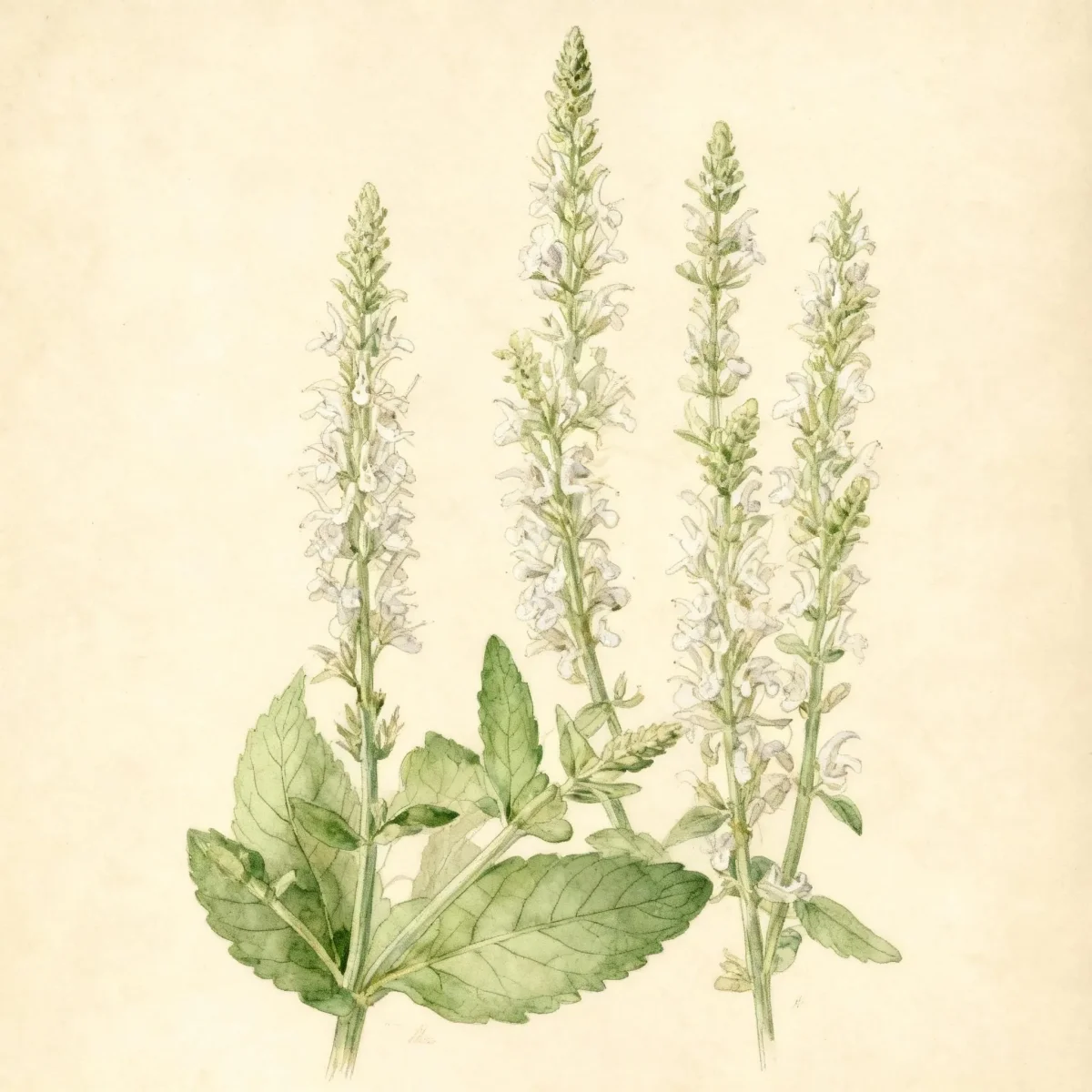
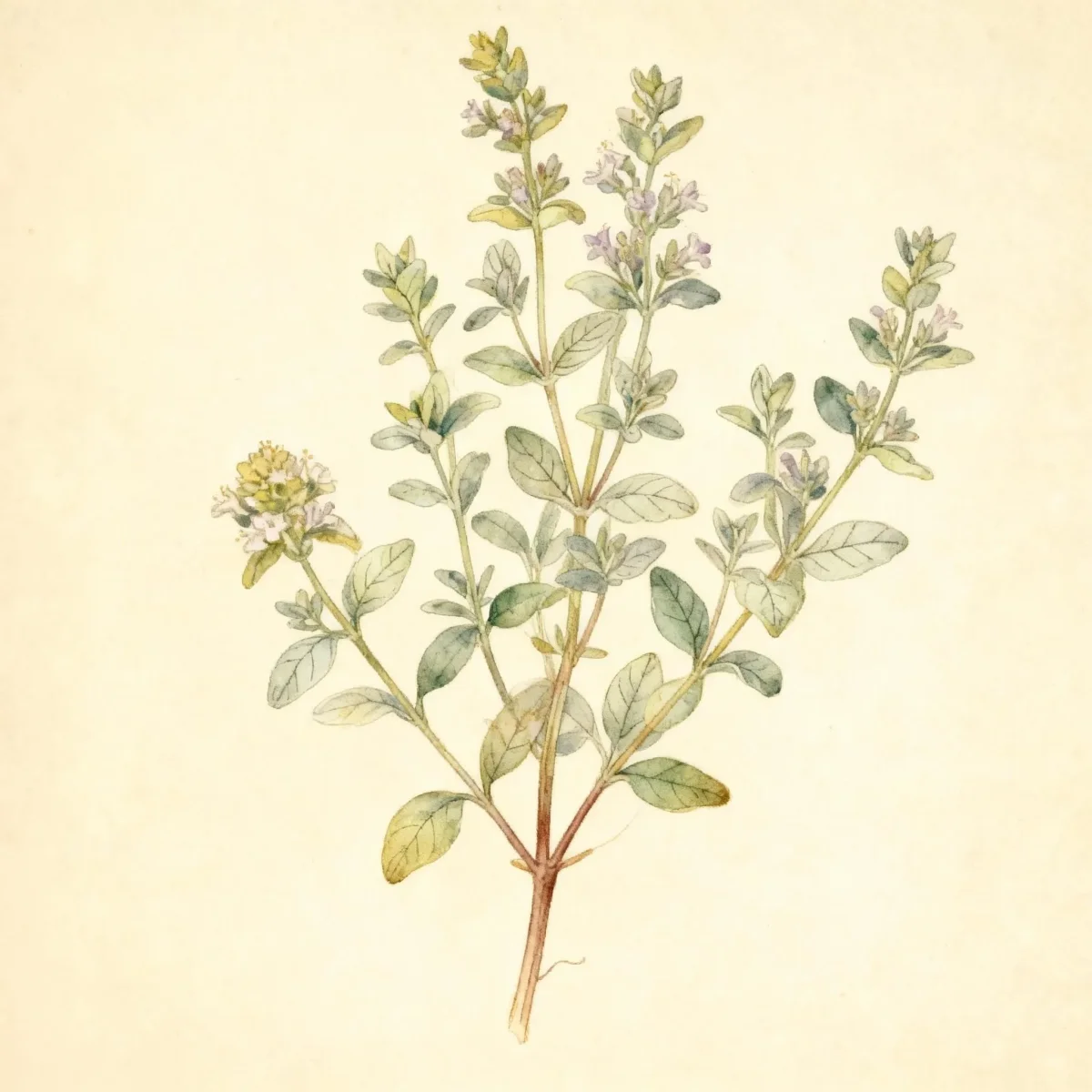
Calamint (Calamintha nepeta 'Montrose White')
Discover Calamintha nepeta 'Montrose White', a low-maintenance perennial Calamint offering fragrant white flowers from June to October.
Scroll down to discover growing tips, care requirements, companion plants, and more
Complete Plant Information
Overview
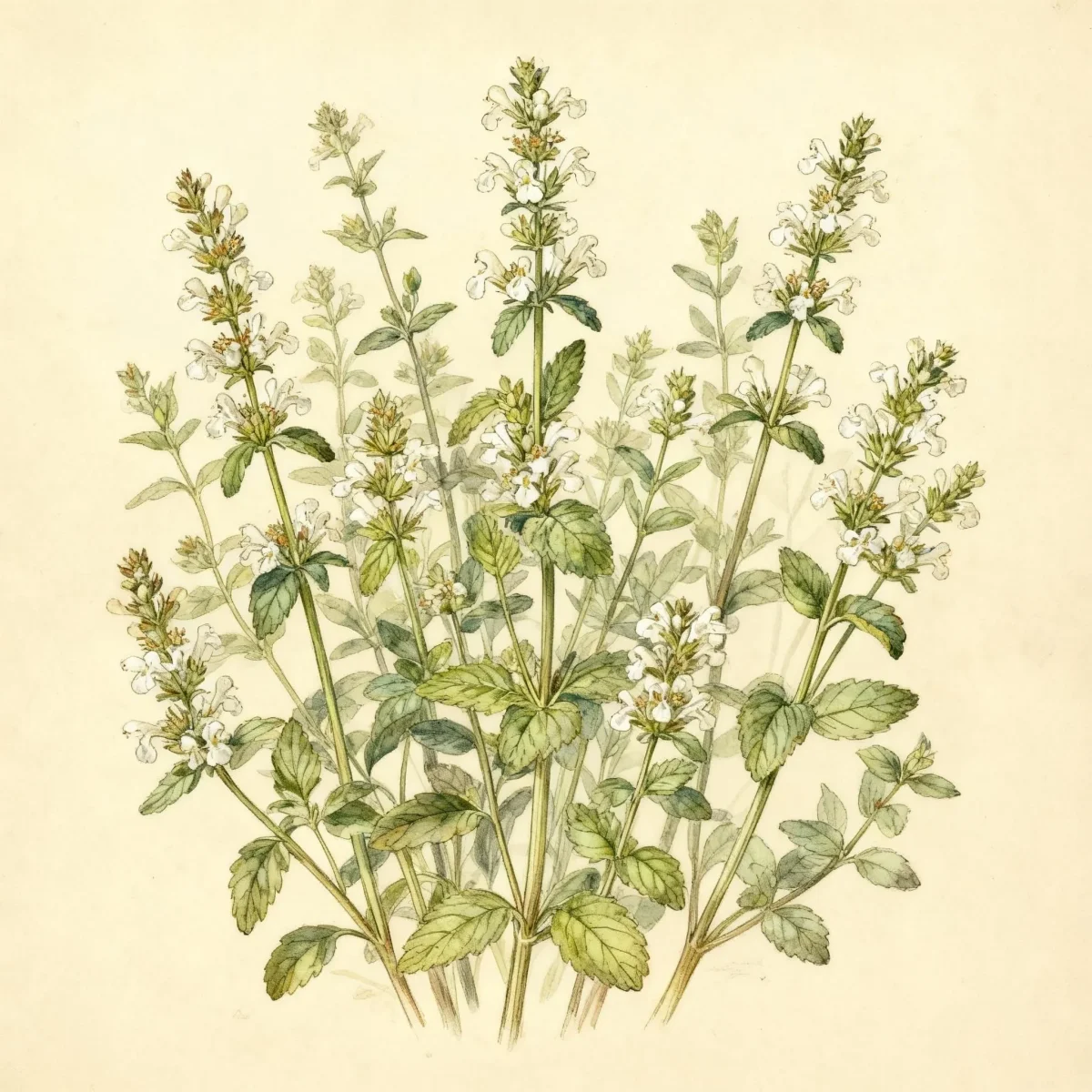
Calamintha nepeta ‘Montrose White’ is a highly valued herbaceous perennial known for its exceptional longevity of bloom and minimal upkeep requirements. This cultivar of Calamint forms a tidy, attractive mound, making it an indispensable addition to modern, sustainable garden designs. Its dense foliage and tiny, fragrant white flowers provide continuous texture and visual interest throughout the growing season.
This bushy perennial is prized specifically because the ‘Montrose White’ variety is sterile, preventing unwanted spread while still offering the reliable, airy display characteristic of Calamintha nepeta. It thrives even in challenging conditions, offering a beautiful solution for borders, rock gardens, or cascading over retaining walls where other plants might struggle.
Gardeners appreciate the sweet fragrance released when the leaves of this Calamint are brushed, lending an aromatic quality to the garden space. Its resilience against drought and preference for full sun align perfectly with low-water landscaping goals, securing its reputation as a versatile and dependable performer in USDA Zones 5 through 9.
Fast Facts
- Plant Family: Lamiaceae
- Plant Type: Herbaceous perennial
- Hardiness Zones: USDA Zones 5-9
- Size at Maturity:
- Height: 1-1.5 ft
- Spread: 1-1.5 ft
- Bloom Time: June to October
- Bloom Description: White
- Sun Exposure: Full sun
- Water Needs: Dry to medium
- Maintenance Level: Low
How to Grow
Plant Calamintha nepeta ‘Montrose White’ in the spring once danger of hard frost has passed, choosing a location that receives full sun exposure. This Calamint performs best in well-drained soils, succeeding in conditions ranging from slightly acidic to slightly alkaline. While it prefers deep, medium moisture, it tolerates some drought once established.
Ongoing care for this low-maintenance perennial is minimal. Although it prefers consistently moist soil, established plants tolerate periods of dryness well. Avoid overwatering, especially in humid conditions where root issues can arise. Fertilizing is rarely necessary; rich soils often lead to floppier growth.
To maintain a tidy appearance and encourage fresh growth, shear or cut back the stems after the main bloom period subsides. This pruning step prevents unsightly, spent foliage and discourages any potential, though reduced in this cultivar, self-seeding. Stems that touch the ground may root at the nodes, offering another easy method for propagation if spread is desired via cuttings. Be aware that plants generally do not perform well below USDA Zone 7 due to persistent summer heat and humidity.
Landscape Uses
Calamintha nepeta ‘Montrose White’ excels in situations demanding low-growing, free-flowering perennials. Its ability to naturalize gently makes it an excellent choice for softening edges or providing texture to informal settings. Use it to define the front of a border or edge pathways where its continuous cloud of white flowers can be fully appreciated.
As an effective ground cover or spill-over plant, this Calamint looks fantastic when sprawled over low retaining walls or allowed to cascade from containers. In rock gardens, its compact habit complements the rugged texture of stones beautifully. Because the flowers attract bees, planting Calamintha nepeta ‘Montrose White’ near herb gardens enhances pollination efforts.
For a cohesive look, pair this perennial with other drought-tolerant, sun-loving plants that offer contrasting foliage texture or color, such as ornamental grasses or silver-leaved artemisias. Its suitability for dry, shallow-rocky soils also makes it perfect for xeriscaping projects requiring reliability and continuous bloom.
Standout Features
Flower Qualities
- Showy
- Fragrant
Noteworthy Characteristics
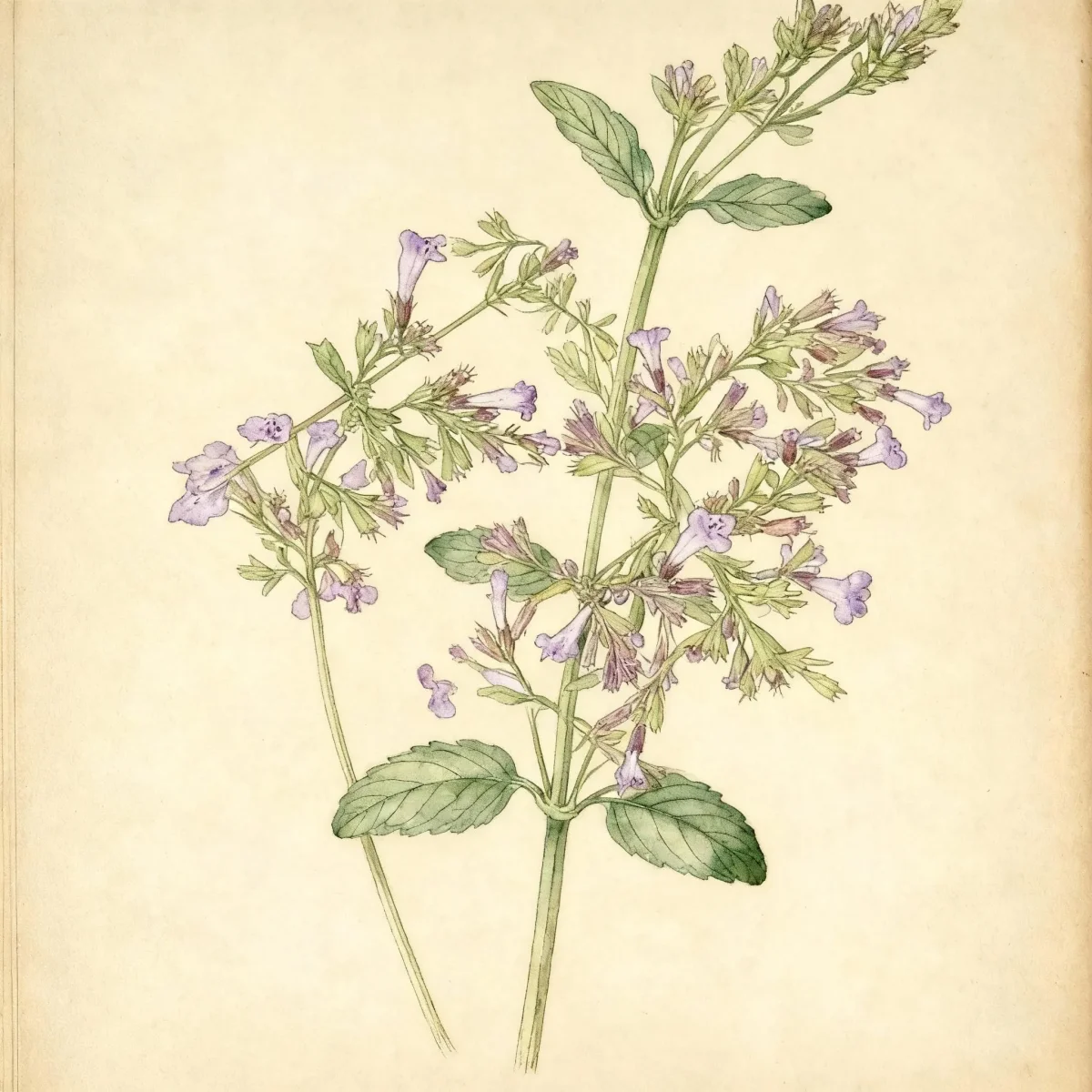
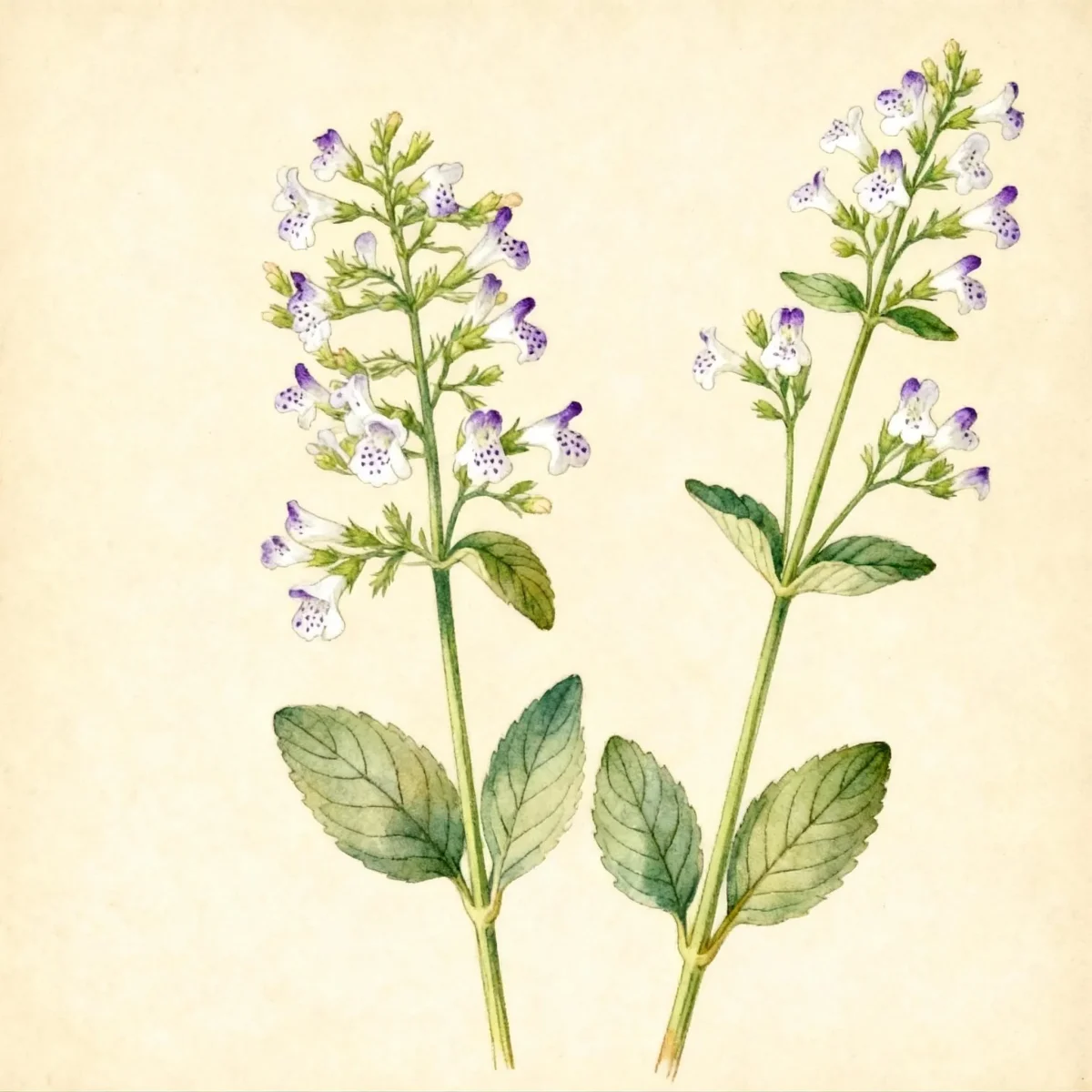
Calamintha nepeta is a bushy, rhizomatous, perennial herb of the mint family that is native to Europe and the Mediterranean region. It typically forms a dense, indefinitely spreading, foliage mat with upright leafy flowering stems rising to 12-18” tall. Ovate, gray-green leaves (to 3/4” long) are very fragrant when crushed. Tiny, tubular, two-lipped, lilac to white flowers appear in axillary spikes (cymes to 15 flowers each) over a long June-September bloom period. ‘Montrose White’ is sterile and will not self-seed, although if propagation is desired, it roots easily from cuttings.
Tolerances
- Drought
- Erosion
- Dry Soil
- Shallow-Rocky Soil
Potential Problems
This Calamint variety seldom suffers from serious insect or disease issues, lending to its low-maintenance appeal. Gardeners in very hot and humid climates, such as those comparable to the St. Louis area, should monitor the foliage closely. In these conditions, the leaves may tend to decline or look ragged by late summer; timely shearing after flowering helps manage this aesthetics issue.
Frequently Asked Questions
What hardiness zones is Calamint suitable for?
This perennial Calamint, Calamintha nepeta ‘Montrose White’, is reliably hardy in USDA garden zones 5 through 9.
How large does Calamintha nepeta ‘Montrose White’ grow?
When fully mature, this clump-forming plant typically reaches a height and spread of 1 to 1.5 feet.
What sun exposure does Calamintha nepeta ‘Montrose White’ need?
For the best performance, ensure this plant receives full sun, although it can tolerate light afternoon shade in the hottest locations.
When does Calamint bloom?
Calamint provides a very long floral display, typically blooming profusely with tiny white flowers from June straight through October.
Conclusion
The unrivaled, season-long display of fragrant white flowers on a compact, sterile, and low-maintenance form makes Calamintha nepeta ‘Montrose White’ an essential choice for sustainable gardening. Whether used as a ground cover or an edging accent near patios, this Calamint delivers continuous reliability. Before planting, confirm your location falls within USDA Zones 5-9 and ensure the soil offers good drainage to maximize the excellent performance of your new perennial.
Companion Planting
Selecting appropriate neighbors can enhance the visual appeal and overall health of a Calamintha nepeta ‘Montrose White’ planting. Because the Calamint thrives in full sun and dry to medium conditions, pair it with other drought-tolerant perennials such as Sedum, hardy Lavender, or Russian Sage (Perovskia). These companions share similar cultural needs, simplifying the watering regime.
Consider using companions with contrasting textures or colors provided by foliage. Plants with blue or purple flowers, like certain varieties of Salvia or Nepeta itself (though be careful not to confuse with other cultivars), create excellent chromatic harmony against the white blooms of this Calamint. A border planted with these sun-lovers will offer interest from spring bloom through fall dormancy.
Wildlife Benefits
The extended bloom period of Calamintha nepeta ‘Montrose White’ offers crucial, late-season nectar for beneficial insects. The tiny, tubular flowers are particularly attractive to small native and honeybees, making this perennial a powerhouse for pollinator support during the summer and early fall months. Placing this Calamint near vegetable patches or cutting gardens can significantly boost local pollination activity.
Because the flowers are so appealing to bees, this plant should be placed where gardeners can easily observe the pollinator activity; however, be aware that the flowers are not generally targeted by larger pests like deer or rabbits. The fragrant nature of the crushed foliage also serves as a mild deterrent to grazing mammals. Planning your garden around plants that support pollinators is a fundamental step toward ecological gardening, and ‘Montrose White’ fits this role perfectly.