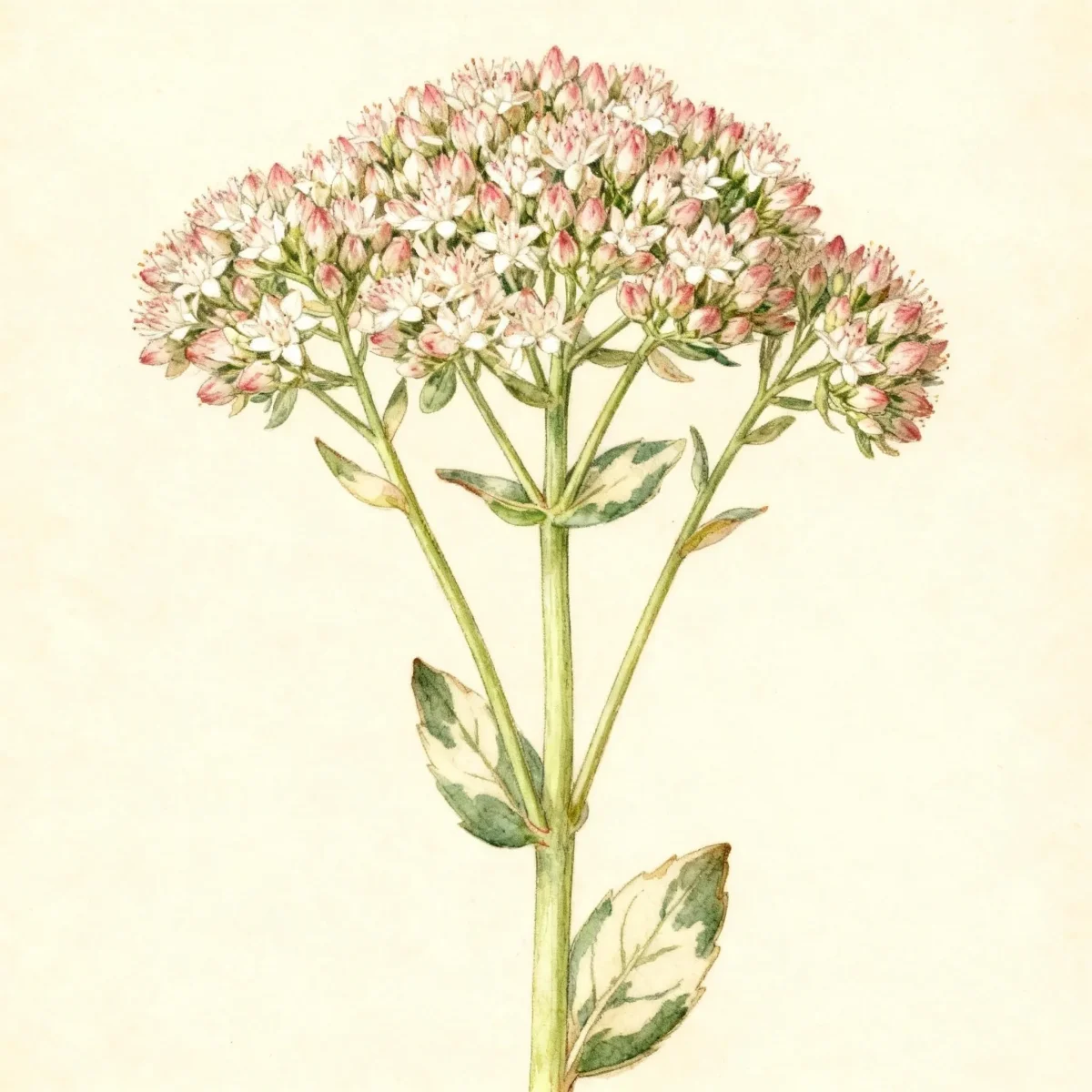
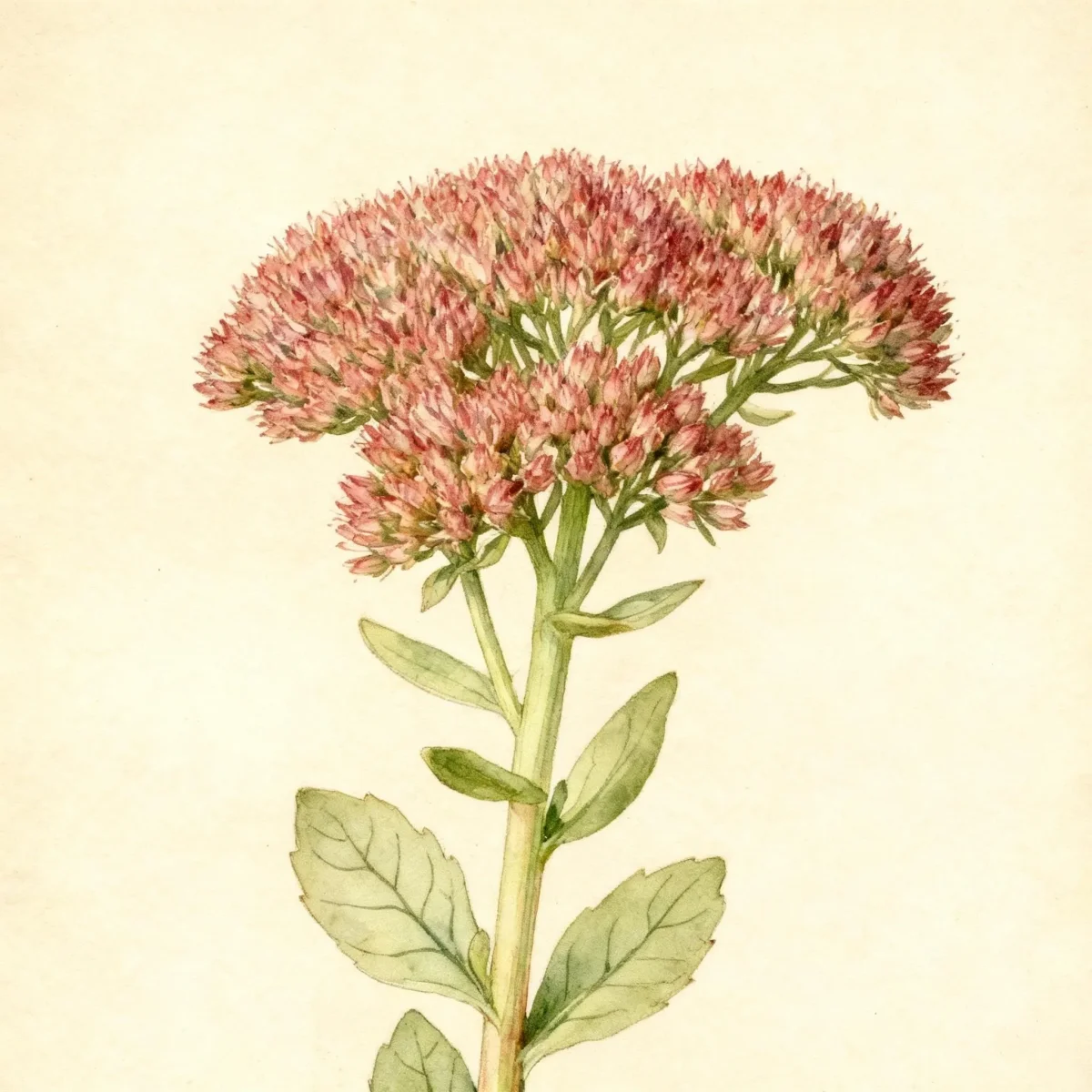
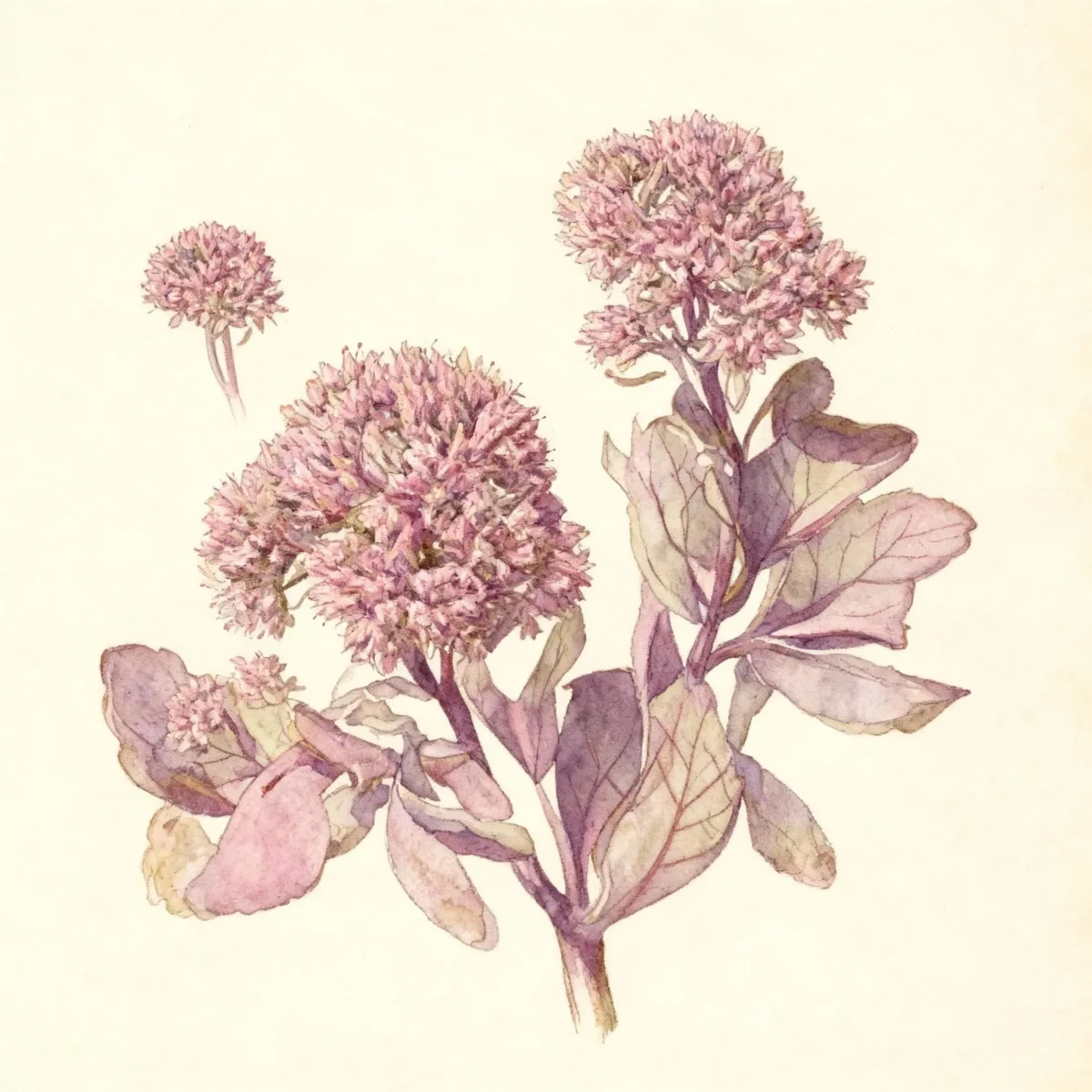
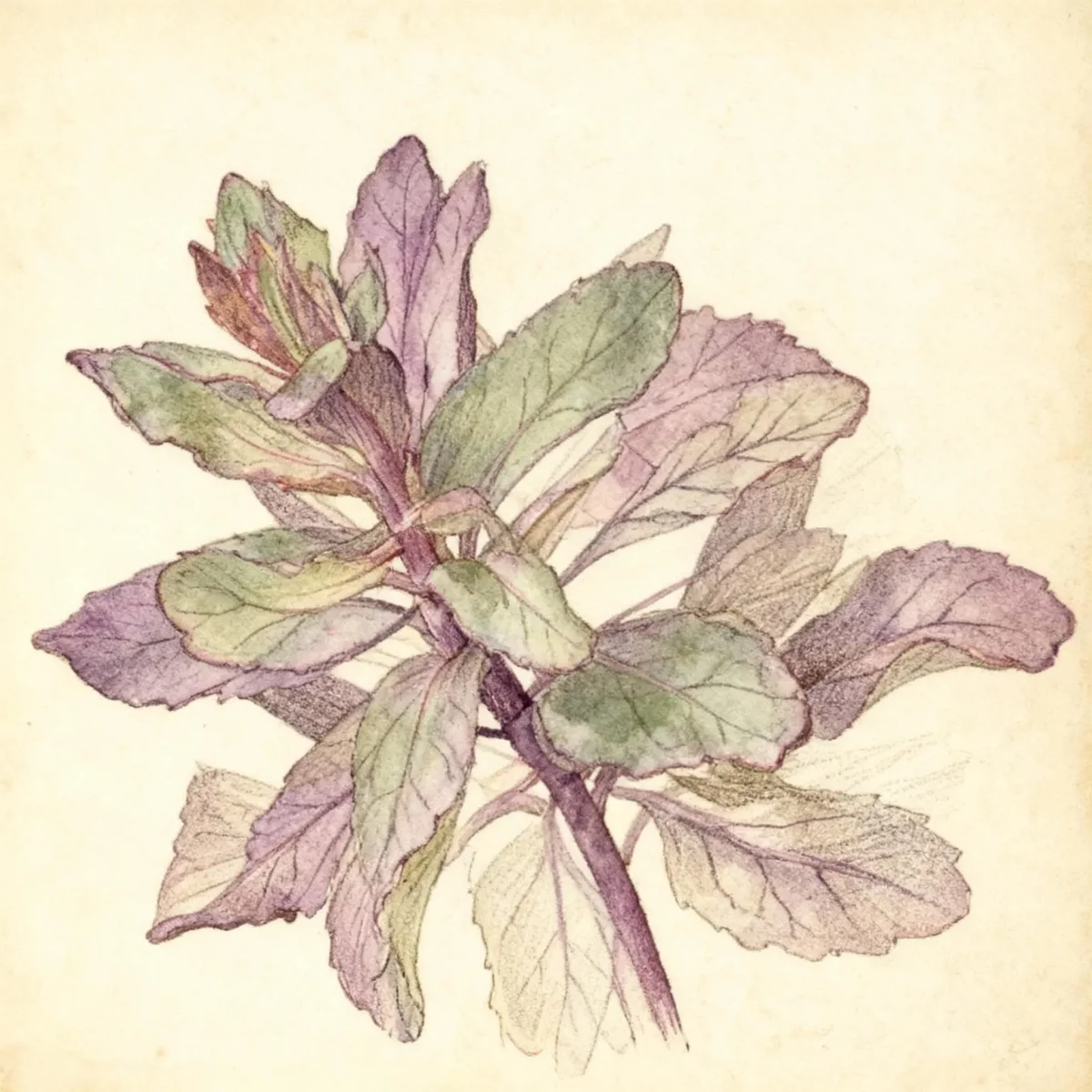
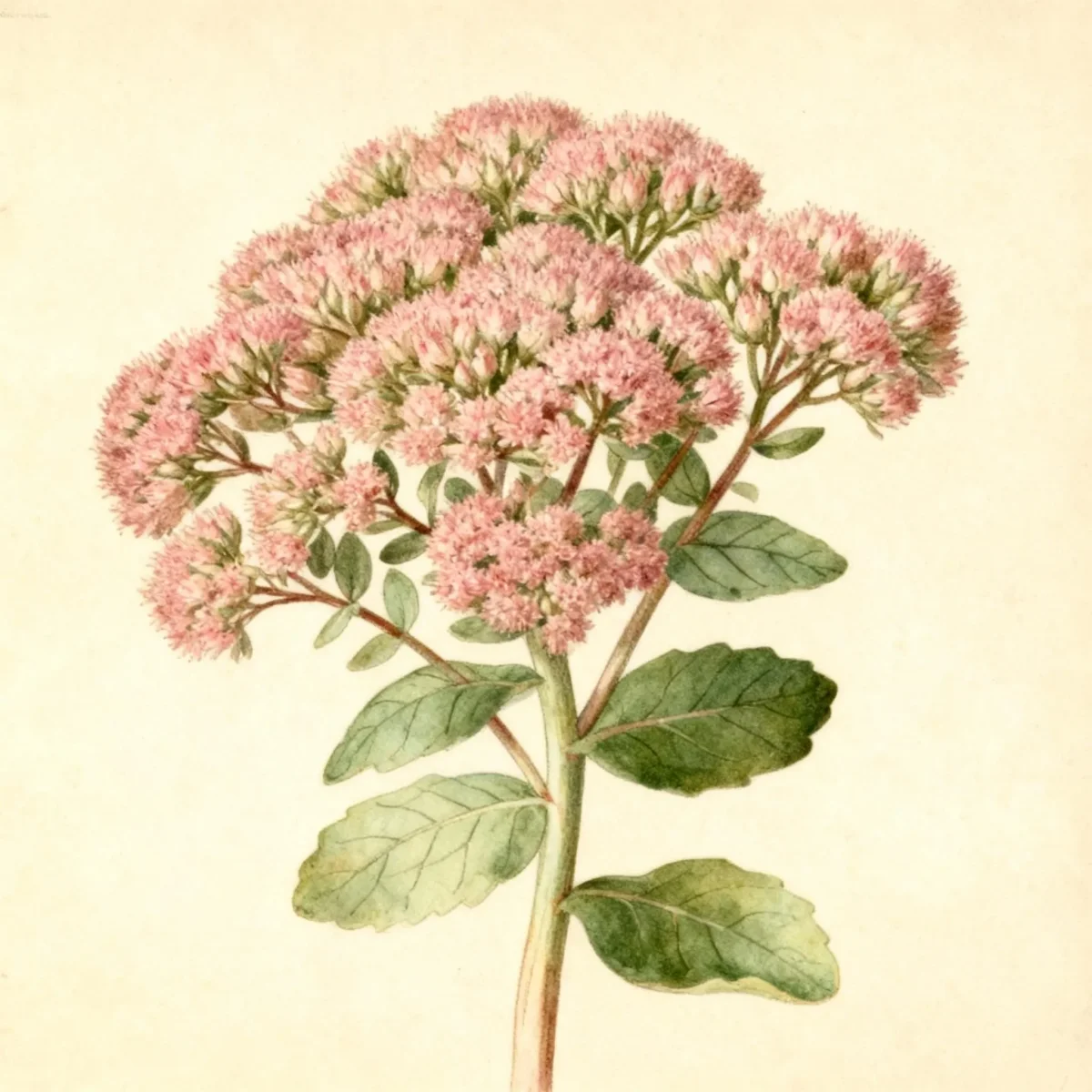
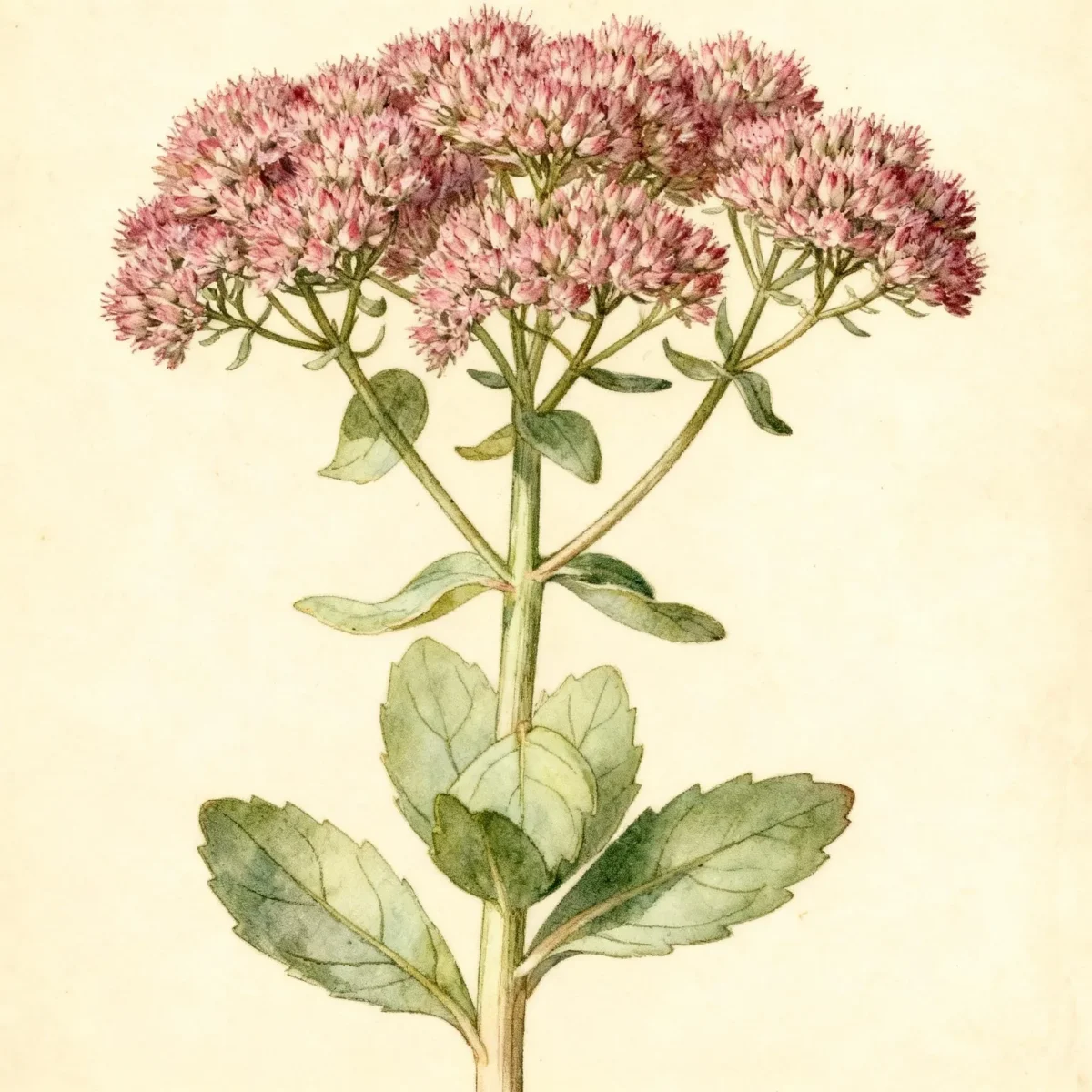
Stonecrop (Sedum 'Dazzleberry')
Sedum 'Dazzleberry' Stonecrop is a low-maintenance perennial offering brilliant raspberry-pink fall color and drought tolerance.
Scroll down to discover growing tips, care requirements, companion plants, and more
Complete Plant Information
Overview
Sedum ‘Dazzleberry’ is a highly valued, compact cultivar of Stonecrop, celebrated for anchoring late-season garden displays. This herbaceous perennial offers robust, blue-gray succulent foliage that provides excellent contrast throughout the growing season. Its main attraction is the explosion of large, brilliant raspberry-pink flower heads that appear from late summer into autumn.
As a member of the popular SunSparkler® series, Sedum ‘Dazzleberry’ is known for its superior toughness and minimal care requirements. It handles dry conditions gracefully once established, making it an indispensable plant for gardeners seeking reliable color without intensive watering. This Stonecrop thrives in sunny, dry spots where many other perennials might struggle.
The structure of Sedum ‘Dazzleberry’ forms neat, upright mounds, making it perfect for defining borders or mass plantings. Its drought tolerance and ability to withstand various soil types, including clay, highlight its adaptability and outstanding practical value in diverse landscape settings.
Fast Facts
- Plant Family: Crassulaceae
- Plant Type: Herbaceous perennial
- Hardiness Zones: USDA Zones 4-9
- Size at Maturity:
- Height: 0.5-0.75 ft
- Spread: 1-1.5 ft
- Bloom Time: August to September
- Bloom Description: Raspberry-pink
- Sun Exposure: Full sun
- Water Needs: Dry to medium
- Maintenance Level: Low
How to Grow
Planting Sedum ‘Dazzleberry’ should ideally occur in spring or fall, allowing the roots time to establish before extreme summer heat or winter cold sets in. Success hinges on location: ensure the site receives full sun for the best flower display and stem structure. While easily grown, this Stonecrop demands excellent soil drainage; plants will rot quickly in overly wet or poorly drained areas. Average, sandy, or gravelly soils of moderate fertility are ideal.
Care for established Sedum ‘Dazzleberry’ is minimal. Watering should be infrequent; allow soil to dry out between waterings, reflecting its natural preference for dry to medium conditions. Over-fertilizing is detrimental, as richer soils often lead to weak, floppy growth, defeating the compact habit for which this cultivar is known.
To maintain a tight, attractive habit, pinch the stems back by about one-third in the spring. This simple task forces the stems to branch and grow bushier, helping the plant support the weight of its large flower heads later in the season. Winter cleanup involves cutting back the old stalks after they have faded or when new spring growth begins to emerge.
Landscape Uses
Sedum ‘Dazzleberry’ excels when used in applications where its mid-height structure and striking late-season flowers can be fully appreciated. The recommended use includes naturalizing areas for a low-maintenance swath of color. It is particularly effective planted along border fronts or nestled among rocks in a rock garden setting.
For the strongest visual impact, mass planting or grouping is recommended for this Stonecrop. Planting several Sedum ‘Dazzleberry’ specimens closely together creates drifts of blue-gray foliage punctuated by vibrant raspberry-pink blooms late in the season. This makes it an excellent choice for small area ground cover where definition between lawn and perennial beds is needed.
Beyond beds, the architectural form and drought tolerance of Sedum ‘Dazzleberry’ make it highly effective in mixed containers. Pair it with other sun-loving, low-water accent plants that complement its color palette, such as ornamental grasses or silvery artemisias, ensuring year-round visual interest.
Standout Features
Noteworthy Characteristics
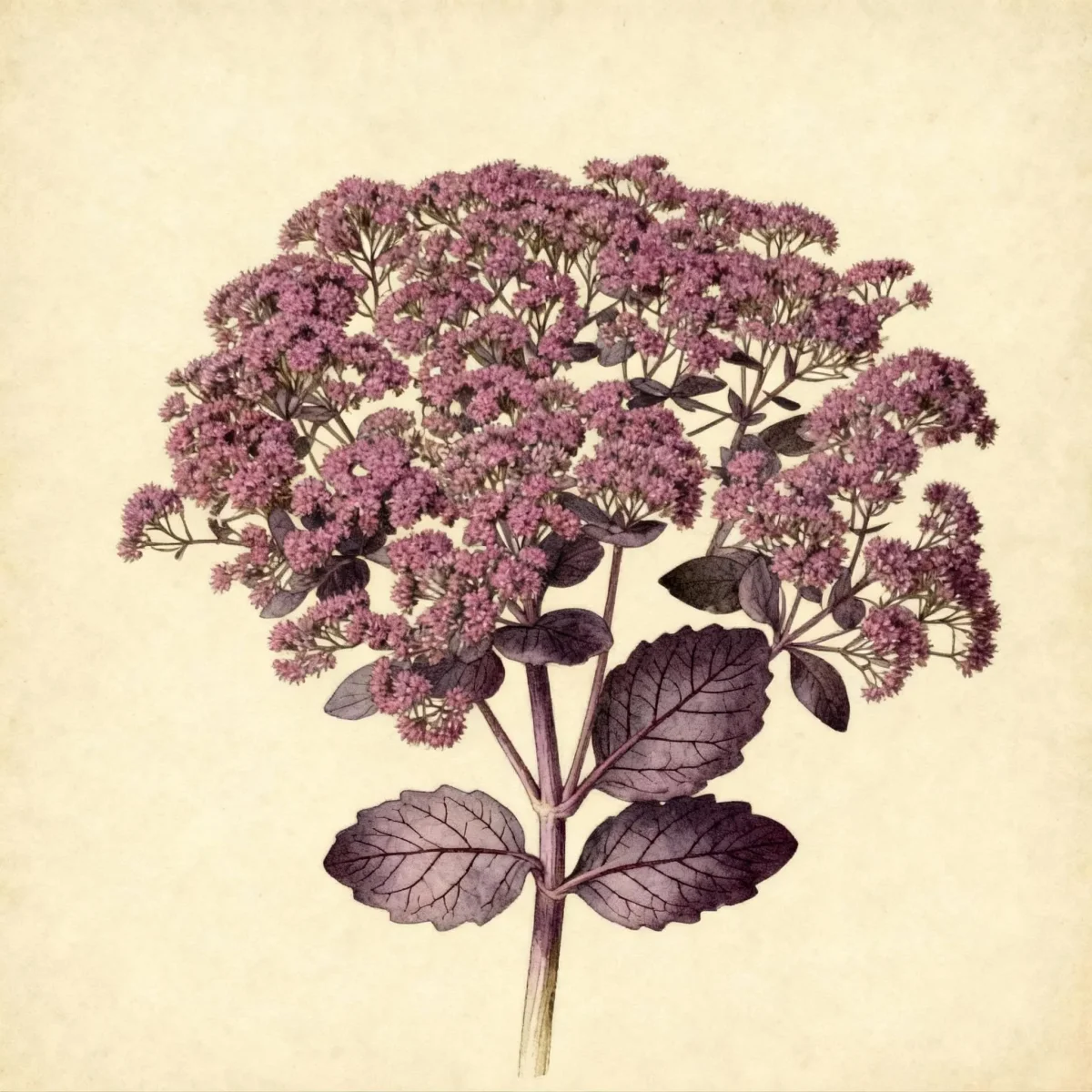
Sedum is a genus of about 400 species found mainly in the mountainous areas of North America but some also in dry area of South America. Most are succulent. They are tough, drought tolerant, easy-to-grow perennials that feature star-shaped flowers in clusters blooming on fleshy-leaved plants ranging from mat-forming ground covers to clump-forming upright mounds. Genus name comes from the Latin word sedeo meaning to sit in reference to the general growing habit of many of the sedums (they sit and sprawl over rocks). Plants in the genus Sedum are commonly called stonecrops because they are typically found in the wild growing on rocky or stony areas. ‘Dazzleberry’ is a compact cultivar with blue-gray foliage and large brilliant raspberry colored flowers, ranging in diameter from 6-8 inches, putting on a fabulous display from late summer to fall.
Tolerances
- Rabbit
- Deer
- Drought
- Erosion
- Clay Soil
- Dry Soil
Potential Problems
While generally low maintenance, gardeners should watch for slugs and snails, especially when new growth first emerges in spring. Scale insects can occasionally become an issue on the fleshy stems. The most common cultural problem for this Stonecrop is rot, which occurs only in wet and/or poorly drained conditions; ensure superb drainage to prevent this. Taller sedum hybrids, including those with large flower heads like Sedum ‘Dazzleberry’, can sometimes be susceptible to flopping as bloom time approaches. This flopping is largely avoidable by ensuring full sun exposure and avoiding overly rich or excessively moist soils, or utilize spring pinching to encourage bushier stems.
Frequently Asked Questions
What hardiness zones is Stonecrop suitable for?
Sedum ‘Dazzleberry’ Stonecrop is reliably hardy across USDA Zones 4 through 9.
How large does Sedum ‘Dazzleberry’ grow?
This variety typically reaches a height between 0.5 and 0.75 feet tall, spreading slowly to 1 to 1.5 feet wide.
What sun exposure does Sedum ‘Dazzleberry’ need?
For optimal performance, dense habit, and vibrant blooms, Sedum ‘Dazzleberry’ requires full sun exposure throughout the day.
When does Stonecrop bloom?
This specific Stonecrop cultivar displays its striking raspberry-pink flowers consistently from August through September.
Conclusion
Sedum ‘Dazzleberry’ offers exceptional value through its dependable, low-effort performance, drought resistance, and exceptionally beautiful late-season color. This robust Stonecrop variety provides essential structure and vibrancy just as many other perennials begin to fade. Consult your local climate map to ensure Sedum ‘Dazzleberry’ is shaded appropriately for your growing zone before planning your planting this season.
Companion Planting
Selecting companions for Sedum ‘Dazzleberry’ should focus on plants that share its preference for full sun and excellent drainage. Consider pairing it with plants that bloom earlier or later to extend interest. Lavender, Russian Sage (Perovskia), and ornamental grasses like Panicum virgatum cultivars provide textural contrast while tolerating similar dry, sunny conditions.
Avoid planting this Stonecrop immediately adjacent to heavy feeders or moisture-loving perennials, such as hostas or astilbes. Such companions compete aggressively for water and rich nutrients, potentially stressing the Sedum or causing it to weaken and become more susceptible to flopping or rot.
Design Ideas for Late Season Interest
Due to its compact, mounding habit, Sedum ‘Dazzleberry’ functions perfectly as a mid-border plant or as an edging element where you need defined structure. Plant it in large sweeps along pathways where its blue-gray foliage contrasts sharply with dark mulch or light gravel pathways, making the raspberry flowers pop in autumn.
In xeriscaping or dry gardens, utilize its tolerance for poor soil and combine it with other resilient succulents, ornamental onions (Allium), or silver-leaved artemisias. This creates a cohesive, water-wise tapestry that looks great even during summer droughts.