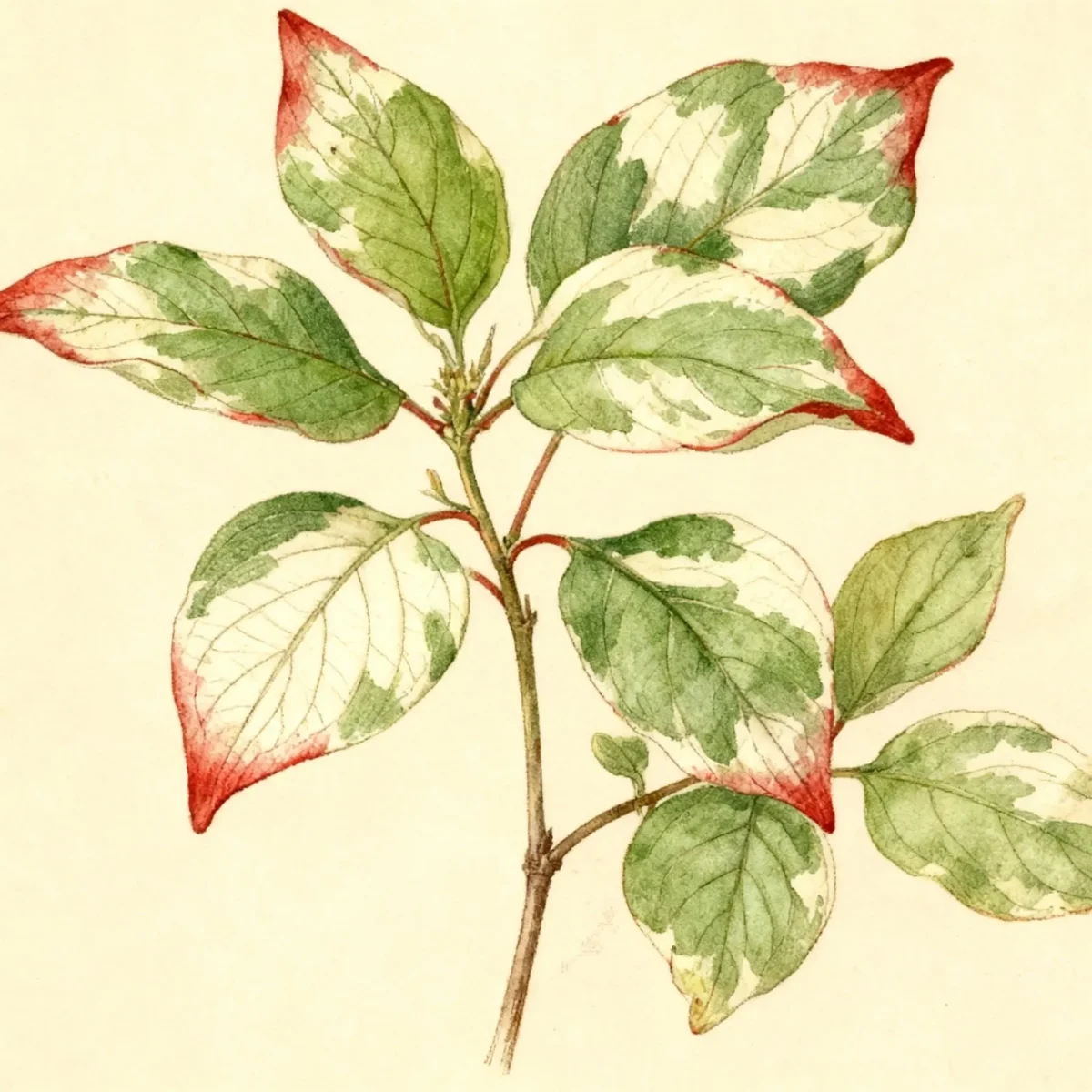
Bloodtwig dogwood (Cornus sanguinea 'Compressa')
Cornus sanguinea 'Compressa' is a compact, upright Bloodtwig dogwood offering dense, wrinkled foliage and excellent red winter stem color.
Scroll down to discover growing tips, care requirements, companion plants, and more
Complete Plant Information
Overview
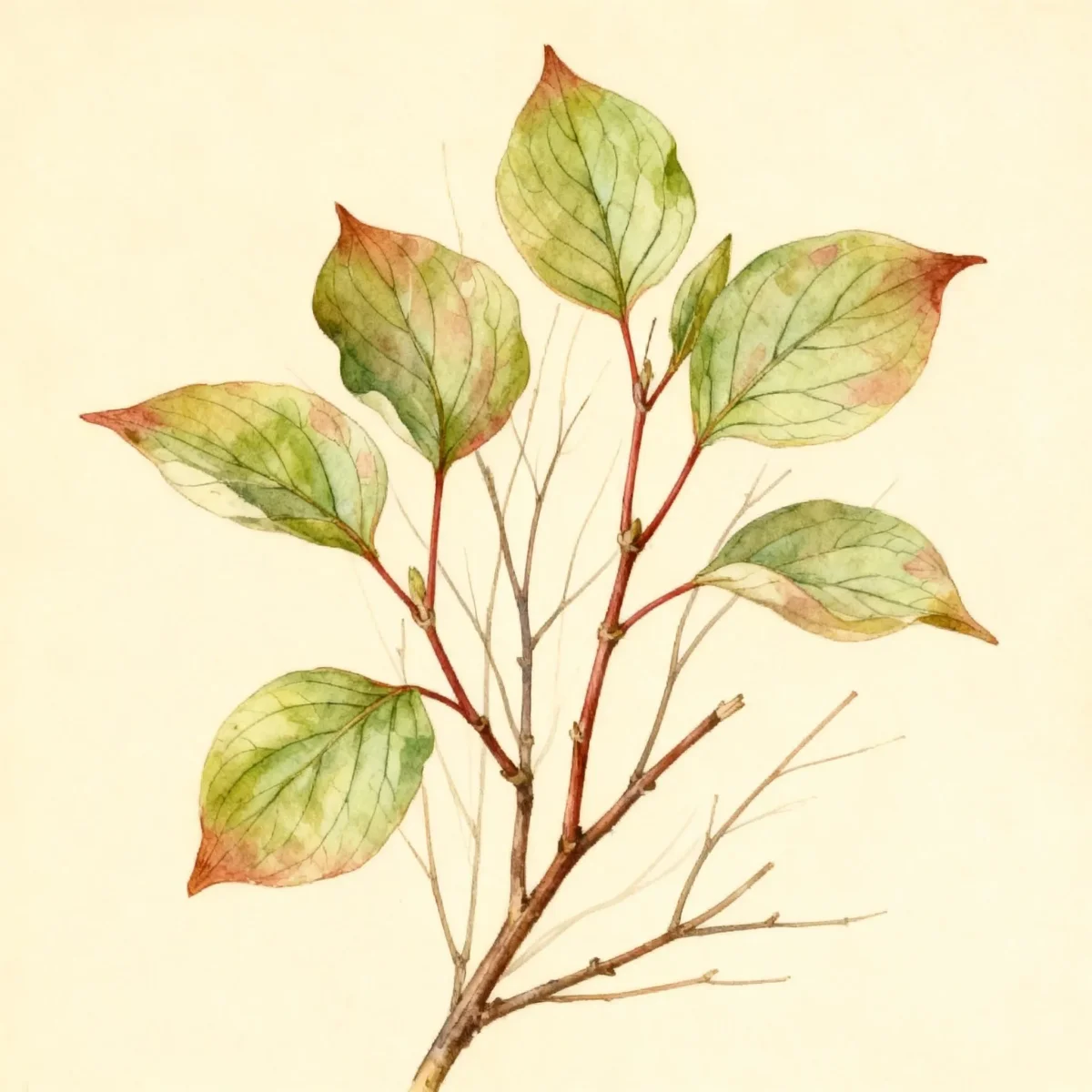
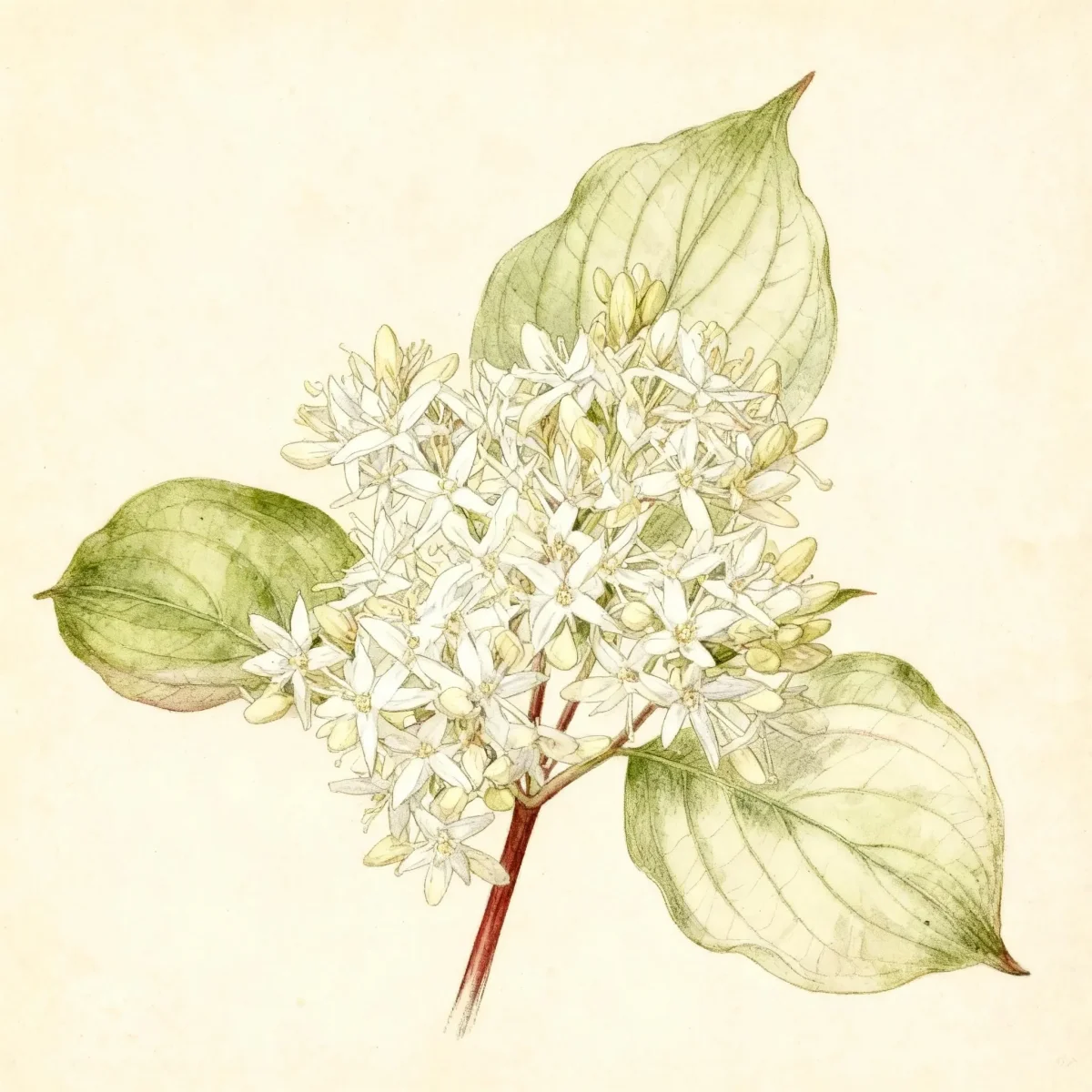
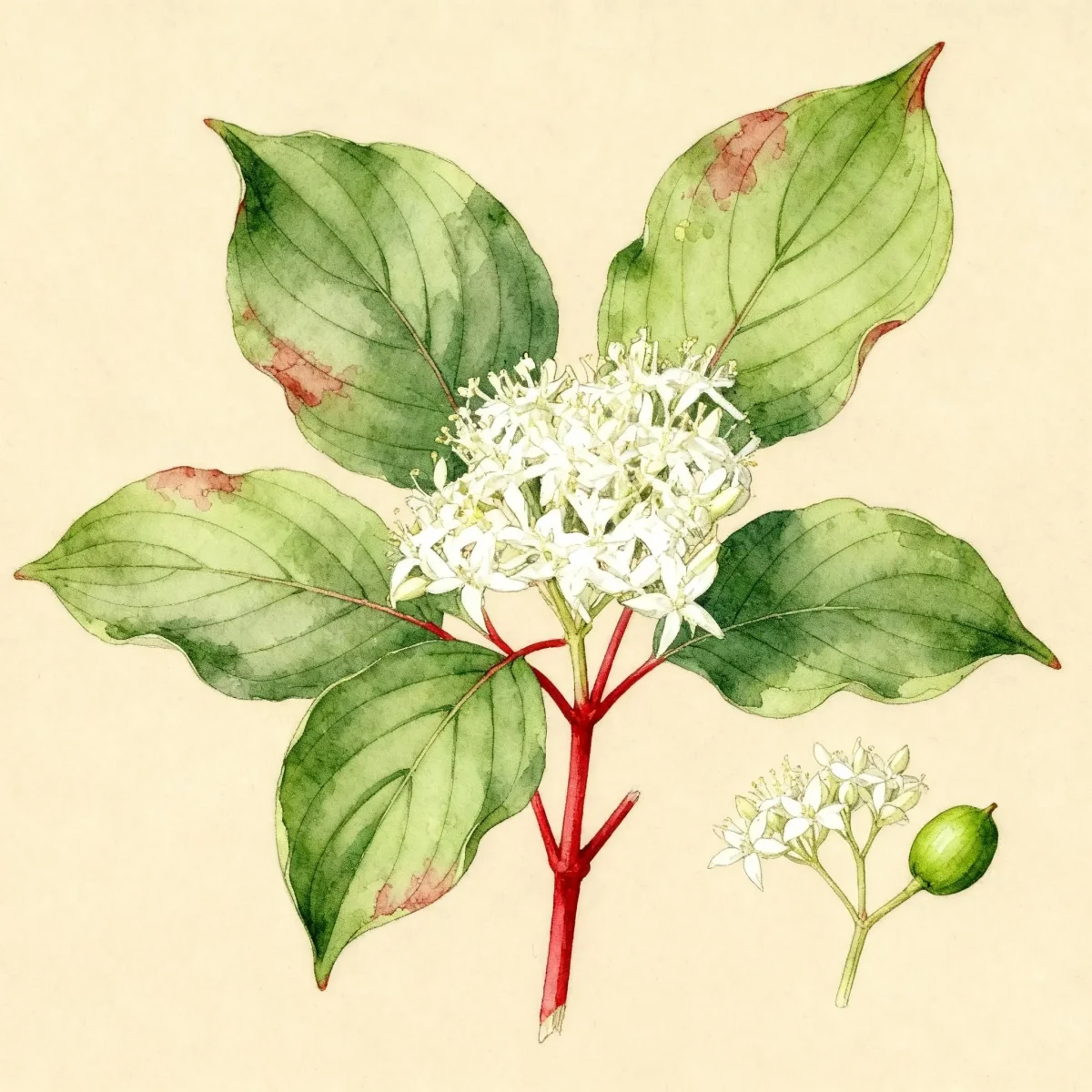
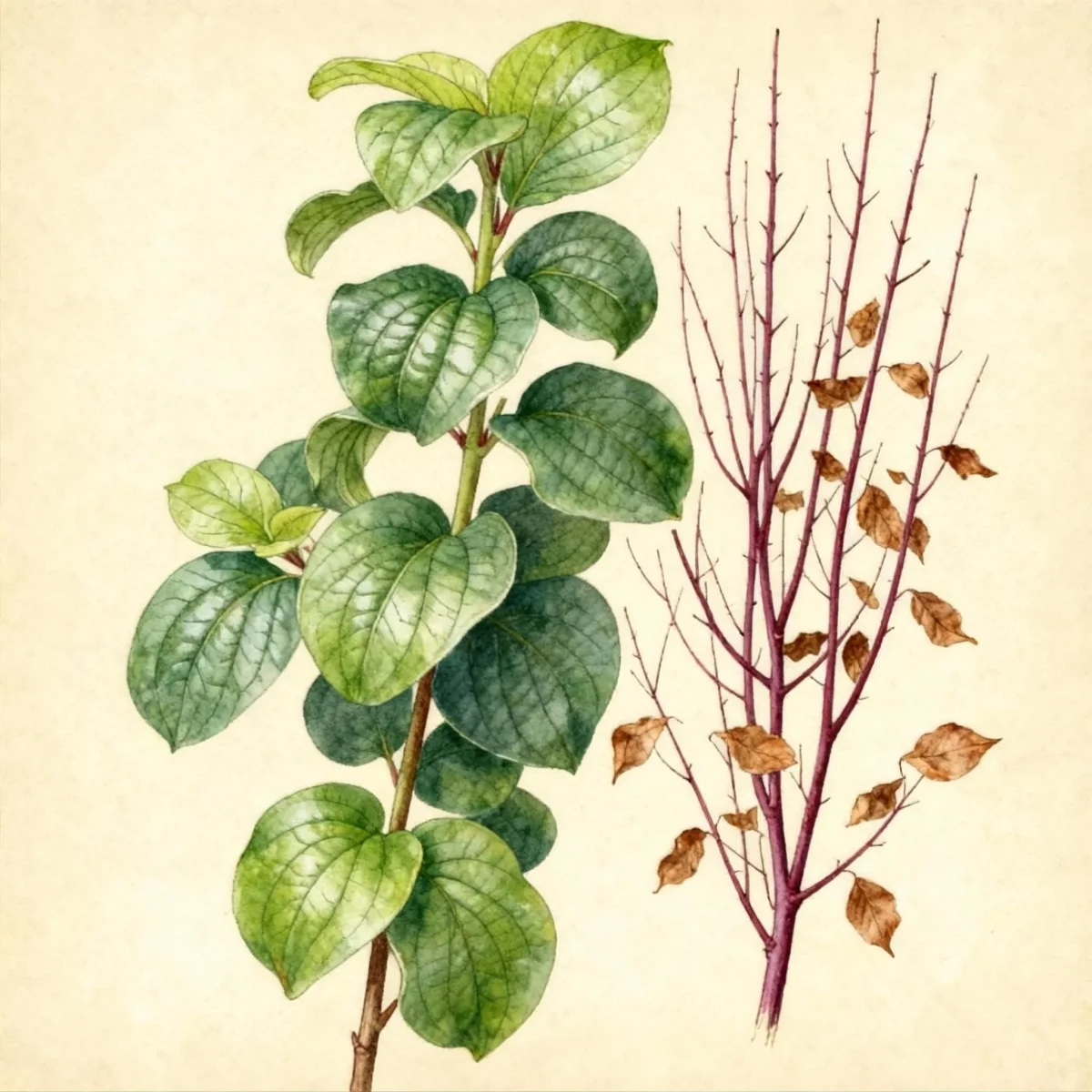
The Cornus sanguinea ‘Compressa’, commonly known as Bloodtwig dogwood, is a highly valued cultivar prized for its extremely narrow, columnar habit, making it ideal for restricted garden spaces. This specific selection develops tiny, thick, wrinkled, and glossy dark green leaves densely packed along vertical stems. While it produces infrequent white flowers, its main ornamental feature emerges after leaf drop.
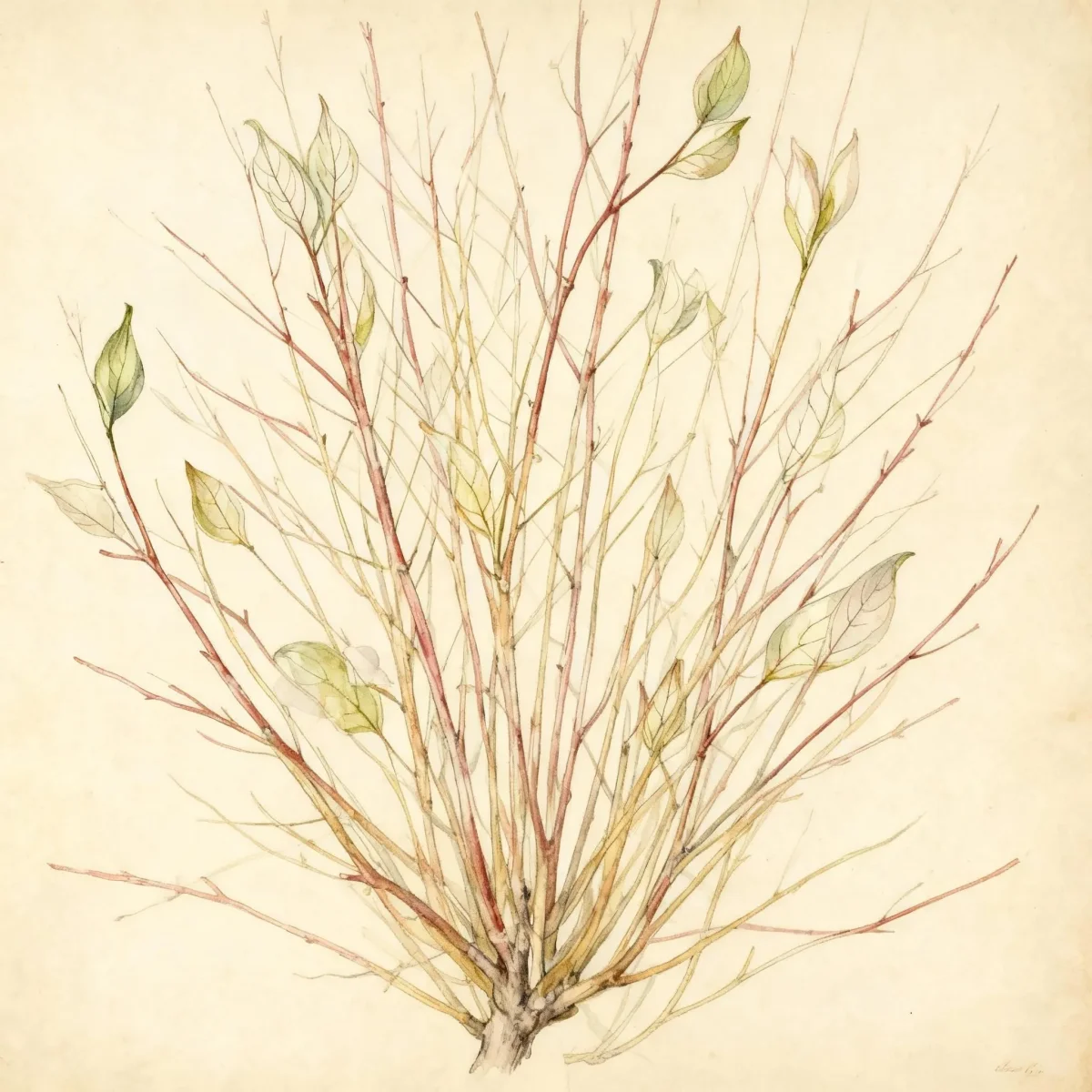
This cultivar offers significant all-season interest, transitioning to a respectable burgundy red in autumn before the leaves drop entirely. The resulting bare structure showcases the underlying bright red young stems, providing essential winter contrast. Gardeners appreciate the low maintenance level associated with Bloodtwig dogwood when grown in its preferred sunny locations.
As a compact variety of the parent species, Cornus sanguinea ‘Compressa’ maintains the robust nature of Bloodtwig dogwood while delivering a unique vertical accent suitable for formal hedges or specimen planting where space is at a premium.
Fast Facts
- Plant Family: Cornaceae
- Plant Type: Deciduous shrub
- Hardiness Zones: USDA Zones 4-7
- Size at Maturity:
- Height: 3-4 ft
- Spread: 0.75-1 ft
- Bloom Time: May to June
- Bloom Description: White
- Sun Exposure: Full sun to part shade
- Water Needs: Medium
- Maintenance Level: Low
How to Grow
Plant Cornus sanguinea ‘Compressa’ during the cooler seasons—fall or early spring—ensuring it receives full sun to partial shade exposure. This plant thrives best when established in organically rich, medium-moisture soils that are consistently well-drained. While tolerant of a wide soil range, consistent moisture without waterlogging is key to its health.
Maintenance for this Bloodtwig dogwood is generally low. Water regularly, especially during establishment, to maintain medium soil moisture levels. Fertilizing is rarely necessary if the soil is rich from the start. The most critical care practice relates to maximizing the stem color.
Pruning is optional but highly recommended for the best ornamental effect. To encourage vibrant red stems, which are prominent in winter, remove 20-25% of the oldest wood every early spring. Alternatively, for a drastic renewal, cut all stems close to the ground every two to three years in early spring. Be aware that heavy pruning may sacrifice any chance of minor spring flowers.
Landscape Uses
The strictly columnar form of Cornus sanguinea ‘Compressa’ makes it an exceptional choice for narrow borders, serving as strong vertical punctuation within low shrub groupings. Due to its minimal spread (only about 1 foot wide), it fits seamlessly into tight areas where wider shrubs would overwhelm the space, functioning perfectly as a living screen or formal hedge element.
Its unique visual appeal extends beyond its tight structure; it excels as an interesting specimen plant featuring rugged, rugose foliage during the growing season. When planning placements, consider its winter performance: plant it where the structure and red stems of the Bloodtwig dogwood stand out against evergreen backdrops or architectural elements. It also performs well in rain gardens where medium moisture needs can be met naturally.
Standout Features
Flower Qualities
- Showy
- Fragrant
Fruit Qualities
- Showy
Noteworthy Characteristics
The species, Cornus sanguinea, is a multi-stemmed shrub native to northern Europe and Asia, noted for its reddish young stems, giving rise to the common name Bloodtwig dogwood. The specialized cultivar ‘Compressa’ exhibits a tight, narrow columnar habit, seldom exceeding 4 feet tall with only a 1-foot spread. Its most celebrated trait is the dense covering of tiny, wrinkled, dark green leaves that yield to burgundy fall color, revealing brilliant red twigs perfect for winter garden interest.
Tolerances
- Deer
- Erosion
Potential Problems
This plant experiences no serious insect or disease problems under typical growing conditions. Good garden hygiene, such as ensuring excellent drainage, is generally sufficient for prevention. Avoid overly wet conditions, as this can lead to root issues rather than pest infestations.
Frequently Asked Questions
What hardiness zones is Bloodtwig dogwood suitable for?
This cultivar, Cornus sanguinea ‘Compressa’, is generally suitable for USDA Hardiness Zones 4 through 7, offering reliable winter toughness.
How large does Cornus sanguinea ‘Compressa’ grow?
It maintains a compact size, typically reaching heights between 3 to 4 feet tall, with a very narrow spread of only 0.75 to 1 foot wide.
What sun exposure does Cornus sanguinea ‘Compressa’ need?
This Bloodtwig dogwood performs best when positioned in full sun locations; however, it will also tolerate partial shade conditions.
When does Cornus sanguinea ‘Compressa’ bloom?
You can expect clusters of small white flowers to appear relatively sparingly between May and June.
Conclusion
The Cornus sanguinea ‘Compressa’ offers unparalleled vertical structure and vibrant winter stem color in a remarkably compact form, making it an indispensable plant for small or structured gardens. Utilizing this low-maintenance Bloodtwig dogwood ensures year-round visual appeal, especially when focused pruning encourages the best stem coloration. Always confirm your local USDA zone compatibility before planting this beautiful cultivar.
Companion Planting
When selecting neighbors for Cornus sanguinea ‘Compressa’, focus on plants that contrast in texture or mature height to amplify its unique twig structure. Consider pairing it with broadleaf evergreens, such as dwarf rhododendrons or boxwood, planted slightly behind it to provide a dark green, solid backdrop that makes the red winter stems pop. Plants that prefer medium moisture, like Astilbe or certain ferns, complement its cultural needs well, provided the ferns are placed where they receive adequate shade from the afternoon sun.
Design Ideas: Formal and Edging Uses
The truly columnar nature of this specific Bloodtwig dogwood clone lends itself naturally to formal design elements, surpassing the typical mounding habit of many dogwoods. Use several specimens spaced evenly to create a repeating vertical rhythm in a narrow shrub border or along a walkway where space constraints prohibit standard hedging materials. Because the spread of ‘Compressa’ is so restricted, it can also be used effectively as a unique, upright ‘dot’ planting in mixed perennial or grass beds, emerging above lower-growing foliage.