Rodgersia (Rodgersia pinnata 'Bronze Peacock')
Rodgersia pinnata 'Bronze Peacock' is a bold perennial prized for its dramatic, deep bronze foliage emerging in spring, thriving in moist gardens.
Scroll down to discover growing tips, care requirements, companion plants, and more
Complete Plant Information
Overview
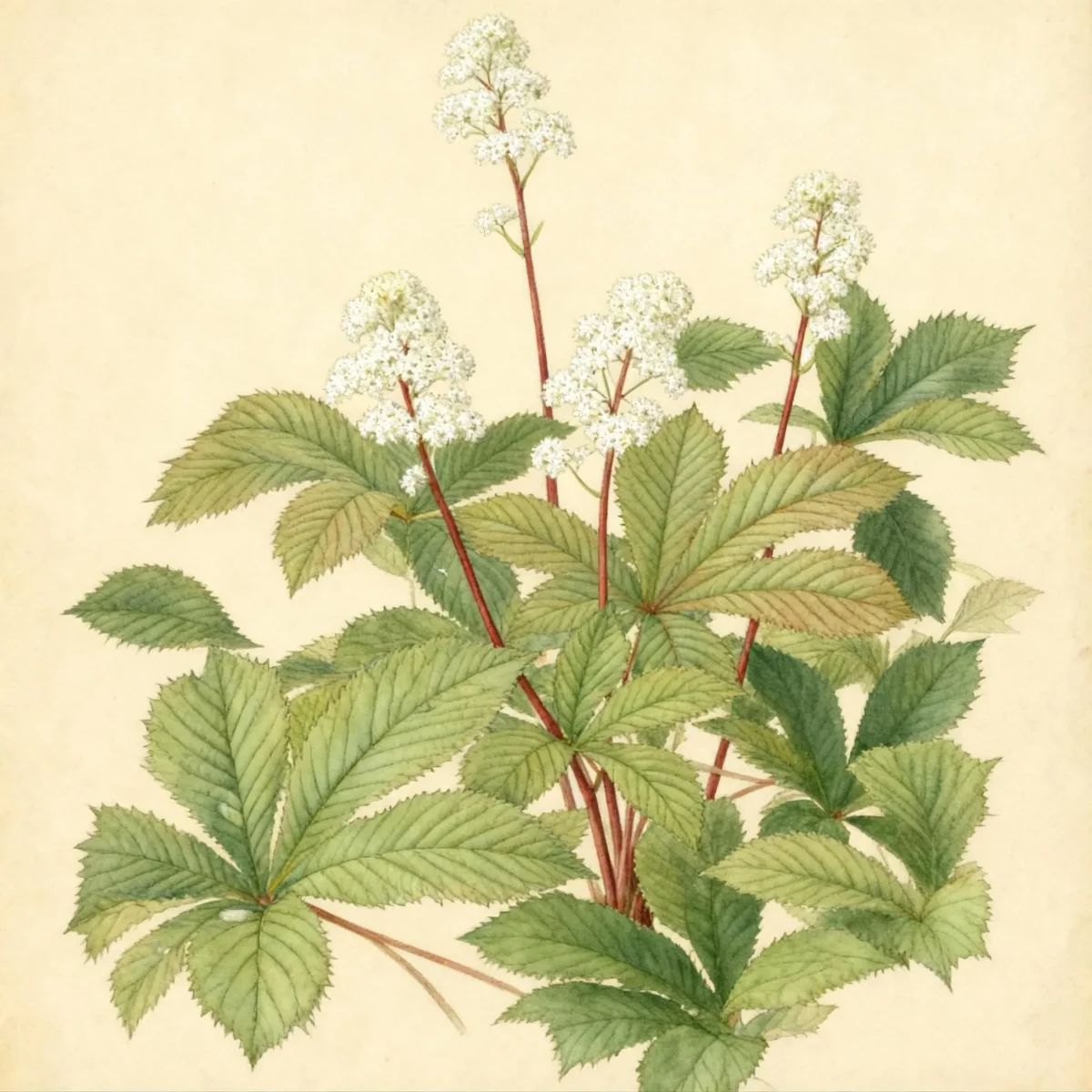
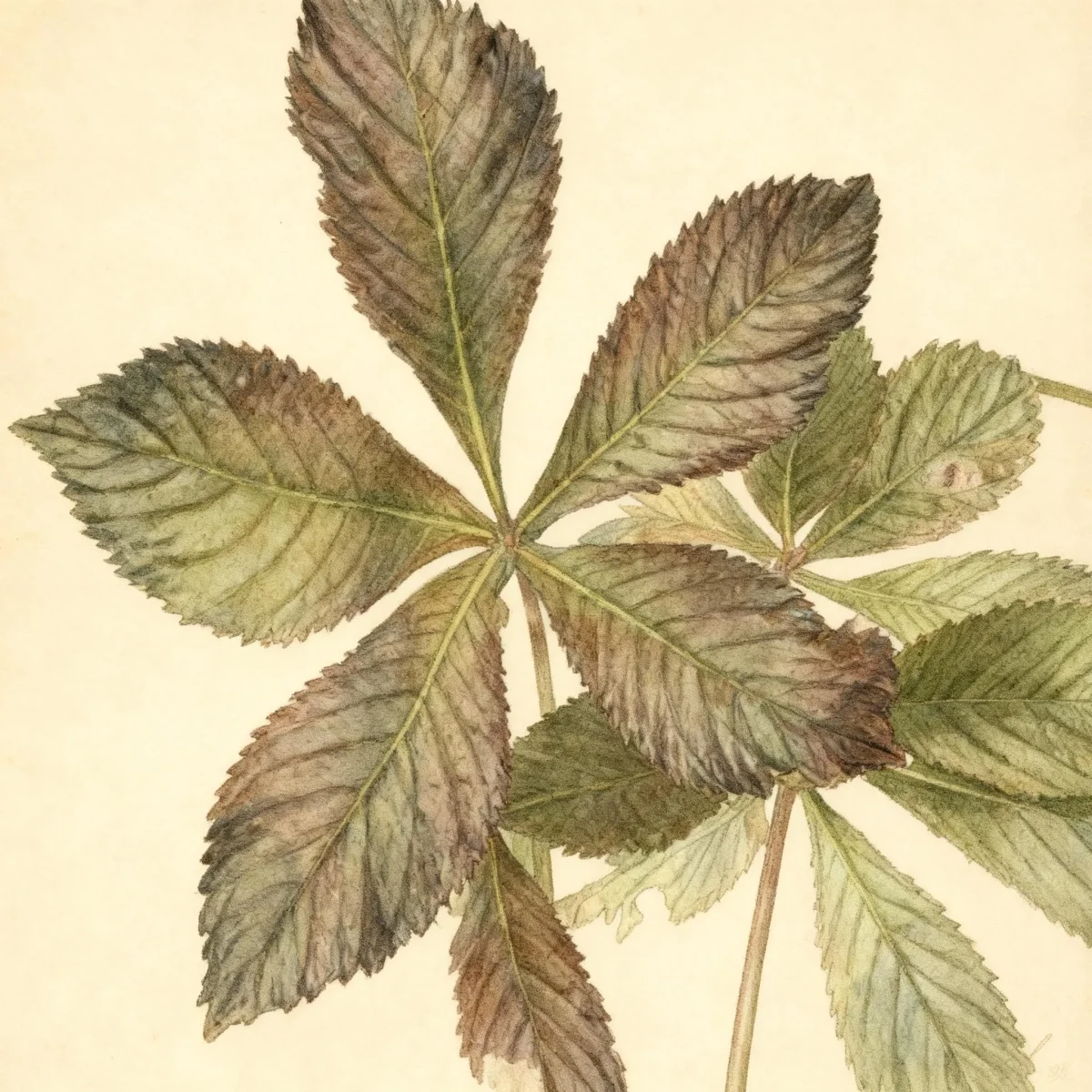
Rodgersia pinnata ‘Bronze Peacock’ is a strikingly handsome herbaceous perennial celebrated for its architectural foliage that often outshines its blooms, making it a cornerstone for moisture-retentive garden areas. This specific cultivar emerges with thick, shiny basal leaves that display a rich dark bronze hue in spring, gradually maturing to green with deep edges as the season progresses. The visual impact of Rodgersia pinnata ‘Bronze Peacock’ is substantial, providing bold texture that contrasts beautifully with finer-leaved woodland plants.
As a member of the Rodgersia genus, this plant demands consistent moisture, thriving where light shade keeps the soil consistently damp, though it can tolerate more sun if water supply is ample. Originating as a mutation of Rodgersia pinnata ‘Ideal’, ‘Bronze Peacock’ offers a more desirable, compact habit while retaining the striking bronze color that justifies its name. Gardeners seeking strong vertical interest and deep, rich color throughout the growing season will find Rodgersia invaluable.
Clusters of delicate, creamy pink flowers appear atop sturdy stems from June through August, adding a subtle late-season show, though it is primarily grown for its foliage structure. Successfully integrating Rodgersia pinnata ‘Bronze Peacock’ ensures year-round interest in shaded borders or along water features where few other perennials command such presence.
Fast Facts
- Plant Family: Saxifragaceae
- Plant Type: Herbaceous perennial
- Hardiness Zones: USDA Zones 5-8
- Size at Maturity:
- Height: 1-2 ft
- Spread: 2-3 ft
- Bloom Time: June to August
- Bloom Description: Pink
- Sun Exposure: Full sun to part shade
- Water Needs: Medium to wet
- Maintenance Level: Medium
How to Grow
The ideal time to establish Rodgersia is during spring or fall, ensuring plants are settled before extreme summer heat or winter freezes. Success hinges on location: grow Rodgersia pinnata ‘Bronze Peacock’ in average, medium to wet, well-drained soil, though it strongly prefers organically rich, moist conditions. Full sun is acceptable provided moisture is abundant; otherwise, light shade is preferred to prevent scorching and excessive wilting.
Routine care revolves around maintaining high soil moisture throughout the summer months. While they require consistent water, ensure the planting site does not become boggy or waterlogged for extended periods, as excellent drainage is still necessary to prevent root issues. Fertilizing is rarely required if the soil is amended richly with compost annually, helping to maintain that dark bronze foliage color during the growing season.
Pruning is minimal for Rodgersia. Perform a simple cleanup in early spring, cutting back any dead or damaged foliage left over from winter protection. The spent flower stalks typically fade attractively and can be left until the tidy-up, or deadheaded immediately after blooming if a cleaner look is desired.
Landscape Uses
The robust structure and bold leaf texture of Rodgersia pinnata ‘Bronze Peacock’ make it an exceptional specimen plant in mixed borders where moisture levels can remain high. Group plantings create a dramatic, lush groundcover effect, perfect for filling spaces near streams, ponds, or rain gardens where its need for wet soil is easily met. It functions excellently as an accent plant, drawing the eye with its unique bronze coloration that stands apart from typical green shade foliage.
Due to its cultural requirements, consider pairing Rodgersia with other moisture-loving perennials such as large hostas, ferns, Astilbe, or Ligularia. These companions share similar needs for rich soil and constant dampness, allowing you to create a cohesive, lush woodland aesthetic. Use this plant strategically in borders where it can anchor a planting scheme, compensating for its slower spring emergence with its powerful summer presence.
Standout Features
Flower Qualities
- Showy
Noteworthy Characteristics
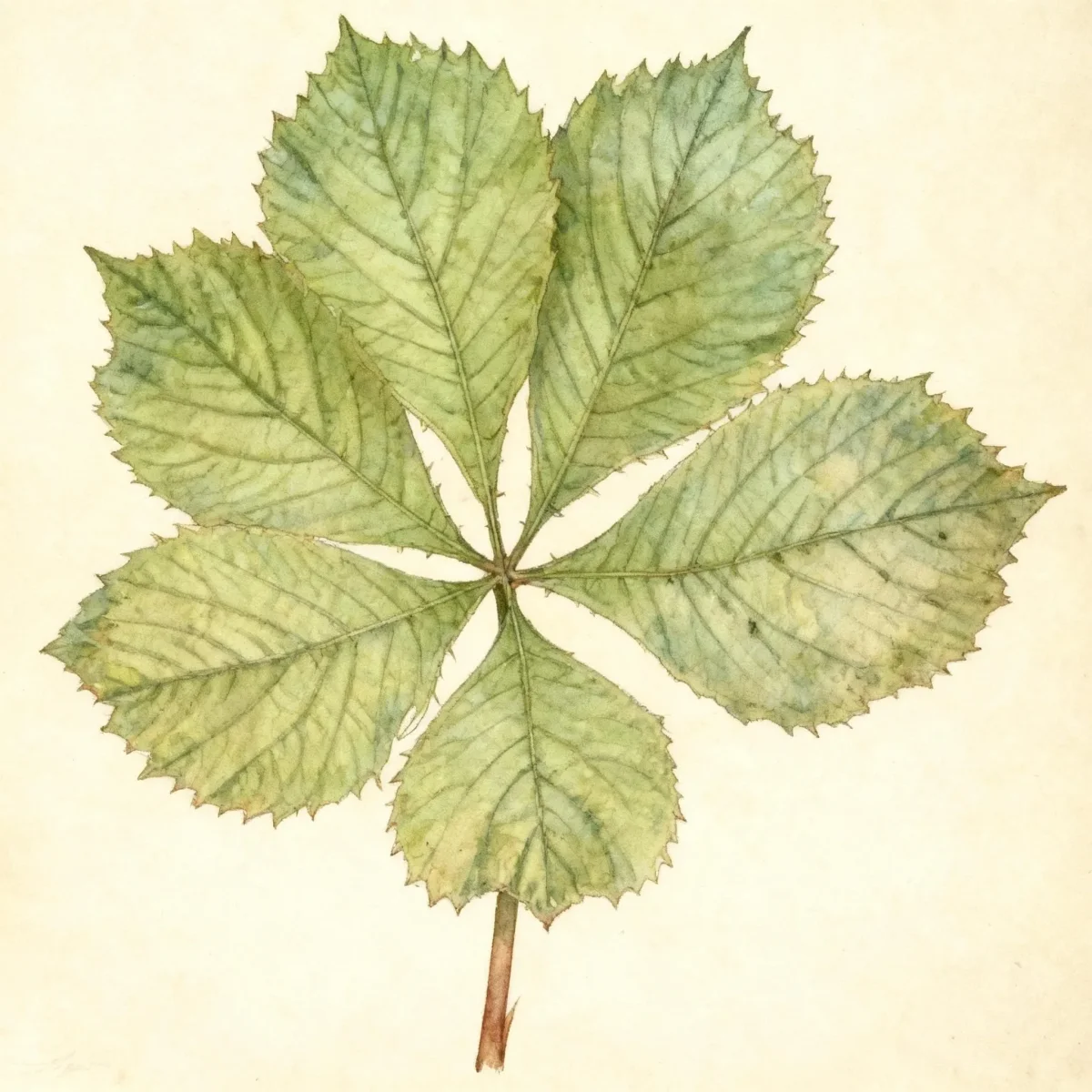
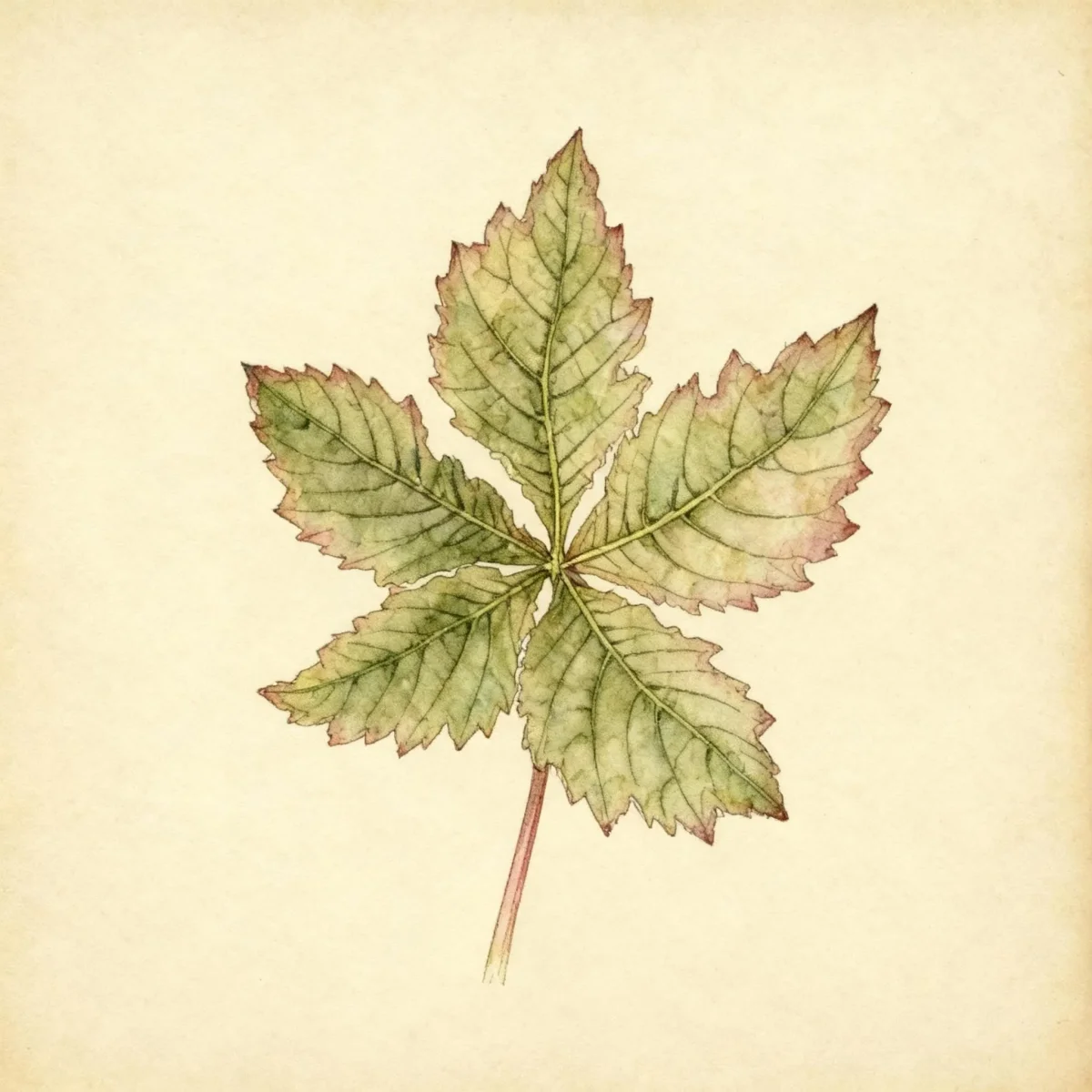
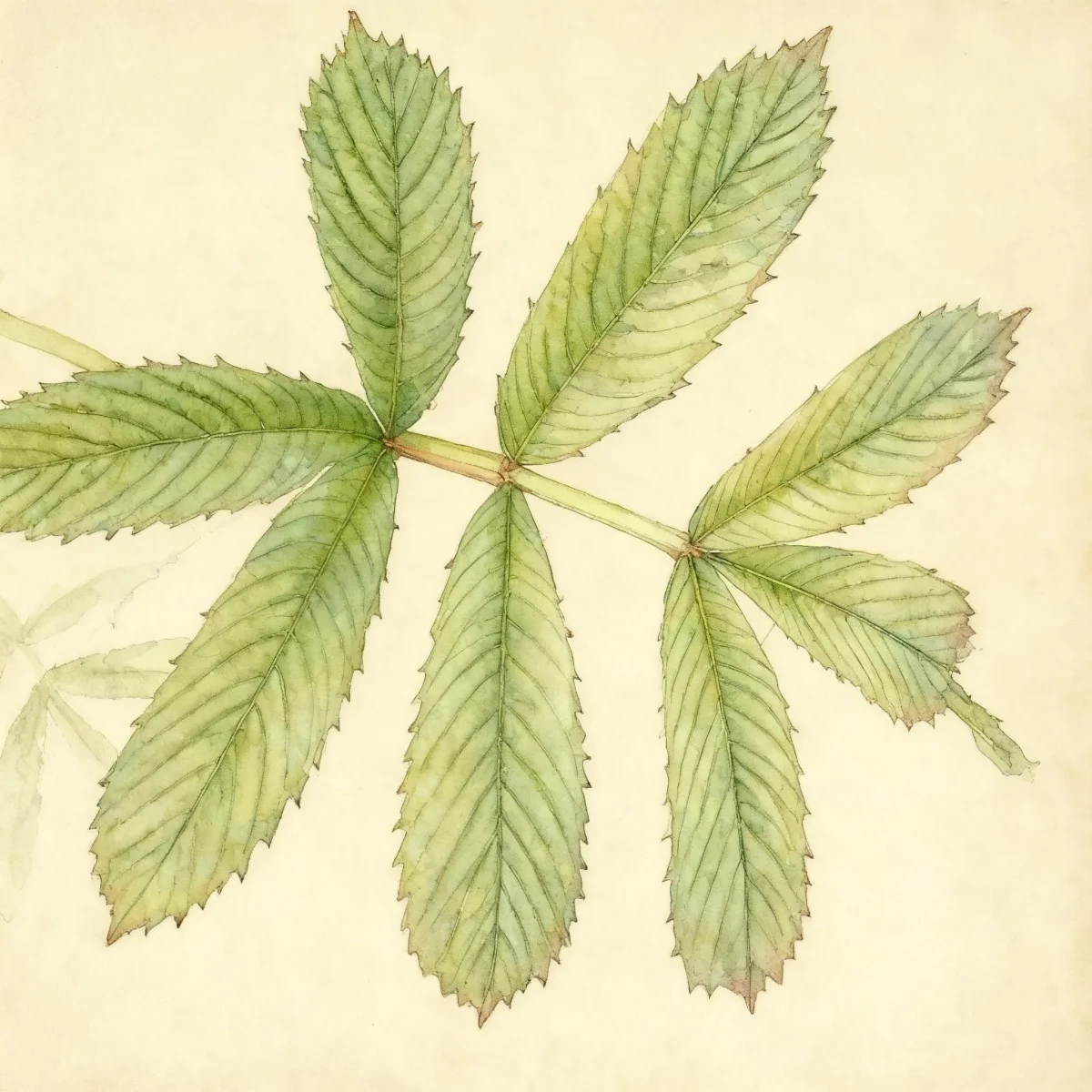
Rodgersia pinnata is a bold, rhizomatous perennial with pinnately compound, basal leaves which appear palmate. Each leaf has 6-9 leaflets (6-8” long). Clusters of apetalous, creamy pink to red flowers appear in late spring to early summer in branched, astilbe-like panicles rising above the foliage mound to 3-4’ tall. Foliage turns reddish-bronze in late summer. ‘Bronze Peacock’ was developed by Harini Korlipara of Terra Nova Nurseries in Canby, Oregon, and is valued for its thick, shiny basal leaves that emerge dark bronze in spring, maturing to green with dark edges. This cultivar has a more compact habit than other rodgersias, growing 1 to 2 ft. Tall and 2 to 3 ft. Wide.
Tolerances
Potential Problems
This cultivar exhibits generally low pest and disease pressure, meaning gardeners often encounter no serious insect or disease problems. Keeping soil consistently moist, as required by Rodgersia, is the best preventative measure against stress that might invite pests. Avoid overly compacted or poorly drained heavy clay soils, which can lead to crown or root rot, particularly during winter dormancy. Vigilance against slug and snail damage is wise, especially when new bronze foliage first emerges in the spring.
Frequently Asked Questions
What hardiness zones is Rodgersia suitable for?
The robust Rodgersia pinnata ‘Bronze Peacock’ is reliably hardy in USDA Zones 5 through 8.
How large does Rodgersia pinnata ‘Bronze Peacock’ grow?
This variety maintains a relatively compact stature, reaching mature heights between 1 and 2 feet tall, spreading out to 2 to 3 feet wide.
What sun exposure does Rodgersia need?
It performs best in conditions ranging from full sun to light part shade, though gardeners must ensure soil moisture remains medium to wet if planting in sunnier spots.
When does Rodgersia bloom?
You can expect clusters of pink flowers on this perennial throughout the summer months, specifically from June into August.
Conclusion
Rodgersia pinnata ‘Bronze Peacock’ offers unparalleled bold texture and dramatic bronze foliage perfect for enhancing wet or partially shaded areas of the garden. The combination of easy maintenance and distinctive coloring cements its value as a premier shade perennial. Before planting, confirm your site offers the required consistent moisture, ensuring this spectacular Rodgersia variety will thrive for years to come.
Companion Planting
When designing a water-wise shade garden, select plants that share the cultural needs of Rodgersia pinnata ‘Bronze Peacock’. Ferns, especially large, textural varieties like Japanese Painted Fern (Athyrium niponicum) or Hardy Holly Fern (Polystichum lonchitis), offer fine contrast to the broad leaves. Consider using Trollius (Globeflower) nearby; its bright yellow blooms and preference for wet feet complement the bronze tones perfectly when they bloom earlier in the season.
Using moisture-loving groundcovers beneath and around the Rodgersia clump can help keep the root zone cool and reduce surface evaporation. Hellebores (Helleborus) are excellent early bloomers that provide steady ground presence, and their shade tolerance aligns well with the cultural needs of this impressive plant.
Seasonal Care Calendar
Early Spring (March-April): Rake away any mulch or winter debris. Wait for new bronze shoots of the Rodgersia to emerge before cutting back any persistent brown winter foliage. Incorporate a generous layer of well-aged compost around the clump base.
Late Spring/Summer (May-August): This is the critical watering period. Monitor soil moisture daily during dry spells; the soil should feel consistently damp, resembling a well-wrung sponge. Deadhead spent flower stalks promptly if they begin to look ragged, focusing energy back into leaf production.
Fall (September-October): As temperatures cool, watering needs decrease slightly but should remain steady until the plant goes dormant. Avoid heavy pruning; allow the foliage to yellow naturally before cutting back stems in late fall or early spring. Protection is generally not required in Zones 5-8 beyond the natural leaf die-back.