Ninebark (Physocarpus opulifolius 'Donna May')
Physocarpus opulifolius 'Donna May' is a compact Ninebark shrub prized for exfoliating bark, dark maroon-purple foliage, and spring blooms.
Scroll down to discover growing tips, care requirements, companion plants, and more
Complete Plant Information
Overview
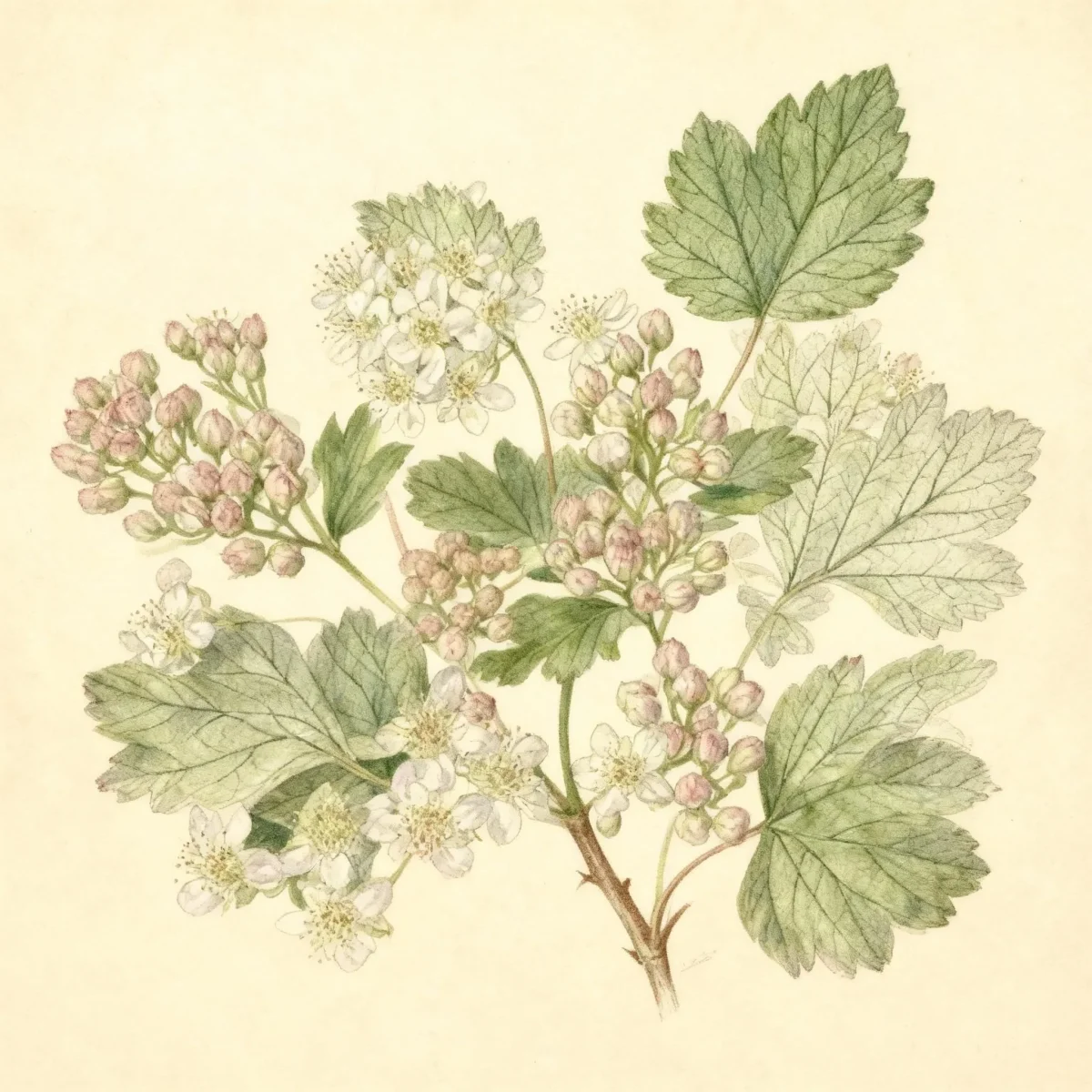
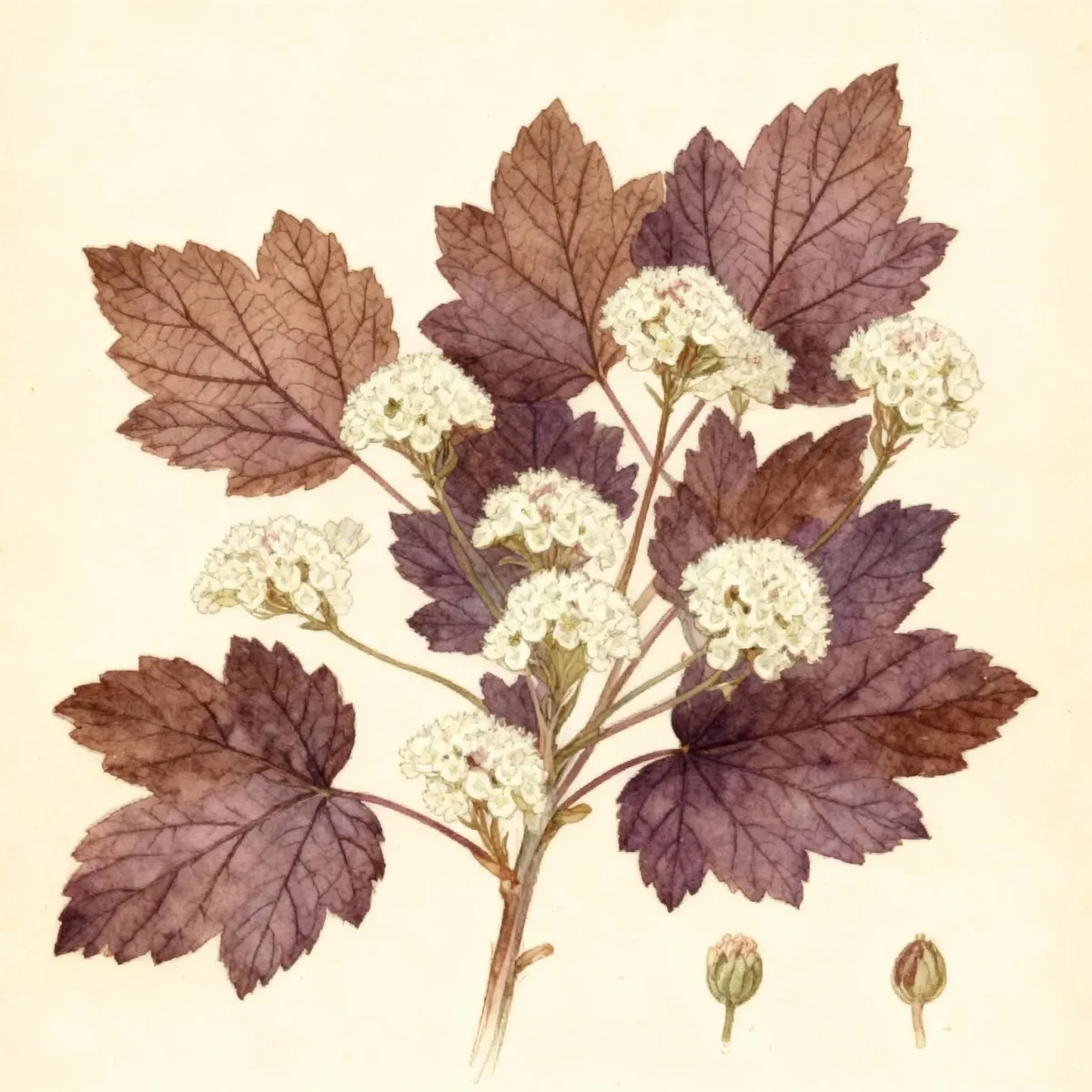
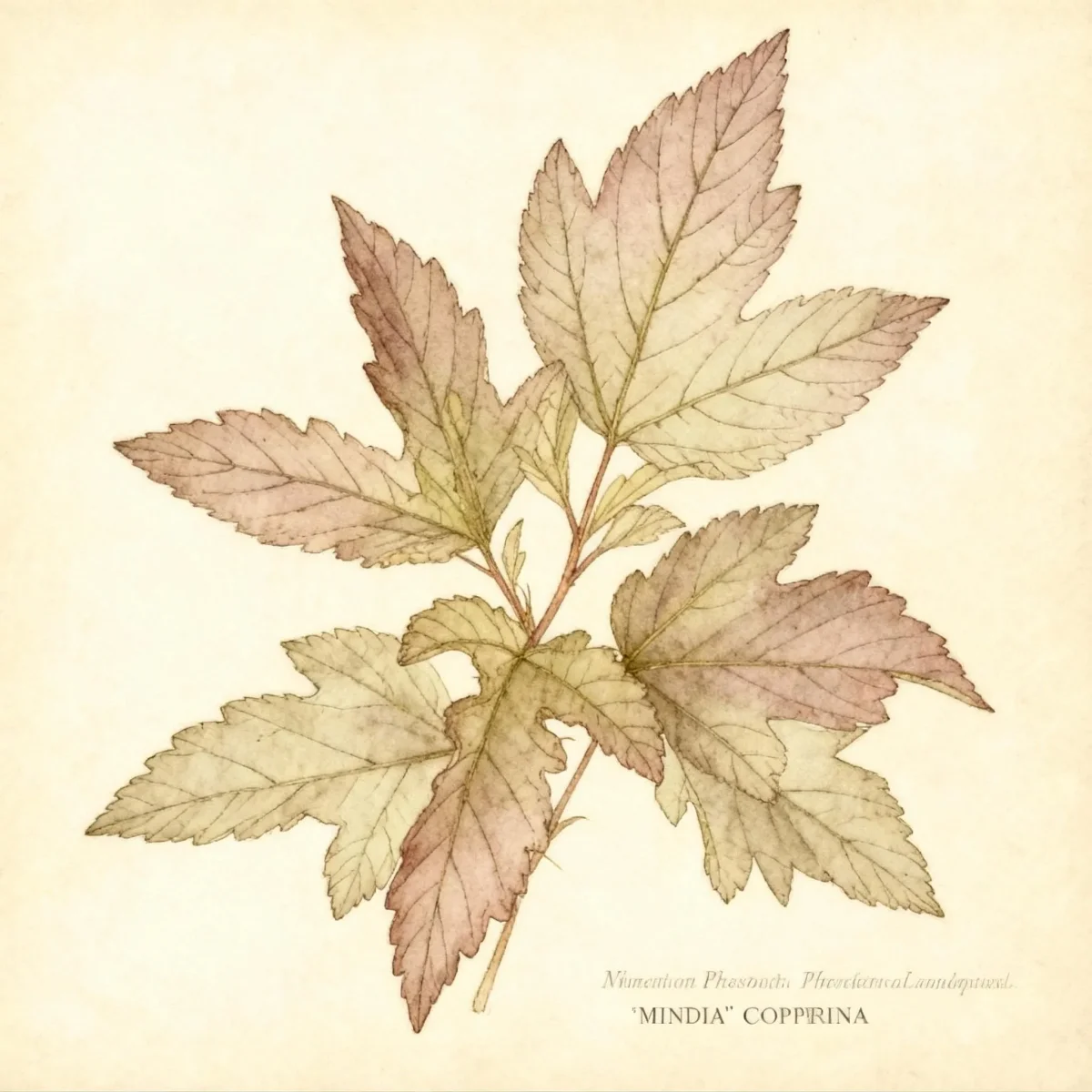
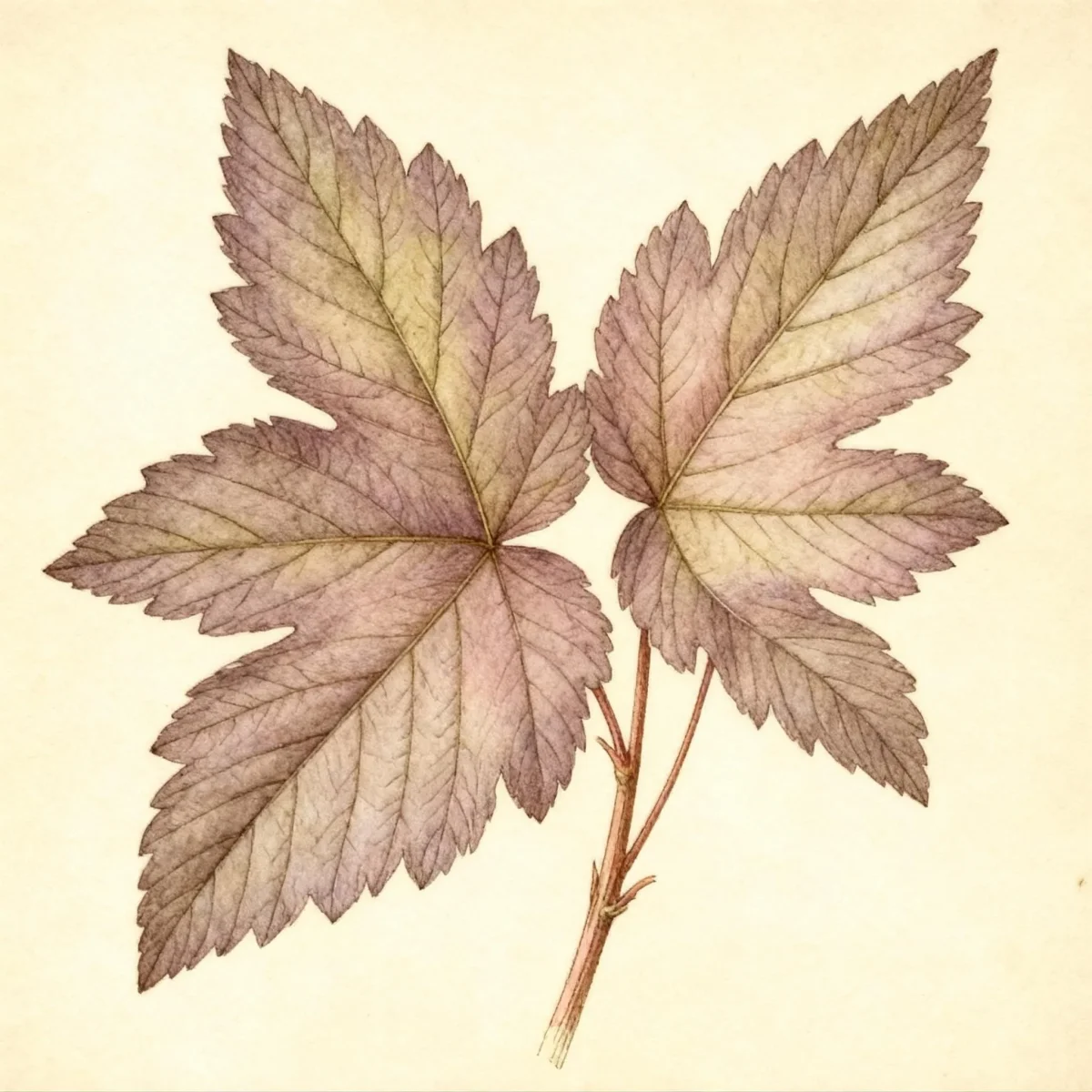
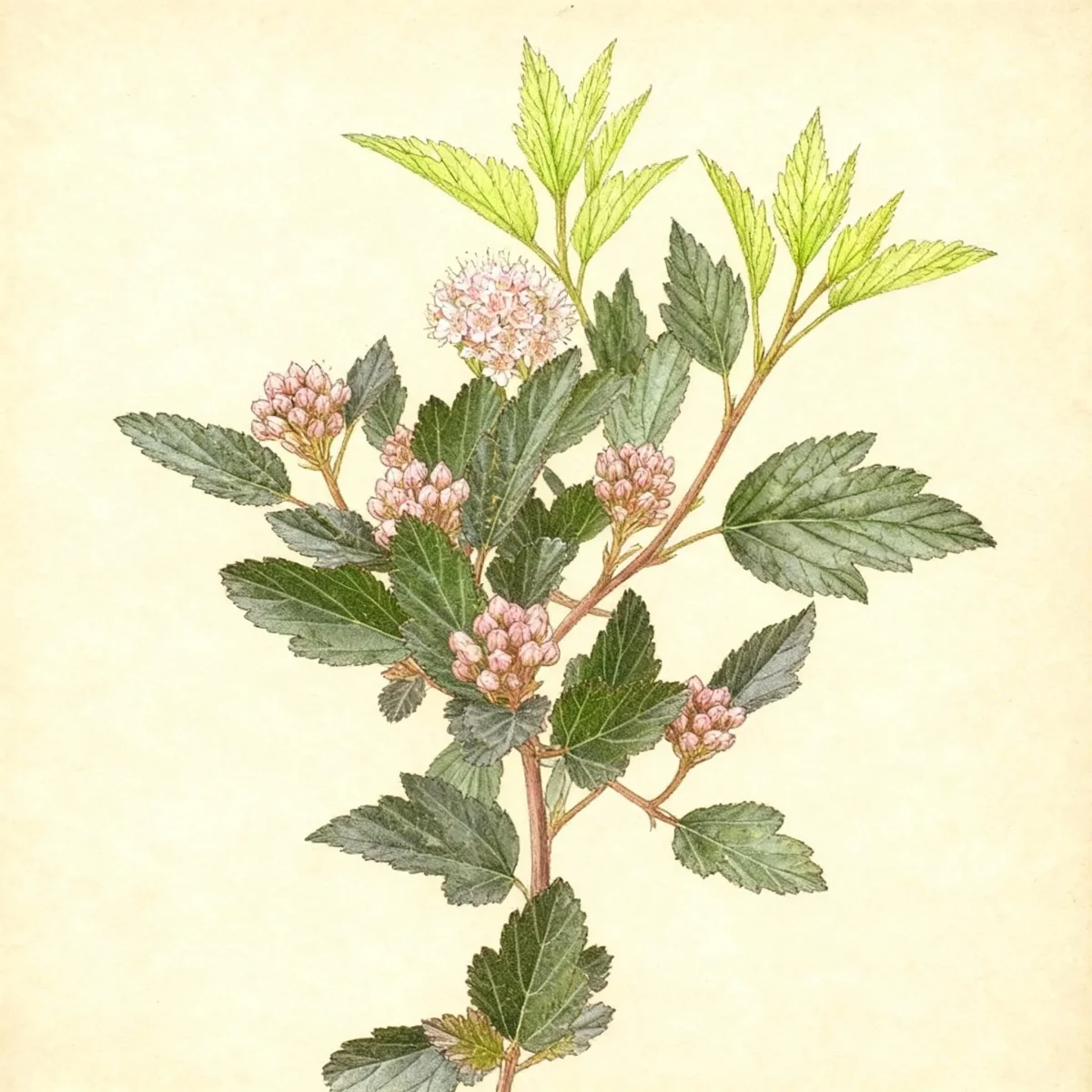
Physocarpus opulifolius ‘Donna May’, a selection of the dependable Ninebark, offers gardeners significant year-round texture and compact structure. This deciduous shrub is valued for its dense, rounded habit, making it an excellent choice where space is limited but visual impact is required. It features foliage that holds a distinct dark maroon-purple tinge throughout the growing season.
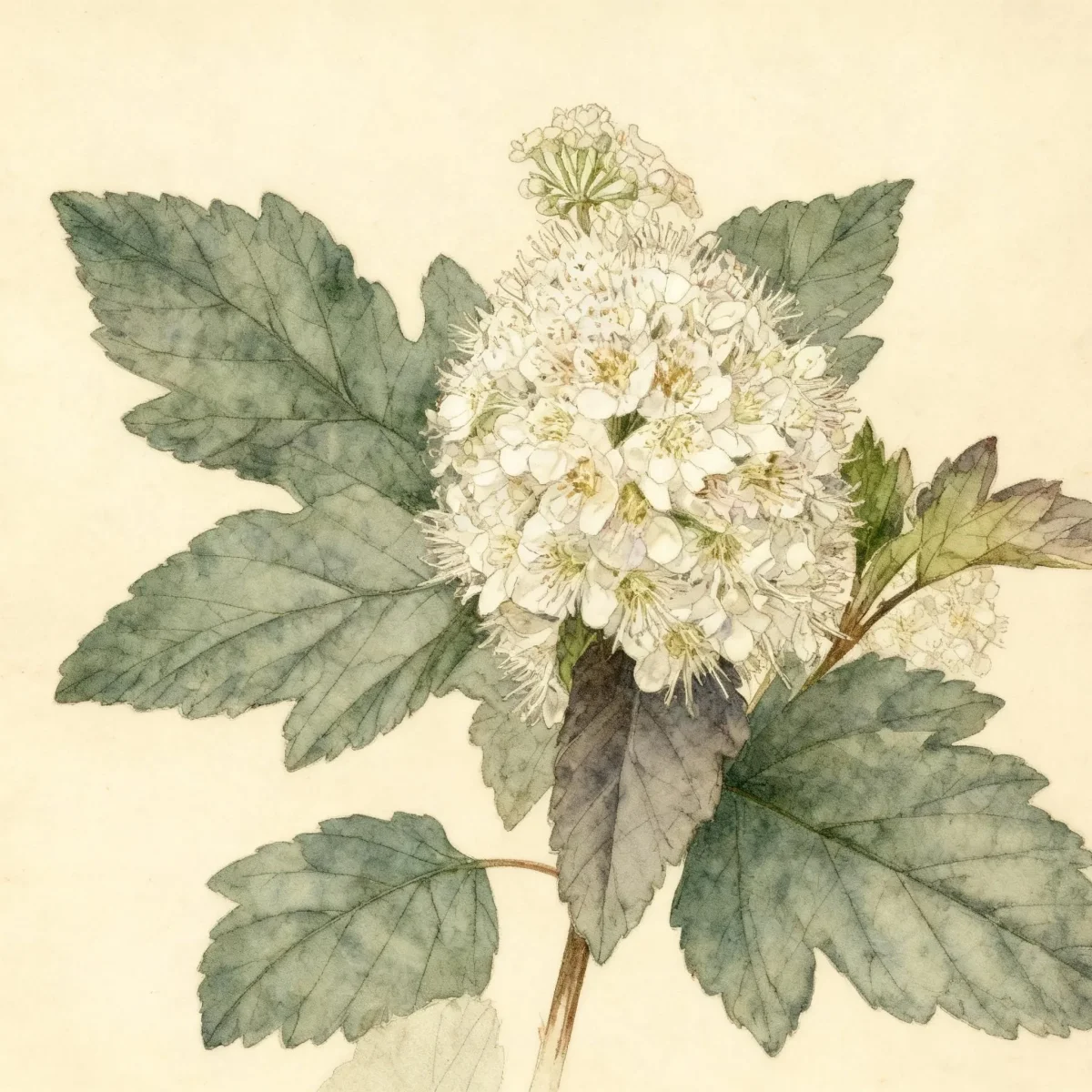
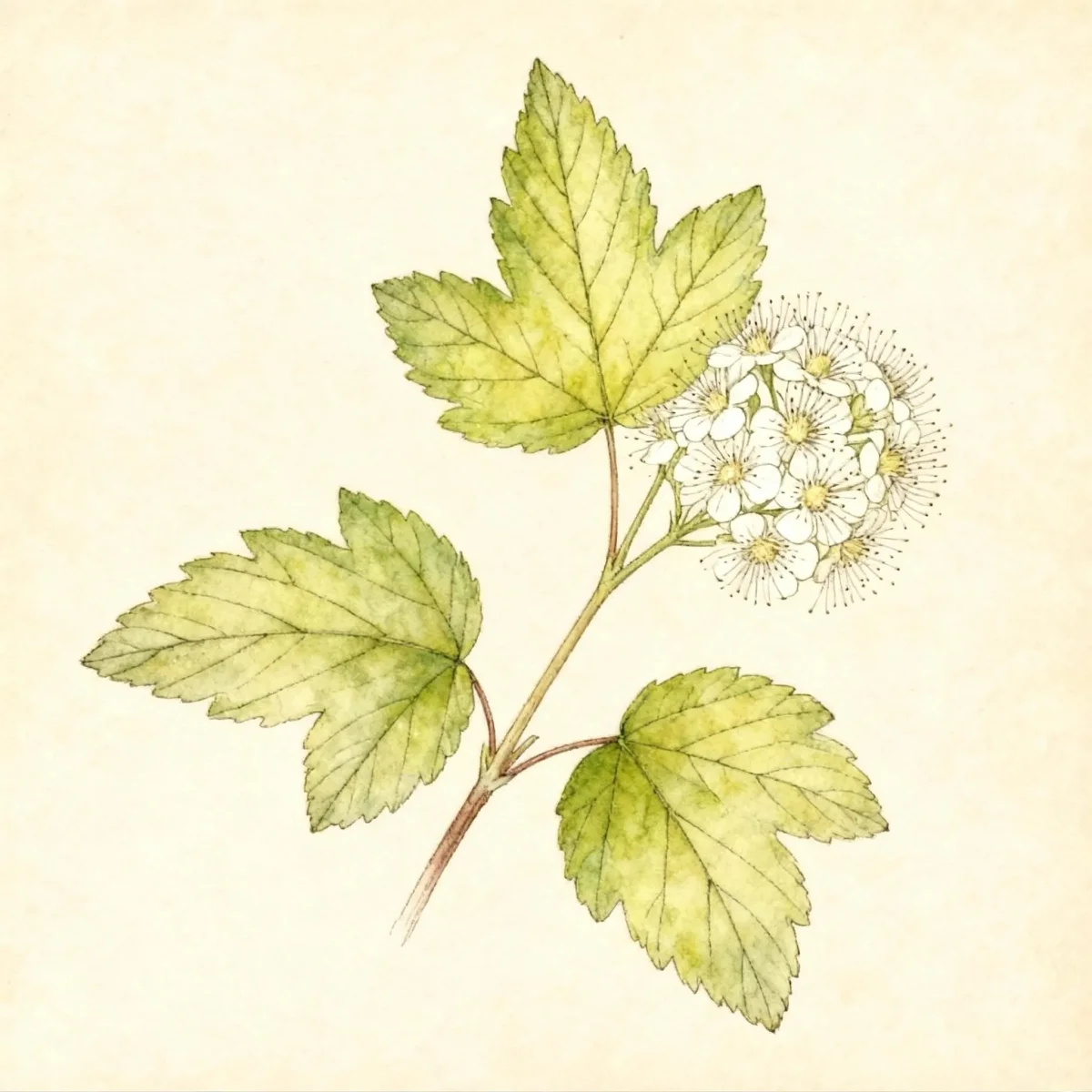
Native Ninebark species are known for their attractive, shaggy, exfoliating bark, a trait wonderfully retained in the Physocarpus opulifolius ‘Donna May’ cultivar. This bark adds valuable interest during the dormant winter months. In late spring, it puts on a show with delicate clusters of pale pink flowers which are highly admired.
As a robust and adaptable plant, Physocarpus opulifolius ‘Donna May’ brings functionality alongside its beauty. It serves reliably as a low hedge, screen, or as an erosion controller on challenging slopes. Its ability to thrive across a wide range of conditions cements its status as a gardener favorite.
Fast Facts
- Plant Family: Rosaceae
- Plant Type: Deciduous shrub
- Hardiness Zones: USDA Zones 3-7
- Size at Maturity:
- Height: 3-4 ft
- Spread: 3-4 ft
- Bloom Time: May to June
- Bloom Description: Pale pink
- Sun Exposure: Full sun to part shade
- Water Needs: Dry to medium
- Maintenance Level: Medium
How to Grow
Plant Physocarpus opulifolius ‘Donna May’ during the cooler seasons—spring or fall—to allow it time to establish before summer heat. Ideal siting requires full sun, especially in northern areas, but southern gardeners should provide afternoon shade to prevent stress during hot, humid summers. The Ninebark is incredibly adaptable, flourishing in average, slightly acidic, well-drained soils, though it tolerates a wide spectrum of soil conditions, including challenging clay.
Water consistently until the plant is well-established over the first year. Afterward, this Ninebark is drought-tolerant, requiring only dry to medium moisture levels. Fertilization is rarely necessary when planted in suitable soil. Pruning is best performed immediately after the bloom period concludes, ensuring no later than mid-August, to maintain shape and encourage next year’s flowering.
For significant renovation or rejuvenation of older canes, mature plants can be cut close to the ground during early spring dormancy. This aggressive cutback stimulates vigorous new growth, though it will sacrifice flowers for that season. Managing size through judicious pruning after flowering keeps the compact form of ‘Donna May’ intact.
Landscape Uses
Physocarpus opulifolius ‘Donna May’ excels when utilized in structured landscape applications where its consistent color and neat habit are beneficial. It functions perfectly as a front-of-border planting, providing dense, low formality where taller shrubs might overwhelm the view. Its compact nature makes it an ideal candidate for use as a low, neat hedge or screen, separating garden areas without excessive height.
Furthermore, given its tolerance for harsh conditions and ability to control soil movement, consider planting these Ninebarks along banks or in areas prone to erosion. They hold soil better than many ornamental perennials. They integrate well into native plant gardens, supporting local ecology while offering high ornamental value across three seasons.
For a striking contrast, pair the dark foliage of Physocarpus opulifolius ‘Donna May’ with plants featuring bright chartreuse or silver foliage nearby. This contrast highlights the deep maroon tones of the Ninebark throughout the summer, creating dynamic visual interest even when flowers are absent.
Standout Features
Flower Qualities
- Showy
Noteworthy Characteristics
Physocarpus opulifolius, commonly called ninebark, is an upright, spreading, somewhat coarse, deciduous, Missouri-native shrub which is closely related to the genus Spiraea. Noted for its exfoliating bark (on mature branches) which peels in strips to reveal several layers of reddish to light brown inner bark (hence the common name of ninebark). ‘Donna May’ is a compact selection of ninebark that features colorful foliage, exfoliating bark, and a rounded, dense, well-branched growth habit. Mature plants will reach up to 4’ tall with a similar spread, presenting rounded corymbs of small, pale pink flowers from late spring into early summer.
Tolerances
- Drought
- Erosion
- Clay Soil
- Dry Soil
- Shallow-Rocky Soil
Potential Problems
Potential issues for Ninebark varieties generally include fireblight, powdery mildew, and various leaf spots. Fireblight requires scouting and removing infected twigs immediately upon detection during the growing season. Powdery mildew often signals cultural stress or poor air circulation; ensuring proper spacing is key to prevention.
Regular maintenance, including pruning based on the correct schedule, helps mitigate disease. Avoid high nitrogen fertilizers, which can encourage overly succulent, susceptible new growth. If leaf spots persist, ensure the plant receives adequate, but not excessive, moisture to prevent fungal proliferation.
Frequently Asked Questions
What hardiness zones is Ninebark suitable for?
The compact Physocarpus opulifolius ‘Donna May’ is reliably hardy across USDA Zones 3 through 7.
How large does Physocarpus opulifolius ‘Donna May’ grow?
This cultivated variety is valued for remaining compact, typically reaching heights between 3 to 4 feet with a comparable spread of 3 to 4 feet at maturity.
What sun exposure does Ninebark need?
For the best foliage color and bloom performance, Physocarpus opulifolius ‘Donna May’ thrives best in full sun, though it will tolerate light afternoon shade, especially in the warmest zones.
When does Physocarpus opulifolius ‘Donna May’ bloom?
This cultivar produces its characteristic bloom display of small, pale pink flowers during the season spanning from late May into June.
Conclusion
The Physocarpus opulifolius ‘Donna May’ is an exceptionally dependable and attractive compact shrub, celebrated for its colorful foliage and unique exfoliating bark texture. As a highly adaptable Ninebark, it performs reliably across diverse soil types and tolerates dry conditions once established. Before planting, confirm that USDA Zones 3-7 cover your region and plan your pruning timetable accordingly to enjoy this compact beauty year after year.
Companion Planting
Selecting appropriate companions enhances the visual drama of Physocarpus opulifolius ‘Donna May’. Because this Ninebark thrives in full sun and tolerates dry conditions, pair it with other drought-tolerant shrubs or perennials that share similar cultural needs. Consider pairing the dark maroon foliage of ‘Donna May’ with silver-leaved plants such as Artemisia or Nepeta (Catmint) to create sharp textural and color contrast.
For seasonal interest, incorporate spring-blooming bulbs beneath the shrub where the soil remains slightly cooler before the dense summer canopy develops. Once the bloom season ends for the Ninebark, perennials with strong vertical elements, like ornamental grasses or Russian Sage (Perovskia atriplicifolia), will complement its mounding habit beautifully, maintaining structure until winter.
Design Ideas
The defined, compact mounding habit of Physocarpus opulifolius ‘Donna May’ makes it an invaluable asset in formal landscape designs where uniformity is desired. It is perfectly scaled for creating low, continuous hedges along pathways or defining the edges of flower beds without requiring constant shearing. Utilize it as a robust foundation plant against light-colored housing materials to let its dark foliage truly pop.
In contemporary or modern garden designs, mass planting groups of three or five of these shrubs creates a unified, textured block of color. These groupings provide excellent focal points, especially during months when traditional flowering plants are dormant. The peeling bark ensures that even in a minimalist setting, there is always tactile interest present during the cold season.