Ninebark (Physocarpus opulifolius 'Jefam' AMBER JUBILEE)
Discover Physocarpus opulifolius 'Jefam' AMBER JUBILEE Ninebark, a robust deciduous shrub prized for its vibrant orange-yellow foliage and exfoliating bark, perfect for hedges.
Scroll down to discover growing tips, care requirements, companion plants, and more
Complete Plant Information
Overview
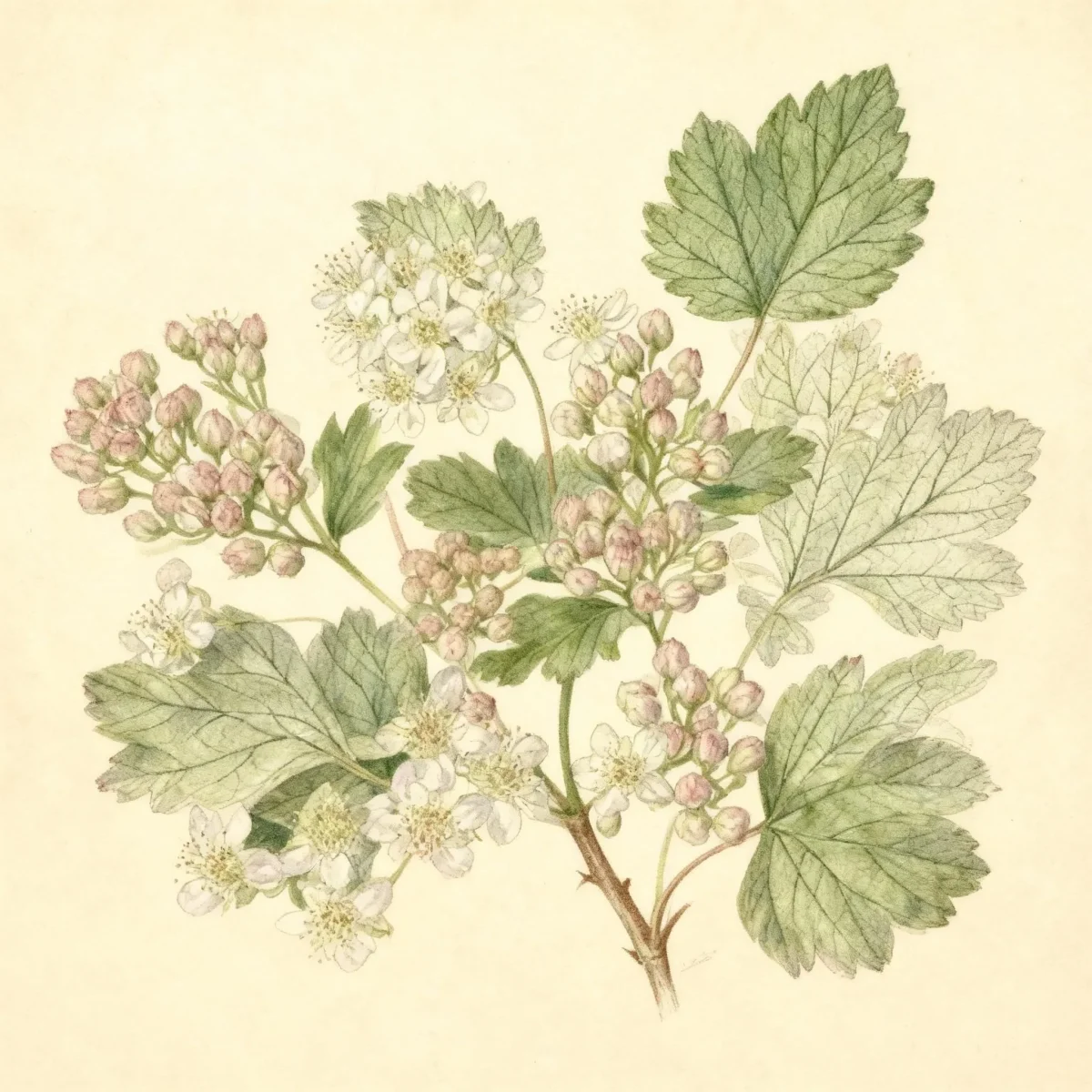
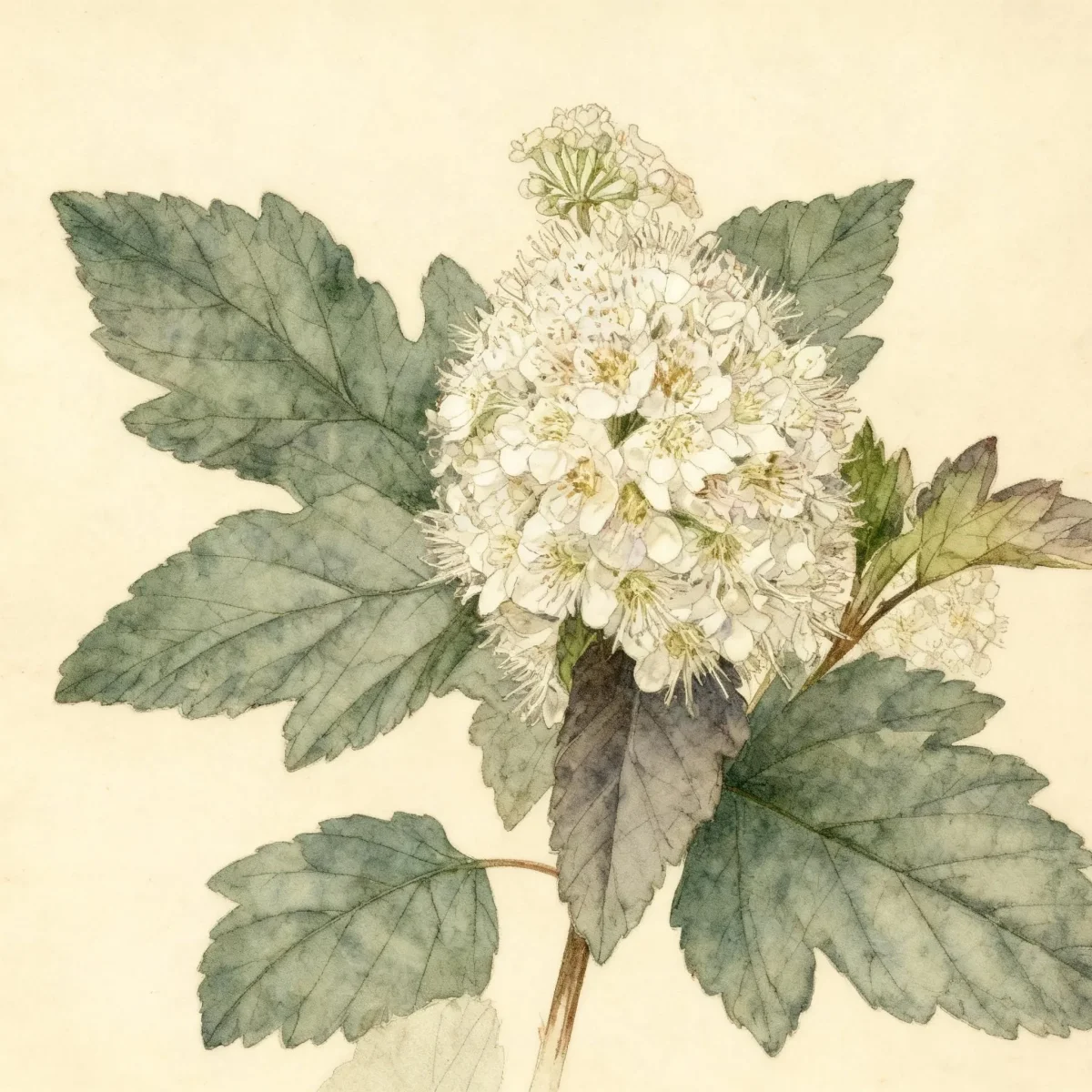
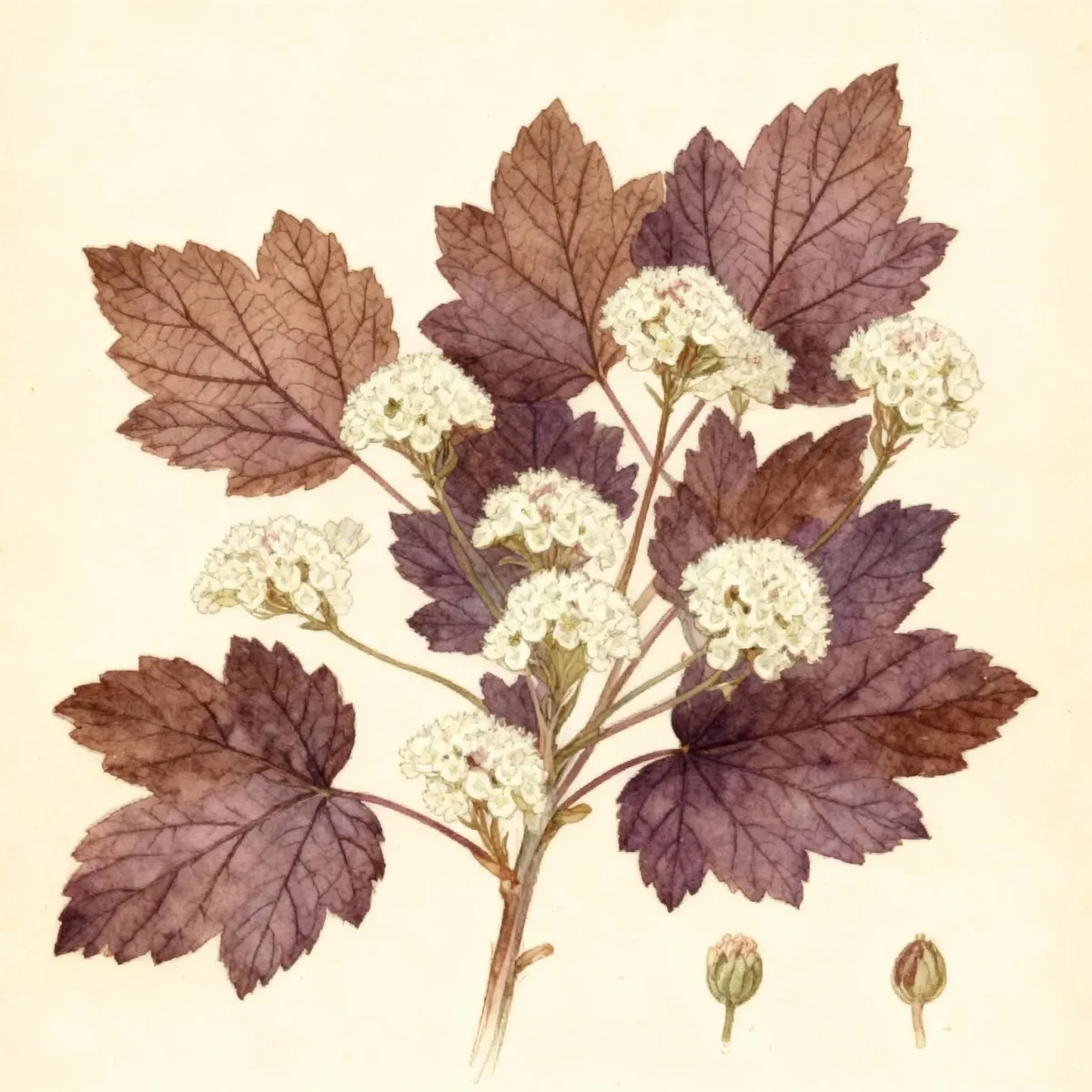
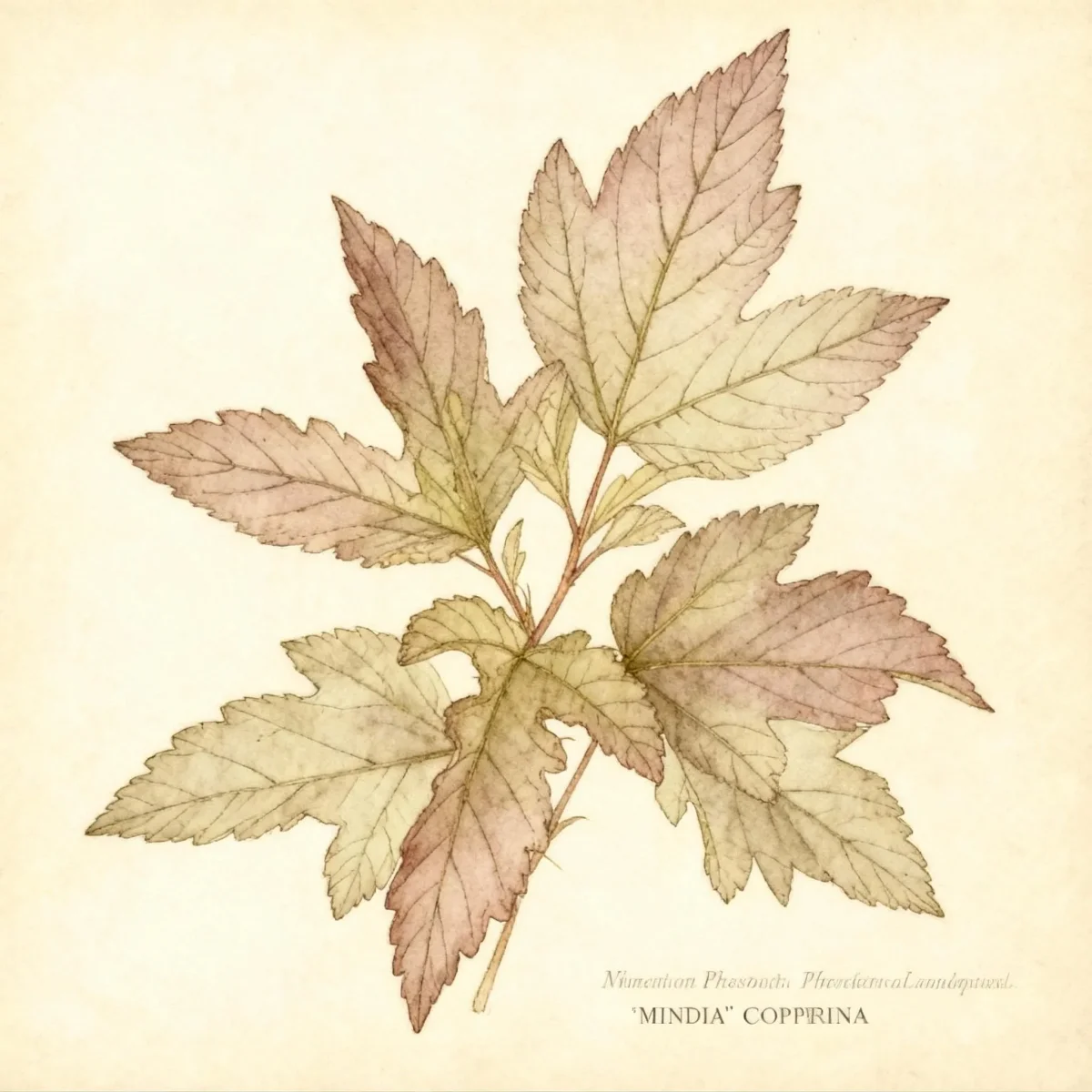
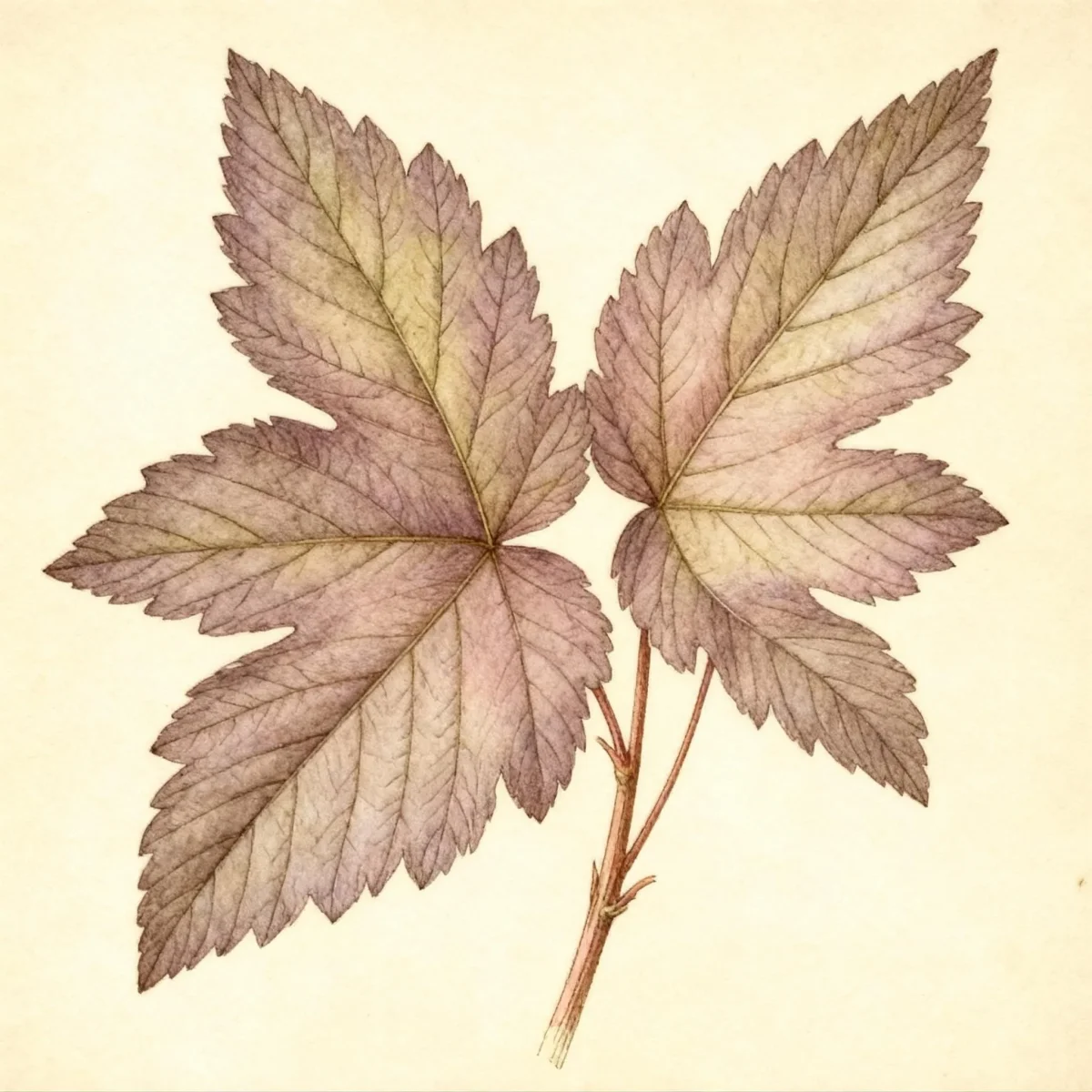
Physocarpus opulifolius ‘Jefam’ AMBER JUBILEE is a standout cultivar of Ninebark selected for its uniquely colorful foliage, offering season-long interest that elevates standard landscape designs. This variety brings exceptional texture and color, transitioning from vibrant orange-yellow in the spring to richer tones before settling into purple hues late in the season. Unlike the species, this compact cultivar, commonly known as Ninebark, is noted for being less inclined to spread via suckering, making it a more reliable specimen for formal plantings.
As a hardy deciduous shrub, the AMBER JUBILEE Ninebark thrives across a wide range of challenging environments due to its significant tolerance for poor soil conditions and drought once established. Its mature size remains manageable, typically reaching 5 to 6 feet tall and 3 to 4 feet wide, providing dense coverage ideal for screening or defining garden borders. The exfoliating bark, a hallmark feature of all Ninebarks, provides subtle winter structure once the colorful leaves have dropped.
Beyond its visual appeal, Physocarpus opulifolius ‘Jefam’ AMBER JUBILEE demonstrates strong resilience, making it a low-fuss choice for gardeners needing reliable performance. Its adaptability to sun exposure—from full sun to partial shade—and its ability to flourish in tough clay or dry soils ensure it remains a foundational plant for low-maintenance, high-impact landscaping.
Fast Facts
- Plant Family: Rosaceae
- Plant Type: Deciduous shrub
- Hardiness Zones: USDA Zones 2-8
- Size at Maturity:
- Height: 5-6 ft
- Spread: 3-4 ft
- Bloom Time: May to June
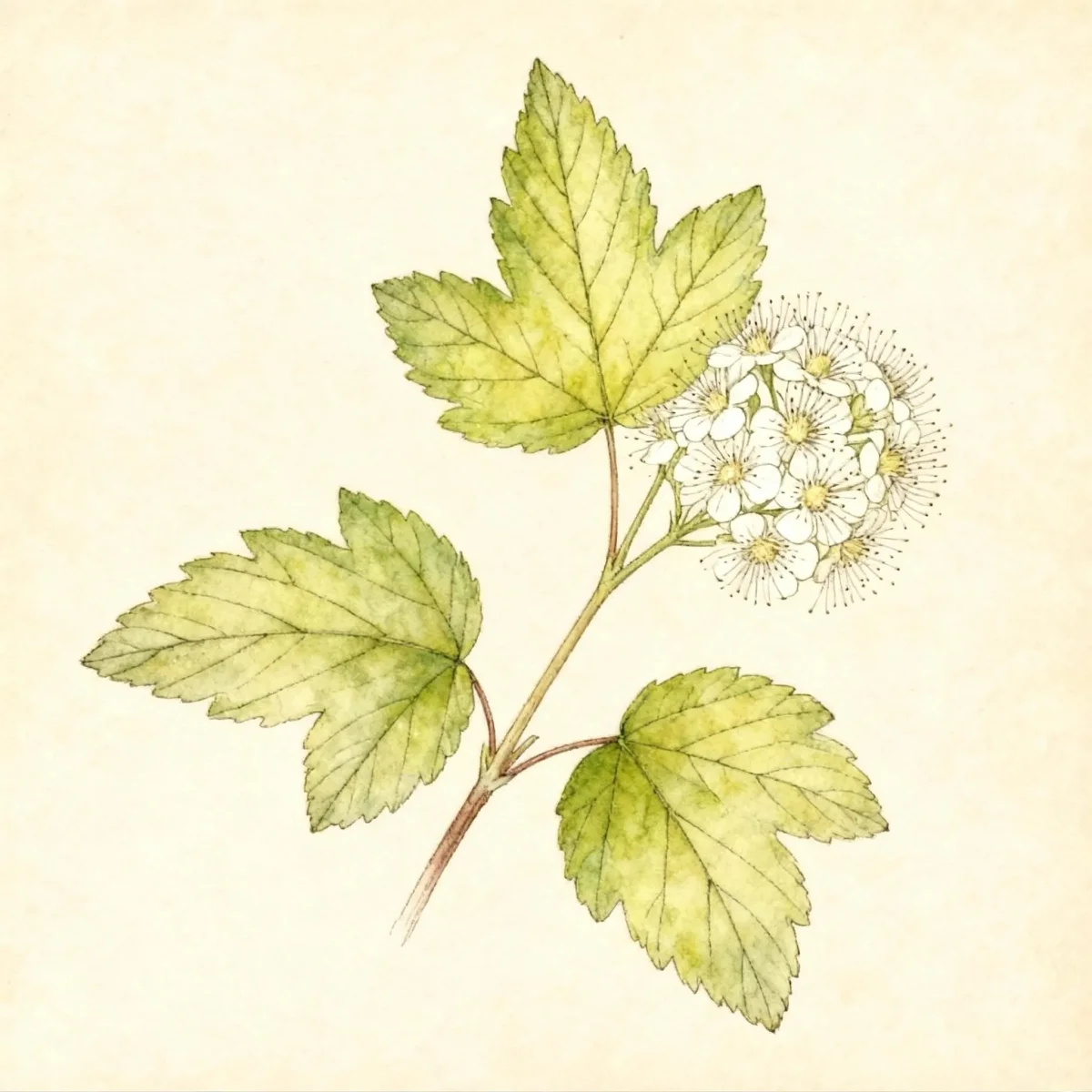
- Bloom Description: Pink or white
- Sun Exposure: Full sun to part shade
- Water Needs: Dry to medium
- Maintenance Level: Medium
How to Grow
Plant Physocarpus opulifolius ‘Jefam’ AMBER JUBILEE in average, slightly acidic soil that is well-drained, preferably situated in full sun to achieve the best foliage coloration. While it tolerates part shade, especially in hotter, humid climates where afternoon shade is beneficial, maximum color saturation requires ample sunlight throughout the day. This shrub is remarkably adaptable and tolerates a wide range of soil conditions, proving especially tough in dry or clay-heavy sites.
Water newly planted Ninebark regularly until the root system is fully established. Mature plants, benefiting from their high drought tolerance, only require water during extended dry periods; dry to medium moisture levels are easily maintained. Fertilizing is generally unnecessary unless the plant is struggling in extremely poor soil.
Pruning is best performed immediately after the spring bloom concludes, ensuring all necessary shaping is finished no later than mid-August to allow new wood to harden before winter. This schedule prevents the removal of next year’s flower buds. For significant rejuvenation, older specimens can be cut close to the ground in early spring, though this will sacrifice bloom and foliage for that season.
Landscape Uses
The compact habit and striking foliage of Physocarpus opulifolius ‘Jefam’ AMBER JUBILEE make it an extremely versatile landscape element. It performs exceptionally well when massed together to create solid hedges or effective screens, providing year-round structure enhanced by its exfoliating bark. Furthermore, its noted tolerance for harsh conditions, including drought and clay soil, means it is highly effective for stabilizing banks and controlling erosion along slopes where other shrubs might fail.
Use this Ninebark cultivar to inject bright, warm-toned foliage into mixed shrub borders, contrasting nicely with deep green or deep purple foliage cultivars nearby. It serves as a dynamic backdrop plant, drawing the eye across the garden space. Because of its rugged nature and ability to sustain itself in less than ideal conditions, the AMBER JUBILEE Ninebark is an excellent choice for native plant gardens or commercial plantings requiring low ongoing inputs.
Standout Features
Flower Qualities
- Showy
Noteworthy Characteristics
Physocarpus opulifolius, commonly called ninebark, is esteemed for its upright, spreading habit and exfoliating bark that reveals attractive inner layers on mature branches, providing winter interest. This specific cultivar, ‘Jefam’ (AMBER JUBILEE), typically matures smaller than the species, reaching 5-6 feet tall, and is distinguished by its brilliant foliage. It features showy orange foliage with yellow veins on new spring growth, which matures through summer before shifting to purple tones in the fall.
Tolerances
- Drought
- Erosion
- Clay Soil
- Dry Soil
- Shallow-Rocky Soil
Potential Problems
Ninebark, including the AMBER JUBILEE cultivar, is generally regarded as pest and disease-resistant, but susceptible issues can occur under stress or unfavorable conditions. Watch for potential outbreaks of fireblight, which typically affects new, tender growth, particularly after heavy rain or rapid temperature swings. Powdery mildew and various leaf spot diseases may also manifest, especially if air circulation is poor or the plant is situated in too much shade. Management often involves ensuring proper spacing for air flow and addressing soil drainage issues if standing water is observed.
Frequently Asked Questions
What hardiness zones is Ninebark suitable for?
Physocarpus opulifolius ‘Jefam’ AMBER JUBILEE is highly cold-tolerant, thriving across USDA Zones 2 through 8.
How large does Ninebark grow?
This specific cultivar, the Ninebark AMBER JUBILEE, typically reaches a mature height between 5 and 6 feet, with a spread ranging from 3 to 4 feet wide.
What sun exposure does Physocarpus opulifolius ‘Jefam’ AMBER JUBILEE need?
For the best display of its colorful foliage, this shrub requires full sun, although it can successfully tolerate part shade.
When does Ninebark bloom?
The small pink or white flowers of the Ninebark typically appear and bloom between May and June.
Conclusion
The Physocarpus opulifolius ‘Jefam’ AMBER JUBILEE Ninebark provides outstanding four-season interest through its bright, changing foliage and textured bark, all within a manageable, medium-sized shrub form. Its robust constitution allows it to excel in tough, low-water garden spots where many alternatives struggle. Before planting, confirm your site falls within USDA Hardiness Zones 2-8 and ensure you prune immediately after flowering ends for the best seasonal shaping.
Design Ideas
When incorporating AMBER JUBILEE Ninebark into your perennial borders, select companions that contrast well with its bright orange-yellow spring growth. Consider planting it alongside dark-leaved shrubs like purple-leaf smoke bush (Cotinus coggygria) or dark green evergreens to make its coloration pop. For seasonal continuity, place late-flowering perennials, such as Asters or Sedums, near the base to provide interest after the Ninebark finishes its early summer bloom.
Consider using Physocarpus opulifolius ‘Jefam’ AMBER JUBILEE in contemporary designs where geometric shapes and strong color blocks are desired. Its upright, somewhat rounded habit makes it excellent for breaking up long horizontal lines in foundation plantings. Because it develops great structure from its exfoliating bark, ensure that at least one plant faces a high-traffic area or window, allowing year-round viewing of this attractive feature.