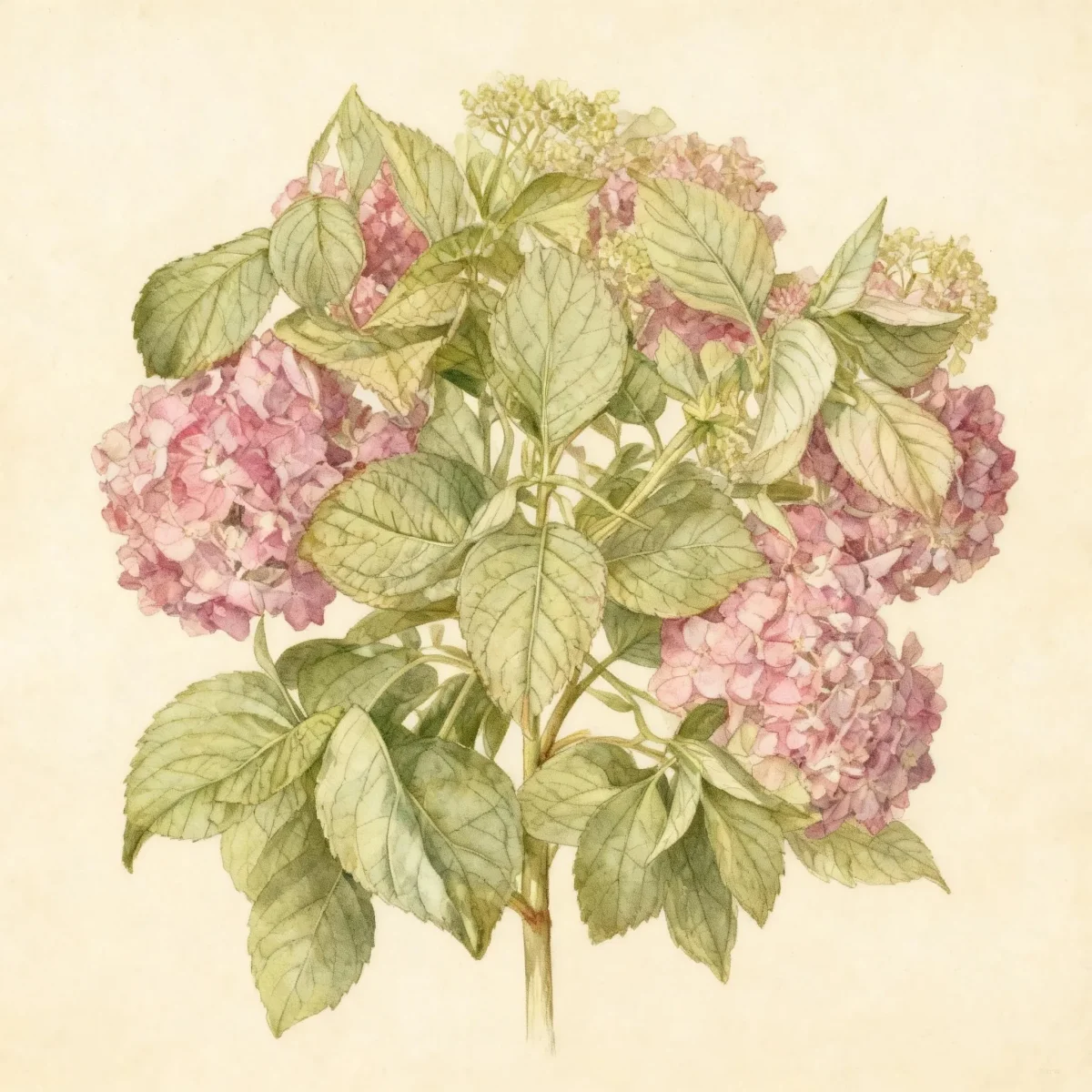
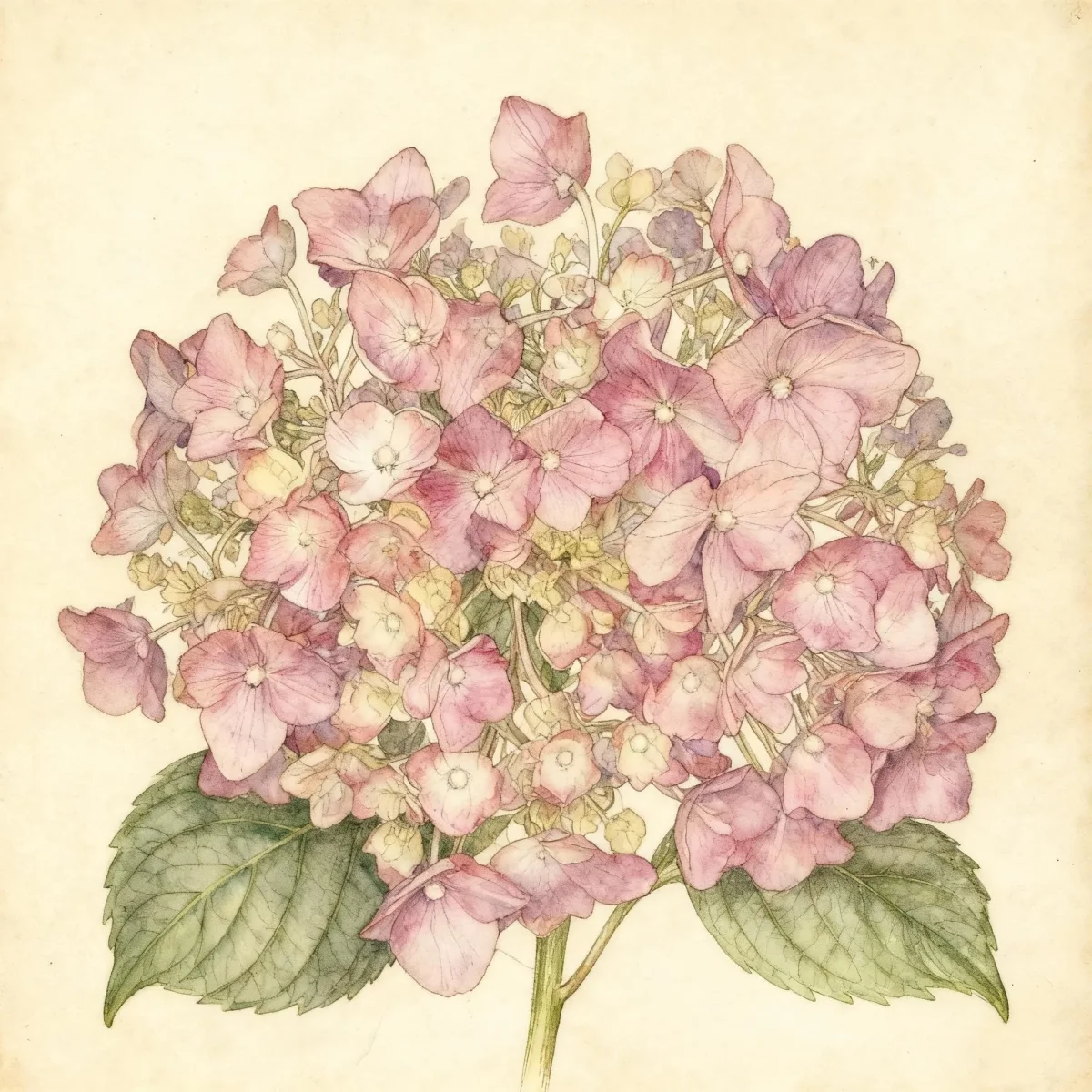
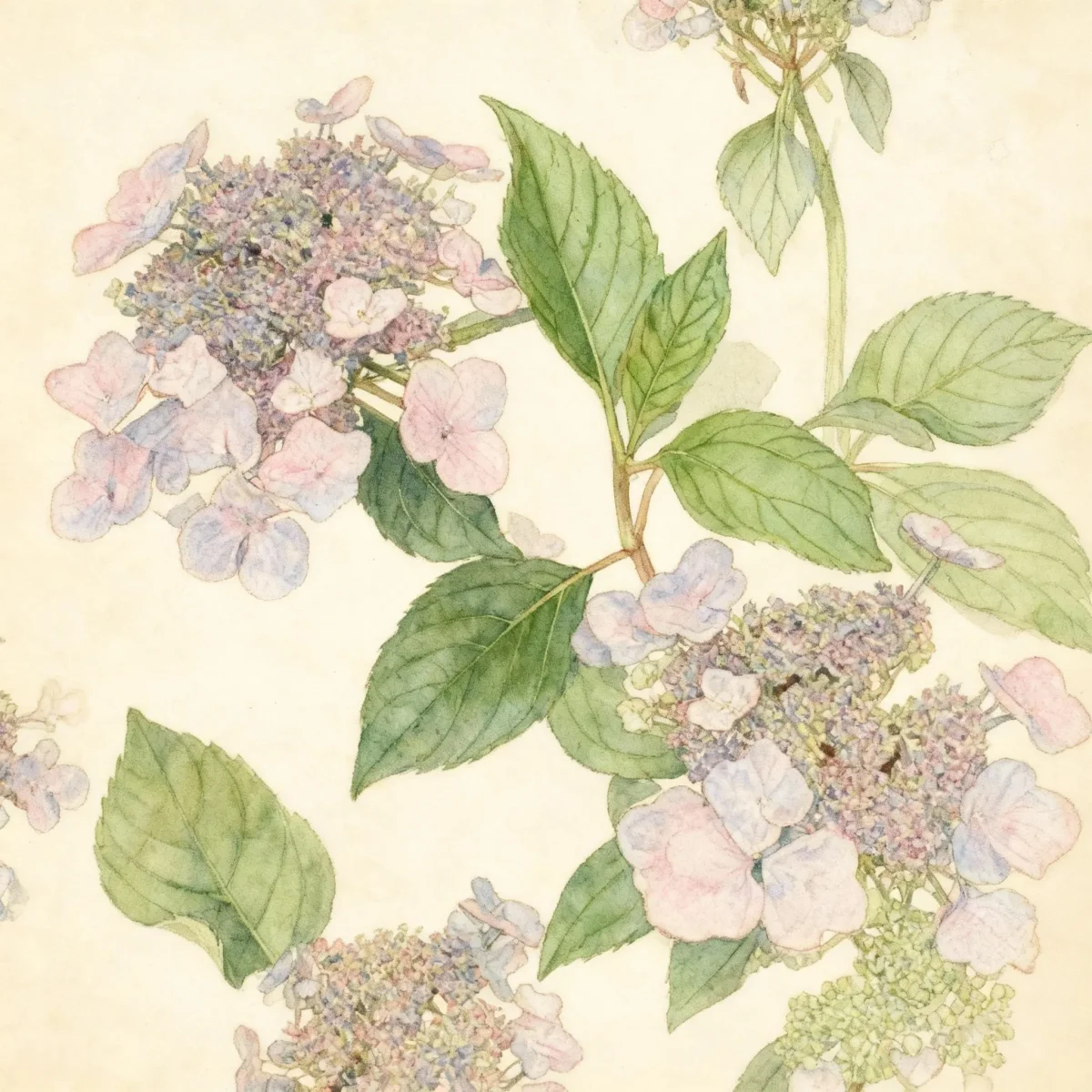
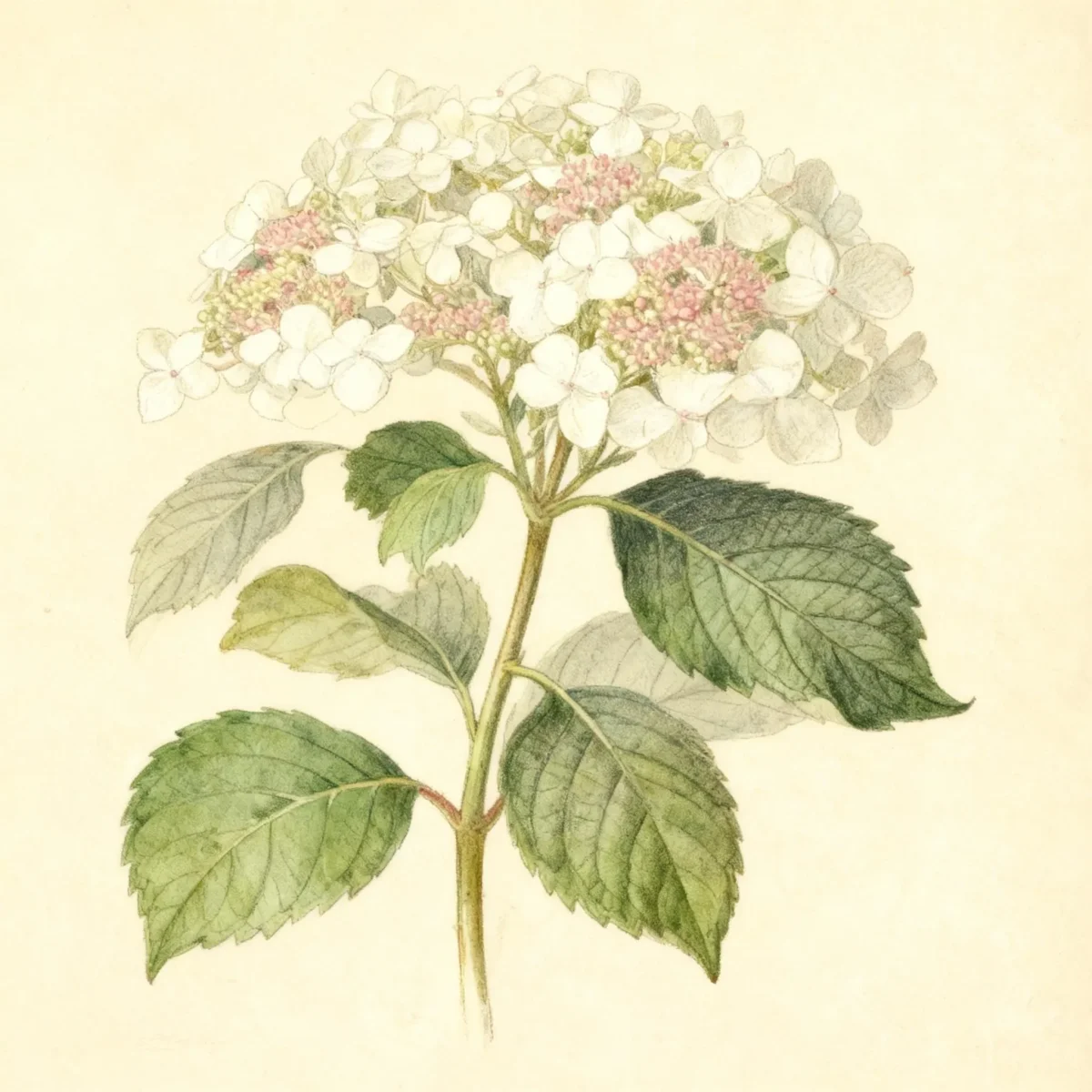
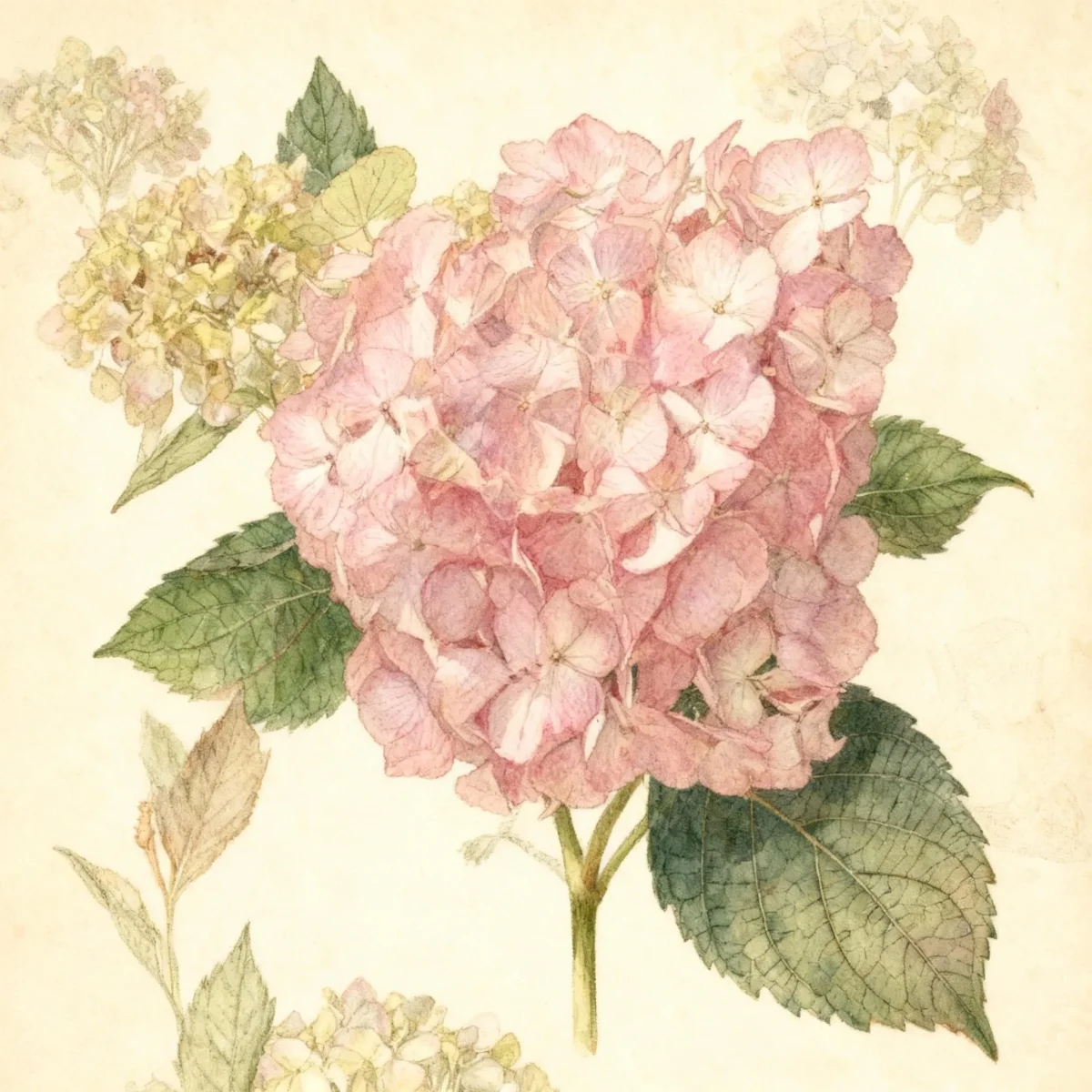
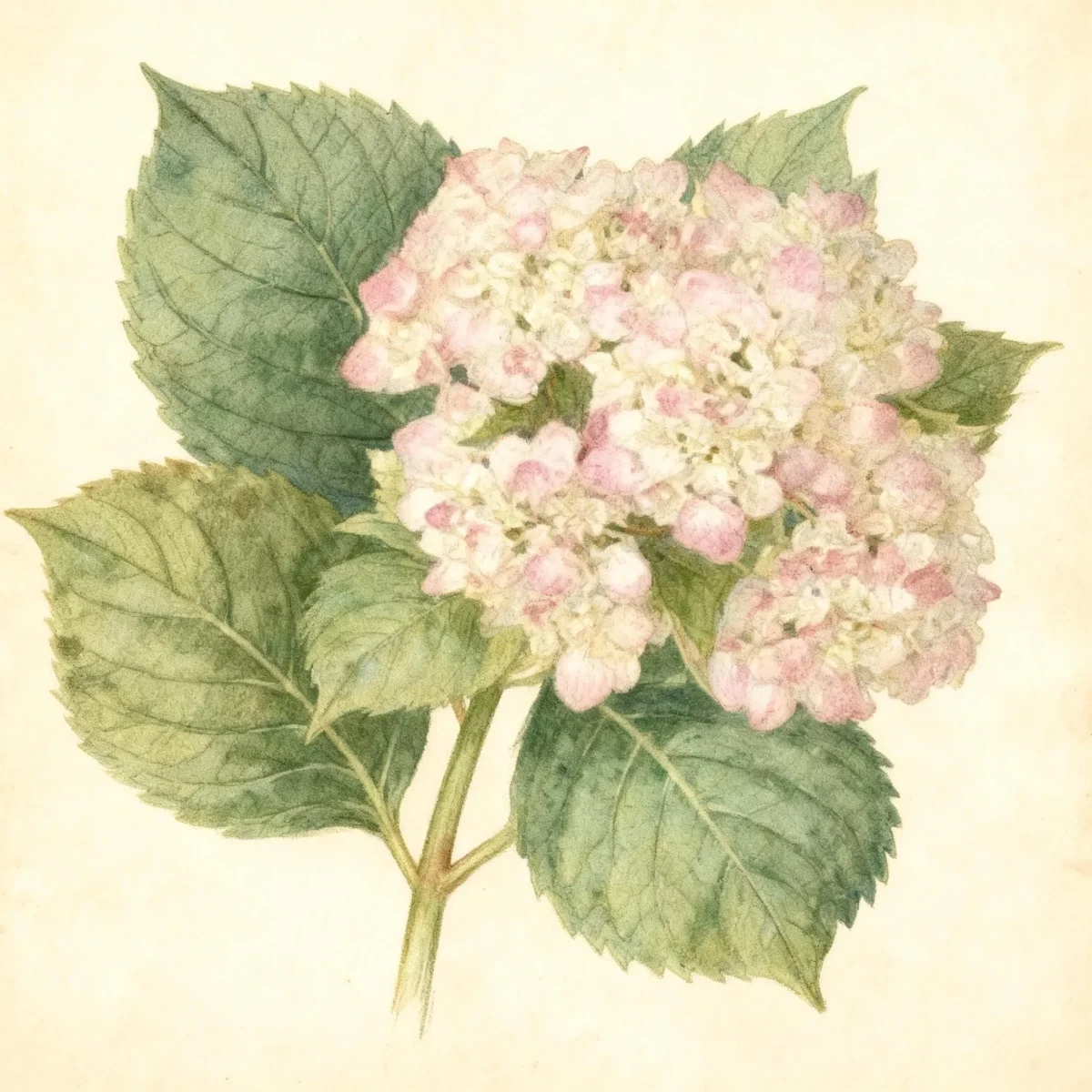
Bigleaf hydrangea (Hydrangea macrophylla 'Mini Penny')
Hydrangea macrophylla 'Mini Penny' is a compact, reblooming Bigleaf hydrangea offering long-lasting summer flowers whose color shifts with pH.
Scroll down to discover growing tips, care requirements, companion plants, and more
Complete Plant Information
Overview
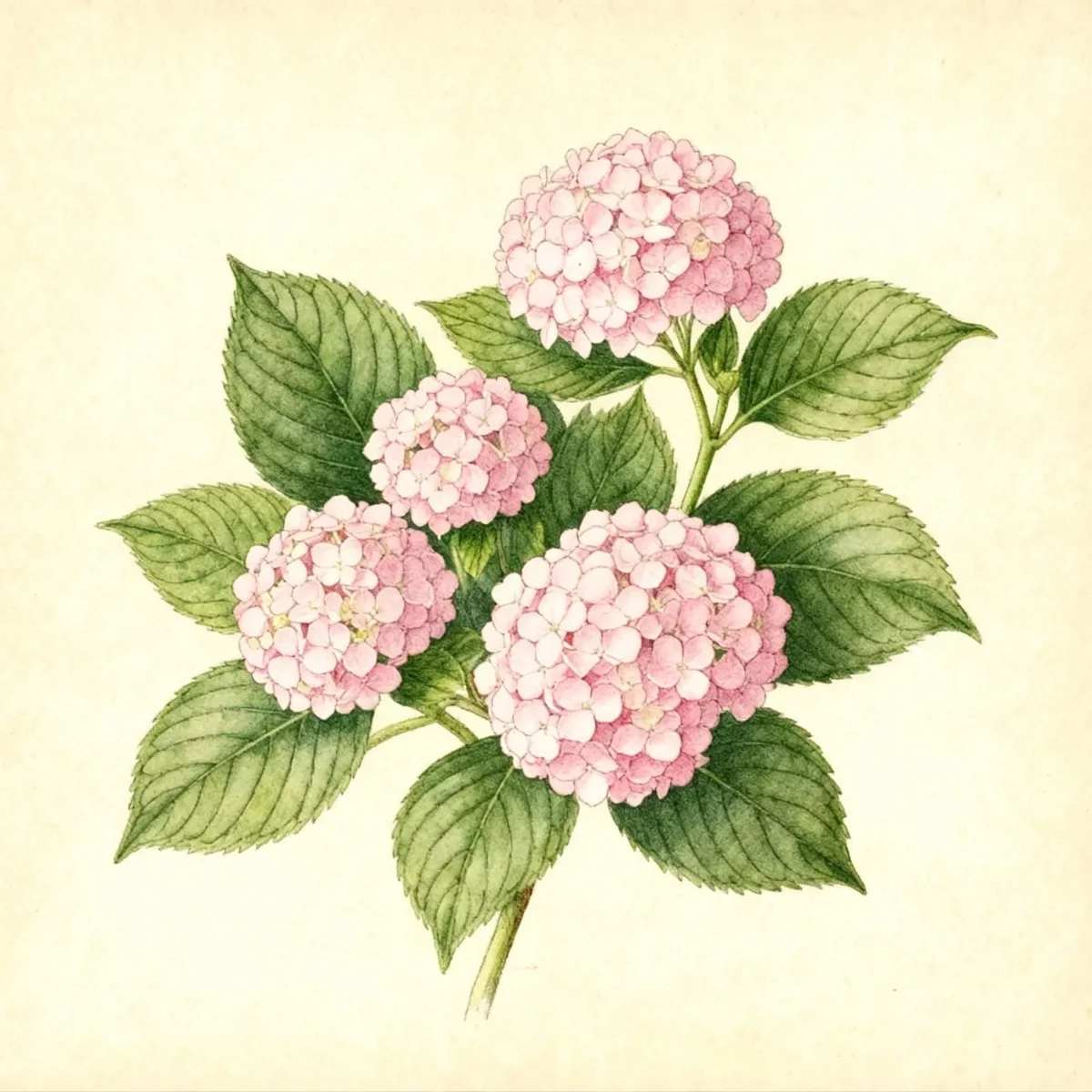
Hydrangea macrophylla ‘Mini Penny’ is a highly valued, compact variety of Bigleaf hydrangea, prized for its reliable, summer-long bloom show and reblooming habit. As a dwarf mophead type, this cultivar fits beautifully into smaller garden spaces where its large flower clusters create significant visual impact. This specific Bigleaf hydrangea is known for its ability to change flower color based on soil chemistry, offering gardeners control over whether they display vivid blue or soft pink hues.
The adaptability of Hydrangea macrophylla ‘Mini Penny’ allows it to thrive across a wide range of zones, though it demands consistent moisture, especially in warmer locales or when exposed to more sun. Its value extends beyond seasonal color; the leathery, dark green foliage provides excellent texture throughout the growing season, complemented by its resistance to mildew.
Gardeners appreciate the manageable size of this cultivar, making Hydrangea macrophylla ‘Mini Penny’ a versatile choice for foundation plantings, grouped borders, or even large containers. Whether you aim for a classic blue display or a soft pink specimen, ‘Mini Penny’ provides robust flowering performance on both old and new wood.
Fast Facts
- Plant Family: Hydrangeaceae
- Plant Type: Deciduous shrub
- Hardiness Zones: USDA Zones 5-9
- Size at Maturity:
- Height: 3-4 ft
- Spread: 3-4 ft
- Bloom Time: July to August
- Bloom Description: Blue or pink
- Sun Exposure: Part shade
- Water Needs: Medium
- Maintenance Level: Medium
How to Grow
For optimal establishment, plant your Hydrangea macrophylla ‘Mini Penny’ in rich, well-drained soil amended with plenty of organic matter. While this Bigleaf hydrangea prefers part shade, it can handle full sun if irrigation is consistent and deep throughout the summer months. Planting in late autumn or early spring allows the root system time to establish before the stress of summer heat.
Watering needs are medium; ensure the soil remains consistently moist but never waterlogged, especially during blooming periods. Soil pH management is essential if you desire specific colors, as acidic soil encourages blue flowers while alkaline soil promotes pink. Apply aluminum sulfate well in advance for bluer blooms or lime for pinker flowers, beginning treatments in late autumn or early spring for best effect.
Prune Hydrangea macrophylla ‘Mini Penny’ minimally. If necessary, only prune immediately after the main flowering finishes by cutting stems back to a pair of healthy, outward-facing buds. In late winter or early spring, selectively remove any weak or damaged wood. Apply a generous 3-inch layer of mulch, such as shredded bark or compost, annually to conserve soil moisture and moderate root temperatures.
Gardeners in Zone 5 should site plants in sheltered areas and consider providing extra winter protection, as harsh freezes can damage flower buds set on old wood. Though older Bigleaf hydrangeas struggled with bud loss, newer cultivars like ‘Mini Penny’ offer reblooming insurance by flowering on new growth as well.
Landscape Uses
The compact nature of Hydrangea macrophylla ‘Mini Penny’ makes it an excellent component for layered shrub borders where its substantial blooms can be viewed up close. Use this Bigleaf hydrangea as a foundational accent near patios or entryways, ensuring the part shade requirement is met for best performance. Its rounded habit lends itself well to mass plantings, creating a continuous screen or hedge effect, particularly effective when lining walkways.
When planning companions, choose plants that enjoy similar moisture and light conditions, such as ferns, hostas, or astilbes, to create a lush, textural understory. For bolder contrasts, pair the deep green foliage of this Hydrangea macrophylla ‘Mini Penny’ with plants that have chartreuse or variegated leaves. The ability to shift flower color also allows for intentional color coordination across different sections of the garden border.
Standout Features
Flower Qualities
- Showy
- Good Cut
- Good Dried
Noteworthy Characteristics
Hydrangea macrophylla, commonly called big leaf hydrangea, is a deciduous shrub with a rounded habit that features large clusters of long-blooming summer flowers, often in the mophead form. Derived from H. macrophylla ‘Penny Mac’, ‘Mini Penny’ is specifically a compact, dwarf, reblooming mophead hydrangea that features mildew-resistant, leathery, dark green leaves. It reliably blooms on both old and new wood, offering consistent color throughout the season.
Tolerances
- Mildew resistance is a noted characteristic
Potential Problems
This Bigleaf hydrangea shows some susceptibility to diseases like bud blight, bacterial wilt, and leaf spot, so ensuring good air circulation during planting is crucial. Mildew can occasionally appear, particularly if the plant is grown in excessive afternoon sun without adequate hydration. Occasional aphid infestations should be managed promptly with horticultural soap or a strong blast of water to protect the developing flower buds and tender new growth.
Frequently Asked Questions
What hardiness zones is Hydrangea macrophylla ‘Mini Penny’ suitable for?
Hydrangea macrophylla ‘Mini Penny’ is suitable for USDA Hardiness Zones 5 through 9.
How large does Bigleaf hydrangea grow?
This compact variety typically matures to a height and spread between 3 and 4 feet.
What sun exposure does Hydrangea macrophylla ‘Mini Penny’ need?
This plant thrives best in part shade conditions for protection during the hottest part of the day.
When does Bigleaf hydrangea bloom?
It blooms reliably from July through August, producing blue or pink mophead flowers.
Conclusion
Hydrangea macrophylla ‘Mini Penny’ offers exceptional value to the landscape through its compact size, reblooming nature, and classic mophead flowers. The flexibility to customize flower color by adjusting soil pH makes this Bigleaf hydrangea a dynamic addition to any garden design. Before planting, verify your local USDA Zone compatibility and plan your soil amendments in advance to guarantee the vibrant color display you desire this summer.
Companion Planting
Selecting appropriate neighbors enhances the health and visual appeal of your ‘Mini Penny’. Because this cultivar necessitates deep, consistent moisture, pair it with other shade-tolerant, moisture-loving perennials like Japanese Forest Grass (Hakonechloa macra) or hardy Geraniums. These plants thrive in the filtered light provided by taller shrubs or the edge of deciduous trees, mirroring the preferred growing environment for Hydrangea macrophylla ‘Mini Penny’.
Consider using groundcovers beneath the shrub canopy to further suppress weeds and retain soil moisture around the base of the Bigleaf hydrangea. Low-growing hostas or creeping Jenny (Lysimachia nummularia) make excellent choices that contrast well with the upright, rounded form of Hydrangea macrophylla ‘Mini Penny’. Avoid planting extremely competitive, shallow-rooted species directly beside it, as they will vie for the critical moisture required by the hydrangea.
Seasonal Care Calendar
Late Winter/Early Spring: This is the time to prune out any stems that show winter damage or appear weak and dead. Remember that ‘Mini Penny’ reblooms, so avoid excessive pruning which could remove new growth potential. Apply slow-release fertilizer now, if needed, before active growth accelerates.
Late Spring/Early Summer: Monitor soil moisture closely, especially as temperatures rise. Begin soil treatments (lime or aluminum sulfate) now if you are making significant pH adjustments leading up to the summer bloom. Ensure adequate mulch replenishment to regulate soil temperature.
Mid/Late Summer: Enjoy the continuous blooming performance of your Bigleaf hydrangea. Water deeply and frequently during dry spells. Deadheading faded mopheads is generally unnecessary for reblooming cultivars, but spent flower heads can be removed immediately following the conclusion of the first flush of blooms for tidiness.
Autumn: As temperatures cool, ease back on fertilizer. If protecting Zone 5 plants, prepare materials now, but apply winter protection only after the plants have experienced several consistent cold nights but before the ground freezes solid.