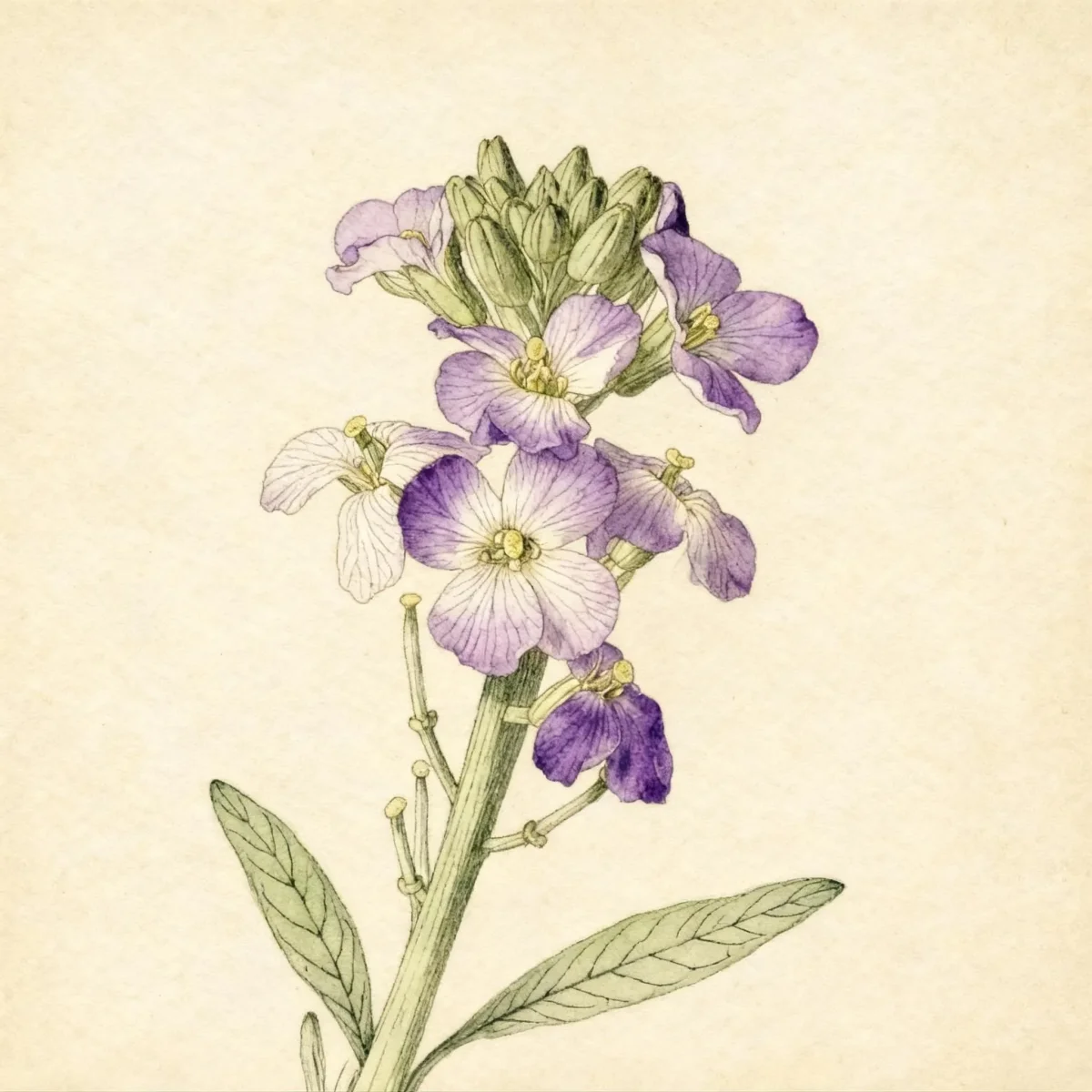
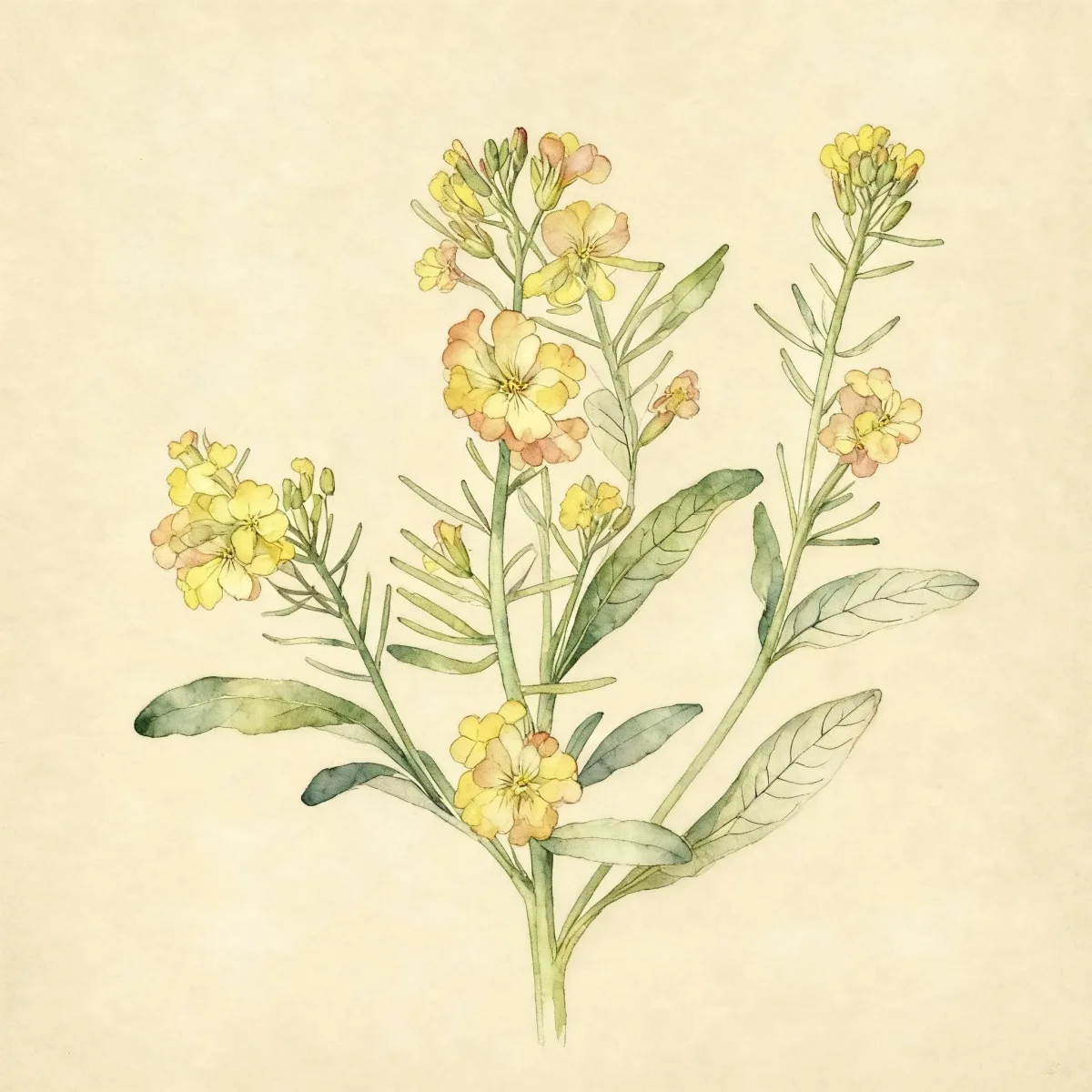
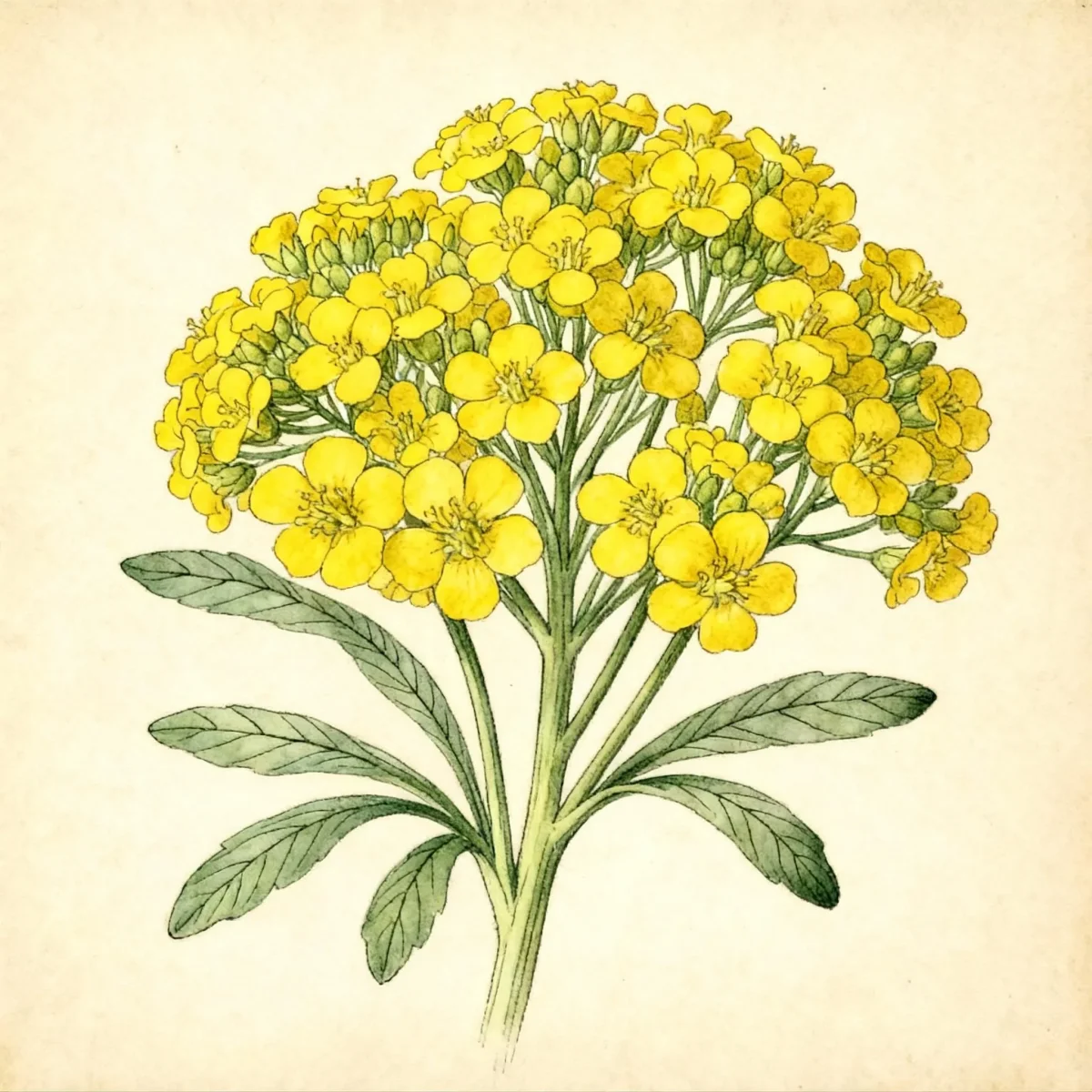
Alyssum (Alyssum propinquum)
Discover Alyssum propinquum, a dwarf herbaceous perennial offering tiny yellow blooms in summer. Low maintenance Alyssum for dry, sunny spots.
Scroll down to discover growing tips, care requirements, companion plants, and more
Complete Plant Information
Overview
Alyssum propinquum, commonly known as alyssum, is a distinctive dwarf groundcover prized for its ability to thrive in harsh, dry conditions where many other perennials struggle. This herbaceous perennial brings welcome texture and low-lying summer color to challenging garden niches. Gardeners appreciate the extremely manageable size of Alyssum propinquum, which maintains a surprisingly neat footprint.
Native to rocky regions of Europe and Asia, this species features tiny, bright yellow flowers that appear consistently from July through August, contrasting beautifully with its small, silver-toned foliage. Its robust tolerance for drought and poor soil makes Alyssum a functional and beautiful addition to specialized landscape areas. Successful cultivation highlights the tough, low-maintenance nature of this charming Alyssum.
The modest dimensions of Alyssum propinquum—rarely exceeding 3 inches tall—make it indispensable for detailing rockeries and crevices. For gardeners seeking authentic, long-blooming texture that requires minimal supplemental care, this particular alyssum variety is an excellent choice, provided the hardiness zone is correct (7-10).
Fast Facts
- Plant Family: Brassicaceae
- Plant Type: Herbaceous perennial
- Native Range: Europe, Asia
- Hardiness Zones: USDA Zones 7-10
- Size at Maturity:
- Height: 0-0.25 ft
- Spread: 0.5-1 ft
- Bloom Time: July to August
- Bloom Description: Yellow
- Sun Exposure: Full sun
- Water Needs: Dry to medium
- Maintenance Level: Low
How to Grow
The key to establishing Alyssum propinquum successfully revolves around site selection. Plant this species only in locations receiving full, unobstructed sun throughout the day. It performs best when sited in average, well-drained soils, though it readily adapts to dry conditions and even slightly alkaline circumstances. This plant is generally winter hardy across USDA Zones 7 through 10.
Once established, ongoing care is remarkably straightforward due to its low water demands. Allow the soil to dry out between very infrequent waterings; only water during prolonged, severe droughts. Fertilizer is seldom required, as over-enrichment can lead to floppy growth, detracting from the plant’s naturally compact habit.
For gardeners in marginal zones, such as the northern edge of its range (Zone 7), providing a protected location is vital for winter survival. Avoid heavy mulching directly against the crown in winter, which can encourage rot. Minimal pruning should be necessary, perhaps just a light trim after flowering if shape maintenance is desired, although Alyssum propinquum tends to stay naturally tidy.
Landscape Uses
The recommended uses for Alyssum propinquum focus keenly on areas requiring diminutive, sun-loving groundcover. Its miniature stature makes it perfect for adding fine texture and summer yellow flower color to rock gardens, tucked into tight crevices between paving stones, or cascading over the edges of dry slopes. This is not a plant for deep borders but rather for detailed foreground work.
Consider using this Alyssum as a low-mounding filler between larger, drought-tolerant alpines or alongside creeping thyme varieties. It excels in environments where soil depth is minimal, such as scree gardens or dry retaining walls. The low profile ensures that taller neighboring plants retain their visual impact while the Alyssum carpets the ground beneath them.
When designing with Alyssum propinquum, remember its summer bloom time; pair it with spring-blooming bulbs or summer-flowering succulents that share similar dry, sunny requirements. This thoughtful placement ensures that pockets of interest remain even when the Alyssum is maturing its foliage between bloom flushes.
Standout Features
Flower Qualities
- Showy
Noteworthy Characteristics
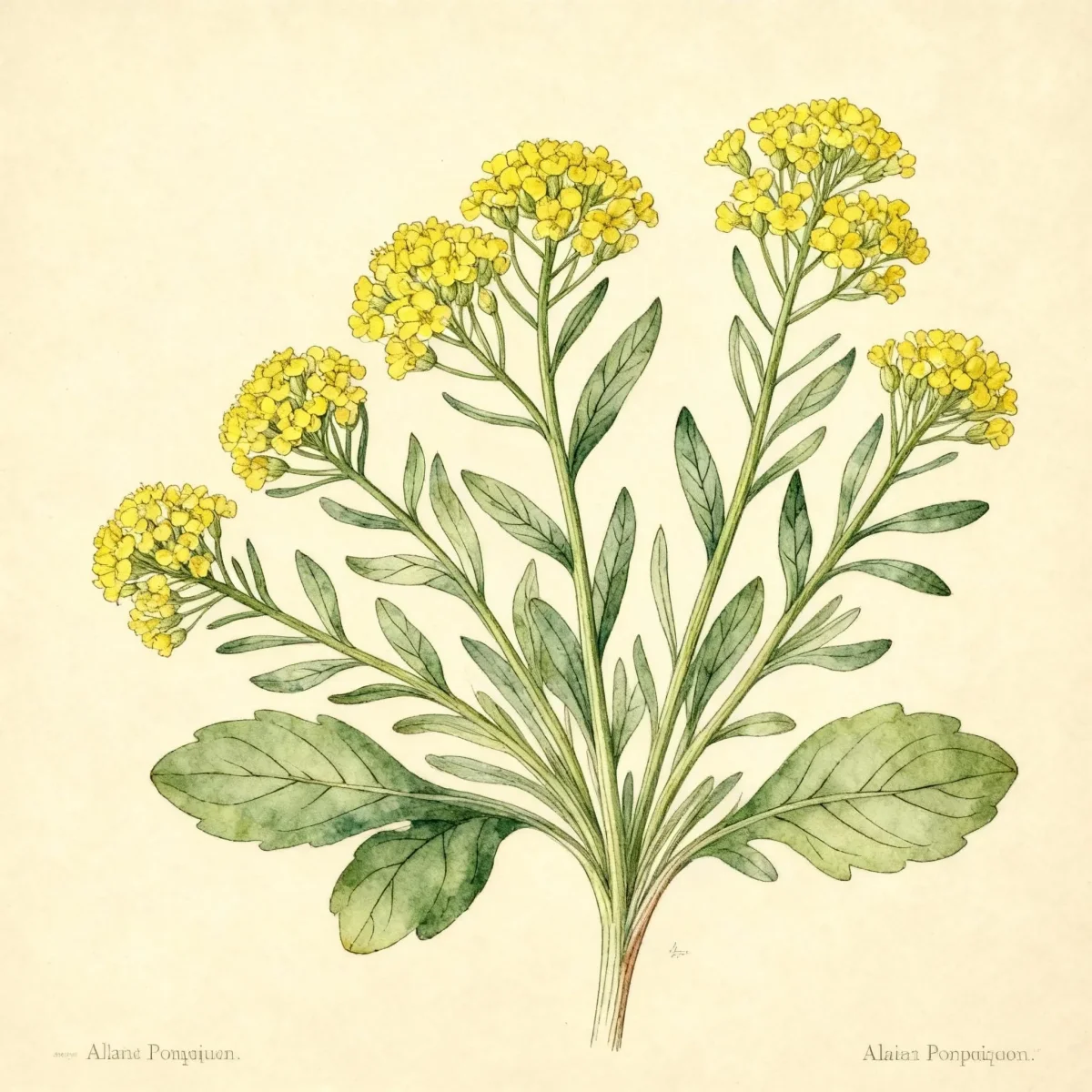
Alyssum propinquum, commonly called alyssum, is a dwarf plant that grows to only 3” tall with a spread to 8-12” wide. It is native to rocky areas of Turkey, featuring tiny yellow summer flowers (1/3” long) atop plants clad with tiny silver leaves (1/4” long). The genus name reflects historical use against madness, while the specific epithet means related.
Tolerances
- Drought
- Dry Soil
- Shallow-Rocky Soil
Potential Problems
This hardy species reports no serious insect or disease problems under appropriate growing conditions. Because it demands excellent drainage and hates wet feet, the most common issue arises from overwatering or planting in heavy, moisture-retentive soil, which can lead to root rot. Ensure that soil conditions match its dry requirements, especially during humid periods, to keep maintenance extremely low.
Frequently Asked Questions
What hardiness zones is Alyssum suitable for?
Alyssum propinquum is suitable for USDA Zones 7 through 10.
How large does Alyssum grow?
This dwarf perennial typically reaches a height of only 0 to 0.25 feet with a spread between 0.5 and 1 foot wide.
What sun exposure does Alyssum propinquum need?
Alyssum propinquum thrives best when provided full sun exposure throughout the growing season.
When does Alyssum bloom?
This Alyssum variety produces yellow flowers primarily from July to August.
Conclusion
The extreme drought tolerance and miniature size make Alyssum propinquum an invaluable plant for sunny, dry, and rocky garden spaces. If placed correctly in well-drained soil within zones 7-10, this Alyssum demands almost no attention while rewarding the gardener with cheerful yellow blooms throughout mid-summer. Check your local hardiness zone and plan a spot in your dry rock garden for this excellent specimen.
Companion Planting
Because Alyssum propinquum prefers dry soil and full sun, successful companion planting involves selecting other xeriscape or alpine selections. Excellent partners include Thyme (Thymus species), Sedum varieties, and certain low-growing Pinks (Dianthus). These combinations mimic the natural, well-drained, sunny meadows or rocky outcrops where this Alyssum naturally thrives.
Avoid pairing this perennial with moisture-loving plants like Hostas or Astilbes; the watering needs are fundamentally incompatible and will quickly stress the Alyssum. Focus instead on groundcovers that spread slowly and tolerate lean soil, ensuring the visual separation between the tiny yellow flowers of the Alyssum and the textures of its neighbors remains distinct.
Design Ideas
For modern and contemporary designs, use mass plantings of Alyssum propinquum to create a low, textured, living mulch effect across large, sunny expanses. In traditional cottage gardens, utilize the plant as an edging material along paths where its low profile prevents obscuring taller border specimens. Its low stature also makes it ideal for filling the gaps in step risers on hot, south-facing retaining walls.