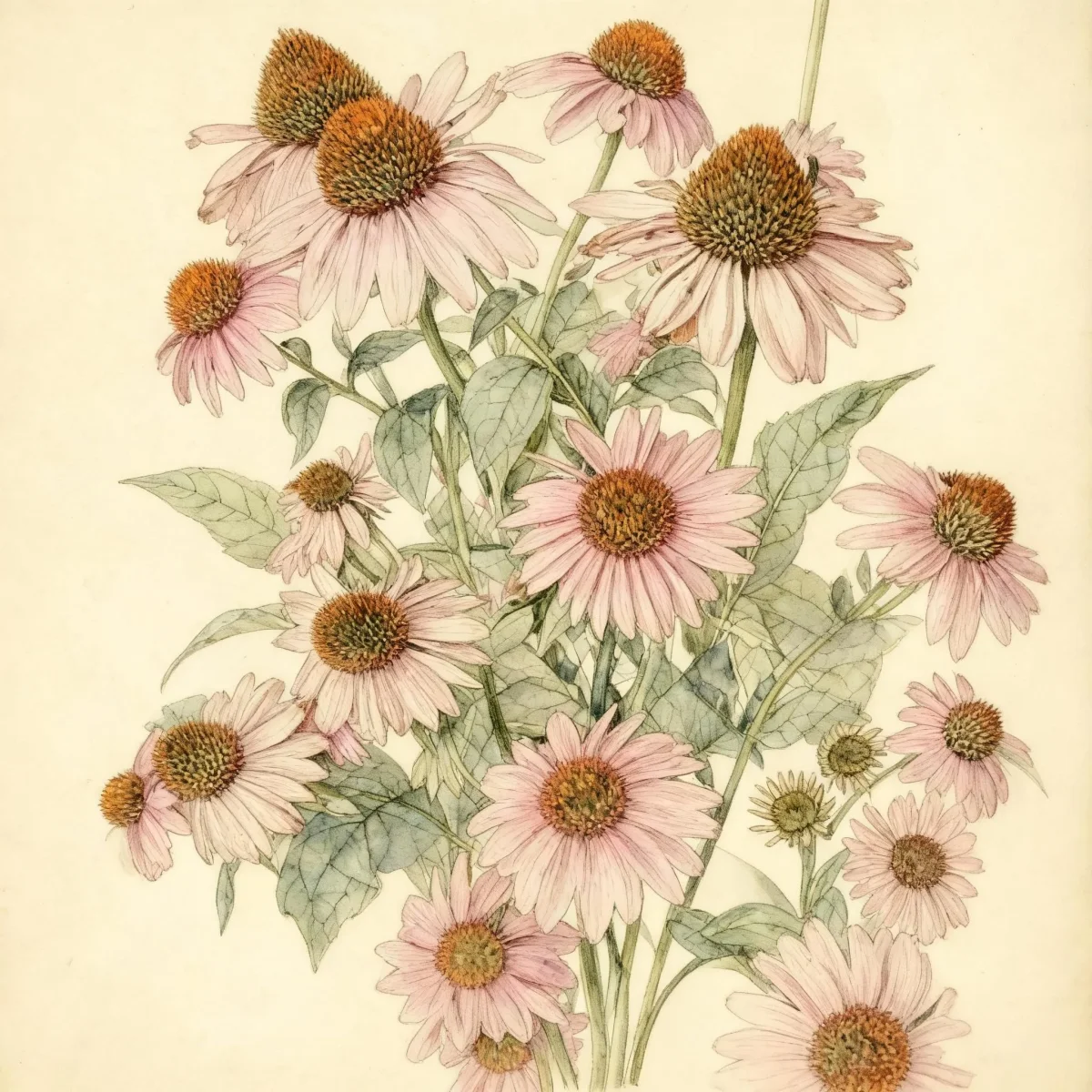
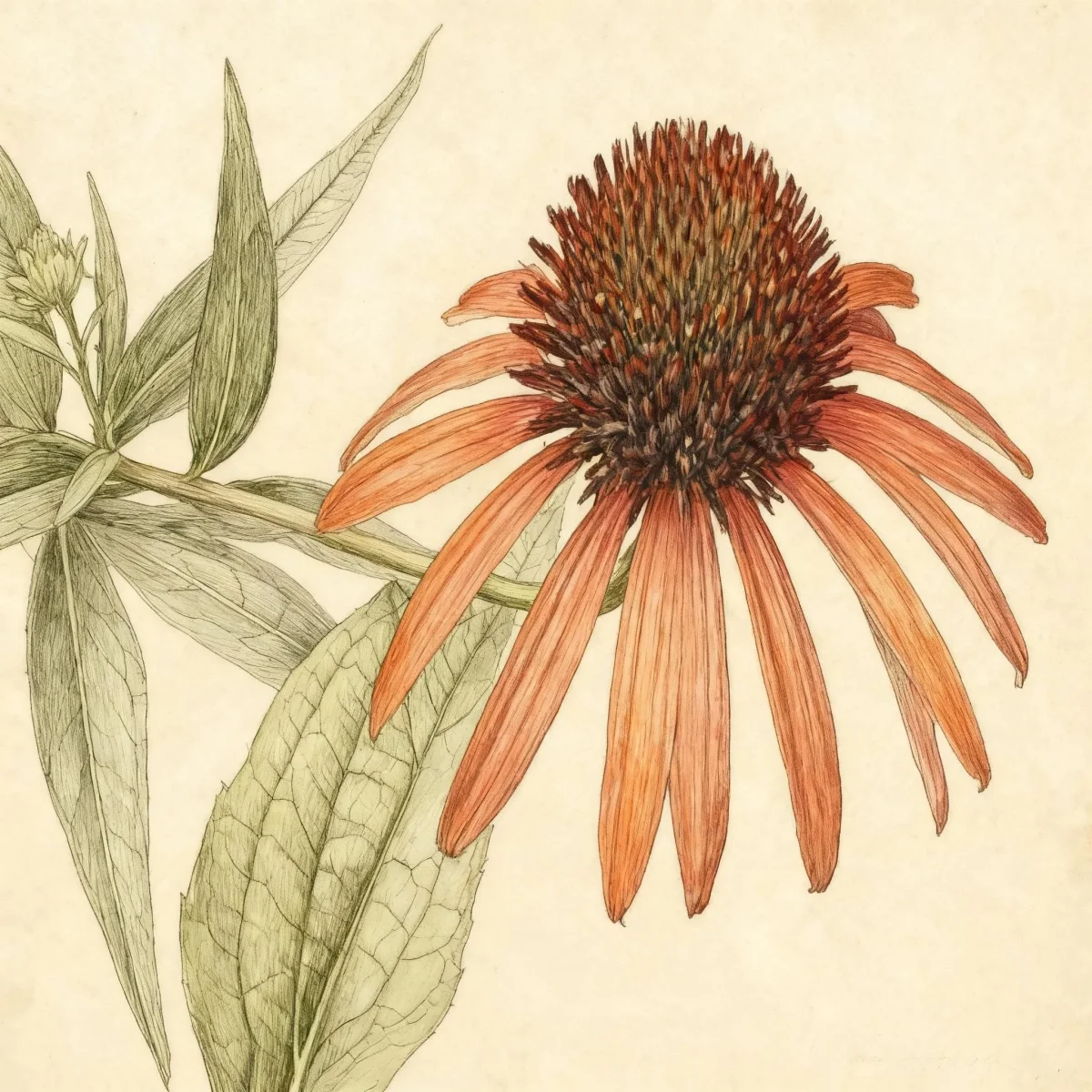
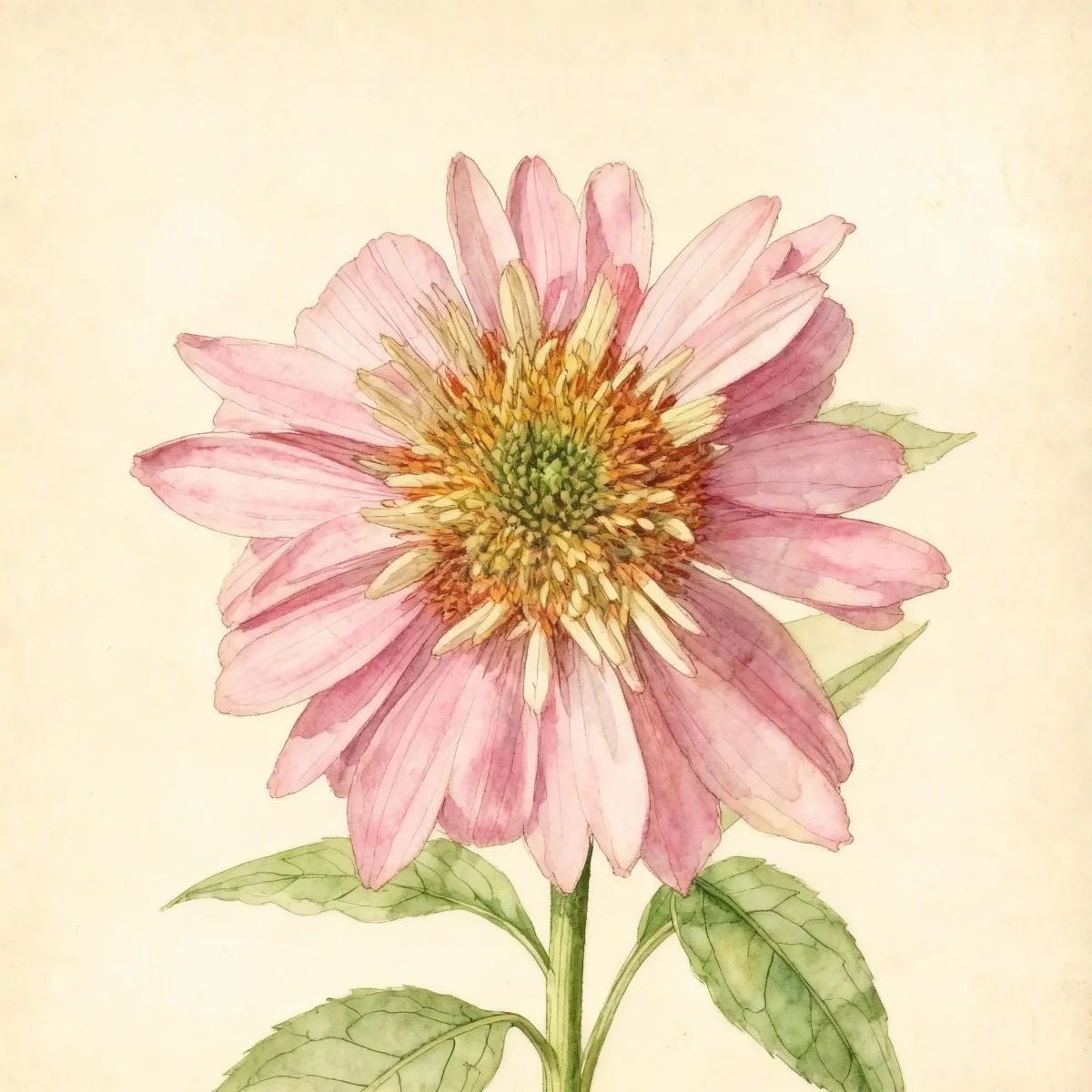
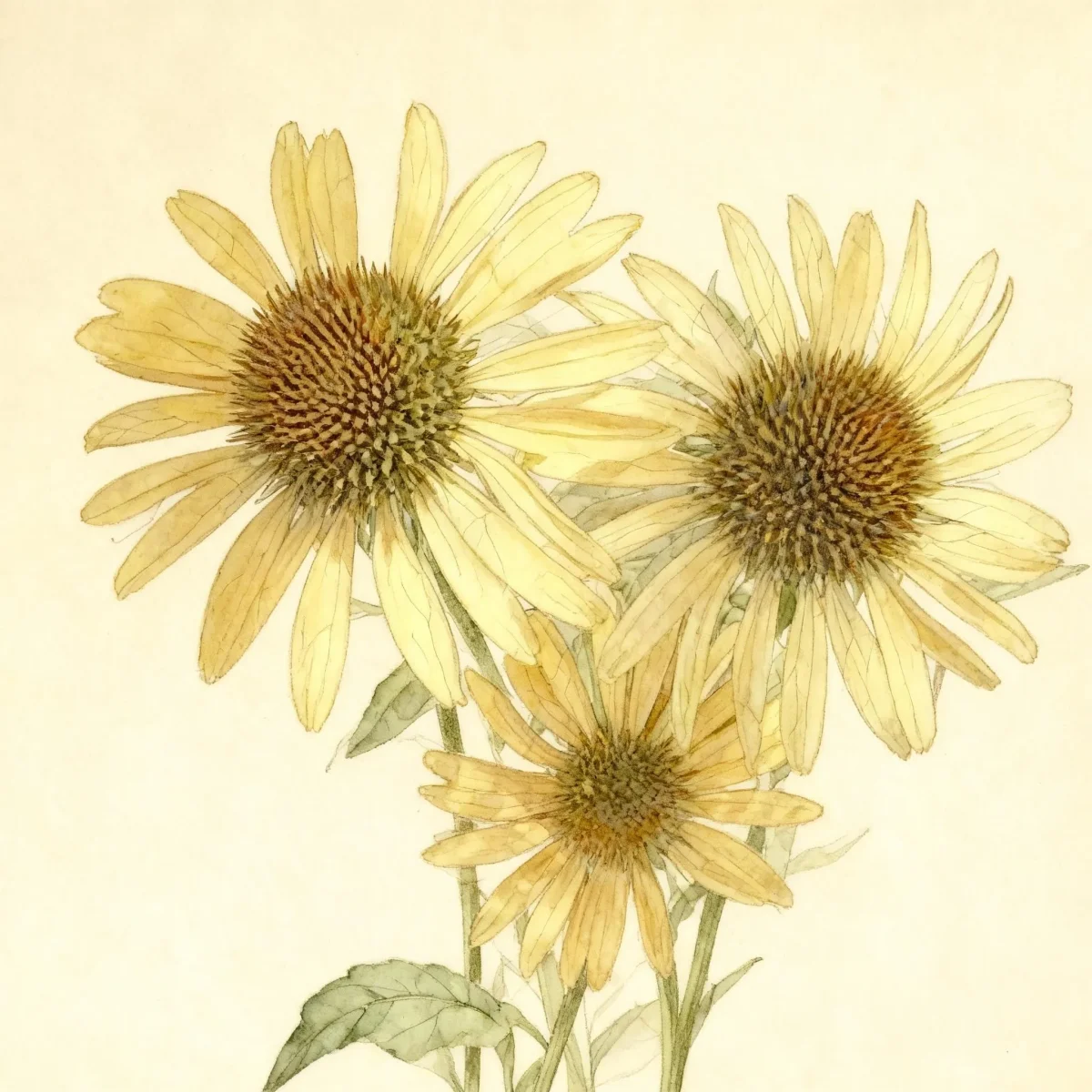
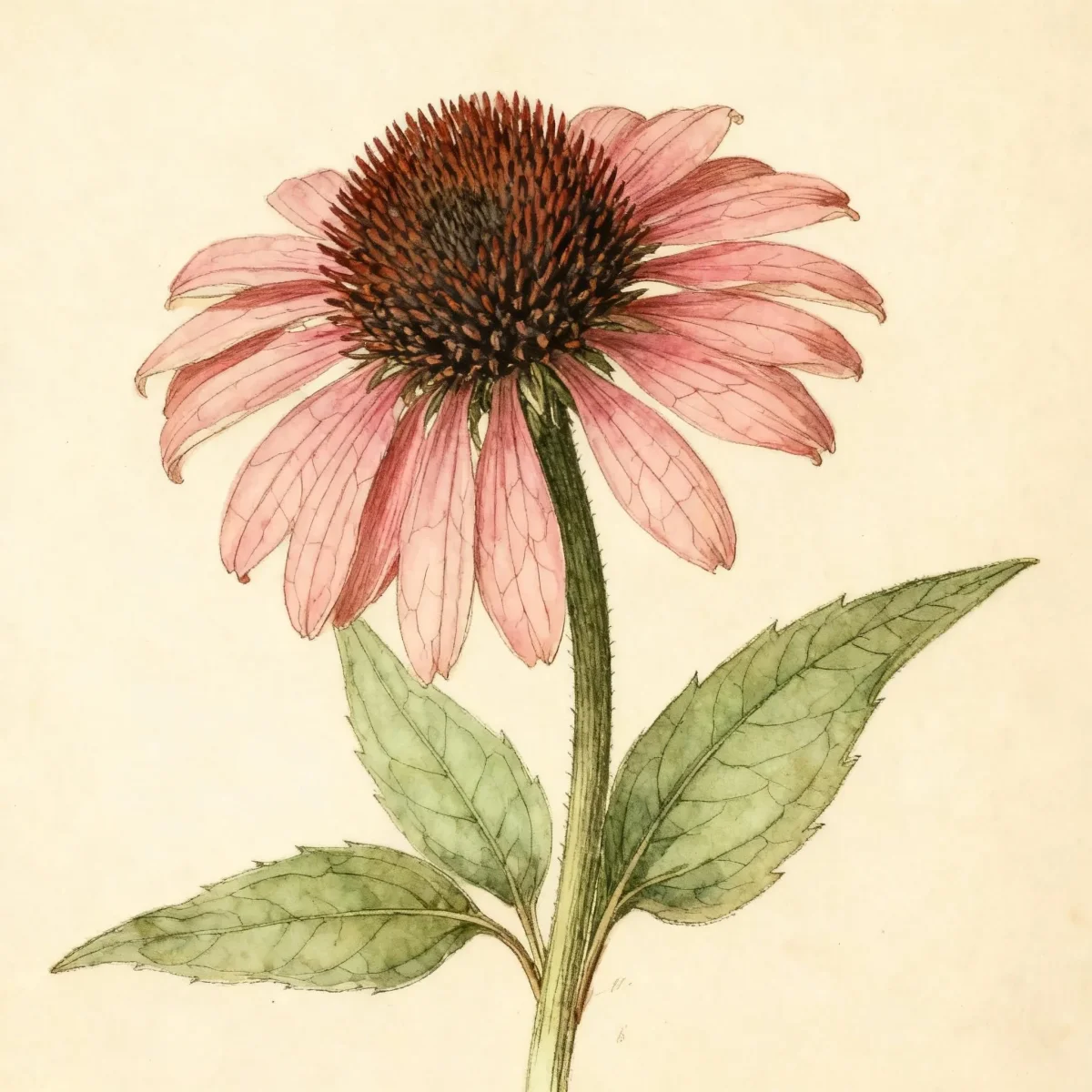
Coneflower (Echinacea (Supreme Series) 'Cantaloupe')
Vibrant orange Coneflower, Echinacea (Supreme Series) 'Cantaloupe' is a low-maintenance perennial hardy in zones 3-8, excellent for long summer color.
Scroll down to discover growing tips, care requirements, companion plants, and more
Complete Plant Information
Overview
The Echinacea (Supreme Series) ‘Cantaloupe’ is a striking herbaceous perennial member of the Coneflower family, prized for its reliable season-long performance and unique coloring. This cultivar introduces bold, cantaloupe-orange hues to the garden, standing tall from early summer through late August. As an adaptable plant, this Coneflower thrives even under challenging conditions, making it a robust choice for many North American landscapes.
Valued for its low maintenance requirements, Echinacea (Supreme Series) ‘Cantaloupe’ offers significant aesthetic rewards with minimal input from the gardener. It is an excellent choice for filling borders, adding texture, and providing material for both fresh bouquets and dried arrangements later in the season. Its sturdy structure ensures that the plant provides color and interest long after the main blooming period concludes.
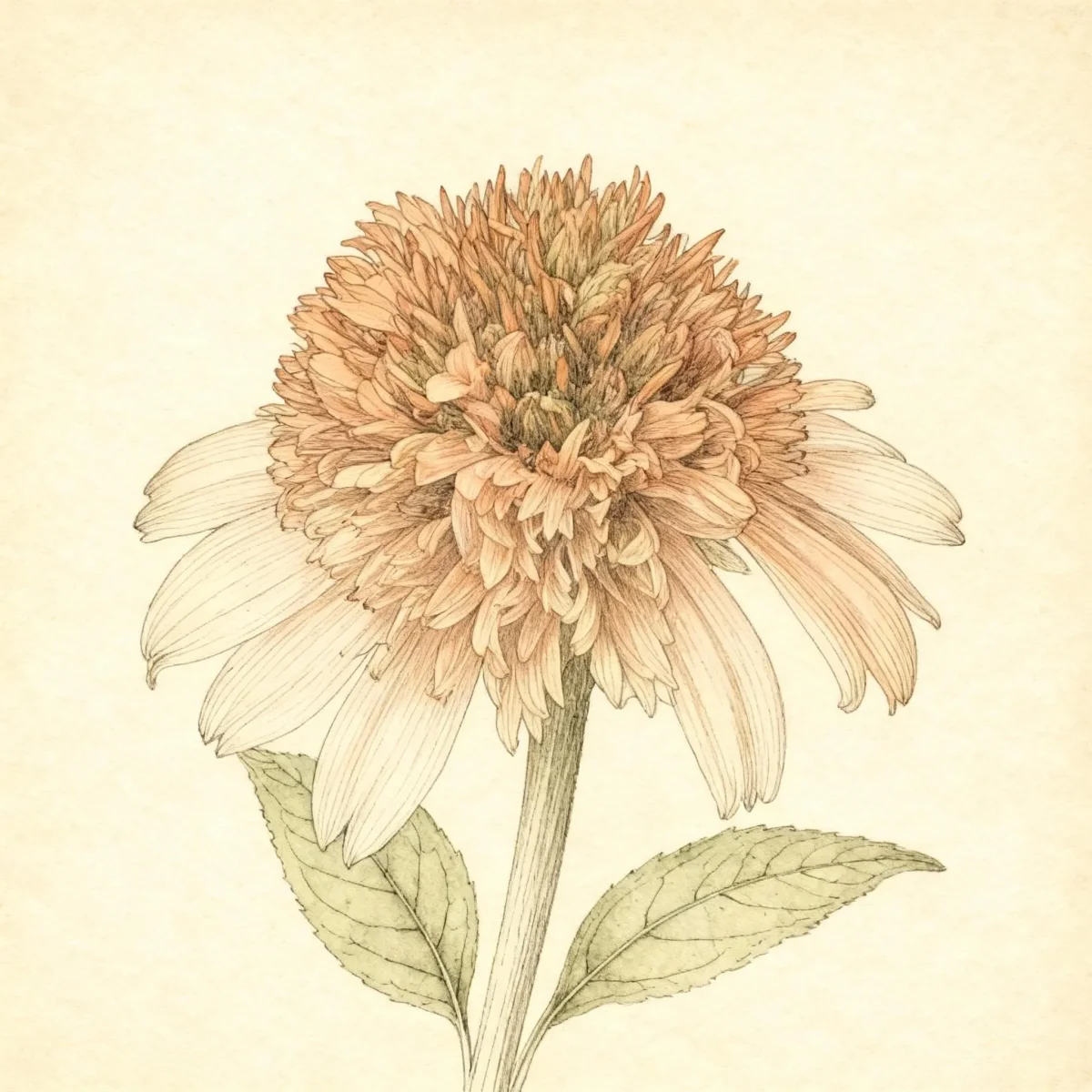
This specific introduction from the Supreme™ series offers enlarged disc flowers creating a full, anemone-like appearance. Planting drifts of this resilient Coneflower ensures continuous visual appeal while benefiting local insect life. Consider adding Echinacea (Supreme Series) ‘Cantaloupe’ to your mixed perennial beds for dependable texture and warm, complementary color.
Fast Facts
- Plant Family: Asteraceae
- Plant Type: Herbaceous perennial
- Hardiness Zones: USDA Zones 3-8
- Size at Maturity:
- Height: 1.5-2.5 ft
- Spread: 1-1.5 ft
- Bloom Time: June to August
- Bloom Description: Orange
- Sun Exposure: Full sun to part shade
- Water Needs: Dry to medium
- Maintenance Level: Low
How to Grow
Planting Echinacea (Supreme Series) ‘Cantaloupe’ is best done in the spring after the danger of hard frost has passed, or in early autumn. Ensure the location receives full sun for the most prolific blooming, though these Coneflowers can tolerate part shade. They thrive in average soils, provided the drainage is excellent; this plant despises standing water. Good soil preparation that incorporates grit can greatly benefit drainage, especially in heavy clay.
Once established, this Coneflower exhibits remarkable drought tolerance, requiring water primarily during long, extremely dry periods. Generally, water deeply when the top inch or two of soil feels dry. Fertilization is usually unnecessary; over-fertilizing can lead to floppy stems and reduced flowering rather than robust growth.
Maintenance is simple. While plants rebloom well without intervention, promptly removing spent flowers encourages a tidier appearance and can coax out sporadic later blooms. Clumps should be divided every four years or so when they begin to look overcrowded, which rejuvenates the plant’s vigor.
Landscape Uses
The sturdy, upright nature of the Coneflower makes Echinacea (Supreme Series) ‘Cantaloupe’ perfectly suited for border fronts where its medium height won’t obscure shorter plantings. They look particularly effective when planted in groups or massed together, creating bold sweeps of warm orange color throughout the summer season. This is an attractive specimen or accent plant when a point of singular focus is needed in a sunny spot.
Beyond traditional borders, this cultivar performs well in rock gardens, adding vibrant contrast against stone textures, and within the open woodlands areas that receive adequate dappled light. Because of their tolerance for drier conditions, they integrate seamlessly into native plant gardens or xeriscapes designed for water conservation.
Consider pairing the rich orange tones of this specific Coneflower variety with cool blues, purples, or silver foliage for maximum visual impact. Plants with similar sun and water needs, such as ornamental grasses or Coreopsis, make excellent structural companions.
Standout Features
Flower Qualities
- Showy
- Good Cut
- Good Dried
Noteworthy Characteristics
Echinacea is a genus endemic to eastern and central North America, with this cultivar, ‘Cantaloupe’, originating from interspecific hybrids involving Echinacea paradoxa and Echinacea purpurea. It is notable for its enlarged disc flowers that form cantaloupe orange, anemone-like flower heads, complemented by cantaloupe orange ray flowers, reaching 1.5 to 2.5 ft tall. While attractive to many pollinators, gardeners should note that the double blooms may produce less pollen, nectar, or seed than single-flowered varieties.
Tolerances
- Deer
- Drought
- Clay Soil
- Dry Soil
- Shallow-Rocky Soil
Potential Problems
All coneflowers are generally susceptible to a few common issues, primarily aster yellows and various fungal or bacterial leaf spots, which usually indicate high humidity or poor air circulation. To manage leaf spots, ensure good spacing when planting to allow airflow, and avoid overhead watering late in the day. Gardeners should also monitor for damaging pests like erythroid mites or Japanese beetles, which may cause defoliation or cosmetic damage to the blooms and foliage.
Frequently Asked Questions
What hardiness zones is Coneflower suitable for?
Echinacea (Supreme Series) ‘Cantaloupe’ is suitable for USDA Hardiness Zones 3 through 8.
How large does Coneflower grow?
This variety typically reaches a height between 1.5 and 2.5 feet, with a spread of 1 to 1.5 feet at maturity.
When does Echinacea (Supreme Series) ‘Cantaloupe’ bloom?
This Coneflower variety produces its prominent orange flowers from June through August.
What sun exposure does Coneflower need?
It performs best in full sun but can tolerate part shade conditions.
Conclusion
The Echinacea (Supreme Series) ‘Cantaloupe’ stands out as a highly resilient and brilliantly colored perennial that offers reliable summer performance. Its adaptability to various soil types and low water needs, combined with its striking orange blooms, makes this Coneflower a garden champion. Before planting, confirm your growing area falls within USDA Zones 3-8 and ensure adequate sunlight for your new Echinacea (Supreme Series) ‘Cantaloupe’.
Companion Planting
Selecting appropriate companions enhances the visual appeal and health of your Coneflower patch. Plants that share the need for full sun and well-drained, average soil are ideal partners. Consider pairing Echinacea (Supreme Series) ‘Cantaloupe’ with silvery foliage like Lamb’s Ears (Stachys byzantina) or Russian Sage (Perovskia atriplicifolia) to make the orange tones truly pop.
For a vertical contrast against the mounding habit of the Coneflower, try incorporating taller ornamental grasses such as Prairie Dropseed (Sporobolus heterolepis) or switchgrass varieties. These pairings offer shifting textures throughout the season, ensuring continuous garden interest long after the initial flush of bloom has passed.
Wildlife Benefits
Coneflowers are foundational plants for supporting local ecology, primarily through attracting beneficial insects. The open structure of the blooms provides easy access for numerous butterfly species seeking nectar during the summer heat. Furthermore, the seed heads of this Coneflower, if left standing in winter, become vital food sources for seed-eating birds.
Goldfinches are frequently observed visiting the dried, blackened cones of Echinacea species in late fall and winter months. Even though this cultivar’s double blooms may produce fewer seeds than single varieties, the remaining structure still offers significant winter interest and shelter, reinforcing its functional value in the landscape.