Ozark hairy corkwood (Leitneria pilosa subsp. ozarkana)
Discover Leitneria pilosa subsp. ozarkana, the unique Ozark hairy corkwood. A low-maintenance, flood-tolerant shrub ideal for wet sites.
Scroll down to discover growing tips, care requirements, companion plants, and more
Complete Plant Information
Overview
The Ozark hairy corkwood (Leitneria pilosa subsp. ozarkana) is a fascinating, though often rare, native shrub valued more for its ecological adaptability than its ornamental appeal. This suckering deciduous plant forms dense thickets, making it exceptional for stabilizing wet landscapes and managing roadside drainage. Its unique wood is surprisingly light and buoyant, nodding to its historical relationship with wetland environments.
As a dioecious species, gardeners should be aware that male and female plants are separate, providing visual interest in the form of catkins in early spring before the leaves emerge. While many gardeners may seek the more commonly known Leitneria floridana, this subspecies, Leitneria pilosa subsp. Ozarkana, offers rugged resilience. It handles everything from standing water to average garden moisture, proving highly adaptable across USDA Zones 5 through 9.
For gardeners seeking tough screening or erosion control near water features, the Leitneria pilosa subsp. ozarkana is an excellent, low-maintenance choice. Its foliage provides good late-season green color, and its ability to naturalize into colonies is a major functional benefit in tough, damp locations where other shrubs fail.
Fast Facts
- Plant Family: Simaroubaceae
- Plant Type: Deciduous shrub
- Hardiness Zones: USDA Zones 5-9
- Size at Maturity:
- Height: 6-20 ft
- Spread: 4-12 ft
- Bloom Time: March
- Bloom Description: Brownish (male), Redish (female)
- Sun Exposure: Full sun to part shade
- Water Needs: Medium to wet
- Maintenance Level: Low
How to Grow
Planting the Ozark hairy corkwood is best done in spring or fall, ensuring established roots before summer heat or winter cold. Select sites that mimic its native habitat—moist to wet soils are ideal, including low spots, ditches, or stream banks. While it thrives in wet conditions and is flood tolerant, it surprisingly adapts well to average moisture soils, giving it flexibility in garden design.
Maintenance is minimal once established. Fertilization is rarely required, especially if grown in its preferred native wetland edge environments. Due to its suckering nature, pruning might be necessary only to control its spread or maintain a specific shape, such as when using it as a natural hedge. Allow it to form colonies for the best erosion control effect, limiting intervention.
The wide hardiness range, stretching into Zone 5 (even successfully grown in the Chicago area), is notable given its primary habitat in Zones 7-9. This suggests robust winter tolerance. Prepare for its tendency to spread aggressively via underground stems, which is the key cultural consideration when sighting Leitneria pilosa subsp. ozarkana in the landscape.
Landscape Uses
While perhaps not traditionally ornamental, the Ozark hairy corkwood excels in ecological and structural plantings. Its primary landscape value lies in its incredible toughness, making it perfect for stabilizing challenging, moist slopes and stream banks where soil loss is a concern. It performs its best when allowed to naturalize into dense, interwoven thickets.
Use the Leitneria pilosa subsp. ozarkana as a functional, informal hedge or screen, especially near ponds or water retention areas. Because it tolerates both freshwater and brackish conditions, it offers versatile solutions near different water sources. Avoid placing it near high-traffic ornamental beds as its suckering habit will require constant vigilance to keep it contained.
For the conservation-minded gardener, planting this species supports local ecosystems, providing dense cover. Combine it with other moisture-loving natives like wetland irises or specific willows to enhance a naturalized bank or drainage corridor.
Standout Features
Flower Qualities
- Showy
Noteworthy Characteristics
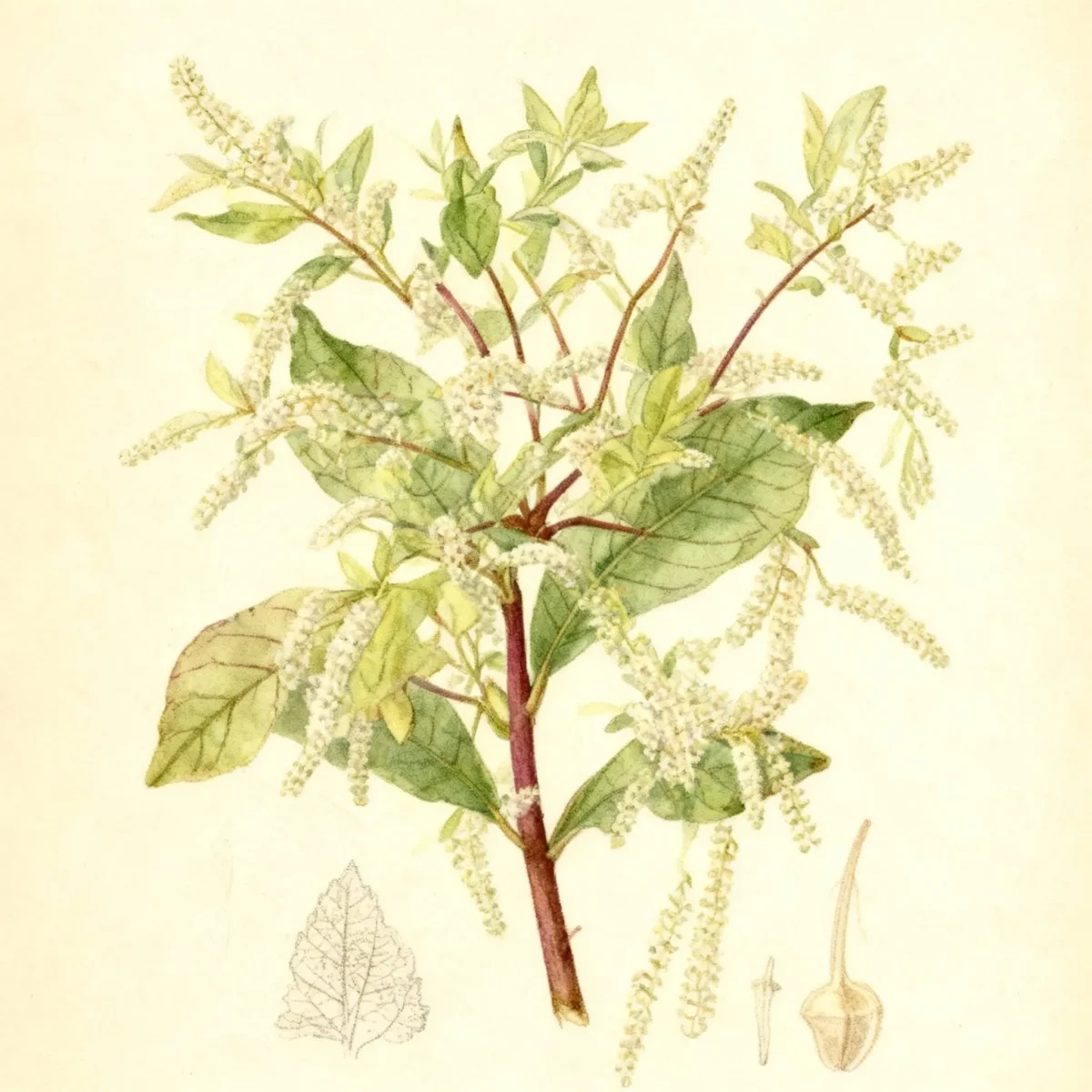
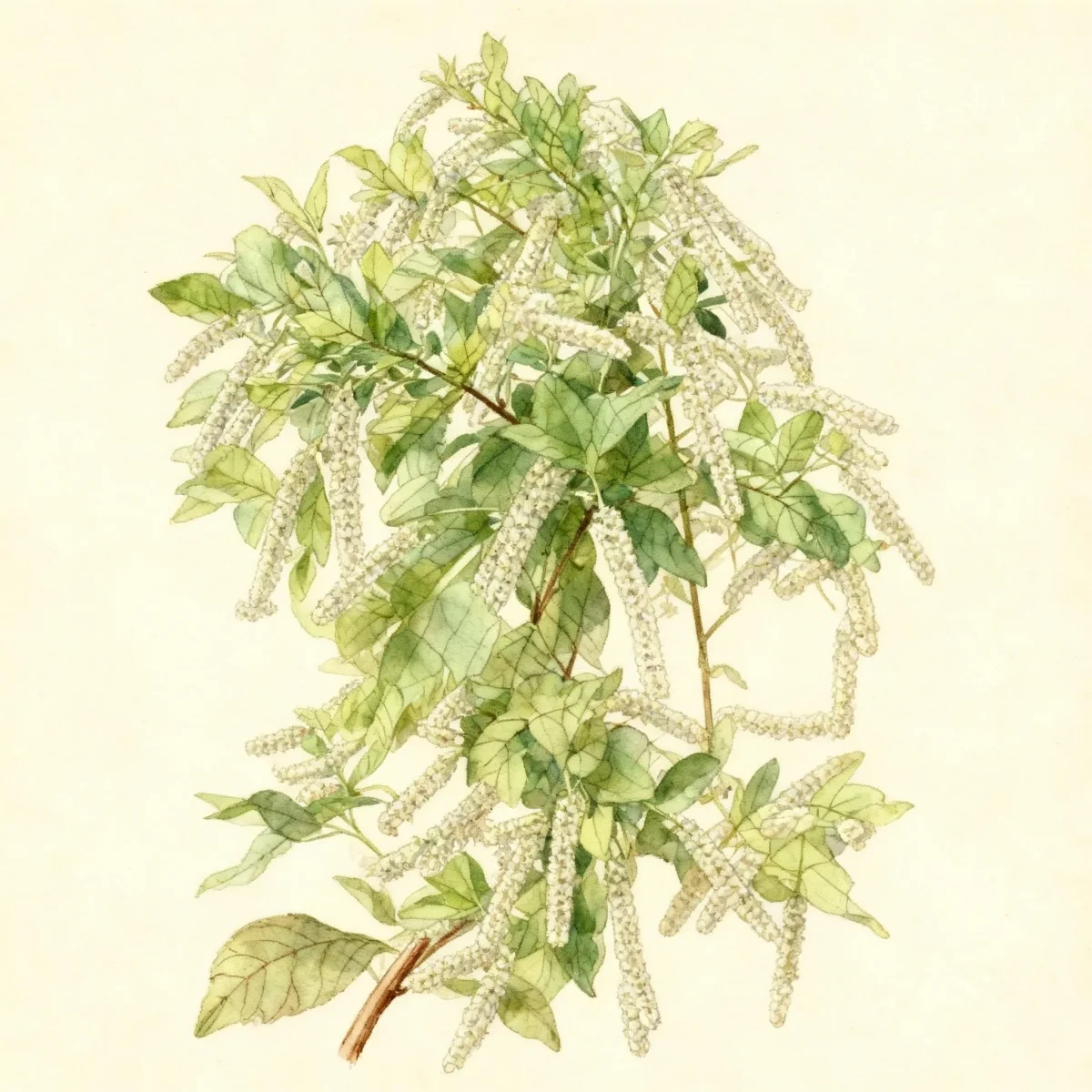
Leitneria floridana, commonly called corkwood, is an uncommon to rare, suckering, deciduous shrub or small tree that is native only to a few wetland areas (swamps, ponds, marshes, estuaries, tidal streams, wet thickets and roadside ditches), in both freshwater and brackish conditions, in far southeastern Georgia, along the Gulf Coast in Florida and Texas plus in the Mississippi River basin in both Arkansas and the Missouri bootheel. Flowering catkins and fruit are not particularly ornamental, but the shrub/tree has interesting aspects, including attractive foliage that remains green well into autumn and reddish bark with lighter colored lenticels. This is a dioecious (separate male and female plants), catkin-producing shrub/tree; catkins appear in spring (March) before the leaves emerge.
Tolerances
- Erosion
- Wet Soil
Potential Problems
This plant is generally free of serious pest or disease issues in cultivation, contributing to its low maintenance requirements. Gardeners do not typically need to apply pesticides or fungicides to maintain the health of the Ozark hairy corkwood. Focus management efforts instead on controlling its suckering habit if encroachment into lawn areas or formal beds is not desired.
Frequently Asked Questions
What hardiness zones is Leitneria pilosa subsp. ozarkana suitable for?
This adaptable shrub is suitable for USDA Hardiness Zones 5 through 9.
How large does Ozark hairy corkwood grow?
It typically matures to a height between 6 and 20 feet, with a spread ranging from 4 to 12 feet wide.
What sun exposure does Leitneria pilosa subsp. ozarkana need?
The ideal location allows for full sun exposure, though it tolerates partial shade very well.
When does Ozark hairy corkwood bloom?
Flowering occurs early in the season during March, preceding leaf emergence, with male catkins appearing brownish and female catkins appearing reddish.
Conclusion
The Ozark hairy corkwood (Leitneria pilosa subsp. ozarkana) offers significant functional value in challenging, wet garden areas where few other woody plants thrive. Its resilience, flood tolerance, and ability to control erosion make it a superior choice for naturalized thickets and informal screens. Before planting, verify that your site conditions align with USDA Zone 5-9 suitability and prepare for its vigorous, suckering growth habit.
Companion Planting
When utilizing Leitneria pilosa subsp. ozarkana in very wet areas, consider companion plants that share its tolerance for high moisture yet offer varied aesthetic appeal. Plants like Swamp Rose (Rosa palustris) or various native sedges and rushes can soften the structural look of the corkwood thickets beautifully. For areas that are only intermittently wet (average soil moisture), consider pairing it with plant material that appreciates heavier soils, such as certain Viburnum varieties adapted to damp woodland edges.
Design Ideas
The suckering nature of this plant makes it excellent for blind spots or rear property lines needing year-round vegetative screening. Design beds around its tendency to cluster, using hard borders or mowing strips to prevent its spread outside the intended boundary. Because the early spring catkins are the main floral display, plan to incorporate spring ephemerals or early-blooming perennials nearby that will emerge after the Leylteria flowers fade but before its leaves fully shade the ground.