Russian oregano (Origanum vulgare subsp. gracile)
Discover Russian oregano (Origanum vulgare subsp. gracile), a low-maintenance, fragrant perennial ideal for herb gardens and hot, dry spots.
Scroll down to discover growing tips, care requirements, companion plants, and more
Complete Plant Information
Overview
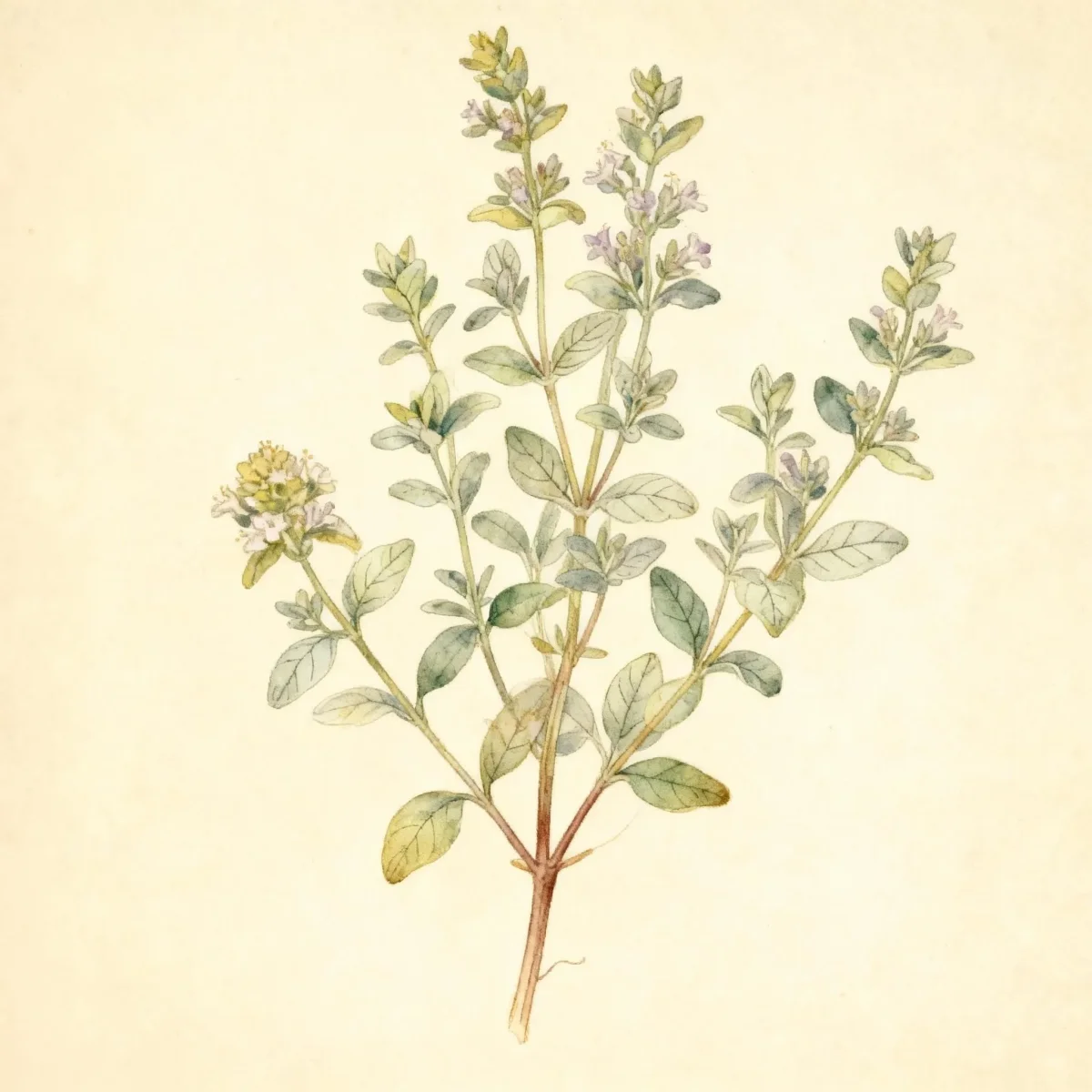
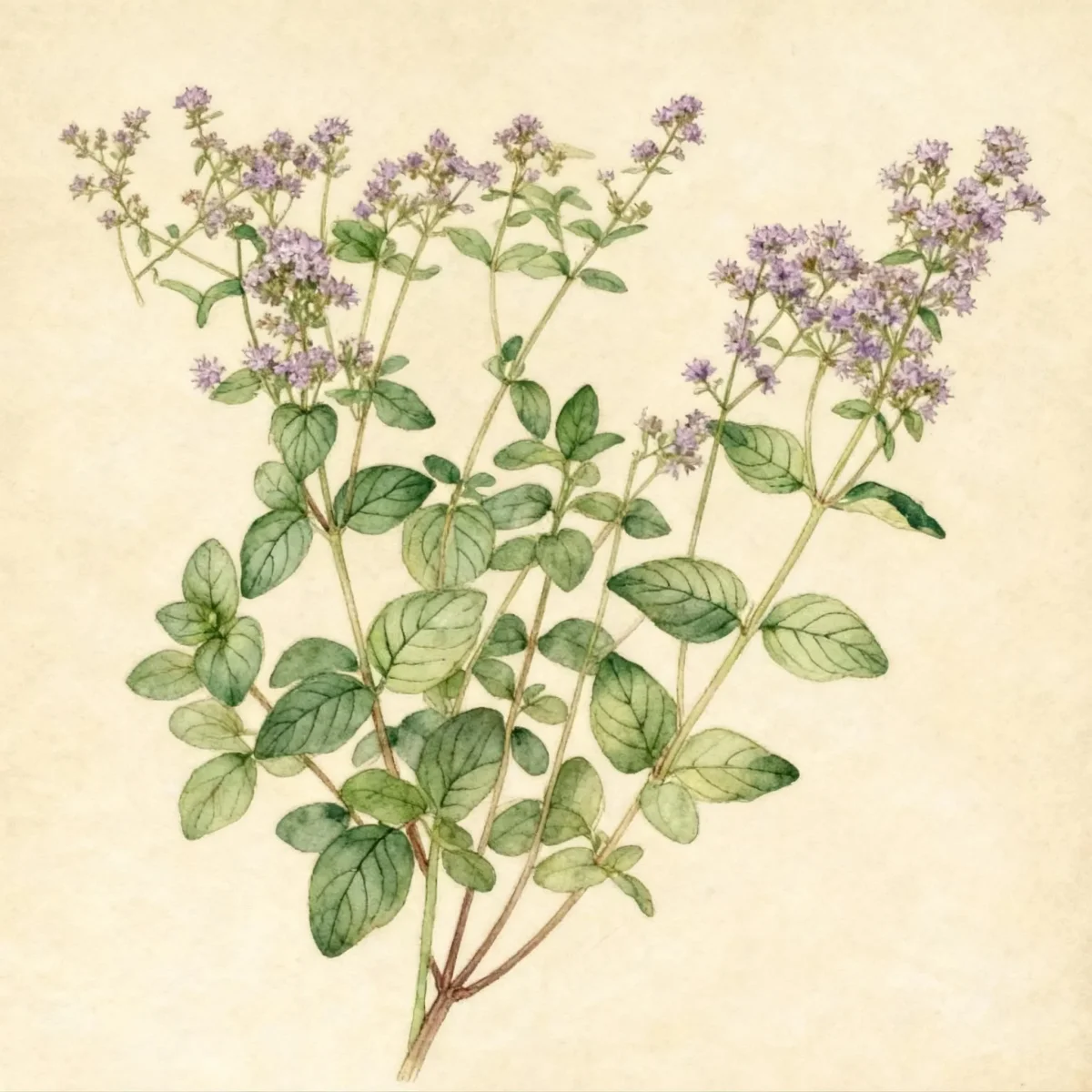
Russian oregano (Origanum vulgare subsp. gracile) is a valuable, hardy perennial for gardeners seeking strong culinary flavors paired with ornamental traits. This subspecies, also known as Turkestan oregano, offers pungent leaves that are generally stronger in flavor compared to the straight species of common oregano. It forms dense, bushy mounds ready for harvest from mid-summer well into the autumn.
As a low-maintenance addition to the landscape, Origanum vulgare subsp. Gracile thrives in tough conditions where many softer herbs might struggle. It exhibits excellent drought tolerance once established, making it perfect for xeriscaping or hot, sunny borders. The plant is frequently incorporated into herb gardens for its accessibility.
Aesthetically, Origanum vulgare subsp. gracile produces delicate white to pink blooms during its long flowering season, adding subtle color to the garden tapestry. Whether used fresh or dried, the spicy, pungent profile of Russian oregano makes it a garden workhorse for culinary enthusiasts.
Fast Facts
- Plant Family: Lamiaceae
- Plant Type: Herbaceous perennial
- Native Range: Kyrgyzstan
- Hardiness Zones: USDA Zones 4-8
- Size at Maturity:
- Height: 1-1.5 ft
- Spread: 1-1.5 ft
- Bloom Time: July to October
- Bloom Description: White to pink
- Sun Exposure: Full sun
- Water Needs: Dry to medium
- Maintenance Level: Low
How to Grow
Plant Origanum vulgare subsp. gracile in the spring after the danger of hard frost has passed, ensuring it receives full sun exposure for the best flavor development and flowering. This herb prefers lean, well-draining soil; it readily adapts to dry soil conditions and even shallow, rocky spots. Avoid overly rich garden beds, which can promote excessive leafy growth at the expense of aromatic oils.
Care requirements for Russian oregano are minimal. Water sparingly, allowing the soil to dry out between watering sessions—it prefers dry to medium moisture levels and hates standing water. Fertilization is generally unnecessary; applying compost once a year is usually sufficient, if any amendment is desired at all.
For best shape and to encourage slightly bushier growth, lightly prune the stems back by about one-third in early spring. Heavy harvesting throughout the summer also acts as a form of pruning. Winter preparation is straightforward; Russian oregano is hardy in zones 4 through 8 and typically requires no special covering.
Landscape Uses
Russian oregano is wonderfully versatile and fits seamlessly into cottage gardens, rock gardens, and herbaceous borders. Its compact size makes it an excellent choice for border fronts where its low structure won’t obscure taller plantings, or as a naturalizing groundcover in sunny, dry areas. It performs beautifully when planted near structures that retain heat, appreciating the full sun conditions of dry, sunny spots.
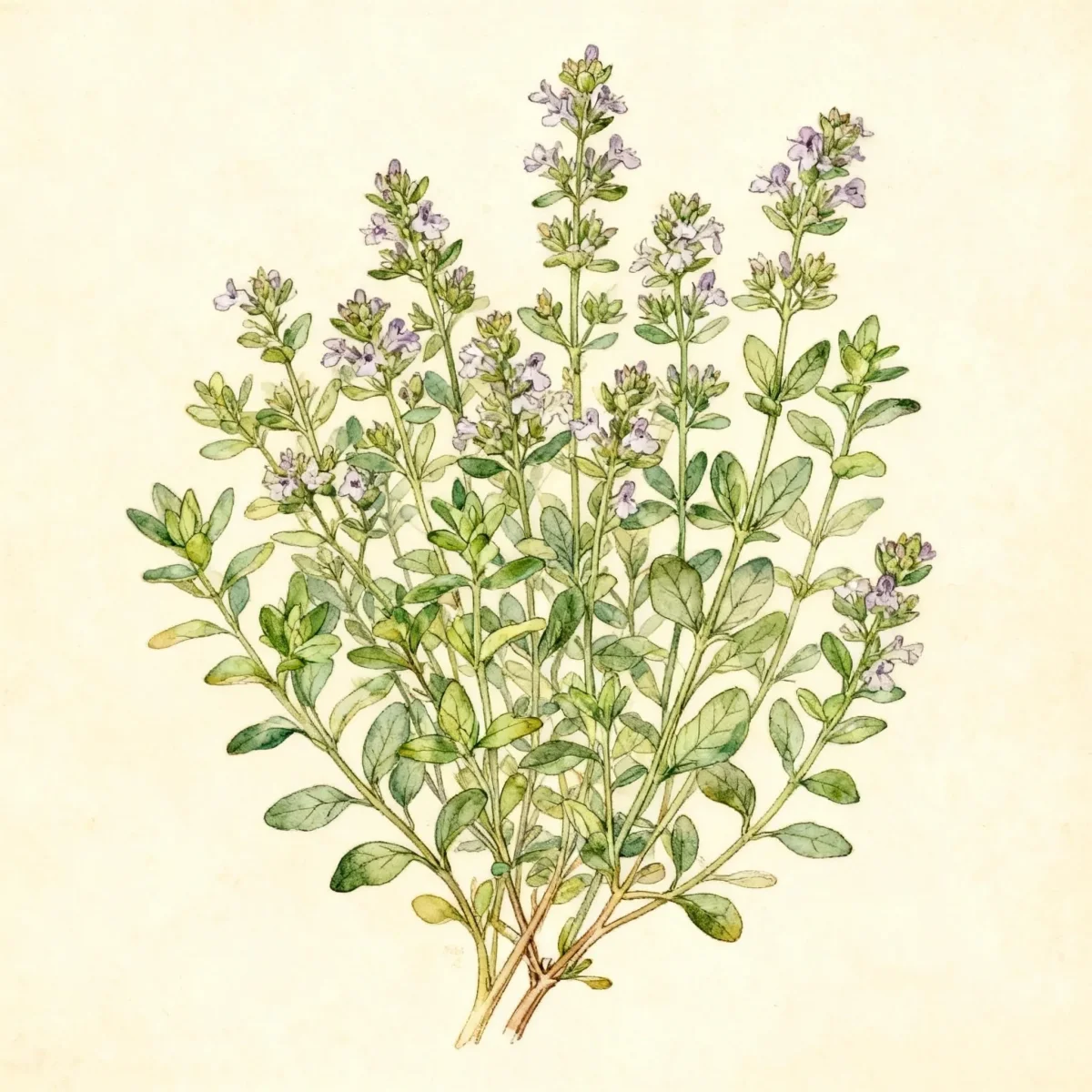
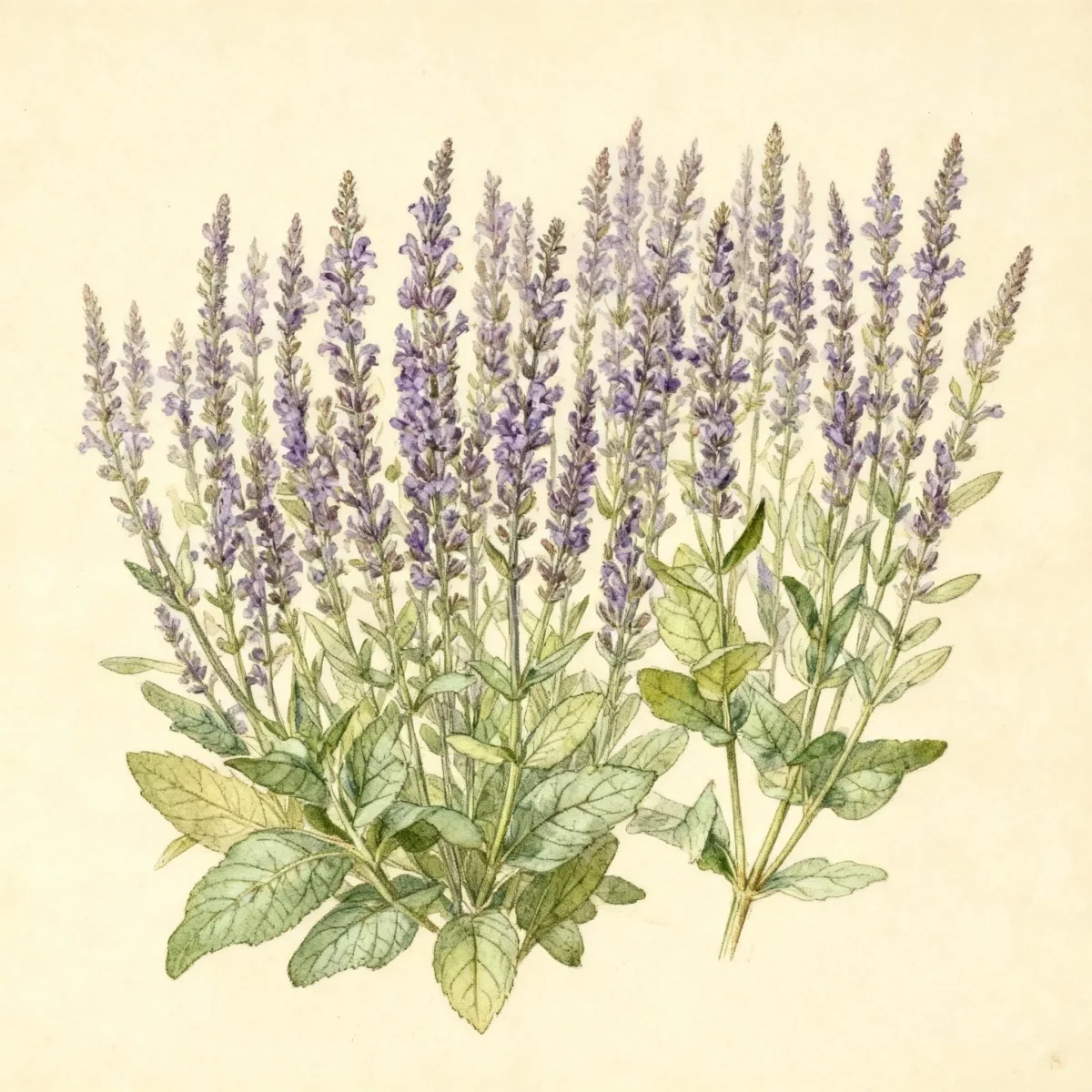
Functionally, it excels in culinary landscapes. Grouping Origanum vulgare subsp. gracile near the kitchen door ensures easy access for seasoning during summer cooking. It pairs well visually and culturally with Mediterranean herbs like thyme and lavender, which share similar sun and drought demands.
Beyond the herb garden, this plant is perfectly suited for containers, window boxes, and pots. When grown in containers, ensure the potting mix provides excellent drainage to prevent root issues. Drought tolerance also makes it a reliable choice for less accessible garden spaces.
Standout Features
Flower Qualities
- Showy
Noteworthy Characteristics
Origanum vulgare, commonly known as oregano, is a bushy, rhizomatous, woody-branched perennial which typically grows to 1-3’ tall and to 2’ wide on square stems clad with aromatic, glandular-spotted, rounded to ovate leaves. Tiny, two-lipped, pinkish-purple or white flowers bloom in terminal spikelets which rise above the foliage in summer. Subsp. Gracile, commonly known as Russian oregano, is a hardy perennial grown primarily in herb gardens for culinary use, but is sometimes also grown for ornamental purposes, featuring dark green leaves and pink or white flowers.
Tolerances
- Deer
- Drought
- Erosion
- Dry Soil
- Shallow-Rocky Soil
Potential Problems
Root rot is the primary concern for Origanum vulgare subsp. gracile when cultural conditions are not met, typically occurring in wet, poorly drained soils where the roots struggle to breathe. Fungal diseases can also appear, especially if humidity is high or air circulation is poor around the dense foliage. Gardeners should also monitor for common pests such as aphids, leaf miners, and spider mites, though severe infestations are rare on healthy, sun-loving specimens. Ensure planting sites have excellent drainage to proactively manage root rot risks.
Frequently Asked Questions
What hardiness zones is Russian oregano suitable for?
Russian oregano (Origanum vulgare subsp. gracile) is reliably cold-hardy in USDA Zones 4 through 8.
How large does Russian oregano grow?
This perennial herb typically reaches a height between 1 and 1.5 feet tall, spreading out to a similar width of 1 to 1.5 feet.
What sun exposure does Russian oregano need?
For optimal growth and the most pungent leaves, Origanum vulgare subsp. gracile requires full sun exposure throughout the day.
When does Russian oregano bloom?
You can expect blooms from this plant to appear throughout a long season, generally spanning from July all the way through October, featuring delicate white to pink flowers.
Conclusion
Origanum vulgare subsp. gracile offers robust flavor, reliable hardiness, and attractive summer flowers, making it an indispensable staple for both the kitchen garden and sunny borders. This Russian oregano variety withstands heat and dryness, proving itself to be an exceptionally low-maintenance herb. Before planting, confirm your local USDA hardiness zone aligns with Zones 4-8 and ensure your location provides plenty of direct sunlight.
Companion Planting
When selecting neighbors for your Russian oregano, focus on plants that share its preference for dryness and full sun. Pairing it with other Mediterranean herbs—like savory, rosemary, or lavender—creates a cohesive, low-water planting scheme. These companions generally resent wet feet, so planting them together ensures no single plant receives excessive moisture.
Consider using Origanum vulgare subsp. gracile as a low, fragrant border for beds containing drought-tolerant flowering perennials such as coneflowers (Echinacea) or Sedum varieties. Their taller structures provide a lovely visual contrast to the compact, spreading habit of the oregano, while their shared cultural needs simplify watering schedules.
Design Ideas for Dry Gardens
The ability of Russian oregano to tolerate dry soil and shallow rocky areas makes it an invaluable element in naturalistic landscape designs or xeriscaping projects. Because it is rhizomatous, planting it near pathways or along the edges of patios allows it to gently spread and soften hard lines over time, creating living mulch. Use its dense, low form to spill over the edges of retaining walls or rockeries, showcasing its drought tolerance.
In cottage garden settings, let Origanum vulgare subsp. gracile weave between sturdier structural plants, such as ornamental grasses or taller perennial salvias. The fine texture of its foliage and tiny blooms contrasts beautifully with coarser leaves, adding layers of complexity when planted en masse. Its dark green leaves serve as a perfect, aromatic groundcover base layer.