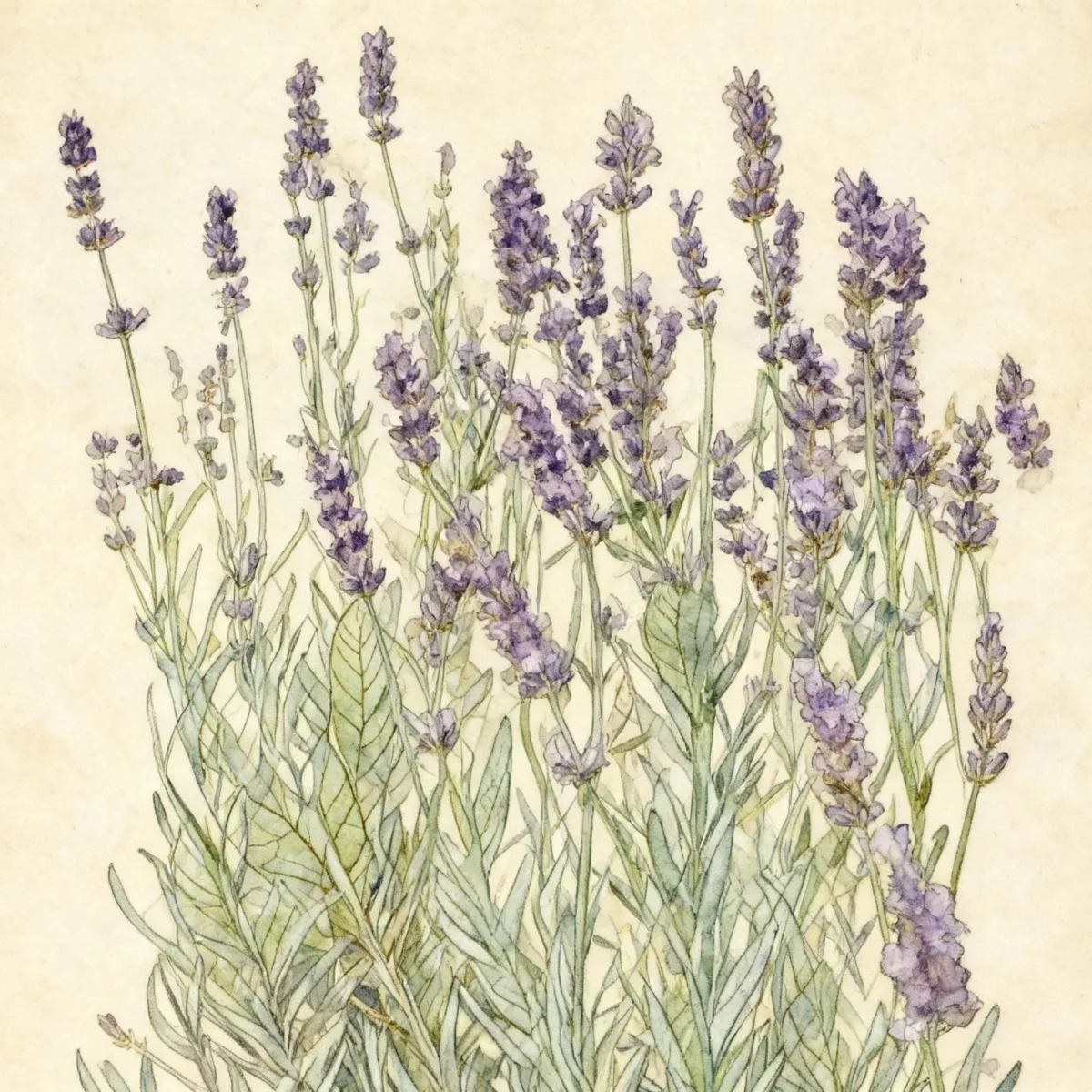
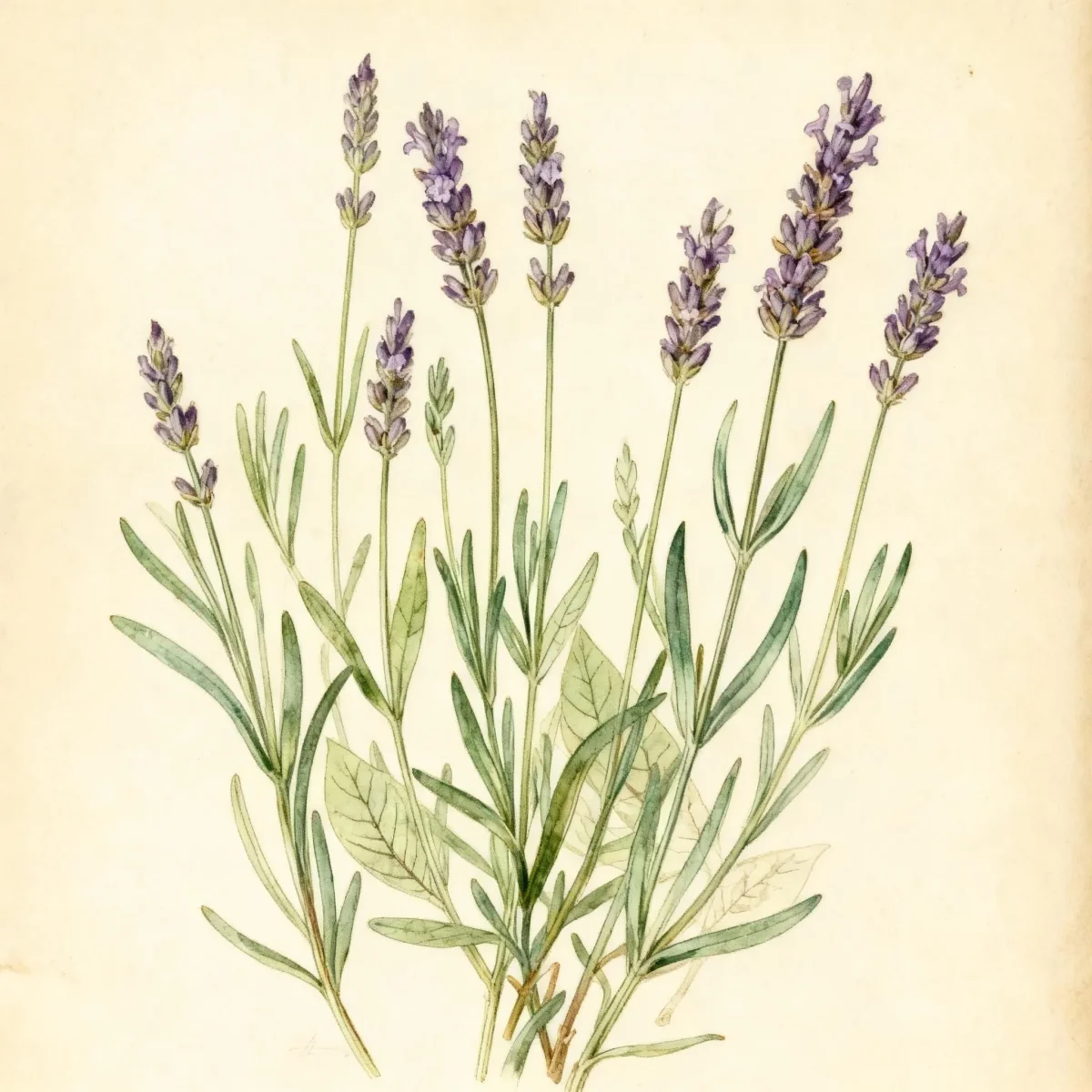
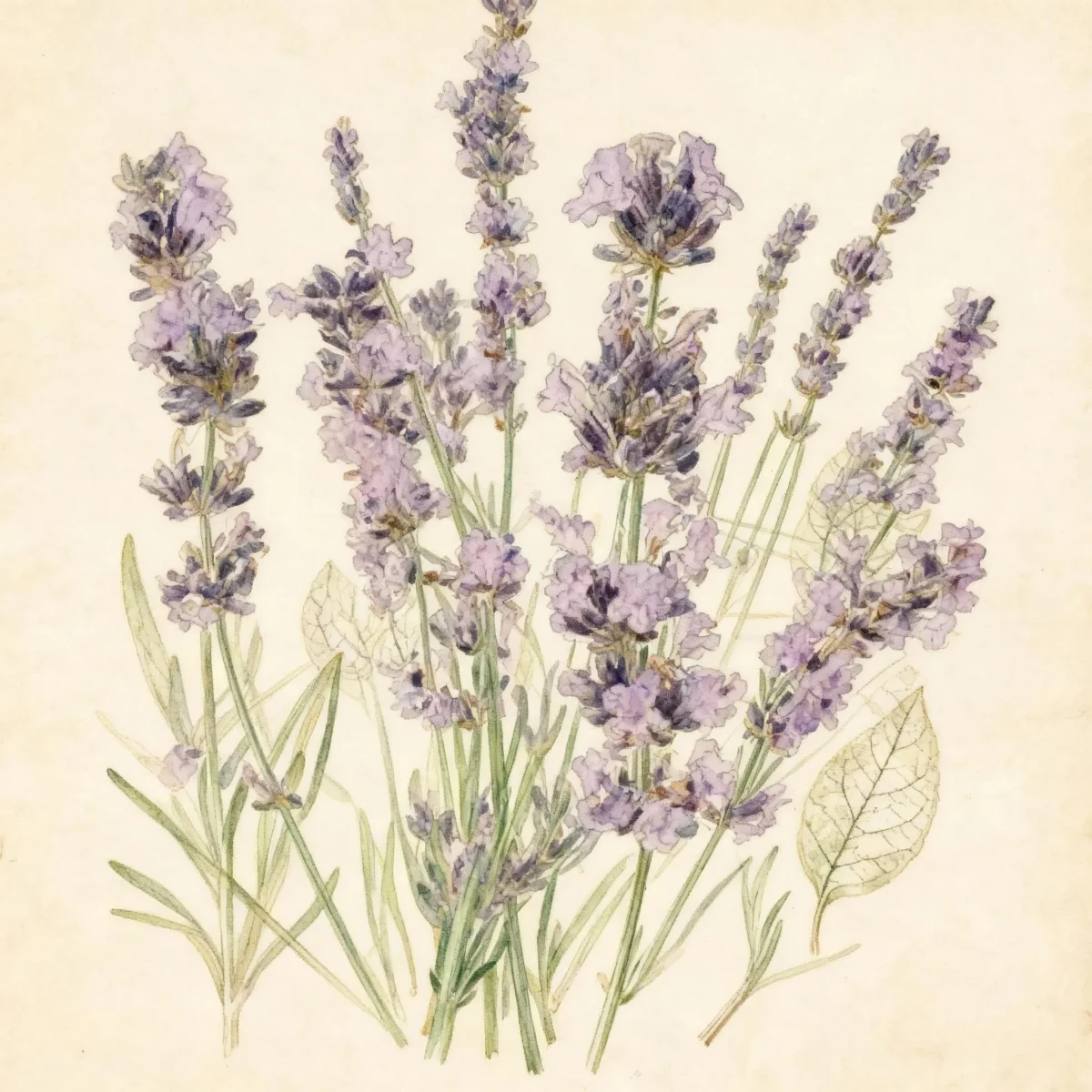
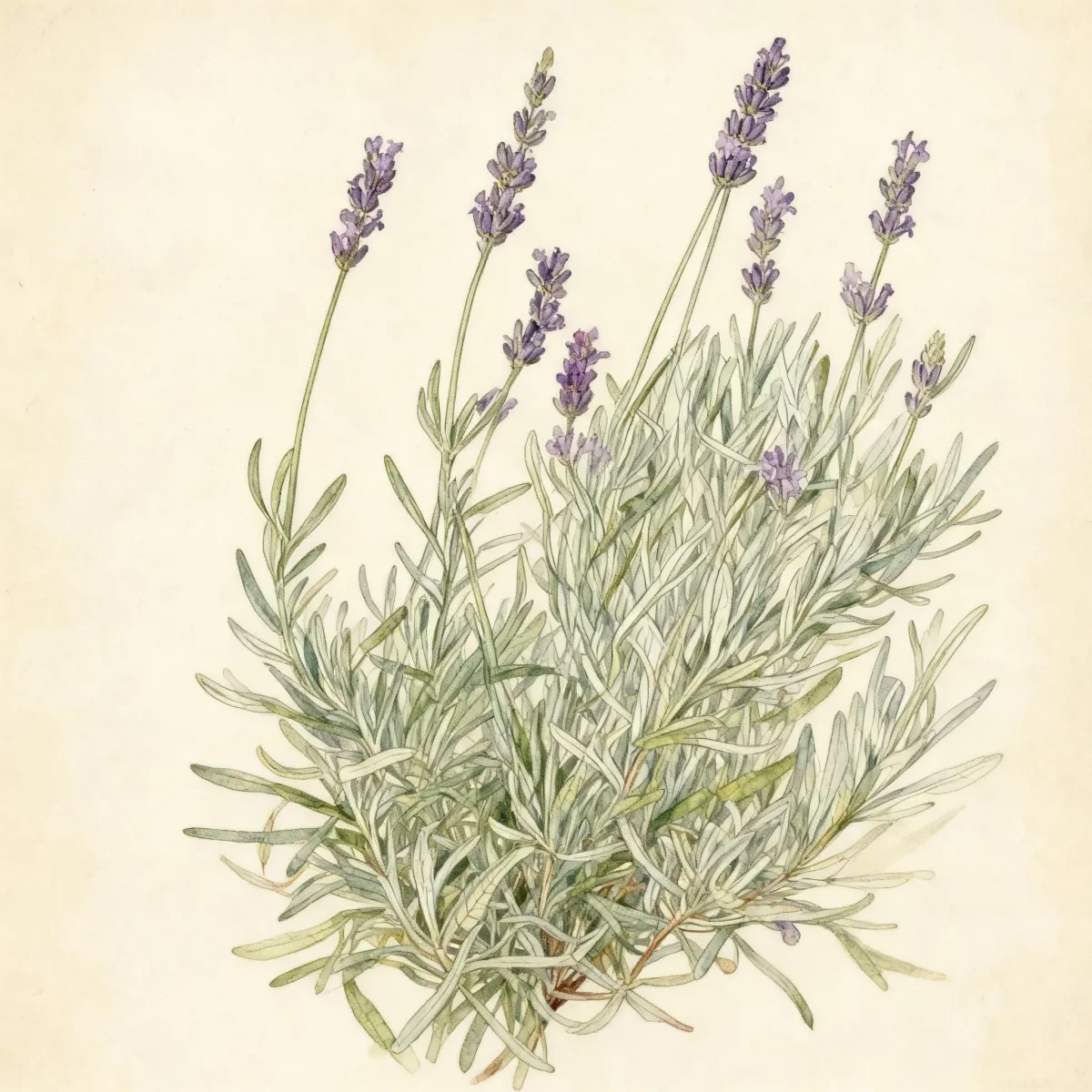
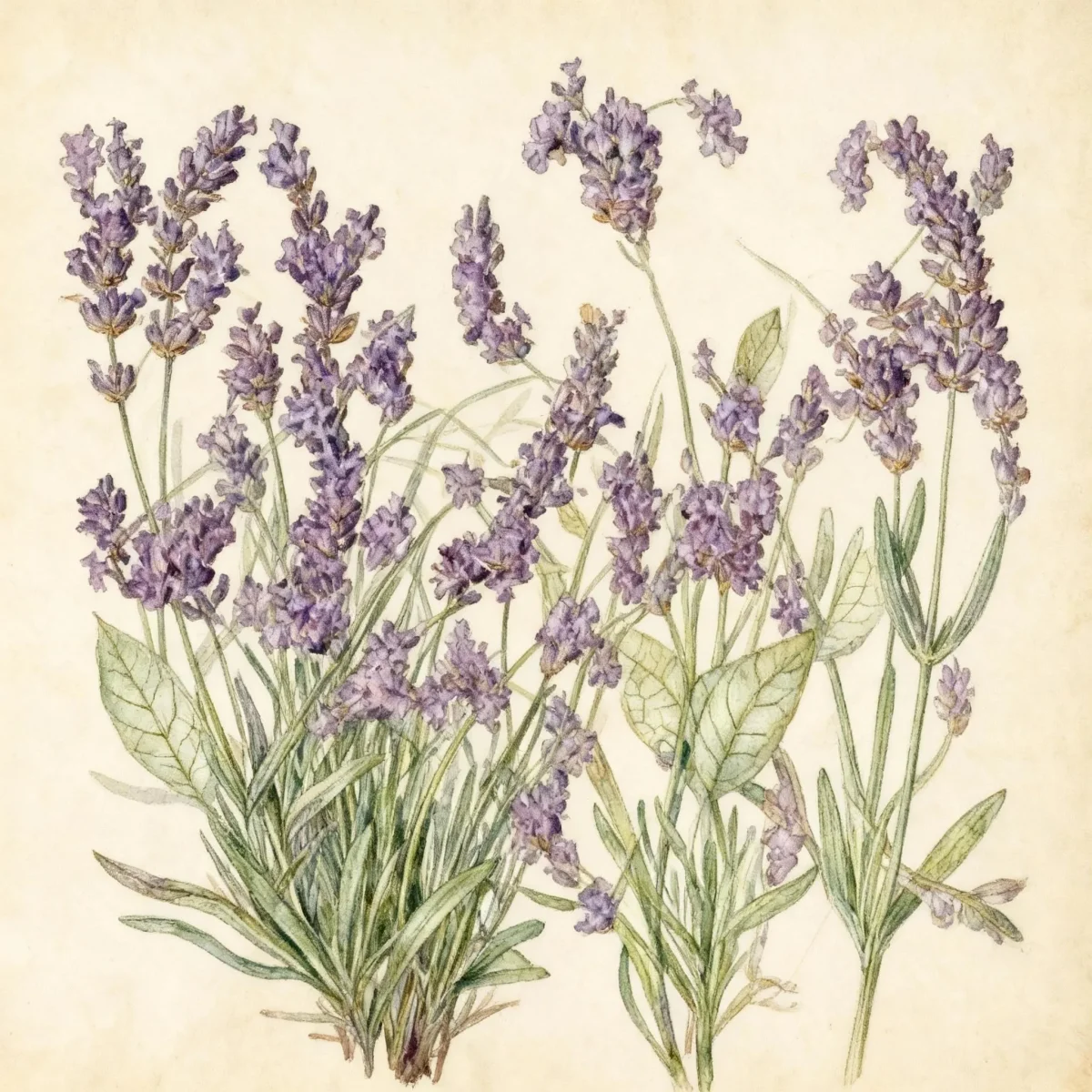
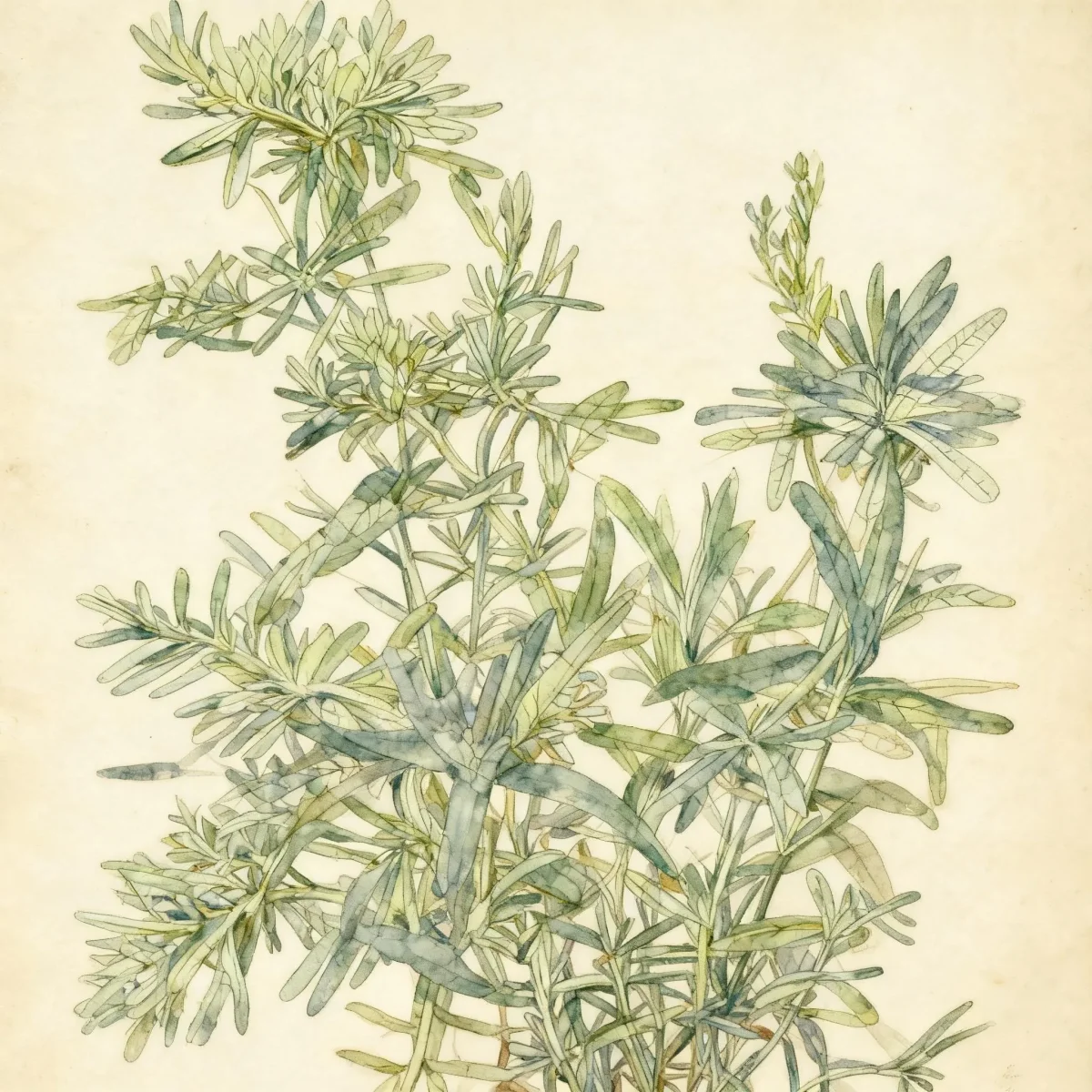
English lavender (Lavandula angustifolia 'SuperBlue')
Lavandula angustifolia 'SuperBlue' offers true English lavender fragrance, deep violet-blue blooms, and tolerance for heat and humidity.
Scroll down to discover growing tips, care requirements, companion plants, and more
Complete Plant Information
Overview
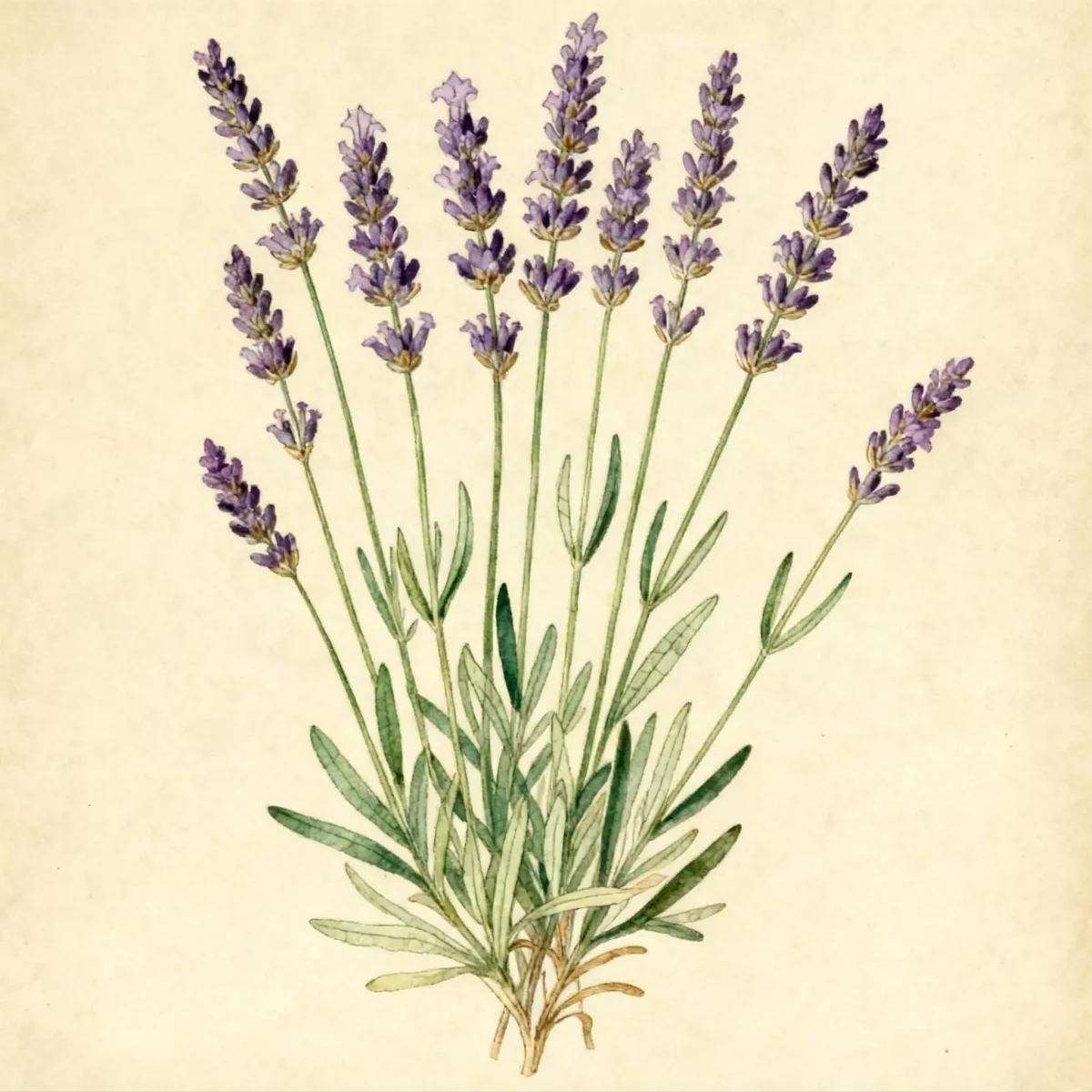
Lavandula angustifolia ‘SuperBlue’ is a highly prized cultivar of English lavender celebrated for its intense, deep violet-blue flowers that bloom reliably from June through August. Originating in the Netherlands, this variety boasts a mounded, compact growth habit, making it an excellent choice for formal edging or containers where space management is key. As a true lavender, it is commercially valuable for its aromatic oils and highly sought after for culinary applications, distinguishing it from many hybrid lavandins.
This herbaceous perennial offers significant ornamental value, providing fantastic texture contrast with its narrow, medium-green foliage against the vivid blooms. While English lavender has better cold tolerance than some relatives, successful cultivation—particularly for Lavandula angustifolia ‘SuperBlue’—hinges upon perfect drainage, especially during winter months. Gardeners value its deer resistance and drought tolerance once established, confirming its status as a backbone plant in sunny perennial borders.
Fast Facts
- Plant Family: Lamiaceae
- Plant Type: Herbaceous perennial
- Hardiness Zones: USDA Zones 4-9
- Size at Maturity:
- Height: 0.75-1 ft
- Spread: 0.75-1 ft
- Bloom Time: June to August
- Bloom Description: Deep violet-blue
- Sun Exposure: Full sun
- Water Needs: Dry to medium
- Maintenance Level: Medium
How to Grow
Plant English lavender in average, well-drained, alkaline soil. Full sun exposure is non-negotiable; insufficient light leads to poor flowering and weak structure. When establishing, ensure the soil drains perfectly, as root rot is a primary killer, especially during wet winters. Consider planting in a site with light, sandy soil to promote the preferred low fertility and sharp drainage.
Water requirements are dry to medium; once established, this lavender tolerates significant drought, mirroring its native Mediterranean origins. Avoid overhead watering that leaves foliage wet, which, combined with high summer humidity—a challenge in areas like St. Louis—can encourage fungal issues. Fertilization is generally unnecessary; this plant thrives in lean conditions.
Pruning is essential for maintaining the compact shape of Lavandula angustifolia ‘SuperBlue’. Remove faded flowers promptly to encourage rebloom throughout the summer season. Annually, prune to shape in spring after new leaves emerge. Every three years, employ a slightly harder prune, cutting back stems to approximately 8 inches high to stimulate robust, new growth and prevent the center from becoming woody.
Landscape Uses
English lavender, including the robust Lavandula angustifolia ‘SuperBlue’, is incredibly versatile beyond the traditional herb garden. Its uniform size and fragrant foliage make it superb for defining the front edge of a perennial border, offering mid-summer color contrast against bolder foliage. Mass planting large groups of Lavandula angustifolia ‘SuperBlue’ creates a striking sweep of deep violet-blue that attracts pollinators.
Utilize its defined structure as a low hedge or edging material along pathways where its scent can be appreciated with every passing step. It transitions seamlessly into rock gardens due to its tolerance for dry, shallow, and rocky soils. Remember that the highly aromatic flowers are excellent additions to sachets and potpourri, making it a functional choice for placement near outdoor seating areas.
Standout Features
Flower Qualities
- Showy
- Fragrant
- Good Cut
- Good Dried
Noteworthy Characteristics
Despite the “English” designation, this variety originates from the Mediterranean region and was named for its adaptation to cooler climates. Lavandula angustifolia is commercially prized for its essential oils, used globally in perfumes, and its culinary uses are more widespread than other hardy lavenders. The ‘SuperBlue’ cultivar, released after 2005, is specifically known for its intense violet-blue color, compact habit, and enhanced tolerance to heat and humidity compared to older types.
Tolerances
- Rabbit
- Deer
- Drought
- Dry Soil
- Shallow-Rocky Soil
- Air Pollution
Potential Problems
The primary concerns for English lavender involve fungal diseases and winter survival. Plants are susceptible to unattractive leaf spot and, more critically, root rot, which is directly linked to poor soil drainage. To ensure your Lavandula angustifolia ‘SuperBlue’ thrives, avoid organic mulches which hold too much moisture; instead, use rock mulch to keep the crown dry.
Winter mortality can occur if temperatures consistently drop below zero without protective snow cover, especially when the soil remains saturated. Proper pruning back to 8 inches every few years encourages firm, new, woody growth resistant to breaking during winter stress. In borderline zones, providing a sheltered location can significantly increase long-term survival rates.
Frequently Asked Questions
What hardiness zones is English lavender suitable for?
Lavandula angustifolia ‘SuperBlue’ is hardy in USDA Zones 4 through 9, offering excellent cold tolerance for a lavender variety.
How large does Lavandula angustifolia ‘SuperBlue’ grow?
This cultivar typically matures to a height and spread between 0.75 and 1 foot tall and wide, maintaining a tidy, mounded profile.
When does Lavandula angustifolia ‘SuperBlue’ bloom?
This variety provides color from June into August, featuring very desirable deep violet-blue flower spikes.
What sun exposure does English lavender need?
This plant absolutely requires full sun exposure to produce the best flower quality and maintain a compact habit.
Conclusion
Lavandula angustifolia ‘SuperBlue’ is a valuable addition to any sunny landscape, rewarding gardeners with exceptional deep violet-blue blooms and classic lavender fragrance. Its moderate size and deer resistance make it perfect for the front of borders or structured knot gardens. Before planting, carefully assess your local soil drainage; excellent drainage is the single most important factor for long-term success with English lavender.
Companion Planting
When designing spaces for English lavender, focus on plants that enjoy similar conditions: full sun, excellent drainage, and perhaps slightly poorer soil. Avoid traditional moisture-loving border companions like hostas or astilbes. Excellent pairings include Mediterranean herbs like Thyme, Rosemary, and Sage, which share similar water and soil needs. For color contrast in the perennial border, consider pairing the silver-green foliage and blue flowers of Lavandula angustifolia ‘SuperBlue’ with plants offering yellow or white summer blooms, such as Coreopsis verticillata or Achillea (Yarrow).
Container Growing
Growing Lavandula angustifolia ‘SuperBlue’ in containers is an excellent strategy, especially in regions with problematic winter soil wetness or excessively humid summers. Use a potting mix specifically designed for cacti or succulents, or amend standard potting soil heavily with perlite or coarse grit to ensure rapid drainage. Position the container where it receives maximum direct sunlight throughout the day. Water deeply but allow the top two inches of soil to dry completely before watering again to mimic its preferred drought conditions, effectively managing the environmental risks associated with high humidity.