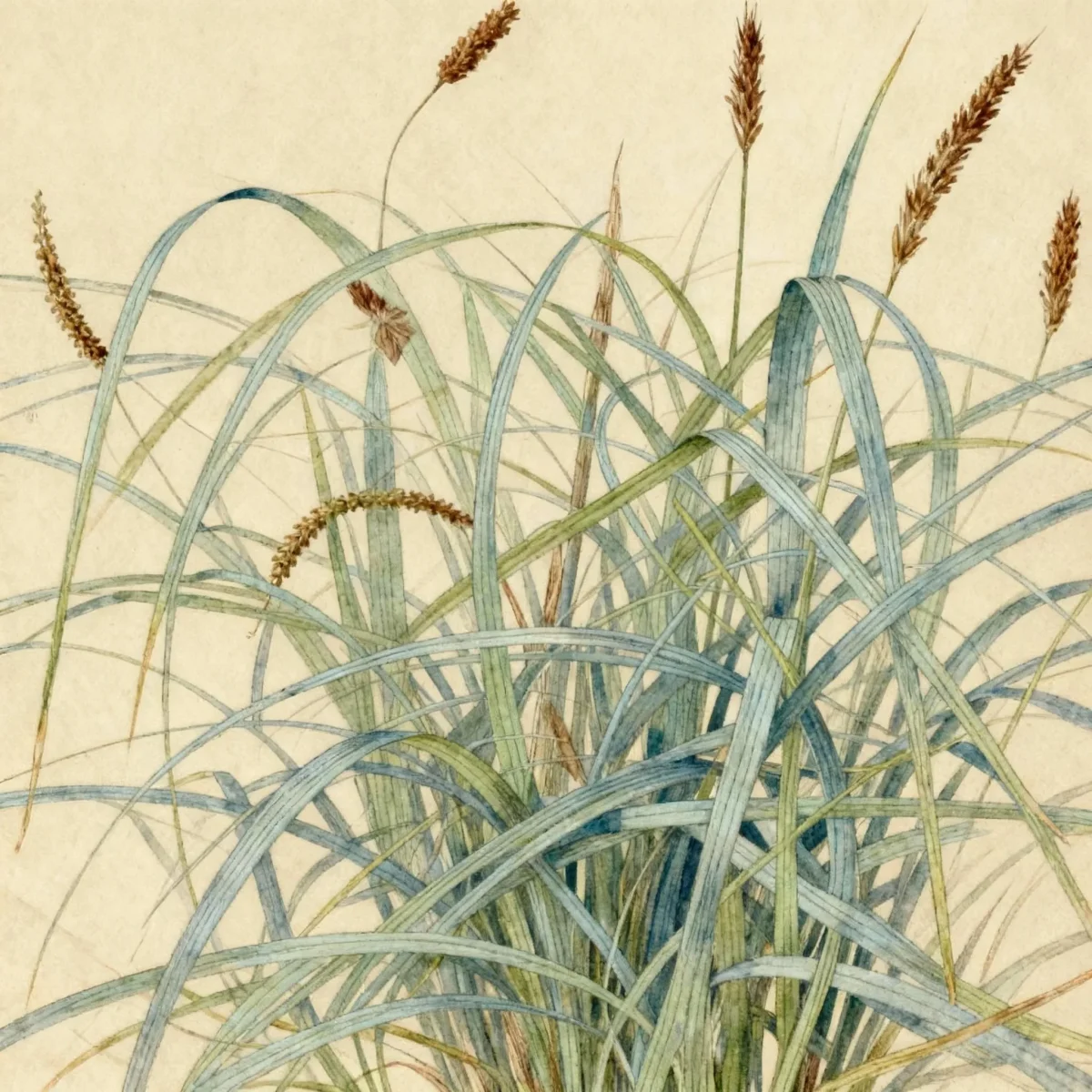
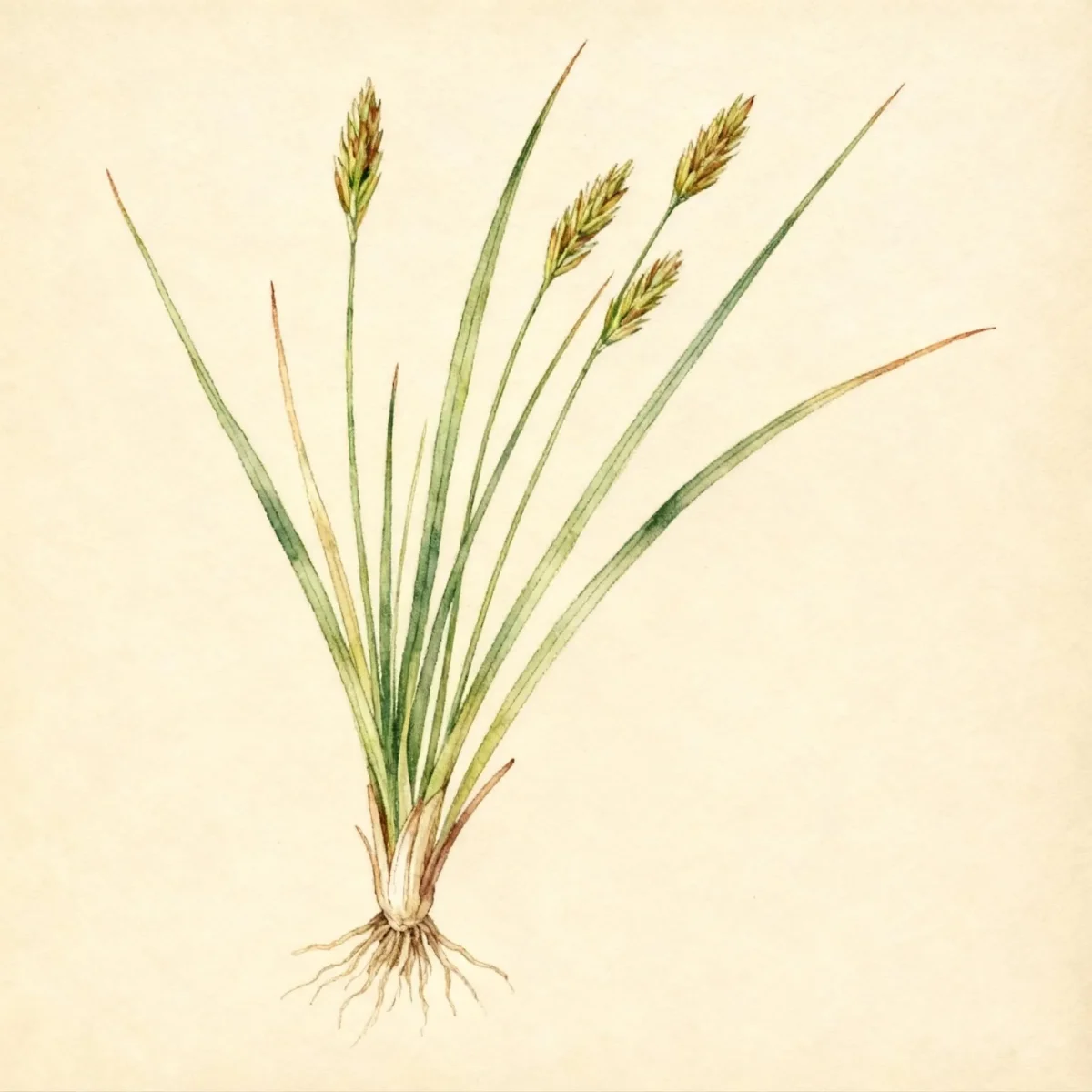
Reflexed sedge (Carex retroflexa)
Reflexed sedge (Carex retroflexa) is a low-maintenance, clump-forming grass ideal for dry woodlands. Hardy in zones 5-9.
Scroll down to discover growing tips, care requirements, companion plants, and more
Complete Plant Information
Overview
Carex retroflexa, commonly known as reflexed sedge, is a valuable native perennial grass-like plant perfect for areas requiring durable, low-growing texture. This eastern North American native thrives throughout diverse woodland settings, offering excellent ground cover capabilities without demanding extensive care. Gardeners appreciate its adaptability to less-than-ideal conditions, making it a reliable choice for tough spots in the landscape.
This clump-forming species establishes into neat mounds of narrow, grass-like leaves, reaching modest heights typically under one foot. Although the flowers are insignificant, the overall structure of the reflexed sedge provides consistent green interest from spring through fall. It slowly spreads by seed, eventually colonizing areas, though it is not considered aggressively invasive.
The unique botanical name, Carex retroflexa, reflects key identification features. The genus name refers to the sharp edges of most sedges, while the species epithet describes the capsules that are bent backwards. Integrating reflexed sedge into your garden design brings native texture and resilience to shaded or dry slopes.
Fast Facts
- Plant Family: Cyperaceae
- Plant Type: Rush or Sedge
- Native Range: Eastern North America
- Hardiness Zones: USDA Zones 5-9
- Size at Maturity:
- Height: 0.5-1 ft
- Spread: 0.75-1.25 ft
- Bloom Time: May to June
- Bloom Description: Flowers not showy
- Sun Exposure: Full sun to part shade
- Water Needs: Dry to medium
- Maintenance Level: Low
How to Grow
Establish Carex retroflexa during the cooler seasons—spring or fall are ideal—to allow the root system to establish before intense summer heat or deep winter cold arrives. This species prefers evenly moist to dry, well-draining soils, which can range from rich loam to sandier compositions. While it performs well in part shade, it readily tolerates full sun provided moisture levels are maintained, thriving naturally in dry-mesic deciduous woodlands.
Maintenance for reflexed sedge is wonderfully simple, reflecting its low-maintenance categorization. Watering should primarily focus on establishment; once mature, Carex retroflexa shows good drought tolerance, requiring supplemental water only during extended dry spells, particularly if sited in full sun. Fertilization is rarely necessary; enriching the soil before planting is usually sufficient for long-term health.
Pruning is generally minimal. A light cleanup in late winter or early spring, cutting back the old foliage before new growth emerges, is all that is usually required to keep clumps looking tidy. Remember the specific epithet retroflexa refers to the backward-bent capsules, meaning the main aesthetic appeal is textural foliage rather than flashy blooms.
Landscape Uses
Reflexed sedge excels when used as a functional and aesthetic ground cover, particularly in difficult-to-plant areas. Its modest 1-foot height and spreading habit make it an excellent choice for naturalizing under large trees or along woodland edges where turfgrass struggles. Consider using this sedge in mixed borders where its fine texture will contrast beautifully with broad-leaved perennials or coarser ornamental grasses.
For a sustainable design, Carex retroflexa is highly recommended as a low-traffic lawn alternative or green mulch layer. It suppresses weeds effectively once established and requires no mowing, significantly reducing lawn maintenance inputs. Planting colonies of Carex retroflexa creates a cohesive, flowing visual element in naturalistic or woodland gardens.
This sedge pairs well with other shade-tolerant natives like ferns, woodland phlox, or native wild ginger, which share similar cultural needs for well-drained, somewhat dry soil. Groupings of several plants will quickly establish the desired colonial appearance.
Standout Features
Flower Qualities
- Insignificant
Noteworthy Characteristics
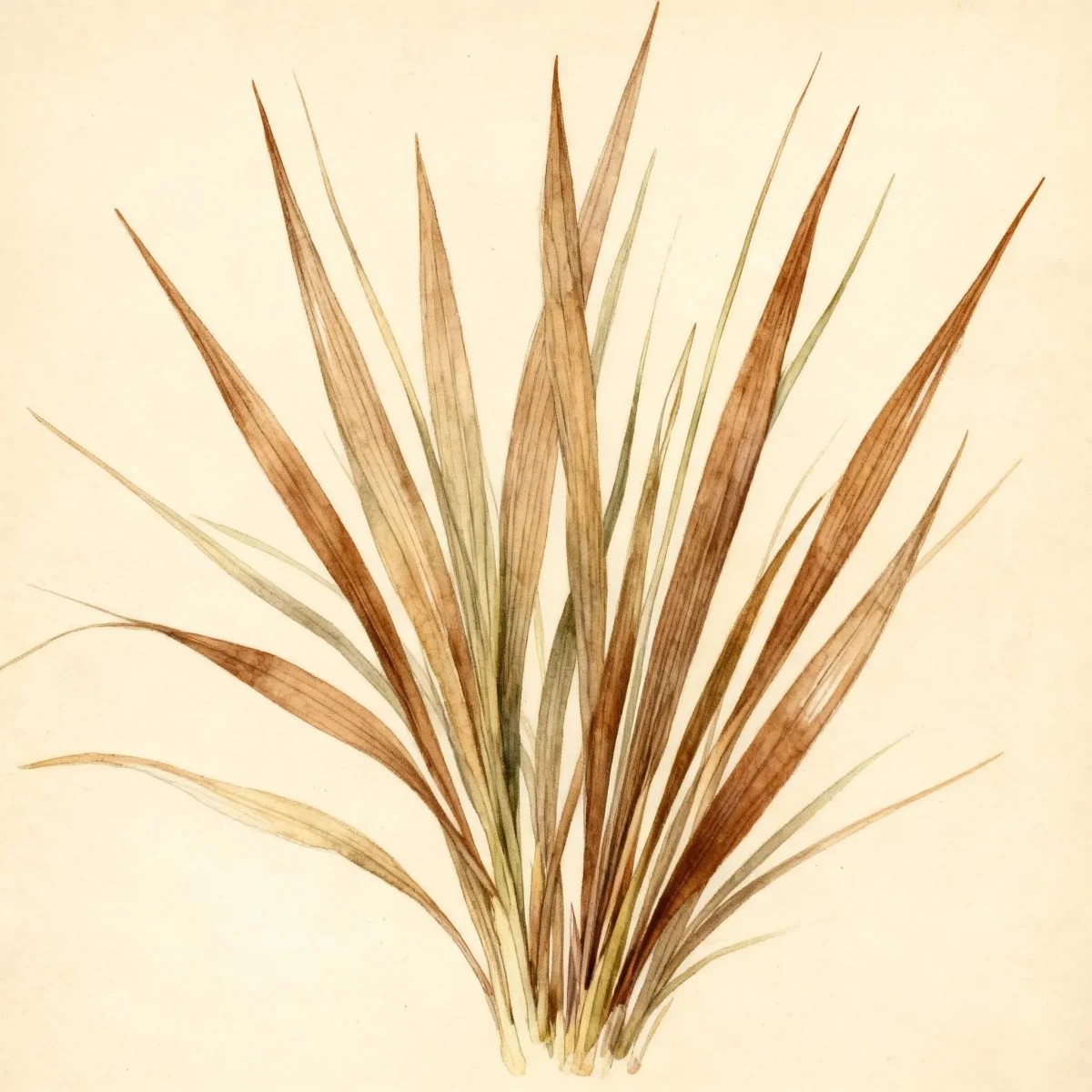
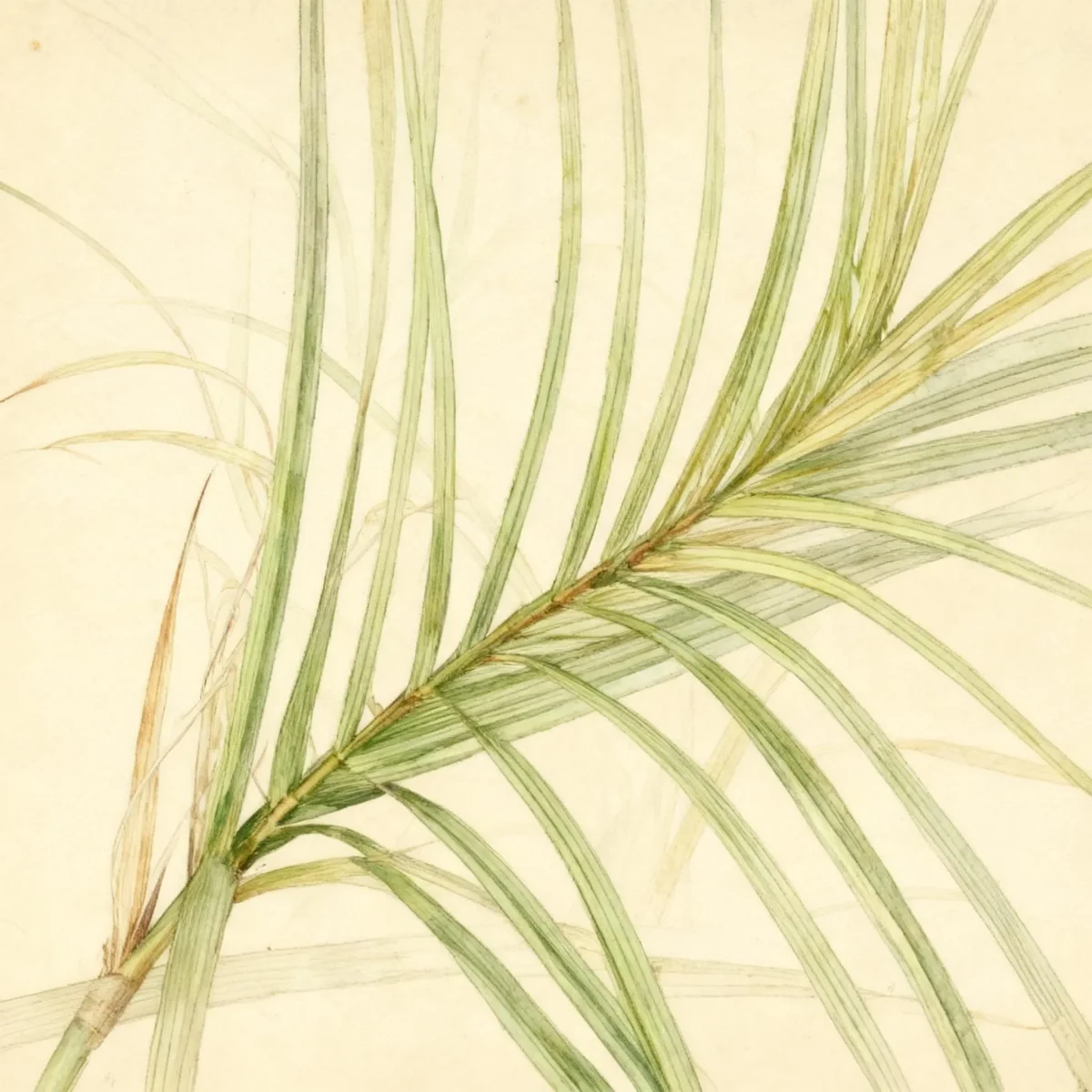
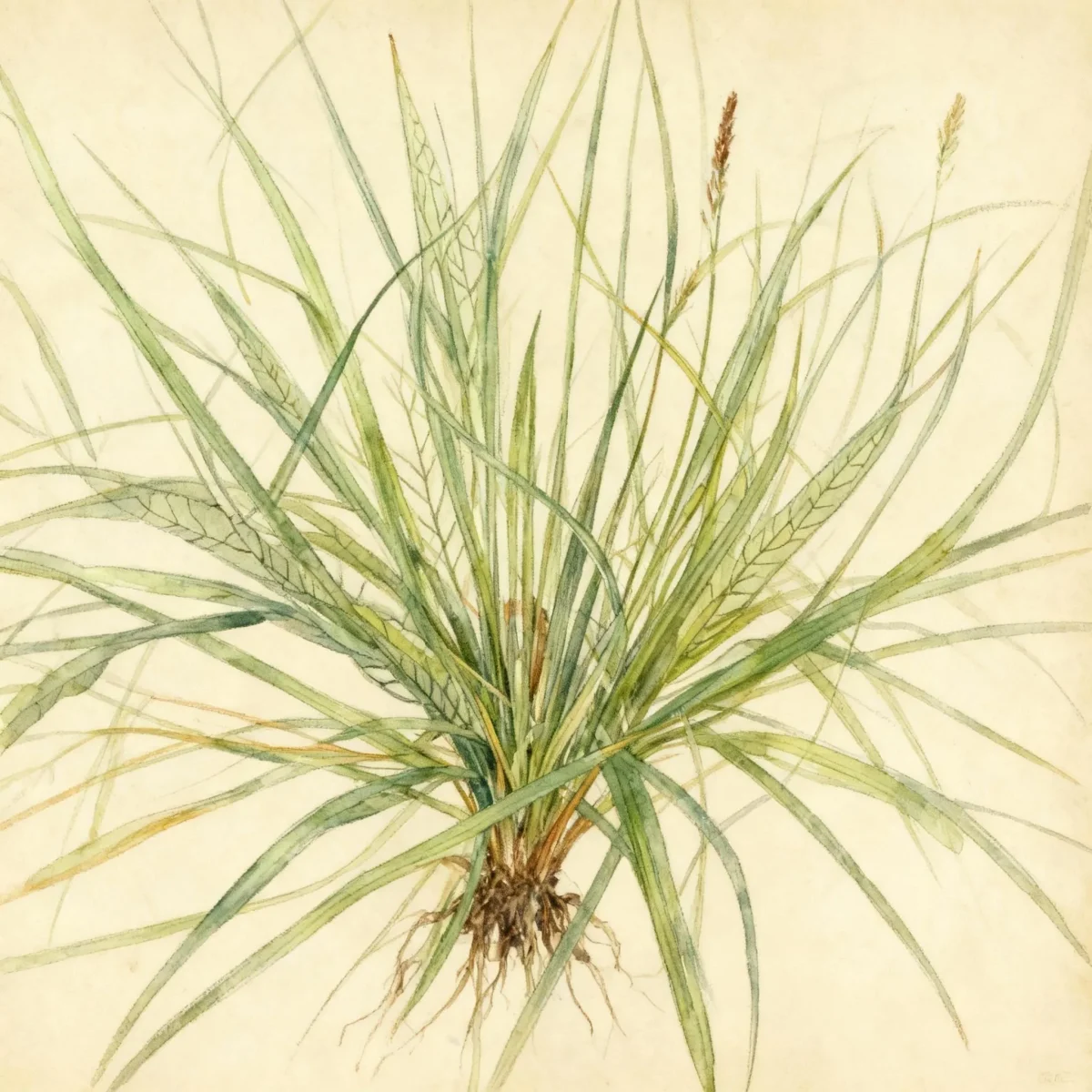
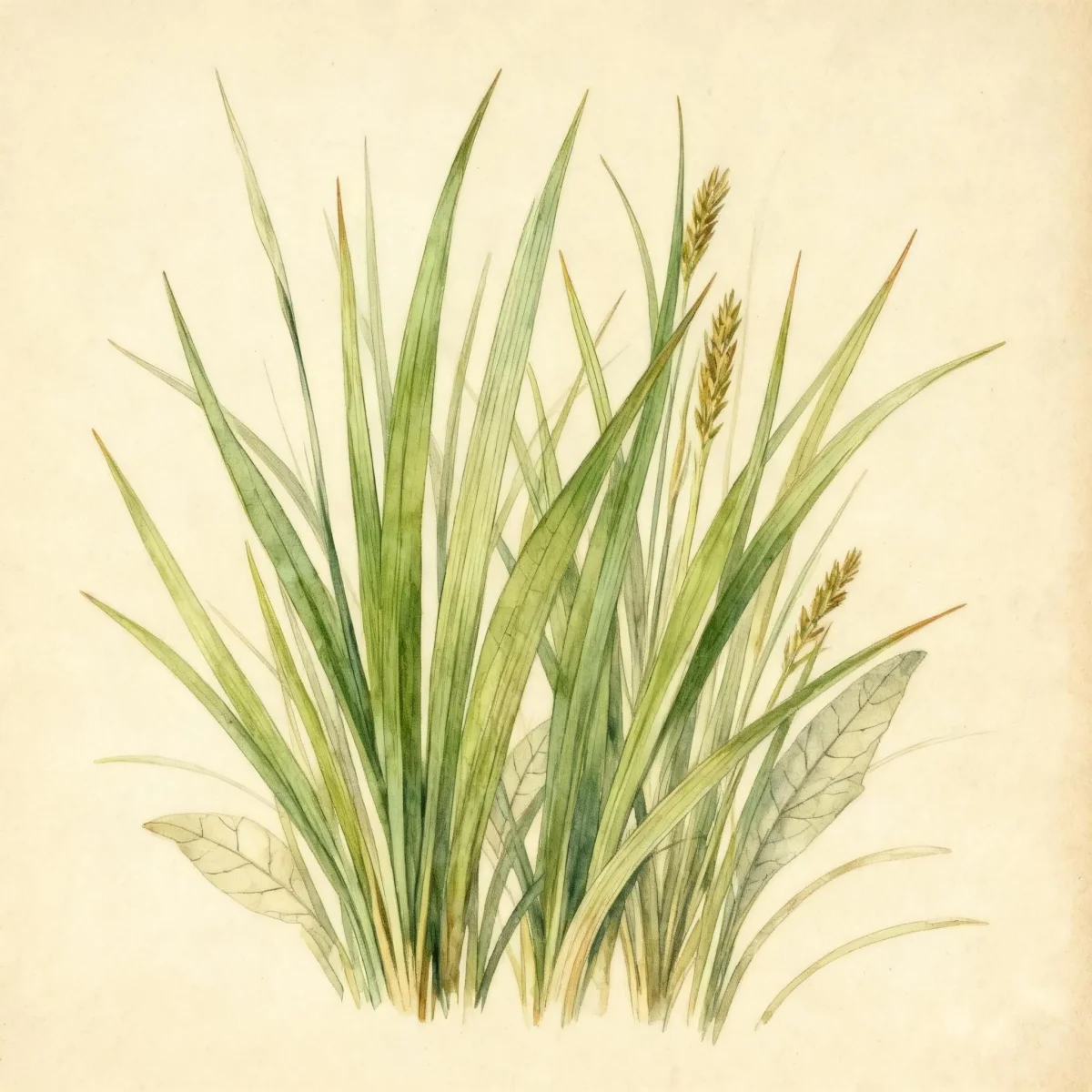
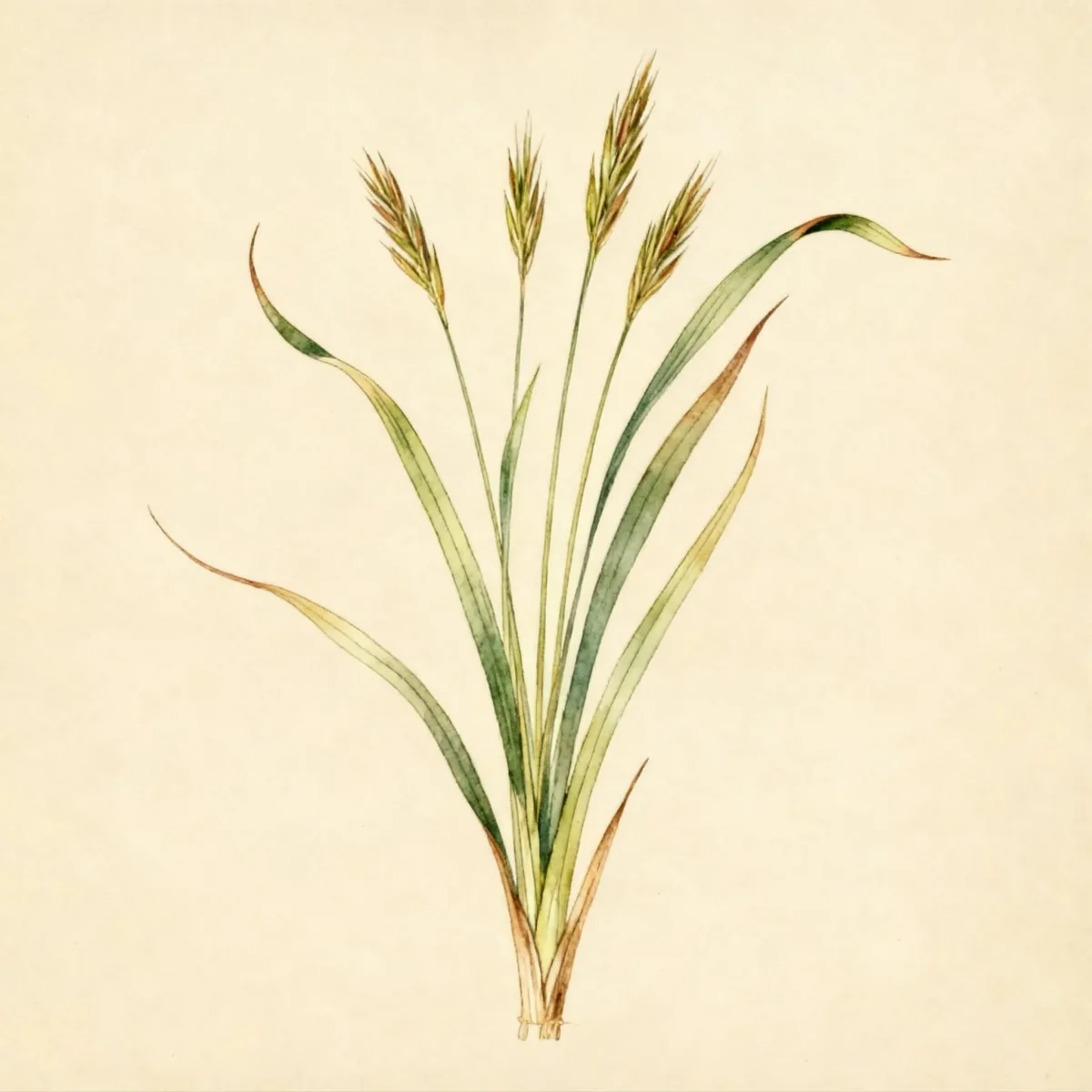
Carex retroflexa, commonly called reflexed sedge, is a clump-forming, perennial sedge native to mesic to dry-mesic deciduous woodlands, rocky ledges, and the edges of forest paths throughout the eastern United States. Mature clumps will reach around 4-10” tall and around 8-14” wide. The narrow, grass-like leaves are upright to gently arching and can reach up to 2’ long. Small, beaked capsules (perigynia) hold the non-showy flowers which bloom in spring.
Tolerances
- Drought
- Heavy Shade
- Dry Soil
Potential Problems
This sedge displays notable resilience, boasting no known pest or disease problems under normal growing conditions. Its native lineage contributes to its inherent resistance against common regional pathogens and insect infestations that often trouble exotic ornamental grasses. Because it requires well-drained soil, the primary management consideration is ensuring adequate drainage; perpetually waterlogged conditions, which Carex retroflexa dislikes, could eventually lead to root issues or fungal concerns.
Frequently Asked Questions
What hardiness zones is Reflexed sedge suitable for?
Carex retroflexa is adaptable to a wide range across the warmer half of the country, thriving in USDA Zones 5 through 9.
How large does Carex retroflexa grow?
This sedge forms clumps generally reaching heights between 0.5 and 1 foot tall, spreading slightly wider between 0.75 to 1.25 feet at maturity.
What sun exposure does Reflexed sedge need?
Reflexed sedge performs best when given full sun to part shade, preferring protection from the harshest afternoon sun when planted in hotter climates.
When does Carex retroflexa bloom?
The bloom time for this plant is typically from May to June, characterized by flowers described as not showy.
Conclusion
The reflexive sedge (Carex retroflexa) offers tremendous aesthetic value through its fine texture and exceptional hardiness, especially in dry or shaded environments where other ground covers fail. Its low-maintenance nature makes Carex retroflexa an easy win for sustainable landscaping projects throughout its native range. Before planting, confirm your soil drainage is reliable, and incorporate this dependable sedge during appropriate planting windows this spring or fall.
Companion Planting
When selecting partners for Reflexed sedge, focus on species that share its preference for dry to medium moisture and toleration of low light levels. Native woodland companions like large-leaved Hosta cultivars (where light permits), various species of native Geranium (Cranesbill), or Heuchera (Coral Bells) create excellent textural contrast against the fine blades of the sedge. These combinations maintain a layered, natural look reminiscent of the plant’s native habitat.
For sunny, drier areas where this sedge is used as a lawn substitute, consider pairing it with low-growing, tough perennials such as Creeping Thyme or low-growing Phlox subulata. These companions create a tapestry effect that requires minimal intervention. Ensure that any companion planting maintains good air circulation around the base of the Carex retroflexa clumps to prevent moisture buildup, which is the plant’s main cultural weakness.
Propagation Tips
The primary method for increasing your colony size of Carex retroflexa is through seed collection and dispersal, as noted in its growth habits. Allow the small capsules (perigynia) to mature fully on the stem in late spring or early summer; they will develop a dark, beaked appearance. You can collect these seeds promptly, stratify them naturally over winter, and sow them directly into prepared garden soil in the spring.
For maintaining the density of an existing clump, division is the most direct and reliable propagation method. Since Reflexed sedge is perennial, carefully dig up a mature clump in early spring or early fall when temperatures are mild. Use a sharp spade or knife to divide the root ball into smaller, manageable sections, ensuring each division retains a healthy representation of both roots and basal foliage. Replant these new pieces immediately at the same depth into their new locations.