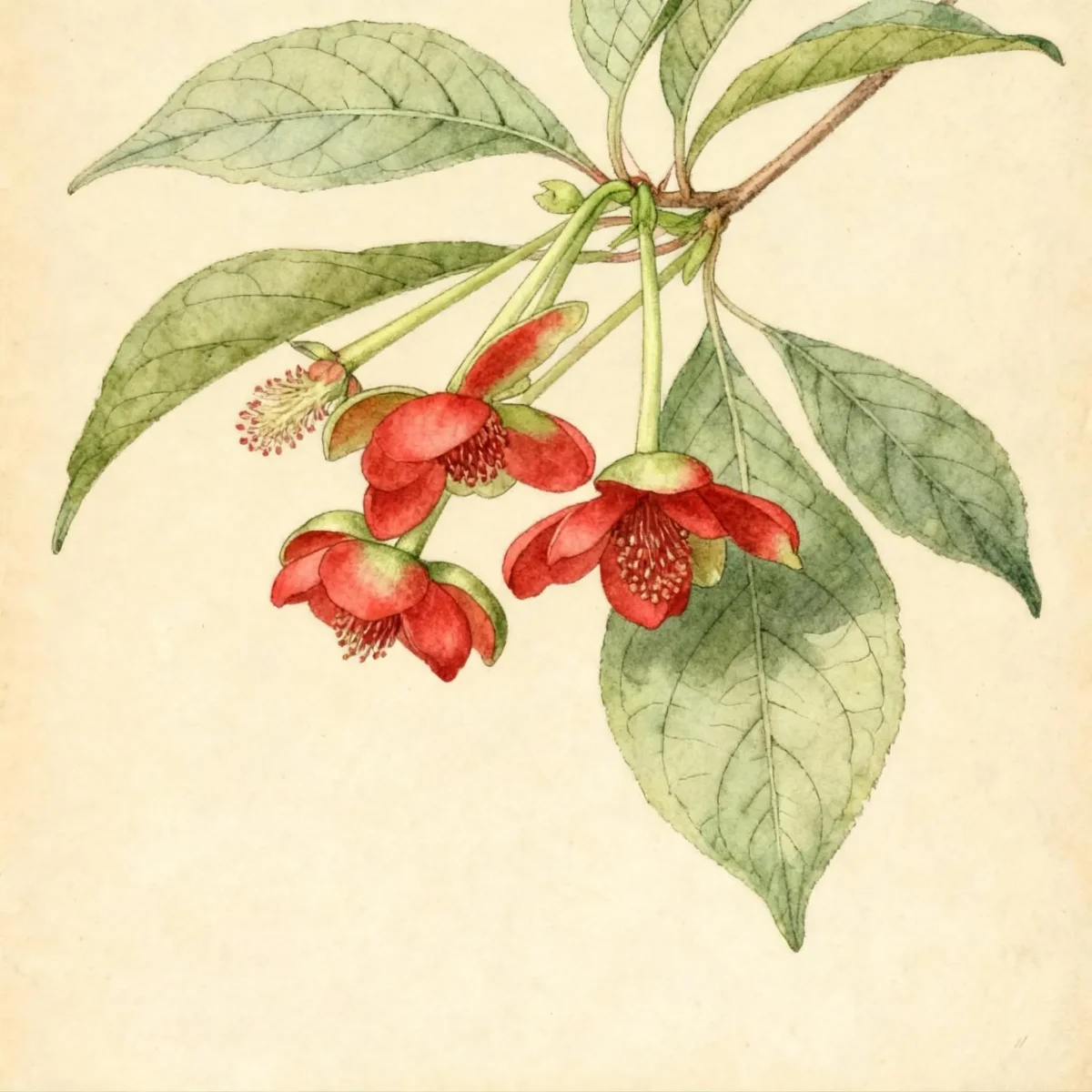
Sinofranchetia (Sinofranchetia chinensis)
Discover Sinofranchetia chinensis, a fast-growing woody vine native to China, offering attractive 3-palmate leaves and lilac-purple fruit.
Scroll down to discover growing tips, care requirements, companion plants, and more
Complete Plant Information
Overview
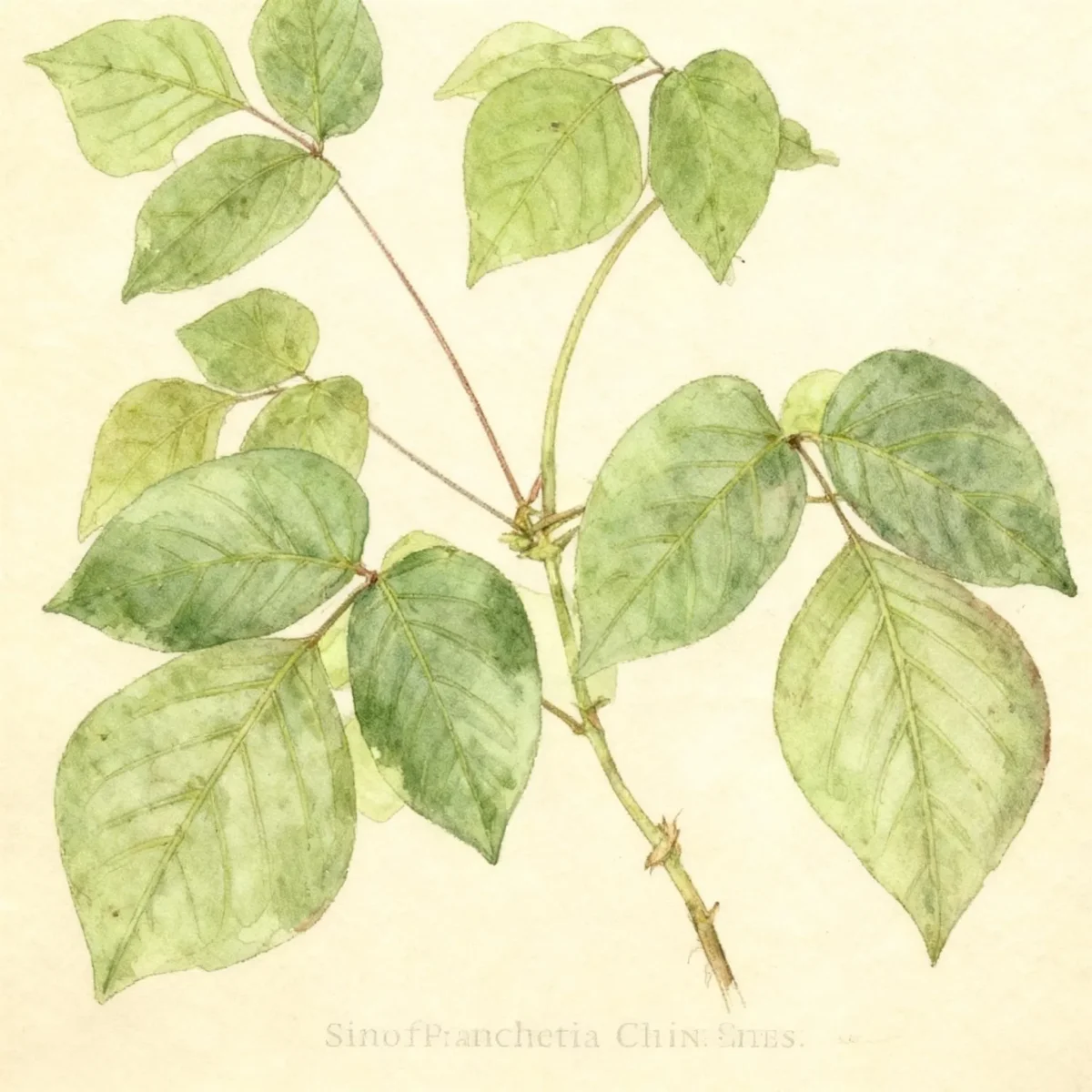
Sinofranchetia chinensis, commonly known as Chinese sinofranchetia, is a vigorous, deciduous, woody vine prized for its attractive, compound foliage and unique late-season fruit. This fast-growing species is perfect for covering large structures, reaching impressive heights of 30 to 50 feet in maturity. Its twining purple-spotted stems quickly establish a dense screen.
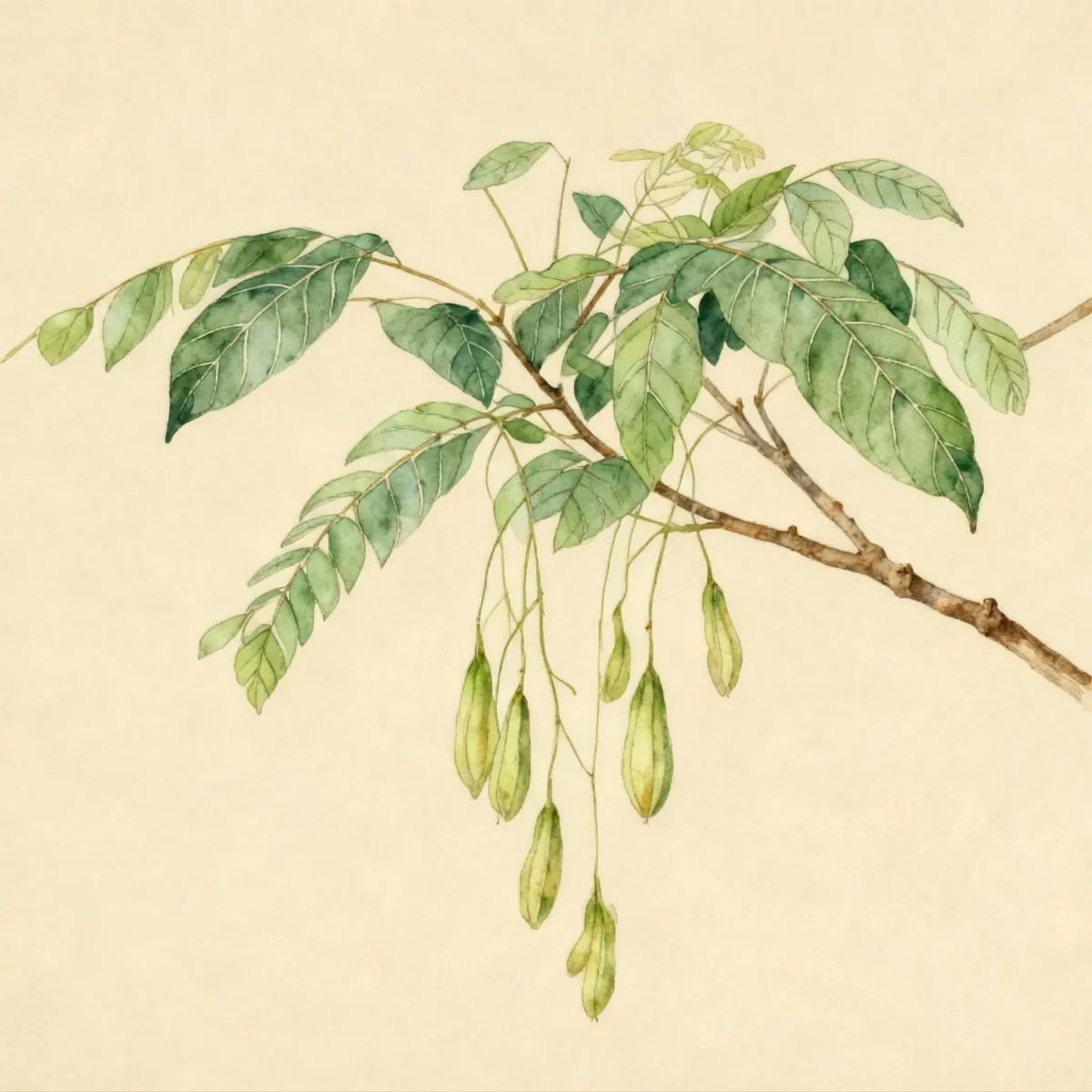
Native to forested regions in central and western China, Sinofranchetia provides dynamic visual interest throughout the growing season. Following the delicate white blooms that appear in early summer, female plants develop clusters of striking, deep lilac to lavender-purple, grape-like fruits. Established Sinofranchetia plants are surprisingly robust once settled.
This vine offers low-maintenance appeal in the landscape, making it an excellent choice for gardeners seeking drama without intense effort. Whether allowed to sprawl over large shrubs or trained formally on an arbor, Sinofranchetia chinensis brings a distinctive, architectural element to the garden.
Fast Facts
- Plant Family: Lardizabalaceae
- Plant Type: Vine
- Native Range: Central and western China
- Hardiness Zones: USDA Zones 7-10
- Size at Maturity:
- Height: 30-50 ft
- Spread: 10-20 ft
- Bloom Time: May to July
- Bloom Description: White
- Sun Exposure: Full sun to part shade
- Water Needs: Medium
- Maintenance Level: Low
How to Grow
The optimal planting time for Sinofranchetia is typically spring, allowing the vine ample time to establish its root system before summer heat or winter cold. Choose a location that offers moderate fertility and rich humus, ensuring the soil is well-drained to prevent root issues. While this vine tolerates full sun, planting in a spot that receives some light afternoon shade is beneficial, particularly in hotter climates.
Water needs are moderate; plan to water regularly when establishing the plant. Established Sinofranchetia chinensis exhibits a degree of drought resistance, though consistent moisture during dry spells will promote the best growth. This is a low-maintenance plant; fertilizing is usually unnecessary if the soil is naturally fertile. Pruning, when required, should focus on training the twining stems onto supports like trellises or arbors or removing any errant growth.
For best results, site this vigorous plant where it is protected from harsh, strong winds, as the large leaflets can suffer damage. Propagation is achievable through both seeds and stem cuttings, offering methods for experienced gardeners to increase their collection of this unique Sinofranchetia variety.
Landscape Uses
The impressive scale and dense foliage make Sinofranchetia an extraordinary architectural element in the garden. It is highly attractive when utilized to cover structural features, specifically large arbors, sturdy pergolas, or substantial trellises where its height potential (up to 50 feet) can be realized. Training Sinofranchetia against substantial walls can also soften hardscapes while providing a beautiful green curtain.
Due to its vigorous, sprawling nature, this vine also excels in less formal settings, such as allowing it to naturally drape and spill over large existing evergreen shrubs. This provides a unique, layered look that contrasts the fine texture of the shrub beneath with the large, 3-palmate leaves of Sinofranchetia.
When selecting companions, choose plants that thrive in similar sun and moisture conditions, favoring shade-tolerant shrubs or perennials near the base to manage the lower light levels caused by the overhead canopy of the Sinofranchetia chinensis.
Flower Qualities
- Showy
Fruit Qualities
- Showy
Noteworthy Characteristics
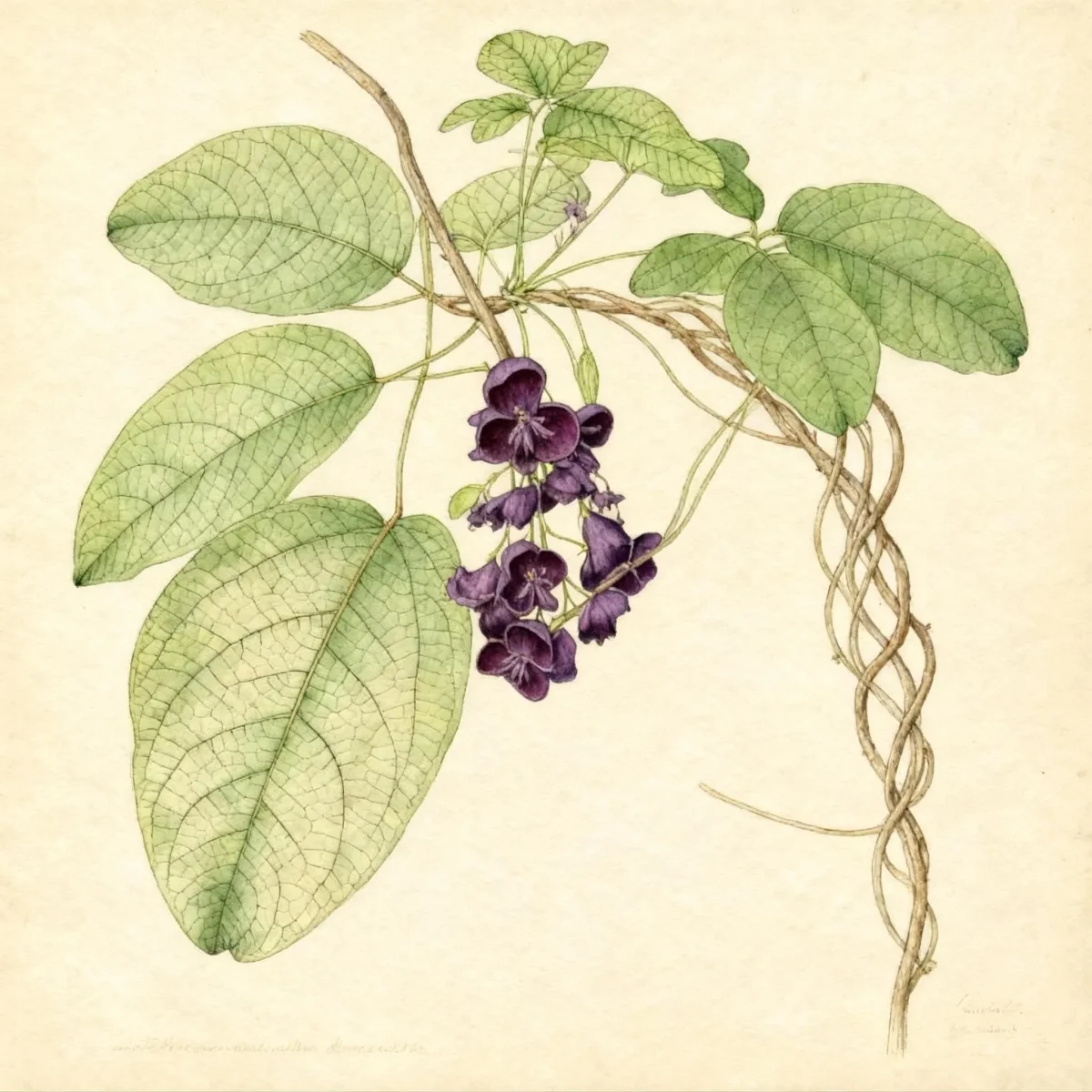
Sinofranchetia chinensis, commonly called Chinese sinofranchetia, is a fast-growing, woody, deciduous, twining shrub or vine that grows to 30-50’. It is native to forested areas in central and western China, where it often climbs upon trees or sprawls through undergrowth. Key features include purple-spotted twining stems and large, 3-palmate leaves, which are dark green above and gray-green underneath. The small white flowers bloom in long, pendant racemes in mid-summer, succeeded by showy, lilac-purple fruits on female plants.
Tolerances
- Drought
Potential Problems
Sinofranchetia chinensis is generally favored by gardeners as it suffers from no serious insect or disease problems under proper cultural conditions. Maintaining well-drained soil is the primary preventative measure against potential root issues common to many woody vines. If placed in consistently wet, heavy soil, the plant will struggle and become susceptible to rot or fungal issues.
Because pests rarely pose a significant threat, management time is minimal. Ensure good air circulation around the vine, especially in humid environments, even though it is generally disease-resistant. Monitoring established plants is minimal; enjoy the season-long interest provided by this hardy Sinofranchetia.
Frequently Asked Questions
What hardiness zones is Sinofranchetia suitable for?
Sinofranchetia chinensis is suited for gardeners residing in USDA Hardiness Zones 7 through 10.
How large does Sinofranchetia grow?
This woody vine typically reaches heights between 30 to 50 feet, with a spread often ranging from 10 to 20 feet wide.
When does Sinofranchetia bloom?
The attractive white flowers of Sinofranchetia appear relatively late in the season, blooming from May through July.
What sun exposure does Sinofranchetia need?
It performs best when sited in full sun to part shade, appreciating some afternoon relief in the hottest summer regions.
Conclusion
The Sinofranchetia offers undeniable structural beauty in the landscape, characterized by its vigorous growth habit, distinctive palmate leaves, and aesthetically pleasing lilac fruit. If your property includes sturdy structures capable of supporting a large vine, Sinofranchetia chinensis provides an exotic, low-maintenance focal point. Always verify that your local climate falls within USDA Zones 7 to 10 before planning your planting in spring or fall.
Companion Planting
When designing a backdrop for Sinofranchetia, consider pairing it with other plants that enjoy similar medium moisture and well-draining soil profiles. Since this vine can become dense, use lower-growing companions that thrive in partial shade underneath the canopy, such as hostas (Hosta spp.) or woodland ferns. These ground covers will appreciate the dappled light filtered through the Sinofranchetia chinensis leaves.
For a structural contrast, consider planting shorter, sun-loving evergreens near the base where the vine begins its climb. This strategy grounds the fast-growing vine, providing year-round structure in winter when the Sinofranchetia is deciduous. Focus on plants with fine texture to enhance the bold, three-lobed shape of the vine’s foliage.
Propagation Tips
While challenging, propagating Sinofranchetia from cuttings is an effective way to maintain desirable traits, especially if a known female plant (which produces fruit) is the source. Take semi-hardwood cuttings in mid-summer, ensuring each cutting has several nodes, and use a rooting hormone before placing them in a propagation medium. Ensure bottom heat and high humidity are maintained for best results.
Alternatively, Sinofranchetia can be grown from seed, though this method requires patience. Collect the ellipsoid, lilac-purple fruits in the early fall after they ripen, clean the seeds, and initiate stratification. Cold, moist stratification for several months mimics the natural winter cycle and is necessary to break dormancy and encourage germination the following growing season.