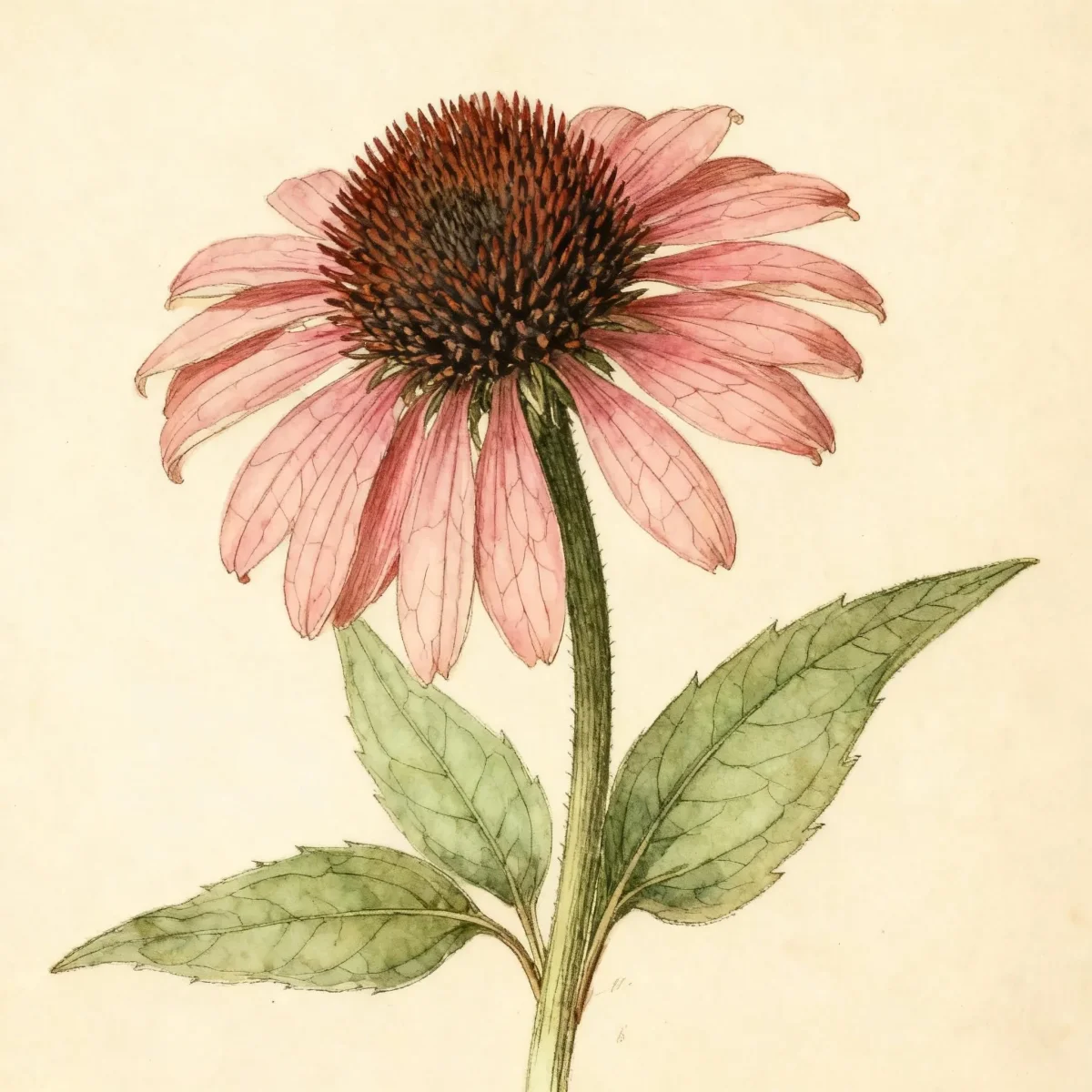
Coneflower (Echinacea 'Secret Glow')
Echinacea 'Secret Glow' is a striking Coneflower featuring deep yellow-orange flowers. Low maintenance and drought-tolerant.
Scroll down to discover growing tips, care requirements, companion plants, and more

Complete Plant Information
Overview
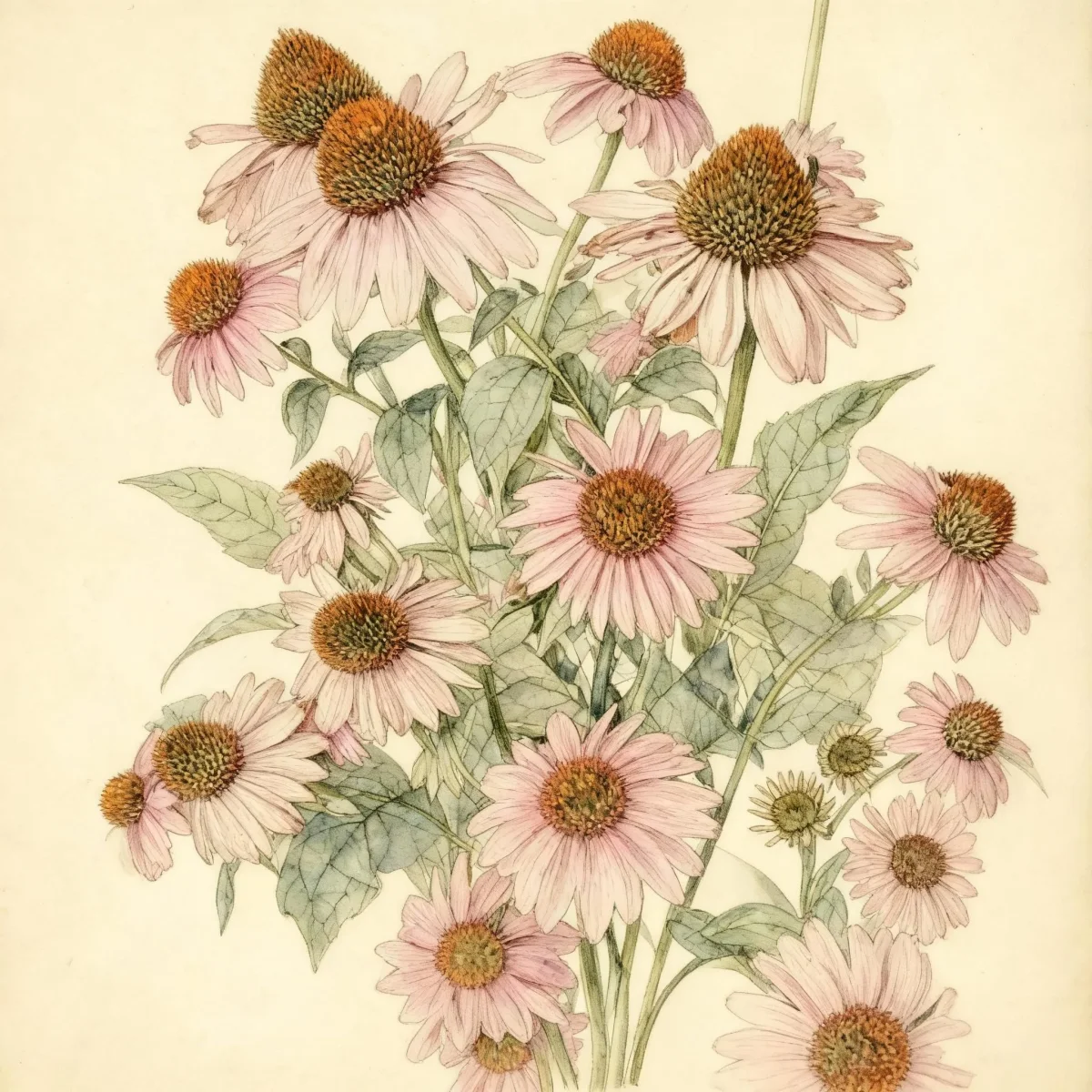
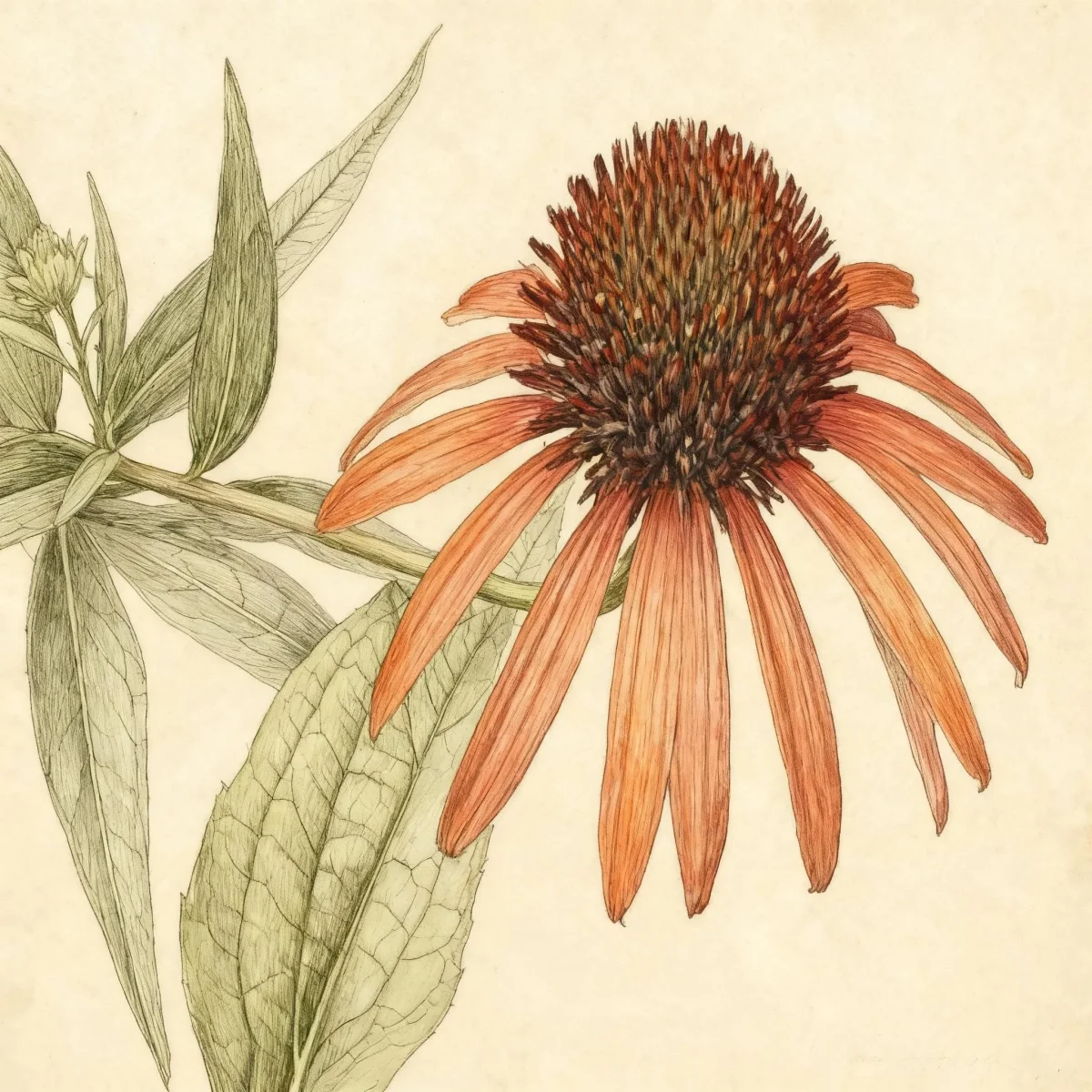
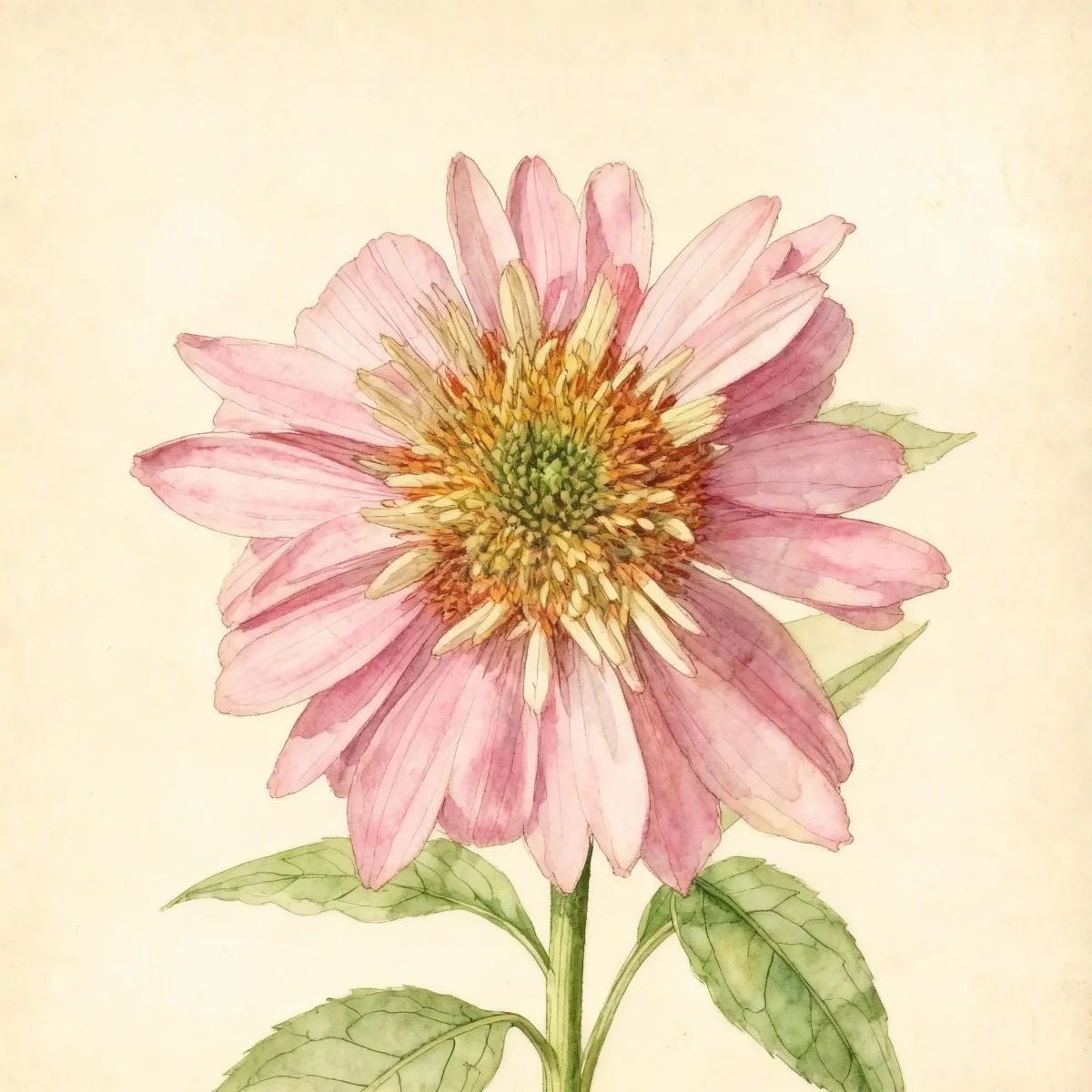
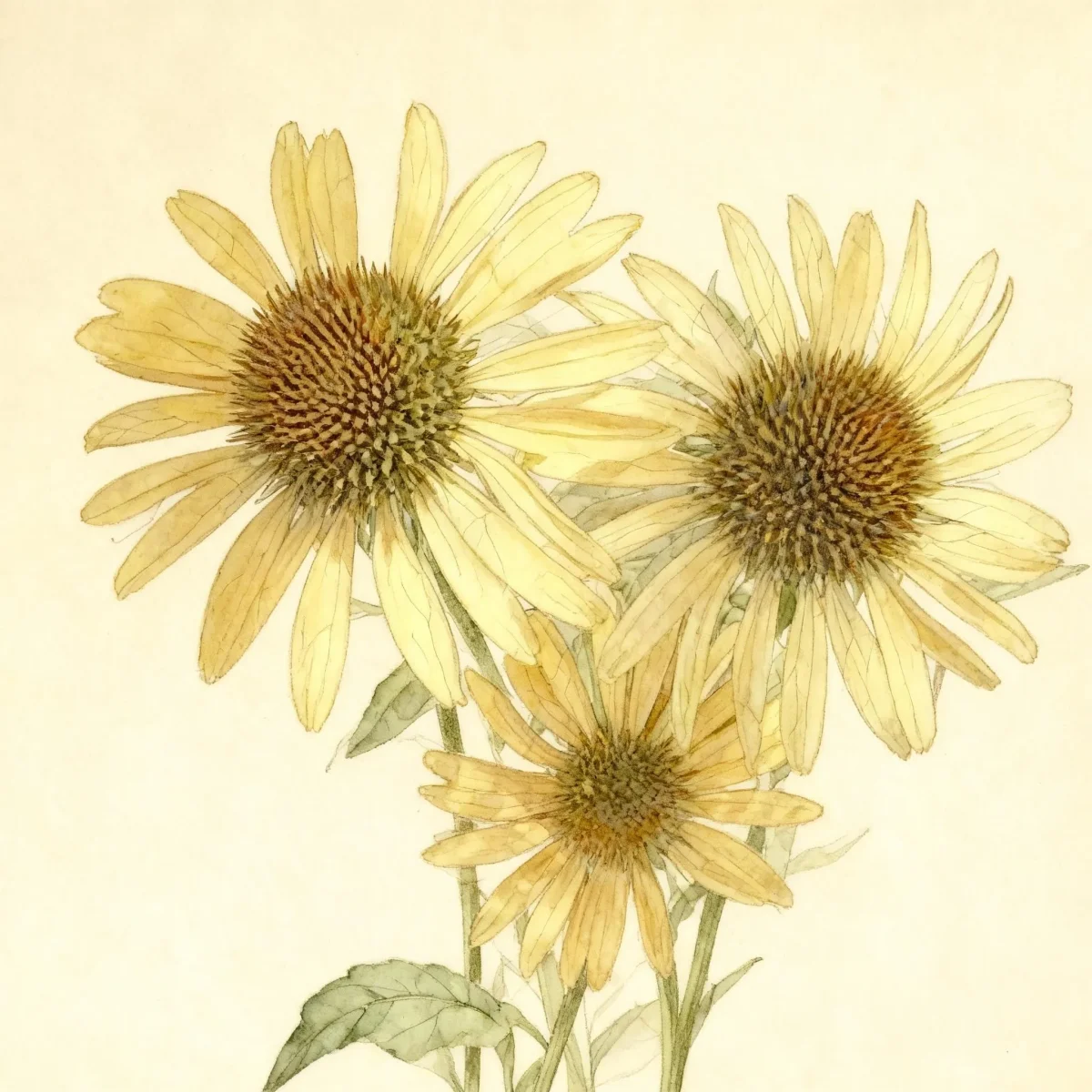
Echinacea ‘Secret Glow’ is a fantastic addition to the perennial border, celebrated for its unique, bicolored bloom structure. This marvelous Coneflower exhibits deep yellow-orange ray flowers contrasting beautifully with light orange, anemone-style disk flowers, offering season-long visual appeal from early summer into fall. As a hybrid cultivar, it merges the vigor of its predecessors, resulting in a resilient and adaptable herbaceous perennial.
This adaptable plant thrives easily when provided with average, well-drained soils, performing excellently even when exposed to heat and humidity. Echinacea ‘Secret Glow’ is prized not only for its beauty but also for its ease of care, fitting perfectly into low-maintenance gardening schemes. Its structure remains attractive late into the season, providing textural contrast long after the main flush of flowering has passed.
Beyond its ornamental value, the Coneflower habitat supports local ecosystems. While the specific double blooms of ‘Secret Glow’ may offer fewer resources to pollinators, the plant generally contributes excellent structure and visual interest. Gardeners who appreciate dependable, colorful perennial anchors will find Echinacea ‘Secret Glow’ an essential component for sunny beds and borders.
Fast Facts
- Plant Family: Asteraceae
- Plant Type: Herbaceous perennial
- Hardiness Zones: USDA Zones 3-8
- Size at Maturity:
- Height: 1.5-2 ft
- Spread: 1.5-2 ft
- Bloom Time: June to August
- Bloom Description: Deep yellow orange ray flowers and light orange disk flowers
- Sun Exposure: Full sun to part shade
- Water Needs: Dry to medium
- Maintenance Level: Low
How to Grow
Plant Echinacea ‘Secret Glow’ in the spring or early fall so the roots can establish before extreme temperatures set in. While it tolerates partial shade, this Coneflower performs best and exhibits the most vibrant coloration when situated in full sun. Ensure the location provides well-drained soil; while adaptable to various soil types, standing water or heavy, continuously saturated conditions must be avoided.
Care requirements for this perennial are minimal once establishment occurs. Watering should be supplemental, focusing on dry periods, as the plant is highly tolerant of drought. Fertilizing is generally unnecessary; rich soils can actually lead to floppier stems. Deadheading is not strictly required for rebloom, as plants flower well regardless, but promptly removing spent flowers will encourage quicker repeat blooming and maintain a tidier appearance through August.
Clumps of Echinacea ‘Secret Glow’ may eventually become overcrowded, typically around every four years. At this point, it is beneficial to divide the clump to maintain vigor and flower production. Late winter or very early spring is the ideal time for division, ensuring minimal disruption to the plant’s seasonal cycle.
Landscape Uses
The primary suggested use for Echinacea ‘Secret Glow’ is to naturalize areas within the landscape, allowing its cheerful blooms to spread naturally without rigorous interference. Because of its manageable stature, growing 1.5 to 2 feet tall, it is perfectly suited for use along border fronts where it won’t overwhelm shorter companions. It also provides excellent texture in rock gardens or in the slightly dappled light found in open woodland garden edges.
Planting these coneflowers in groups or massed displays creates the most significant visual impact, drawing the eye across the garden space with masses of yellow-orange color. Consider positioning them near structural evergreens or contrasting fine-textured ornamental grasses to maximize textural differences. Echinacea ‘Secret Glow’ also functions beautifully as an attractive specimen or accent plant where its mid-summer color can anchor a specific feature area.
This adaptable plant pairs well with other drought-tolerant, sun-loving perennials native to central North America. Combinations with Russian Sage (Perovskia), various Sedums, or Rudbeckia cultivars create hot, complementary color schemes that thrive under similar cultural conditions.
Standout Features
Flower Qualities
- Showy
- Fragrant
- Good Cut
Noteworthy Characteristics
The genus Echinacea derives its name from the Greek word echinos, referencing the spiny center cone characteristic of most species. ‘Secret Glow’ is part of the specialized Secret™ series, developed from proprietary interspecific hybrids between Echinacea paradoxa and Echinacea purpurea. A notable feature is its anemone-type disk flowers which are deep orange, presenting a pom-pom effect above the ray flowers, though these double blooms offer reduced pollen and nectar for pollinators compared to single forms.
Tolerances
- Deer
- Drought
- Clay Soil
- Dry Soil
- Shallow-Rocky Soil
Potential Problems
All coneflowers, including Echinacea ‘Secret Glow’, can be susceptible to aster yellows, a debilitating disease spread by leafhoppers that causes abnormal, greenish-yellow growth. Additionally, fungal and bacterial leaf spots can appear, especially in humid conditions or if air circulation is poor. Watch carefully for feeding damage from erythroid mites and the persistent nuisance of Japanese beetles, which enjoy chewing on the flower parts. Planting in full sun with good airflow is the best preventative measure against most fungal issues.
Frequently Asked Questions
What hardiness zones is Coneflower suitable for?
Echinacea ‘Secret Glow’ performs reliably in USDA Hardiness Zones 3 through 8.
How large does Echinacea ‘Secret Glow’ grow?
This cultivar typically reaches a height between 1.5 and 2 feet, with a similar spread of 1.5 to 2 feet wide, forming a neat, rounded clump.
When does Coneflower bloom?
This Coneflower actively blooms from June through August, presenting deep yellow orange ray flowers and light orange disk flowers during this primary period.
What sun exposure does Echinacea ‘Secret Glow’ need?
For optimal health and bloom power, Echinacea ‘Secret Glow’ requires full sun, though it can tolerate conditions reaching into light part shade.
Conclusion
Echinacea ‘Secret Glow’ offers enduring value to the summer garden through its unique, fragrant blooms and exceptional resilience against tough conditions like drought and poor soil. Incorporating this vibrant Coneflower ensures reliable color and structure from mid-summer onward. Before planting, confirm that your site provides the necessary full sun exposure and well-draining soil within USDA Zones 3-8.
Propagation Tips
While Echinacea ‘Secret Glow’ is a patented hybrid, division is the most practical method for home gardeners to propagate existing clumps. It is best to divide the plants only when they become overcrowded, which usually occurs every four years, ensuring the rejuvenation of the established root structure. Wait until the foliage has died back somewhat in the fall or, ideally, divide in early spring just as new growth begins to emerge. Use a sharp spade to carefully lift and separate the root ball, ensuring each new division has a healthy root system attached before replanting immediately into prepared soil.
Wildlife Benefits
Although the specialized double blooms of Echinacea ‘Secret Glow’ may not fully support seed production or abundant nectar flow compared to its single-flowered ancestors, the genus Echinacea remains vital to local insect populations. The presence of the spiny center cone, even if modified in this cultivar, attracts beneficial insects during flowering. Furthermore, the dried flower heads left standing offer crucial winter interest and serve as a source of seeds for goldfinches and other seed-eating birds throughout the colder months.