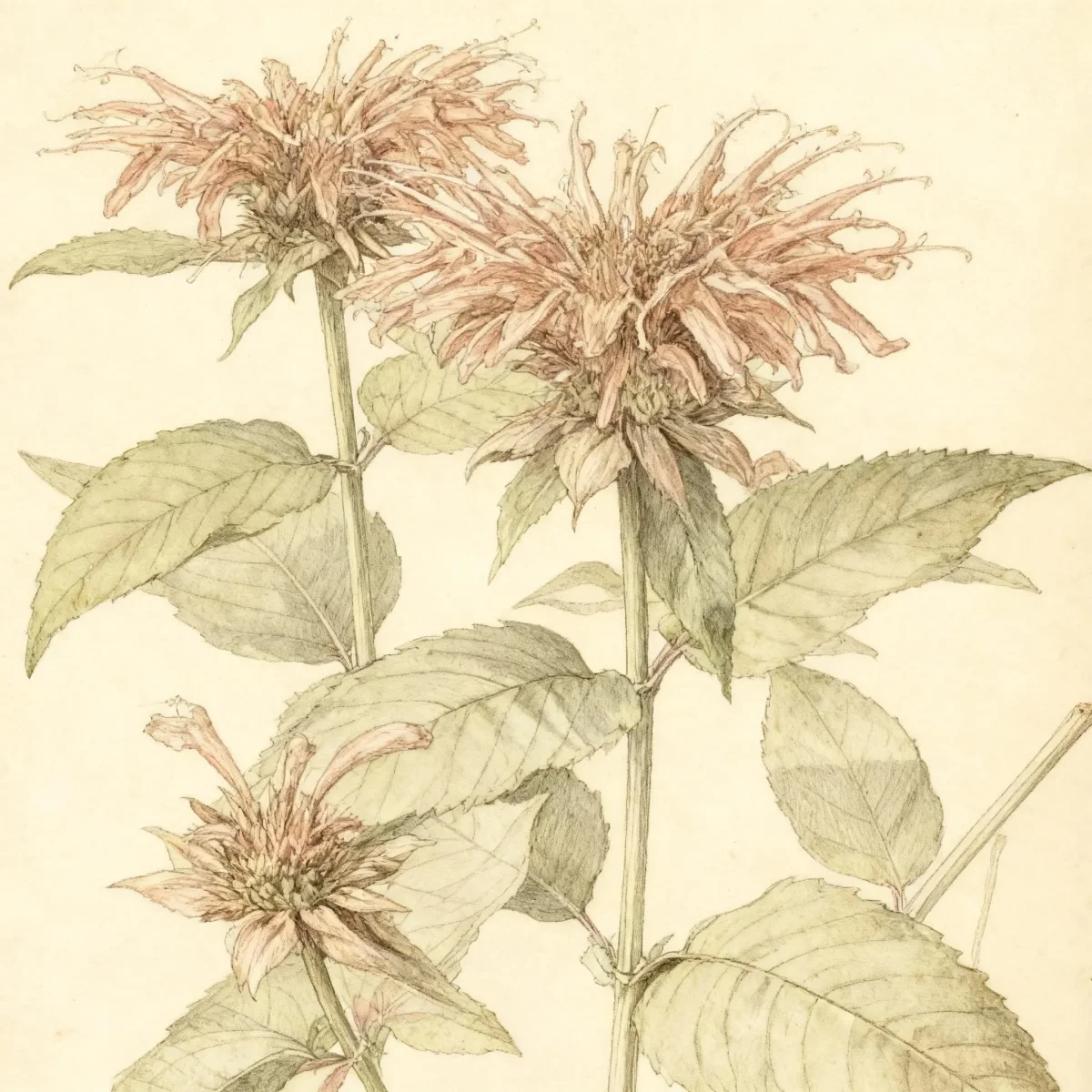
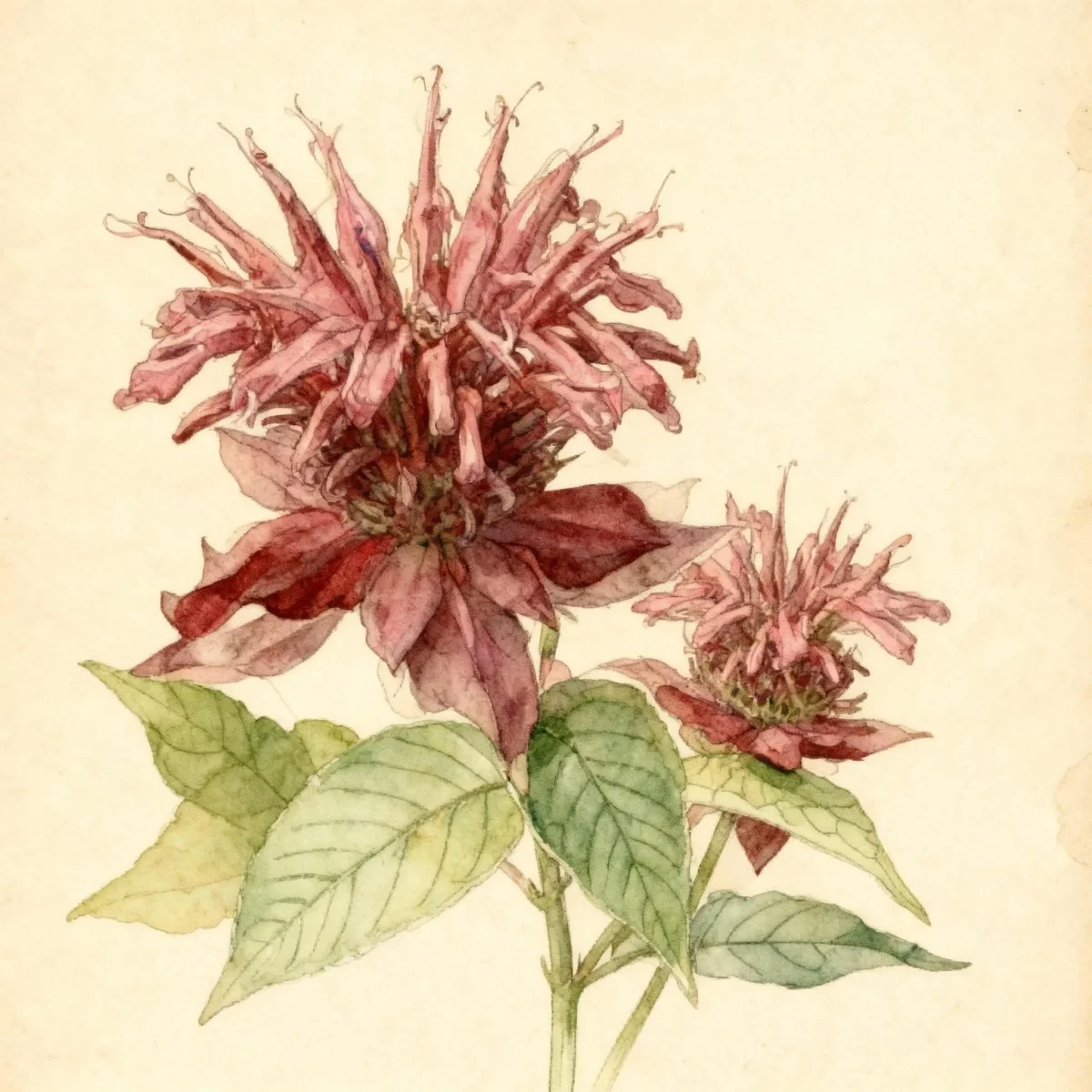
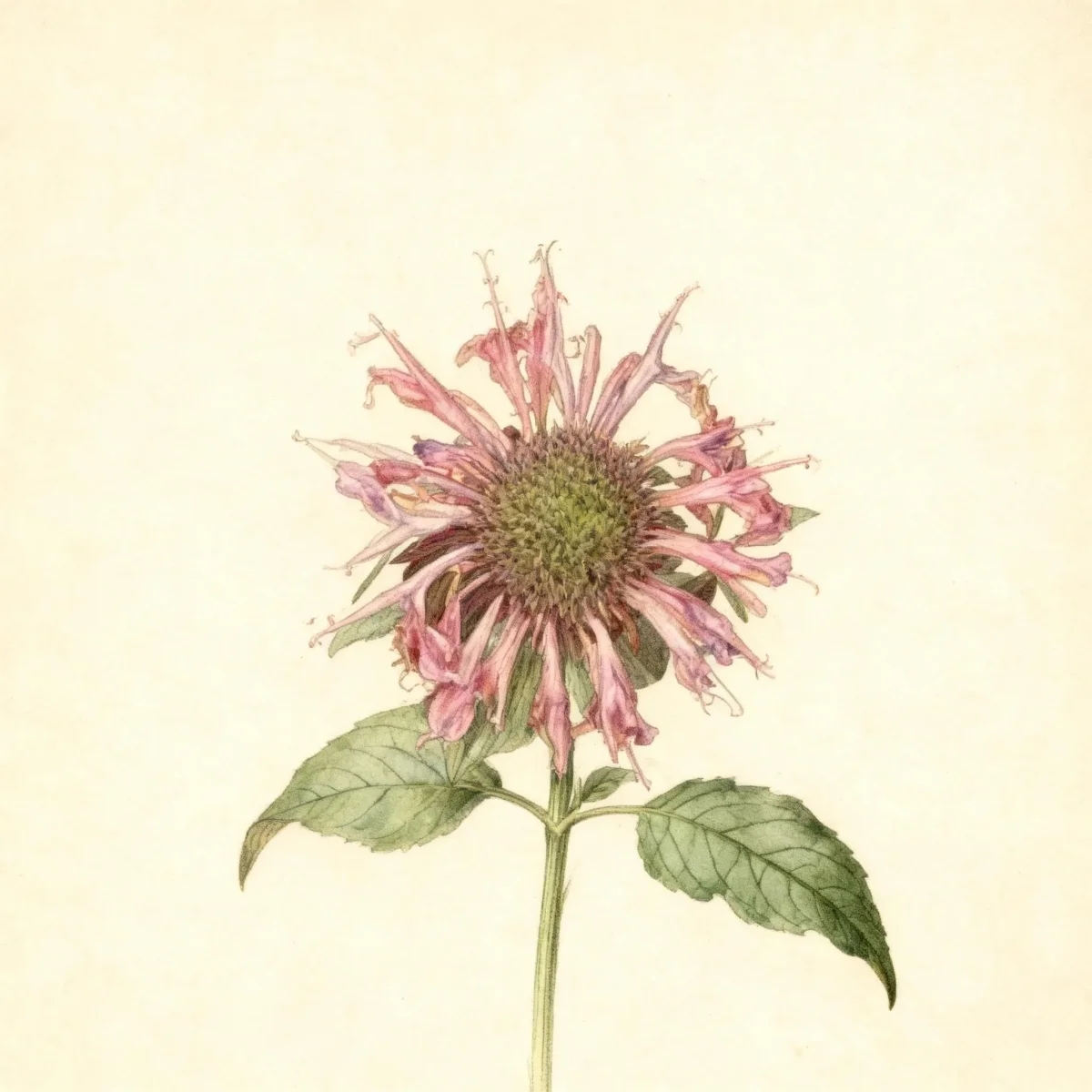
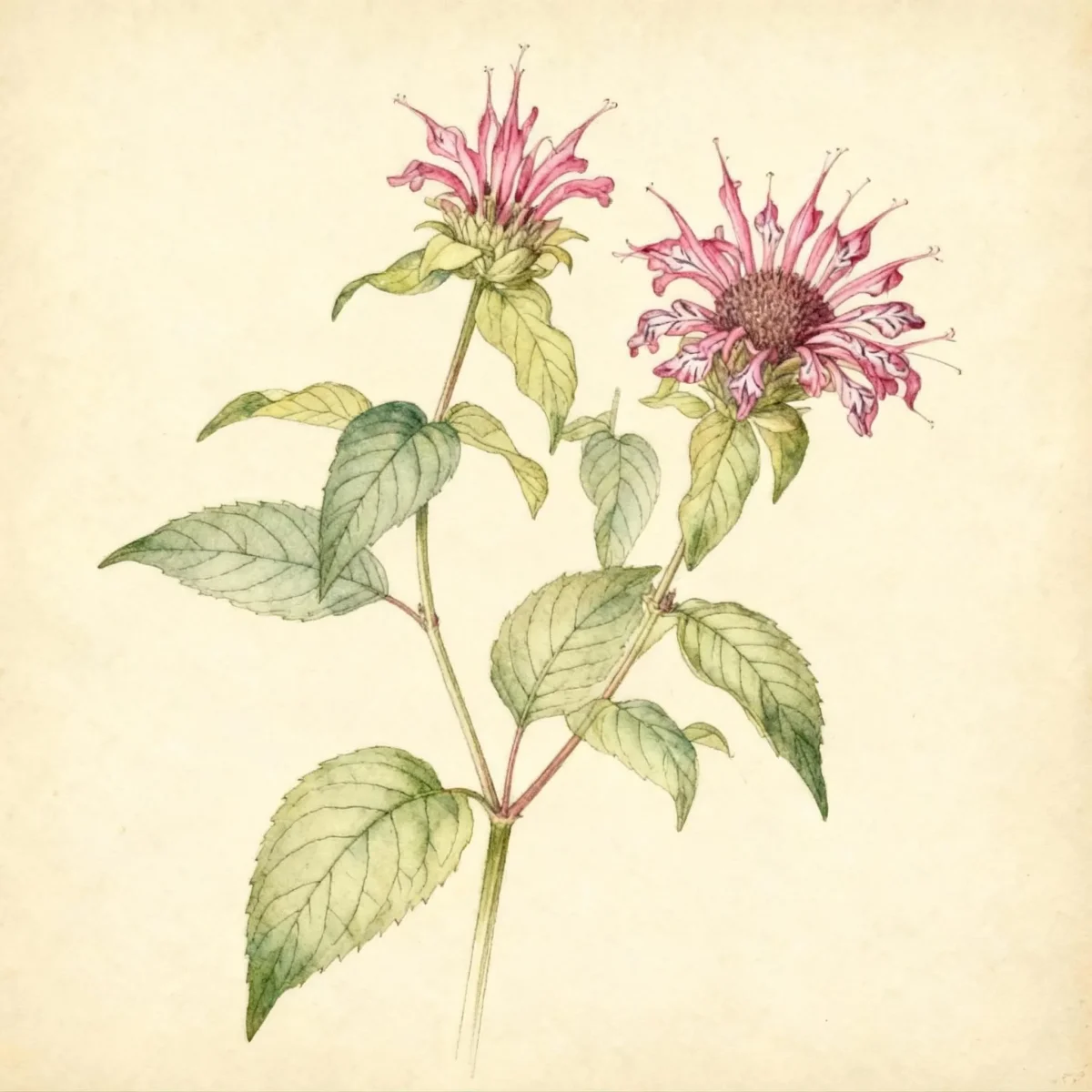
Bee balm (Monarda didyma 'Pardon My Purple')
Compact Monarda didyma 'Pardon My Purple' Bee balm offers dark fuchsia-purple blooms, thrives in moist soil, and resists common diseases.
Scroll down to discover growing tips, care requirements, companion plants, and more
Complete Plant Information
Overview
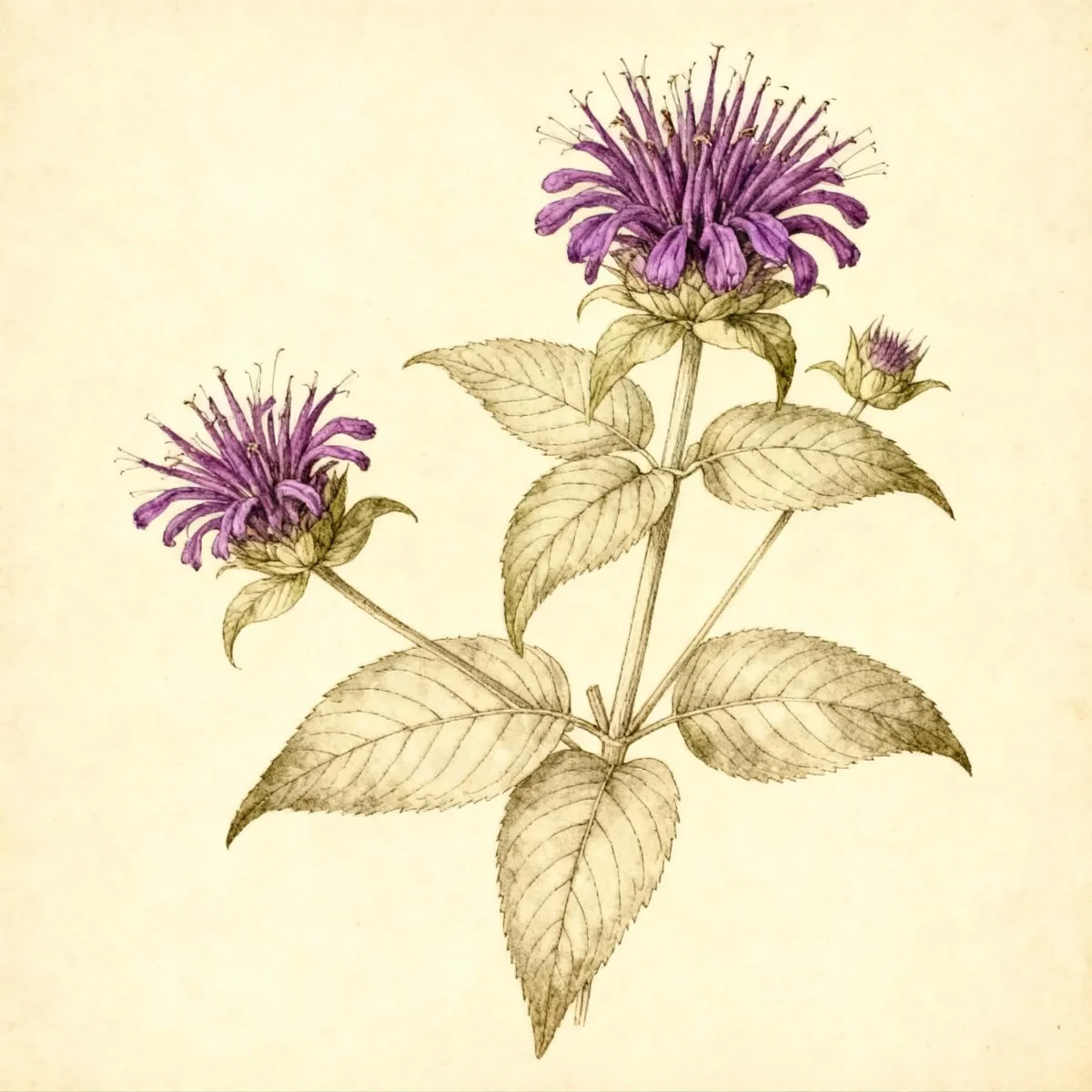
Monarda didyma ‘Pardon My Purple’ is a highly valued, compact cultivar of Bee balm, perfect for adding long-lasting, richly colored flowers to smaller garden spaces. This variety steps away from the taller scarlet types, offering deep fuchsia to purple flower heads that are inherently attractive to hummingbirds and butterflies. As a member of the mint family, it provides reliable summer color while maintaining a manageable size suitable for borders and front plantings.
This herbaceous perennial thrives when provided with consistent moisture, making it an excellent choice when planning rain gardens or planting near water features. While it enjoys full sun for the best performance, Monarda didyma ‘Pardon My Purple’ benefits from light afternoon shade in the hottest climates, which helps keep the foliage and blooms looking fresh through mid to late summer. Gardeners should note its tendency to spread by rhizomes, requiring occasional division to maintain vigor.
The visual impact of ‘Pardon My Purple’ is significant, contrasting nicely with broadleaf foliage plants in the perennial border. Beyond its aesthetic appeal, it maintains the classic characteristics of Bee balm—aromatic leaves and excellent pollinator support—in a shorter, denser package ideal for modern landscape designs.
Fast Facts
- Plant Family: Lamiaceae
- Plant Type: Herbaceous perennial
- Hardiness Zones: USDA Zones 4-9
- Size at Maturity:
- Height: 0.75-1 ft
- Spread: 0.75-1 ft
- Bloom Time: July to August
- Bloom Description: Dark fuchsia to purple
- Sun Exposure: Full sun to part shade
- Water Needs: Medium to wet
- Maintenance Level: Medium
How to Grow
For optimal establishment, plant Monarda didyma ‘Pardon My Purple’ in the spring or fall when soil temperatures are moderate. This plant performs best in rich, humusy soils that retain moisture well, though being derived from species that tolerate heavier earth, it handles clay soil adequately. Ensure the location receives full sun, though parts of the afternoon shade are welcome during intense summer heat to reduce stress.
Watering is critical for Bee balm maintenance; the soil should never be allowed to dry out completely. Aim for medium to wet conditions, especially during blooming periods. While specific fertilization is often unnecessary in rich soils, improving soil with compost at planting time provides a good foundation. Good air circulation around the plants is essential to mitigate the risk of fungal issues common to the genus.
To maximize the display of dark fuchsia blooms, deadhead spent flowers promptly throughout July and August. Dividing clumps of Monarda didyma ‘Pardon My Purple’ every three to four years prevents overcrowding and revitalizes the plant’s clump-forming habit. Removing faded flower heads quickly also prevents unwanted self-seeding.
Landscape Uses
The compact nature of Monarda didyma ‘Pardon My Purple’ makes it an exceptional butterfly magnet ideal for the very front of perennial borders where taller varieties might obstruct views. It blends seamlessly into cottage gardens, providing vibrant color contrast against silvery or lighter green foliage typical of summer plantings. Its preference for moisture also positions it perfectly as a structural element in rain gardens or along the edges of naturalized settings.
As a native plant, this Bee balm integrates beautifully into wild gardens or meadow plantings, offering a reliable burst of summer color when many spring bloomers have faded. Furthermore, the showy, fragrant flowers are excellent when harvested for fresh-cut arrangements, lending unique texture and scent to indoor bouquets. Consider mass planting this cultivar to create a striking ribbon of deep purple color along pathways or streamsides where consistent moisture is guaranteed.
Standout Features
Flower Qualities
- Showy
- Fragrant
- Good Cut
Noteworthy Characteristics
Monarda didyma is widely known as bee balm, native to moist areas across eastern North America where it features large, globular flowerheads. The specific cultivar, ‘Pardon My Purple’, is significantly more compact, reaching only 10-12 inches tall, and boasts desirable dark fuchsia to purple flowers blooming reliably mid to late summer. This compact habit, combined with foliage noted for powdery mildew resistance, makes this specific Monarda didyma ‘Pardon My Purple’ a significant improvement for managed garden spaces.
Tolerances
- Rabbit
- Deer
- Clay Soil
- Wet Soil
- Black Walnut
Potential Problems
Powdery mildew remains the most frequently encountered issue with Bee balm, especially when plants are situated too close together, leading to poor air circulation. Rust can sometimes develop on the leaves as well. Prevention is strongly advised: ensure adequate spacing during planting and water the base of the plant, rather than overhead, especially late in the day. If the soil is allowed to dry out repeatedly, stressed plants become far more vulnerable to these fungal attacks. Thankfully, deer and rabbits typically leave this aromatic perennial untouched.
Frequently Asked Questions
What hardiness zones is Bee balm suitable for?
Monarda didyma ‘Pardon My Purple’ is reliably hardy across USDA Zones 4 through 9.
How large does Monarda didyma ‘Pardon My Purple’ grow?
This compact cultivar generally reaches a height between 0.75 and 1 foot tall, with a similar spread of 0.75 to 1 foot wide.
What sun exposure does Bee balm need?
For the most prolific dark fuchsia to purple blooms, plant this variety where it receives full sun, though partial shade is acceptable, especially in warmer regions.
When does Monarda didyma ‘Pardon My Purple’ bloom?
You can expect bloom time for this Bee balm variety from July into August, presenting showy, fragrant flower heads.
Conclusion
The compact size, deep purple coloration, and reliable performance establish Monarda didyma ‘Pardon My Purple’ as an essential plant for summer interest and pollinator support. Its ability to handle wetter soils and clay makes this Bee balm variation highly adaptable for difficult garden niches. Before planting, confirm your USDA zone compatibility and ensure you provide the required moisture to keep this vibrant perennial thriving all season long.
Companion Planting
Given the moisture and soil preferences of Monarda didyma ‘Pardon My Purple’—rich, medium to wet, moisture-retentive soil—consider pairing it with other moisture-loving perennials. Plants that appreciate similar conditions and offer contrasting textures or bloom times work best. Good companions include Astilbe, Caltha (Marsh Marigold) in damper areas, or Joe Pye Weed (Eutrochium) for taller background drama. Avoid pairing with plants that require sharply draining, dry conditions, as the Bee balm will suffer if its preferred moisture level is constantly ignored.
Wildlife Benefits
The tubular flowers of Monarda didyma ‘Pardon My Purple’ are specifically structured to attract long-tongued pollinators. This cultivar is especially attractive to hummingbirds searching for nectar during the mid to late summer season. Bees and butterflies are also heavily drawn to the showy floral display. Planting this selection prominently supports native pollinator populations, turning your garden into a dynamic feeding station throughout the peak summer months.