Rock rose (Helianthemum 'Henfield Brilliant')
Discover Helianthemum 'Henfield Brilliant', the Rock rose, a vibrant ground cover thriving in full sun and dry soils across USDA Zones 4-9.
Scroll down to discover growing tips, care requirements, companion plants, and more
Complete Plant Information
Overview
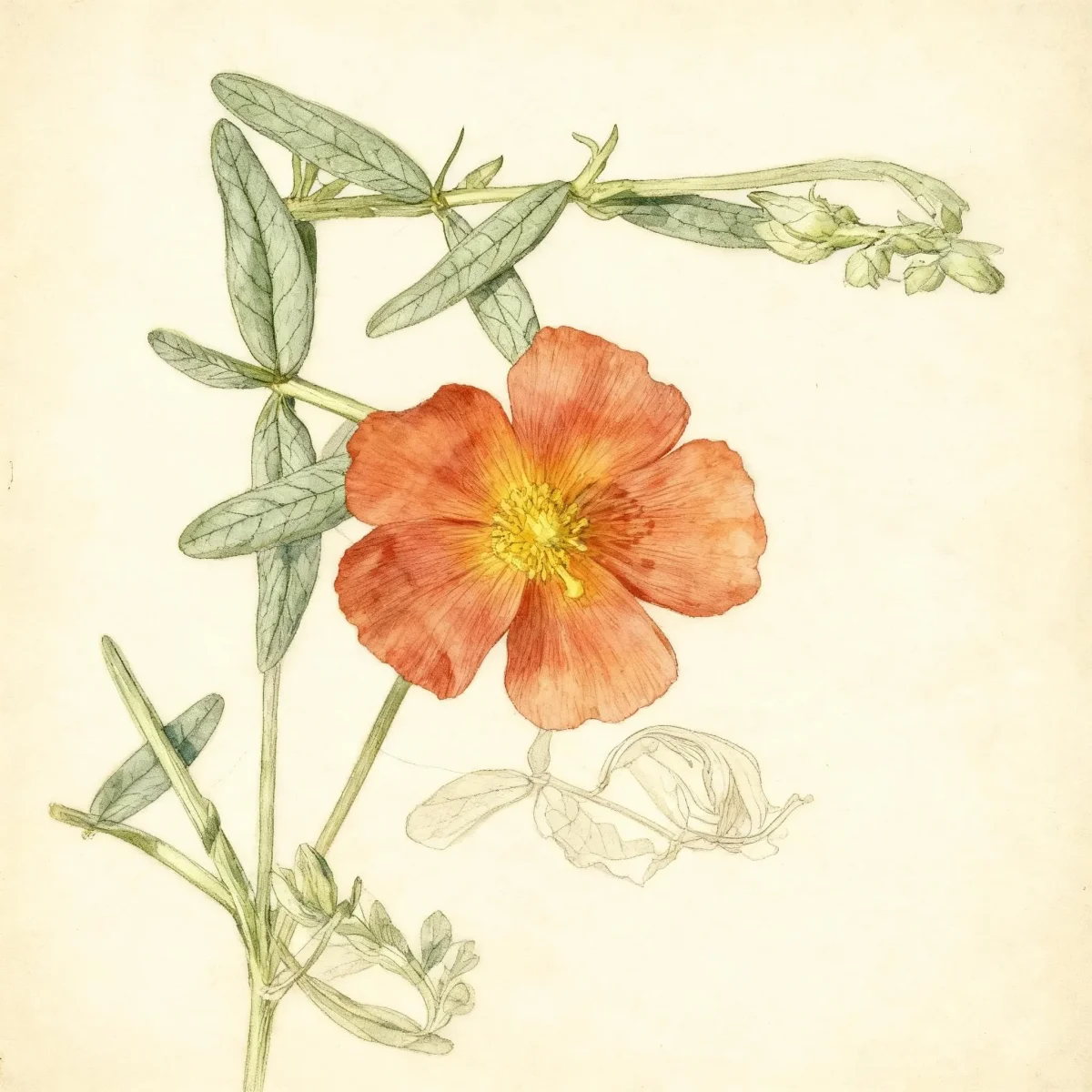
Helianthemum ‘Henfield Brilliant’, commonly known as Rock rose, is a superb choice for gardeners seeking dependable, low-maintenance color in challenging, sun-drenched locations. This low-growing evergreen shrub produces a profusion of brilliant red-orange flowers, making it a standout performer across the growing season. Its value lies in its tenacity; it absolutely thrives where many other perennials falter, particularly in dry, rocky, or sandy soils.
The foliage of Helianthemum ‘Henfield Brilliant’ consists of small, silvery-gray, downy leaves that provide year-round texture to the garden bed. While individual flowers last only a single day, the continuous succession of buds ensures that the overall effect of this Rock rose is reliably bright from late spring into mid-summer. Cultivars like ‘Henfield Brilliant’ have earned acclaim, including the Award of Garden Merit from the Royal Horticultural Society, confirming its status as an excellent landscape plant.
As an herbaceous perennial, this Rock rose is ideal for softening hard edges, cascading over retaining walls, or carpeting slopes where weeding is difficult. Successfully incorporating Helianthemum ‘Henfield Brilliant’ requires matching its preference for excellent drainage and ample sunlight, ensuring vibrant color without excessive fuss.
Fast Facts
- Plant Family: Cistaceae
- Plant Type: Herbaceous perennial
- Hardiness Zones: USDA Zones 4-9
- Size at Maturity:
- Height: 0.5-0.75 ft
- Spread: 1.5-2 ft
- Bloom Time: May to July
- Bloom Description: Red-orange
- Sun Exposure: Full sun
- Water Needs: Dry
- Maintenance Level: Medium
How to Grow
Planting Helianthemum ‘Henfield Brilliant’ should ideally occur in spring or early fall, ensuring the establishment phase occurs when temperatures are moderate. The most critical factor for success is soil preparation; these plants demand dry, well-drained loams that are often alkaline or rocky. Avoid heavy clay or areas where water pools, as this foliage-dense Rock rose rots easily when overwatered.
Maintenance generally falls into the medium bracket, primarily involving shaping and encouraging denser growth. Shear plants lightly immediately after the main flush of flowers subsides in mid-summer to maintain a neat shape and prompt subsequent blooming. Watering should be minimal once established; only water during prolonged, severe drought periods, as established plants are highly drought tolerant.
For winter preparation, be mindful of its hardiness limitations; while rated for Zone 4, plants in colder reaches (or Zone 5) benefit significantly from a protective application of winter mulch, such as a protective covering of evergreen boughs, to shield the evergreen foliage. When using the Rock rose as a ground cover, ensure it has adequate space, spacing individuals about two to three feet apart when planting.
Landscape Uses
Helianthemum ‘Henfield Brilliant’ excels in rock gardens, providing vibrant color nestled among stones and gravel that mimic its native Mediterranean habitat. Its trailing, dense habit makes it an exemplary choice when planted near the top of stone walls, allowing the stems to spill gracefully over the edge, softening the stonework beautifully.
Use this perennial to define borders in the front row, where its low profile won’t obscure taller flowers, or utilize it extensively on dry, sloping ground where establishing turf is challenging. Because it forms such a dense mat, it is effective in suppressing unwanted weed growth. Consider pairing this Rock rose with other sun-loving, drought-tolerant companions such as sedums, thyme, or low-growing ornamental grasses that share its preference for lean, sharp drainage.
Standout Features
Flower Qualities
- Showy
Noteworthy Characteristics
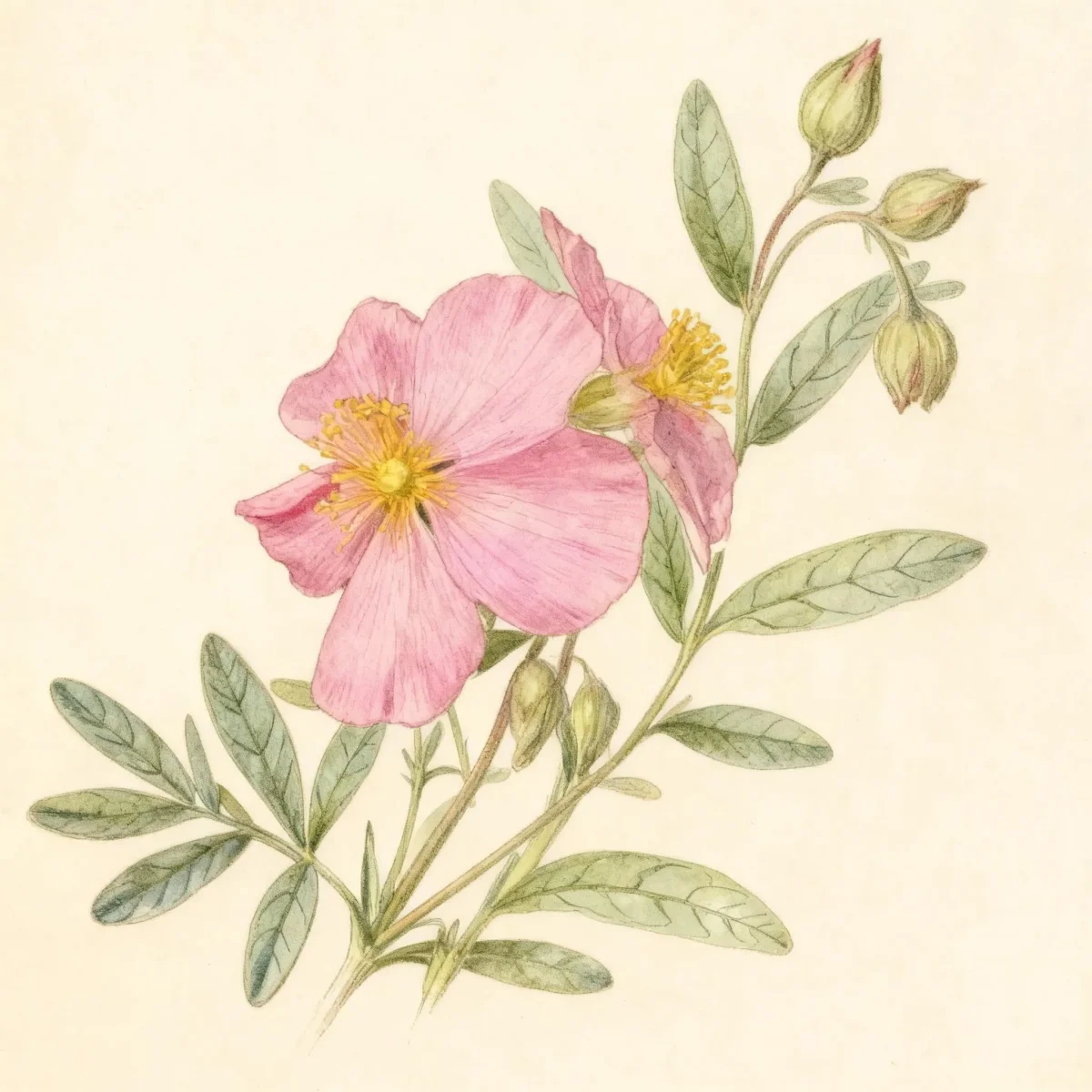
Helianthemum is a genus encompassing about 110 species of evergreen or semi-evergreen shrubs found globally, though ‘Henfield Brilliant’ originates from regions around the Mediterranean. This specific cultivar showcases small, silvery-gray, lance-shaped, downy foliage beneath single, vibrant red-orange flowers accented by bright yellow stamens. Growing compactly between 6 to 8 inches high and sprawling up to two feet wide, this dense mound earned the Award of Garden Merit from the Royal Horticultural Society.
Tolerances
- Drought
Potential Problems
The primary management concern for Helianthemum ‘Henfield Brilliant’ revolves around avoiding excessive moisture. This plant suffers significantly if its roots remain soggy, leading easily to rot, especially in poorly-drained loams or heavy clay soils. To prevent this, ensure your planting site has superb drainage before installation.
Pest and disease pressure for this Rock rose is generally low, meaning gardeners usually do not need to contend with serious insect infestations or common fungal issues, provided cultural conditions—full sun and dry soil—are met. If root rot is suspected, improving soil structure with grit or sand is preferable to applying chemical treatments.
Frequently Asked Questions
What hardiness zones is Rock rose suitable for?
Helianthemum ‘Henfield Brilliant’ is suitable for planting across a wide range, ranging from USDA Zones 4 through Zone 9.
How large does Helianthemum ‘Henfield Brilliant’ grow?
This herbaceous perennial typically reaches a compact height between 0.5 to 0.75 feet tall, spreading out to occupy 1.5 to 2 feet wide.
What sun exposure does Rock rose need?
This specific variety requires full sun exposure to achieve its best growth habit and prolific bloom display throughout the season.
When does Rock rose bloom?
You can expect the striking color of the Rock rose to appear from May through July, showcasing its signature red-orange flowers.
Conclusion
Helianthemum ‘Henfield Brilliant’ offers exceptional value for xeriscaping and sunny, dry borders due to its drought tolerance and non-stop summer flowering display. Incorporating this award-winning Rock rose into your garden provides low-effort, high-impact color against its silvery foliage backdrop. Always confirm your local soil drains well before deciding to plant Helianthemum ‘Henfield Brilliant’ to guarantee long-term success.
Companion Planting
When selecting companions for the Rock rose, prioritize plants that share its intense love for heat and dry soil conditions. Hardy succulents and alpines make excellent neighbors, as they thrive in the same lean media and dislike competition for moisture. Consider low-growing varieties of Sedum, Thyme (especially creeping varieties), or Aubrieta for complementary textures and colors near your Helianthemum ‘Henfield Brilliant’.
Avoid placing this plant near moisture-loving perennials like Hostas or Astilbes, as the necessary constant watering for those plants will invariably harm the Rock rose. Focus on creating drifts of texture where full sun meets sharp drainage for the happiest display of this brilliant ground cover.
Design Ideas for Slopes and Walls
The cascading nature of Helianthemum ‘Henfield Brilliant’ makes it a hero plant for difficult spaces like retaining walls and steep banks. When planting along a wall, place it slightly back from the edge to allow the stems to naturally drape over the stone, concealing the mortar and blurring the hard lines. This technique helps integrate built structures into the natural landscape.
For dry, unusable slopes, dense planting of this Rock rose serves both an aesthetic and practical purpose. Its spreading network of roots, combined with its low growth, helps to stabilize loose soil and prevent erosion while providing a low-maintenance, flowering mat that eliminates the need for constant mowing or weeding on inclines.