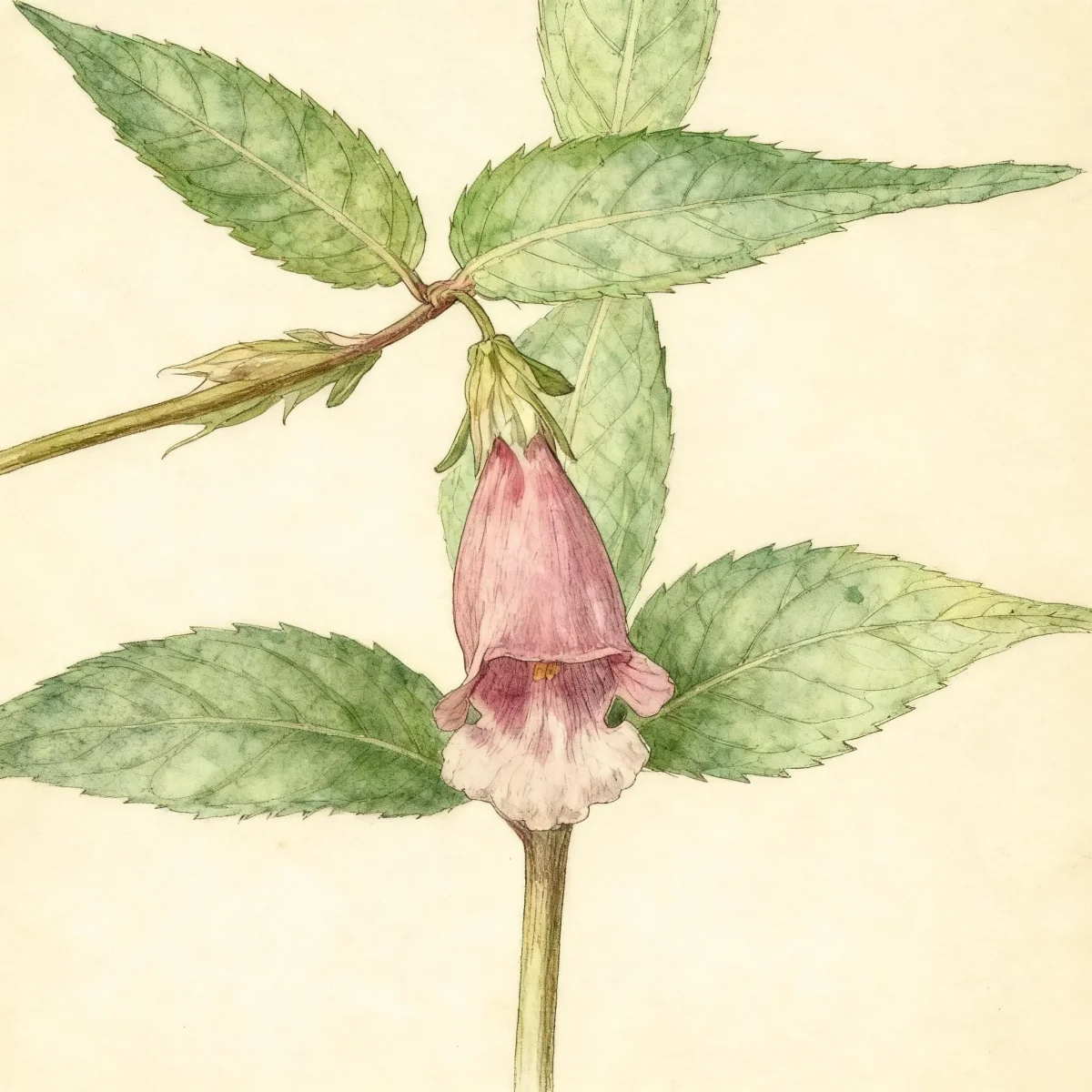
Betony (Stachys spathulata)
Discover Stachys spathulata, a dwarf, rewarding Betony perfect for borders and rock gardens needing low maintenance.
Scroll down to discover growing tips, care requirements, companion plants, and more
Complete Plant Information
Overview
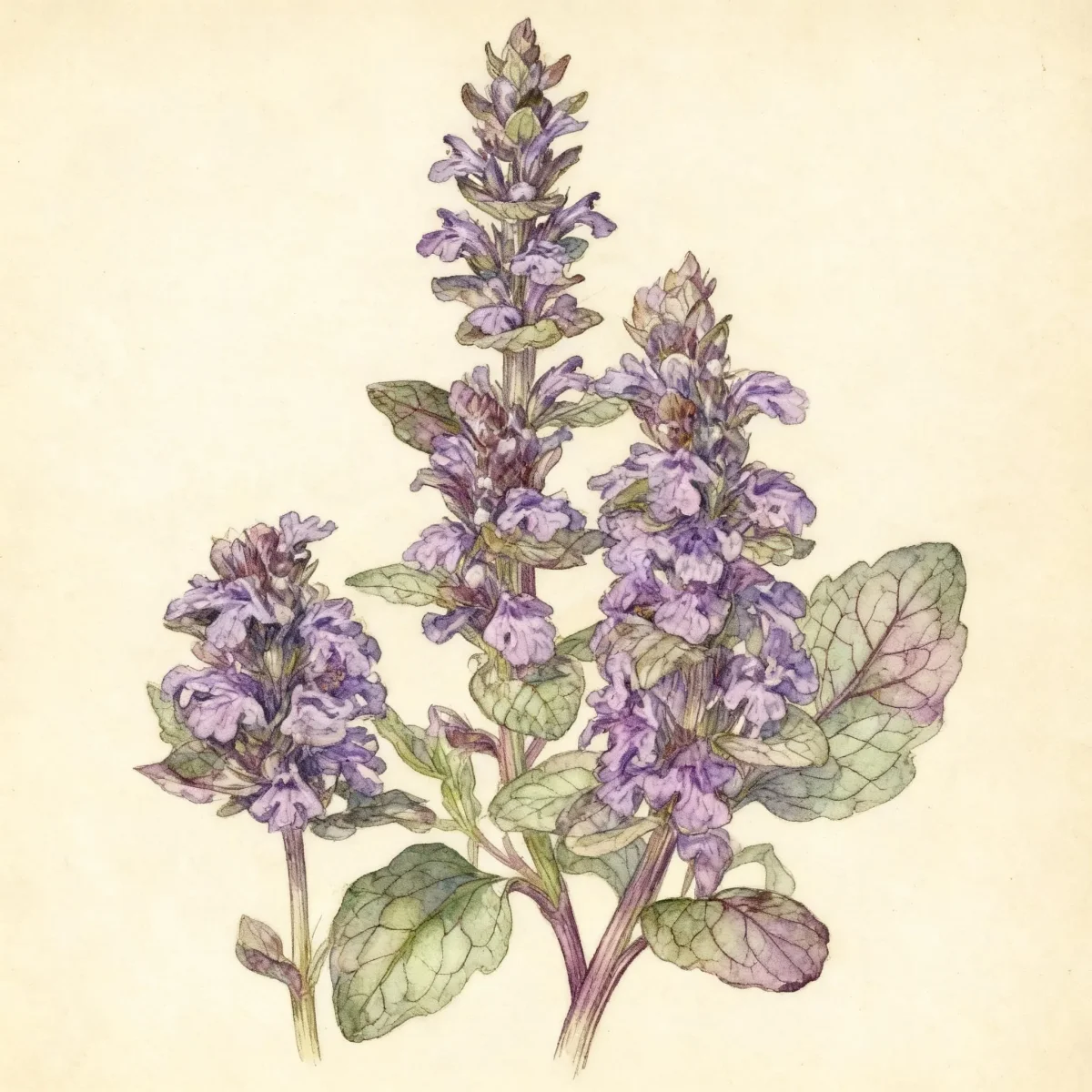
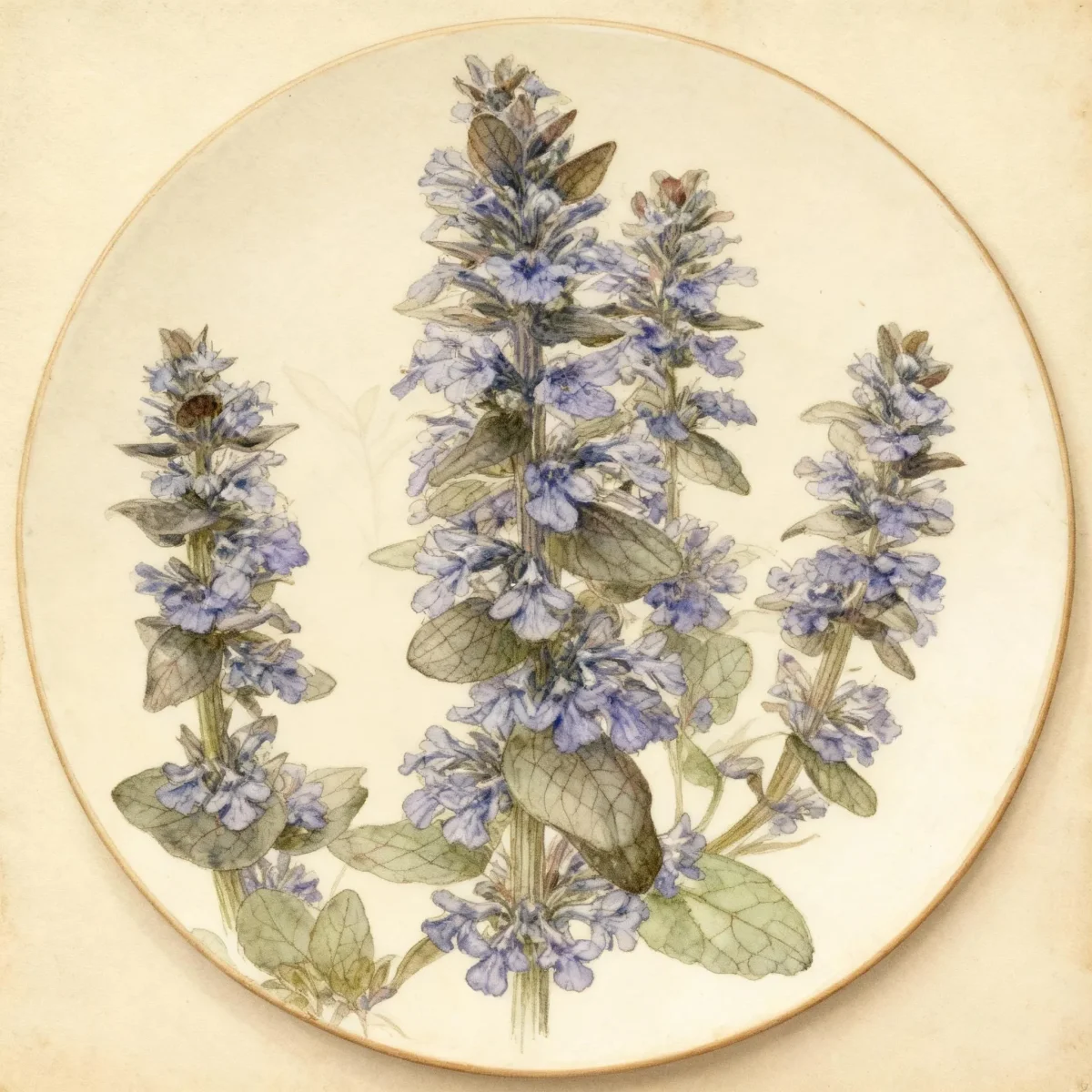
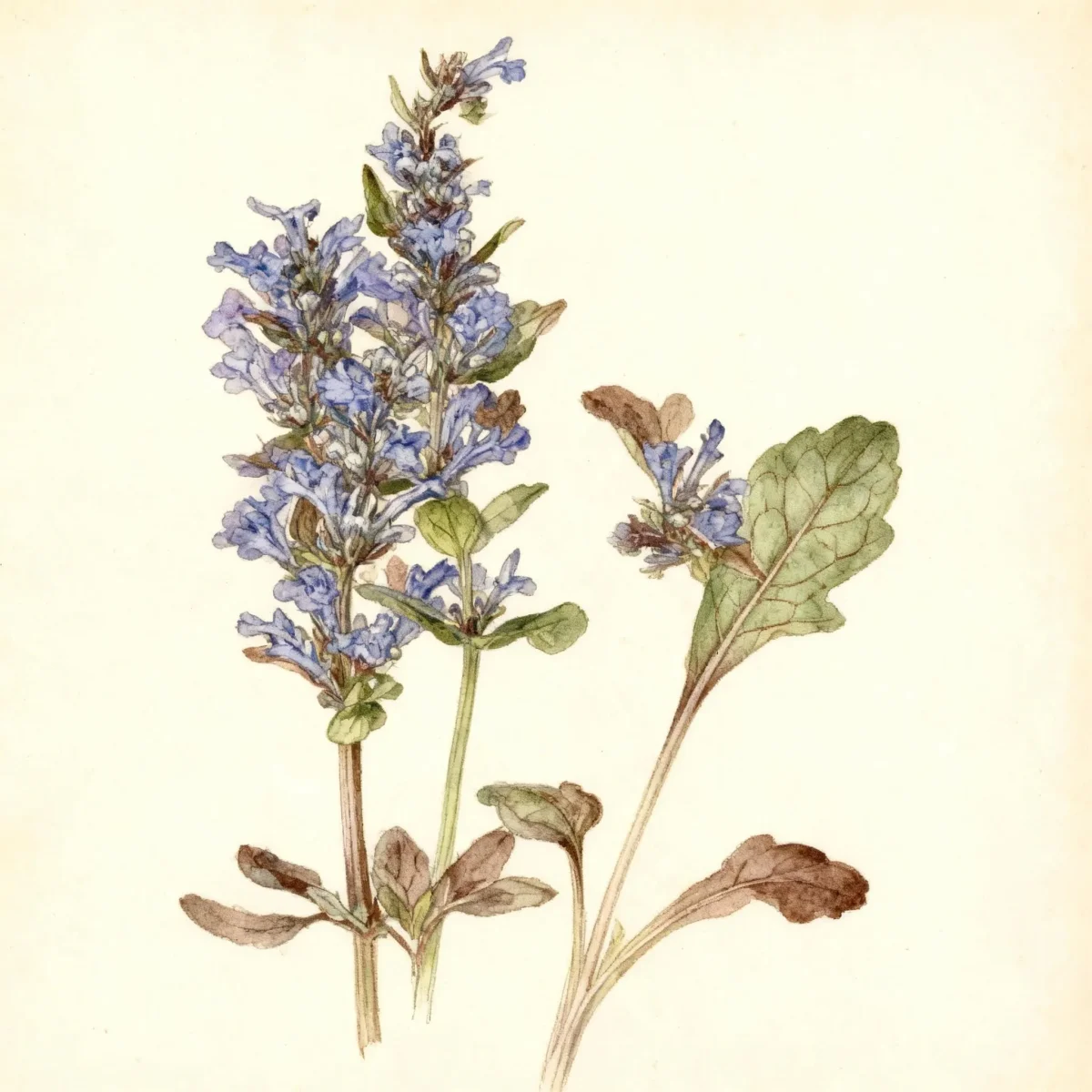
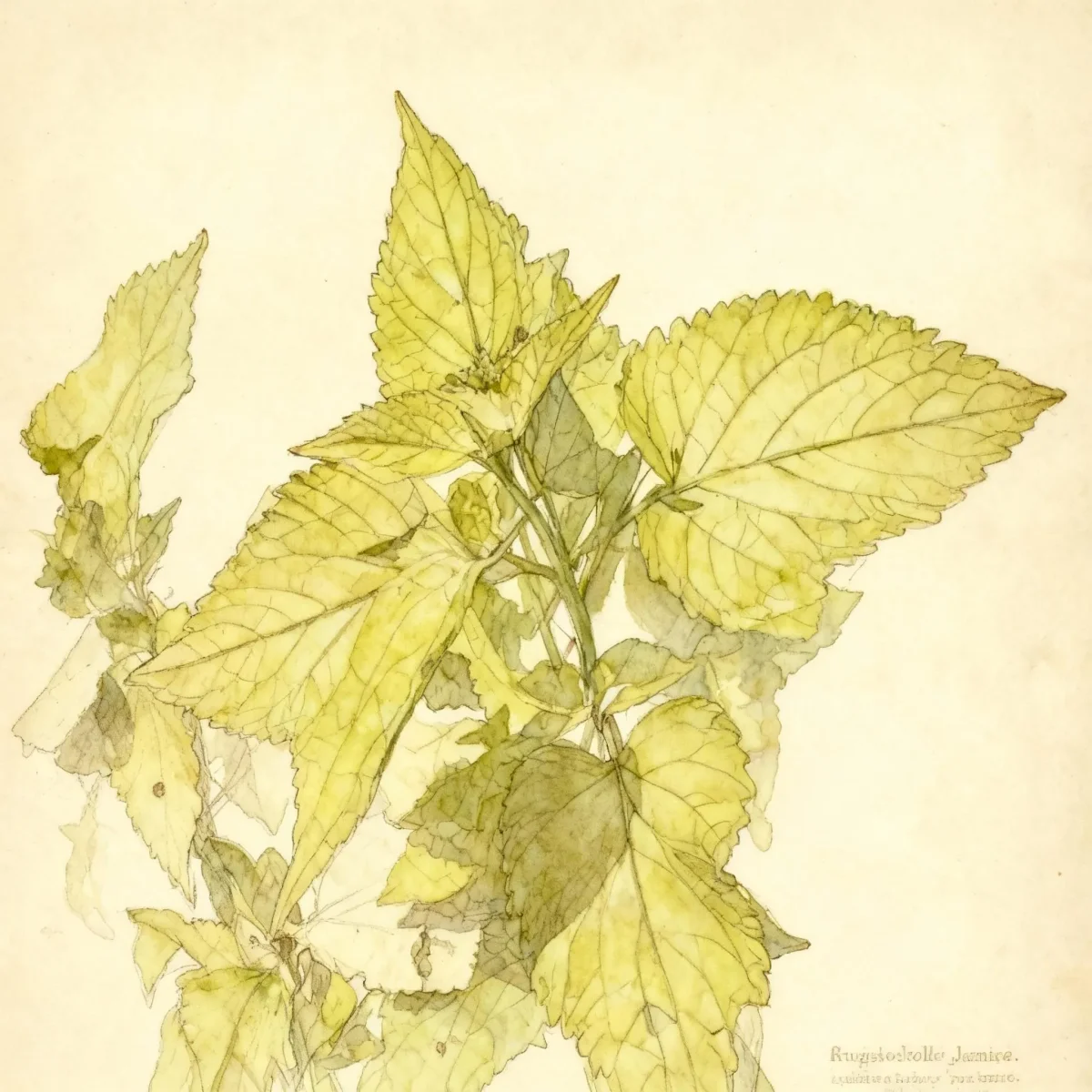
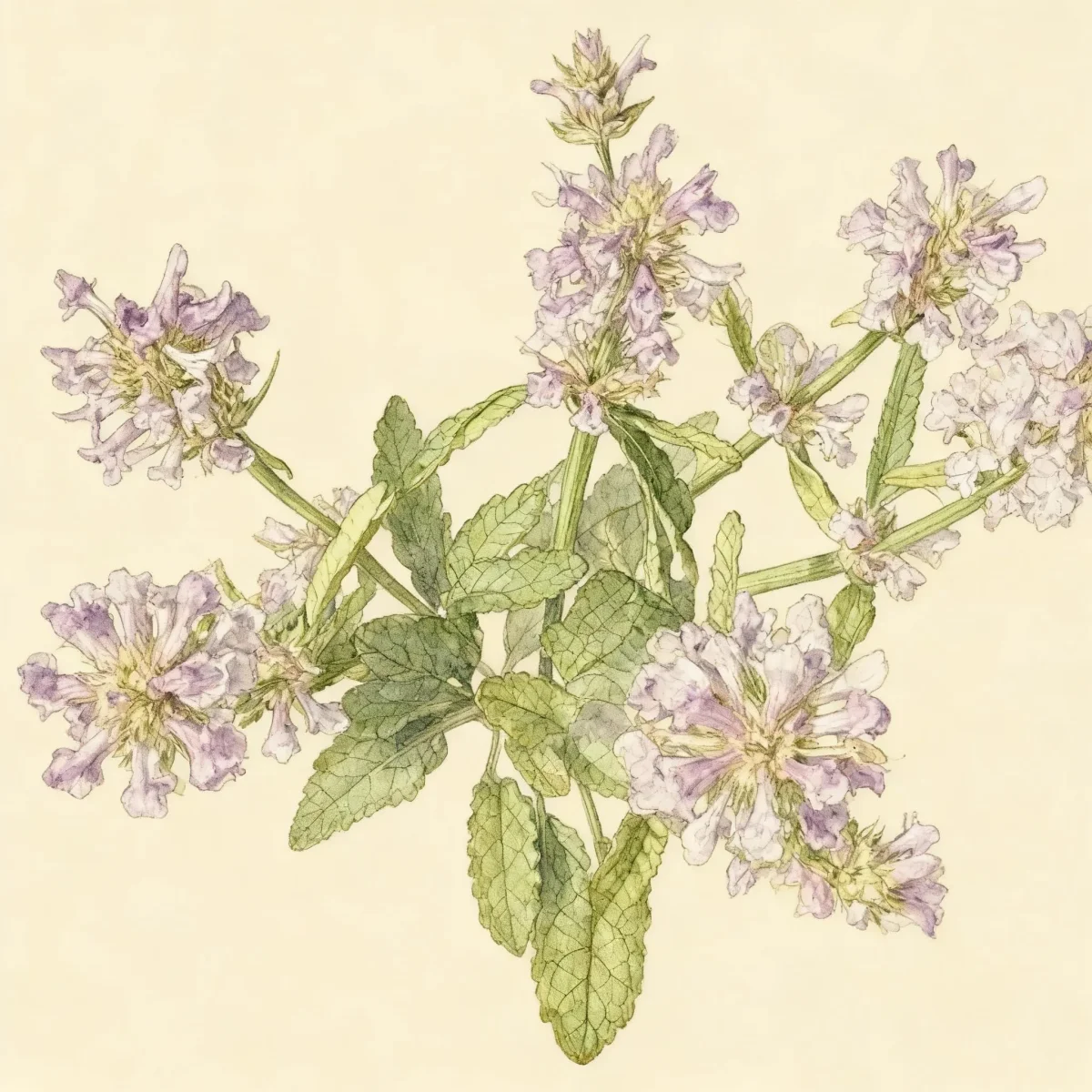
Stachys spathulata, commonly known as dwarf Betony, is a charming, compact herbaceous perennial perfect for gardeners seeking texture and subtle summer color without demanding attention. This unique member of the mint family forms a dense, ground-hugging rosette of glossy, spatula-shaped dark green leaves, providing excellent coverage. When its bloom season arrives, slender spikes rise above the foliage, showcasing showy, attractive rose-purple flowers.
Valued for its low maintenance regime and reliable performance, Stachys spathulata thrives when afforded average care in well-drained soil. While it handles drought once established, its compact size and spreading habit make it an ideal candidate for filling in tight spots or serving as a neat edging plant in perennial borders or rock gardens.
Native to Southern Africa, this rhizomatous perennial offers visual interest through both its foliage texture and the delicate display of its summer blooms, which are magnets for local butterflies. Gardeners turn to Stachys spathulata for its robust nature and ability to maintain structure in the landscape.
Fast Facts
- Plant Family: Lamiaceae
- Plant Type: Herbaceous perennial
- Native Range: Southern Africa
- Hardiness Zones: USDA Zones 5-8
- Size at Maturity:
- Height: 0.5-0.75 ft
- Spread: 0.5-1 ft
- Bloom Time: June to July
- Bloom Description: Pink to purple
- Sun Exposure: Full sun to part shade
- Water Needs: Medium
- Maintenance Level: Low
How to Grow
Planting Stachys spathulata is best done in spring or fall, ensuring it has time to establish its rhizomatous root system before the stress of summer heat. This dwarf Betony prefers average, well-drained soils. While it tolerates light shade, ensure it receives full sun for the best flowering performance, as excessive shade can impede necessary leaf drying.
Care for this perennial is straightforward. Provide medium water, aiming for consistently moist but not soggy soil, always avoiding overhead watering, which can encourage leaf spot or mildew. Foliage that declines mid-summer can be neatly tidied by simply picking off damaged leaves. No routine fertilization is usually required if the soil is decent.
When using Stachys spathulata as a ground cover, space new plants 12 to 18 inches apart to allow for its gradual spread by rhizomes or self-seeding. To improve the plant’s overall appearance and vitality, deadhead the spent flower spikes promptly, which also helps manage unwanted reseeding.
Landscape Uses
The compact texture and dense habit of Stachys spathulata make it highly functional in detailed landscape designs. Its low profile is perfect for utilizing where taller plants would obscure views, such as the front of borders or tucked into rock gardens where its texture shines. It naturalizes gently, softening hard edges over time, making it a superb, low-maintenance ground cover solution.
For border fronts, Betony provides a dark green, slightly glossy foundation against which brighter perennials can pop. It also excels in small area ground cover applications where mass planting creates a neat, weed-suppressing mat. Consider pairing its fine texture with broad-leafed hostas or airy ornamental grasses for dynamic contrast.
Containers are an excellent way to showcase the fine details of this plant, especially when combined with trailing elements, as its structure remains pleasing throughout the season. Wherever drought tolerance is an asset, this sturdy perennial provides architectural interest and reliable summer blooms.
Standout Features
Flower Qualities
- Showy
Noteworthy Characteristics
Stachys spathulata, synonymous with and formerly known as Stachys minima, is a dwarf, rhizomatous, green-leaved perennial that typically grows to only 4-8” tall. Showy, tubular, two-lipped, rose-purple flowers bloom in verticillasters (false whorls) in summer on crowded spikes rising above a dense ground-hugging rosette of spatula-shaped glossy dark green leaves. The fascinating genus name Stachys comes from the Greek word for ‘ear of corn,’ referencing the inflorescence of a related plant.
Tolerances
- Rabbit
- Deer
- Drought
Potential Problems
Stachys spathulata generally maintains a clean bill of health regarding serious insect or disease issues, which is a significant advantage for low-maintenance gardening. However, in hot, humid summer periods, like many members of the Lamiaceae family, watch for the development of leaf spots, powdery mildew, or root rots. These issues are generally less problematic than observed with woolly-leaved types like Stachys byzantina. Management centers on cultural practices; specifically, ensure good air circulation by avoiding dense planting and refrain from overhead watering to keep leaves dry. Vigilance against common garden pests like slugs and snails is also recommended.
Frequently Asked Questions
What hardiness zones is Betony suitable for?
Stachys spathulata is best suited for gardens located within USDA Zones 5 through 8.
How large does Betony grow?
This dwarf perennial reaches a modest height between 0.5 and 0.75 feet, spreading outward to occupy an area between 0.5 and 1 foot wide.
What sun exposure does Stachys spathulata need?
Stachys spathulata requires full sun to part shade; however, best flowering performance is achieved under full sun conditions.
When does Betony bloom?
This species displays its pink to purple flowers from June through July.
Conclusion
For gardeners seeking a diminutive, tough, and rewarding perennial, Stachys spathulata offers excellent value with minimal input required. Its glossy foliage provides foundational texture, while the summer blooms of Betony attract beneficial insects. Before planting, confirm your garden’s hardiness zone matches USDA 5-8 compatibility and select a sunny, well-drained spot to enjoy this dependable Stachys spathulata for years to come.
Companion Planting
Since Stachys spathulata prefers full sun to light shade and medium moisture, pair it with other drought-tolerant, sun-loving perennials that value sharp drainage. Good companions include low-growing Sedums or creeping thyme varieties, which share similar cultural needs and offer contrasting leaf shapes. Avoid overcrowding, as dense planting can promote humidity around the leaves, which this species dislikes.
Design Ideas for Dwarf Betony
Utilize the low, spreading habit of Stachys spathulata to define the separation between lawn and border, acting as a living mulch that suppresses weaker weeds. In contemporary rock gardens, its dark green leaves offer a grounded visual element against sharp stone textures and spikier, sun-loving alpine plants. Its resilience also makes it a wonderful “spiller” component in larger mixed seasonal containers.