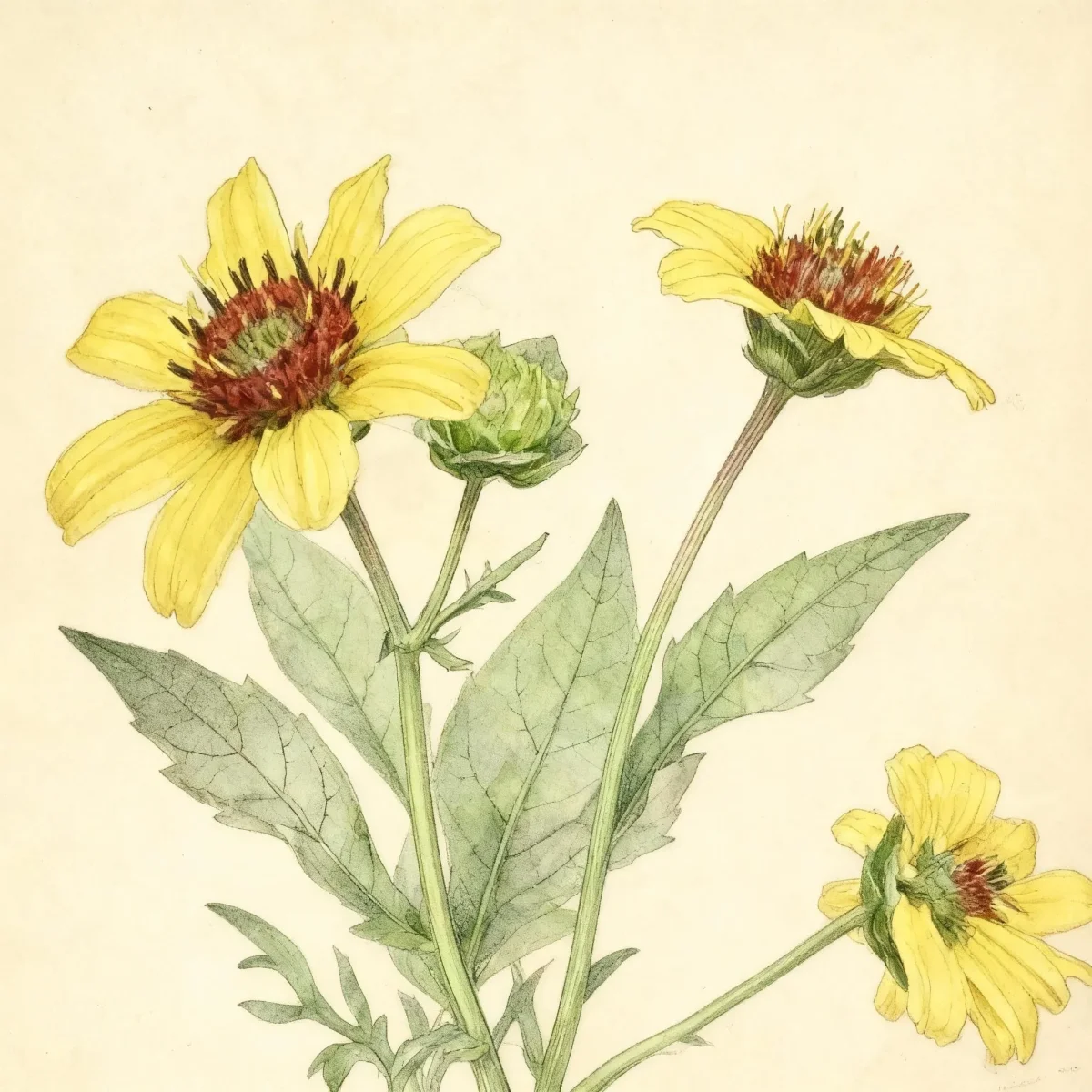
Showy goldeneye (Heliomeris multiflora 'Sunsplash')
Heliomeris multiflora 'Sunsplash' offers low-maintenance, prolific yellow blooms from July to September, ideal for dry, sunny borders.
Scroll down to discover growing tips, care requirements, companion plants, and more

Complete Plant Information
Overview
The Showy goldeneye, scientifically known as Heliomeris multiflora ‘Sunsplash’, is a fantastic addition for gardeners seeking reliable, late-season color with minimal fuss. This upright, clump-forming perennial is celebrated for its abundant bloom of small, sunflower-like flowers featuring unique light yellow rays with creamy white margins. Heliomeris multiflora ‘Sunsplash’ fits beautifully into sunny mixed borders where drought tolerance is a key requirement.
This cultivar is generally more compact than the straight species, making it much more manageable in domestic garden settings. Its low maintenance profile, coupled with its strong tolerance for poor, dry soils, positions it as an excellent choice for infill planting or difficult slopes.
Beyond its aesthetic appeal, the ease of care and ability to thrive in poor conditions makes the Showy goldeneye a dependable workhorse. Whether you treat it as a short-lived perennial or grow Heliomeris multiflora ‘Sunsplash’ as an annual, it delivers consistent golden-yellow interest deep into the summer season.
Fast Facts
- Plant Family: Asteraceae
- Plant Type: Herbaceous perennial
- Hardiness Zones: USDA Zones 4-8
- Size at Maturity:
- Height: 1-2 ft
- Spread: 1-2 ft
- Bloom Time: July to September
- Bloom Description: Yellow
- Sun Exposure: Full sun
- Water Needs: Dry to medium
- Maintenance Level: Low
How to Grow
Establishing Showy goldeneye is straightforward, as it thrives in average, dry to medium, well-drained soils. Plant in a location receiving full sun for the best flowering performance, though Heliomeris multiflora ‘Sunsplash’ can tolerate some light shade. If you choose to start seeds indoors for an early display, begin in late January to early February. Otherwise, direct seeding into the garden after the danger of the last spring frost is an equally effective method.
Once established, this plant demands very little attention, reinforcing its low maintenance rating. It demonstrates excellent drought tolerance, requiring deep watering only during extended dry periods rather than a strict schedule. Fertilization is rarely necessary; in fact, fertile soils can sometimes lead to overly lush, floppy growth.
General upkeep involves little more than cutting back spent stems after the blooming season concludes or at the end of the growing year. Because it is sometimes treated as a short-lived perennial or an annual, remember that propagation by seed is often the most reliable way to ensure continuous display of this stellar flower.
Landscape Uses
Heliomeris multiflora ‘Sunsplash’ excels in various landscape roles due to its manageable stature and attractive blooms. It works wonderfully tucked into the middle or front layers of perennial beds and borders, providing cheerful mass color from mid-summer onward. Its ability to handle dry conditions also makes it suitable for rock gardens where soil moisture fluctuates significantly.
For designers looking to naturalize an area, this plant blends well into meadow plantings. Furthermore, the sturdy stems and showy flowers mean the Showy goldeneye holds up well when harvested as a cut flower, adding summer brightness indoors. Consider planting it near paths or at the edge of walls where its texture can be appreciated up close.
Standout Features
Flower Qualities
- Showy
- Good Cut
Noteworthy Characteristics
Heliopsis multiflora, commonly called goldeneye, is an upright, clump-forming perennial of the aster family that typically grows to 1-4’ tall. It is noted for producing a mid to late summer (July-September) bloom of small-headed, sunflower-like flowers (to 1 1/2” diameter) featuring golden yellow rays surrounding yellow to bronze-yellow center cones. ‘Sunsplash’ produces an abundant bloom of bicolor flowers which feature light yellow rays with creamy white margins and yellow center cones, and this cultivar is more compact than the species, typically growing to 24” tall.
Tolerances
- Deer
- Drought
- Erosion
- Dry Soil
- Shallow-Rocky Soil
Potential Problems
Heliomeris multiflora ‘Sunsplash’ is generally considered resistant to serious pest and disease issues, which contributes significantly to its low maintenance appeal. Gardeners may occasionally notice red aphids making an appearance, especially during hot, dry spells. These soft-bodied insects can typically be managed by dislodging them with a strong jet of water or by applying insecticidal soap if infestations become heavy.
This plant also carries a reported, though not absolute, resistance to powdery mildew, a common fungal issue in the Asteraceae family. To help prevent mildew, ensure good air circulation by spacing plants adequately and avoid overhead watering late in the day. Growing Showy goldeneye in its preferred well-drained, drier soil conditions is the best cultural defense against most common fungal problems.
Frequently Asked Questions
What hardiness zones is Showy goldeneye suitable for?
Heliomeris multiflora ‘Sunsplash’ is reliably hardy across USDA Zones 4 through 8.
How large does Showy goldeneye grow?
This compact selection typically reaches a height between 1 and 2 feet, with an equal spread of 1 to 2 feet.
What sun exposure does Heliomeris multiflora ‘Sunsplash’ need?
The ideal setting for this plant is full sun, which ensures the most profuse and healthy blooming period throughout July and September.
When does Showy goldeneye bloom?
You can expect the yellow, showy flowers of Heliomeris multiflora ‘Sunsplash’ to appear consistently from the middle of July and continue blooming through September.
Conclusion
The Showy goldeneye, or Heliomeris multiflora ‘Sunsplash’, offers exceptional value for gardeners seeking reliable, low-water, sun-loving color that lasts all summer. Its tough nature, handling poor soils and drought with ease, makes it a stellar addition to difficult spots. Before planting, confirm that your garden falls within USDA Zones 4-8 and provide ample sunlight for this beautiful perennial.
Companion Planting
When designing a low-maintenance, drought-tolerant border around Showy goldeneye, prioritize companions that share similar preferences for full sun and dry to medium moisture levels. Plants like Sedum, Lavender (Lavandula species), Yarrow (Achillea), and ornamental grasses thrive alongside Heliomeris multiflora ‘Sunsplash’. These combinations create textural contrast while preventing competition for water in drier garden pockets.
These pairings ensure that the entire section of the garden requires similar cultural inputs—mostly sun and infrequent water once established. This synergy of needs simplifies maintenance throughout the season, allowing the golden blooms of the Showy goldeneye to stand out against silvery or fine-textured foliage neighbors.
Seasonal Care Calendar
Spring cleanup is minimal for established Showy goldeneye; cut back old stems near the base once new growth begins to emerge. Since this plant prefers poorer soils, avoid heavy applications of high-nitrogen fertilizer, which may encourage weak stems. Focus instead on ensuring the soil drains well.
Summer is the peak performance time for Heliomeris multiflora ‘Sunsplash’. Water deeply but infrequently, particularly if you are growing it in its preferred dry soil range. Deadheading spent blooms is optional; while it can encourage repeat flowering, the primary bloom flush is usually sufficient for summer interest.
In autumn, allow the plant to decline naturally, though you may choose to cut it back after the first hard frost. If you allow the seed heads to remain, they can provide winter structure and potential seeds for birds, though this variety is often treated as an annual transplant.