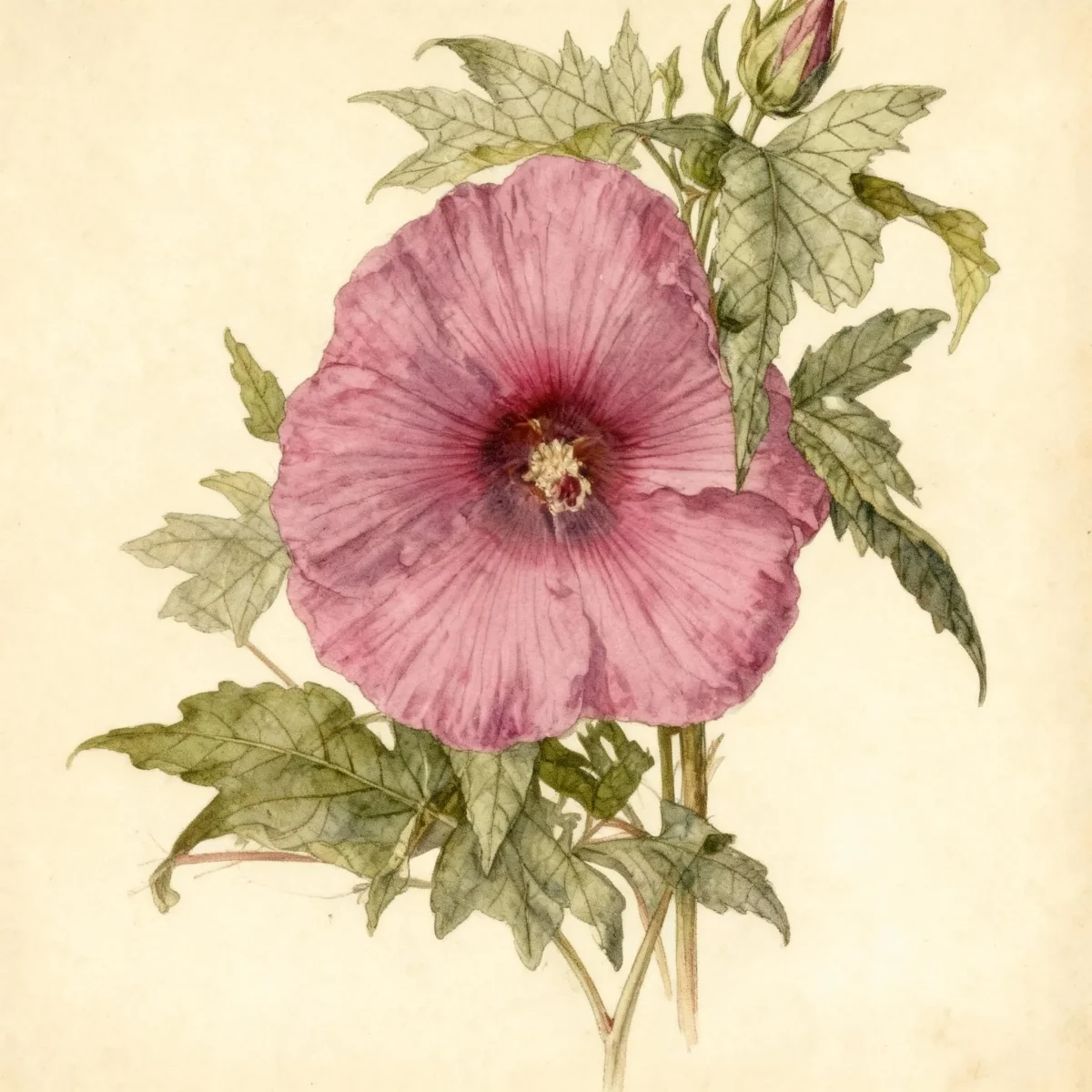
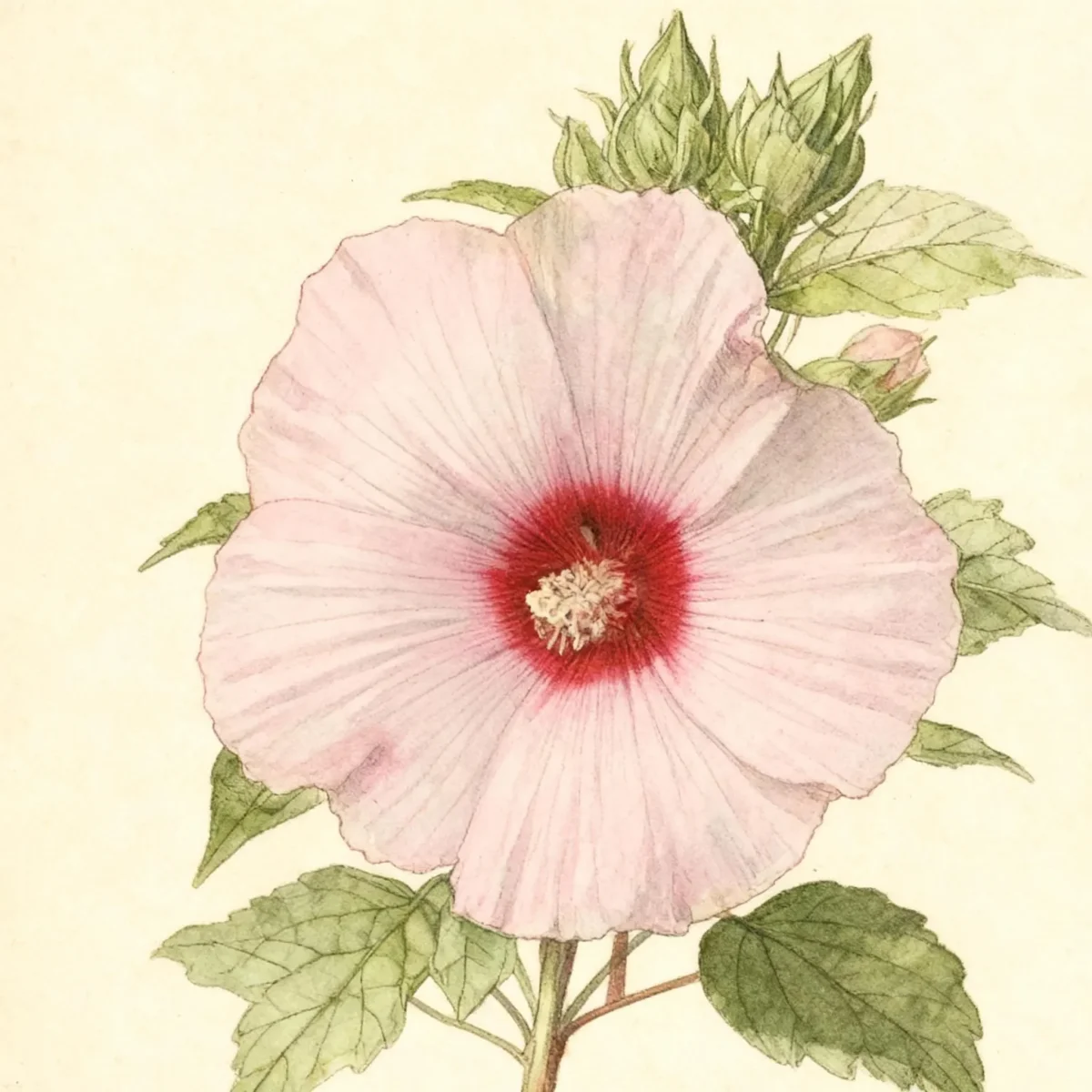
Hardy hibiscus (Hibiscus moscheutos 'Luna Pink Swirl')
Discover Hibiscus moscheutos 'Luna Pink Swirl', a low-maintenance Hardy hibiscus featuring large, showy white and pink swirled flowers from July to September.
Scroll down to discover growing tips, care requirements, companion plants, and more
Complete Plant Information
Overview
The magnificent Hibiscus moscheutos ‘Luna Pink Swirl’ belongs to the group known as Hardy hibiscus, bringing dramatic tropical flair to temperate gardens. This variety is valued for its compact, well-branched habit and exceptionally large, eye-catching blooms that appear reliably throughout the summer months. As a vigorous herbaceous perennial, it provides stunning, late-season color after many other spring bloomers have faded.
Cultivating Hibiscus moscheutos ‘Luna Pink Swirl’ is simpler than many realize, thriving in full sun and adapting well to medium to wet soil conditions typical of its native marsh habitats. Its performance is exceptional when placed in areas that receive consistent moisture, yet it exhibits surprising resilience in average garden spots, provided it does not completely dry out.
Gardeners seeking magnificent specimens or structure for wet areas will find this Hardy hibiscus invaluable. The massive, swirling pink and white flowers are highly attractive to pollinators, making Hibiscus moscheutos ‘Luna Pink Swirl’ an excellent choice for wildlife-friendly landscaping and rain gardens.
Fast Facts
- Plant Family: Malvaceae
- Plant Type: Herbaceous perennial
- Hardiness Zones: USDA Zones 5-9
- Size at Maturity:
- Height: 2-3 ft
- Spread: 2-3 ft
- Bloom Time: July to September
- Bloom Description: White with pink markings and a red center
- Sun Exposure: Full sun
- Water Needs: Medium to wet
- Maintenance Level: Low
How to Grow
Planting is best done in spring after the danger of frost has passed, ensuring the spot receives full sun for the most vigorous flowering and strong stems. Hardy hibiscus prefers moist, organically rich soils, making it perfect for rain gardens or low spots in the landscape. While it handles average soil, consistent moisture is key to preventing leaf scorch.
Maintenance for Hibiscus moscheutos ‘Luna Pink Swirl’ is relatively low once established. Regular deep watering is highly recommended, especially during dry spells, to support the massive flowers. For bushier growth, pinch back tips when the plant reaches 8 inches and again at 12 inches. Deadheading individual spent flowers keeps the plant looking tidy, though it is not strictly necessary for bloom production.
Fertilize regularly throughout the growing season to fuel the heavy bloom period typical of this Hardy hibiscus. In late autumn, after the foliage dies back, cut the stems down to about 3 to 4 inches above the ground. Be patient in spring; new growth on Hibiscus moscheutos ‘Luna Pink Swirl’ emerges slowly, but grows rapidly once it begins.
Protecting the plant from strong winds helps prevent wind burn on the foliage and supports the large flowers. While generally sturdy, attention should be paid to potential pest issues like Japanese beetles, which can quickly consume the leaves if left unchecked.
Landscape Uses
The upright, sturdy form of Hibiscus moscheutos ‘Luna Pink Swirl’ makes it an outstanding choice for moist borders where its lush foliage and huge summer flowers can be showcased. Its love for moisture makes it highly effective planted along the edges of streams, ponds, or intentionally designed rain gardens, capturing runoff beautifully.
For a quick, temporary screen or informal hedge during the hottest months, mass planting several specimens together creates an impressive wall of color. Furthermore, because the Hardy hibiscus remains tidy and compact in the Luna series, it performs admirably as a specimen plant in large containers flanking an entrance or patio, provided its soil moisture requirements are met.
Consider pairing this vibrant perennial with moisture-loving companions that share similar sun needs, such as irises, astilbes, or sedges, allowing you to create a layered, damp-loving garden vignette that peaks in the mid to late summer.
Standout Features
Flower Qualities
- Showy
Noteworthy Characteristics
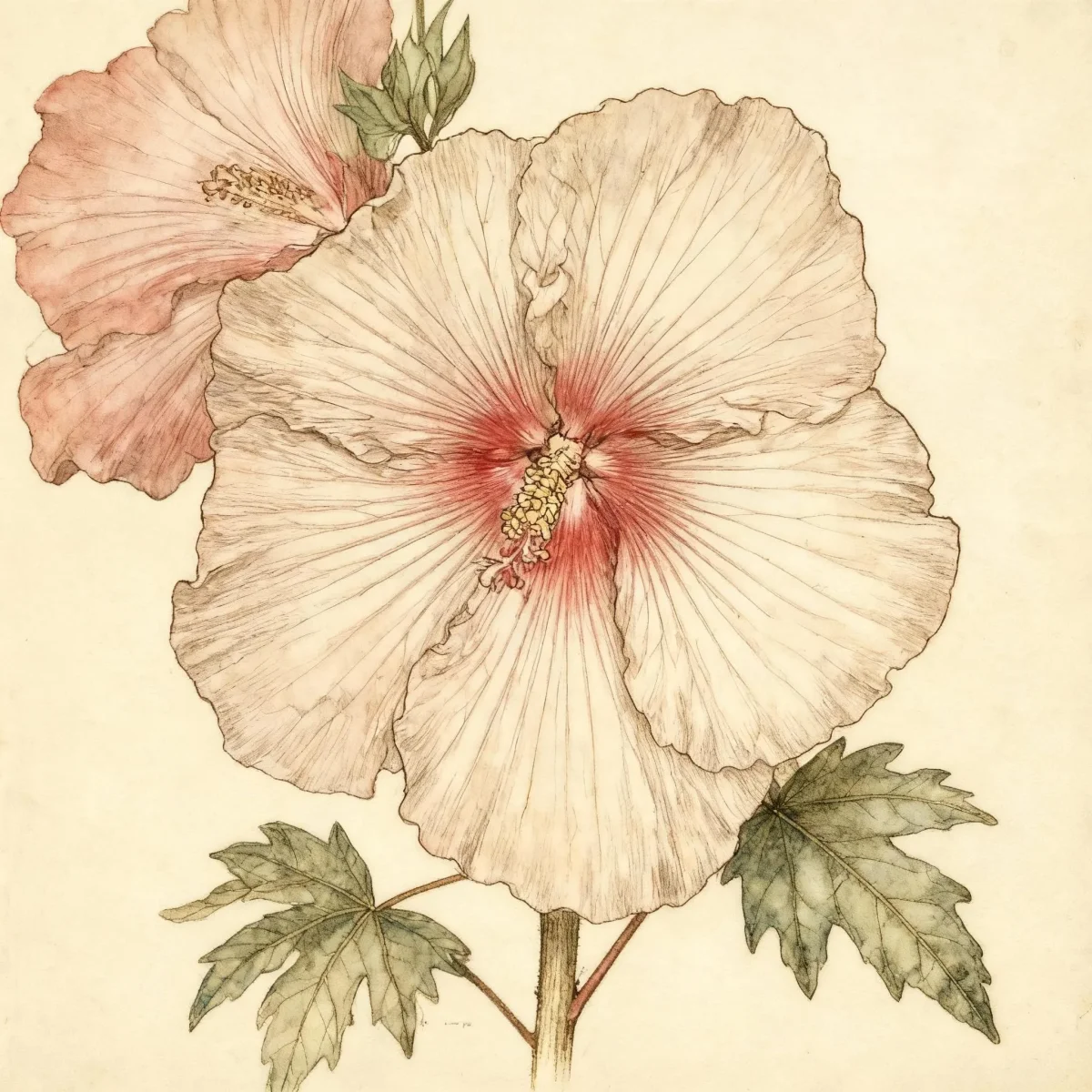
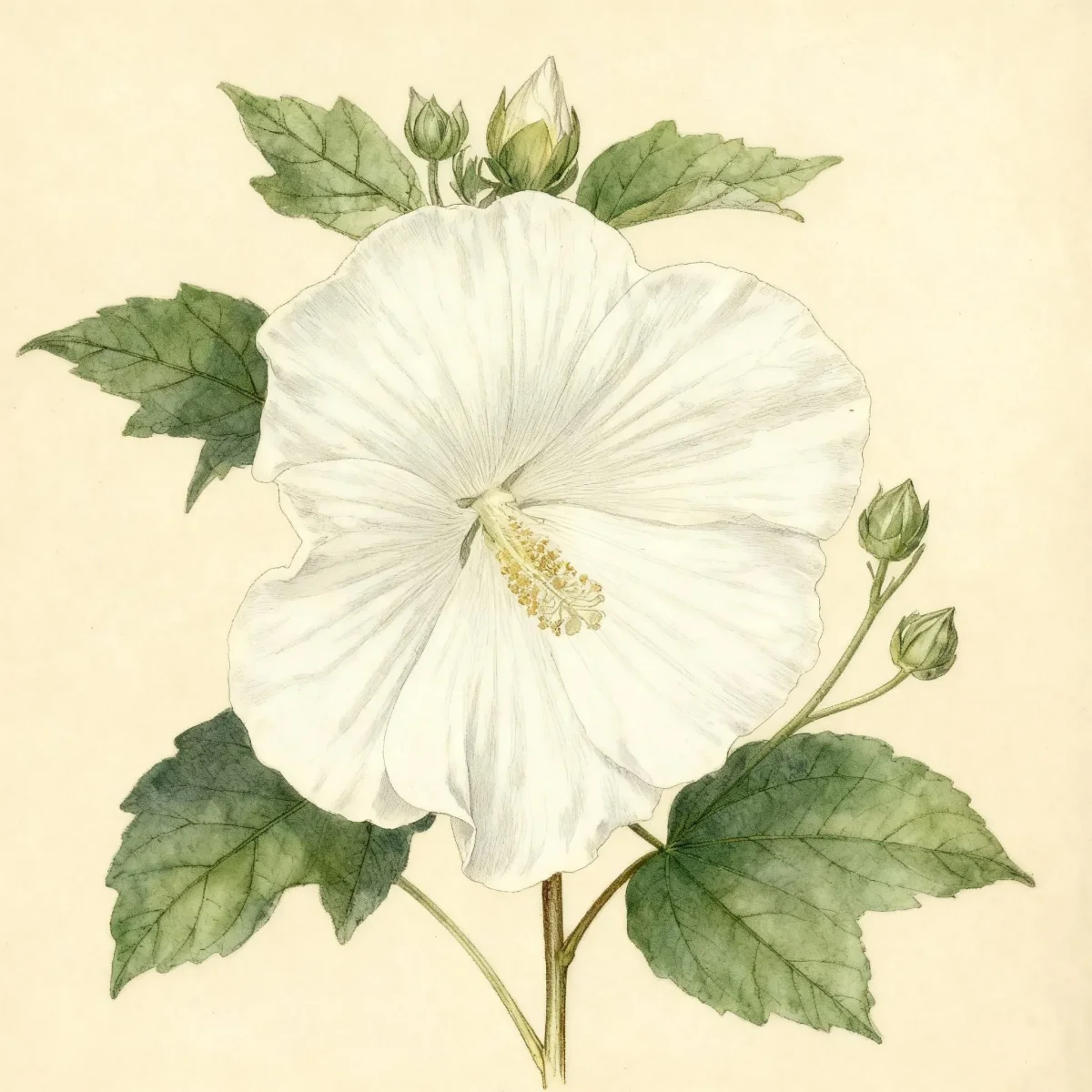
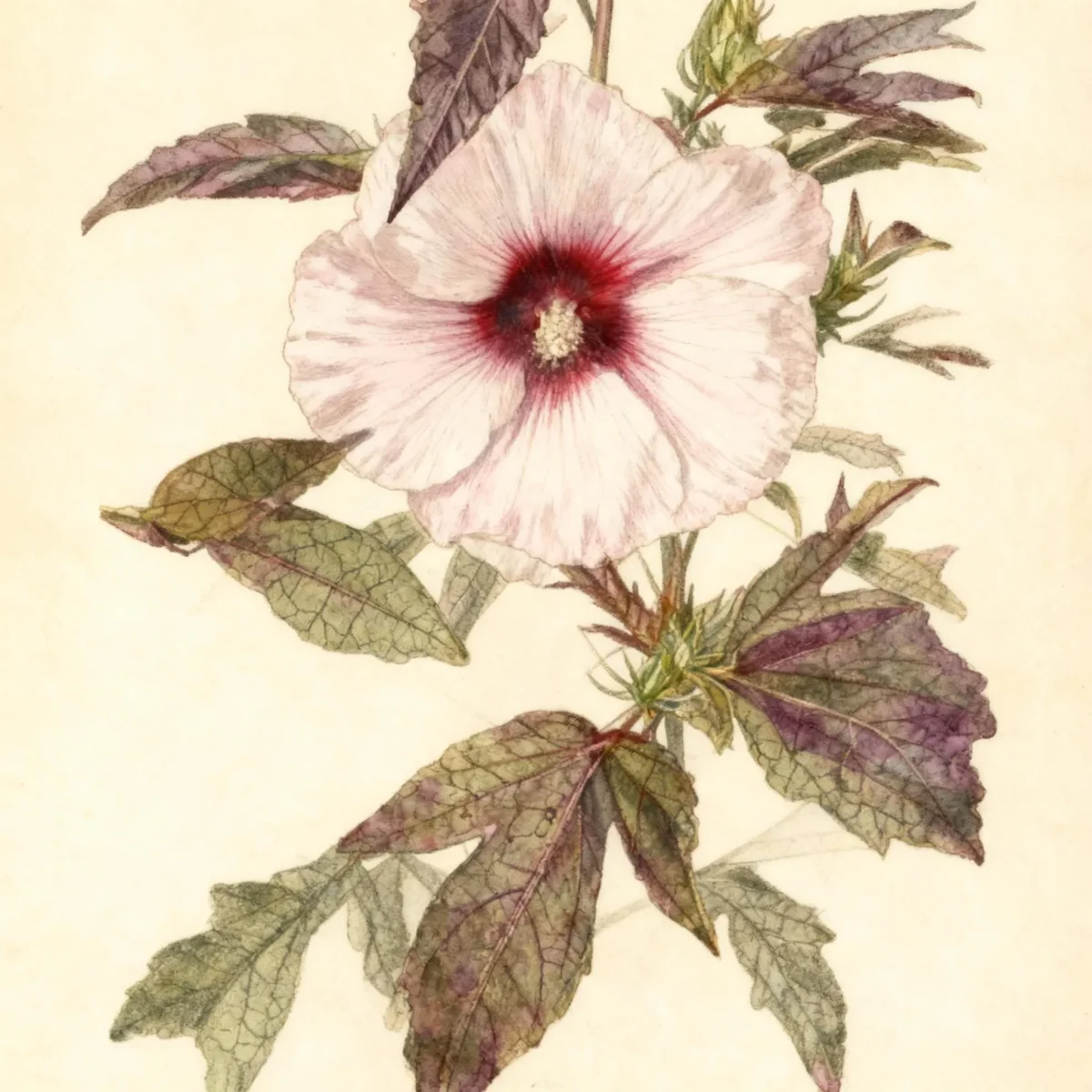
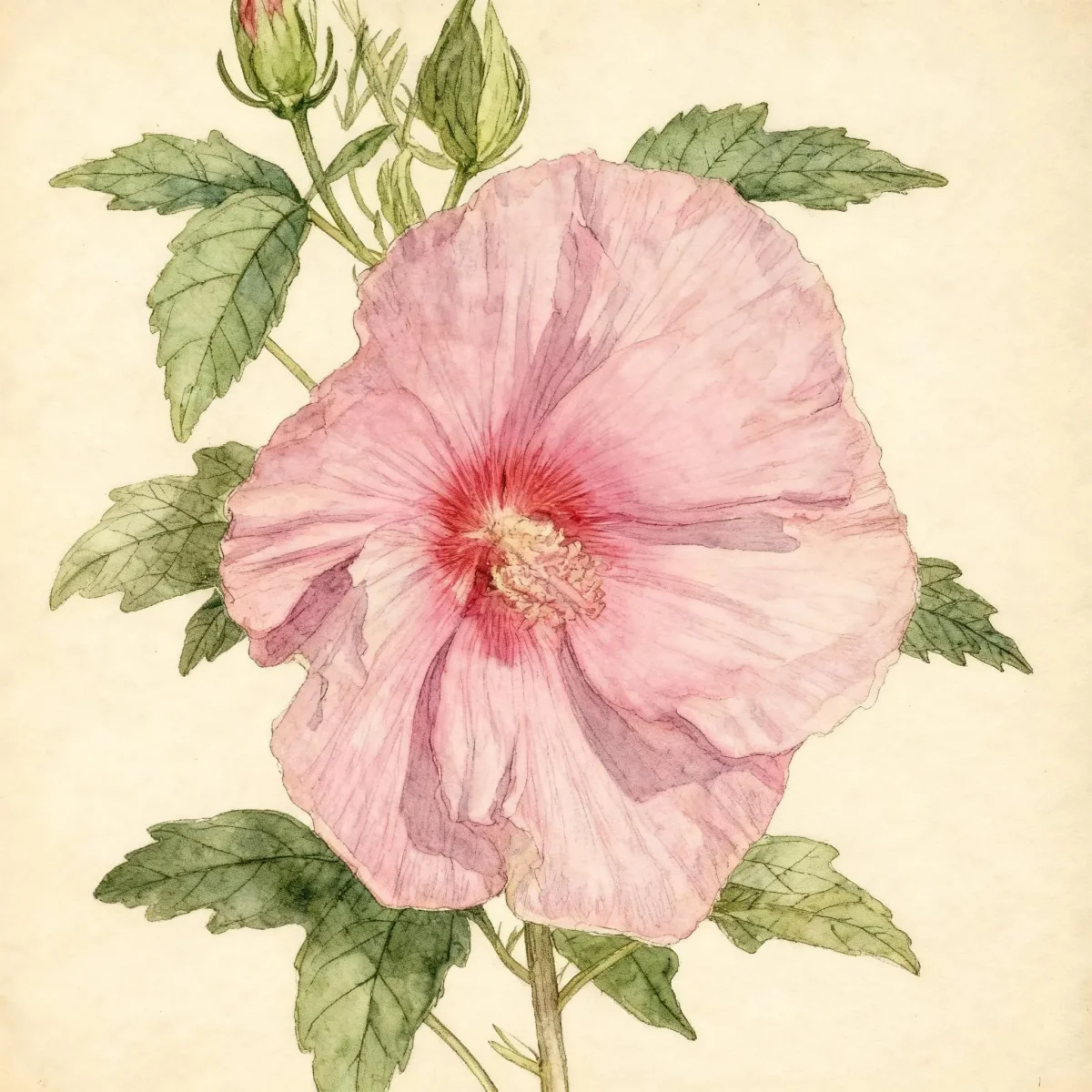
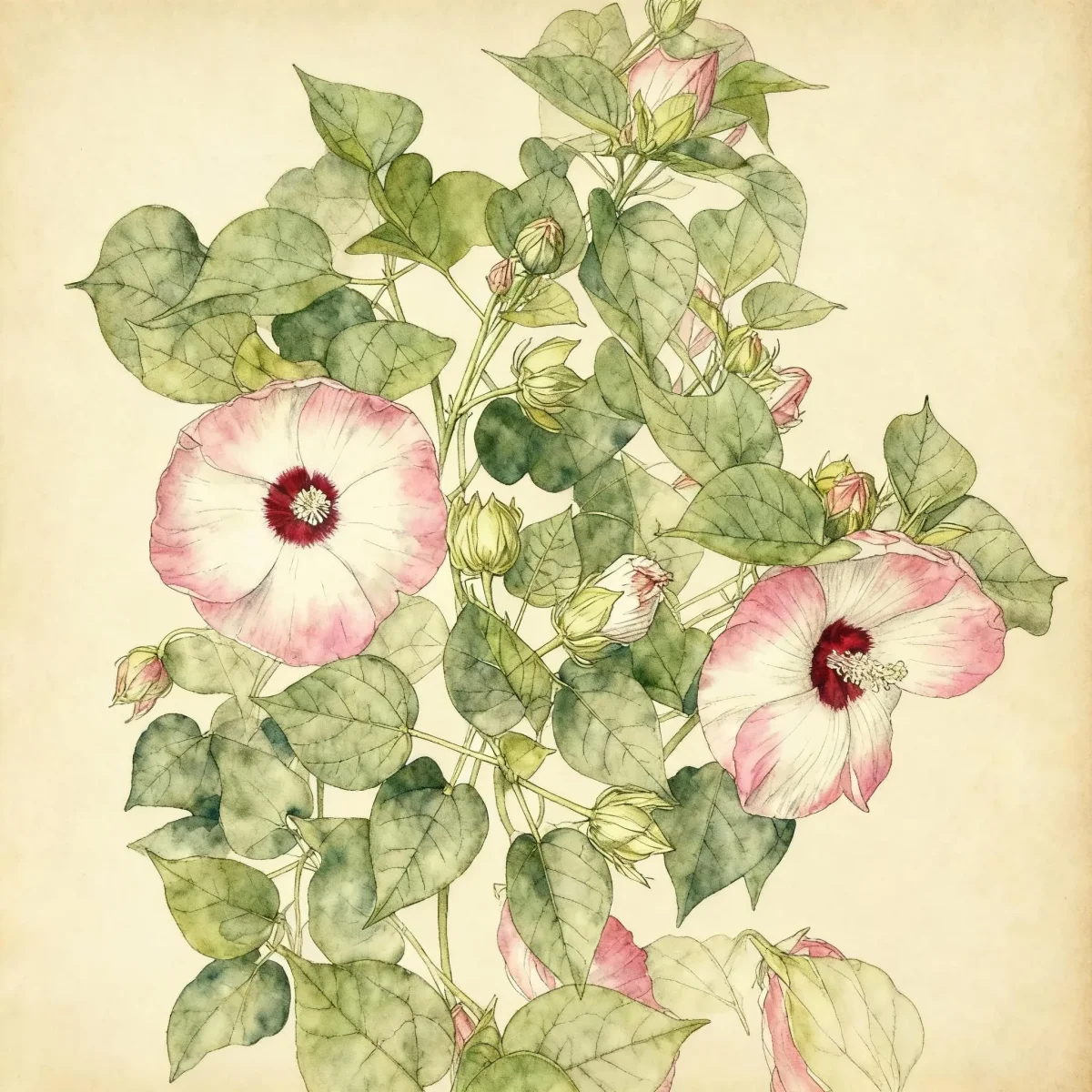
The species, Hibiscus moscheutos (known as swamp rose mallow), produces dinner plate-sized flowers native to East Coast wetlands. This cultivar, ‘Luna Pink Swirl’, is bred for compactness, offering 8-inch blooms with a cranberry red center surrounded by white petals swirled heavily with pink. The flowers open daily from July through September, providing long-lasting, large-scale color interest in the heat of summer.
Tolerances
- Deer
- Wet Soil
Potential Problems
While generally robust, this Hardy hibiscus can face specific challenges if conditions aren’t ideal. Susceptibility exists for common fungal issues such as leaf spots, blights, and rusts; improving air circulation by ensuring full sun exposure and proper spacing is the best preventative action. Check foliage regularly for insect pests; Japanese beetles can cause severe defoliation quickly if not manually removed or treated early in the season. If soils are allowed to dry out completely, leaf scorch is likely, emphasizing the need for consistent watering management for Hibiscus moscheutos ‘Luna Pink Swirl’.
Frequently Asked Questions
What hardiness zones is Hardy hibiscus suitable for?
This variety, Hibiscus moscheutos ‘Luna Pink Swirl’, is suited for USDA Hardiness Zones 5 through 9.
How large does Hardy hibiscus grow?
When mature, this perennial typically reaches a height between 2 and 3 feet, with a symmetrical spread of 2 to 3 feet wide.
What sun exposure does Hibiscus moscheutos ‘Luna Pink Swirl’ need?
For optimal growth, maximum flower production, and the strongest stems, Hibiscus moscheutos ‘Luna Pink Swirl’ requires full sun exposure daily.
When does Hibiscus moscheutos ‘Luna Pink Swirl’ bloom?
This plant provides continuous color from July all the way through September, featuring beautiful blooms described as white with pink markings and a red center.
Conclusion
The Hardy hibiscus, particularly the compact and colorful Hibiscus moscheutos ‘Luna Pink Swirl’, offers gardeners an unparalleled summer show with minimal long-term fuss. Its spectacular, nearly tropical bloom display combined with its tolerance for wet conditions makes it a versatile powerhouse. Before planting, verify that your location within Zones 5-9 provides the necessary full sun and consistent moisture this spectacular perennial demands.
Companion Planting
Choosing companions that appreciate wet feet and full sun will create a harmonious planting scheme around your Hardy hibiscus. Consider masses of tall ornamental grasses like Panicum virgatum (Switchgrass) for vertical contrast, or vibrant blue and purple flowering perennials such as Joe Pye Weed (Eutrochium species) or Blue Flag Iris (Iris versicolor). These plants share the need for high moisture levels, ensuring that watering routines benefit all associated flora.
Wildlife Benefits
The large, nectar-rich flowers of the Hardy hibiscus are highly attractive to numerous beneficial insects, most notably large butterflies and hummingbirds visiting throughout the bloom period. While the seed capsules are a source of food, the primary benefit of Hibiscus moscheutos is its massive floral display, which provides significant summer nectar flow when other flowers may be slowing down. Planting this cultivar supports local biodiversity right where moisture collects in your landscape.